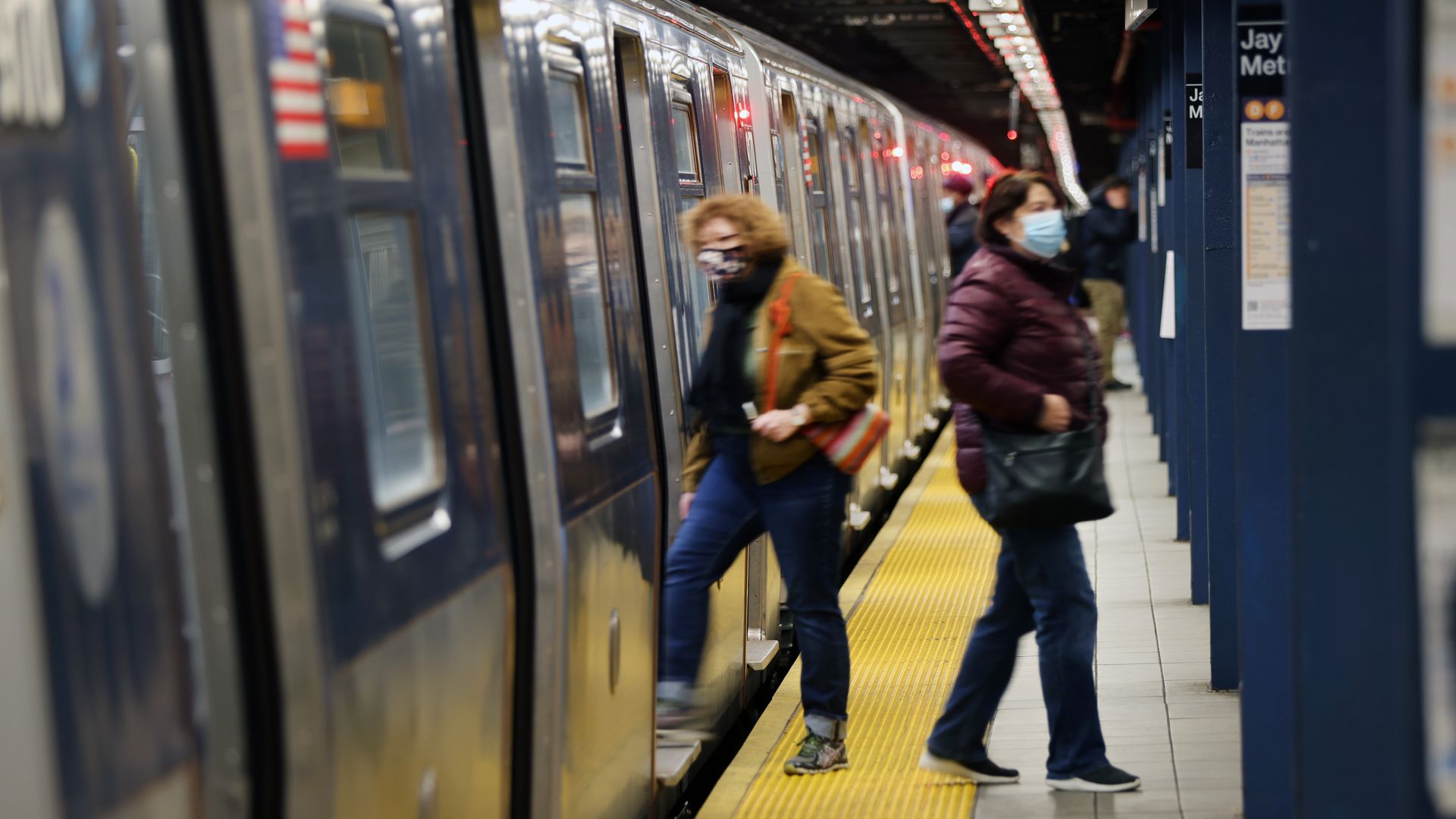
Public transit officials in cities across the country are pleading for federal help, as many brace for steep budget cuts in response to financial crises brought on by the coronavirus pandemic.
Why it matters: Transit agencieshave seen ridership and fare revenues plummet since the beginning of the pandemic. With no help from Congress yet in sight, some "have started to outline doomsday service plans that would take effect next year," writes the New York Times.
The federal government plans to stagger shipments of coronavirus vaccines to help ensure that states don't run out of supplies, the Washington Post reports.
Why it matters: The Trump administration's current plans would make 35 million to 40 million COVID vaccine doses available — instead of the 300 million doses originally promised. The "lower-than-anticipated allocations have caused widespread confusion and concern in states," the Post reports.
An alarming number of Americans say they'd reject a COVID-19 vaccine, posing a risk to the country's ability to achieve widespread immunity.
Why it matters: Vaccine adoption is a matter of trust, and trust in most institutions is at generational lows. NIAID director Anthony Fauci has said 70–75% of Americans will need to vaccinate to get the country on the road to normality.
Hospitals across the country are reaching their breaking point on ICU and bed capacity as COVID surges, forcing many health systems to begin diverting patients from emergency rooms and ration care.
The U.S. should start seeing a "significant decrease" in COVID-19 mortality by the end of January, as the most at-risk populations are vaccinated, Moncef Slaoui, the top scientific adviser to Operation Warp Speed, told CNN's "State of the Union" Sunday.
The big picture: Slaoui noted that "between 40–50% of all deaths" have been elderly people in nursing homes, who along with health care workers should be fully immunized "by the end of the month of December or by the middle of the month of January."
While the U.S. continues to set records for new coronavirus cases, European countries have managed to turn their own terrifying spikes around.
The big picture: As some states in the U.S. crack down to head off the worst, the debate in countries like the U.K. and France has shifted to whether and how to lighten their own restrictions before the holidays.
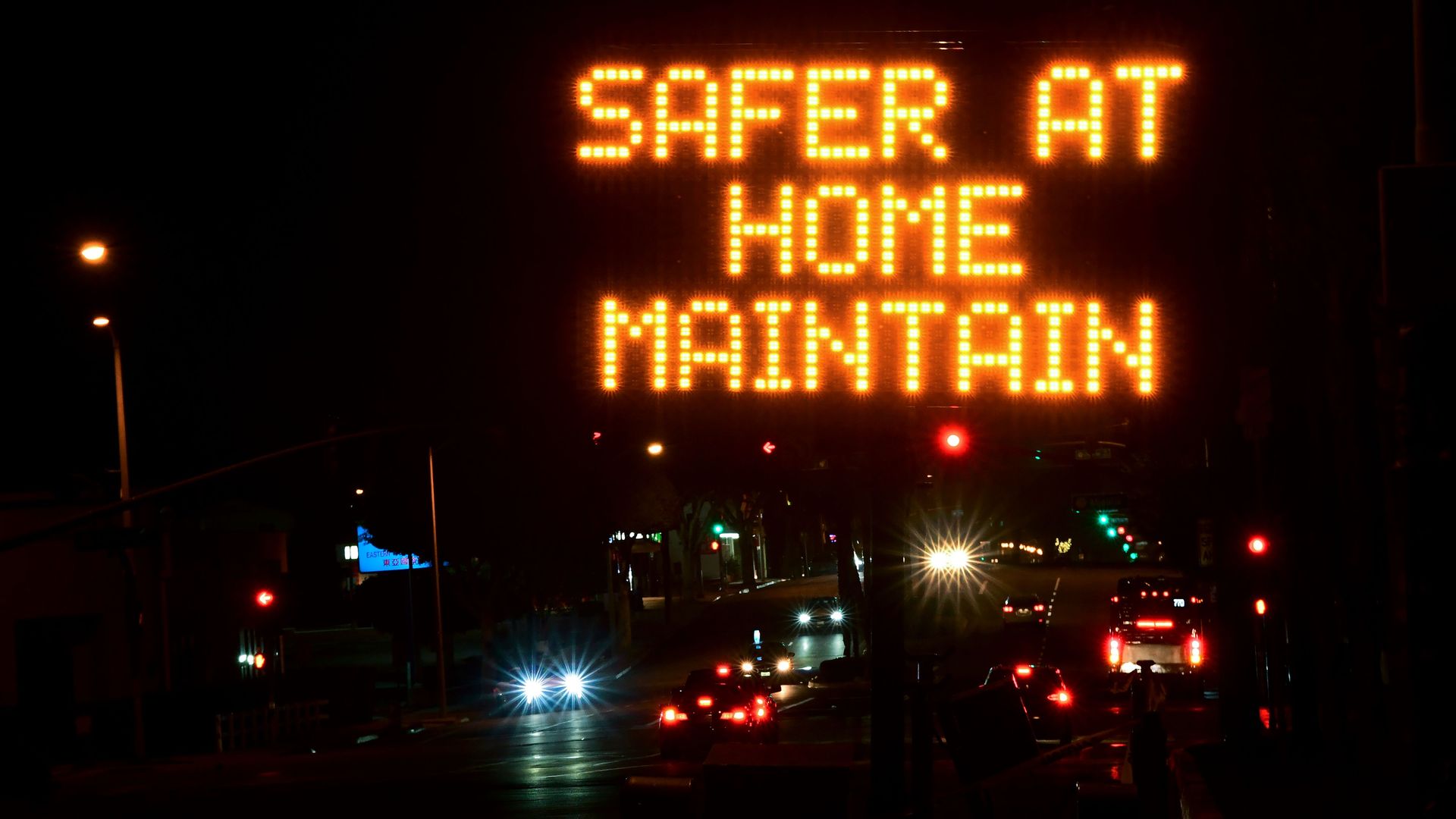
Driving the news: Gov. Gavin Newsom announced a three-week stay-at-home order on Thursday that would go into effect in regions with less than 15% ICU capacity.
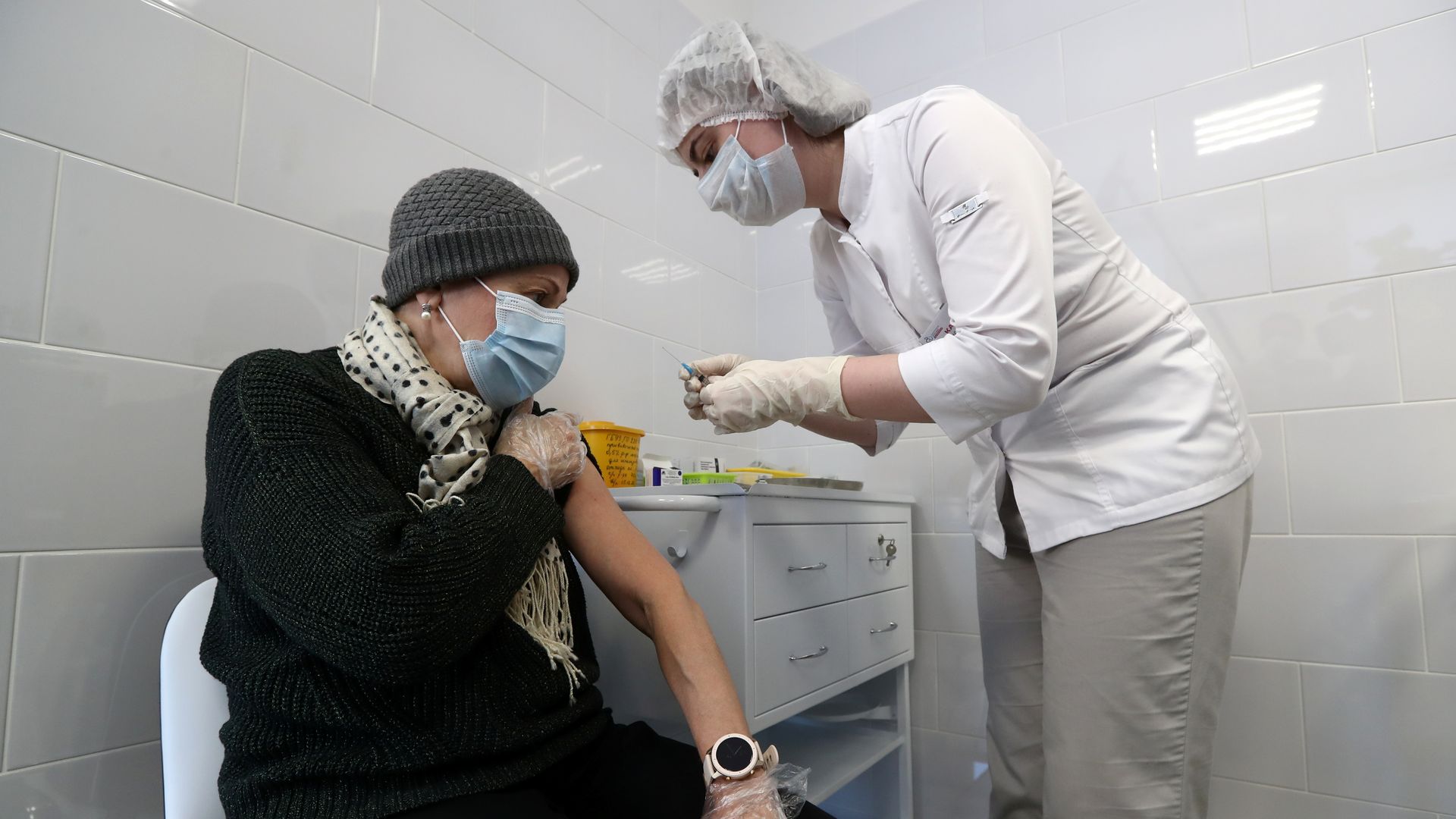
Russia began distributing its coronavirus vaccine on Saturday, making Sputnik V available at 70 different locations around Moscow.
Driving the news: The immunization effort comes days after Russian President Vladimir Putin directed officials to begin large-scale vaccination against the virus, despite widespread criticism from scientists worldwide over the Sputnik V vaccine's safety and effectiveness.
World Health Organization officials warned Friday that although it's rare, recent data suggests some people may become reinfected with the coronavirus as their antibody response diminishes, CNBC reports.
Driving the news: Dr. Mike Ryan, executive director of the WHO’s health emergencies program, said data has emerged that suggests "protection may not be lifelong" for people who have had the coronavirus, and "therefore we may see reinfections begin to occur."
The number of Americans who say they plan to get vaccinated for the coronavirus increased between September and November, according to a Pew Research Center study published this week.
The big picture: As vaccines from Pfizer and Moderna await emergency approval, NIAID director Anthony Fauci said this week he expects the general population to have access to the vaccines U.S regulators are considering by April. Fauci noted that if the "overwhelming majority" of Americans embraced coronavirus immunization by the end of the second quarter.
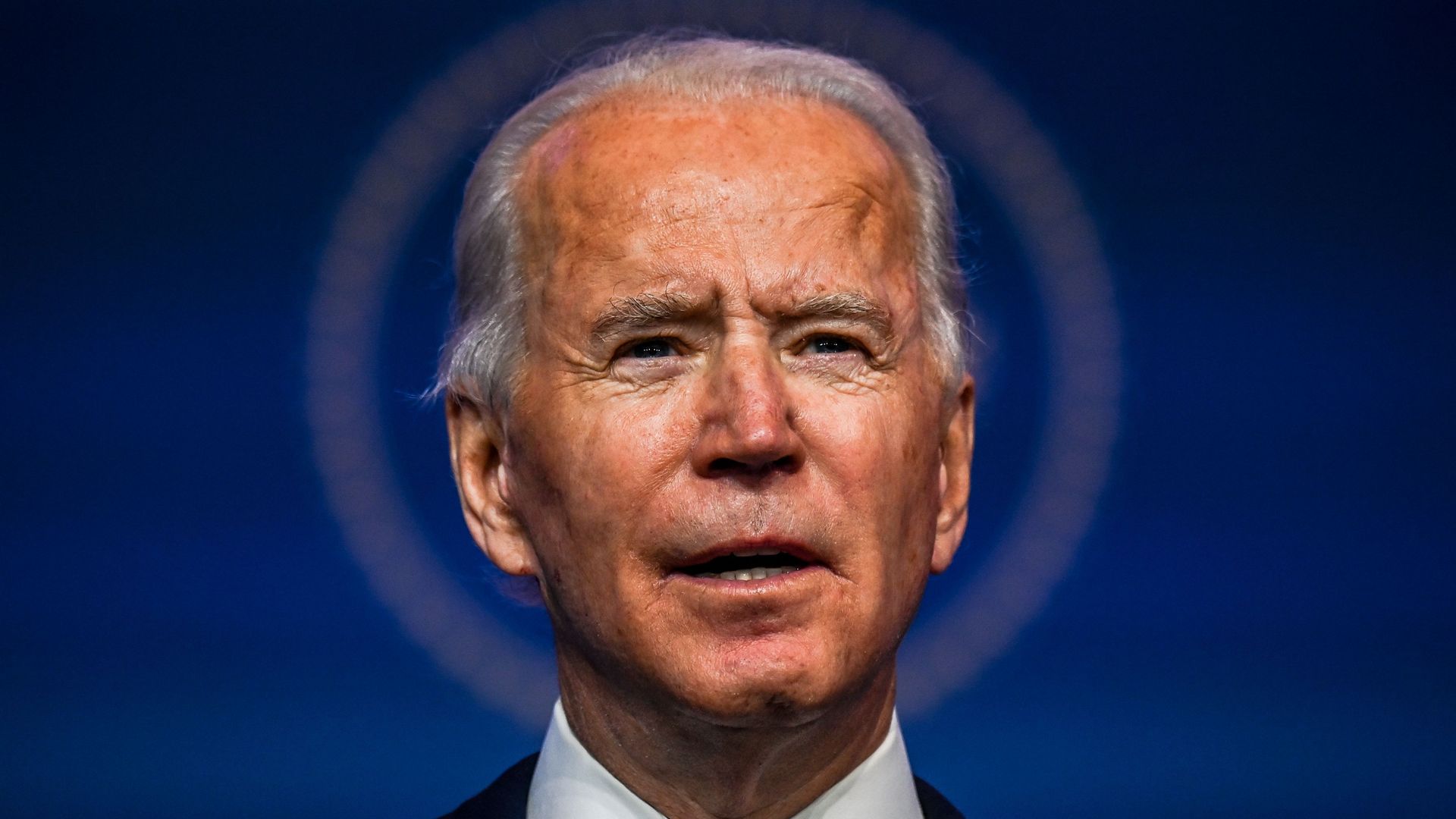
A dim, gloomy scene seems increasingly set for Joe Biden's debut as president.
The state of play: He'll address — virtually — a virus-weary nation, with record-high daily coronavirus deaths, a flu season near its peak, restaurants and small businesses shuttered by wintertime sickness and spread.
New Mexico hospitals may soon move to "crisis standards of care," allowing providers to ration care depending on a patient's likelihood of survival, Gov. Michelle Lujan Grisham (D) said in a Washington Post interview.
The state of play: "New Mexico has consistently won praise among public health experts for its aggressive approach to combating the virus," the Post writes. But hospitals across the state have been operating at or near capacity recently, with many close to running out of ICU and regular beds, the Santa Fe New Mexican reports.
Iran's coronavirus death toll has topped 50,000, according to data from Johns Hopkins University.
Why it matters: The grim milestone comes two weeks after the country imposed restrictions in its major cities, which aimed to slow the spread of the virus and daily death toll.
The Trump administration is extending federal student loan relief, which includes a pause on payments and interest accrual, through Jan. 31, the Department of Education announced Friday.
Why it matters: Payments have been paused since March due to the coronavirus pandemic, but the relief was set to expire on Dec. 31 . The relief measures, which also include the suspension of collections of defaulted federal student loans, have helped mitigate some of the pandemic's negative consequences for millions of borrowers.