Gilead Sciences on Thursday received approval from the Food and Drug Administration for remdesivir, an antiviral treatment that has shown modest results against treating COVID-19.
Why it matters: It's the first and only fully FDA-approved drug in the U.S. for treating the coronavirus.
It's still the early days of the coronavirus pandemic, but history, biology and the knowledge gained from our first nine months with COVID-19 point to how the pandemic might end.
The big picture: Pandemics don't last forever. But when they end, it usually isn't because a virus disappearsor is eliminated. Instead, they can settle into a population, becoming a constant background presence that occasionally flares up in local outbreaks.
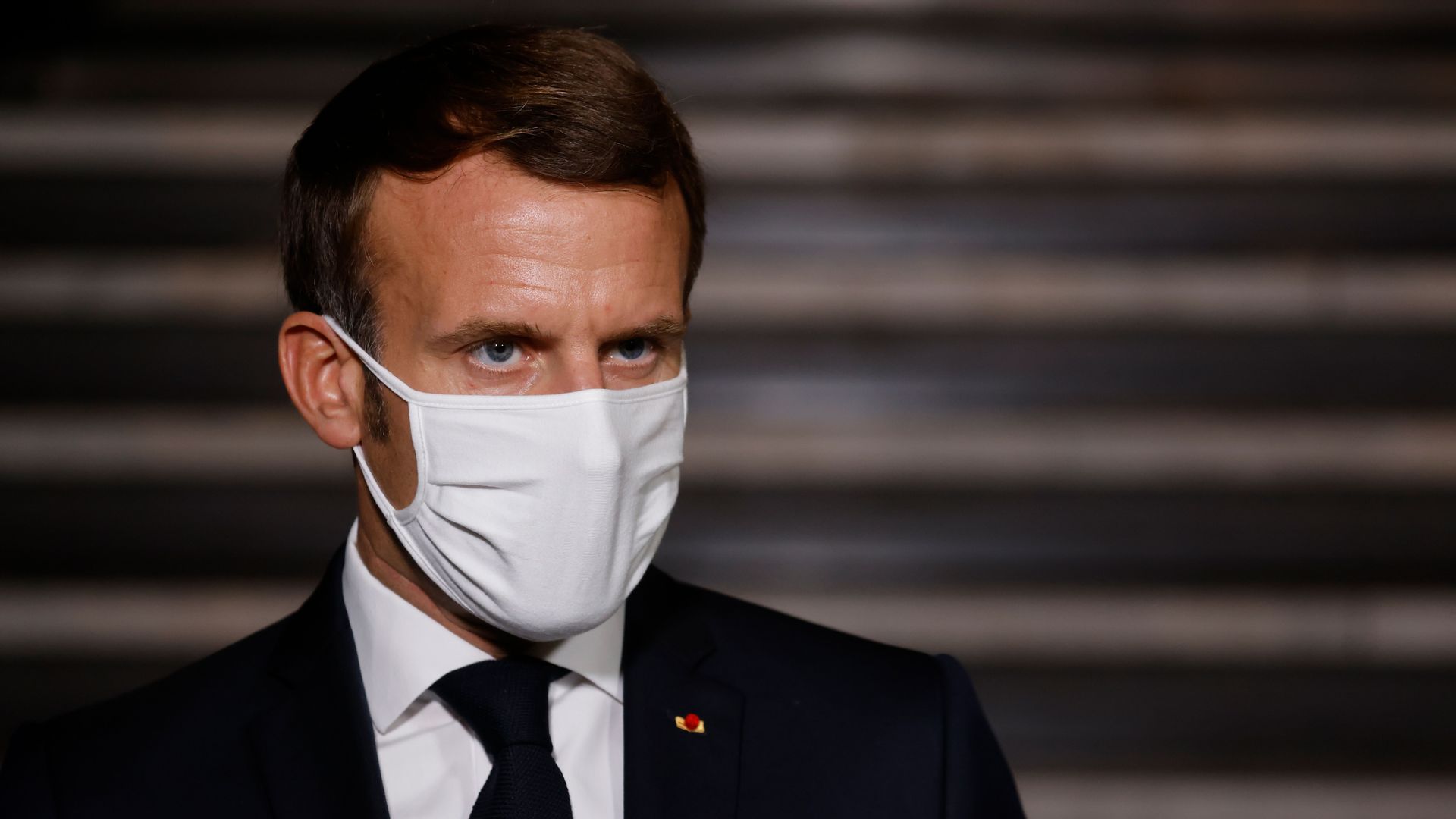
France has become the second country in Western Europe to surpass 1 million COVID-19 cases, Johns Hopkins University data shows
The big picture: France had reported 1,000,369 cases and 34,075 deaths from the coronavirus by Thursday morning, per JHU. French President Emmanuel Macron declared a state of health emergency and imposed a curfew on virus hot spots earlier this month. Spain on Wednesday became the first Western European nation to top 1 million cases.
If the U.S. death rate had matched that of other wealthy countries, between about 55,000 and 215,000 Americans would still be alive, according to a scathing new analysis by Columbia University's National Center for Disaster Preparedness.
Why it matters: These countries have taken a significantly different approach to the virus than the U.S., providing yet another example that things didn't have to be this way.
Every available piece of data proves it: The coronavirus pandemic is getting worse again, all across America.
The big picture: As the death toll ticks past 212,000, at a moment when containing the virus ought to be easier and more urgent than ever, we are instead giving it a bigger foothold to grow from.
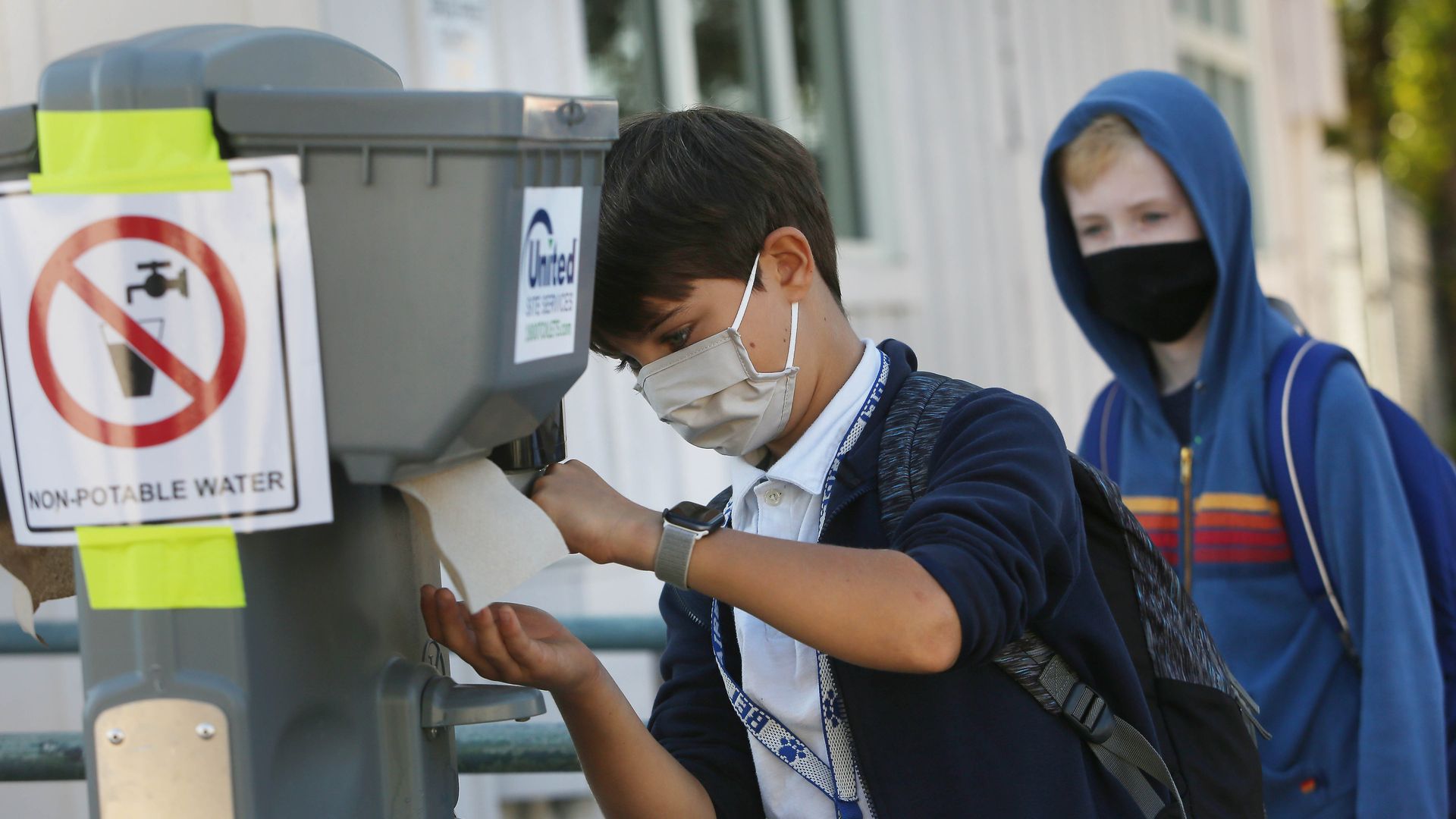
Large school districts that were in a hybrid reopening phase reverted back to virtual learning in response to growing community spread of the coronavirus.
Driving the news: Both Boston and Chicago's public school districts closed for in-person learning as health officials investigate what caused the spikes in nearby suburbs.
Former New Jersey Gov. Chris Christie (R), who was hospitalized with COVID-19, implored people in a Wall Street Journal op-ed Wednesday to wear masks "or you may regret it — as I did."
The big picture: Christie didn't wear a mask when he helped President Trump prepare for the first presidential debate nor during the White House Rose Garden ceremony for Supreme Court nominee Judge Amy Coney Barrett in September. "I let my guard down and left my mask off," Christie wrote in the WSJ article.
The Center for Disease Control and Prevention expanded its definition of who is considered a “close contact” of an individual infected with the coronavirus in a report released Wednesday.
Why it matters: The update is likely to pose challenges for schools, workplaces and other group settings as the U.S. prepares for a third coronavirus wave. It also reinforces the importance of masks in the face of President Trump’s repeated attempts to belittle their efficacy.
Bioscience research is undergoing a wave of automation and digitization, turning a manual, laborious practice into a true industry.
Why it matters: Biotechnology promises to revolutionize everything from medicine to energy, but for that to happen, the field needs to move out of the traditional lab and into something resembling a foundry. The growth of robotics and cloud-based remote research can help make that happen.
Spain exceeded 1 million confirmed coronavirus cases on Wednesday, becoming the first country in Western Europe to hit the milestone, according to data from Johns Hopkins University.
The state of play: Spain, which reported 16,973 cases over the previous 24 hours, was one of the most affected countries when the pandemic started, and cases have been on the rise since September, according to NPR.
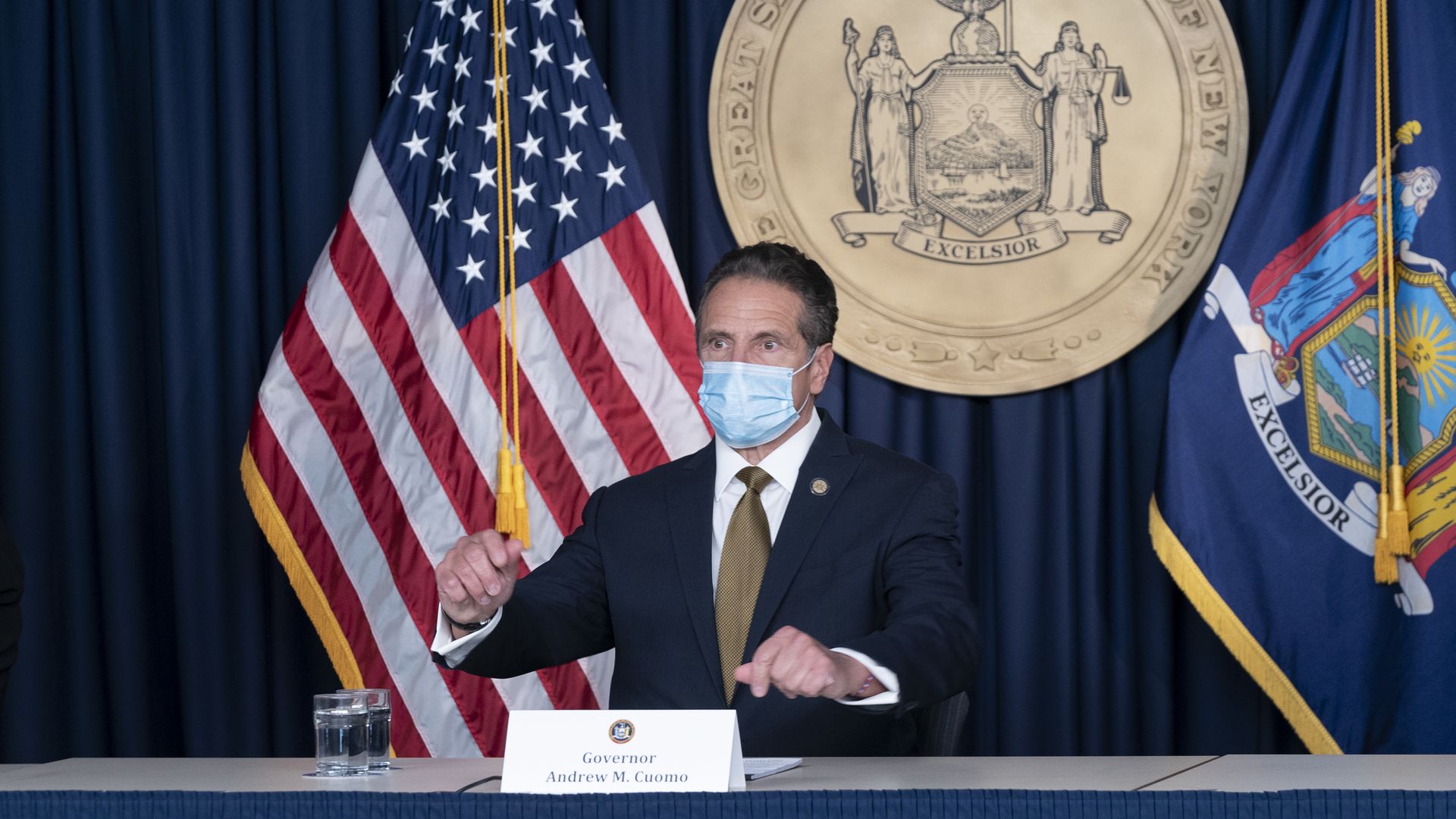
New York reported over 2,000 positive coronavirus cases on Wednesday — the most infections seen in the state since May, per COVID Tracking Project (CTP) and health department data.
The big picture: Hospitalizations have been creeping back up in New York, alongside 38 other states. New York is currently seeing more than 900 hospitalizations a day, the CTP reports.
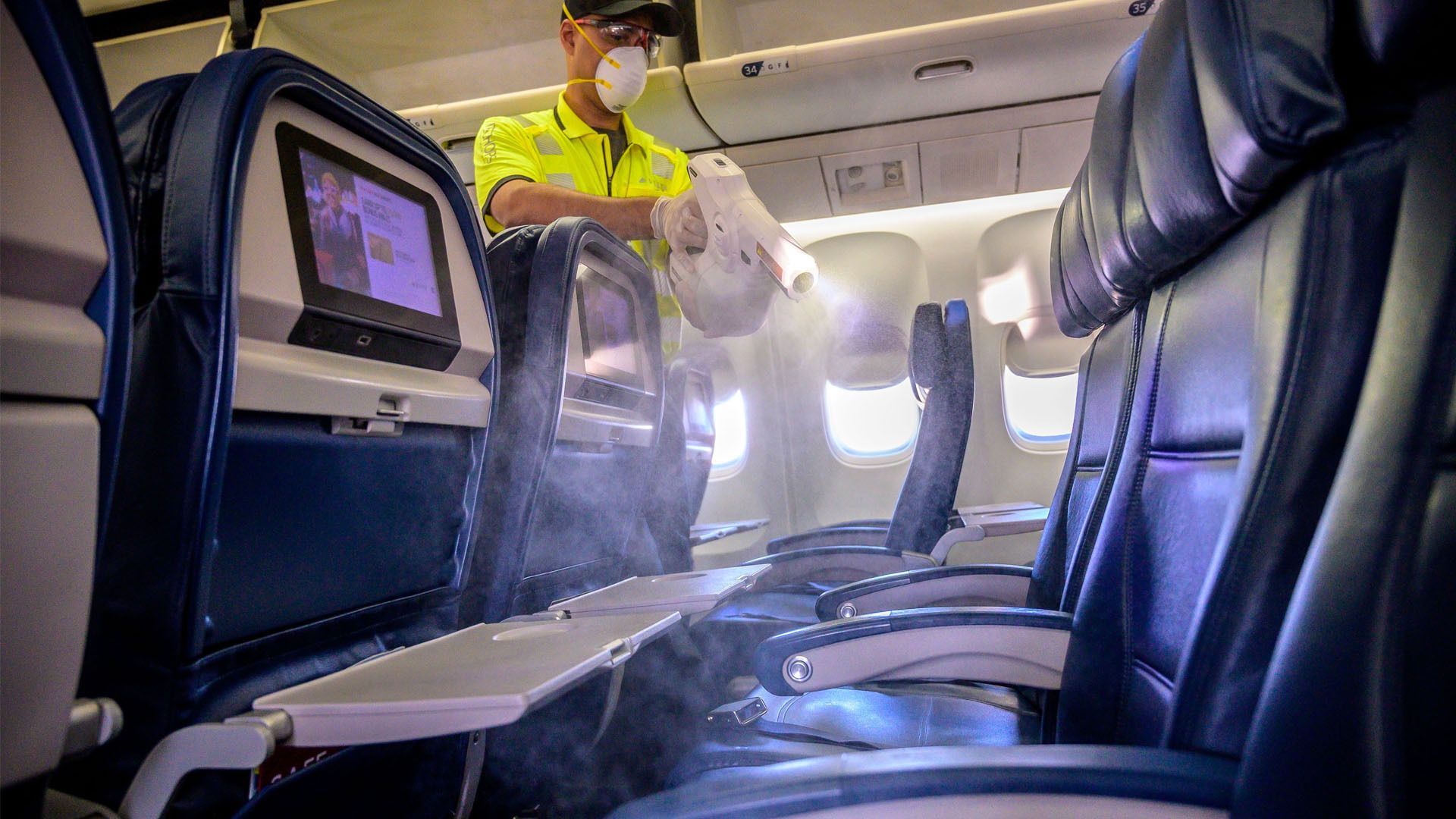
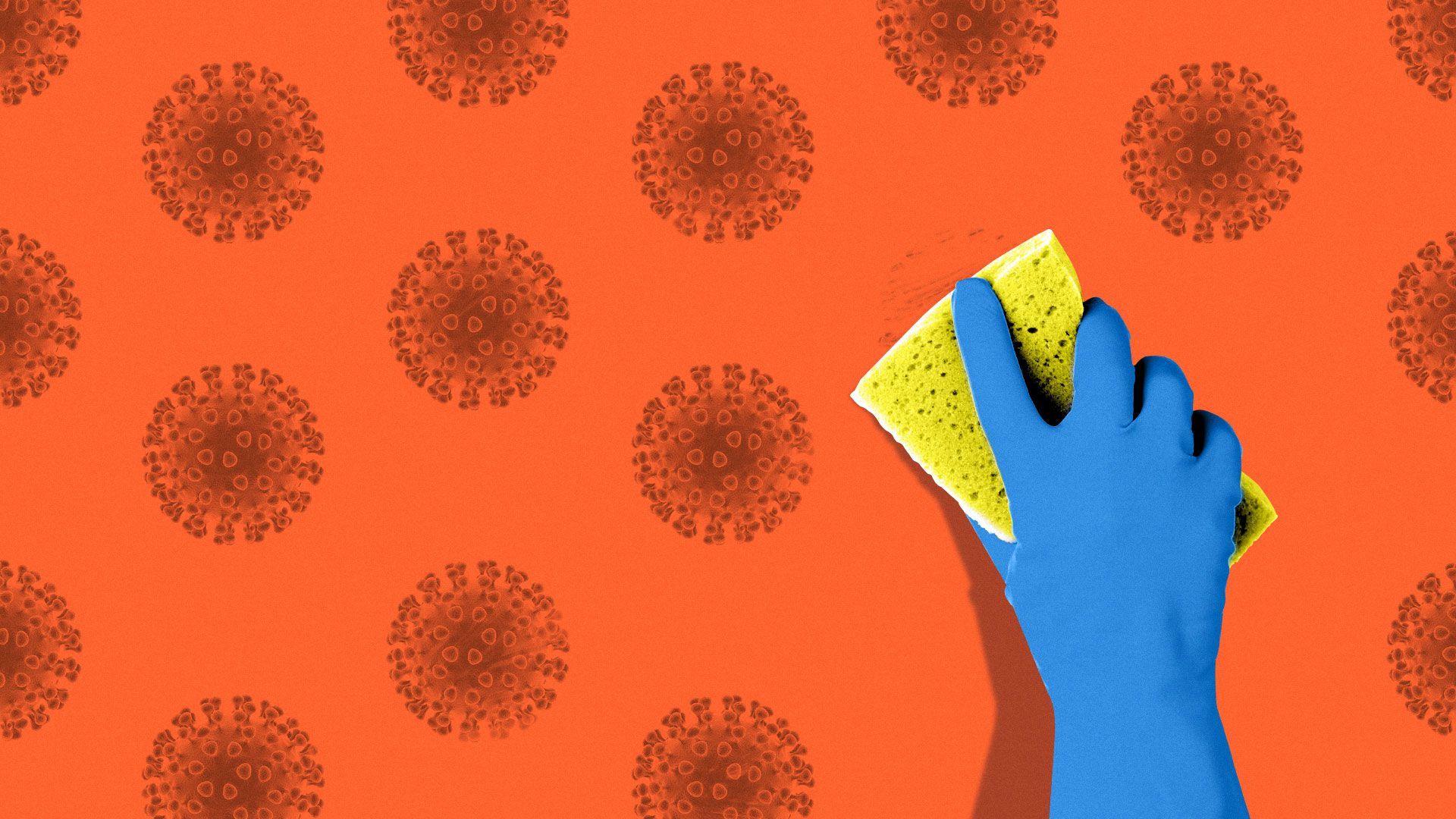
Boeing and researchers at the University of Arizona say their experiment with a live virus on an unoccupied airplane proves that the cleaning methods currently used by airlines are effective in destroying the virus that causes COVID-19.
Why it matters: Deep cleaning aircraft between flights is one of many tactics the airline industry is using to try to restore public confidence in flying during the pandemic. The researchers say their study proves there is virtually no risk of transmission from touching objects including armrests, tray tables, overhead bins or lavatory handles on a plane.
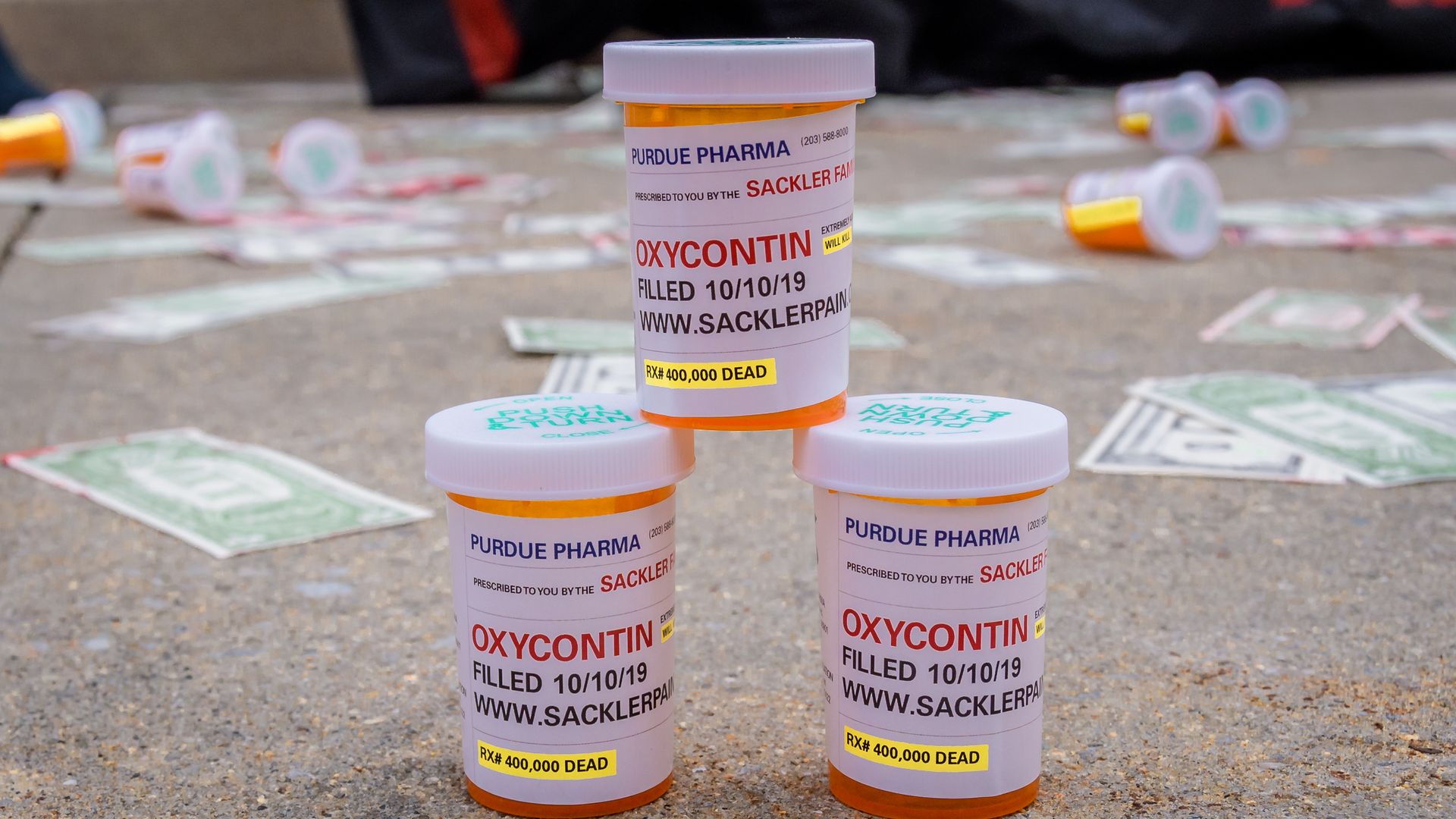
Purdue Pharma, the maker of OxyContin, has agreed to plead guilty to three federal criminal charges and close the company as part of an $8.3 billion settlement, the Justice Department announced Wednesday.
Why it matters: The settlement marks a significant step in the federal government's efforts to hold a major drugmaker responsible for the country's opioid crisis, which has been linked to hundreds of thousands of deaths.
San Francisco public school officials do not anticipate bringing students back into the classroom before the end of the year, partially due to limited coronavirus testing capacity, the San Francisco Examiner reports.
The big picture: Schools that have reopened their doors in the U.S. generally have not experienced large coronavirus outbreaks, an early sign that they may not be the super-spreaders some experts had feared.
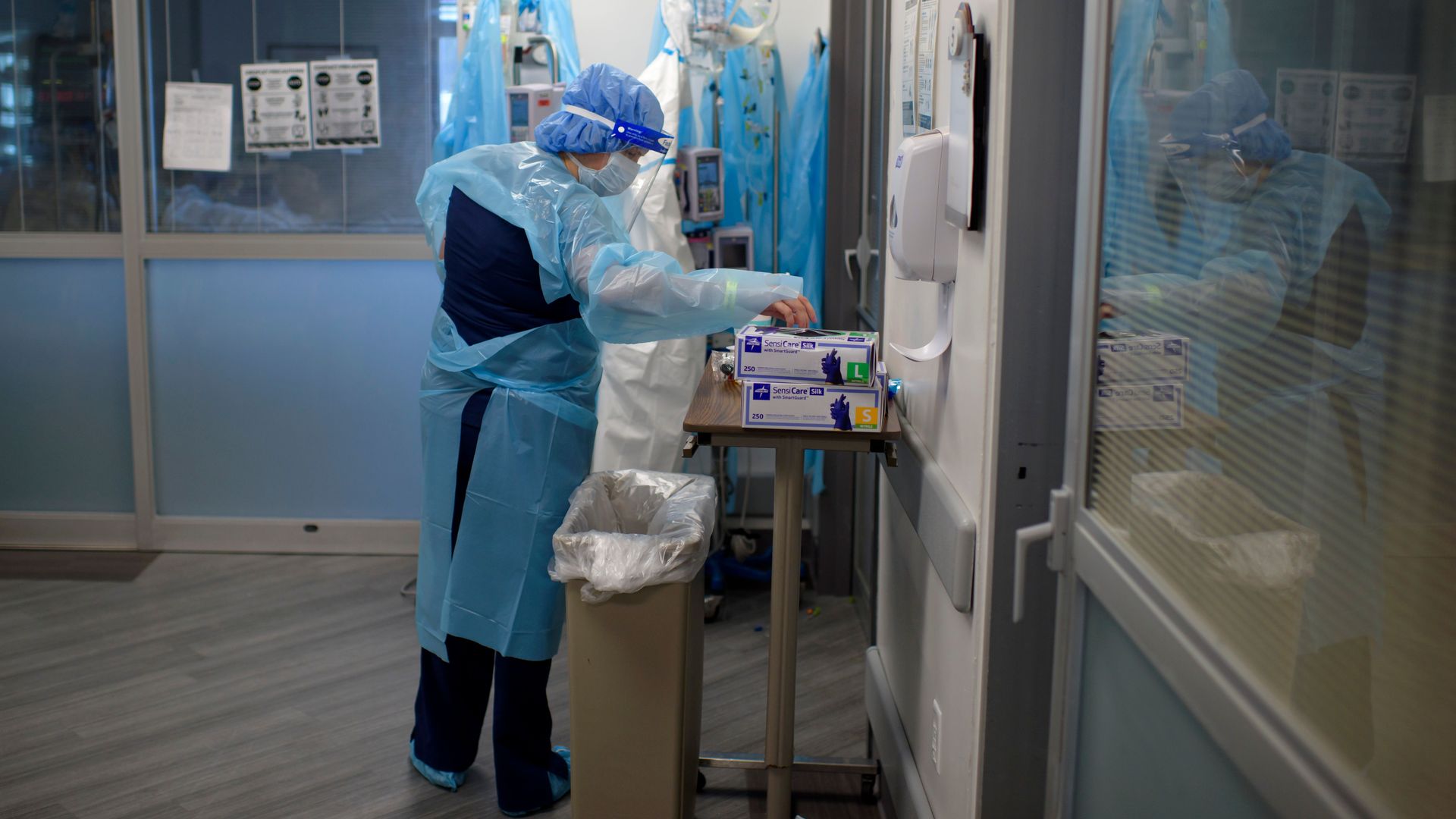
There's been a sharp drop in mortality rates among hospitalized coronavirus patients, including older patients and those with pre-existing health conditions, per two new peer-reviewed studies.
By the numbers: One study that looked at a single health system found that hospitalized patients had a 25.6% chance of dying at the start of the pandemic, but now have only a 7.6% chance, NPR reports.
Health care has fragmented into multiple issues in this campaign cycle, and Joe Biden leads President Trump on almost all of them, according to our KFF polling.
The big picture: Biden’s commanding leads on protecting people with pre-existing conditions and managing the coronavirus outbreak suggest that Trump’s record and rhetoric on those issues, while popular with his base, may have backfired with the electorate generally.
About 285,000 more people have died in the U.S. than anticipated, and 66% of those fatalities were due to COVID-19, a report out Tuesday from the Centers for Disease Control and Prevention shows.
By the numbers: The deaths, recorded between Feb. 1 and Sept. 16, disproportionately affect Latinx and Black Americans. The "excess death" rate among 25-to-44 year-olds is also up about 27% from previous years.
The coronavirus pandemic will wreak havoc on the U.S. health care system long after it ends — whenever that may be.
Why it matters: The pre-pandemic health care system was already full of holes, many of which have been exposed and exacerbated over the past several months, and many Americans will be stuck with that system as they grapple with the long-term consequences of the pandemic.