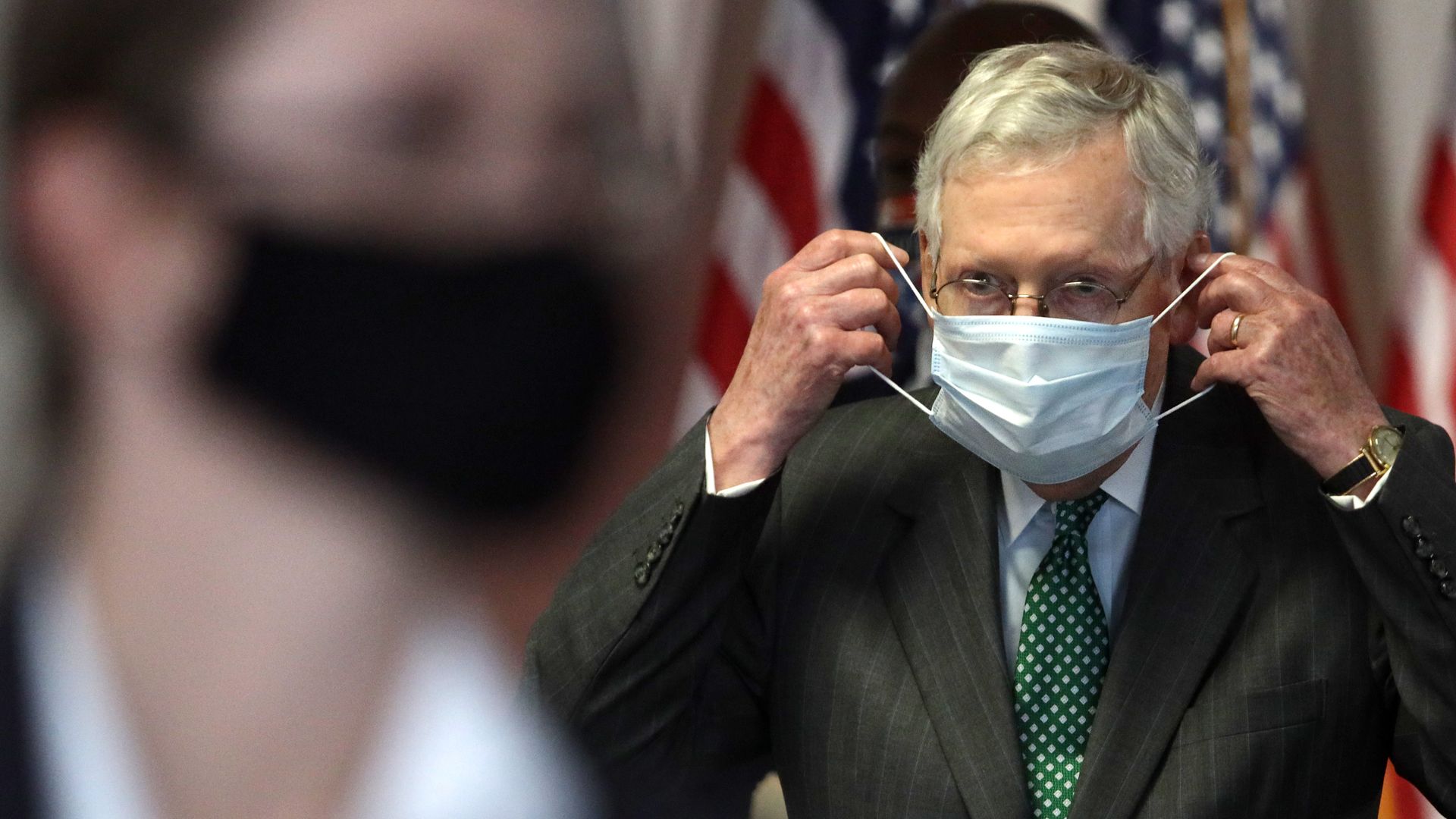
Senate Majority Leader Mitch McConnell plans to release his phase four legislation this week — more than two months after House Democrats unveiled their $3 trillion plan. McConnell's will be far more narrow in scope and include a roughly $1 trillion price tag, sources familiar with the bill tell Axios.
Why it matters: Several states, including some key to President Trump's re-election strategy, say more help is needed as new coronavirus cases are forcing them to shutter their economies again or at least slow their reopenings.
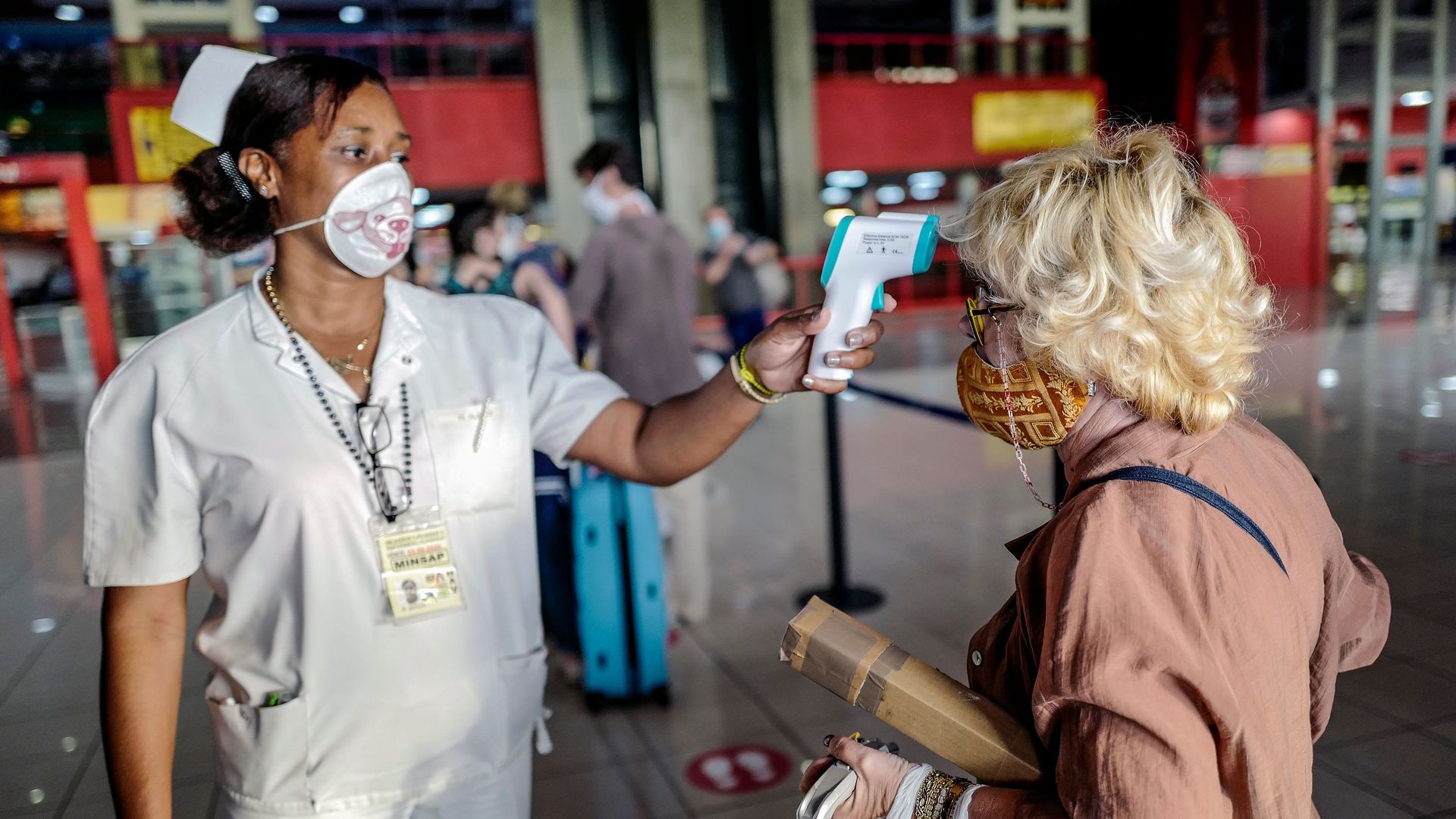
The Cuban government announced Sunday that there were no new domestic coronavirus cases for the first time in 130 days, Reuters reports.
Why it matters: The elimination of community spread is a milestone for the communist-led island nation, which will now move into the final phase of its reopening plan, according to Reuters.
Rep. Donna Shalala (D-Fla.) said on ABC's "This Week" Sunday that she has asked Florida Gov. Ron DeSantis (R) to issue another stay-at-home order and that she's "terrified" for the first time in her career because of the lack of leadership during the coronavirus crisis.
Why it matters: Florida is the new global epicenter of the pandemic, reporting a record number of daily new infections for any state and twice breaking its own record for daily deaths all in the last week.
Colorado Gov. Jared Polis (D) blamed widespread delays in coronavirus test results on the national testing system, calling it "a complete disgrace" on NBC's "Meet the Press" Sunday.
Why it matters: President Trump has often boasted about the U.S.' testing capabilities, but there have been widespread reports in recent weeks of backlogs that cause results to be delayed by up to two weeks — making it extremely difficult to contact trace and isolate patients.
Francis Collins, director of the National Institutes of Health, said on NBC's "Meet the Press" Sunday that the reason the U.S. is doing "so poorly" with the coronavirus compared to Europe is because many states ignored federal reopening guidelines and let their guard down "imagining this was just a New York problem."
Why it matters: The U.S. leads the world with over 3.7 million confirmed cases and 140,000 deaths, according to data from Johns Hopkins University. While Europe was initially hit hard by the pandemic, most countries have successfully flattened their infection curve and lifted lockdown restrictions.
Los Angeles Mayor Eric Garcetti told CNN's "State of the Union" on Sunday that the city is "on the brink" of needing another stay-at-home order, as new coronavirus cases continue to surge in California and across the U.S.
The state of play: Garcetti said a stay-at-home order would likely come at the state or county level. Los Angeles County reported 2,770 new cases and 37 more deaths on Saturday, bringing its total to 153,041 cases and 4,084 fatalities, according to data from Johns Hopkins University.
Fox News' Chris Wallace fact-checked President Trump in an interview Sunday after Trump falsely claimed that the U.S. has the lowest coronavirus mortality rate in the world.
Why it matters: Trump has touted the country's mortality rate in his defense of the administration's response to the pandemic, dismissing the fact that the U.S. has the world's highest confirmed case count as simply a product of increased testing.
Black people in Maine account for nearly 23% of coronavirus cases, despite making up about 2% of the state's population, the Washington Post reports.
The big picture: Despite Maine having among the lowest rates of coronavirus infections in the country, the state has followed the national trend of high rates of infections among Black people.
American parents and policymakers hoping for a safe return to schools in the fall have been looking to Europe, where several countries reopened as early as April without a subsequent spike in cases.
Why it matters: There’s a growing body of evidence suggesting that schools can operate safely, at least under certain circumstances. But no country that closed schools has attempted to reopen them with outbreaks still raging as they are across much of America.
The Canadian government denied the Blue Jays' request to play at their home field in Toronto, Ontario, this season over fears surrounding the surge in coronavirus cases in the U.S., ESPN reports, citing Canada's Immigration Minister Marco Mendicino.
Why it matters: The team is working to finalize plans for an alternative field for its regular-season home games before its July 29 home opener against the Washington Nationals.
Children between the ages of 10 and 19 can spread the coronavirus at least as effectively as adults do, according to a recently published study out of South Korea.
Why it matters: The findings come amid a heated global debate on reopening schools as the coronavirus pandemic wears on. Experts warn that if schools resume this fall, communities could see clusters of the infection emerge that include children of all ages, citing the study findings.
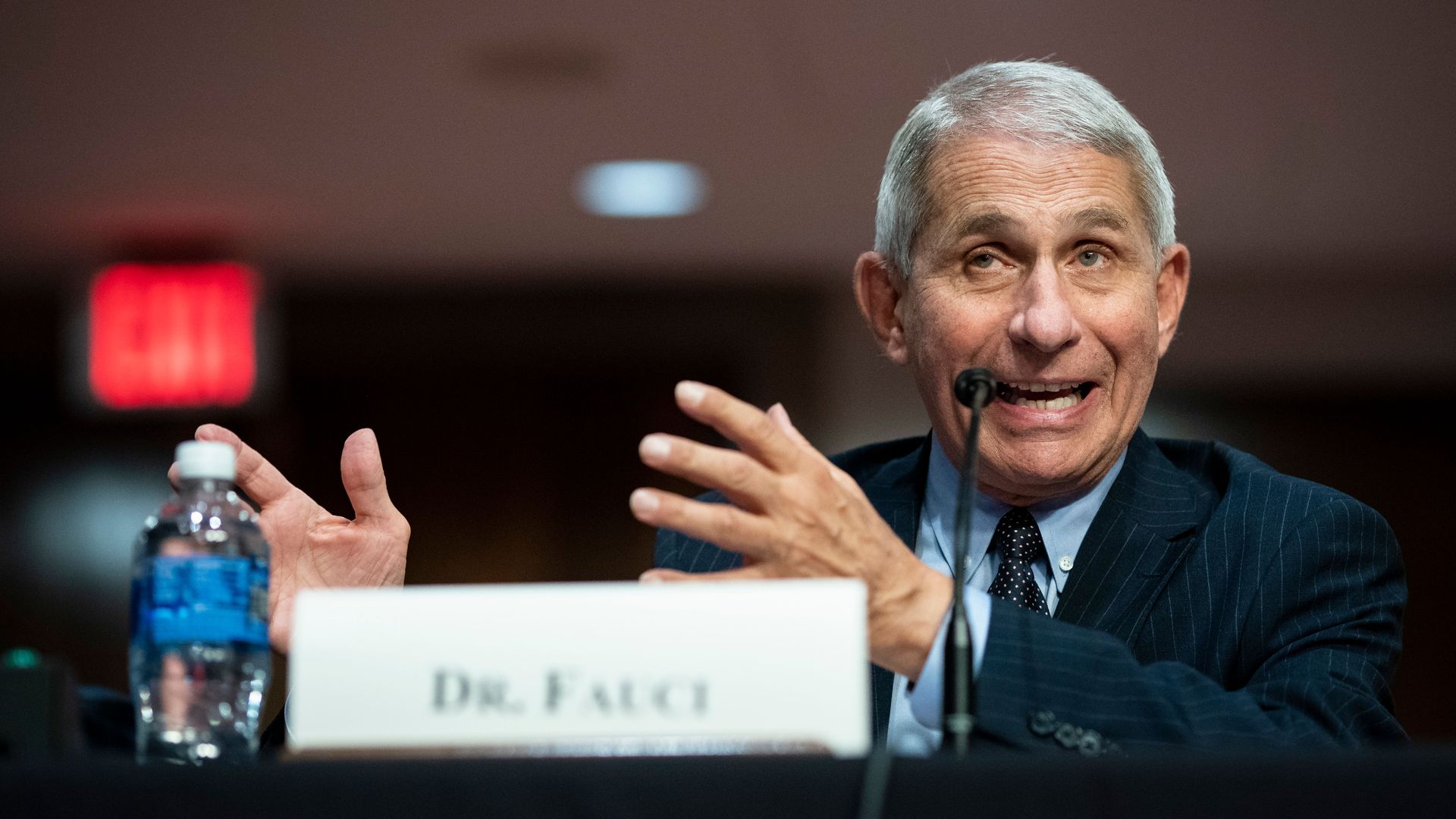
Anthony Fauci, director of the National Institute of Allergy and Infectious Diseases, said in an interview with WebMD's chief medical officer on Saturday that young people are driving the uptick in coronavirus cases by "not caring" whether they get infected.
Why it matters: Fauci said the biggest age group currently reporting new infections is at least 15 years younger than the major demographic that contracted the virus a few months ago.
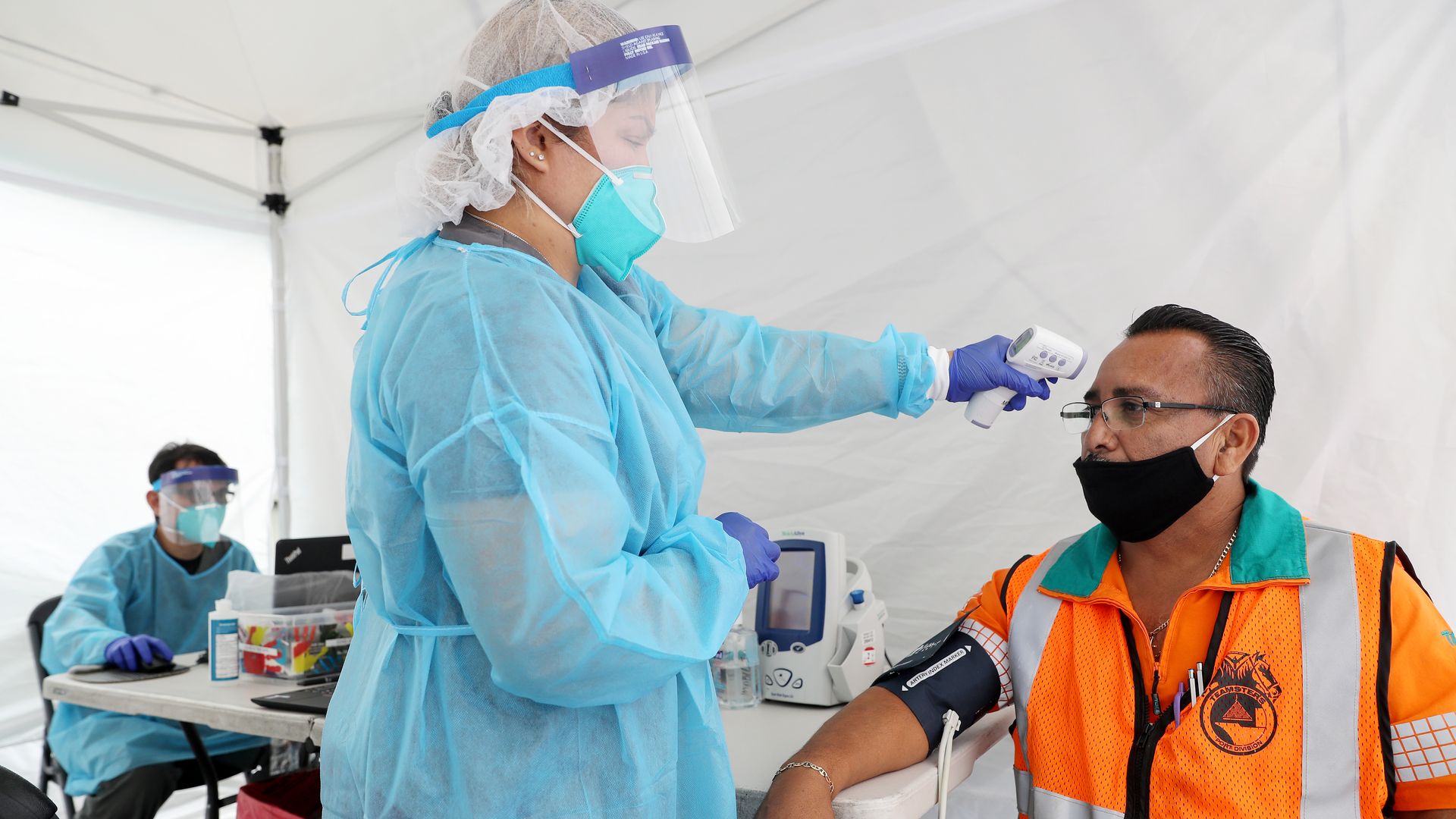
The Food and Drug Administration said Saturday it granted the first emergency use authorization for pooled coronavirus testing to speed up the process.
Why it matters: The agency said pooling up to four samples at one time can help confirm whether people are infected with fewer resources, easing testing backlogs caused by a recent spike in infections.
Gov. Andrew Cuomo allowed New York City to enter its fourth and final phase of reopening after shutting down in mid-March in response to the coronavirus pandemic.
Why it matters: Once the epicenter of the U.S. and global outbreak, New York flattened its curve and has so far proven to be a model for how states can safely and cautiously lift lockdown restrictions.
As telemedicine use explodes during the pandemic, language interpretation services have lagged behind.
Why it matters: Telemedicine has been a vital lifeline, but if it's going to fully supplement conventional health care, it needs to be able to serve everyone — including people with little or no English skills.
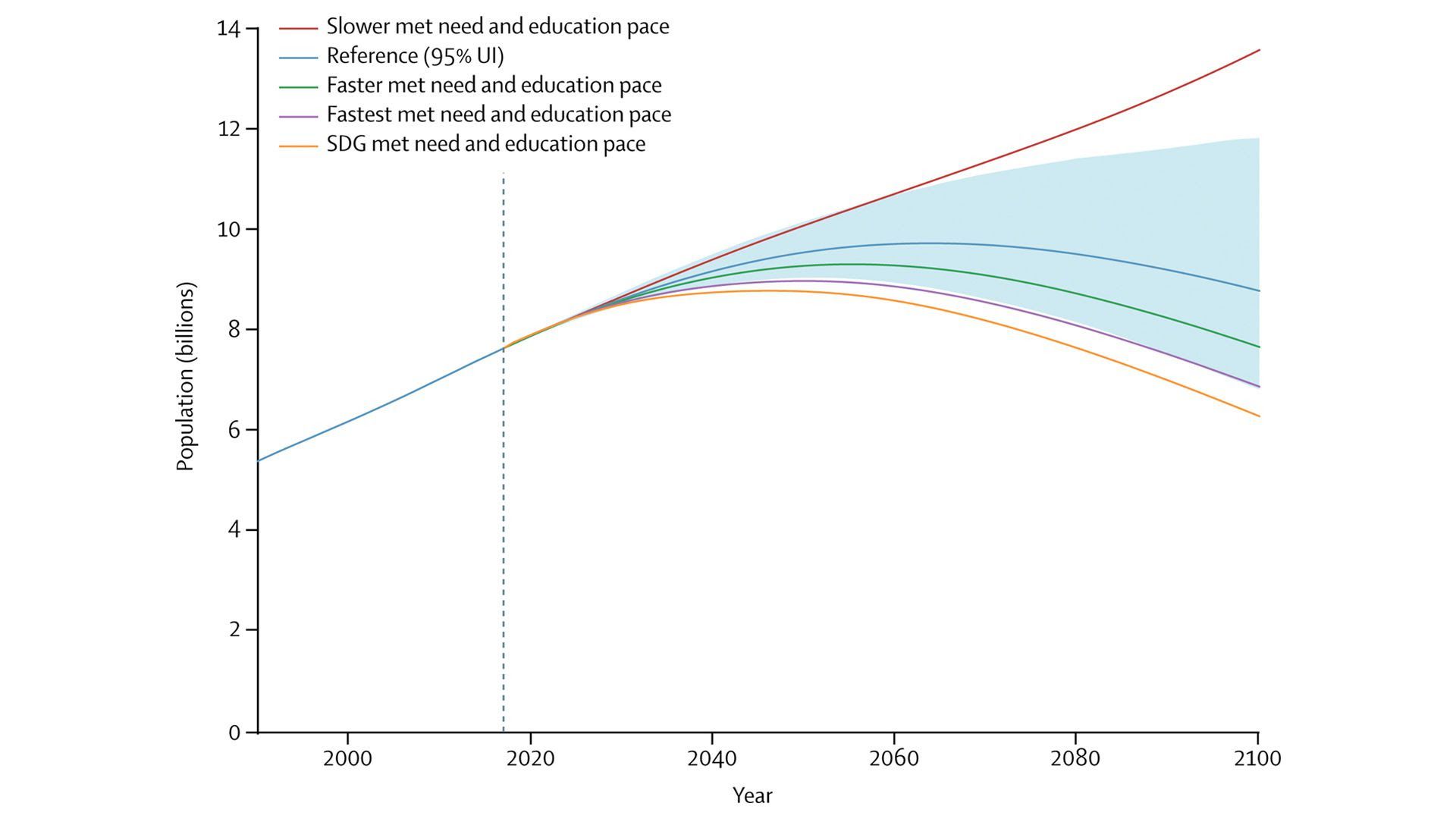
New projections suggest the human population will be smaller and significantly older by the end of the century.
Why it matters: As fertility rates continue to drop around the world, economic and political power among nations will shift rapidly, creating an international landscape radically different than it is in 2020.
For months now, American workers, families and small businesses have been saying they can't keep up their socially distanced lives for much longer. We've now arrived at "much longer" — and the pandemic isn't going away anytime soon.
The big picture: The relief policies and stopgap measures that we cobbled together to get us through the toughest weeks worked for a while, but they're starting to crumble just as cases are spiking in the majority of states.