Texas on Friday gave public schools the ability to offer online-only instruction for up to the first eight weeks of the school year to prevent the coronavirus from spreading, AP reports.
Why it matters: Texas has effectively shut down campuses across the state until November. The Trump administration has threatened to withhold funding from schools that do not fully reopen at the start of the academic year, although it's not clear what authority it has to unilaterally do so.
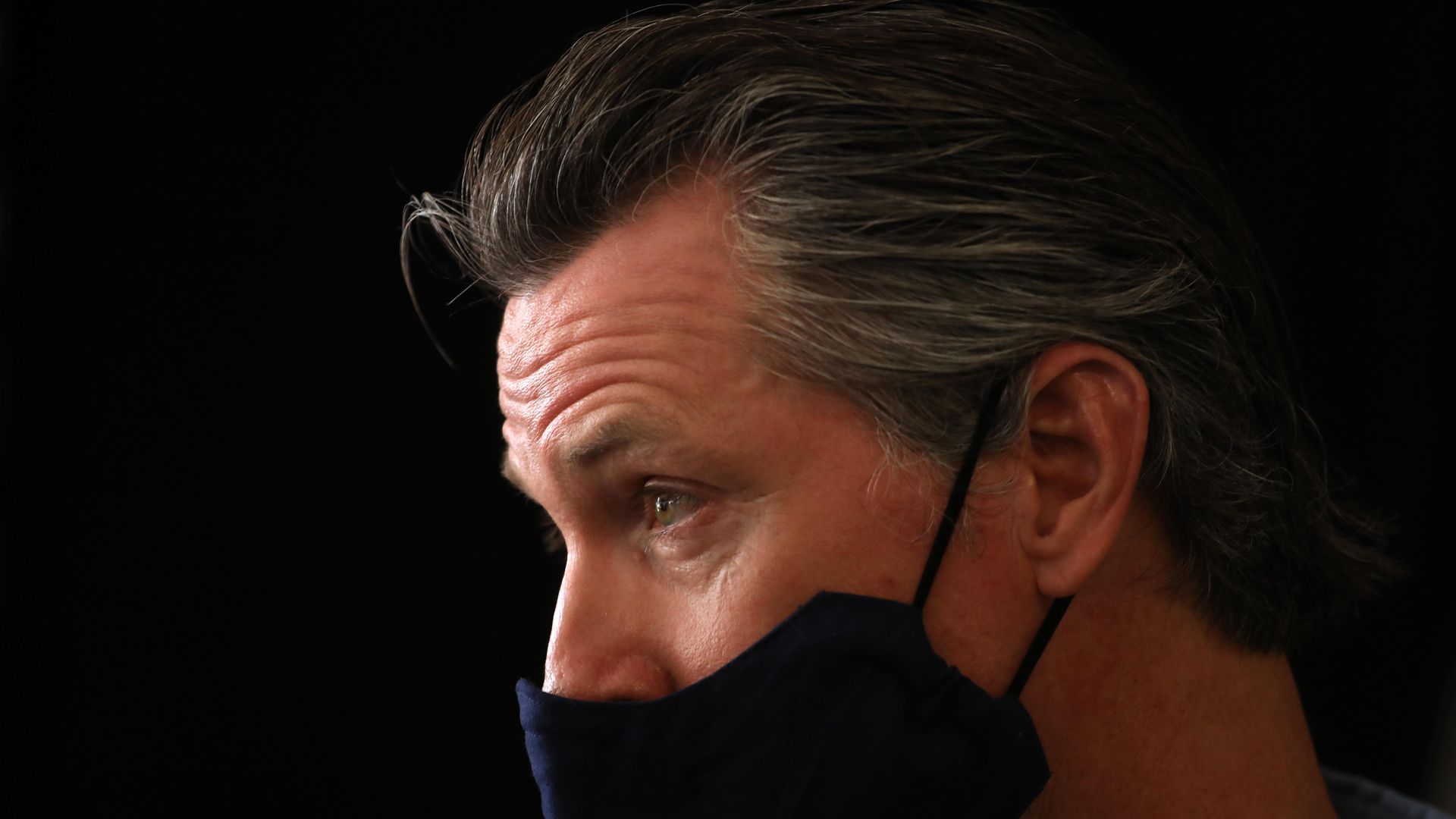
California Gov. Gavin Newsom said Friday that schools in high-risk counties cannot reopen for in-person learning unless their risk status has been downgraded by the California health department for two consecutive weeks.
Kids will already suffer this fall if they can't return to classrooms, and for millions of them it also threatens their access to nutritious food.
Why it matters: School is not just a place for learning; it's also a place where children get fed. Millions of children who don't go to school on any given day risk going hungry at home.
A panel of federal judges upheld the Trump administration's cuts to Medicare payments for routine medical visits in a hospital outpatient office — a blow to the hospital industry, which will lose hundreds of millions of dollars annually.
The big picture: Hospitals last year successfully quashed a similar rule, which would have equalized Medicare's pay rates for basic doctor visits, regardless of whether they took place in a hospital-owned or independent clinic. The American Hospital Association said in a statement it is "carefully reviewing the decision to determine our next steps."
Children's advocate Jonah Edelman is offering three recommendations for schools to keep students from falling through the cracks during remote learning.
What he's saying: The co-founder and CEO of Stand for Children favors every middle and high school student having an adviser, teachers or advisers holding virtual home visits at the start of the semester, and removing "zeroes" from grading systems. He made his comments during an Axios virtual event on Friday.
Boosting telehealth services with 5G likely won't eliminate the need for physical doctor's visits, Mei Kwong, executive director for the Center for Connected Health Policy, said on Friday during an Axios virtual event on Friday.
The big picture: Telehealth has experienced massive growth during the coronavirus pandemic, as more health providers have had to pivot services for patients stuck at home.
Efforts to get students internet access during the coronavirus pandemic has "sped up momentum" in Congress to try and bridge the digital divide, Rep. Grace Meng (D-NY) said an Axios virtual event on Friday.
What she's saying: "So what was originally a problem not for everyone around the country, suddenly became a dire and very time-sensitive issue, because these kids weren't able to go to school and participate and learn," Meng said, on student's access to online learning.
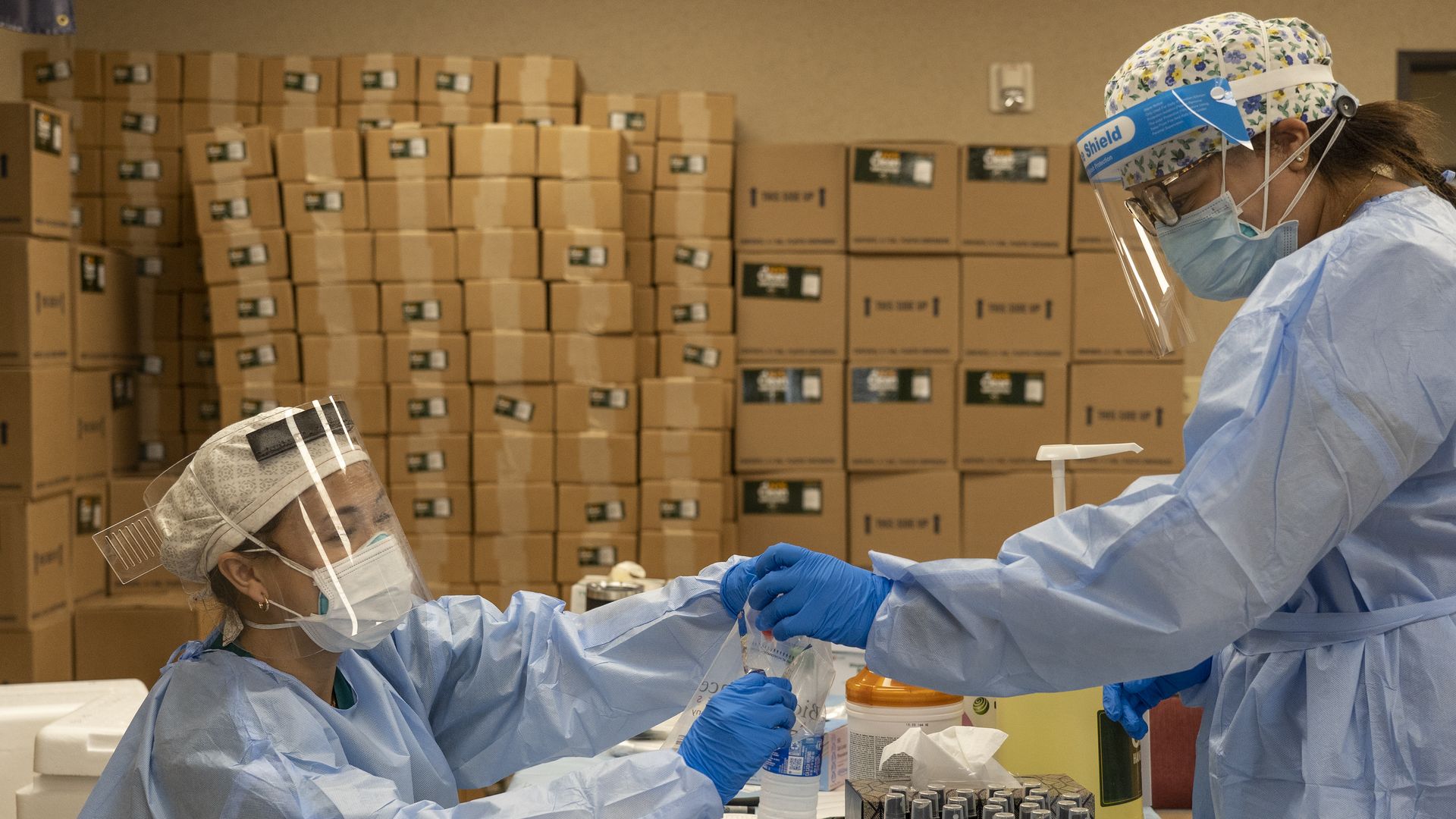
3M said Thursday it has investigated over 4,000 reports and filed 18 lawsuits in response to suspected price gouging, counterfeiting, and fraud regarding the sale of N95 respirator masks.
Why it matters: The U.S. is potentially staring down another severe shortage of face masks, gowns and other protective equipment — which are especially needed by health care workers — amid the coronavirus surge.
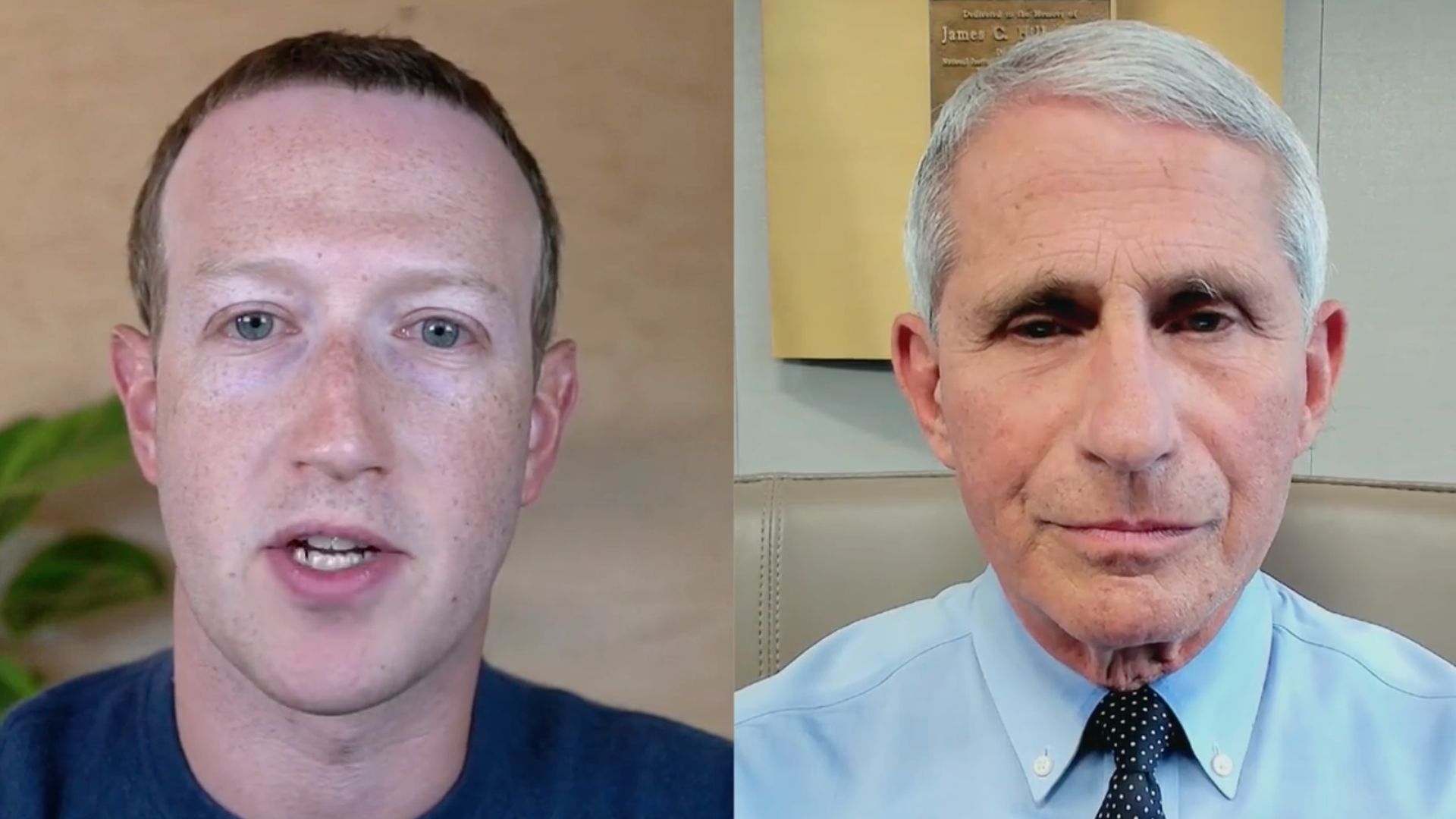
Facebook CEO Mark Zuckerberg, during an hourlong online conversation with Dr. Anthony Fauci on Thursday, criticized the Trump administration's coronavirus response and called for "a reset."
What he's saying: "[I]t's really disappointing that we still don't have adequate testing, that the credibility of our top scientists like yourself and the CDC are being undermined — and that until recently, that parts of the administration were calling into question whether people should even follow basic best practices like wearing masks."
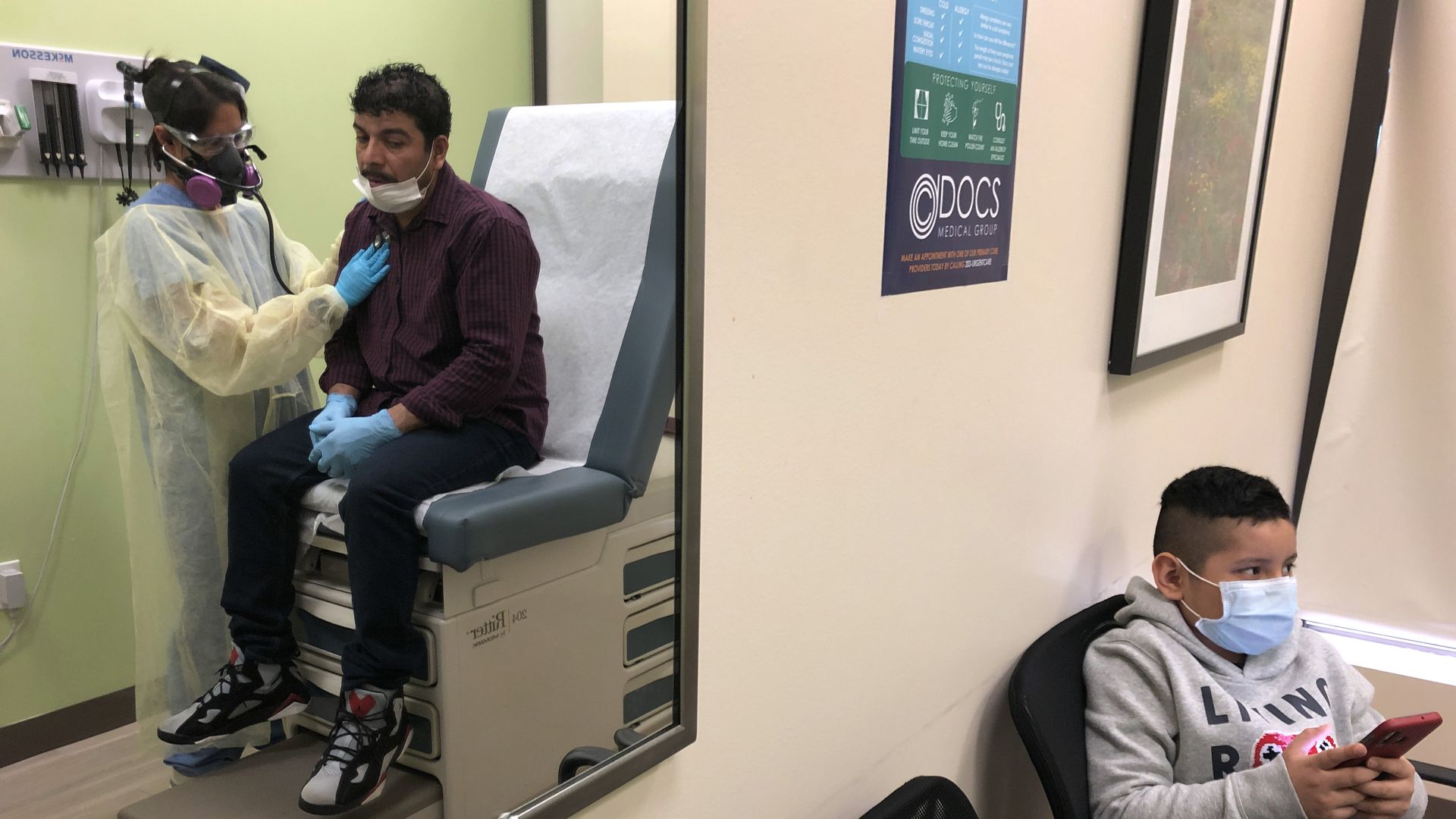
Doctors and hospitals have learned a lot about how best to treat people infected with the coronavirus in the months since the pandemic began.
Why it matters: Better treatment means fewer deaths and less pain for people who are infected, and research into pharmaceutical treatments is advancing at the same time as hospital care.
The Centers for Disease Control and Prevention announced Thursday it will extend its No Sail Order for cruise ships through Sept. 30 amid "ongoing" outbreaks on some ships.
Why it matters: The order continues the suspension of cruise ships with the capacity to carry at least 250 passengers in waters subject to U.S. jurisdiction. At the start of the COVID-19 pandemic, cruise ships were hotbeds for the virus given passengers' close proximity to each other.