The sought-after state of herd immunity — in which widespread outbreaks are prevented because enough people in a community are immune to a disease — is complicated by open questions about the effectiveness of a future vaccine and how COVID-19 spreads.
Why it matters: Unless a sufficient level of immunity is achieved in the population, the coronavirus could circulate indefinitely and potentially flare up as future outbreaks.
The Department of Health and Human Services moved on Thursday to require that an individual's race, ethnicity, age and sex be submitted to the agency with novel coronavirus test results.
Why it matters: Some cities and states have reported the virus is killing black people at disproportionately high rates. There are gaps in the national picture of how many people of color are affected, since the data has not been a requirement for states to collect or disclose.
The quest for a universal flu vaccine in the U.S. is making "promising" progress, with the possibility of having one ready in five years.
Why it matters: Just because we're battling a coronavirus pandemic right now, doesn't mean a deadly influenza pandemic isn't waiting around the corner. Experts are aiming to create a vaccine that could target a broader array of flu strains in order to prepare for future pandemics.
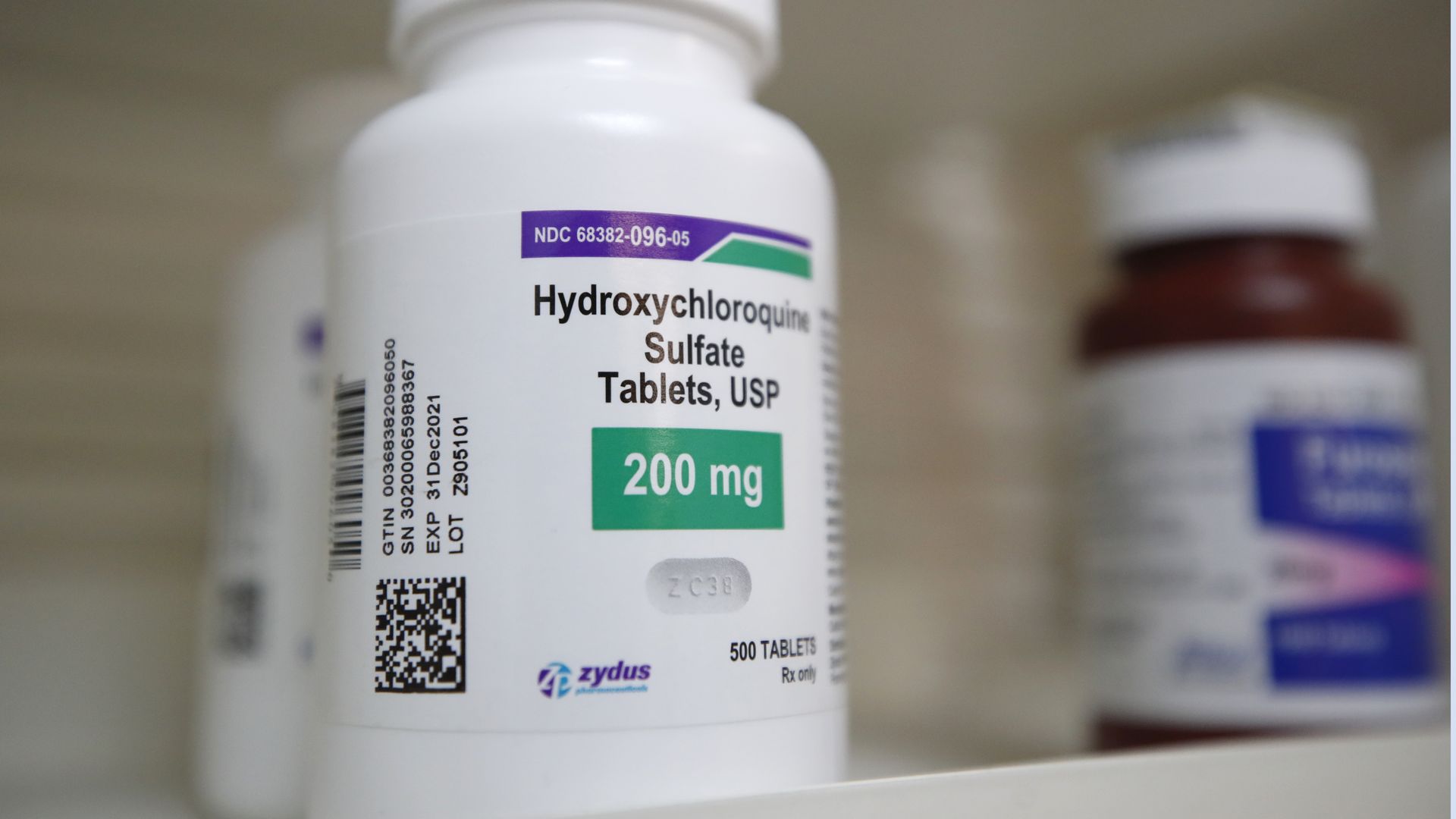
The Lancet medical journal retracted a study on Thursday that found that coronavirus patients who took hydroxychloroquine had a higher mortality rate and increased heart problem than those who did nothing, stating that the authors were "unable to complete an independent audit of the data underpinning their analysis."
Why it matters: The results of the study, which claimed to have analyzed data from nearly 96,000 patients on six continents, led several governments to ban the use of the anti-malarial drug for coronavirus patients due to safety concerns.
An NBA plan to send 22 teams to Disney World — the top 13 from the West and the top nine from the East — for an eight-game regular season beginning July 31, followed by a postseason, has been approved by the league's board of governors, the NBA announced Thursday.
The U.S. is about to embark upon the most momentous social experiment in living memory: What happens when you take laissez-faire economic principles and apply them to public health?
Why it matters: When millions of people make their own individual risk/reward calculations, the result is superior to top-down decision-making by the government. That's the central tenet of capitalism — but you'd be hard-pressed to find any epidemiologists making the same argument.
Cities were already furloughing workers and considering cutting back essential services — including public safety — because of the dramatic drops in the local tax revenue that funds them. Now they're also dealing with turmoil in their streets.
Why it matters: "Unfortunately, the increasing levels of social unrest across the country reallocated efforts and scarce resources away from the former focus of getting state, regional and local economies back to some semblance of normalcy," per Tom Kozlik, head of municipal strategy and credit at HilltopSecurities.
House Democrats unveiled a five-year, roughly $500 billion transportation proposal Wednesday aimed at bolstering mass transit and creating carbon-cutting initiatives.
Why it matters: The bill arrives as mass transit agencies are struggling with a collapse in ridership from the coronavirus pandemic, and facing a tough future as social distancing will require reduced capacity and virus-wary riders may stay away in favor of cars.
Close to 6 million jobs are at risk of being lost in coming months as a second wave of coronavirus-induced layoffs is headed for the U.S., according to a new report from Bloomberg Economics.
What's happening: The job cuts are expected to include higher-paid supervisors in sectors where frontline workers have been hit first, such as restaurants and hotels. It also includes the knock-on effects to connected industries such as professional services, finance and real estate.
Gilead's intravenous coronavirus drug remdesivir could fetch $6.7 billion in revenue in 2021 with a 19% profit margin, assuming the company prices each treatment at $5,000, according to new forecasts from Geoffrey Porges, a highly read pharmaceutical analyst at Wall Street firm SVB Leerink.
Why it matters: That kind of price tag would make remdesivir a blockbuster, but it's far from being a blockbuster treatment.
The Centers for Disease Control and Prevention mishandled the coronavirus pandemic, sowing mistrust among health experts and the public, according to a sweeping report by the New York Times.
Why it matters: It's been reported that a faster and more organized response from the federal government could have saved thousands of lives.
Texas, Arizona and Oregon saw significant spikes last week in new coronavirus infections, while cases also continued to climb in a handful of states where steady increases have become the norm.
Why it matters: Nationwide, new cases have plateaued over the past week. To get through this crisis and safely continue getting back out into the world, we need them to go down — a lot.









/2020/06/04/1591289927209.gif?w=3840)