Over 1,000 new infections have been reported every day in Florida since Tuesday, the longest sustained increase in the state since early April, according to the state health department's tracker and a New York Times analysis.
Why it matters: Florida entered its second phase of reopening on Friday, which does not place a limit on how many customers can be in stores or gyms and allows bars to serve half as many guests as they normally would. Social distancing is encouraged at all businesses.
A complex public undertaking like the coronavirus response depends a lot on public trust. But a legacy of systemic racism across multiple institutions has eroded that trust in many minority communities.
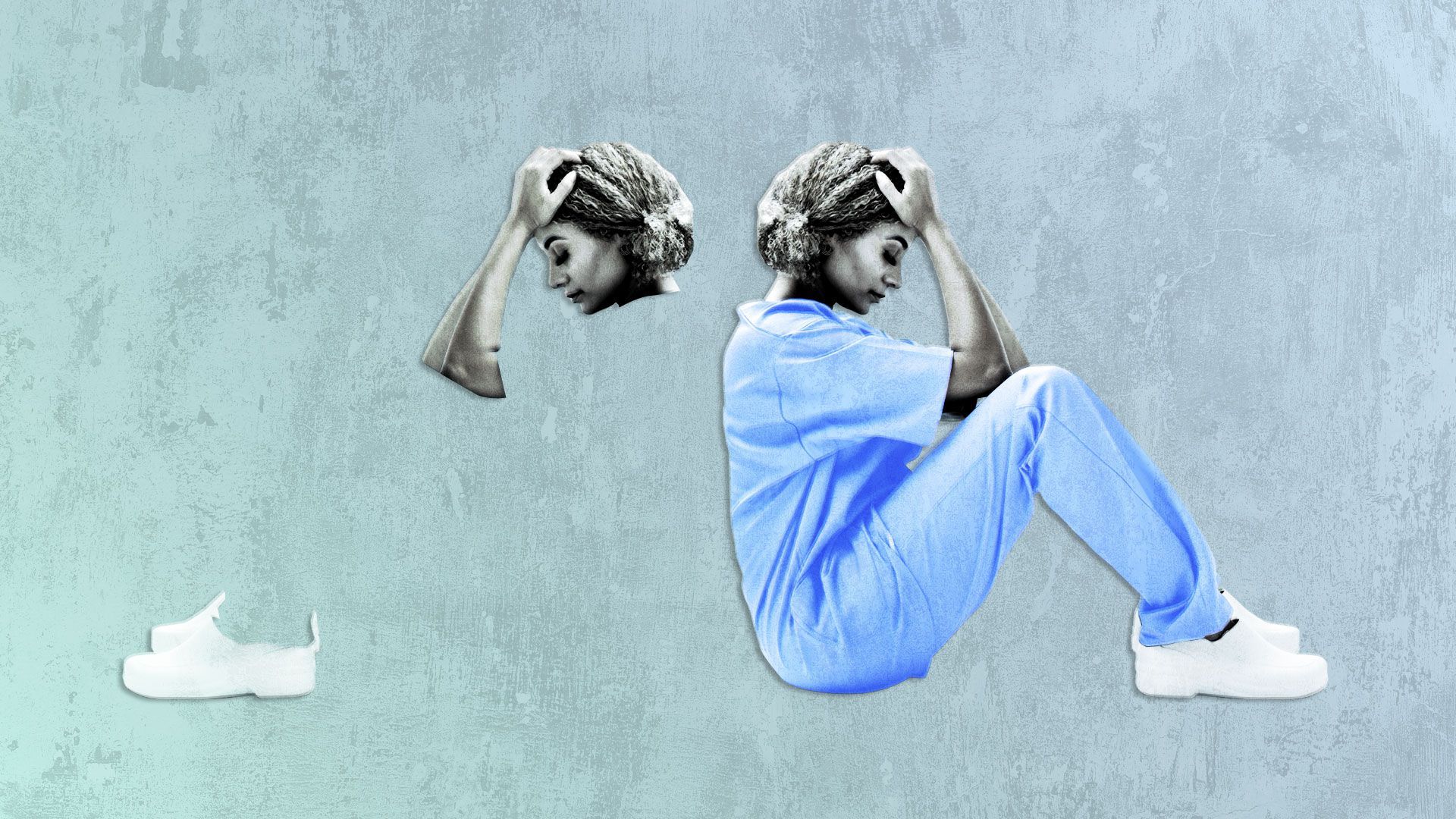
The inequalities in American health care extend right into the hospital: Cash-strapped safety-net hospitals treat more people of color, while wealthier facilities treat more white patients.
Why it matters: Safety-net hospitals lack the money, equipment and other resources of their more affluent counterparts, which makes providing critical care more difficult and exacerbates disparities in health outcomes.
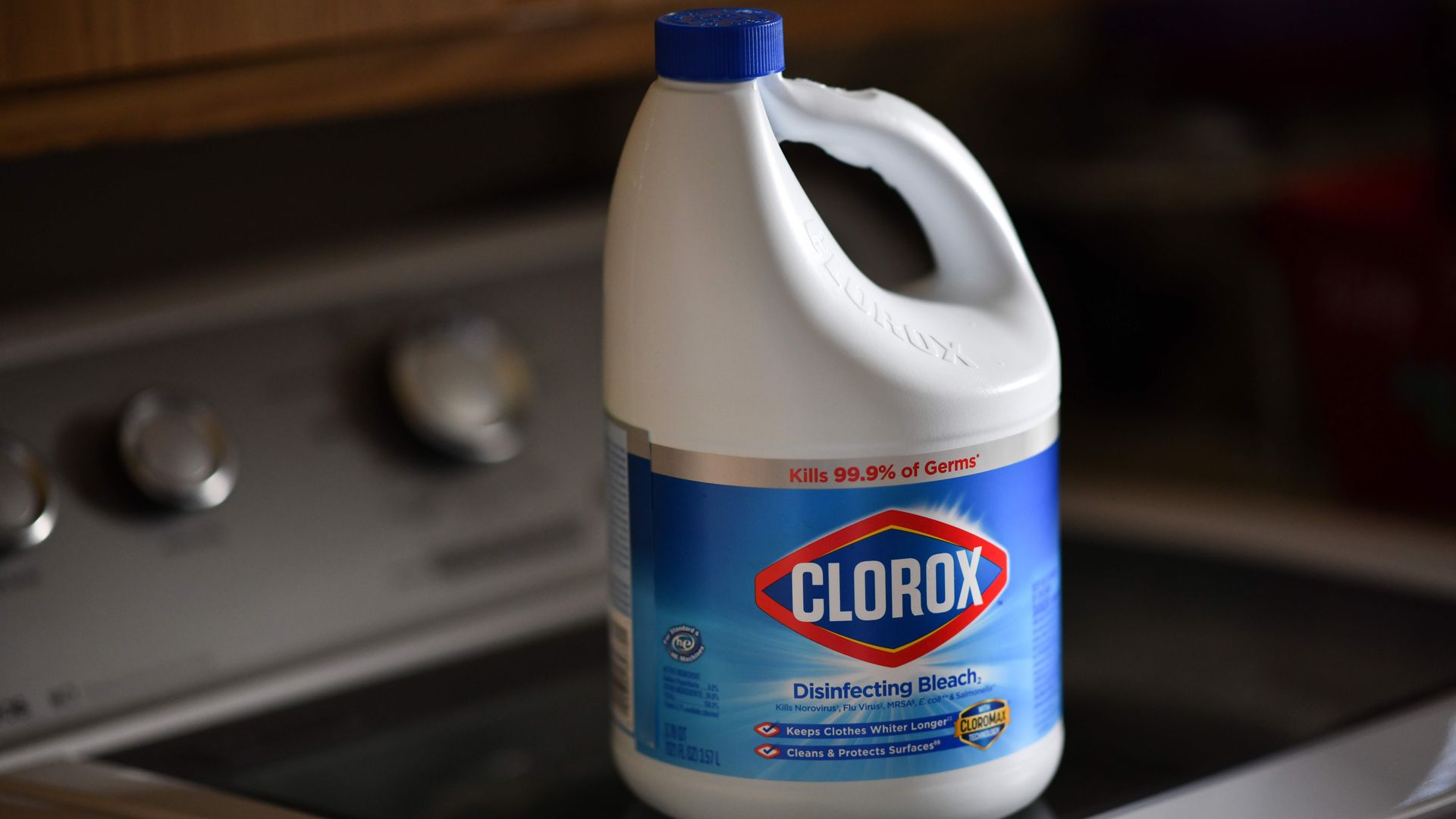
The CDC released data on Friday from a survey commissioned to understand why more people have been calling poison control centers during the coronavirus pandemic.
What they found: Roughly 200 adults who responded to the survey in May said they intentionally inhaled disinfectants, washed food with bleach, or applied household cleaning products to bare skin to combat the virus — all of which are dangerous.
California officials announced live sports and film production can resume in the state on June 12 after the coronavirus forced them into a three-month hiatus, Bloomberg reports.
Why it matters: The shutdown of sports and film production in the state left thousands of workers in the industry out of jobs. Nearly 900,000 entertainment workers have been unemployed since March, per Bloomberg.
With the school year winding down, the grade from teachers, students, parents and administrators is in for America's involuntary crash course on remote learning: It was a failure, the Wall Street Journal reports.
The big picture: By mid-March, least 57,000 K-12 schools across the U.S. had already closed or were planning to close for weeks at a time due to the novel coronavirus — affecting at least 25 million students.
From biosensor chips to wastewater epidemiology, the COVID-19 pandemic is accelerating the development of next-generation disease diagnostics.
Why it matters: If we're going to stop a disease, we first have to know who has it and where. New technologies promise to provide doctors with more reliable intelligence about who in a community has a disease — and who is likely to get seriously ill.
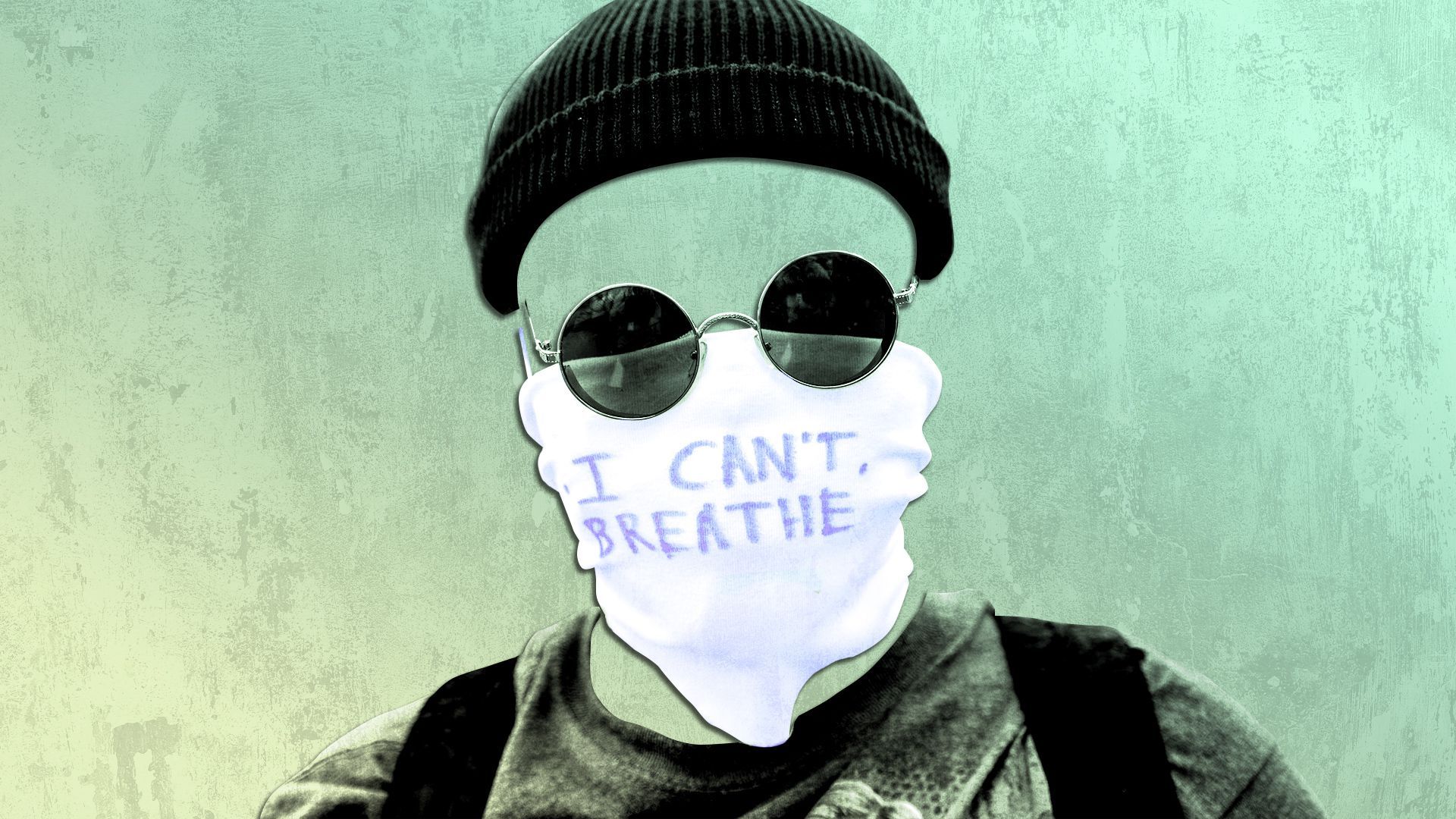
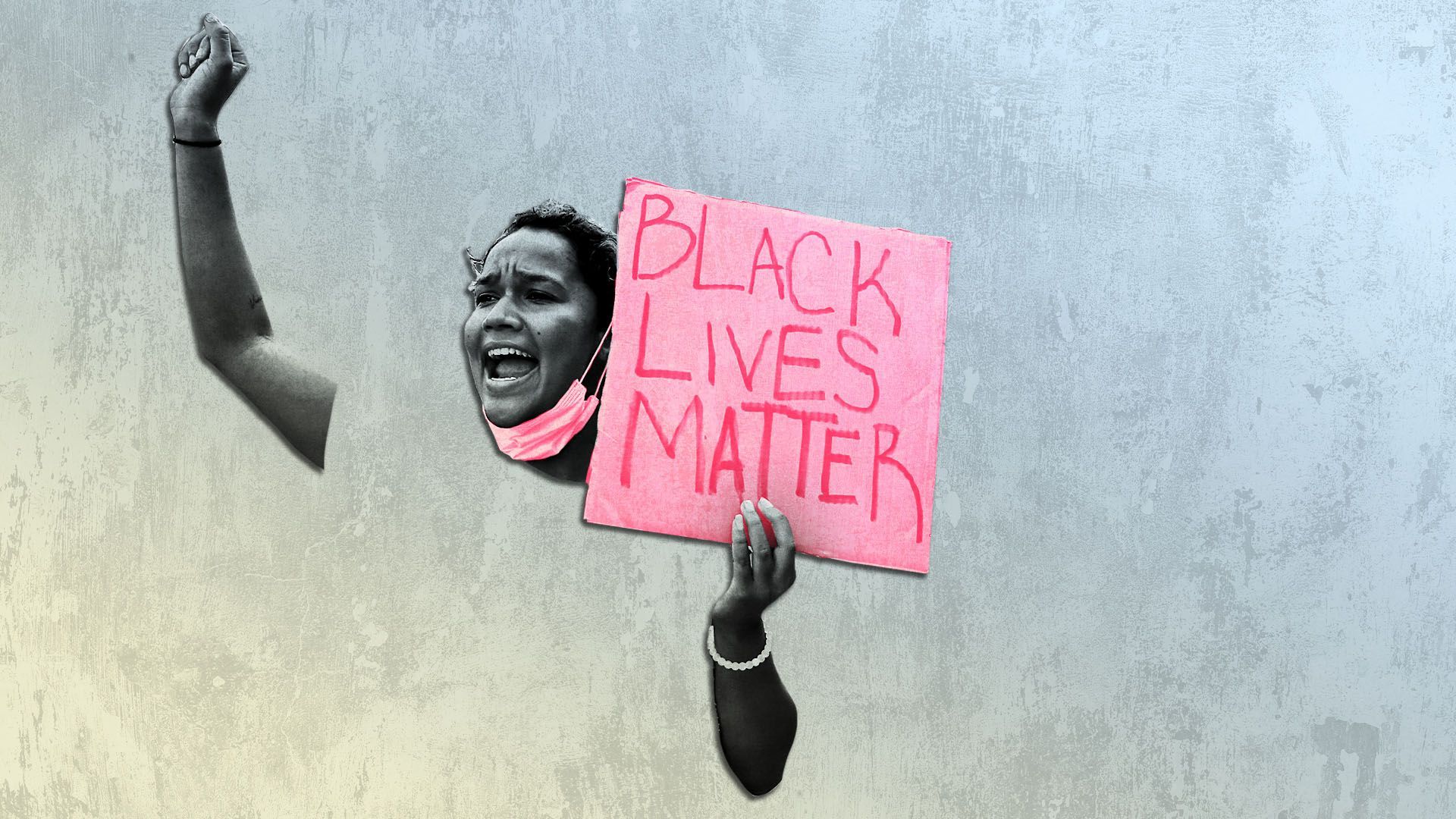
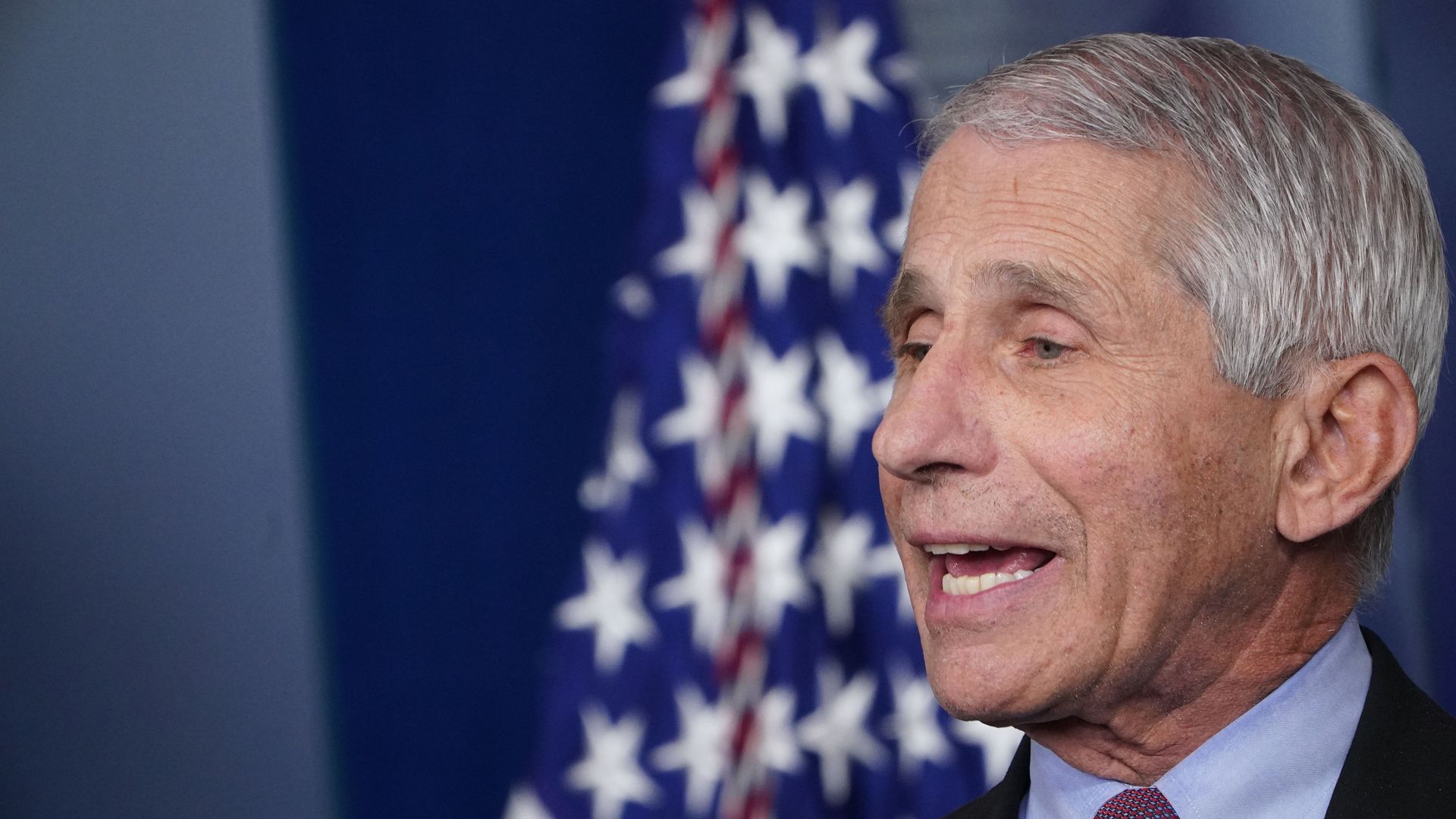
Anthony Fauci, director of the National Institute for Allergy and Infectious Diseases, said he's "very concerned" about the protests that have followed George Floyd's death resulting in a surge in the number of COVID-19 cases across the U.S., in an interview with radio station WTOP.
What he's saying: "It is the perfect set up for the spread of the virus in the sense of creating some blips which might turn into some surges ... There certainly is a risk."