The use of telemedicine has exploded during the COVID-19 pandemic, and experts see the changes remaining even after the coronavirus.
Why it matters: Given its heavily regulated and fragmented nature, health care tends to be slow to adopt innovation. But the pandemic has shown Americans the advantages of communicating with doctors remotely — and health insurance companies are paying attention.
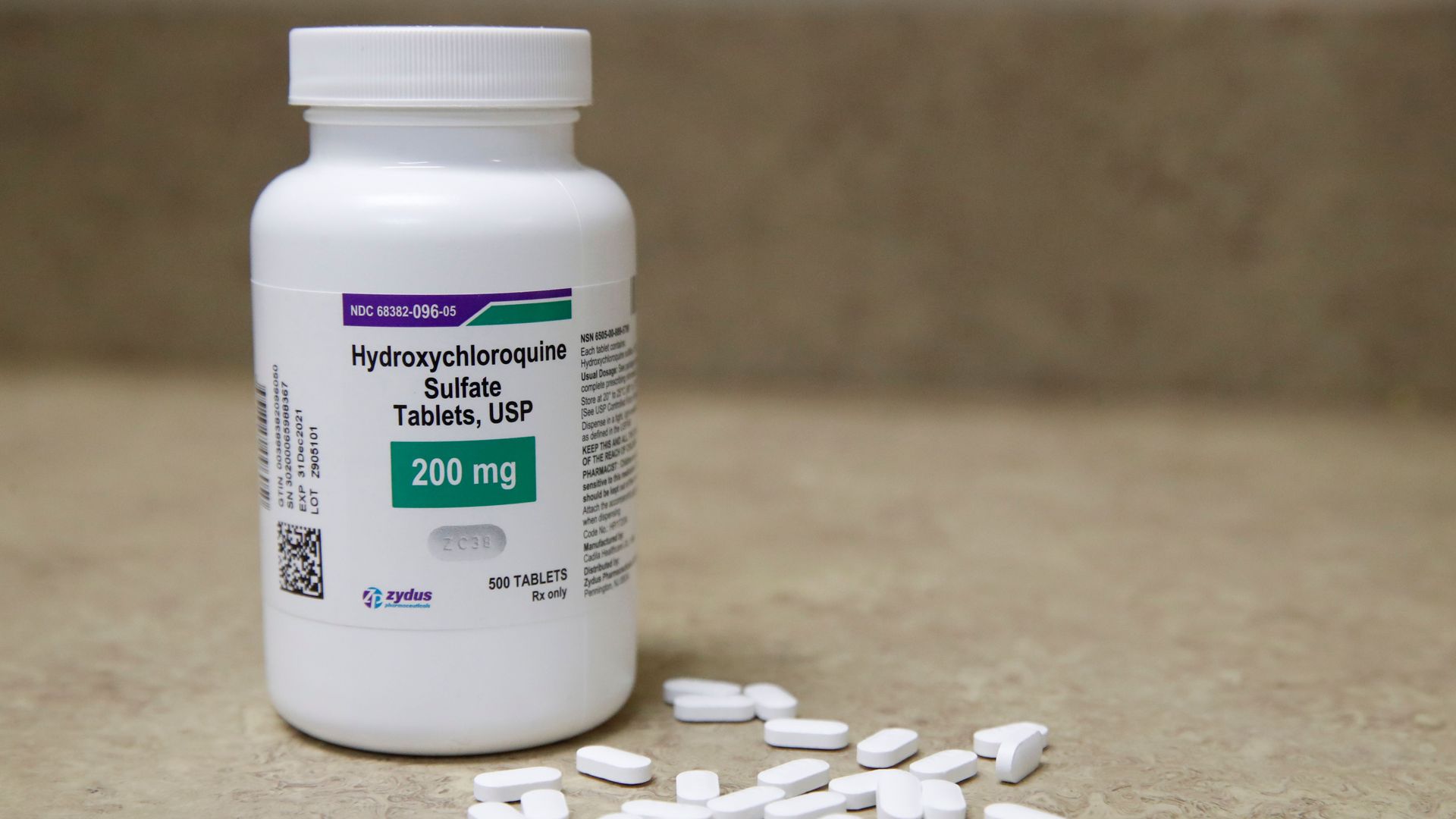
Hydroxychloroquine, a drug that treats malaria and lupus, did not prevent people from getting COVID-19 if they were exposed to the virus, according to data from a randomized, placebo-controlled clinical trial published in the New England Journal of Medicine.
The bottom line: There has been widespread confusion about hydroxychloroquine's effectiveness — President Trump and other conservatives touted the pill with little sound evidence, while other flawed studies suggested it was harmful. But this trial authoritatively says the drug "didn't work" as a preventive medication for this coronavirus, a Vanderbilt University infectious disease doctor told the Washington Post.
The World Health Organization will resume its hydroxychloroquine trial after its safety committee found "there are no reasons to modify the trial protocol," WHO's director-general Tedros Adhanom Ghebreyesus said at a press briefing Wednesday.
The big picture: The organization temporarily suspended its trial for the antimalarial drug last week after an analysis published in The Lancetshowed coronavirus patients who took hydroxychloroquine or its related drug chloroquinewere more likely to die or develop an irregular heart rhythm.
Florida Gov. Ron DeSantis said Wednesday that bars and clubs will be allowed to reopen on Friday, as the state continues to scale down restrictions it put in place because of the coronavirus, WCTV reports.
Why it matters: DeSantis ordered bars and clubs to close in mid-March as one of the first actions the state took to stem the spread of the coronavirus.
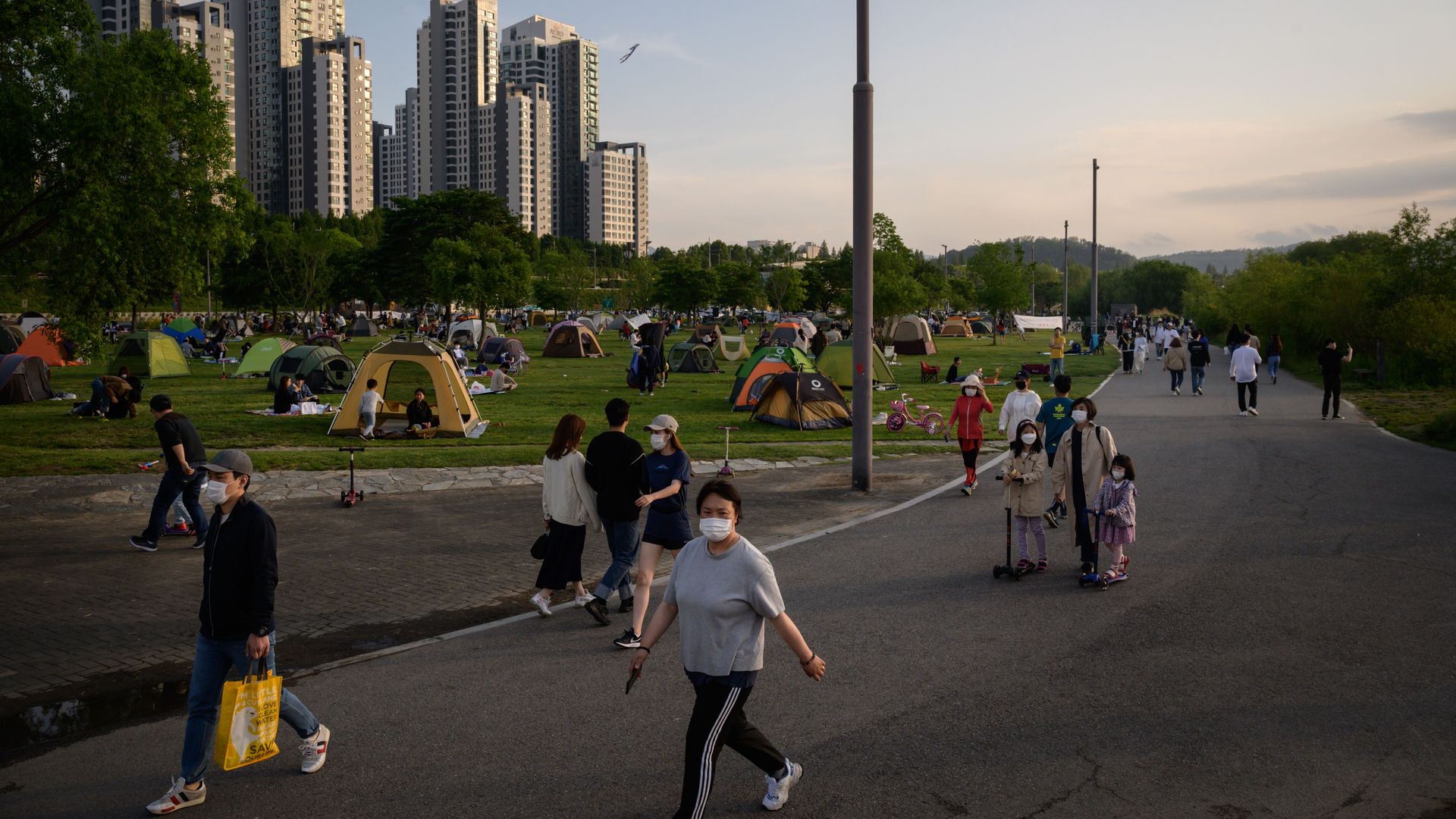
Looking at the economies of South Korea and Taiwan leads to a discomforting takeaway: "Reopening isn’t going to be an economic cure-all," Matthew C. Klein writes for Barron's.
What it means: "Both countries contained the virus better than the U.S., yet consumers in those countries remain reluctant to spend and venture out," Klein notes.
The Yomiuri Giants, Japan's most famous baseball team, called off a preseason game Wednesday after two players tested positive for coronavirus, per multiple reports.
Why it matters: The 12-team league hopes to open its delayed season on June 19 in empty stadiums, but this news puts that date at risk. And it serves as a reminder that every return-to-play proposal is subject to change based on the wobble of this virus — and that all leagues are one positive test away from their plans going up in smoke.
On a percentage basis more white workers have lost their jobs since February, but that has largely been because black workers in the U.S. are much more likely to work front-line jobs considered essential during the coronavirus pandemic.
By the numbers: Black workers make up about one in nine workers overall, but about one in six front-line-industry workers, according to a study from the Center for Economic and Policy Research.
Private equity companies have borrowed at least $1.5 billion from the federal government through programs intended to provide emergency funding to struggling health care companies during the coronavirus pandemic, Bloomberg reports.
Between the lines: Some of the hospitals, clinics and treatment centers benefiting from the Medicare loans — which could plausibly end up being forgiven — are owned by the richest investment firms.
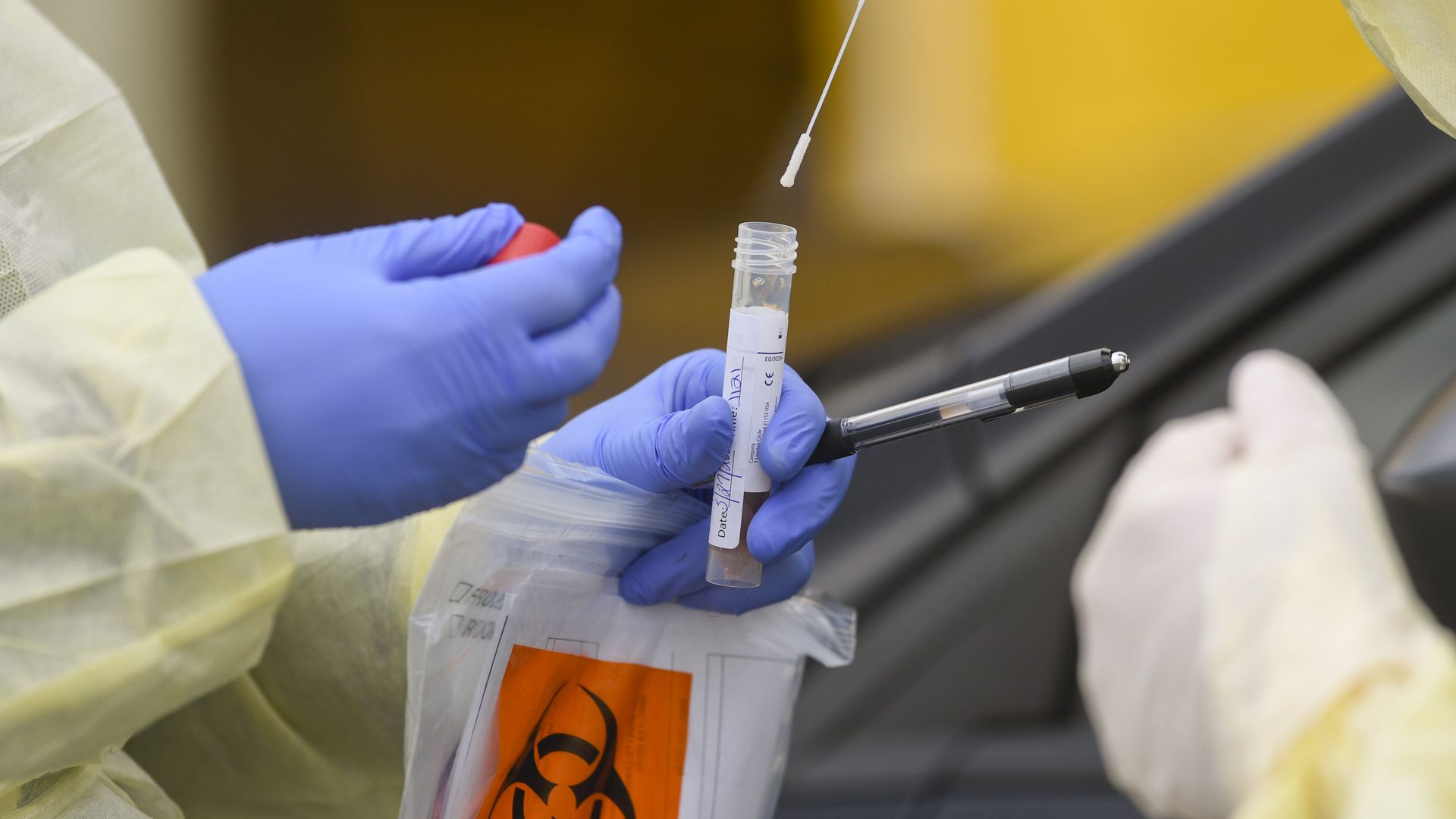
The latest wave of coronavirus testing concerns has arrived, this time about new at-home tests that are hitting the market, the Wall Street Journal reports.
Between the lines: Experts are worried about the accuracy of the tests and about limitations on who can access them.
The number of people hospitalized with COVID-19 continues to decline, particularly in New York and other northeastern states that were among the hardest hit by the virus.
Yes, but: Some states are still recording stagnant or rising amounts of hospitalizations.