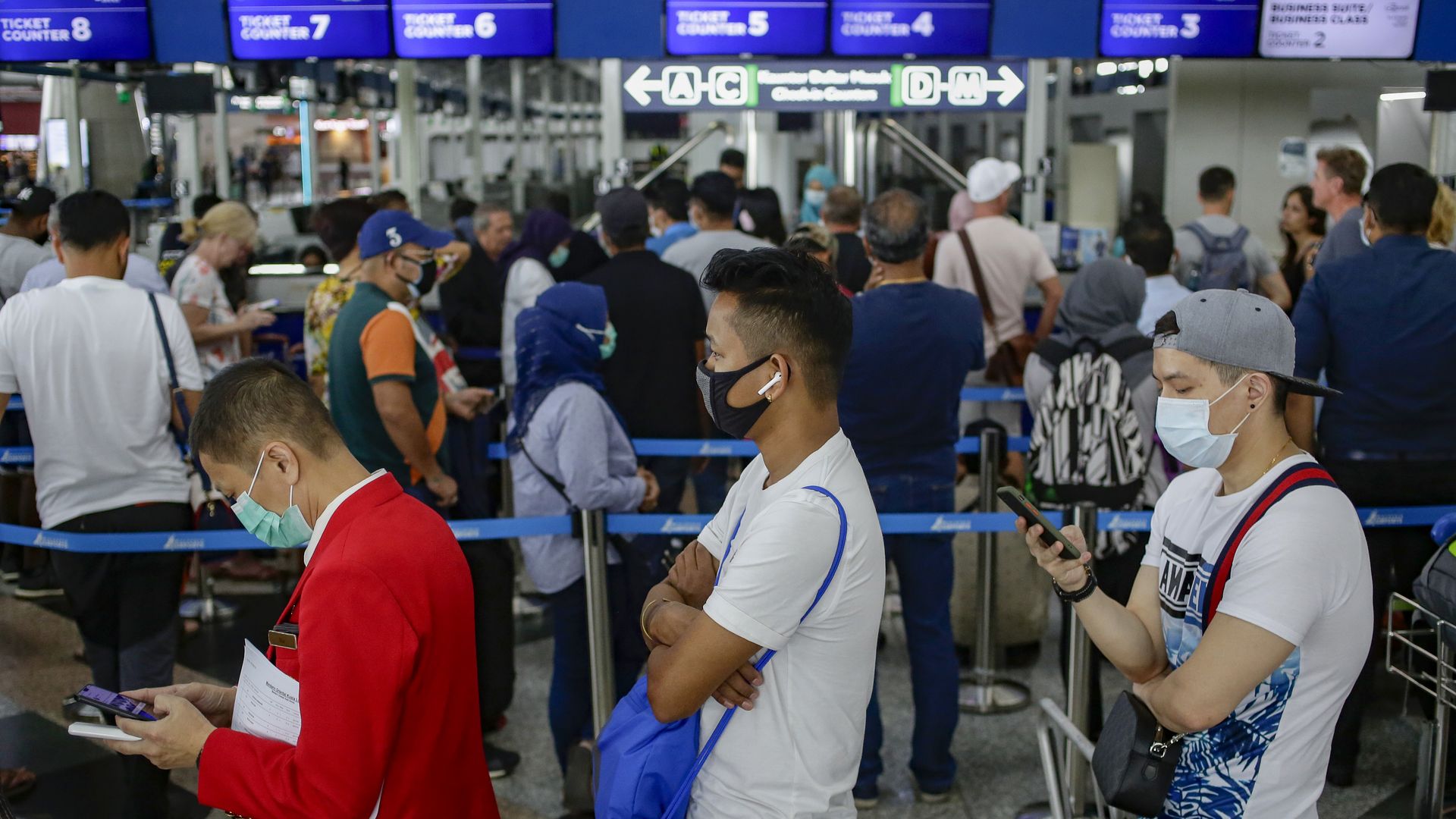
The epicenter of the COVID-19 pandemic has movedfrom China to Europe to the United States and now to Latin America.
Why it matters: Up until now, the pandemic has struck hardest in relatively affluent countries. But it's now spreading fastest in countries where it will be even harder to track, treat and contain.
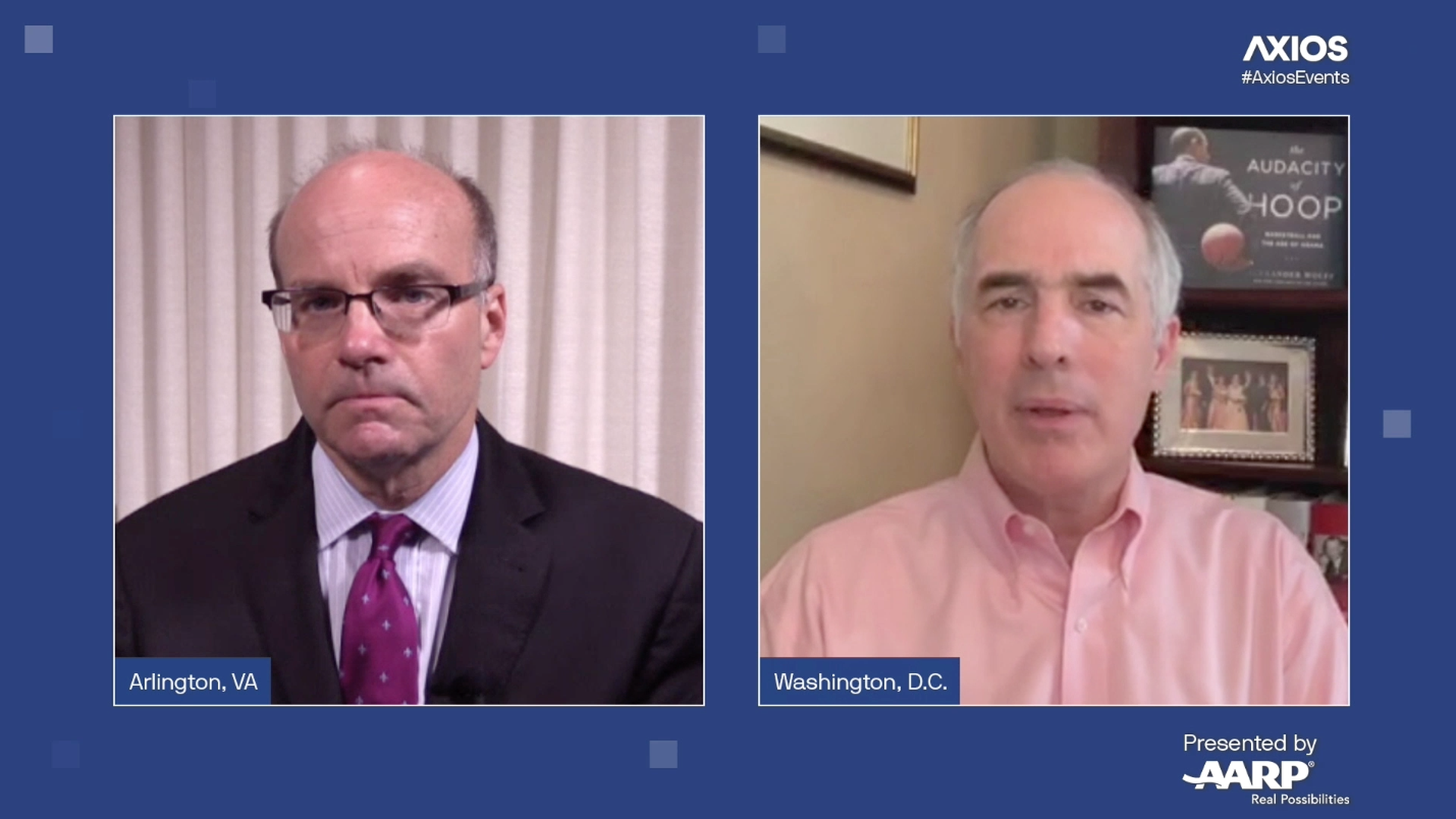
The federal government needs to provide more oversight when it comes to monitoring nursing homes during the coronavirus pandemic, Sen. Robert Casey (D-Pa.) told Axios' Mike Allen on Thursday during an Axios digital event.
What Casey is saying: "Tens of thousands of people are dying in nursing homes without an action plan, which has to start at the federal level — the administration and Congress doing more to combat this problem."
A small percentage of people — called superspreaders — may be responsible for a large number of COVID-19 infections, research is starting to indicate.
Why it matters: While there's no method to detect who these people are before they infect others, there are ways to control behaviors that cause superspreading events — a key issue as states start to reopen and debate what types of events are OK.
The long process of reopening office buildings after months of being shut down will require new technology, careful planning and far fewer workers than before the pandemic.
Driving the news: The Centers for Disease Control and Prevention issued new guidelines on Wednesday detailing how office buildings can reopen.
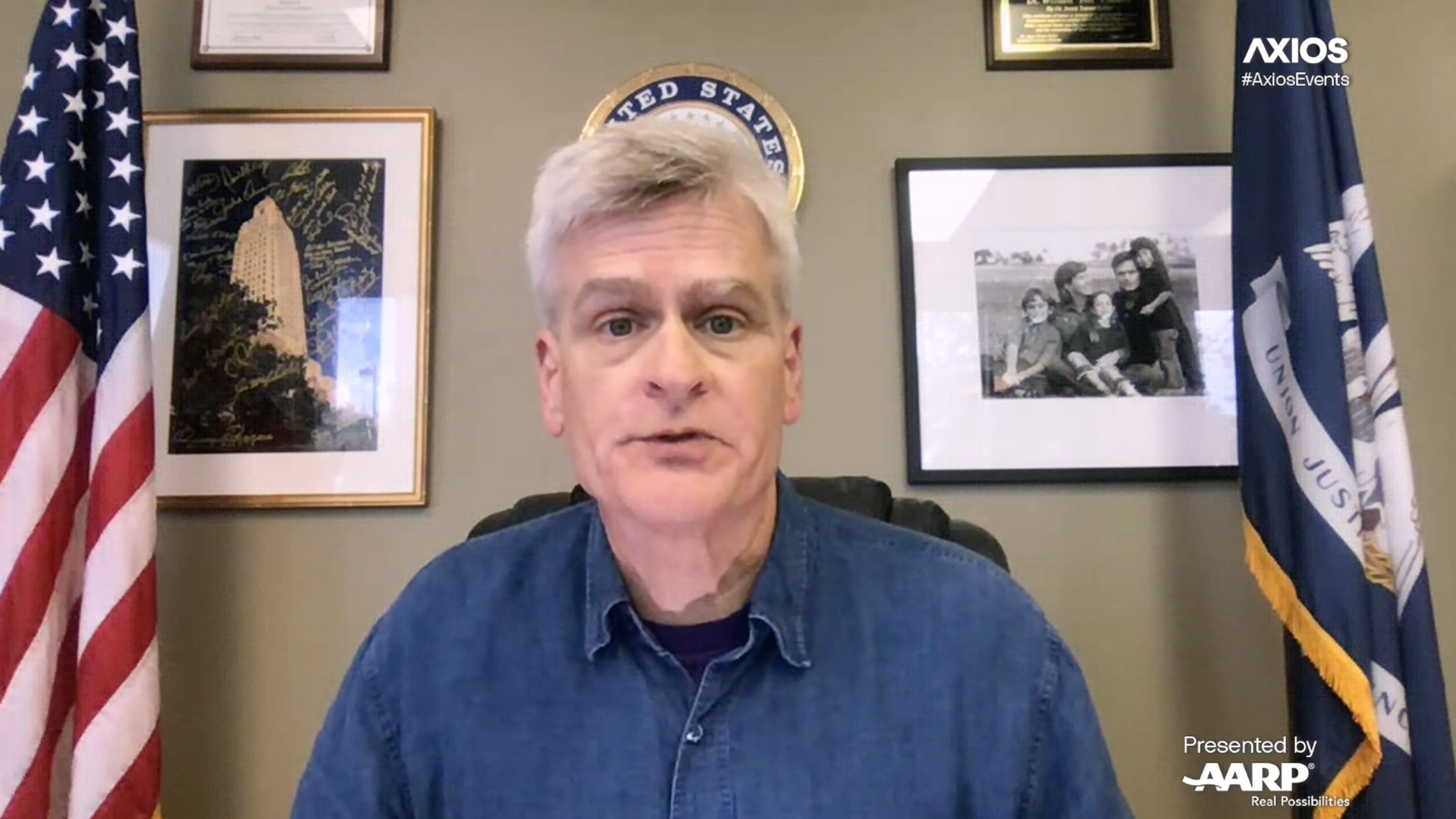
Sen. Bill Cassidy (R-La.) has recommended that coronavirus testing of nursing home care workers increase to twice weekly to cut down the infection rate in skilled care facilities.
What he's saying: "If you are infected, on average 5 to 6 days later, you will begin to have symptoms, but you are shedding virus the two days before you become symptomatic," Cassidy, a gastroenterologist, said Thursday at an Axios digital event.
New York Gov. Andrew Cuomo said Thursday he will sign an executive order authorizing private businesses to deny people entry if they are not wearing a mask or face covering.
Why it matters: Wearing face masks has become a political symbol for some Americans, despite public health officials urging people to do so to prevent community spread.
House Speaker Nancy Pelosi lambasted Senate Majority Leader Mitch McConnell Thursday for delaying moving forward on the next coronavirus relief package.
The big picture: McConnell has said for weeks that Congress should wait until it has assessed the impact of the $2 trillion CARES Act passed in March.
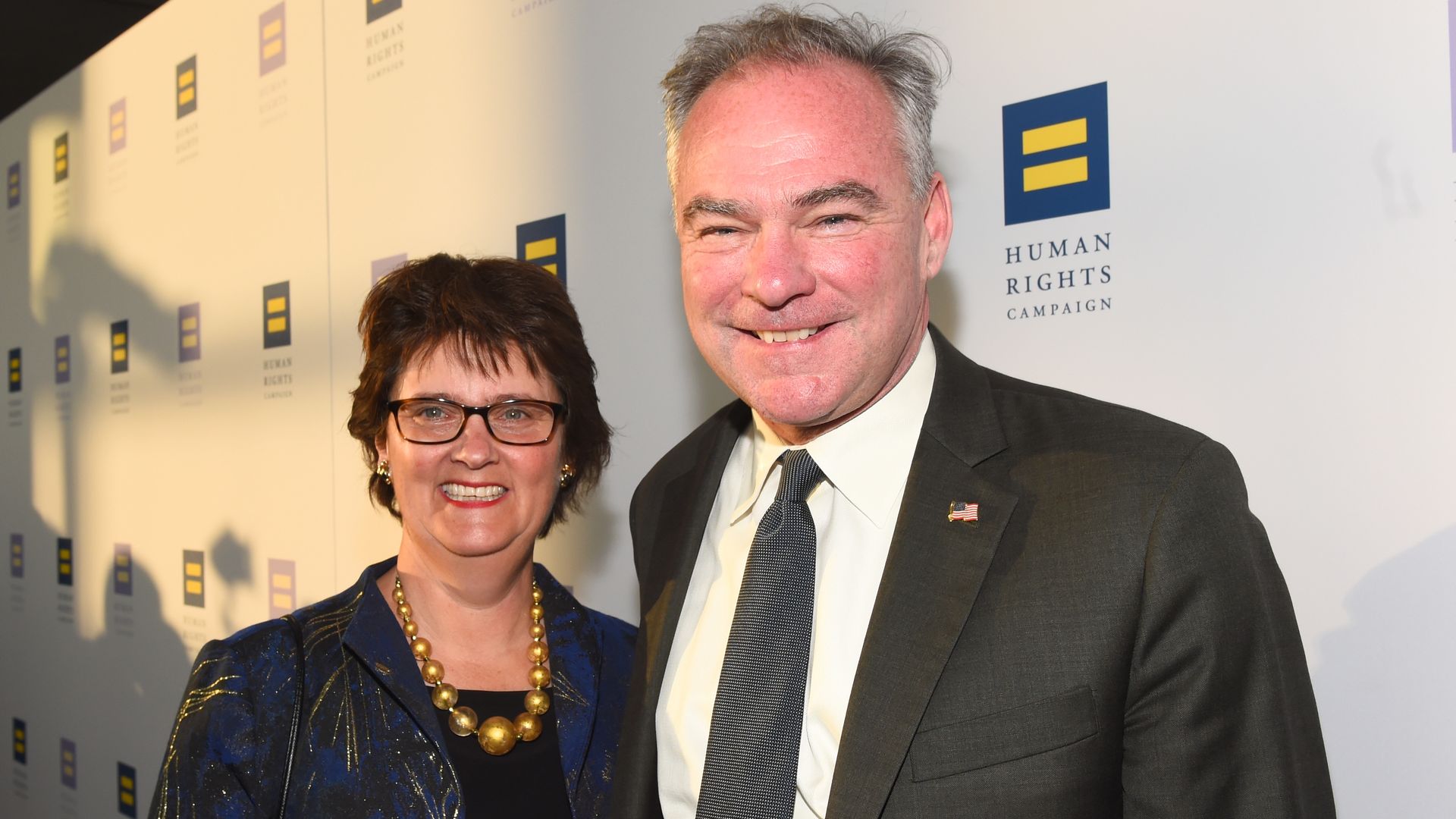
Sen. Tim Kaine (D-Va.), Hillary Clinton's vice presidential pick in 2016, announced Thursday that both he and his wife, Anne Holton, tested positive for coronavirus antibodies after suffering from flu-like symptoms in March and April.
What he's saying: While Kaine said their doctors believed they might have the virus after previously testing positive for the flu, he and his wife were not tested because of a shortage at the time — and the fact that they were both working remotely and isolated at home already.
As air travel increases, many airlines are now offering options for travelers worried about social distancing on packed flights.
The state of play: After previously packing customers onto full flights despite assurances that planes would be sold only to 50% capacity, American Airlines announced Wednesday it will alert travelers about crowded planes before their trips and allow them to switch to other flights.
Now that governors across the country have begun to pull back "stay at home" orders, businesses are facing a new set of challenges — consumers skittish about returning to normal activities and employees who aren't yet ready to come back to work.
What's happening: The Fed's latest Beige Book, a survey of business leaders around the U.S., was released Wednesday and revealed that for firms in each of the Fed's 12 districts, "the outlook remained highly uncertain and most contacts were pessimistic about the potential pace of recovery."
Overall, new coronavirus infections in the U.S. are on the decline. But a small handful of states, mainly clustered in the South, aren't seeing any improvement.
The big picture: Our progress, nationwide, is of course good news. But it's fragile progress, and it’s not universal. Stubborn pockets of infection put lives at risk, and they can spread, especially as state lockdowns continue to ease.
A new type of a Medicare prescription drug plan will cap insulin costs at $35 per month for people who have diabetes. The Trump administration and every industry group were quick to hype the model as a win for everyone.
Reality check: Medicare's new model will bring some financial relief next year to patients who are struggling to afford their insulin. But experts say it doesn't change actual prices and gives cover to avoid more serious drug pricing reforms during the coronavirus pandemic.
Six Blue Cross Blue Shield insurers have sued CVS Health, alleging the pharmacy chain overcharged them based on "artificially inflated prices" for generic drugs and concealed the true cash prices of those drugs.
The big picture: CVS has faced legal scrutiny over its cash discount programs since 2015, and this lawsuit adds big names to a mounting problem.
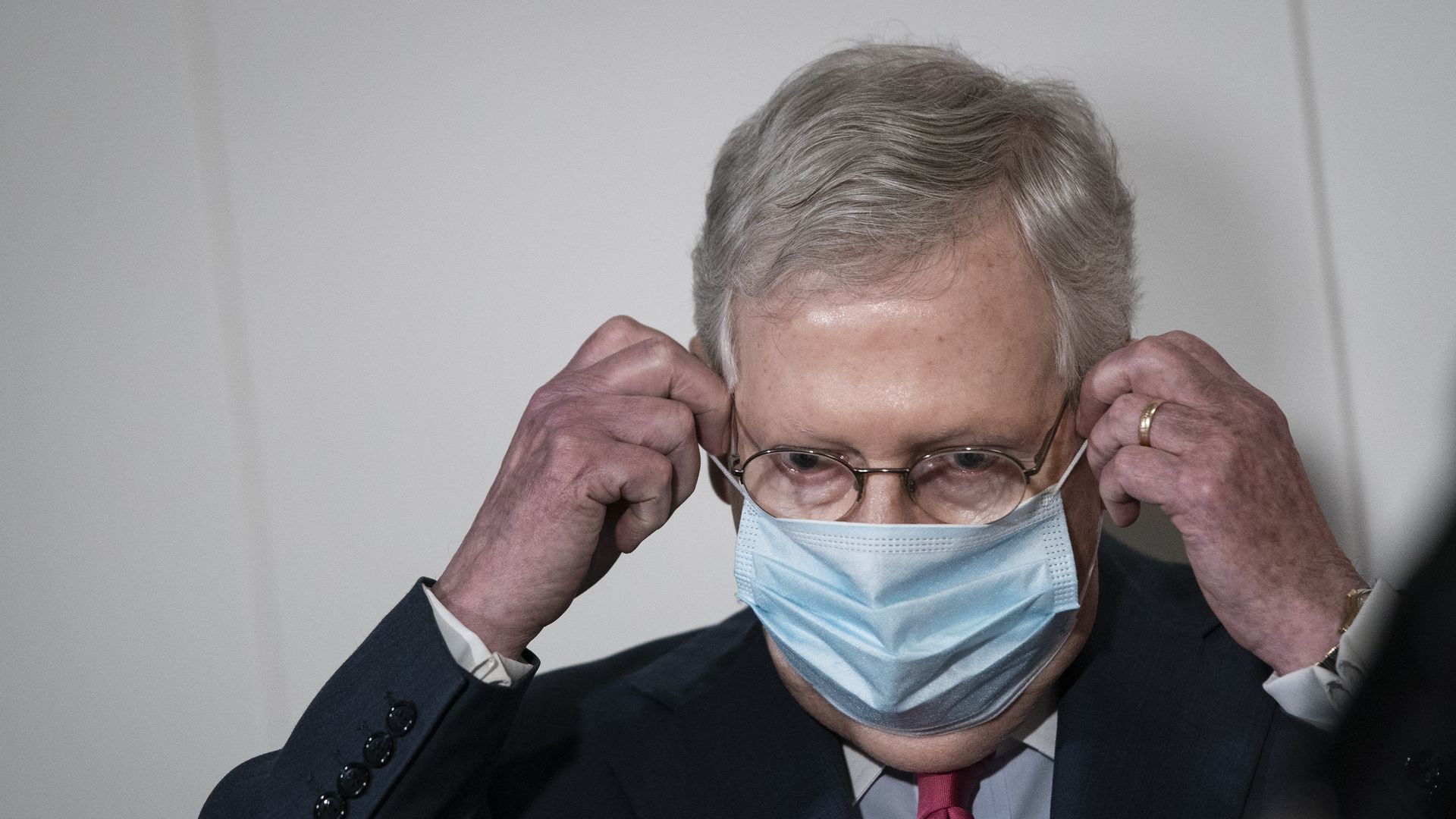
Senate Majority Leader Mitch McConnell (R-Ky.) on Wednesday encouraged people to wear face masks during the coronavirus pandemic, hours before the U.S. COVID-19 death toll surpassed 100,000, per Politico.
Why it matters: President Trump has been resisted wearing face coverings in public and ridiculed Democratic presidential rival Joe Biden for doing so this week. But McConnell reportedly sided with CDC guidelines during a Kentucky event to deliver his message to young people. "There's no stigma attached to wearing a mask," he said, per Politico. "There’s no stigma attached to staying six feet apart." McConnell has also taken to posting images to Instagram in recent days of himself wearing a mask.
Ford has developed software that literally bakes the interior of police cars to kill traces of the coronavirus that other cleaning methods might have missed.
Why it matters: The self-cleaning heat treatment is an example of how vehicle manufacturers and transit providers are experimenting with sanitization methods in the COVID-19 era.
The European Union is considering an $826 billion coronavirus rescue package to fund recovery efforts in response to the bloc's coronavirus-fueled economic strain, European Commission President Ursula von der Leyen said Wednesday.
Why it matters: The historic fund would bring the EU closer to fiscal union via a shared budget, the New York Times reports — however, all countries have to agree to the fund for it to be implemented.
The Centers for Disease Control and Prevention issued new guidelines on Wednesday detailing how office buildings can reopen following months of social distancing amid the novel coronavirus outbreak.
What they're saying: The guidance outlines steps for employers to ensure they "create a safe and healthy workplace and protect workers and clients." The CDC urged caution and careful planning before bringing workers back to office buildings.