German Chancellor Angela Merkel does not plan to accept President Trump's invitation to attend an in-person G7 summit in Washington, D.C. at the end of June, the New York Times reports.
Why it matters: Deborah Birx, the lead White House coronavirus task force coordinator, told reporters last week that D.C., Maryland and Virginia have the highest percentage of coronavirus cases in the U.S.
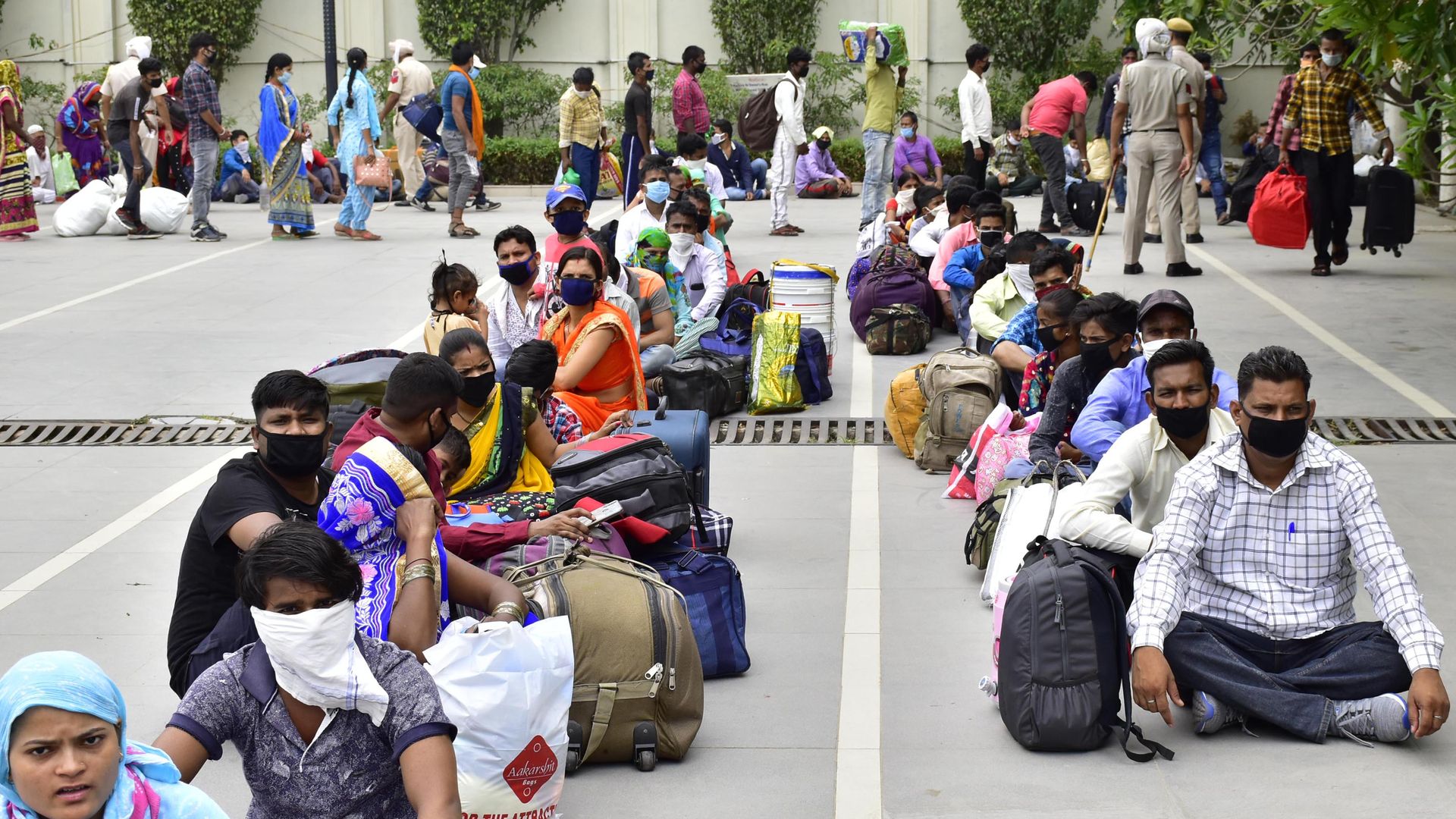
The big picture: Although India's lockdown — which will now last until June 30 — has been extended three times, the country moved on Saturday to allow restaurants, hotels and churches outside of hotspots to begin resuming operations.
A Memorial Day partygoer who visited several Lake of the Ozarks bars in Missouri has tested positive for the coronavirus, the Camden County health department said.
Why it matters: As multiple outlets reported over Memorial Day weekend, some of those bars and nearby swimming pools were packed with people not social distancing and not wearing masks. The Missouri bars are also a popular vacation spot for many from Chicago, per AP.
A security group warns that the COVID-19 pandemic could inspire terrorists to turn to bioweapons.
Why it matters: New technologies like gene-editing have the potential to make future bioweapons deadlier and easier to create, while COVID-19 demonstrates just how vulnerable the world is to any kind of biological threat.
The Centers for Disease Control and Prevention, without notice, removed specifics on choirs in its guidelines for houses of worship to reopen, the Washington Post reports.
Why it matters: The CDC's original long-form guidance for businesses to reopen included detailed guidance for churches and other religious institutions, which the White House requested be taken out, according to AP.
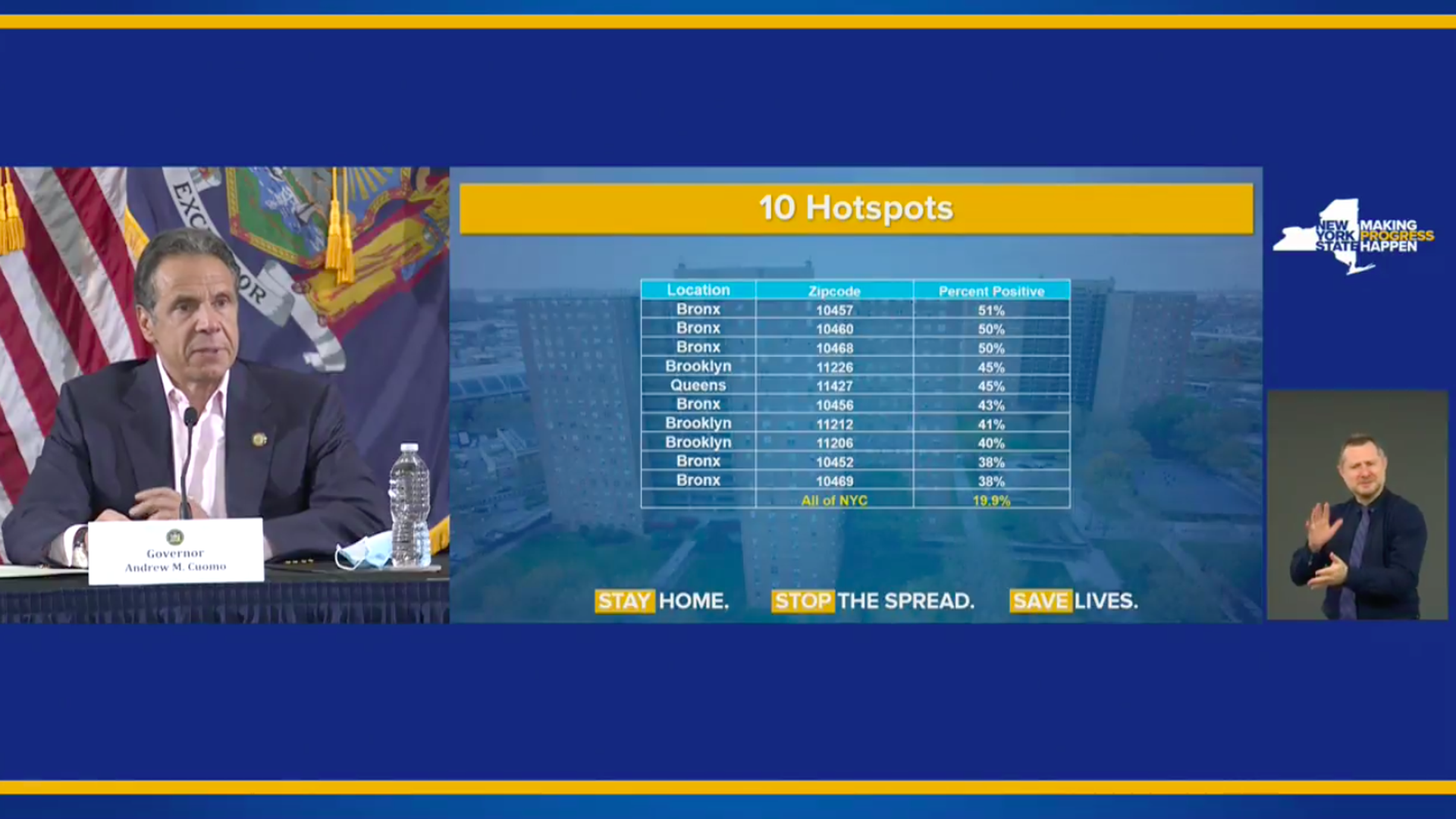
New York City will reopen on June 8, Gov. Andrew Cuomo told reporters on Saturday.
Why it matters: The city was the original epicenter of the novel coronavirus in the U.S. and has reported the most infections and deaths in the country, per Johns Hopkins data.
Safety costs, digitization and flexibility — a top consultant outlines what American workplaces may look like in the age of coronavirus.
Why it matters: As states gradually reopen, businesses will need to decide how much work can continue remotely, how much needs to be done in a workplace — and how those workplaces will need to be adapted.
From medical deliveries to monitoring to remote inspections, the pandemic lockdown has accelerated the use of drones.
Why it matters: At a moment when human beings can be both victims and spreaders of infection, fleets of remote drones can help keep the economy humming. But civil liberty advocates worry that drones could push the limits of real-world surveillance.
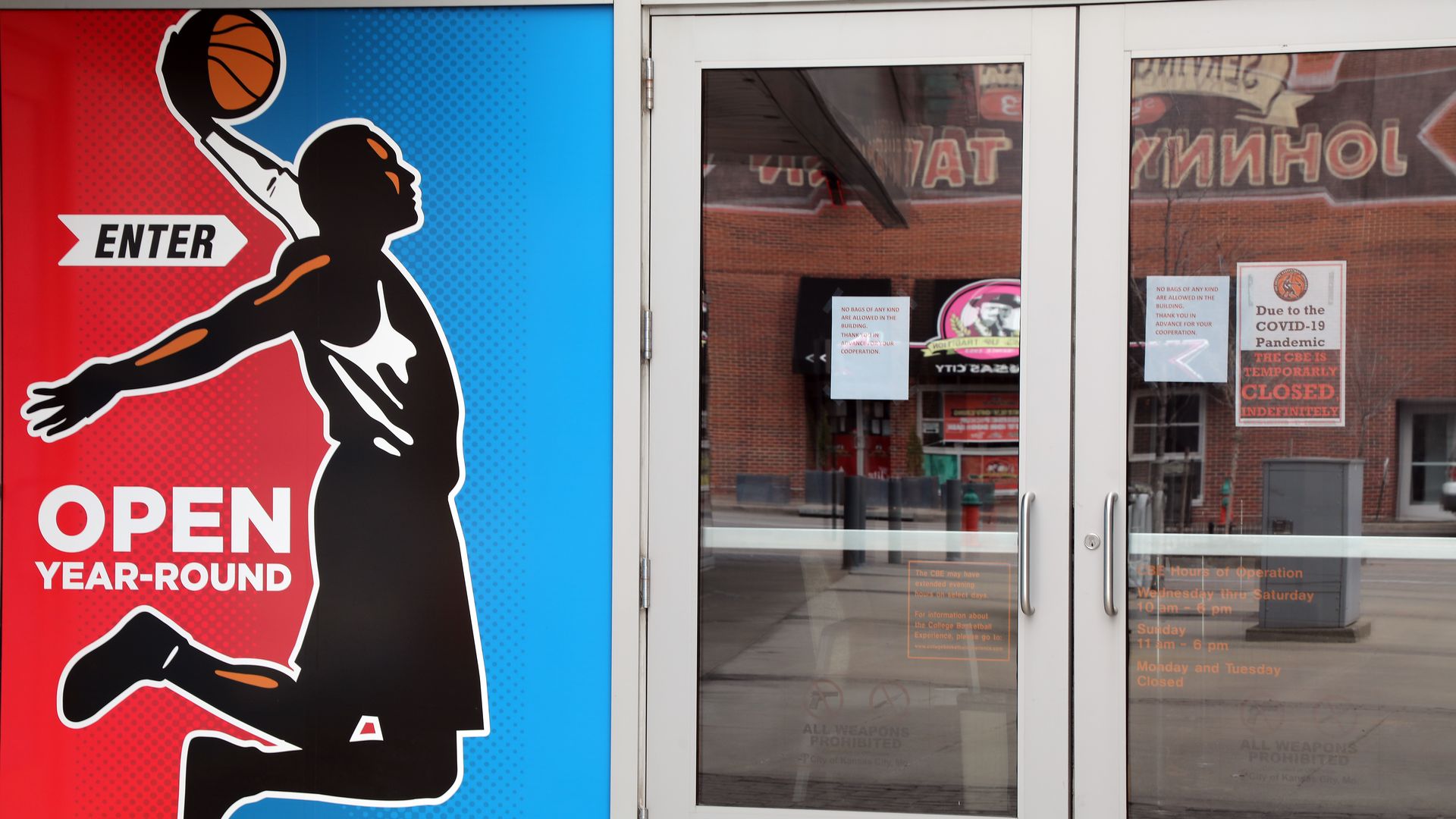
The NCAA released guidelines on Friday that aim to help schools safely bring student athletes back to college campuses.
Why it matters: Schools across the U.S. are prepping for football players to return as early as June 8, after the Southeastern Conference green-lit workouts and team activities at the discretion of individual universities.
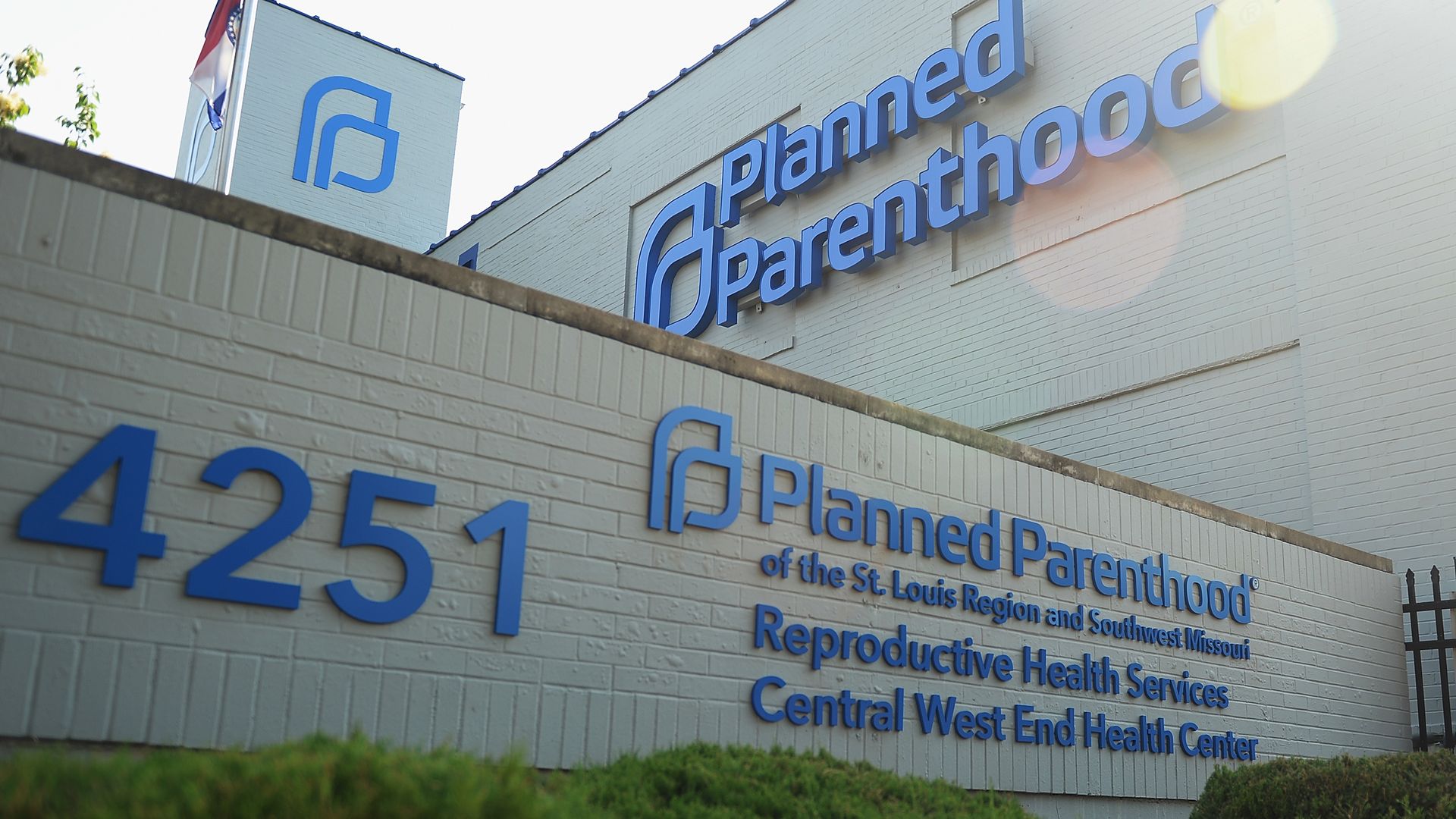
Missouri's only abortion clinic can stay open and operating according to a state administrator's Friday decision, the AP reports.
Why it matters: Without the Planned Parenthood facility in St. Louis, Missouri would be the first state in the U.S. without an abortion clinic since the Roe v. Wade Supreme Court ruling in 1974. But the facility was found to have “substantially complied” with state law, according to Missouri Administrative Hearing Commissioner Sreenivasa Rao Dandamudi.
Siren, a maker of "smart socks" designed for early detection of diabetic ulcers, yesterday announced nearly $12 million in venture funding led by Anathem Ventures.
Why it matters: This plays into the burgeoning remote health care trend, as people at risk of diabetic ulcers typically require regular foot temperature checks from podiatrists.
Prescription fills of chloroquine and hydroxychloroquine soared in March, after they were put in the political spotlight by President Trump, according to a new study in JAMA.
Why it matters: The evidence suggests that the drug is not an effective treatment for the coronavirus, and is even dangerous for some patients.
As the coronavirus pandemic wears on, almost half of all African American, Latino, and low-income Americans are having trouble paying their bills, including medical bills.
Why it matters: The findings from our latest KFF polling suggest that even if Congress’ relief efforts are helping, they’re not nearly enough.
Now that there are glimmers of hope for a coronavirus vaccine, governments, NGOs and others are hashing out plans for how vaccines could be distributed once they are available — and deciding who will get them first.
Why it matters: Potential game-changer vaccines will be sought after by everyone from global powers to local providers. After securing supplies, part of America's plan is to tap into its military know-how to distribute those COVID-19 vaccines.
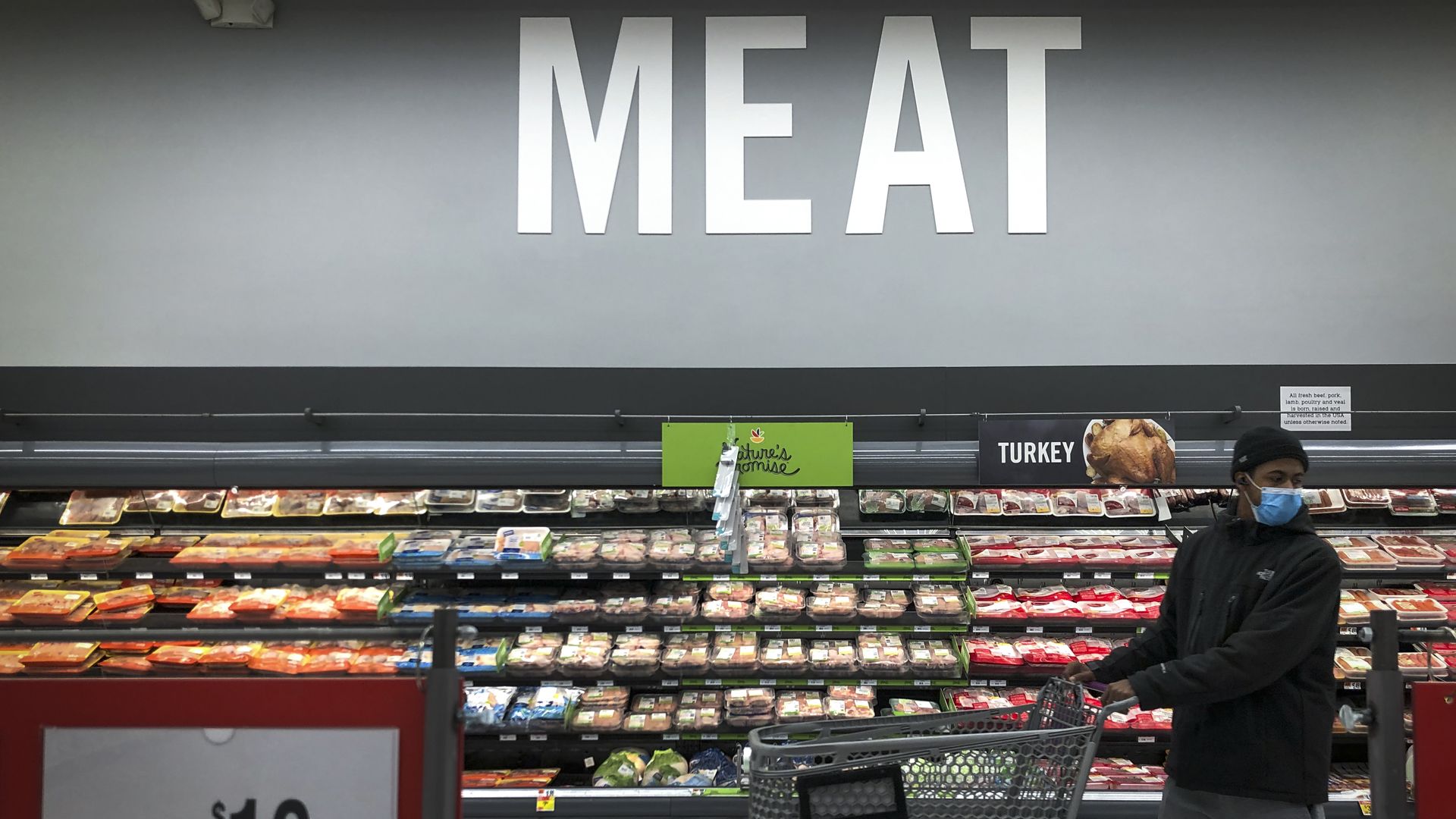
A Tyson pork processing plant Iowa is experiencing a coronavirus outbreak with 555 confirmed positive cases among more than 2,500 employees, the state health department confirmed on Thursday to the Des Moines Register.
Why it matters: Outbreaks at meat packing plants have resulted in national shortages thanks to stalled production and the implementation of new, strict safety measures. In mid-April, a Smithfield pork processing plant in Sioux Falls, South Dakota, became the largest single COVID-19 hotspot, with over 600 cases.