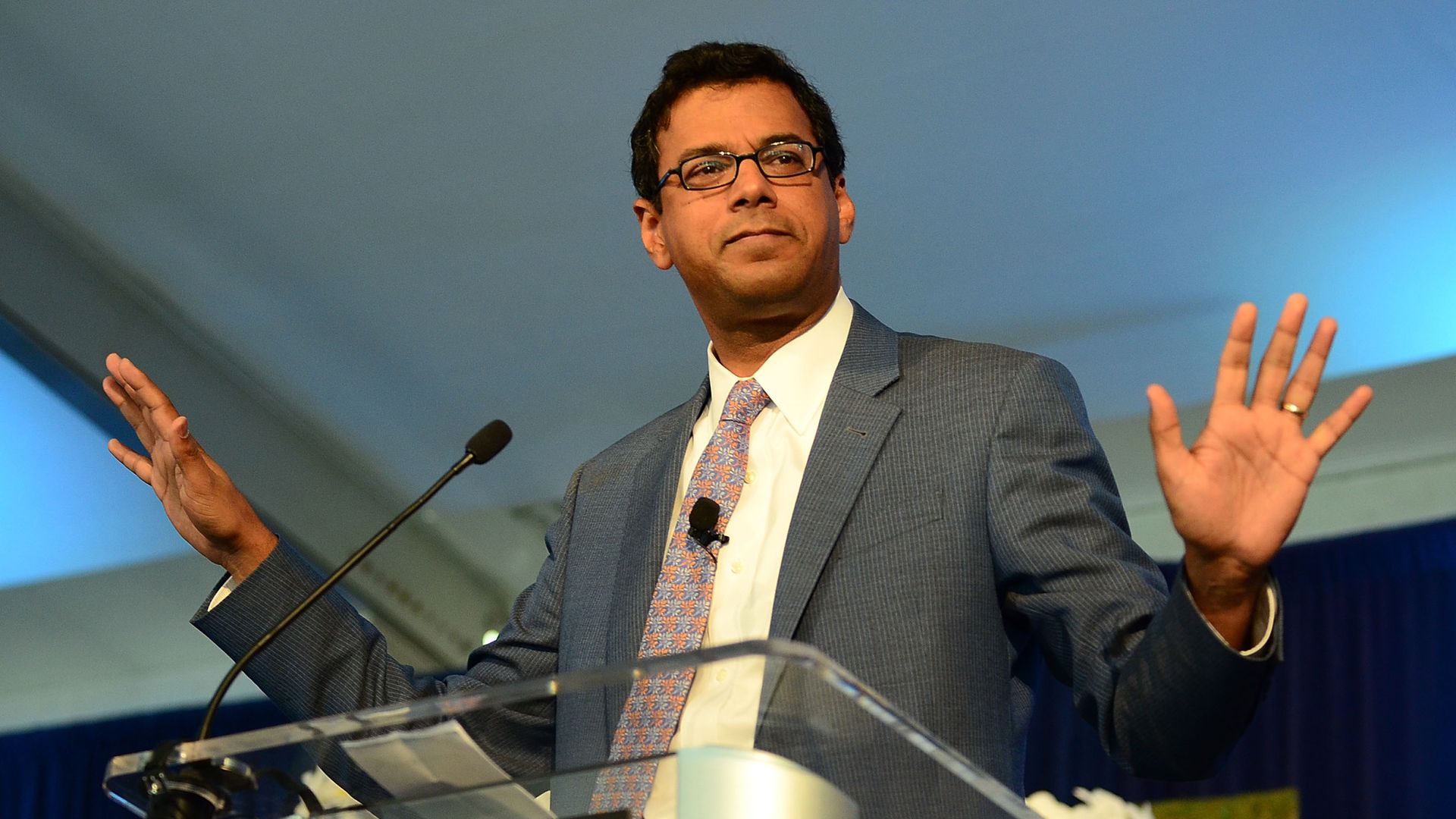
Between the lines: A lot is still unknown about Haven, other than that it will use "data and technology" to try to improve employer health care and that it is "committed to doing this work for the long term," according to a note from Haven CEO Atul Gawande. We also know UnitedHealth Group views Haven as a competitor.
In 2017, more than 151,000 Americans died of suicide or causes related to drugs or alcohol — the highest rate in U.S. history, according to a new study by Trust for America's Health and Well Being Trust.
Why it matters: The study projects that the three epidemics are on track to kill 1.6 million Americans by 2025. Life expectancy has already fallen in the U.S. three years in a row largely due to these trends, while the global average life expectancy continues to rise.
Freestanding emergency departments, which provide emergency medical care but are physically separate from hospitals, charge many times more than other providers for the same care, according to a new analysis by UnitedHealth Group.
How it works: Freestanding ERs often don't provide treatment for common emergencies like trauma, strokes and heart attacks.
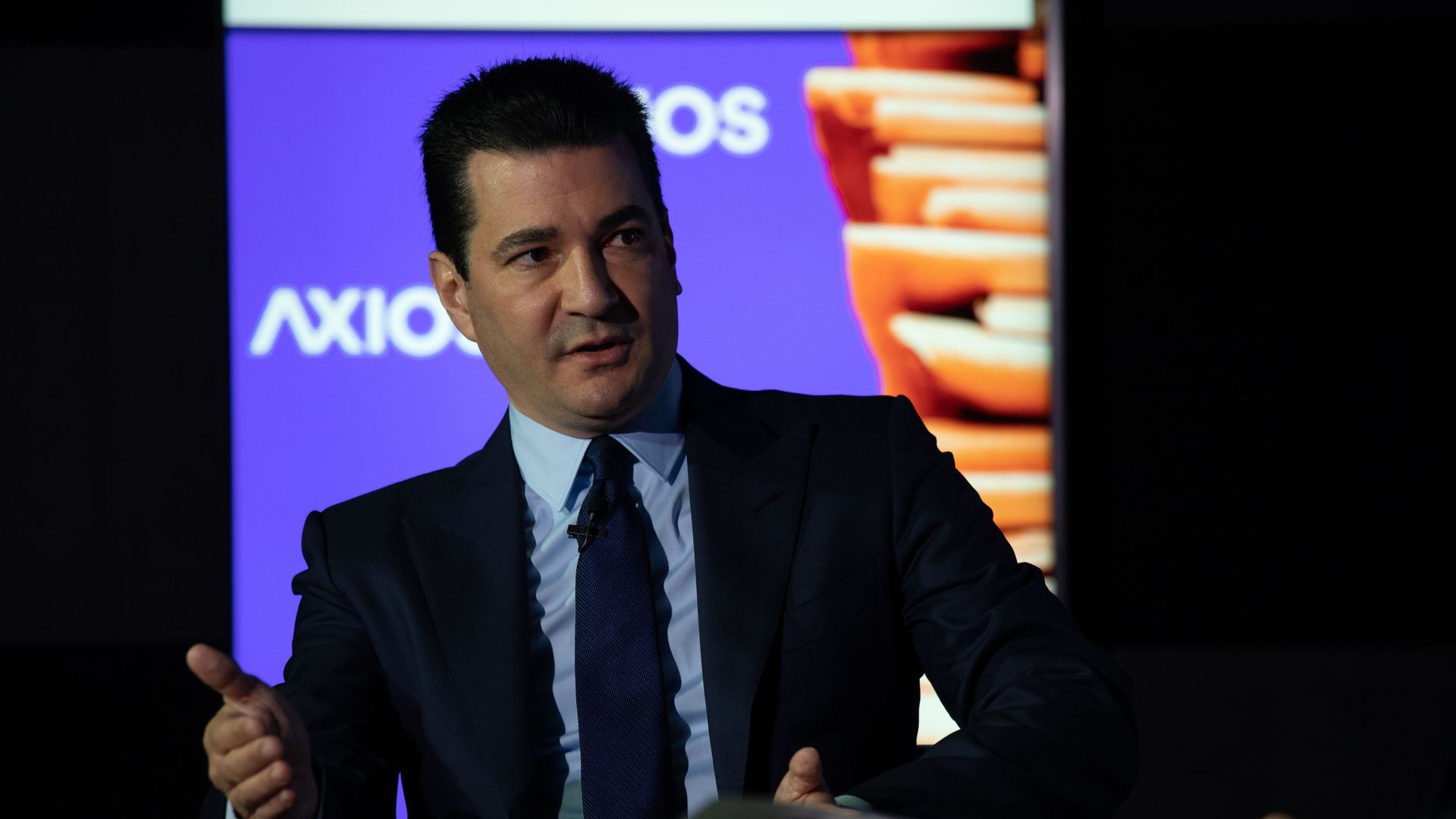
You’d be hard-pressed to find many Trump administration officials with a better reputation, on both sides of the aisle, than Scott Gottlieb. But now he’s leaving.
The big picture: Gottlieb has been an incredibly consequential FDA commissioner. He's not without his critics — no one is — but he's about as close as you can get, especially in this administration.
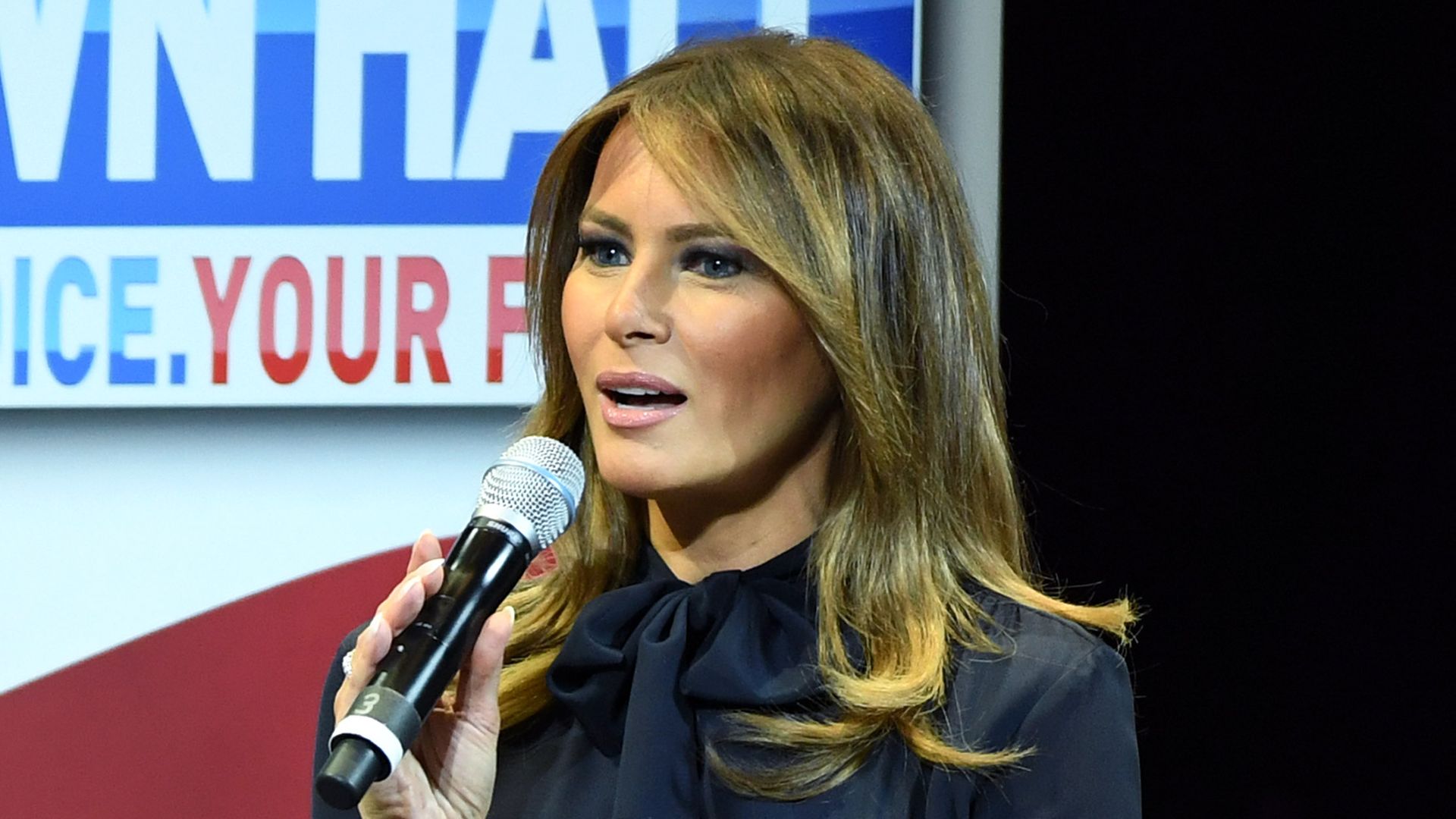
First lady Melania Trump spoke out against the media for focusing on trivial issues instead of the opioid epidemic, as her youth wellbeing-focused "Be Best" tour wrapped up in Las Vegas Tuesday.
I challenge the press to devote as much time to the lives lost and the potential lives that could be saved by dedicating the same amount of coverage that you do to idle gossip or trivial stories"
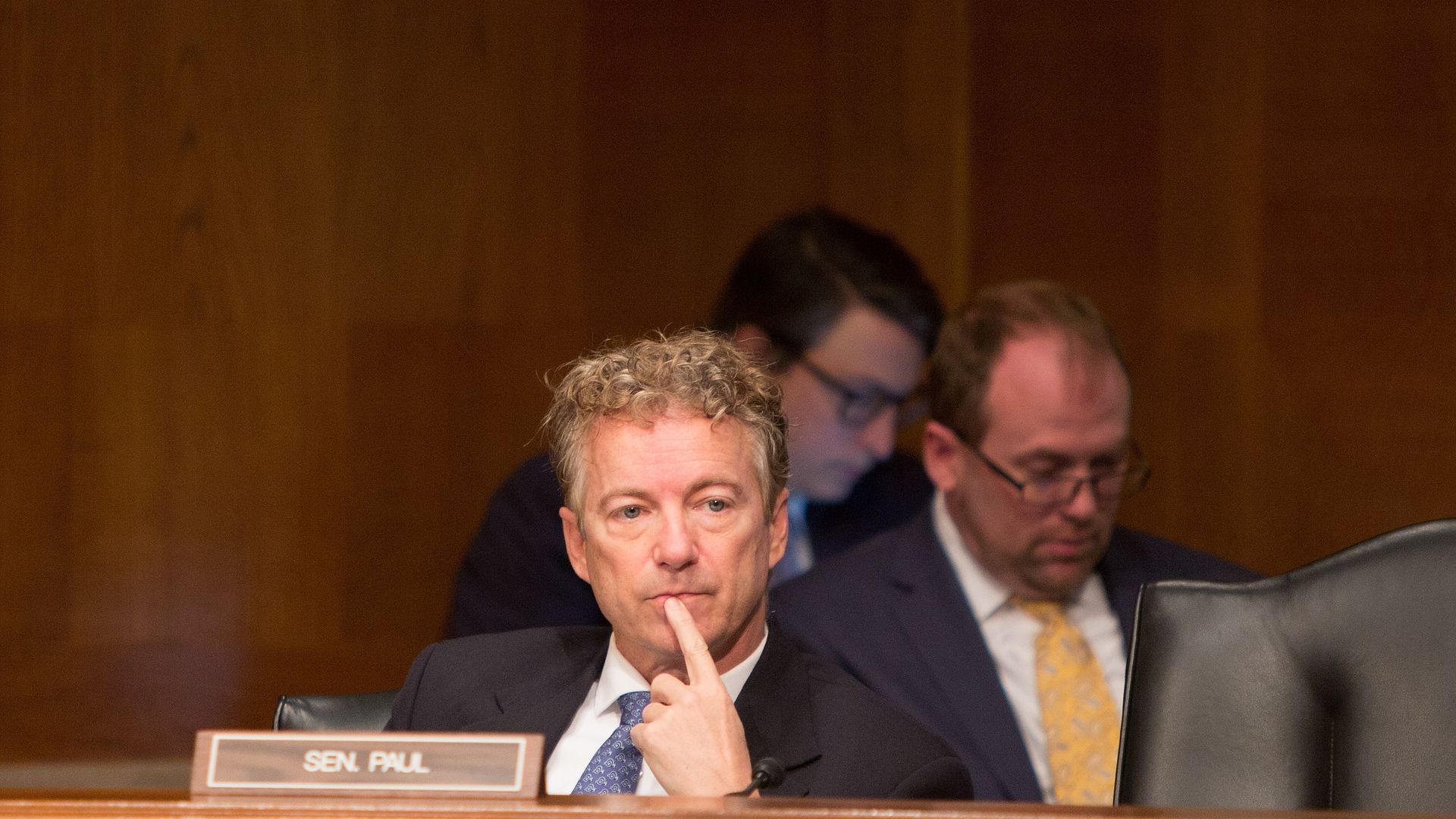
Sen. Rand Paul (R-Ky.), an ophthalmologist, equated government-mandated vaccinations to "giving up on liberty for a false sense of security" at a Senate Health Committee hearing on Tuesday.
"I'm not here to say don't vaccinate your kids. If this hearing is for persuasion I'm all for the persuasion. I've vaccinated myself and I've vaccinated my kids. For myself and my children I believe that the benefits of vaccines greatly outweigh the risks, but I still don't favor giving up on liberty for a false sense of security."
— Sen. Rand Paul (R-KY)
Details: The hearing sought to address the role vaccines play in preventable disease outbreaks, and included witnesses such as Ethan Lindenberger, who had himself inoculated at 18 against his parents' wishes. At chairman Lamar Alexander's (R-Tenn.) prompting, the hearing also addressed the now-retracted 12-person study published in 1998 that is partly responsible for the ongoing false belief that the measles, mumps and rubella (MMR) vaccine causes autism.
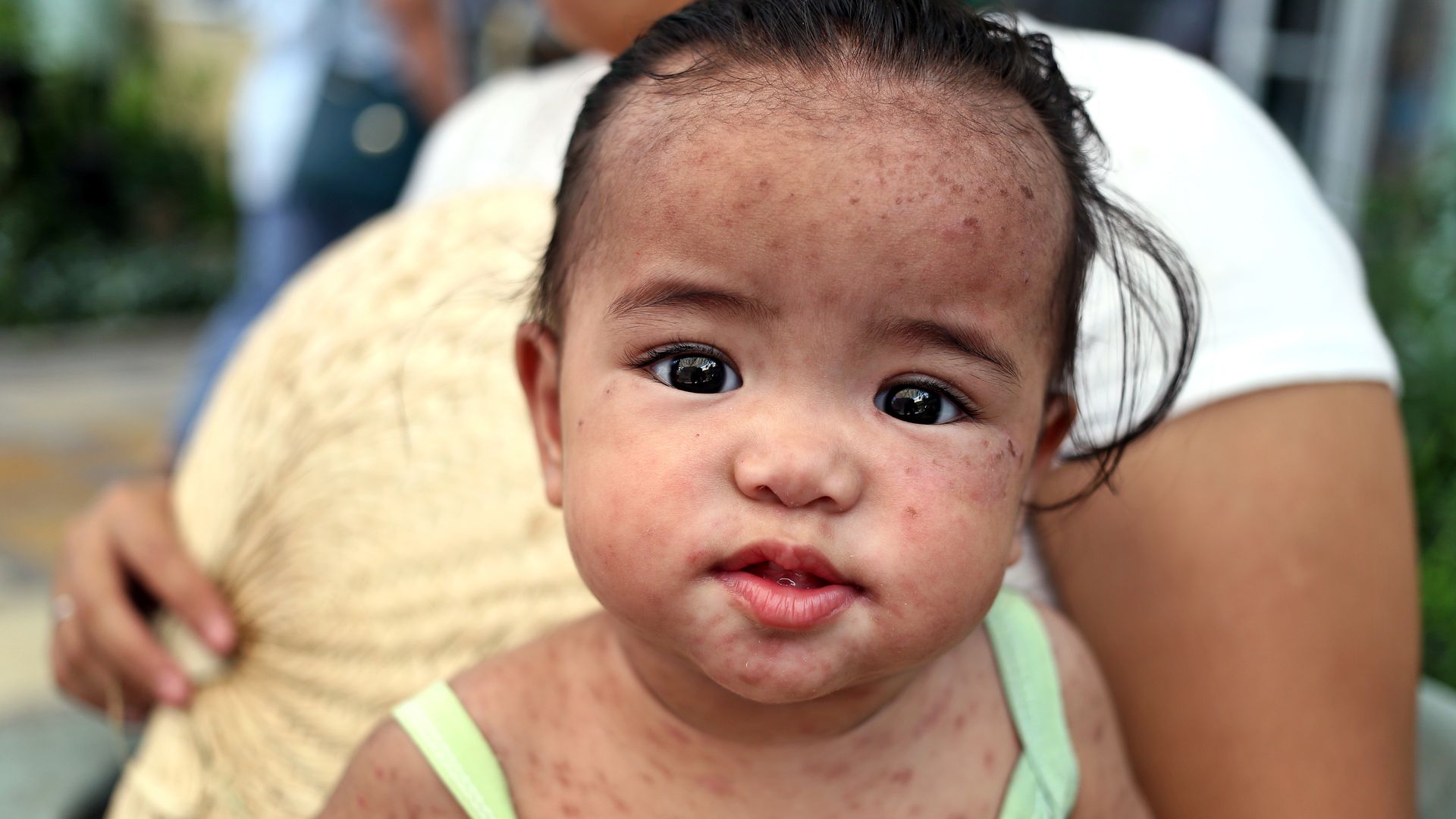
Children considered by some to be at a higher risk of autism did not have a higher incidence of getting autism when they received the measles, mumps and rubella vaccine, according to one of the largest and longest studies on this topic, published in the Annals of Internal Medicine Monday.
Why it matters: This study is designed to address concerns held by some people that certain groups of children are at higher risk of autism from the MMR vaccine. Scientists are hopeful this will promote the higher vaccination rate needed to stem outbreaks spiking around the globe and rising in the U.S., where there were 206 confirmed cases in 11 states during the first 2 months of 2019.
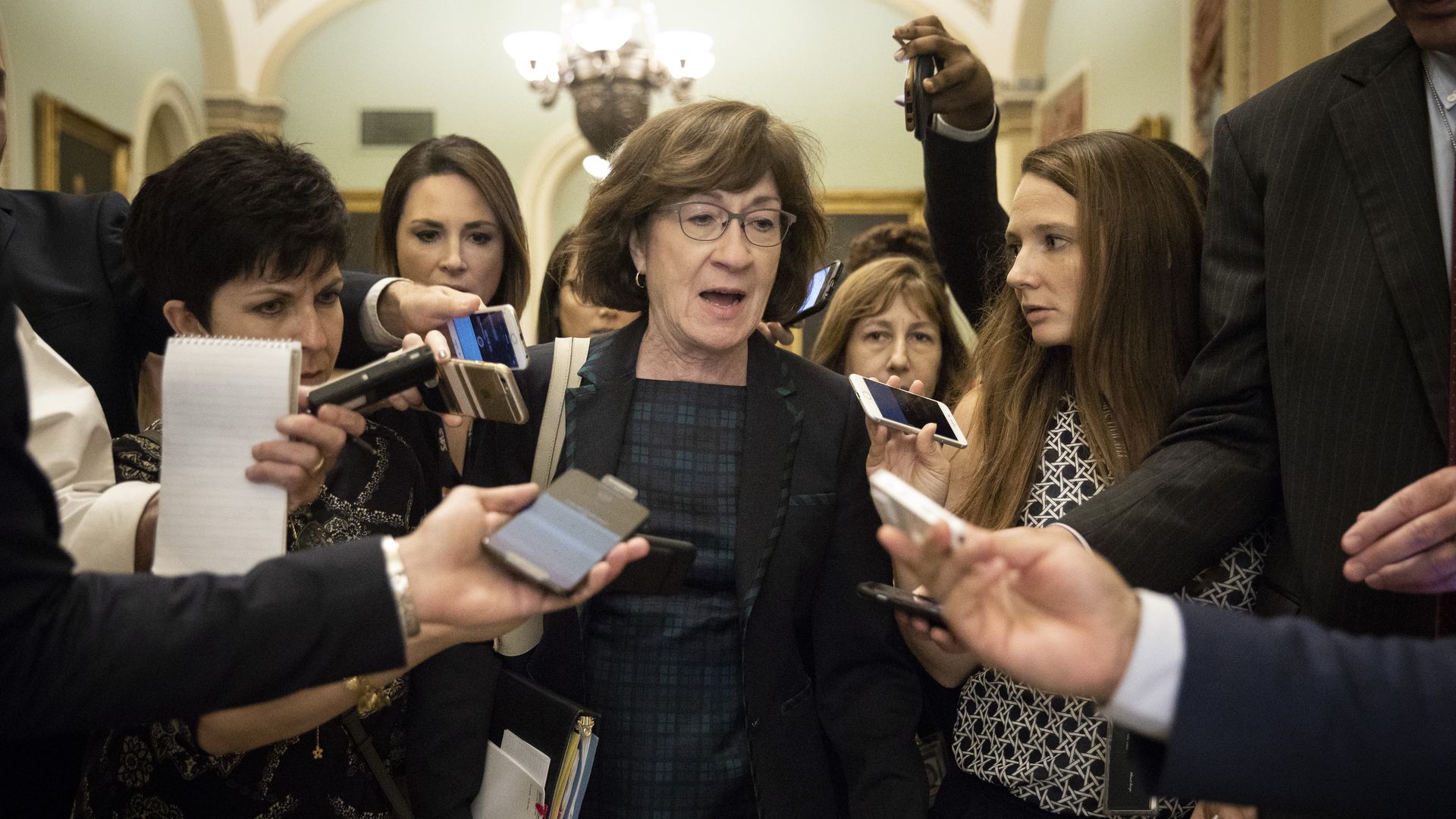
Sen. Susan Collins (R-Maine) is opposing one of President Trump's judicial nominees because of his role in a lawsuit over the Affordable Care Act. Chad Readler, a nominee to the 6th Circuit Court of Appeals, is a Justice Department attorney who led a legal brief urging the courts to strike down the ACA's protections for people with pre-existing conditions.
Between the lines: Collins is usually a reliable vote on judicial nominees — you may recall her vote for Supreme Court Justice Brett Kavanaugh. Her break with the White House this time is a reminder that the politics of health care are still dangerous for Republicans, especially with this ACA suit still looming.
David Brooks writes in his New York Times column Tuesday that Democrats' "Medicare for All" is a pipe dream, because it requires massive faith in an unworthy and mistrusted government.
"There's no plausible route from here to there. ... If America were a blank slate, Medicare for All would be a plausible policy, but we are not a blank slate. At this point, the easiest way to get to a single-payer system would probably be to go back to 1776 and undo that whole American Revolution thing."
Making people pay more of their health care bill out of pocket does not make them smarter shoppers, according to a new study published in Health Affairs, which corroborates earlier research.
The big picture: Part of the idea behind those ever-increasing insurance deductibles is that patients who have to put more of their own money on the line will become better consumers, comparison-shopping for the highest-quality, lowest-cost services. But it doesn't seem to work that way in the real world.
Eli Lilly’s decision to start selling a new version of its most popular fast-acting insulin highlights the industry’s concerns about possible legislation or regulation to rein in drug prices.
Reality check: Some diabetic patients will benefit from Lilly's new authorized generic, called Lispro. But the PR-heavy move, which has been replicated for other controversially priced medicines, isn't structural change. It aligns with the Trump administration's goal of lowering prices at the pharmacy counter — not necessarily what the system overall pays.