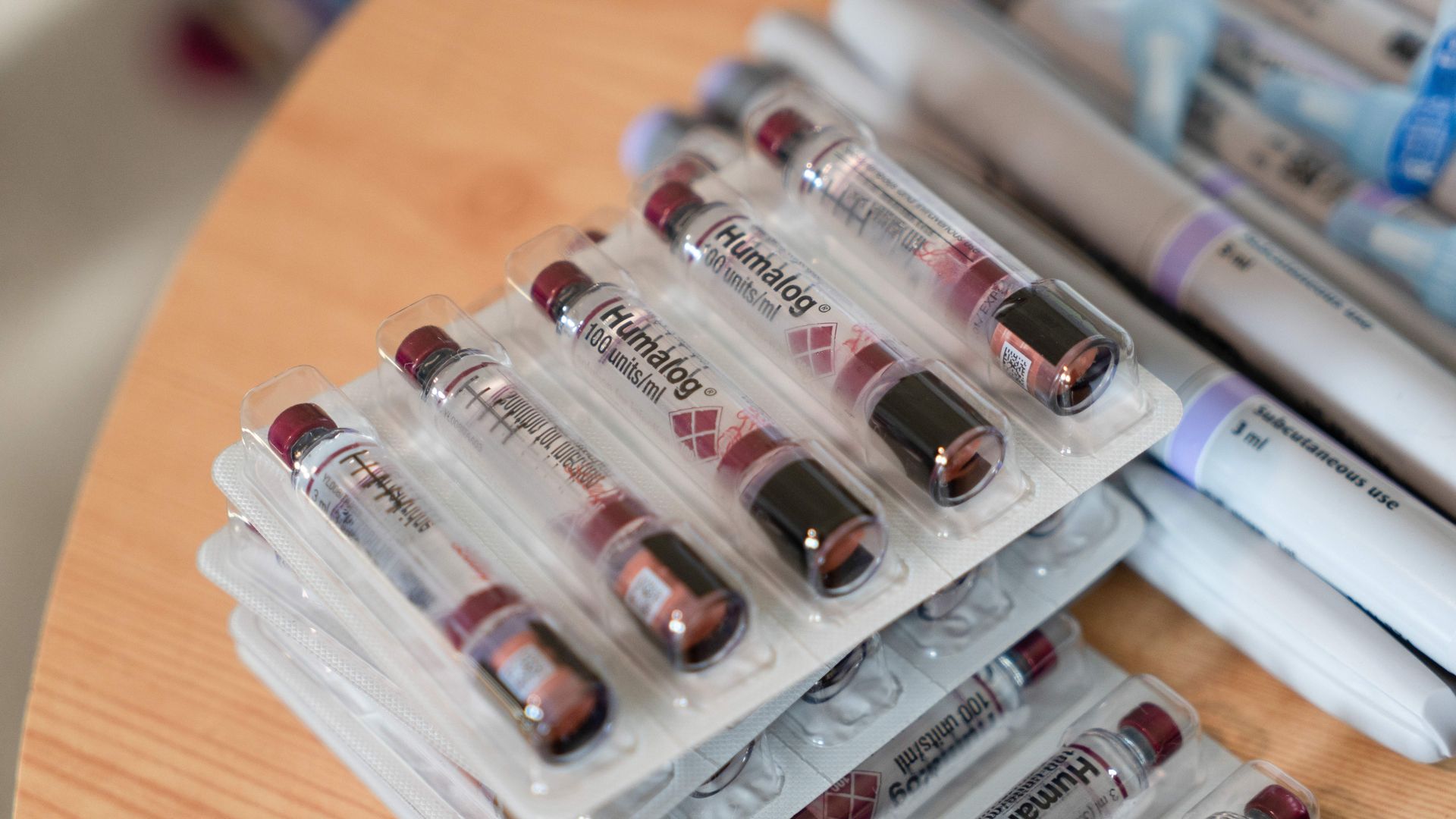
Why it matters: The decision will help people with diabetes who don't have insurance or who face high deductibles and coinsurance rates. However, the amount that health insurers and others will pay Lilly for this insulin, called Lispro, will be about the same as what Lilly gets for Humalog after rebates and discounts — meaning society more broadly will still be paying the same price for this kind of popular insulin.
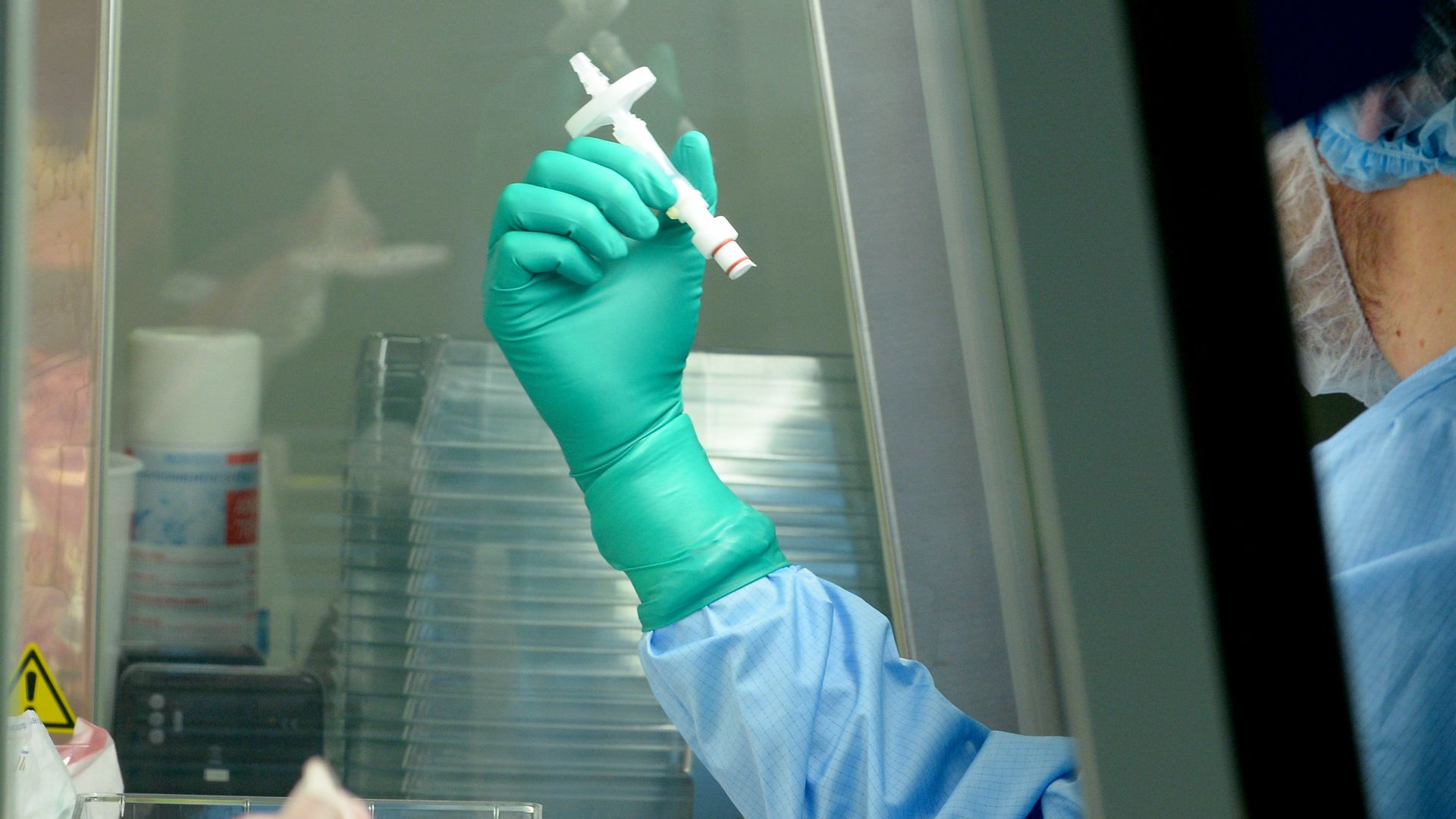
There are hundreds of gene therapies in the development pipeline, raising the question of how these drugs — which could have price tags upwards of $1 million — will be paid for, and whether our system is built to handle that, the Wall Street Journal reports.
Details: These gene therapies could treat or cure illnesses that currently cost the system even more over time, via long-term maintenance drugs.
The past 2 years have seen a surge in the number of prescription drugs approved through a special process that was designed to help foster new treatments for rare diseases.
Why it matters: Rapid scientific advances have helped fuel this rise. But the sheer volume of rare-disease approvals is also sparking a debate about whether they're too easy to obtain, or whether they give drugmakers a way to game the system.