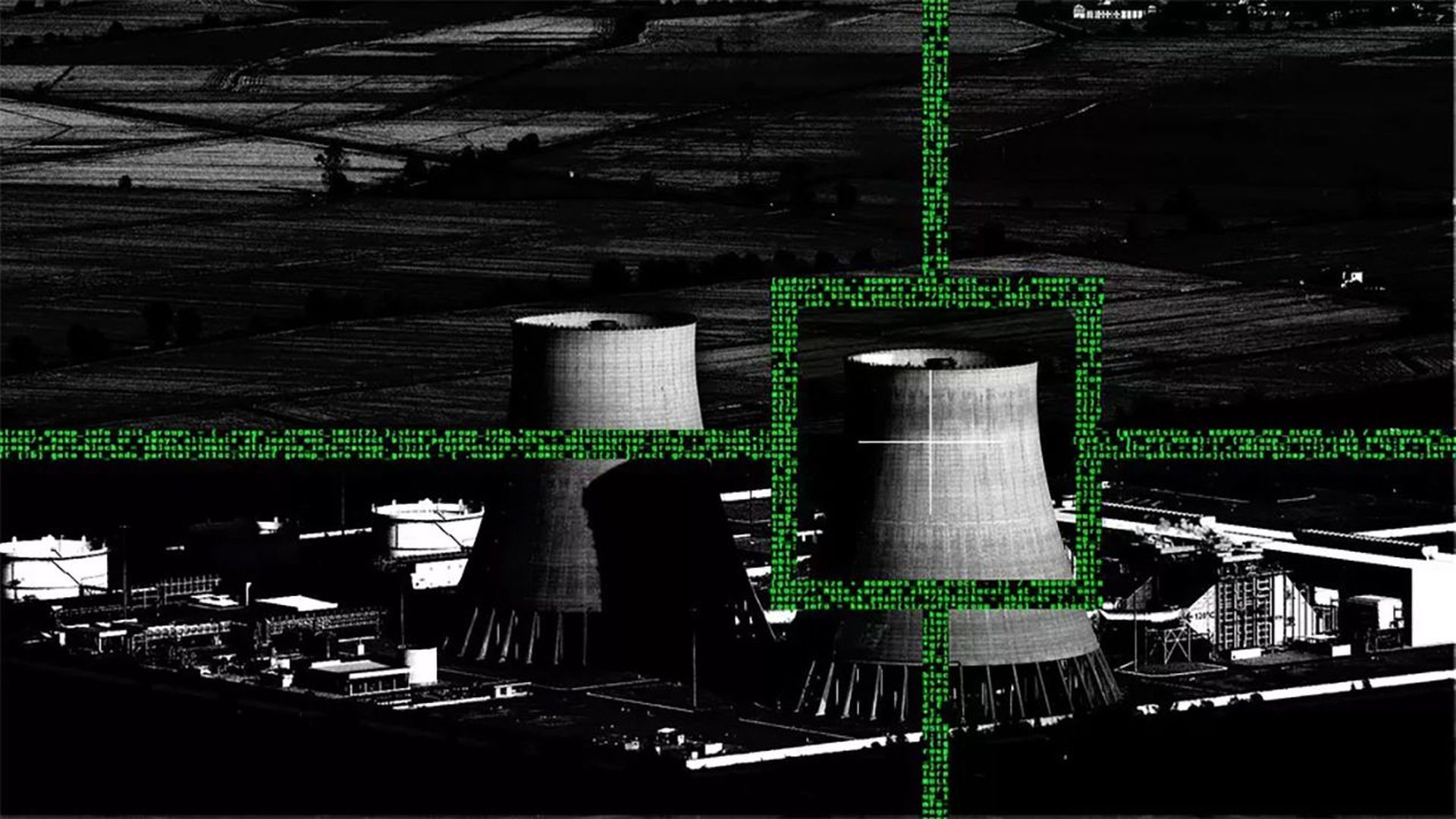
HOUSTON — Microsoft and Nvidia are joining forces on a new initiative aimed at breaking nuclear power bottlenecks to build plants swiftly, Microsoft Vice Chair and President Brad Smith said Tuesday.
Why it matters: The initiative is the latest example of the tech industry leaning on nuclear's emerging potential to deal with AI's voracious energy needs.
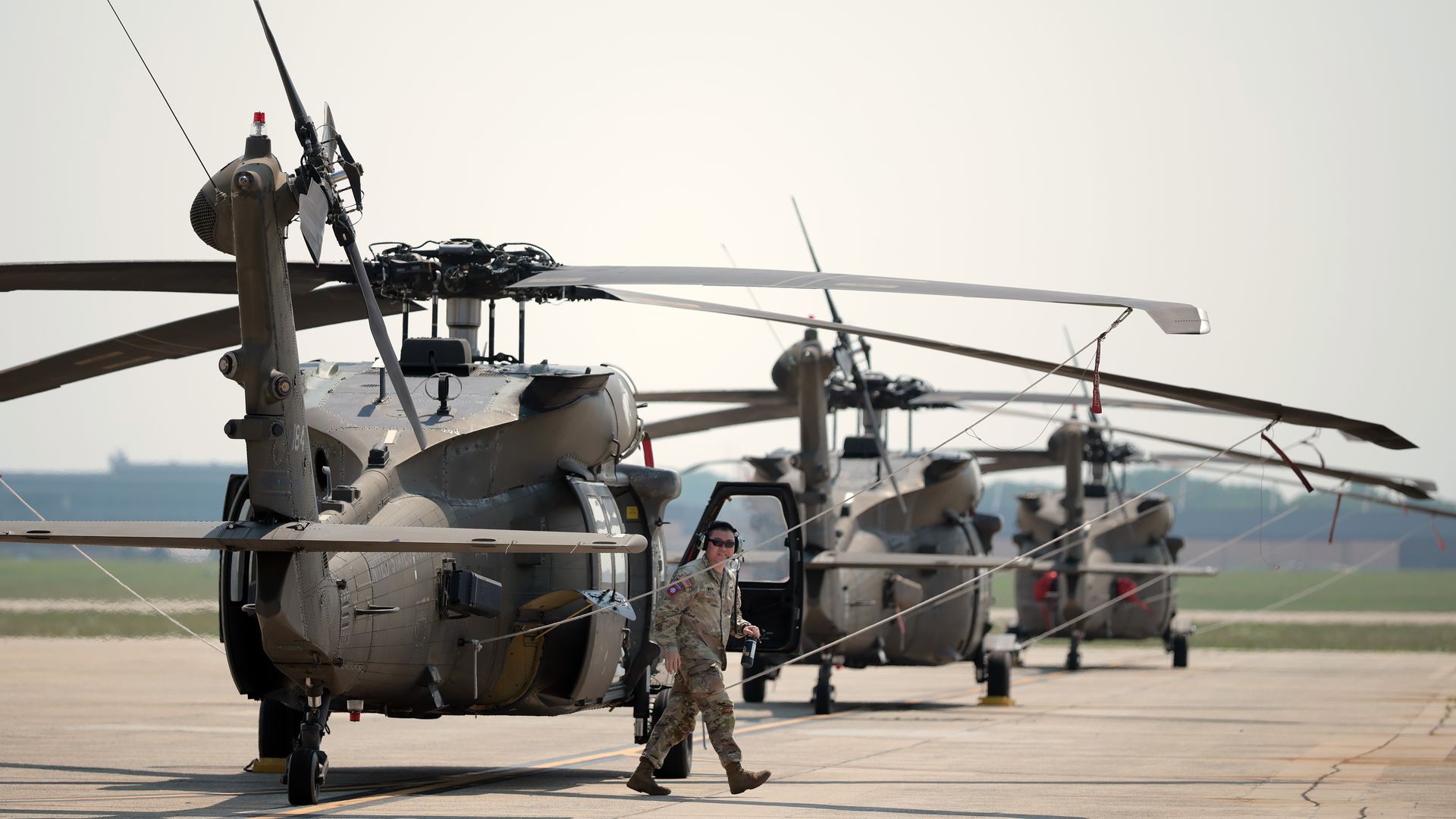
Army paratroopers are heading to the Middle East as President Trump weighs options to quickly end the Iran war, now entering its fourth week.
Why it matters: Putting U.S. boots on the ground in Iran would escalate the conflict, but the Trump administration has made no secret that it desires to reopen the Strait of Hormuz and restore the flow of oil.
CarMax's financial analysts and Instacart's software engineers rank among the top roles in an index, out Tuesday, that rates U.S. employers on how well they support workers' upward mobility.
Why it matters: Where you work increasingly determines whether you'll get promoted or get stuck. This first "Where You Work Matters" list is designed to reward employers who help workers move up and expose those who don't.
The ratings of 1,750 employers (across 55,000 occupations) were assembled by the Schultz Family Foundation and the Burning Glass Institute, in partnership with Harvard Business School's Managing the Future of Work Project.
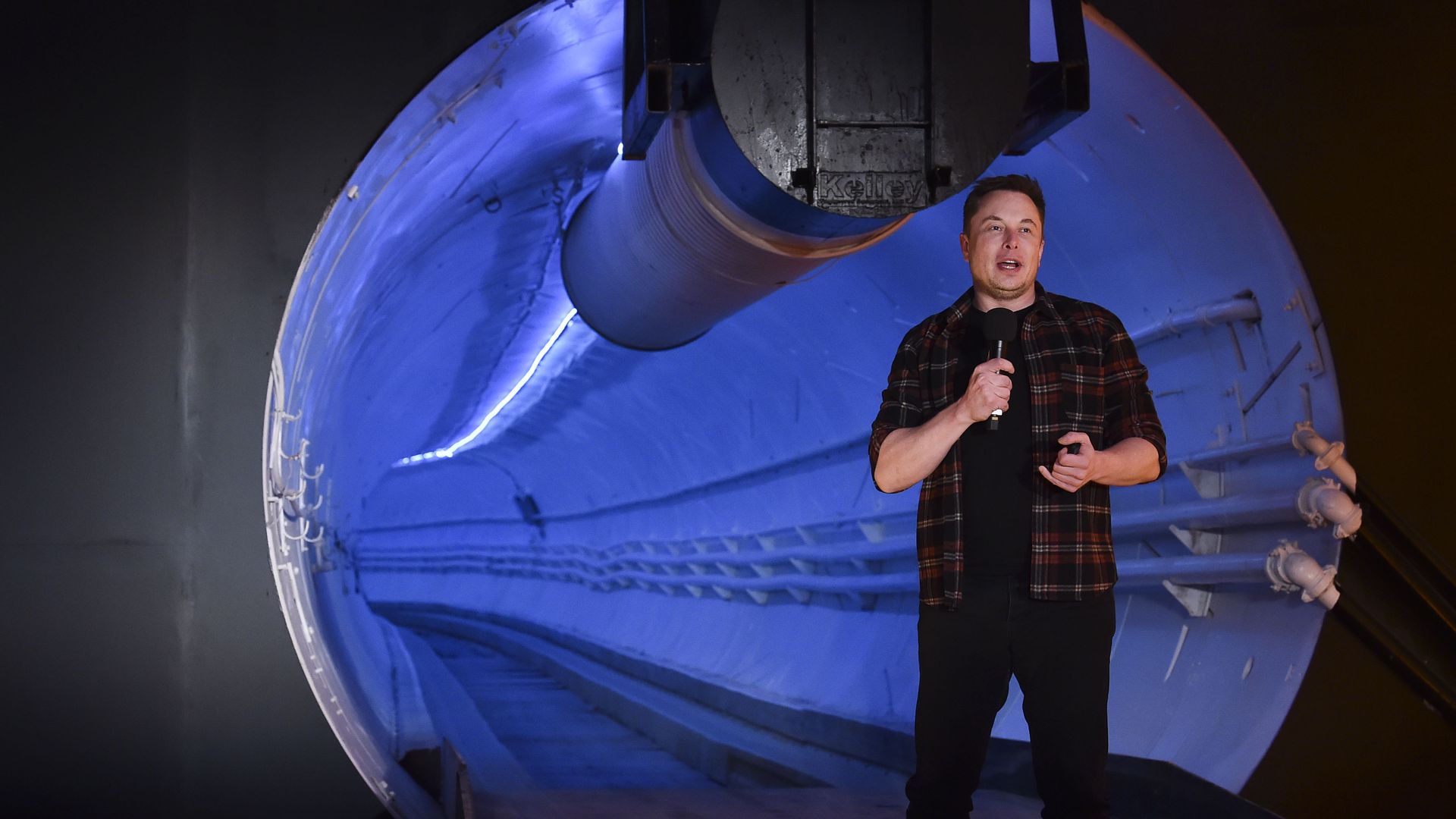
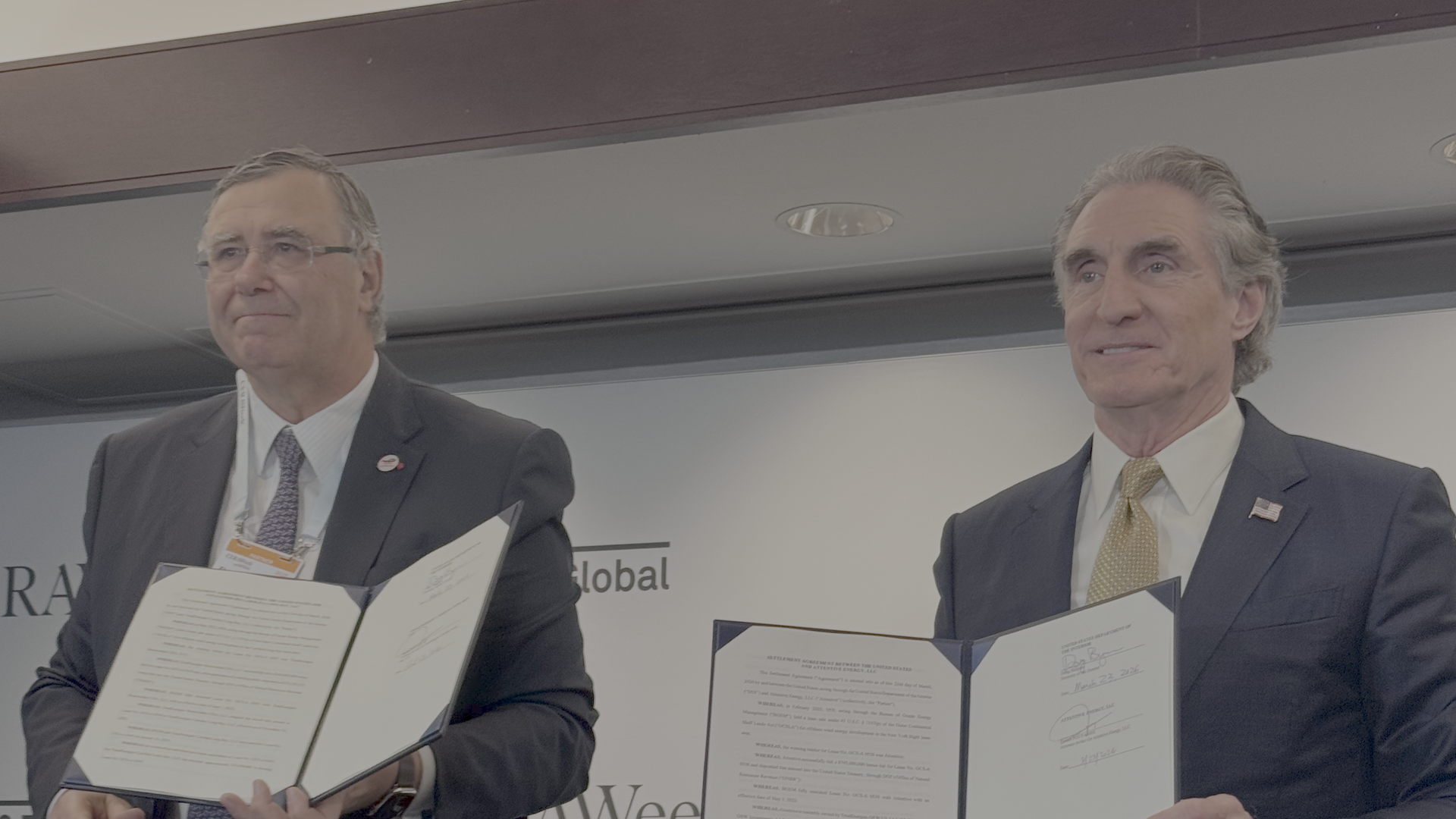
HOUSTON — Interior Secretary Doug Burgum shared a stage Monday with the CEO of a French oil giant to take aim at offshore wind — a rare alignment between a government and a private company.
Why it matters: The moment, at one of the world's largest energy conferences, offered a stark snapshot of U.S. energy policy under President Trump.
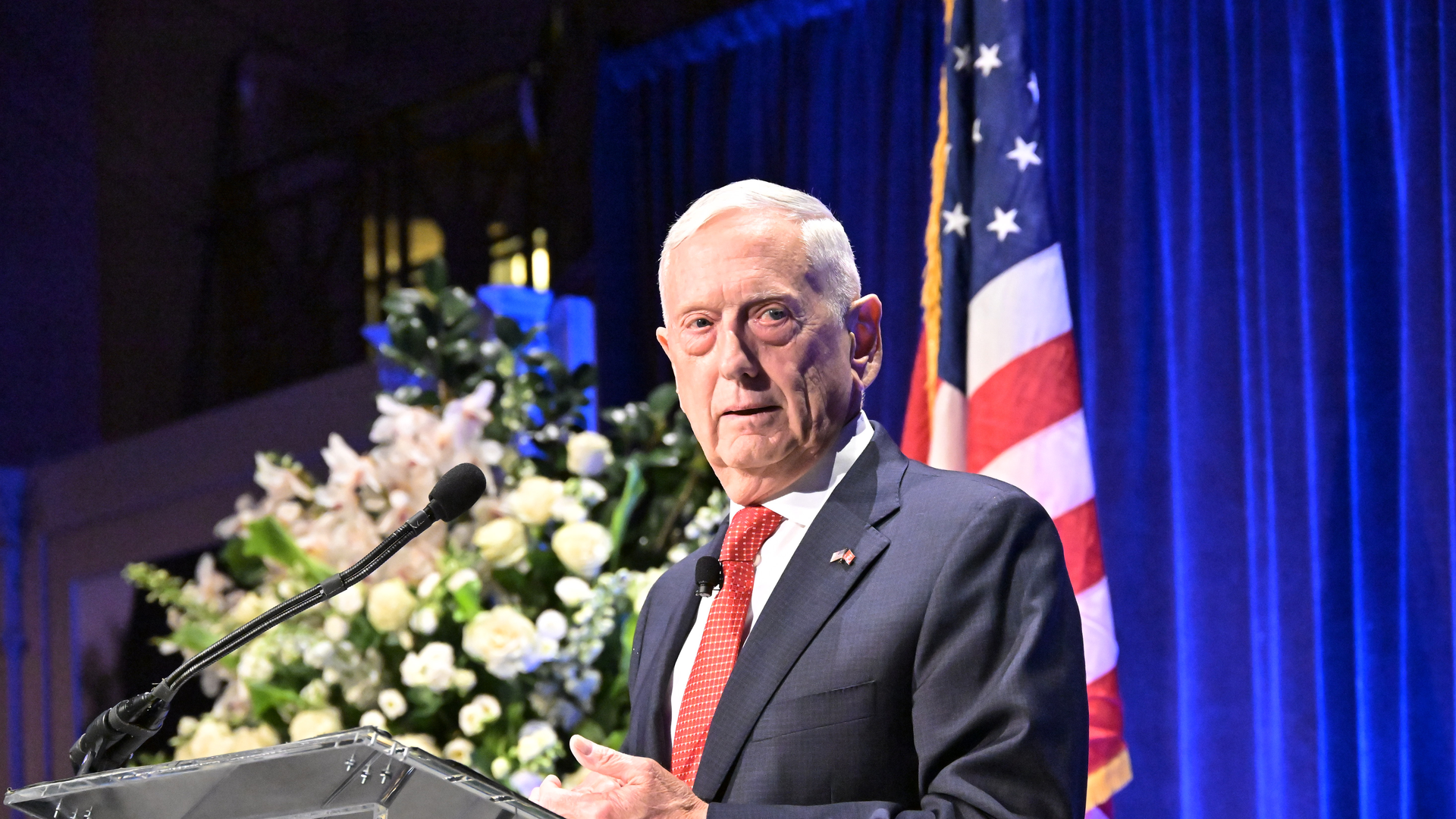
HOUSTON — Former Defense Secretary James Mattis offered a sobering take Monday on the Strait of Hormuz, criticizing the Trump administration for what he saw as a failure to think strategically about Iran.
Why it matters: The CERAWeek conference here has been clouded by uncertainty over the future of a conflict that's bringing historic supply disruptions — and upending industry planning in the process.
Things were on track for a rough start to the week amid the escalation of the Iran conflict that threatens global energy supplies. Then, soon after 7am ET Monday, President Trump dropped an all-caps social media post that suggested that all will be fine, sending markets ripping.
The big picture: That's good news for Monday's prices of risk assets, but it speaks to a more tumultuous backdrop for global commerce that decision-makers across the global economy are only starting to recognize.
In effect, an entity that has for generations been a source of stability in the world economy — the U.S. government — is now a source of chaos.
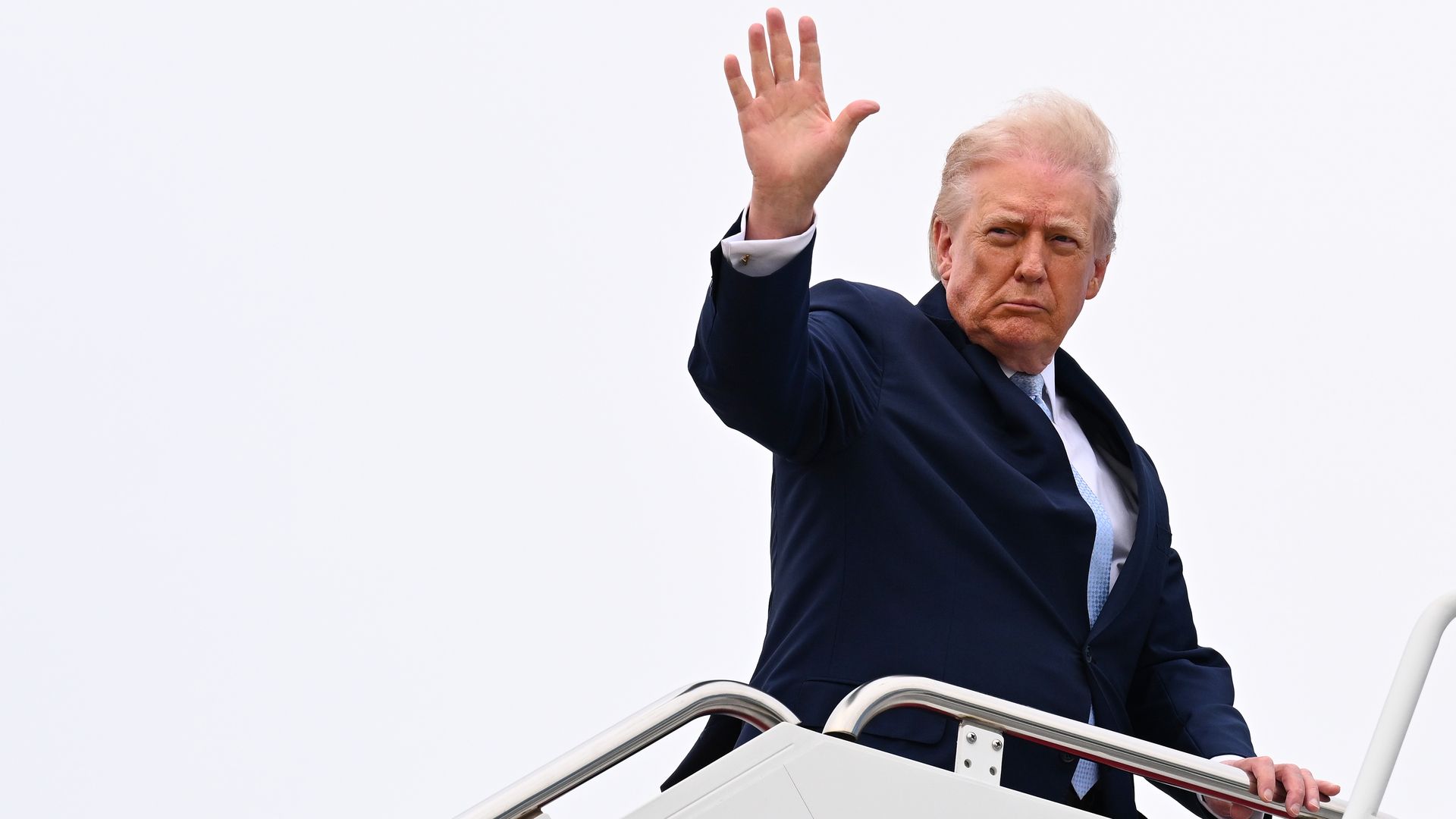
President Trump told reporters his envoys had been negotiating with a senior Iranian official and claimed the parties agreed on many points.
Why it matters: Regional leaders and global markets were bracing for major escalation on Monday, but Trump walked back his threat to strike Iran's power plants, citing productive negotiations.
Nvidia and startup Emerald AI said Monday they're working with major U.S. energy companies to develop a new class of data centers designed to flex their power use and connect to the grid faster.
Why it matters: The effort reflects a growing push to turn AI data centers from massive power consumers into more dynamic grid participants, as electricity demand from AI surges.
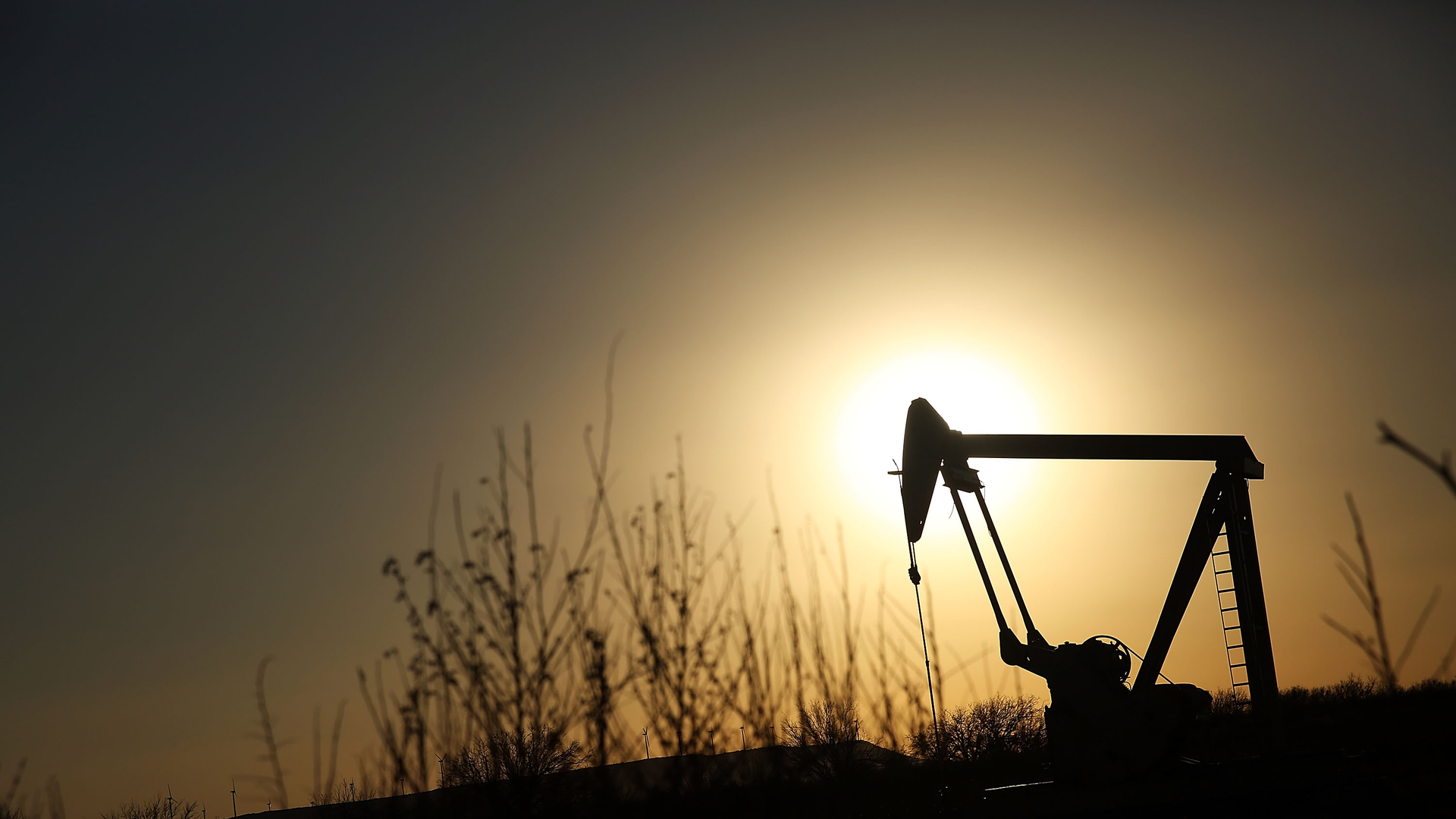
Oil prices remained well north of $100 per barrel after markets opened Sunday, with the Iran war moving into its fourth week.
Why it matters: The price suggests that traders don't see a near-term end to the conflict, or risks to oil transit in the Strait of Hormuz that's throttling supplies on an unprecedented scale.