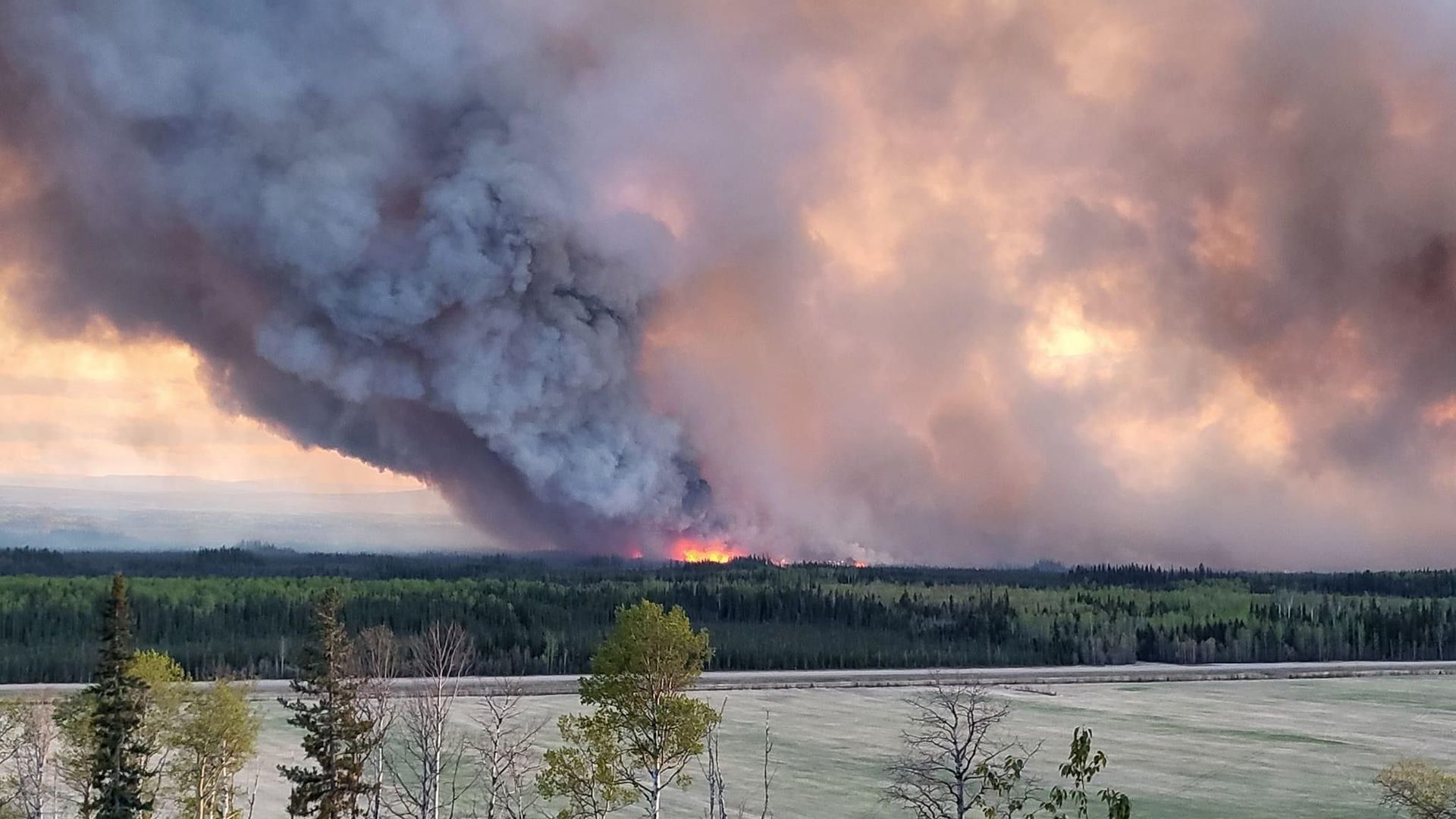
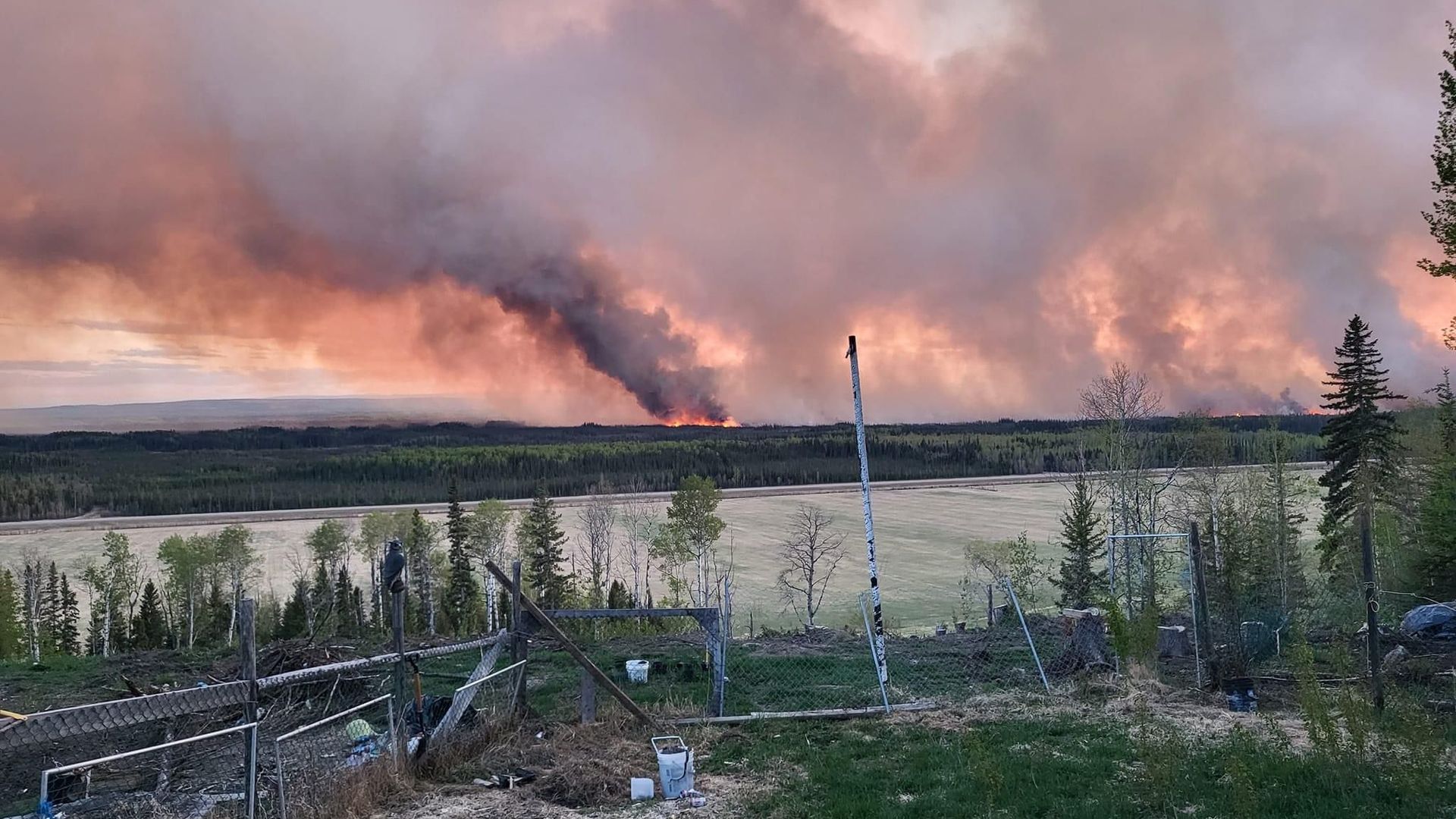
With wildfires raging in western Canada and heat and drought leading to heightened fire risks in Mexico, the U.S. faces a fast start to the smoke season but a slower one when it comes to fires.
Why it matters: After last year's relatively inactive U.S. wildfire season, forecasters expect this fire season to be overall more active but likely not as extreme as the destructive years of 2020 or 2021.
Garnier, part of beauty giant L'Oreal, will announce the recipients of the brand's first-ever Gold Green Grant on Wednesday, Axios has learned.
Why it matters: The awards — designed in partnership with Gold House, an organization focused on elevating Asian Pacific cultures — are aimed at helping Asian Pacific entrepreneurs strengthen their sustainable businesses and at promoting a group of leaders who can be misjudged by investors.
Why it matters: Extreme heat, spanning Lebanon to the Philippines since April, is being blamed for hundreds of deaths. It's added to the suffering of people who lack access to air conditioning, including displaced persons in the Middle East, the study notes.
Officials in western Canada warned of "volatile wildfire activity," as dozens of blazes burn in dry conditions across the country, forcing thousands to evacuate and triggering air quality alerts in several U.S. states this week.
By the numbers: Most of the 134 blazes burning in the first major wildfires since Canada's record season that finally abated in October were in British Columbia (47) and Alberta (45) as of Tuesday evening, per the Canadian Interagency Forest Fire Centre.
By trying to stemthe tide of cheap Chinese climate technology without slowing U.S. decarbonization, the White House is betting it can have its cake and eat it too.
Why it matters: It's an environmental gamble as officials unveil higher tariffs on Chinese electric vehicles, steel, batteries, solar cells, critical minerals and more.
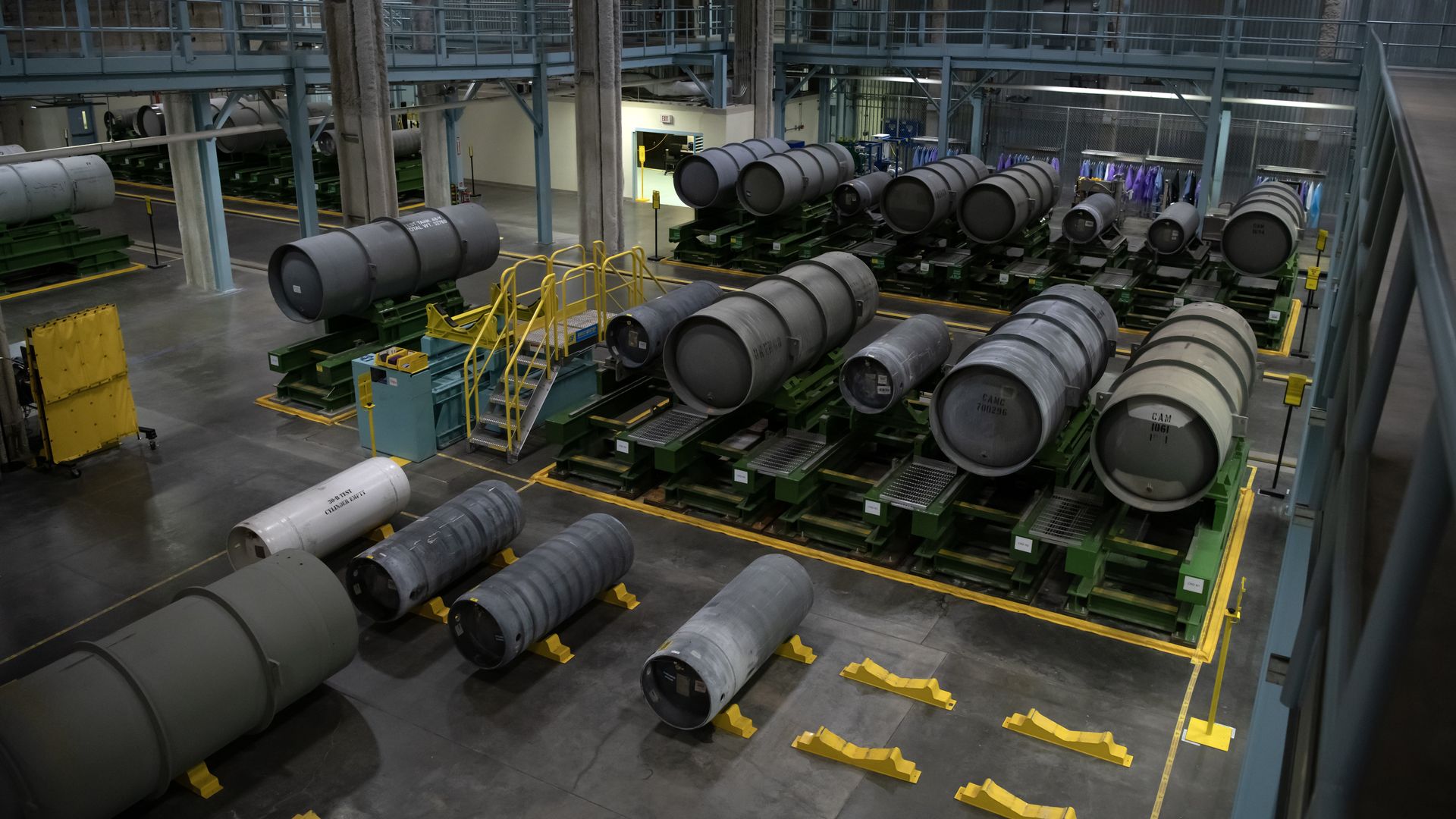
President Biden on Monday signed a bipartisan bill banning imports of Russian enriched uranium, with waivers for companies to continue bringing it in until 2028.
Why it matters: The U.S. spends an estimated $1 billion per year on nuclear fuel from Russia, so the new law cuts off a key source of revenue as Putin's forces escalate their war on Ukraine and drive military spending to levels not seen since the Soviet Union in the mid-1980s.