City, state and federal leaders are banking on early planning and additional spending to avoid the gut-wrenching heat death toll Arizona experienced last summer.
Why it matters: Nearly 650 people died of heat-related causes in Maricopa County last year — a 52% increase over 2022.
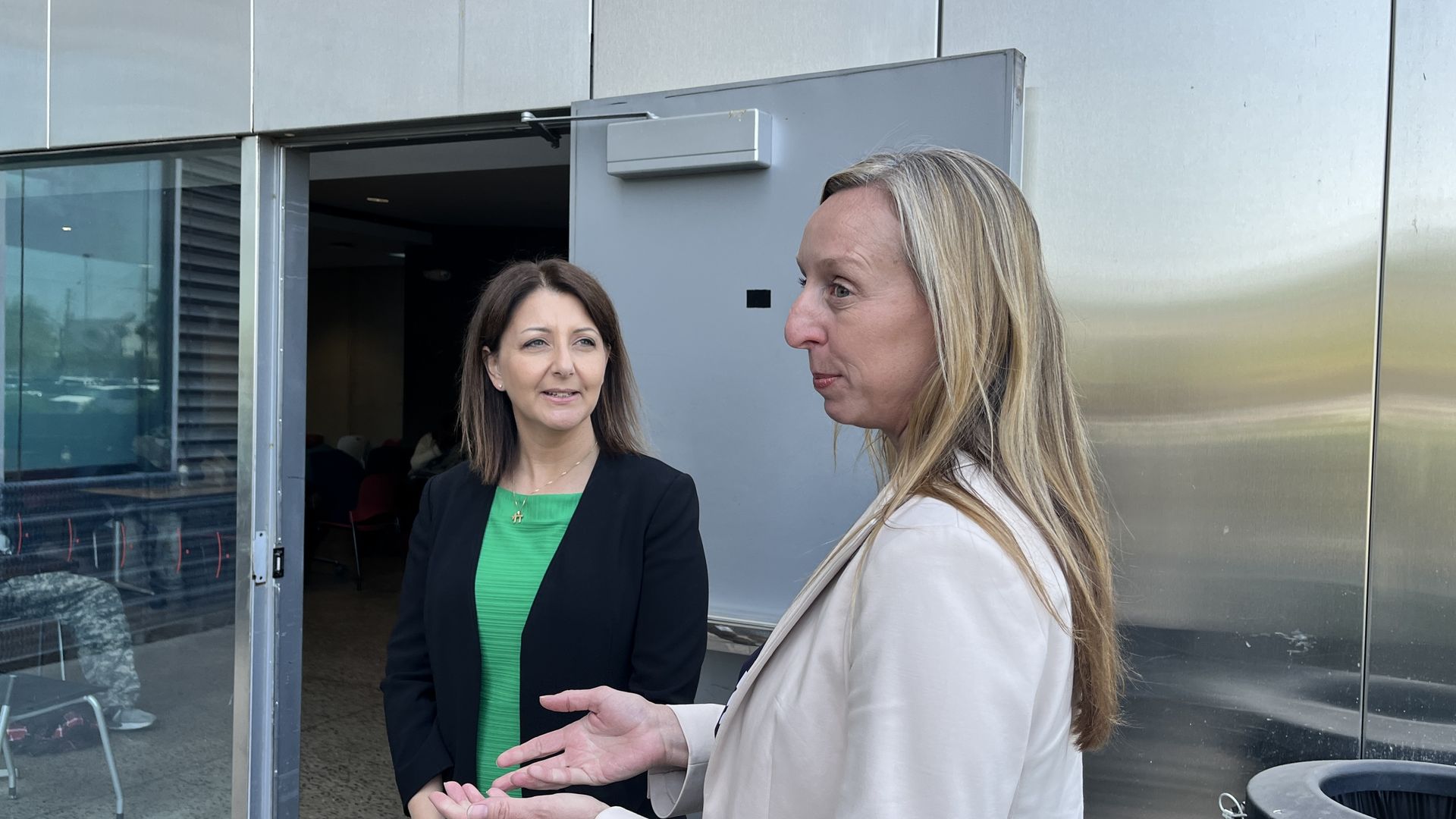
Top climate officials for China and the U.S. are meeting in Washington Thursday to discuss climate action, with an emphasis on steps during this decade.
Why it matters: This marks the first formal negotiating session between new U.S. top climate diplomat John Podesta and China's chief negotiator, Liu Zhenmin.
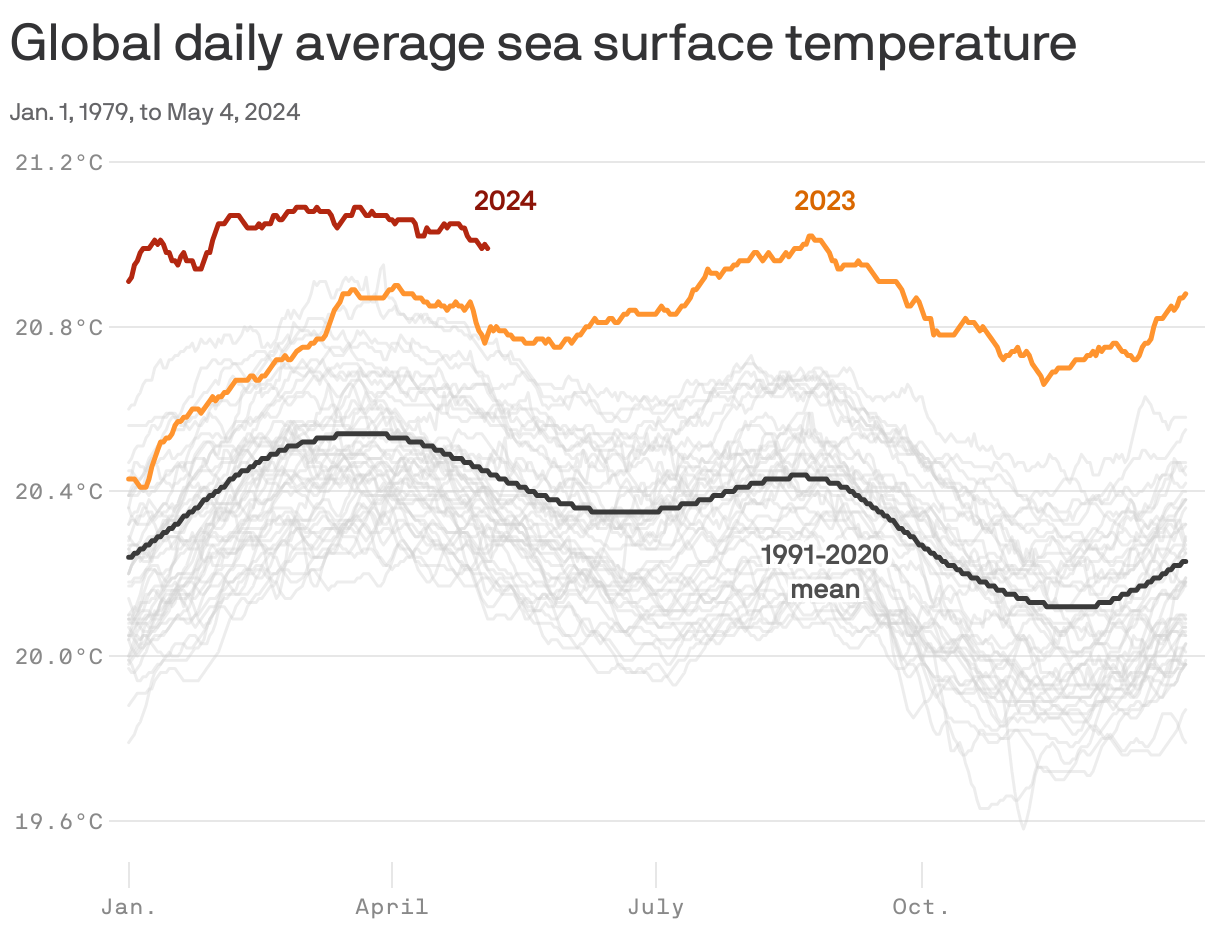
The big picture: For years, the world's water bodies have been warming in deeper depths and at the surface, but the ongoing streak is breaking previous milestones.
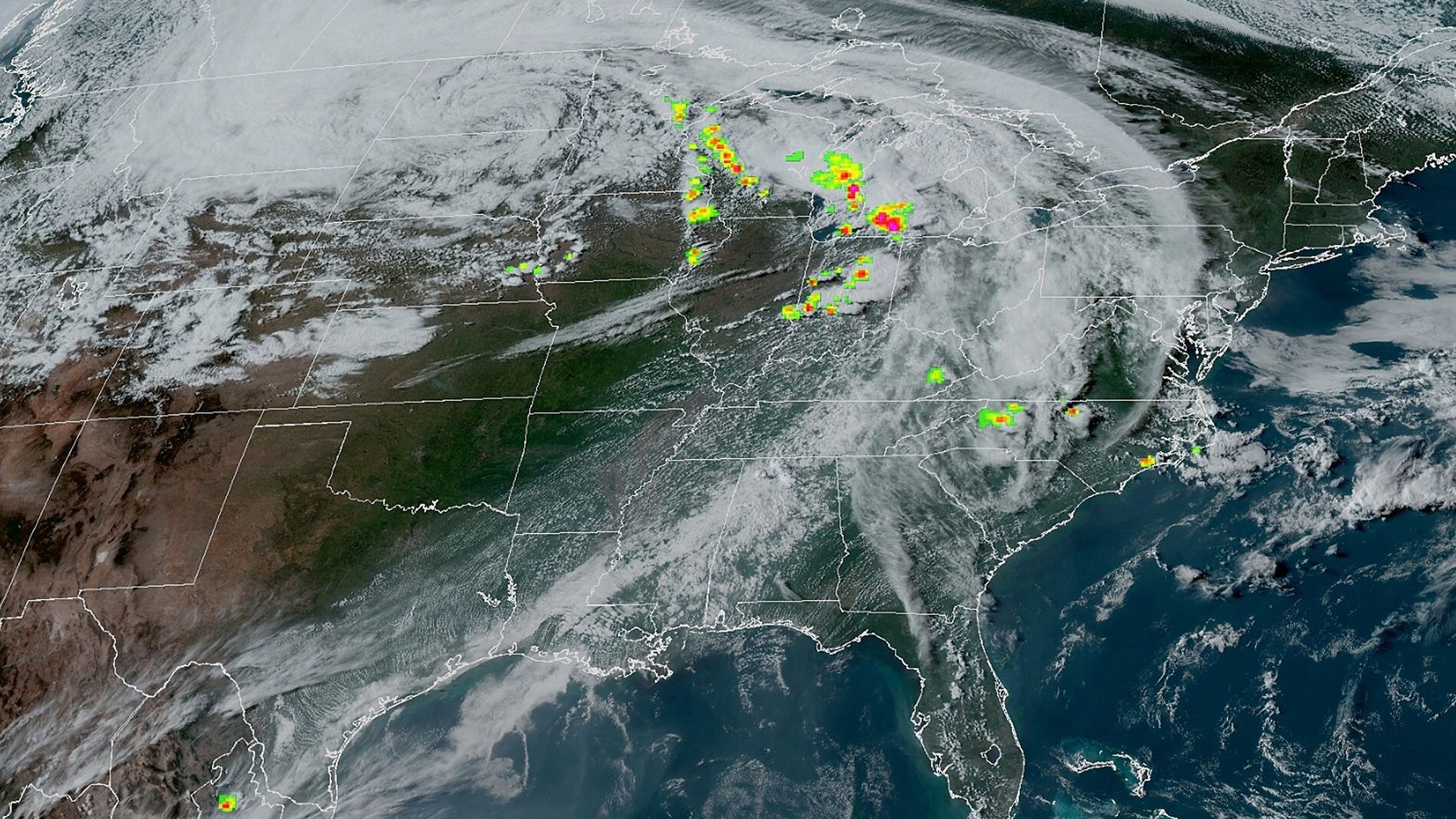
Michigan Gov. Gretchen Whitmer declared an emergencyfor affected counties after tornadoes struck the state, with authorities reporting one that injured several people in a mobile home park as it tore through.
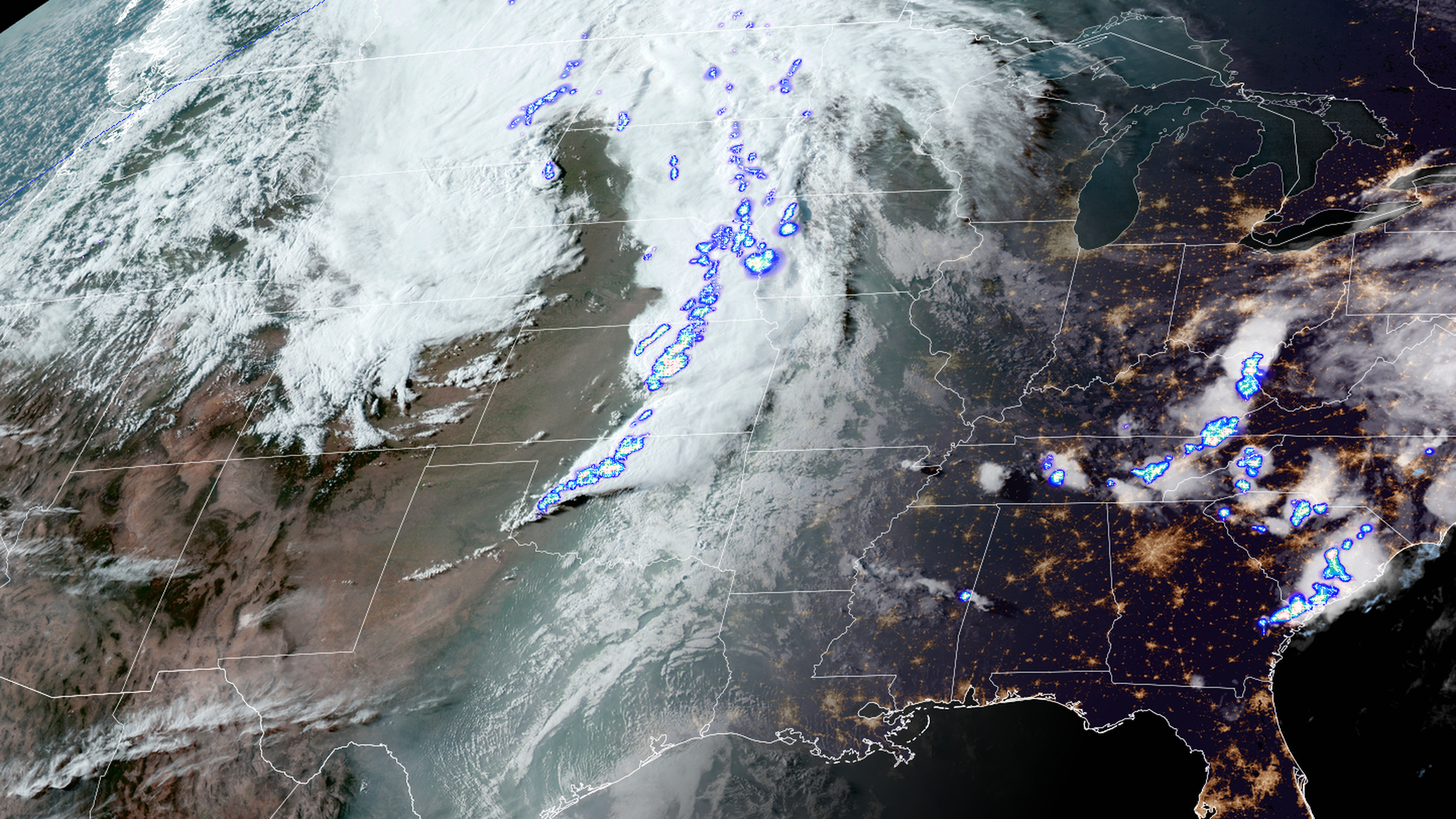
The big picture: These storms that also produced tornadoes in Ohio and Indiana and affected Milwaukee and Chicago were part of a deadly severe weather outbreak that threatened much of the Plains and Central U.S. Monday and unleashed tornadoes across several states.
The Department of Energy on Tuesday announced a sweeping artificial intelligence program that would give it a big role — and a unique one — in the federal government's AI research efforts.
Driving the news: The department announced the Frontiers in Artificial Intelligence for Science, Security and Technology (FASST) initiative at the AI Expo for National Competitiveness in Washington.
"Given the high-profile nature of this transaction they needed something. I think you would hear a lot of squawking from a lot of folks who didn't want this deal to go through if it sailed through with no changes."
— Dan Pickering of Pickering Energy Partners, via the Financial Times, on the FTC barring ex-Pioneer Natural Resources CEO Scott Sheffield from the board of the merged Exxon-Pioneer
Hurricanes are intensifying more rapidly — and to a greater extent closer to shore than they used to — in large part because of human-caused climate change, a new study finds.
Driving the news: The study, published in the journal Earth's Future, found that hurricanes have on average gained strength more quickly in recent decades as they draw nearer to coastlines.
This impacts pricey real estate along the U.S. East and Gulf coasts and goes against previous trends of weakening near land.
A significant severe storm outbreak threatening much of the Plains and Central U.S. unleashed tornadoes across several states — including a destructive one that ripped through two northeastern Oklahoma towns late Monday.
Threat level: The Storm Prediction Center raised the risk level to "High," the most significant level on its risk scale that is rarely used, due to the tornado threat in central Oklahoma and southern Kansas into Monday night.