Japan could soon start releasing more than 1 million metric tons of treated radioactive water into the ocean following approval from the UN's nuclear safety watchdog.
Driving the news: The International Atomic Energy Agency conducted a safety review and concluded that a plan to release water stored at the Fukushima Daiichi nuclear power station complies with international safety standards.
Risks of reduced crop yields occurring across major crop-producing regions are vastly underestimated in climate and crop model projections, a new study finds.
Why it matters: As climate change continues to impact food insecurity worldwide, we need to be able to anticipate climate shocks in order to build resilience into our food systems.
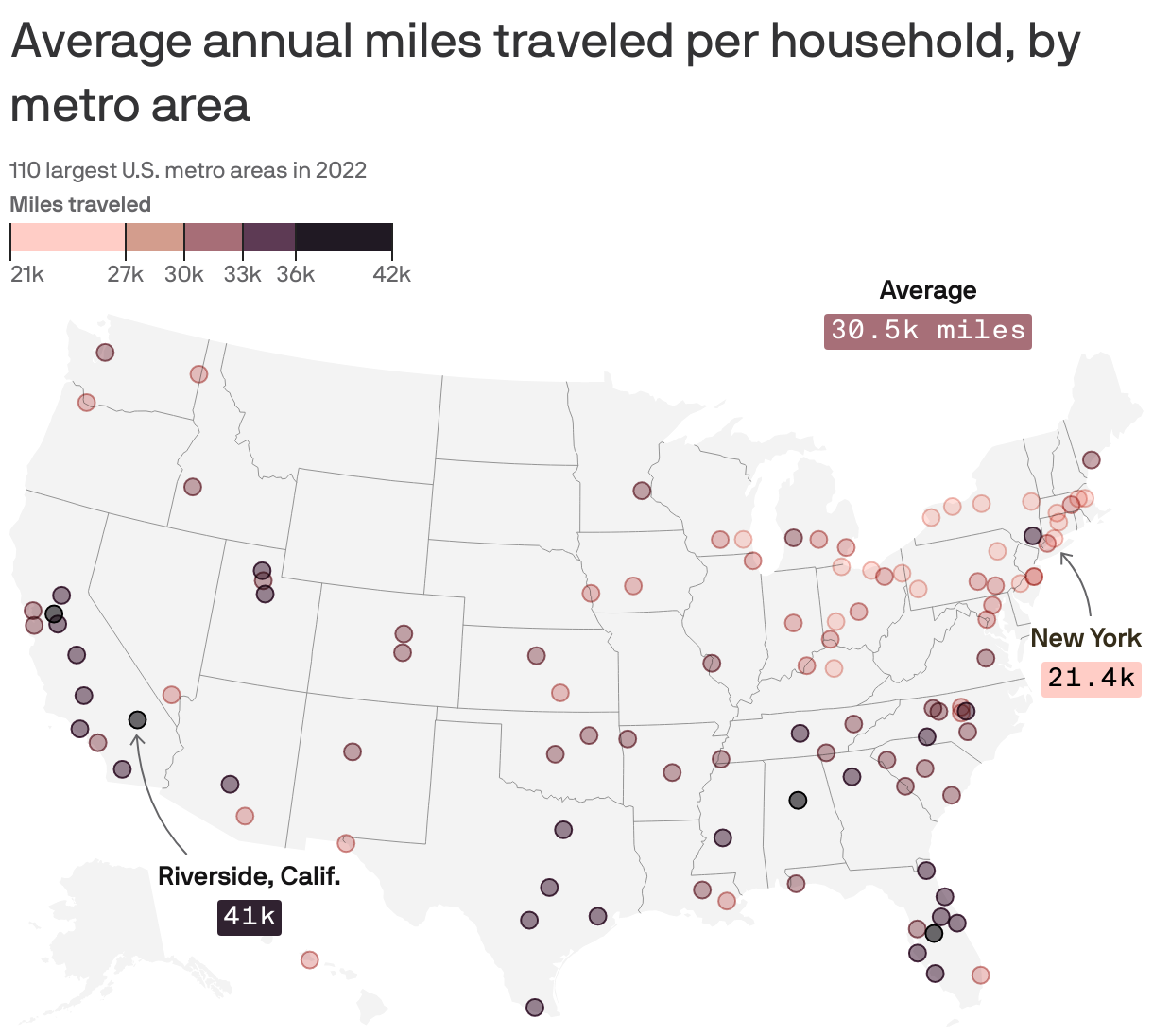
Data: Brookings; Note: Includes all biking, walking, transit and vehicle miles; Map: Alice Feng/Axios Visuals
A new analysis makes a data-rich case for thinking way bigger than electric vehicles to slash transportation emissions — and boost quality of life in the process.
The big picture: A Brookings Institution study maps proximity to "activity centers" and provides a detailed look at whether people take advantage of shorter distances to hubs. Turns out they do — a lot.
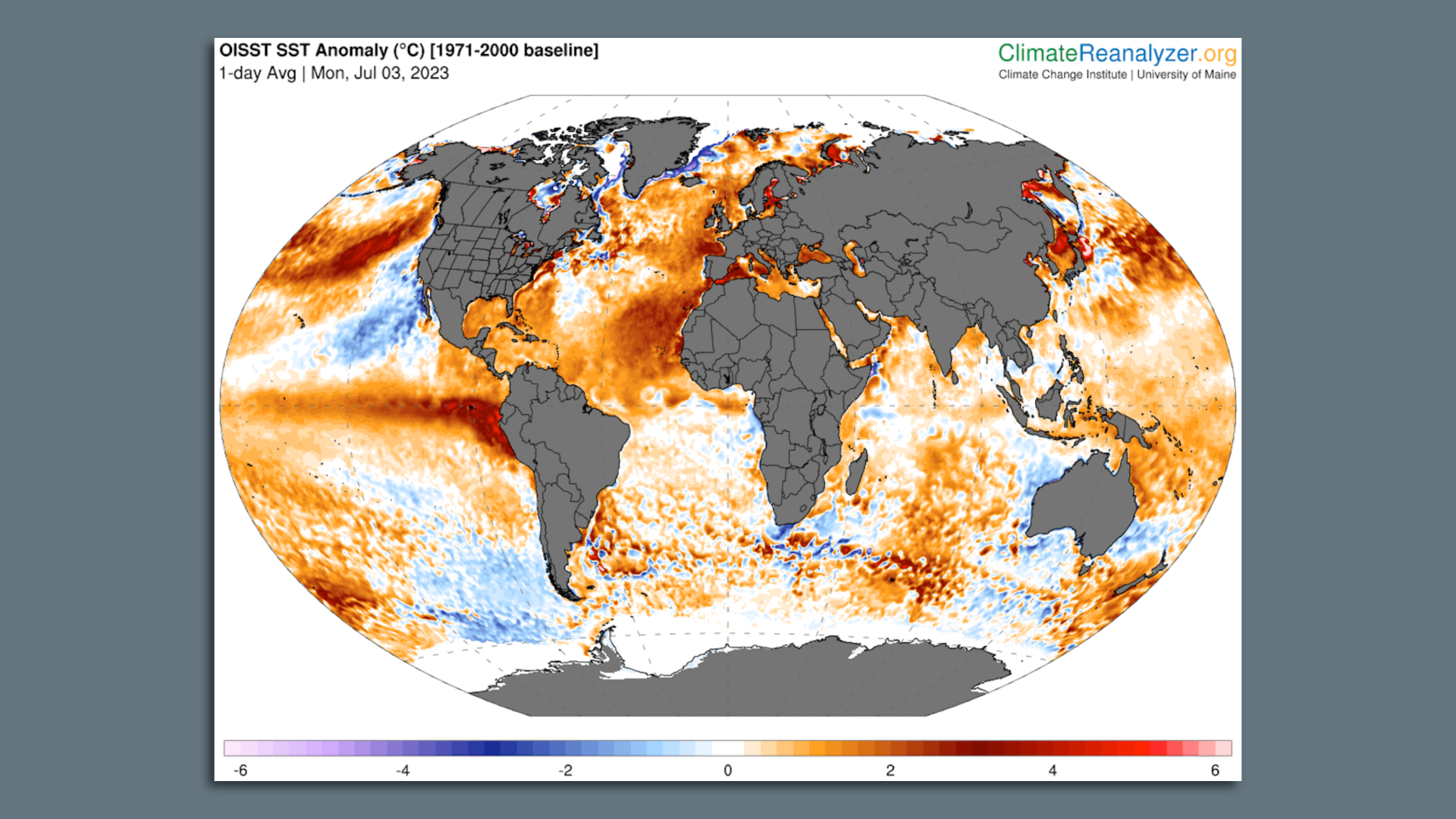
The globe set a record for the warmest June since at least 1940, new and emerging climate data shows, obliterating the previous milestone from 2019. Separately, the globe set new single day records for the hottest day yet measured, on July 3 and 4.
Why it matters: The records are an indication of the influence that an El Niño event is having in the tropical Pacific Ocean, since it is amplifying the pace of human-caused climate change.
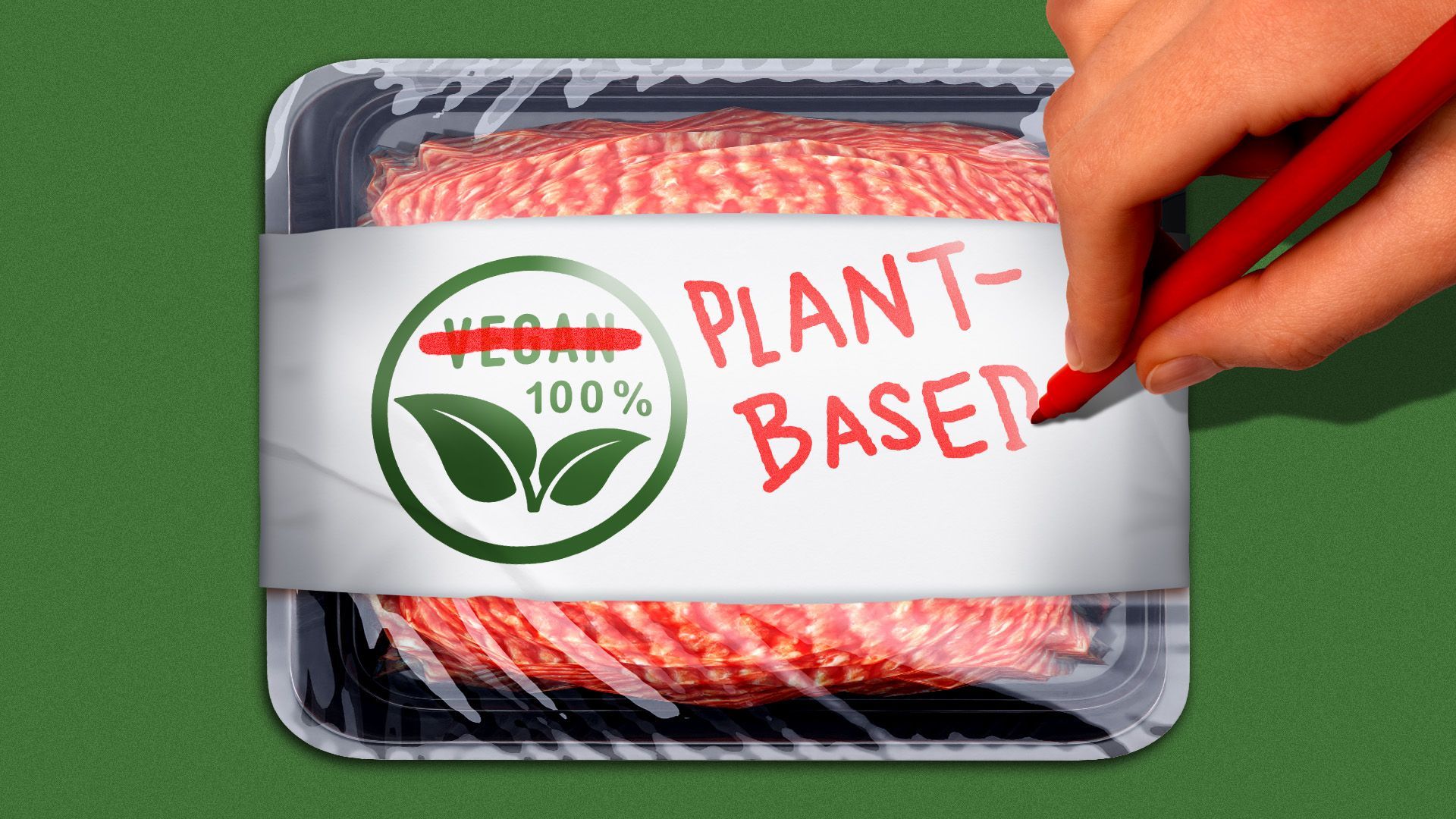
Food makers are tripping over themselves to introduce new "plant-based" products — but many are shying away from the term "vegan," which some perceive as having negative or off-putting connotations.
Why it matters: The two terms aren't always synonymous — "vegan" tends to refer to a lifestyle as well as a diet, in which all animal products, including honey, are avoided.
But the semantic differences are critically important to marketers, as demand for animal-free foodstuffs balloons.
Extreme weather was threatening to upend July 4 holiday travel plans, with severe thunderstorms and heavy rains set to hit the Plains and Eastern states and searing heat affecting the U.S. Southeast, Southwest and Pacific Northwest.
The big picture: Tens of millions of people were under severe thunderstorm watches or affected by heat warnings and advisories Monday, as Grand Canyon National Park officials said a woman died while hiking in temperatures "well over 100°F" near Tuweep, Arizona. Excessive heat warnings were in place for the canyon and across the Southwest.