Thursday's energy & climate stories

New airborne radar could revolutionize hurricane forecasting
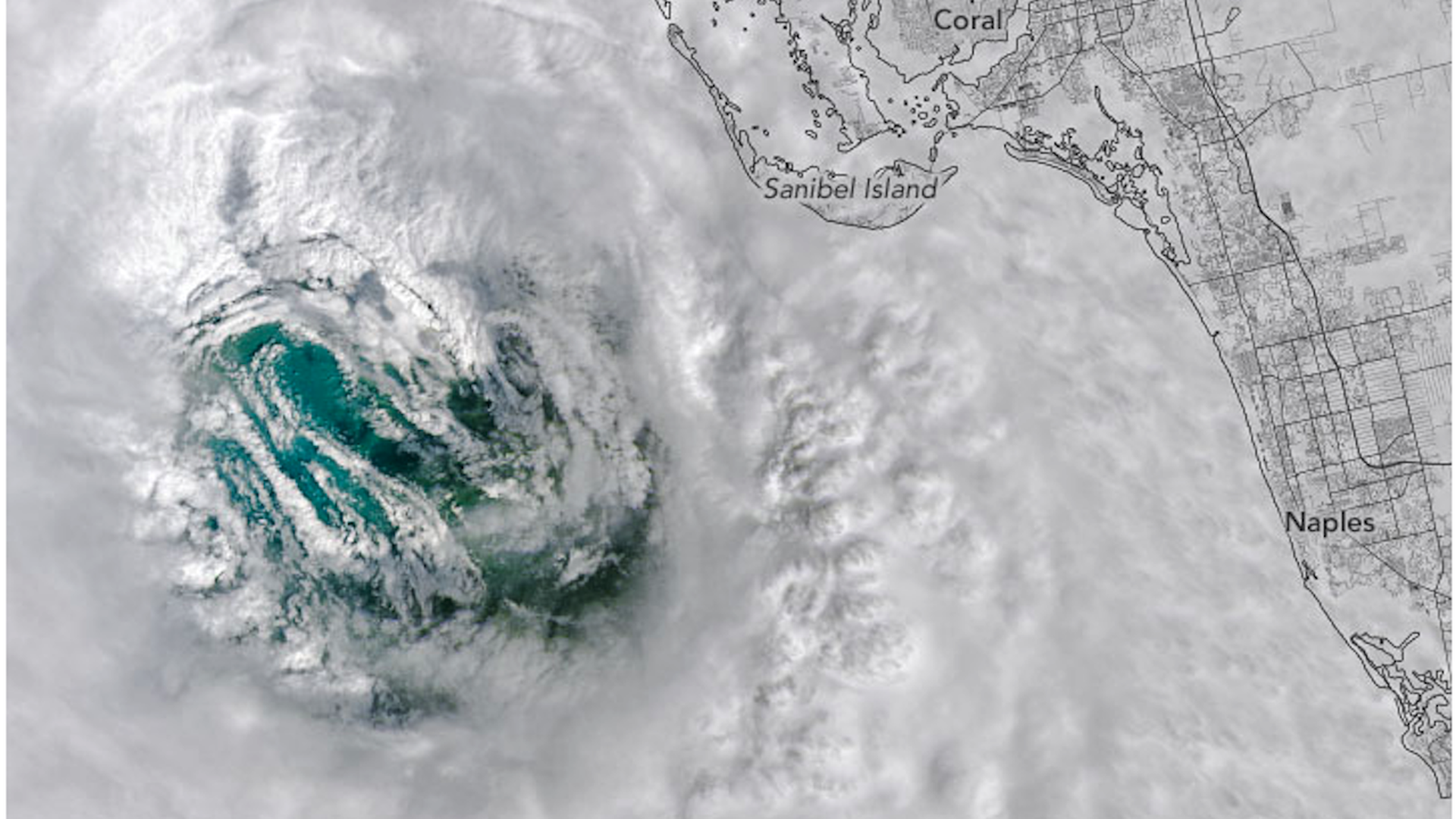
Next-generation radar technology capable of taking 3D slices of hurricanes and other storms is poised to move ahead, after years of fits and starts.
Driving the news: The National Science Foundation announced $91.8 million in funding this morning — the first day of the Atlantic hurricane season — for the National Center for Atmospheric Research to design, build and test an airborne phased array radar.

Exxon strikes CO2 capture deal with steel giant Nucor

Exxon just announced a deal with steel giant Nucor to trap, transport and store carbon dioxide emissions from a Louisiana plant.
Why it matters: Metals production spews lots of CO2, and it's a very tough to decarbonize industry due to high heat requirements.
Driving the news: Exxon said beginning in 2026, it will capture up to 800,000 metric tons of CO2 annually from a Convent, Louisiana plant that produces a steel input called "direct reduced iron."
- The financial terms and duration were not disclosed.
State of play: It's the third CO2 capture deal Exxon has reached over the last seven months, following tie-ups with industrial gas giant Linde and fertilizer maker CF Industries.
- The deals together commit the company to transporting and storing 5 million metric tons annually, Exxon said.
- That's akin to replacing 2 million gasoline-powered cars with electric models, it added.
What they're saying: "Momentum is building as customers recognize our ability to solve emission challenges at scale," Dan Ammann, head of Exxon's low-carbon business, said in a statement.
The big picture: With oil sector investments in climate-friendly energy have been growing, Exxon plans to spend roughly $7 billion through 2027 on projects with industrial partners, and $10 billion to cut emissions from its own operations.
Yes, but: The International Energy Agency last week called out the oil and gas industry for not investing more in low-carbon projects, given its massive oil profits and global emissions-cutting needs.
Flashback: Ammann recently told Axios the "limiting factor" in scaling low-carbon ventures is not capital, but finding viable projects and customers.

Tribeca film "story of hope" for LGBTQ disaster survivors

The power of resilience in the face of catastrophic disaster is the enduring focus of an Adam McKay-backed film premiering at the Tribeca Film Festival next week.
Driving the news: "ASOG" pays homage to the real-life stories of LGBTQ-identifying Filipinos, as its global release commences with America's annual celebration of Pride.


The best U.S. cities for public parks
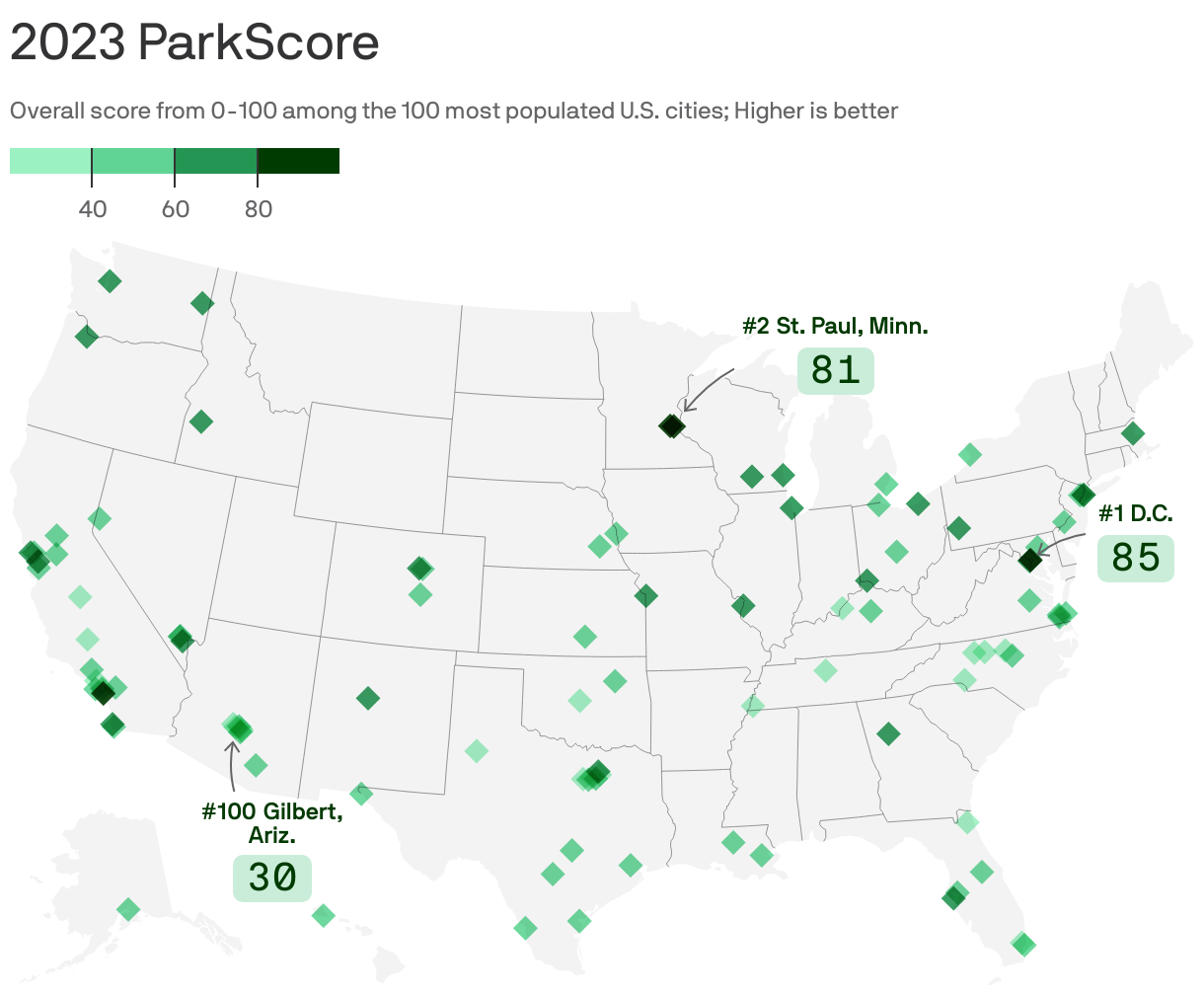
Washington, D.C., Minnesota's Twin Cities and Irvine, California, are among the country's best cities for public parks, per the latest rankings from the Trust for Public Land (TPL), a pro-parks nonprofit.
- The group rates cities on a variety of metrics, including the percentage of residents who live near a park, the share of city land reserved for parks, parks investment and more; cities are then awarded a "ParkScore."

PG&E reaches $50M settlement in fatal 2020 fire as charges dismissed
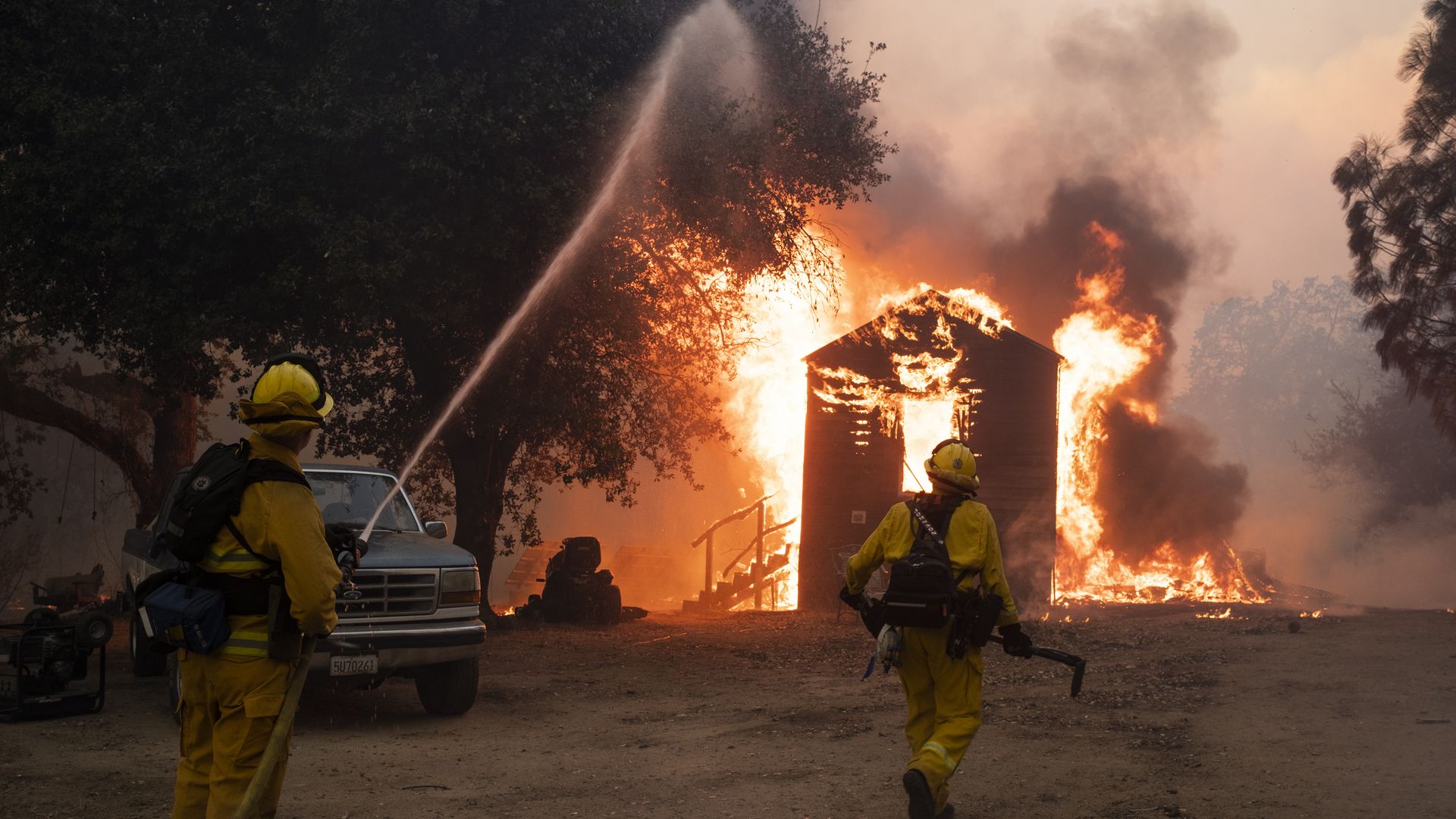
A California judge on Wednesday dismissed all criminal charges against Pacific Gas & Electric in the deadly Zogg Fire and PG&E agreed to a $50 million civil settlement with Shasta County officials over the matter.
The big picture: The utility was charged with manslaughter and other crimes in connection with the Northern California wildfire that killed four people, including an 8-year-old girl, and burned hundreds of homes in 2020 after investigators found the blaze was sparked by a tree that fell onto a PG&E transmission line.

Hundreds of Amazon workers stage climate protest walkout
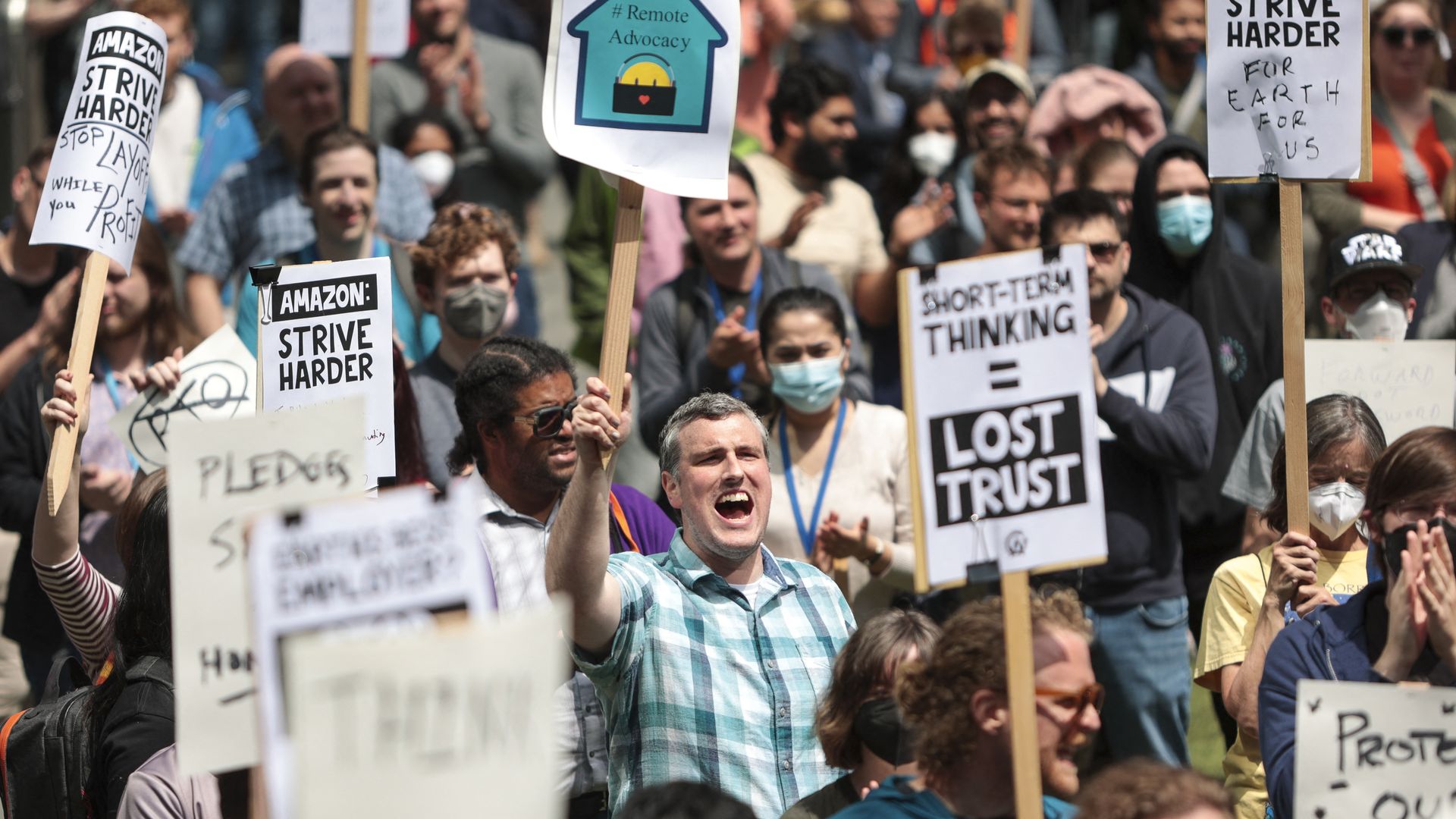
Hundreds of corporate Amazon workers protested Wednesday against the company's progress on its climate goals and over its mandatory return to in-person work.
Driving the news: The movement was organized by Amazon Employees for Climate Justice, a climate change advocacy group founded by the company's workers, along with an informal group of workers who oppose the changes in remote work rules, per the Washington Post.

Sustainable jet fuel maker CleanJoule raises $50 million

CleanJoule, a Salt Lake City-based developer of sustainable aviation fuels developed from agricultural residues and other waste biomass, raised $50 million from an investor group that included three airlines.
Why it matters: This reflects a growing aerospace sector belief that sustainable aviation fuels could become competitive with crude oil-based fuels, or at least part of a standard blend, in terms of both cost and performance.
CO2 removal startup lands Boeing deal

Breaking: Equatic, a UCLA spin-out pairing carbon dioxide removal using seawater and hydrogen production, just unveiled a major deal with Boeing.
Why it matters: While the deal is preliminary and contingent upon Equatic's ability to scale its tech, it's large for the nascent carbon removal market.
🗞️Driving the news: The "pre-purchase option agreement" is for 62,000 metric tons of CO2 removal, and 2,100 metric tons of "carbon-negative" hydrogen that Boeing sees as feedstock for cleaner jet fuel.
- It covers a roughly five-year period that starts mid-decade, a spokesperson said.
- Equatic is also divulging more details about its structure and plans.
- John Browne, the former BP CEO who's now chairman of the climate tech fund BeyondNetZero, is heading Equatic's advisory board.
Reality check: Volumes in recent industry deals are growing. But they're still tiny compared with the global scale envisioned to make removal a meaningful tool in future decades, which involves handling multibillions of tons a year.
- That's hardly a sure thing, and for now, the priority is scaling and driving down costs.
How it works: Equatic's tech passes electrical current, obtained via renewables, through seawater — a process called electrolysis that splits water into hydrogen and oxygen.
- They then pass atmospheric air through the processed seawater. "These steps trap CO2 in solid minerals and as dissolved substances that are naturally found in the oceans," the company said.
🧮The big picture: The process enables precise accounting of how much CO2 is removed, Equatic said.
And the hydrogen can be used in heavy industry, electricity, production of transport fuels — or powering Equatic's CO2 removal plants.
🔍Zoom in: Equatic has pilot projects in L.A. and Singapore.
- It hopes to reach 100,000 metric tons of carbon removal annually by 2026, and millions by 2028 for under $100 per ton, a goal set by the Energy Department.
- Removal pledged under a far smaller deal with Stripe in 2021, when Equatic was called SeaChange and housed at UCLA, was for $1,370 per ton.
🏃🏽♀️Catch up fast: Equatic has raised over $30 million. Its many backers include the Chan Zuckerberg Initiative, the Anthony and Jeanne Pritzker Family Foundation and DOE.
The intrigue: Chief Operating Officer Edward Sanders told Axios that Equatic's hydrogen production will be eligible for climate law tax credits for U.S. projects.
- But separate carbon removal credits don't apply because they're only for geologic storage, not ocean-based removal, he said.
- Sanders said he hopes lawmakers will broaden the applicability but added that Equatic's business model doesn't rest on it.
- He's also confident a U.N. panel will eventually reverse its preliminary view that engineered removal should be excluded from carbon markets under the Paris Agreement.
The bottom line: Equatic's novel vision of merging direct air capture, CO2 storage in oceans and hydrogen production shows how no tech is yet dominant in the emerging removal field.

Clothing retailers want QR codes to replace bulky tags

If the apparel industry gets its way, small labels with QR codes on them would replace the bulky clothing tags that offer washing instructions and other information.
Why it matters: Digital product labels — which brands like Ralph Lauren are already starting to use — could provide a lot more information to consumers, who could scan them for a library of details about the garment they're wearing (or might buy).