Tuesday's energy & climate stories

Asda to expand convenience store empire with EG Group deal
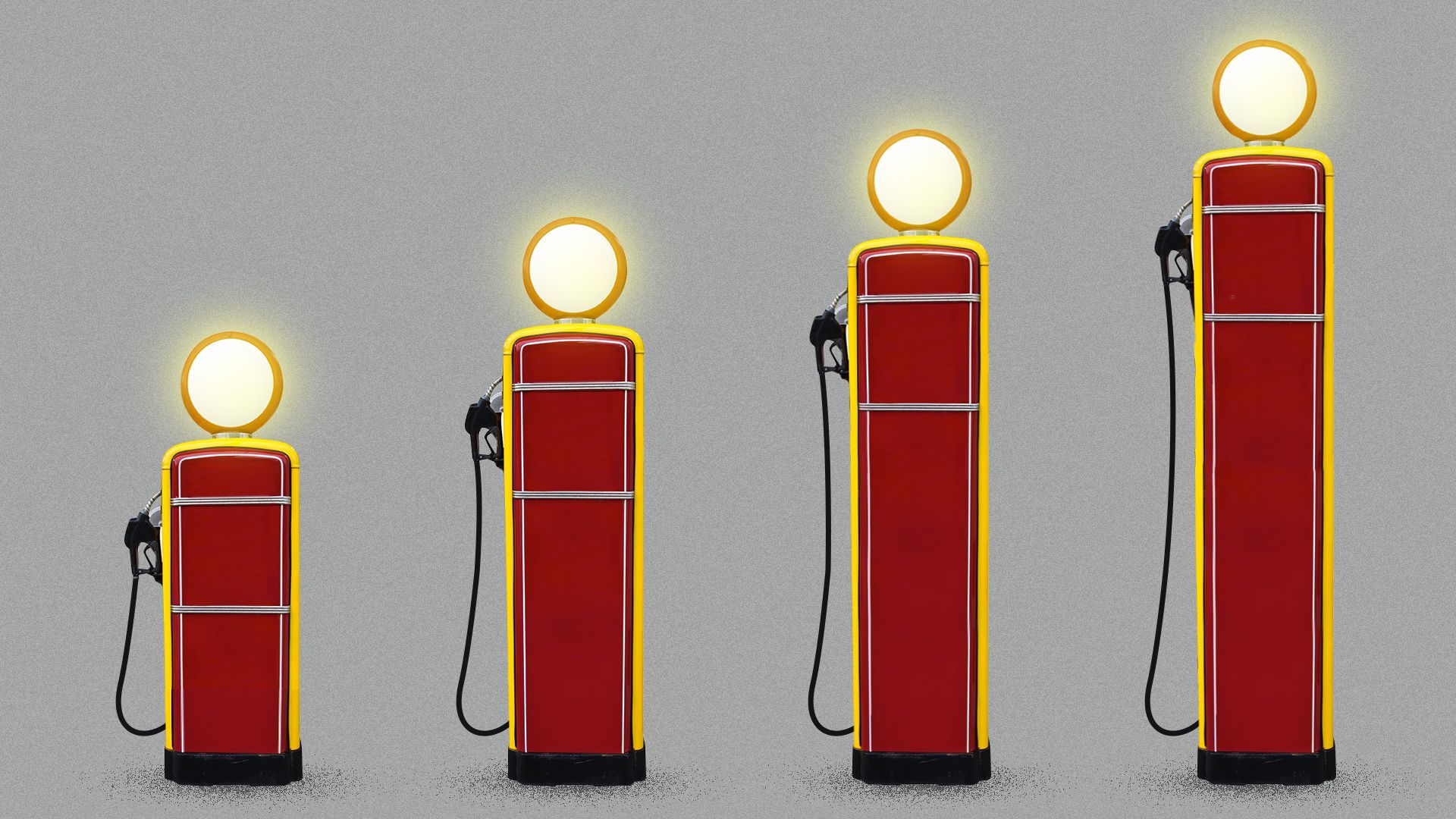
Asda, a British supermarket group, agreed to buy most of convenience retailer EG Group’s U.K. and Ireland business for around $2.8 billion.
Why it matters: This would create a gas station and convenience store giant, with around £30 billion in annual revenue and nearly 21 million weekly customers.

New alarms over consequences of Antarctic ice melt
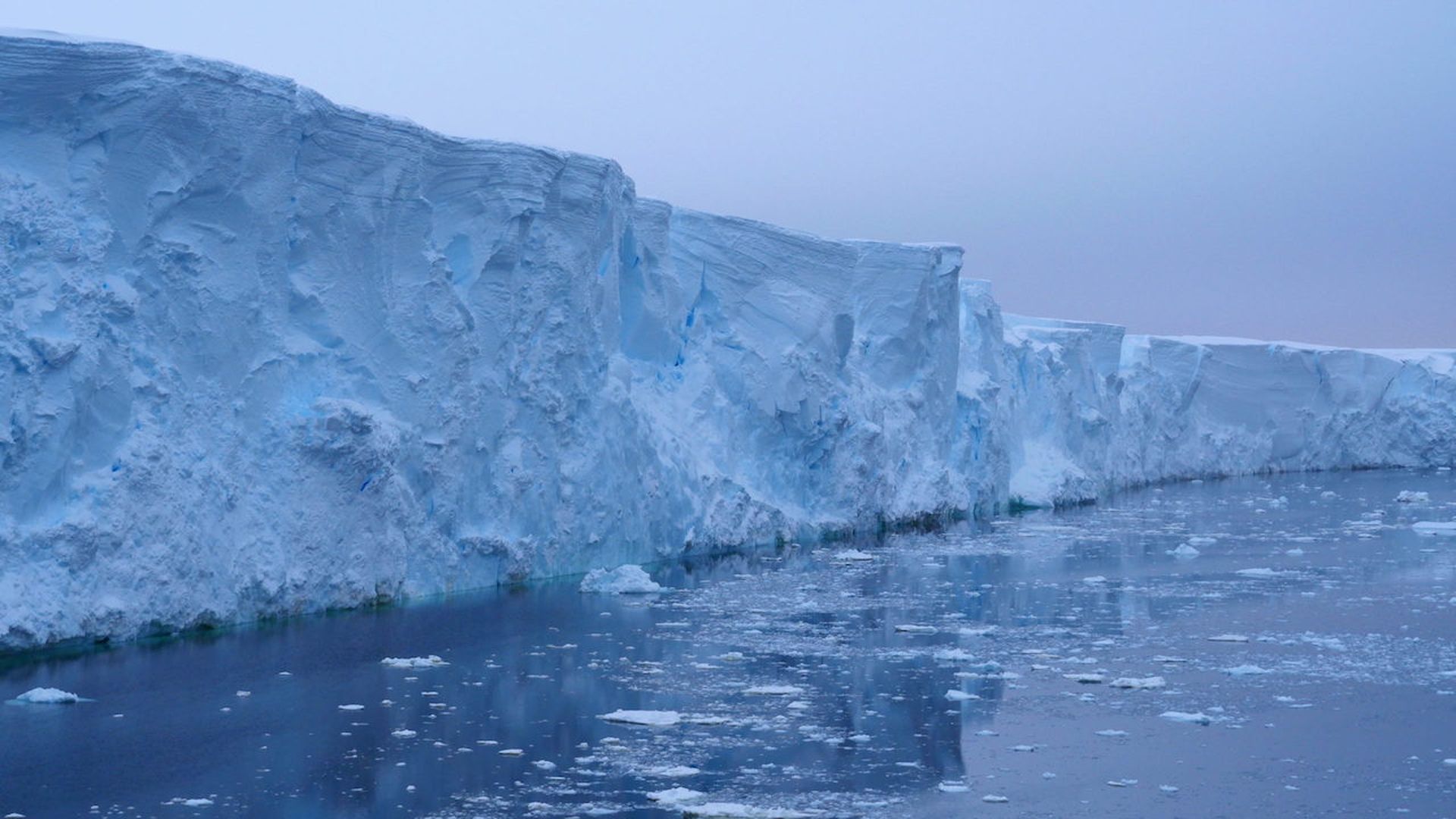
Changes to circulation in parts of the Southern Ocean are taking place faster than expected, with potentially profound implications for the global climate and marine life, a new study finds.
Why it matters: The Southern Ocean is home to the engine that powers the world's deep ocean currents, and regulates the climate. It governs the exchange of heat, carbon, oxygen and nutrients between ocean layers.

Why the debt bill's energy provisions are a BFD
The debt ceiling deal is a monument to the messiness of a divided government — and it might cast a shadow over climate politics in 2024.
🏃🏽♀️Catch up fast: The tentative compromise between the White House and GOP leaders includes...
- Approval of the Mountain Valley Pipeline, a major gas project in Virginia and West Virginia.
- Efforts to speed permitting via new deadlines for environmental analysis under the National Environmental Policy Act, and some other changes.
- A new study of boosting regional power transmission capabilities.
State of play: Groups on the left and allied Democratic lawmakers are furious over MVP, and what some activists call weakening of NEPA.
- The Sierra Club called for rejection, while the Center for Biological Diversity's Jean Su said President Biden made a "colossal error" on climate.
- Others had softer takes. Groups like the League of Conservation Voters, which have close ties to Democratic leaders, bashed the energy provisions but didn't urge votes against the debt package.
🗳️What we're watching: The political fallout.
- It's one of several times the White House has recently angered climate activists over fossil fuel projects or policy, notably the March approval of ConocoPhillips' Willow oil project in Alaska.
- Activists want a much harder line against fossil fuels. But it's tough to know whether their disappointment will cost Biden more than a relative handful of climate-minded voters in 2024.
Also in the political mix: MVP is a win for Sen. Joe Manchin (D-W.Va.). He faces a tough race next year — if he runs — in his conservative state.
Yes, but: The White House is defending the debt ceiling plan in sales pitches to Capitol Hill Democrats and comments to reporters.
- Officials emphasize it omits GOP proposals to revoke climate law incentives.
- They say it preserves NEPA's strength while making it easier to build climate-friendly infrastructure like wind and solar projects.
- The American Clean Power Association blessed the deal, but called it only a "down payment" on permitting and transmission needs.
The other side: Republicans face challenges preventing too many defections among conservatives, who say the deal fails to meaningfully restrain spending.
- House Speaker Kevin McCarthy's wider pitch includes touting the "first significant reforms to the environmental review process in more than 40 years."
- The American Exploration and Production Council, an oil and gas industry group, urged passage, too, praising the NEPA and MVP provisions.
What's next: Votes in Congress are expected this week as the clock ticks toward the June 5 default date.
- Further down the road, there could be efforts to reach a more sweeping deal on energy permitting.
- But the hurdles are high when there's no forcing mechanism like, say, the threat of an economically catastrophic default.

Native Hawaiians reclaim energy sovereignty

On the Hawaiian island of Moloka‘i, a group of volunteers is tirelessly working toward 100% locally owned clean energy.
Why it matters: They are reclaiming energy sovereignty for the area's largely Native Hawaiian population.

Wildfires in eastern and western Canada force thousands to evacuate
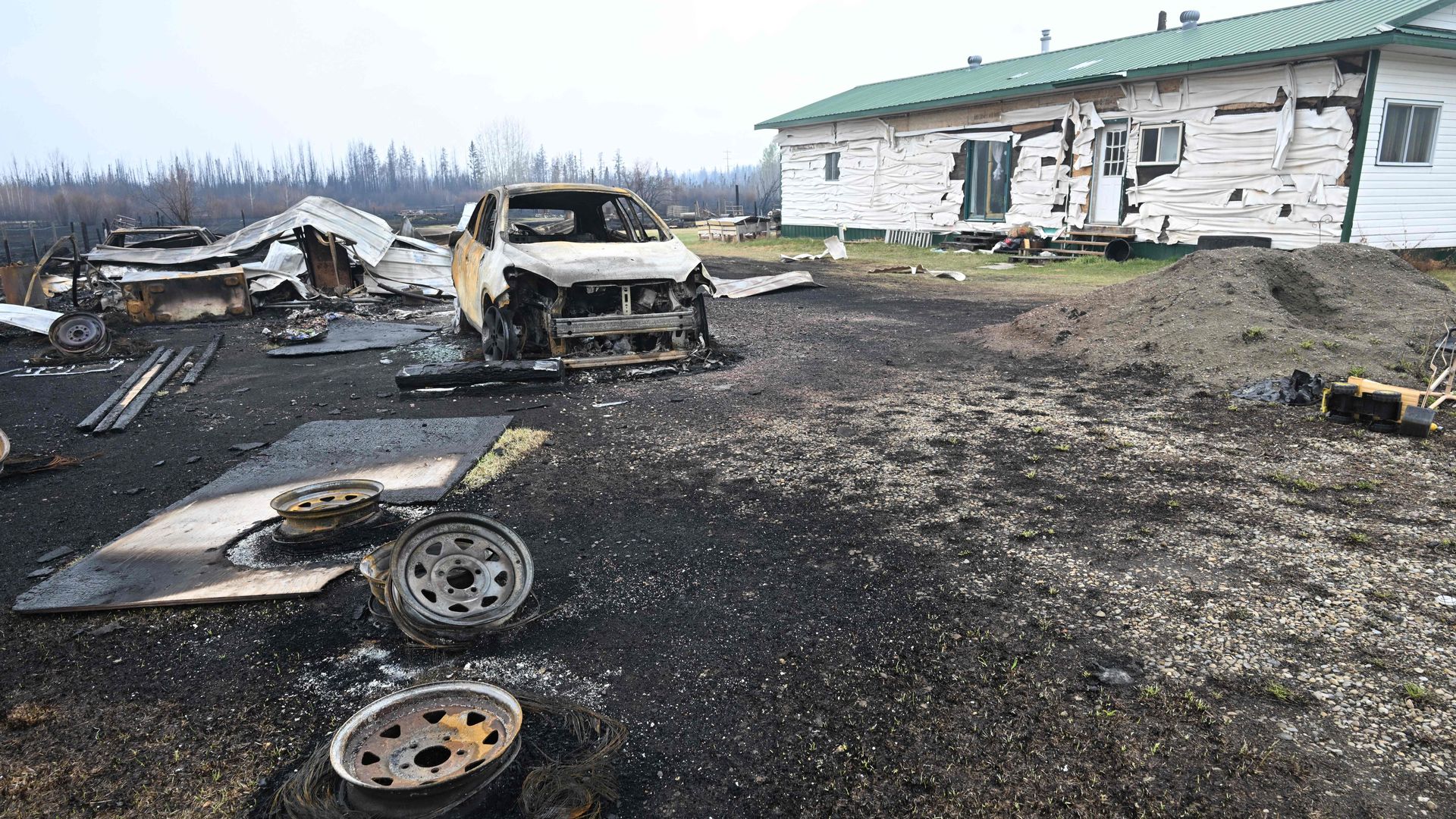
Fire evacuation orders are in effect across Canada as firefighters respond to dozens of wildfires in the country's east and west.
The big picture: Officials in the eastern Canadian city of Halifax said Monday evacuations had impacted some 18,000 people due to a wildfire that's burned some 200 properties in the Nova Scotia provincial capital, where a state of emergency was declared Sunday.
Insurer cites "growing catastrophe exposure" as it stops new sales in California
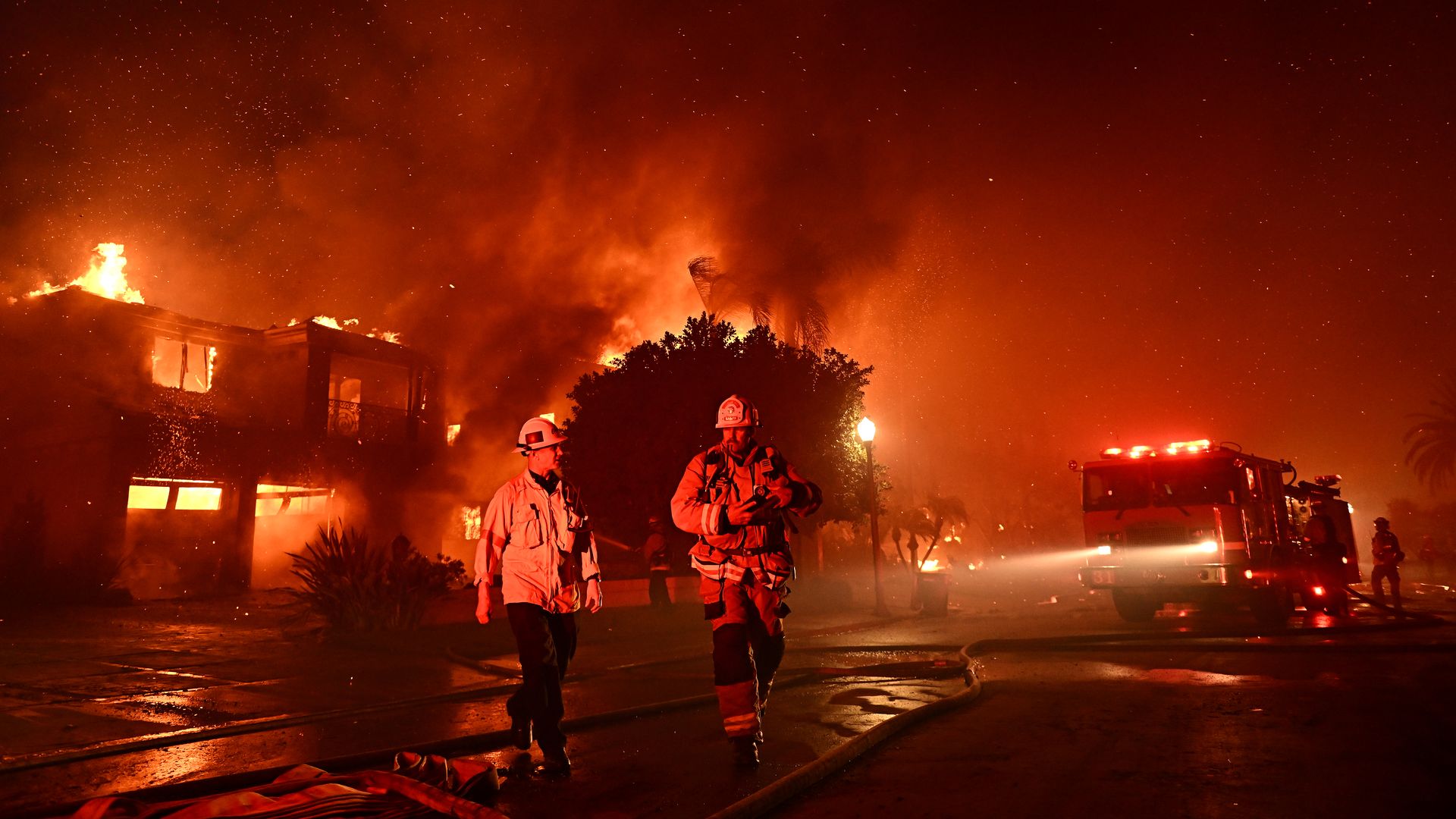
State Farm says it's no longer accepting homeowner insurance applications in California due to "historic increases in construction costs outpacing inflation" and "rapidly growing catastrophe exposure" to extreme weather events like wildfires.
Why it matters: Multiple studies show climate change is influencing the frequency and severity of extreme weather events, increasing the risk of wildfires and also the proportion of storms that reach major hurricane status of Category 3 or above.