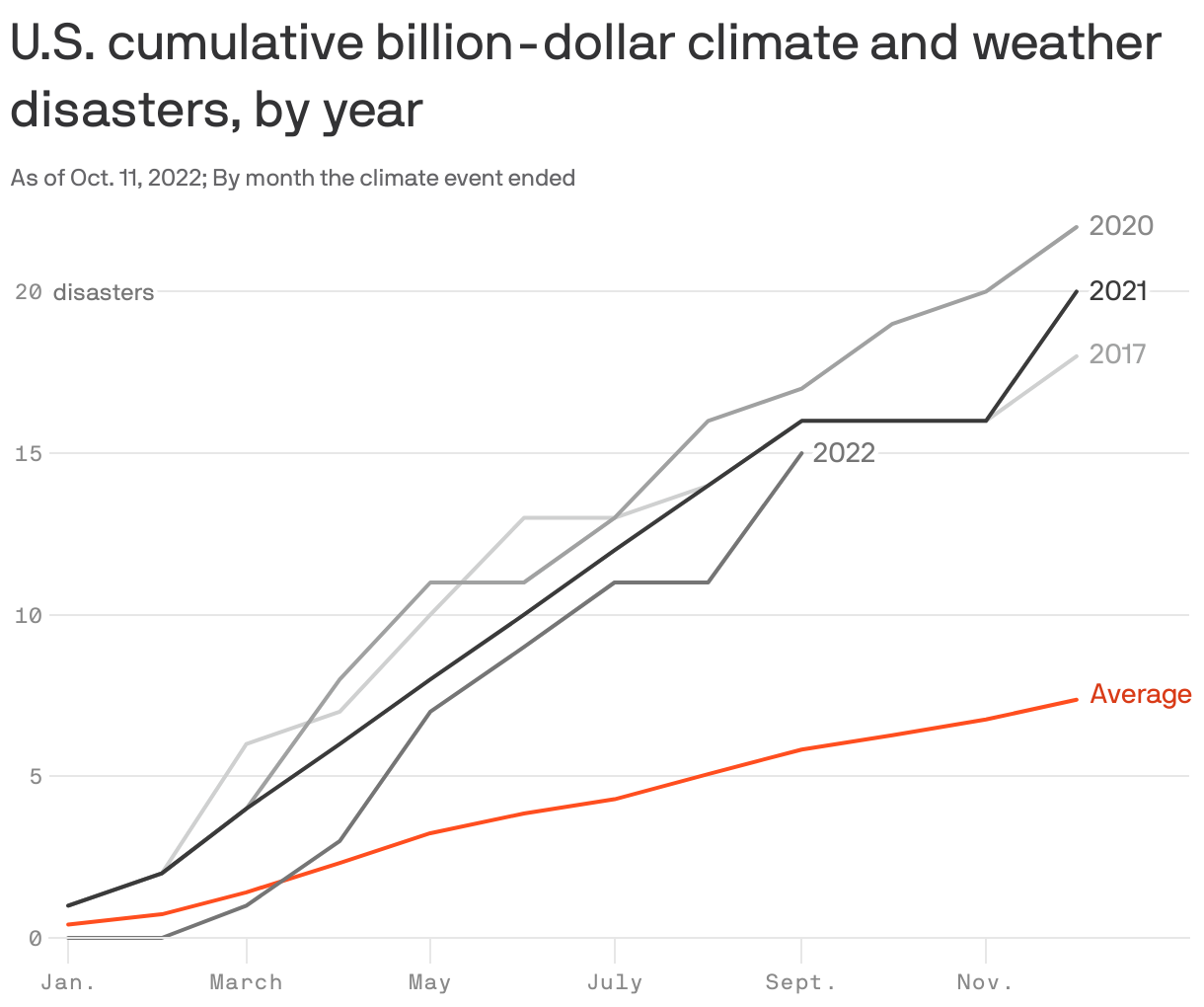
Data: Climate Central, NOAA National Centers for Environmental Information; Note: Includes damages that equal or exceed $1 billion (adjusted for 2022 inflation). Average is from 1980-2022; Chart: Axios Visuals
Hurricanes Fiona and Ian were the latest in a torrent of 15 billion-dollar weather and climate disasters to strike the U.S. so far this year, according to new NOAA data.
The big picture: The cost and frequency of extreme weather and climate disasters have increased in recent years.
Brookfield Renewable Partners and uranium fuel supplier Cameco said that they've agreed to buy Pennsylvania-based nuclear power company Westinghouse Electric for $7.9 billion from Brookfield Business Partners.
Why it matters: This reflects renewed global interest in nuclear power, including new U.S. federalincentives, driven by both geopolitical and climate concerns.
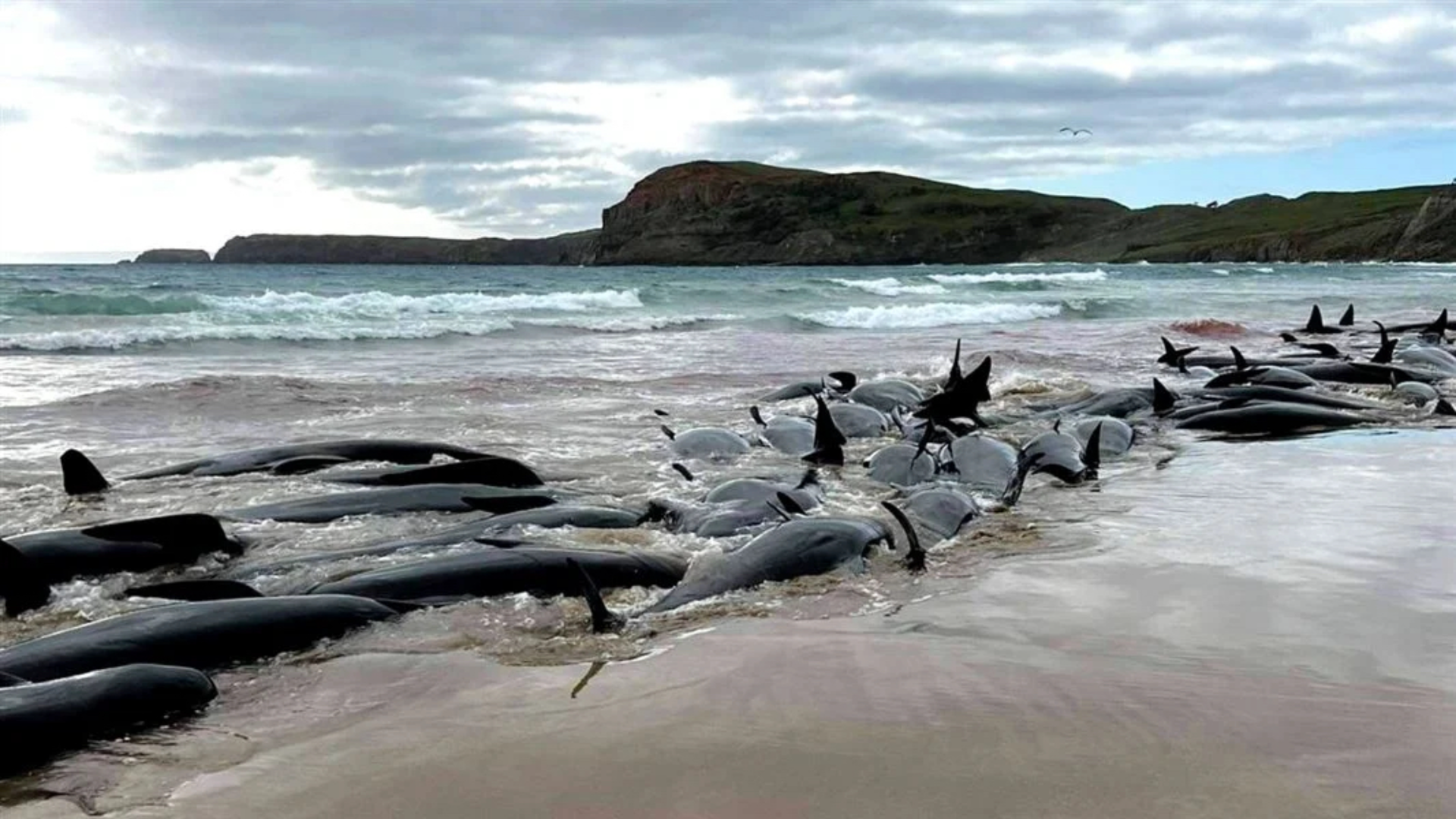
Driving the news: The whales were stranded on two beaches on New Zealand's remote Chatham Islands. The first group of 232 pilot whales came ashore on Friday, followed by a second group of 245 whales on Monday, according to a Facebook post by the nonprofit Project Jonah New Zealand, which rescues marine mammals.
GM is transforming into more than an electric car company. It's becoming a diversified energy company — selling battery technology and energy management services to power not just cars, but also trains, boats, commercial equipment and buildings.
Why it matters: Parlaying its battery and fuel cell expertise into other uses is a natural extension for GM, which aims to double annual revenue to $280 billion by 2030.
President Biden will "continue to re-evaluate" the U.S.' relationship with Saudi Arabia after a group of international oil exporters and Russia decided to significantly cut oil production in response to falling fuel prices, National Security Council spokesperson John Kirby told CNN on Tuesday.
The latest: Biden told CNN in an interview broadcast Tuesday there would be "consequences" for Saudi Arabia over the decision to cut oil output, declining to elaborate further.
ExxonMobil is considering a takeover offer for Denbury, a Plano, Texas-based oil and gas company with nearly a $5 billion market cap, per Bloomberg.
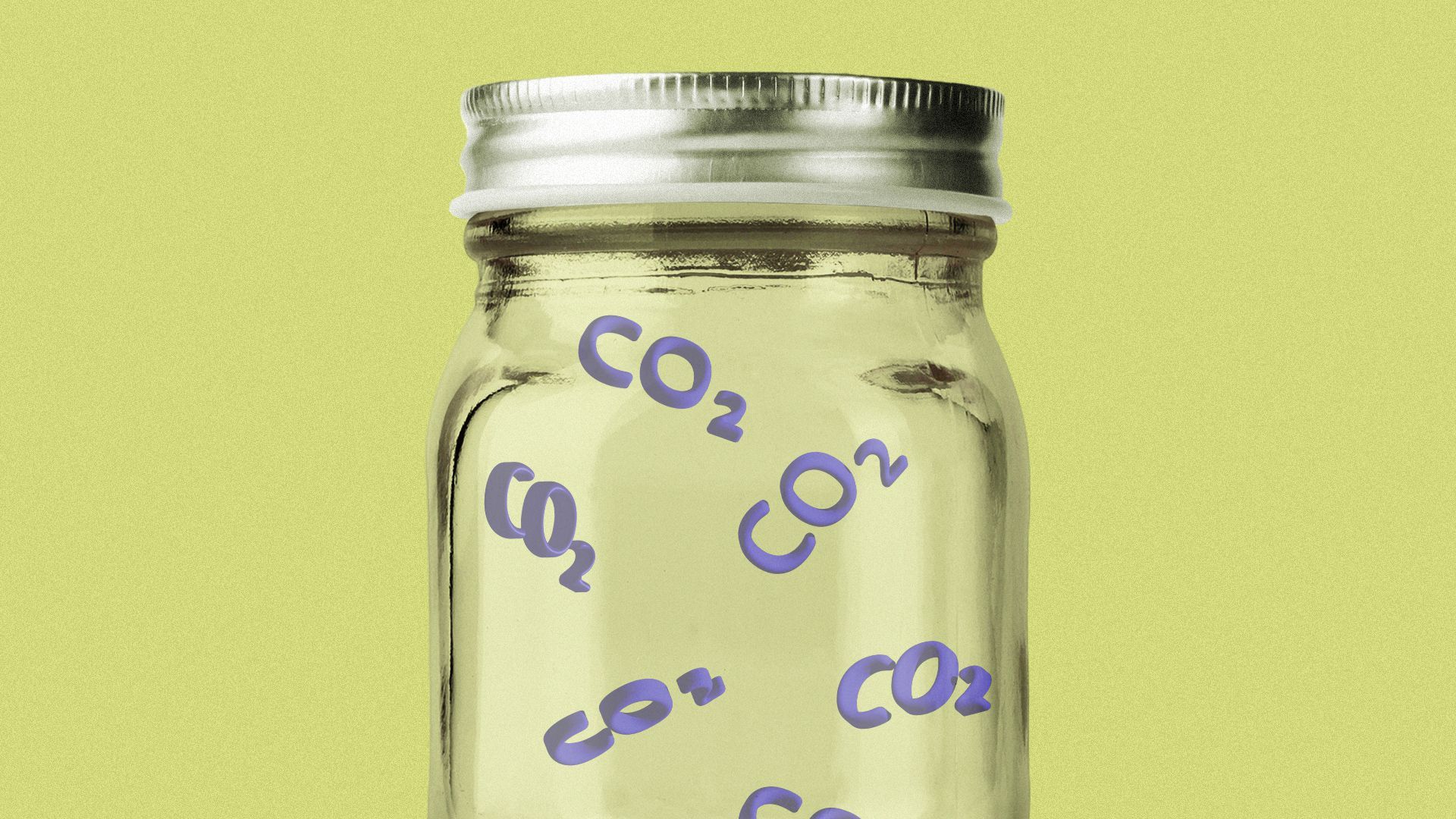
Why it matters: Denbury owns the country's largest carbon dioxide pipeline network, and thus could be a crown jewel for ExxonMobil's grand carbon capture plans.
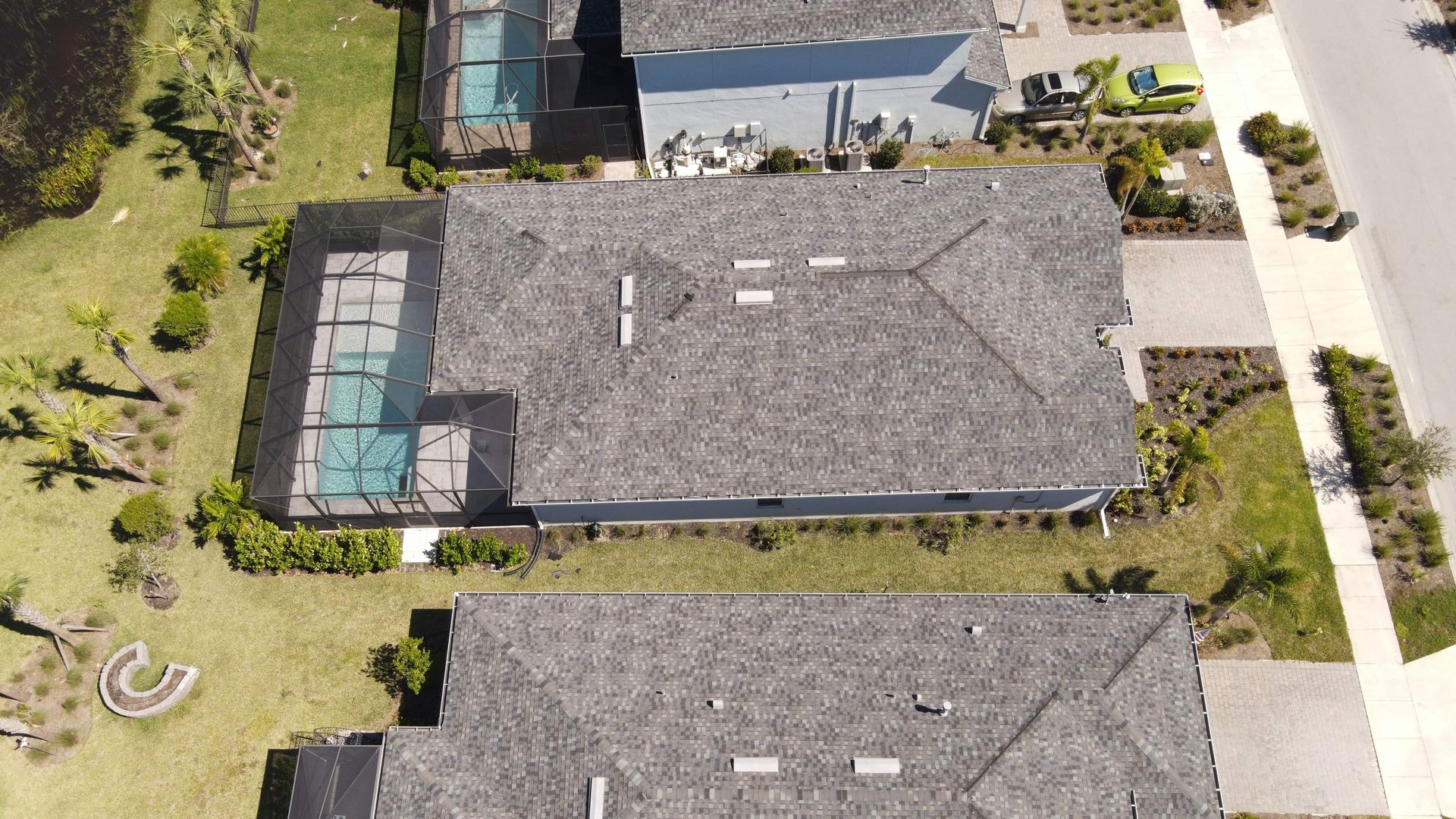
More than 4 million Floridians lost power after Hurricane Ian. But not communities like Babcock Ranch, a Southwest Florida development that bills itself as America’s “first solar-powered town.”
Why it matters: Boosting the resiliency of neighborhoods and infrastructure is becoming increasingly urgent as global warming makes hurricanes more powerful.
If history is any guide, the areas devastated by Hurricane Ian will be rebuilt even bigger than before — but probably with storm-inspired improvements to local infrastructure and building codes.
Why it matters: Ravaged communities face increasingly tough decisions as climate change exacerbates natural disasters.
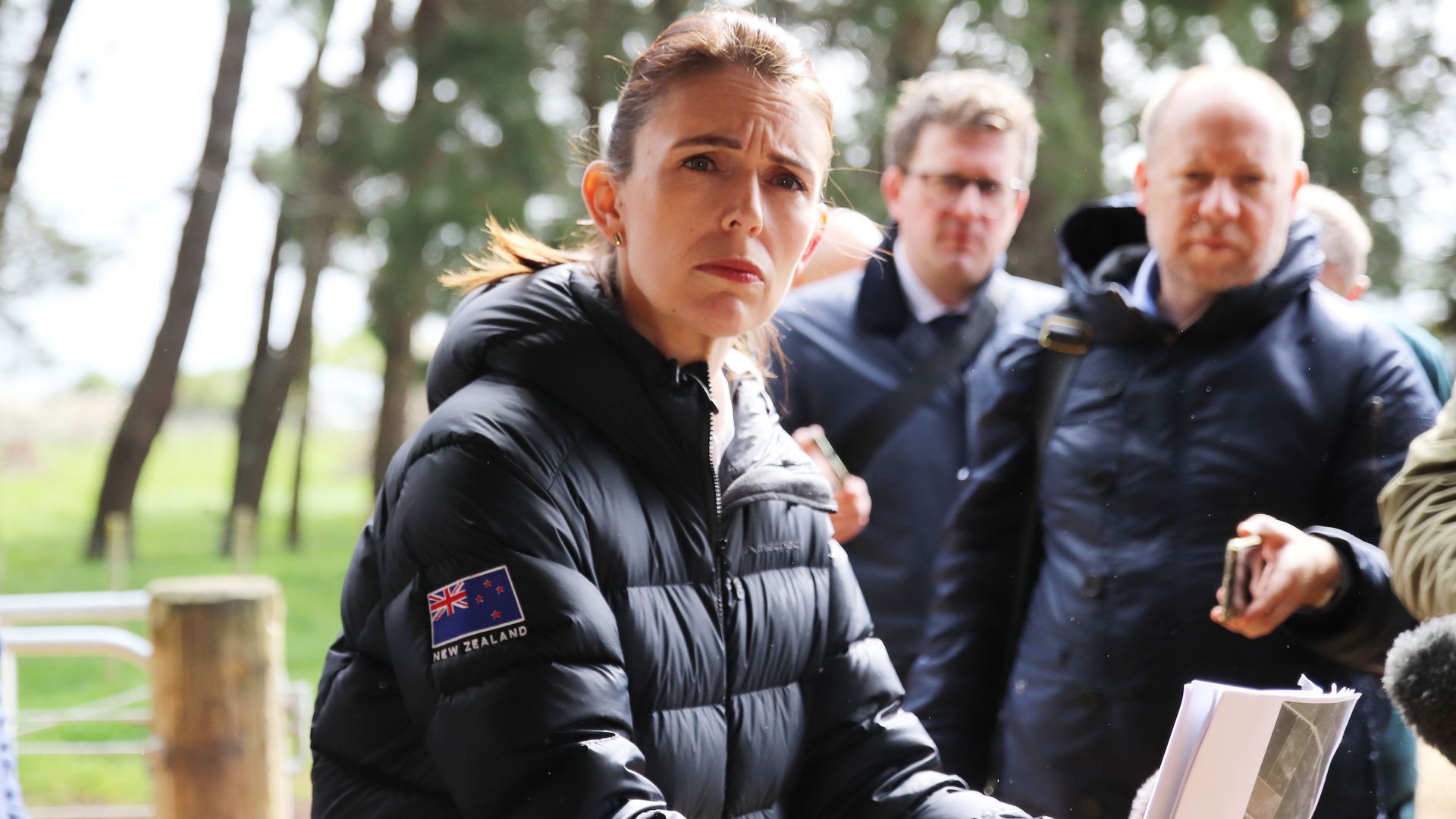
New Zealand Prime Minister Jacinda Ardern announced plans Tuesday to tackle climate change, including a requirement that farmers pay levies from 2025 for emissions from such sources as cow burps.
Why it matters: "The proposal, as it stands, means New Zealand's farmers are set to be the first in the world to reduce agricultural emissions," said Ardern at a news conference at a dairy farm on New Zealand's North Island Tuesday.