The long-awaited Biden administration national security strategy puts climate change at the center of policymaking toward China, the Arctic, and many other parts of the globe.
Why it matters: The strategy released Wednesday by the White House integrates global warming into national security policy to an unprecedented extent, making clear the administration views the issue as “the existential challenge of our time.”
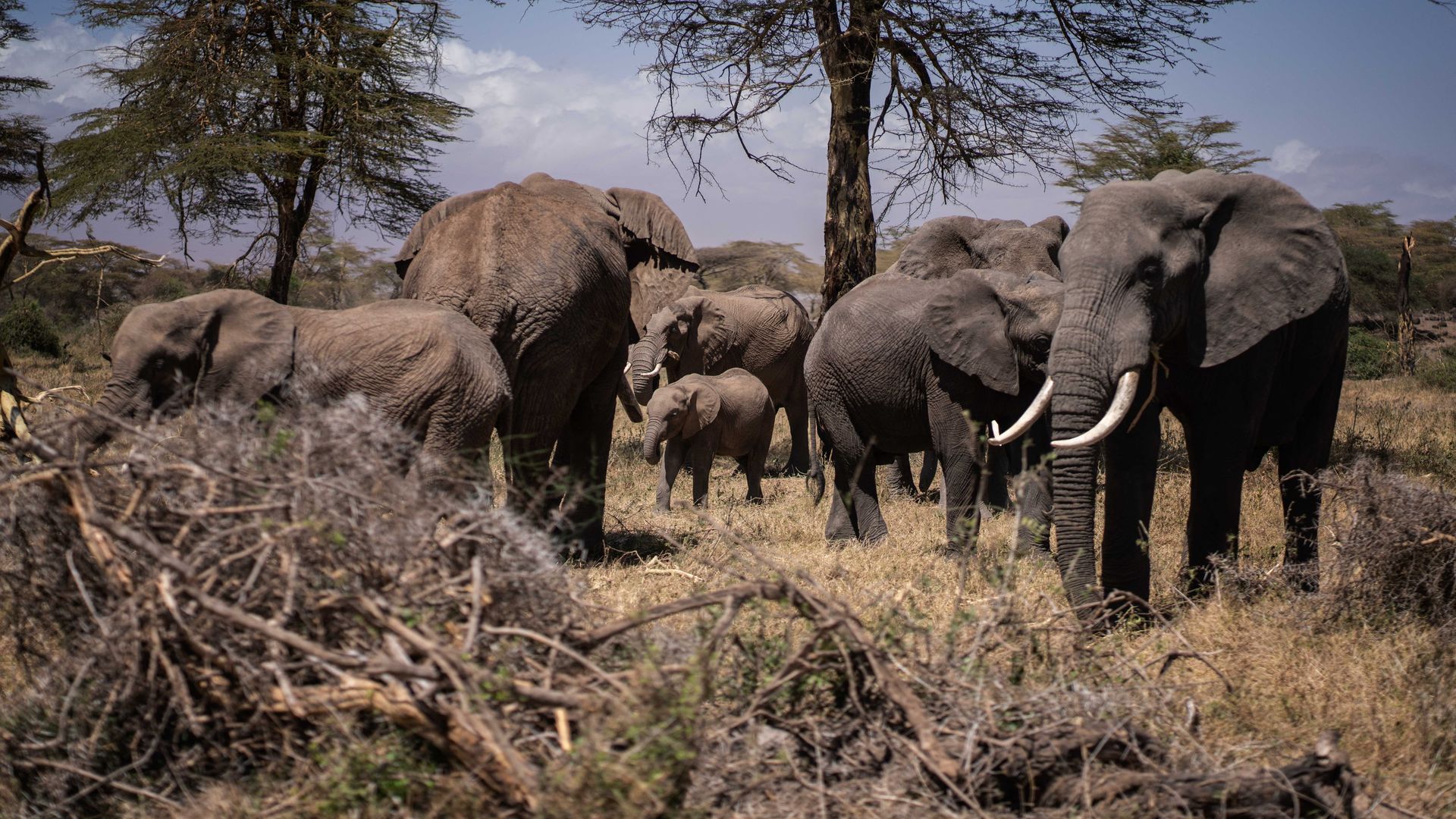
Why it matters: The extensive report is a grim indicator of the effects of rampant agriculture, fishing, hunting, logging, invasive species and pollution on nature over roughly 50 years.
A recently published study out of the University of Kansas suggests that damaging racial and gender stereotypes were perpetuated by newspaper images included in coverage of Hurricane Harvey.
The big picture: Presenting people of color as victims and white people as rescuers in U.S. news coverage of climate disasters has long been a problematic trend.
Heavy rains in southeastern Australia left thousands of homes without power and emergency services conducted multiple flood-related rescues across the region on Thursday.
Threat level: Australian Bureau of Meteorology (BOM) forecaster Jonathan How warned more heavy rainfall that could lead to "life-threatening flash-flooding" was "on the way" as evacuations orders and warnings were issued across Victoria, New South Wales and the island state of Tasmania.
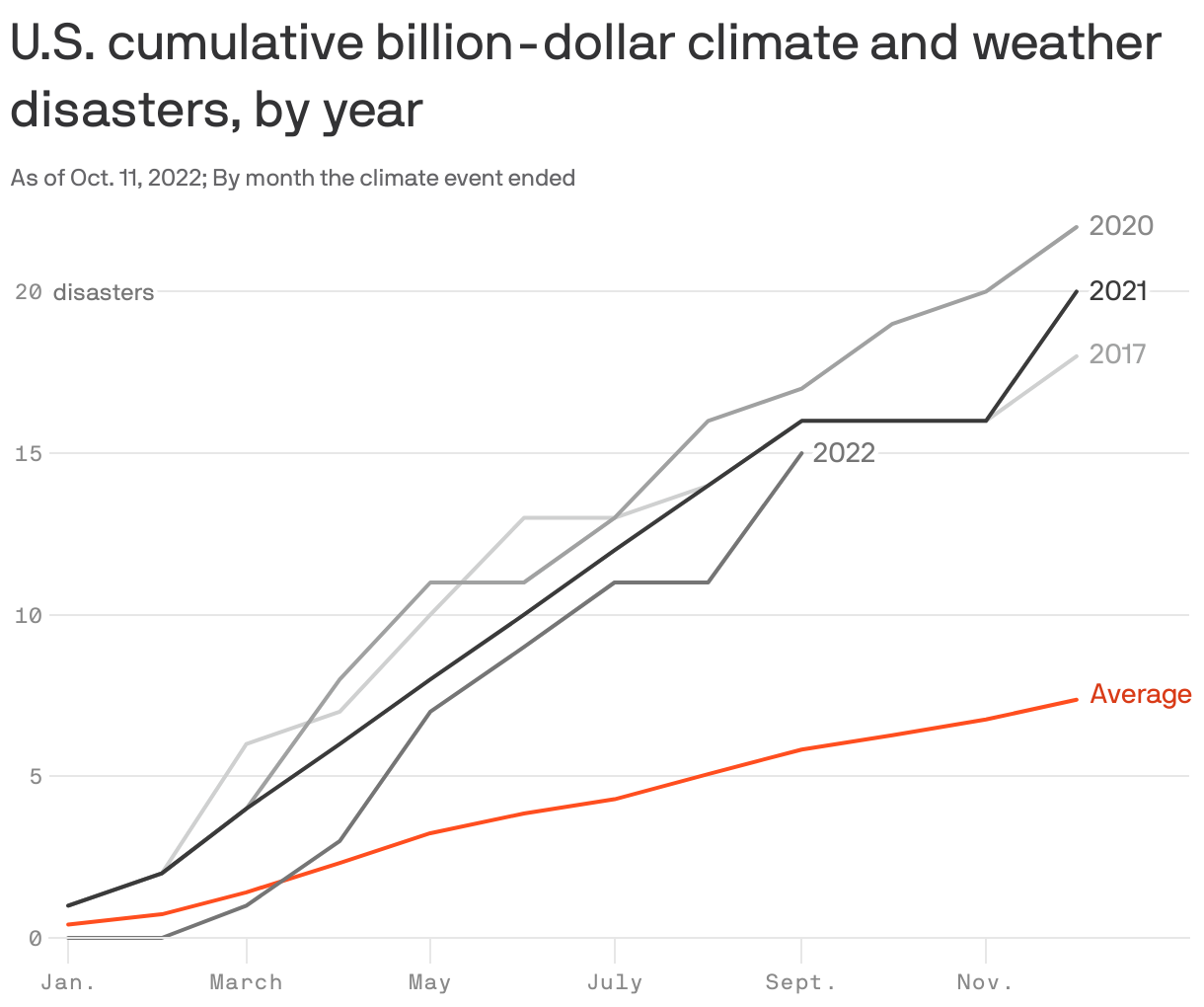
Data: Climate Central, NOAA National Centers for Environmental Information; Note: Includes damages that equal or exceed $1 billion (adjusted for 2022 inflation). Average is from 1980-2022; Chart: Axios Visuals
Hurricanes Fiona and Ian were the latest in a torrent of 15 billion-dollar weather and climate disasters to strike the U.S. so far this year, according to new NOAA data.
The big picture: The cost and frequency of extreme weather and climate disasters have increased in recent years.
Brookfield Renewable Partners and uranium fuel supplier Cameco said that they've agreed to buy Pennsylvania-based nuclear power company Westinghouse Electric for $7.9 billion from Brookfield Business Partners.
Why it matters: This reflects renewed global interest in nuclear power, including new U.S. federalincentives, driven by both geopolitical and climate concerns.
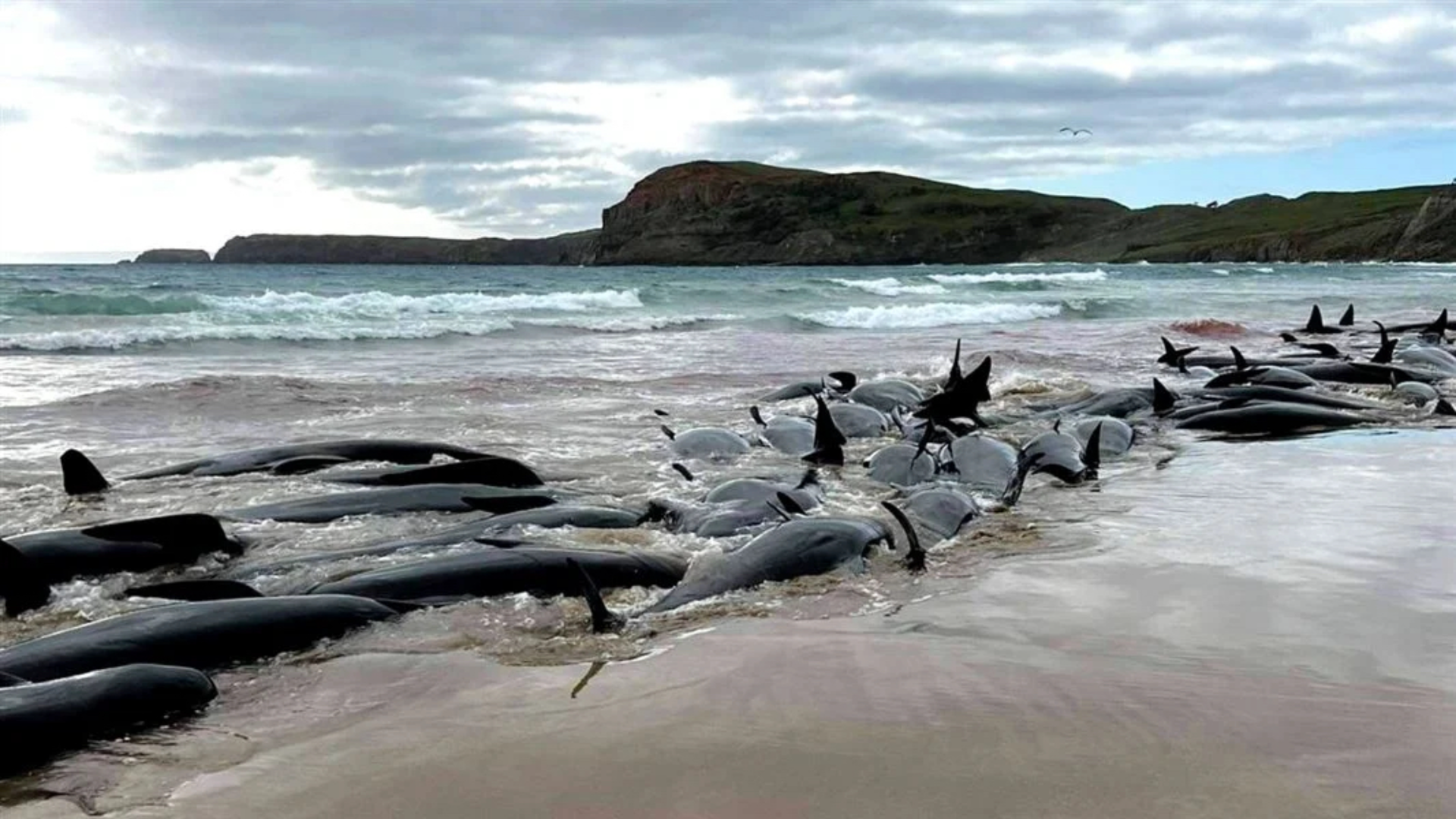
Driving the news: The whales were stranded on two beaches on New Zealand's remote Chatham Islands. The first group of 232 pilot whales came ashore on Friday, followed by a second group of 245 whales on Monday, according to a Facebook post by the nonprofit Project Jonah New Zealand, which rescues marine mammals.
GM is transforming into more than an electric car company. It's becoming a diversified energy company — selling battery technology and energy management services to power not just cars, but also trains, boats, commercial equipment and buildings.
Why it matters: Parlaying its battery and fuel cell expertise into other uses is a natural extension for GM, which aims to double annual revenue to $280 billion by 2030.
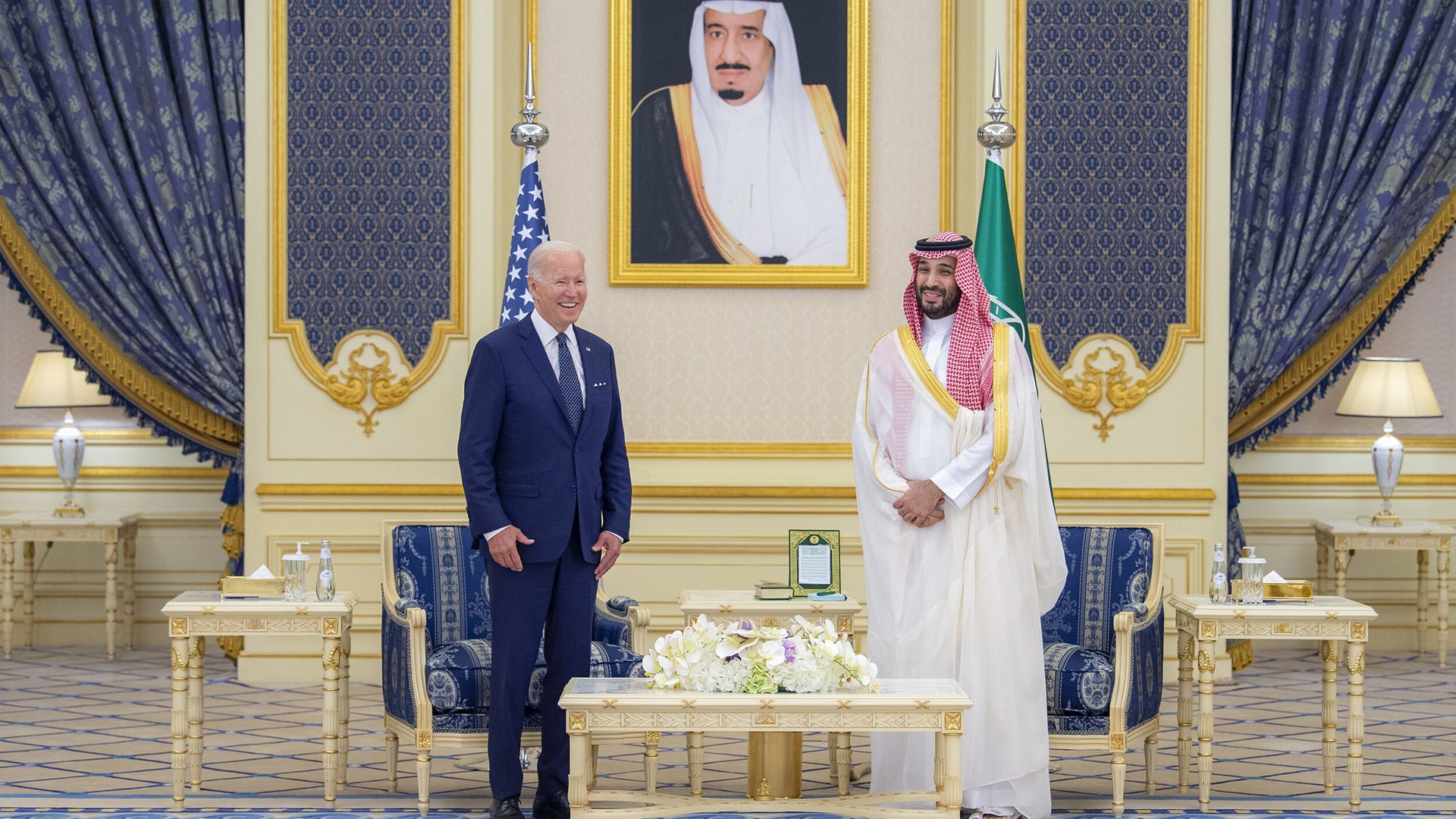
President Biden will "continue to re-evaluate" the U.S.' relationship with Saudi Arabia after a group of international oil exporters and Russia decided to significantly cut oil production in response to falling fuel prices, National Security Council spokesperson John Kirby told CNN on Tuesday.
The latest: Biden told CNN in an interview broadcast Tuesday there would be "consequences" for Saudi Arabia over the decision to cut oil output, declining to elaborate further.