ExxonMobil is considering a takeover offer for Denbury, a Plano, Texas-based oil and gas company with nearly a $5 billion market cap, per Bloomberg.
Why it matters: Denbury owns the country's largest carbon dioxide pipeline network, and thus could be a crown jewel for ExxonMobil's grand carbon capture plans.
More than 4 million Floridians lost power after Hurricane Ian. But not communities like Babcock Ranch, a Southwest Florida development that bills itself as America’s “first solar-powered town.”
Why it matters: Boosting the resiliency of neighborhoods and infrastructure is becoming increasingly urgent as global warming makes hurricanes more powerful.
If history is any guide, the areas devastated by Hurricane Ian will be rebuilt even bigger than before — but probably with storm-inspired improvements to local infrastructure and building codes.
Why it matters: Ravaged communities face increasingly tough decisions as climate change exacerbates natural disasters.
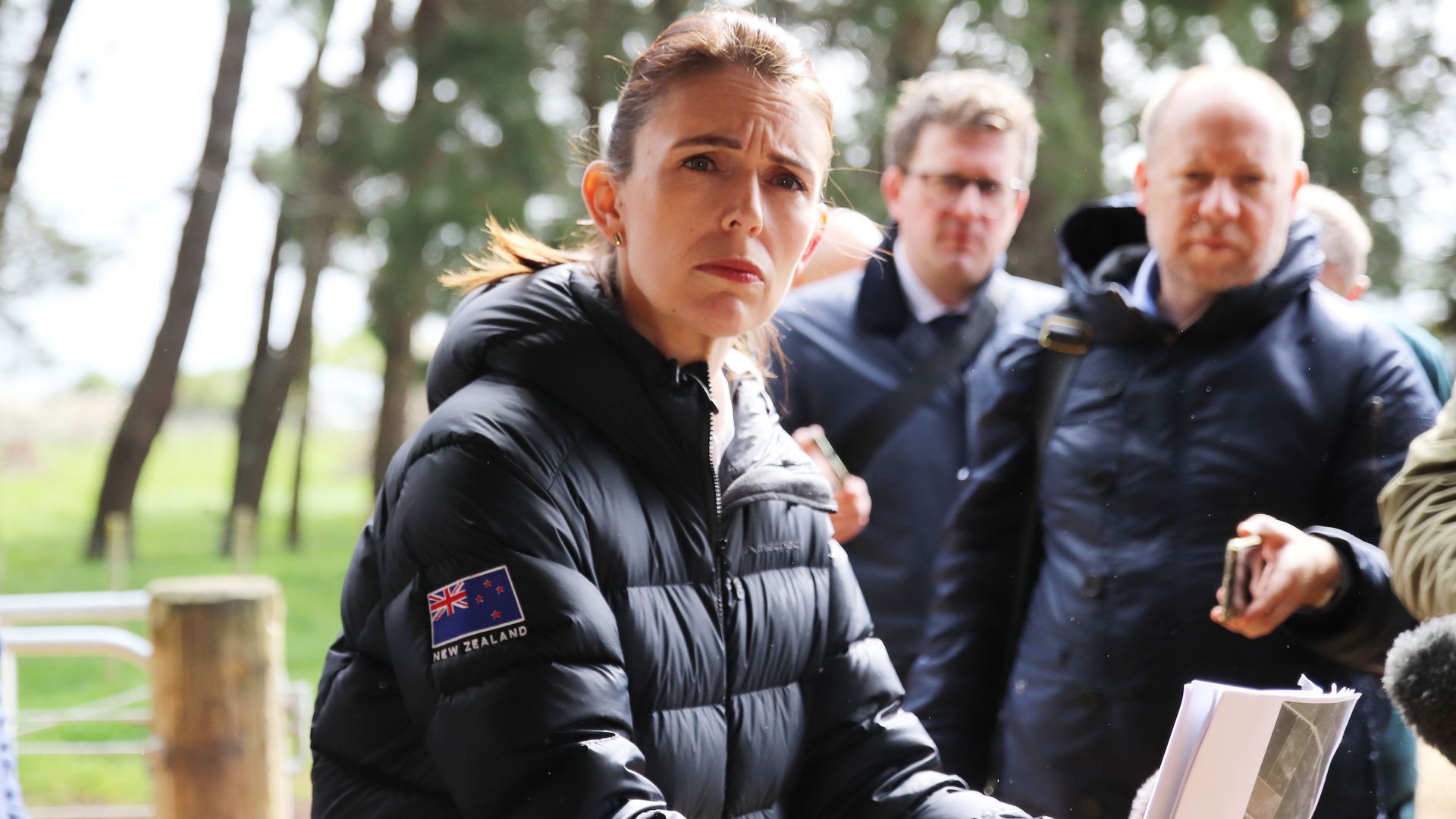
New Zealand Prime Minister Jacinda Ardern announced plans Tuesday to tackle climate change, including a requirement that farmers pay levies from 2025 for emissions from such sources as cow burps.
Why it matters: "The proposal, as it stands, means New Zealand's farmers are set to be the first in the world to reduce agricultural emissions," said Ardern at a news conference at a dairy farm on New Zealand's North Island Tuesday.
A union representing nearly 12,000 railroad workers on Monday voted down the tentative contract agreement between freight railroad companies and all 12 of their unions brokered by the White House last month.
Why it matters: The rejection, by the Brotherhood of Maintenance of Way Employes Division of the Teamsters (BMWED), raises the prospect once again of a nationwide rail strike. That would be devastating for the economy and possibly arrive during peak holiday season — a political headache for the Biden administration.
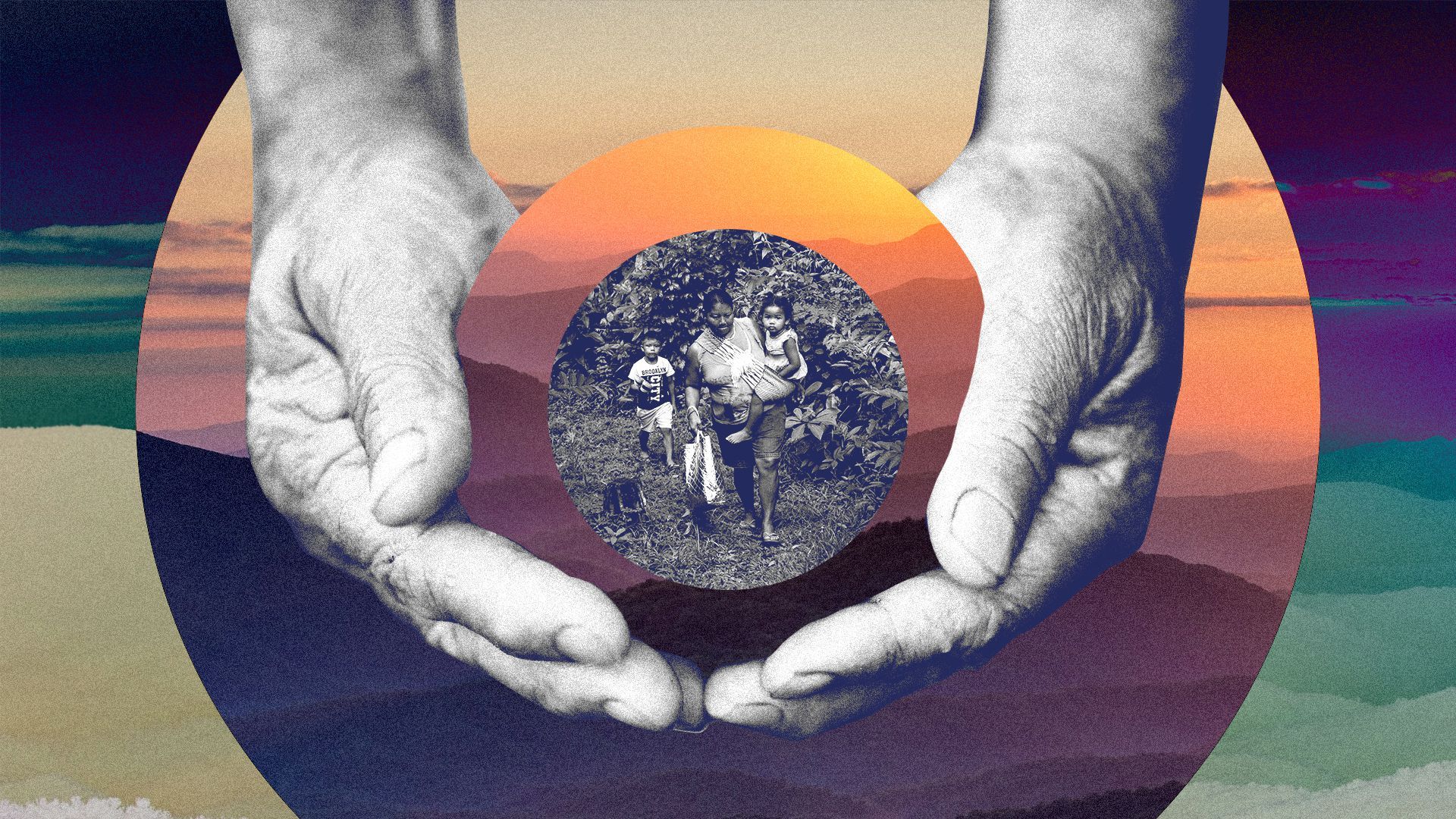
Land isn’t just a resource for many Indigenous peoples. It’s a sacred space, central to culture, livelihood and ancestry.
The big picture: As climate change displaces millions of people every year, Indigenous communities around the world are grappling with an impossible choice: to go, or not to go.