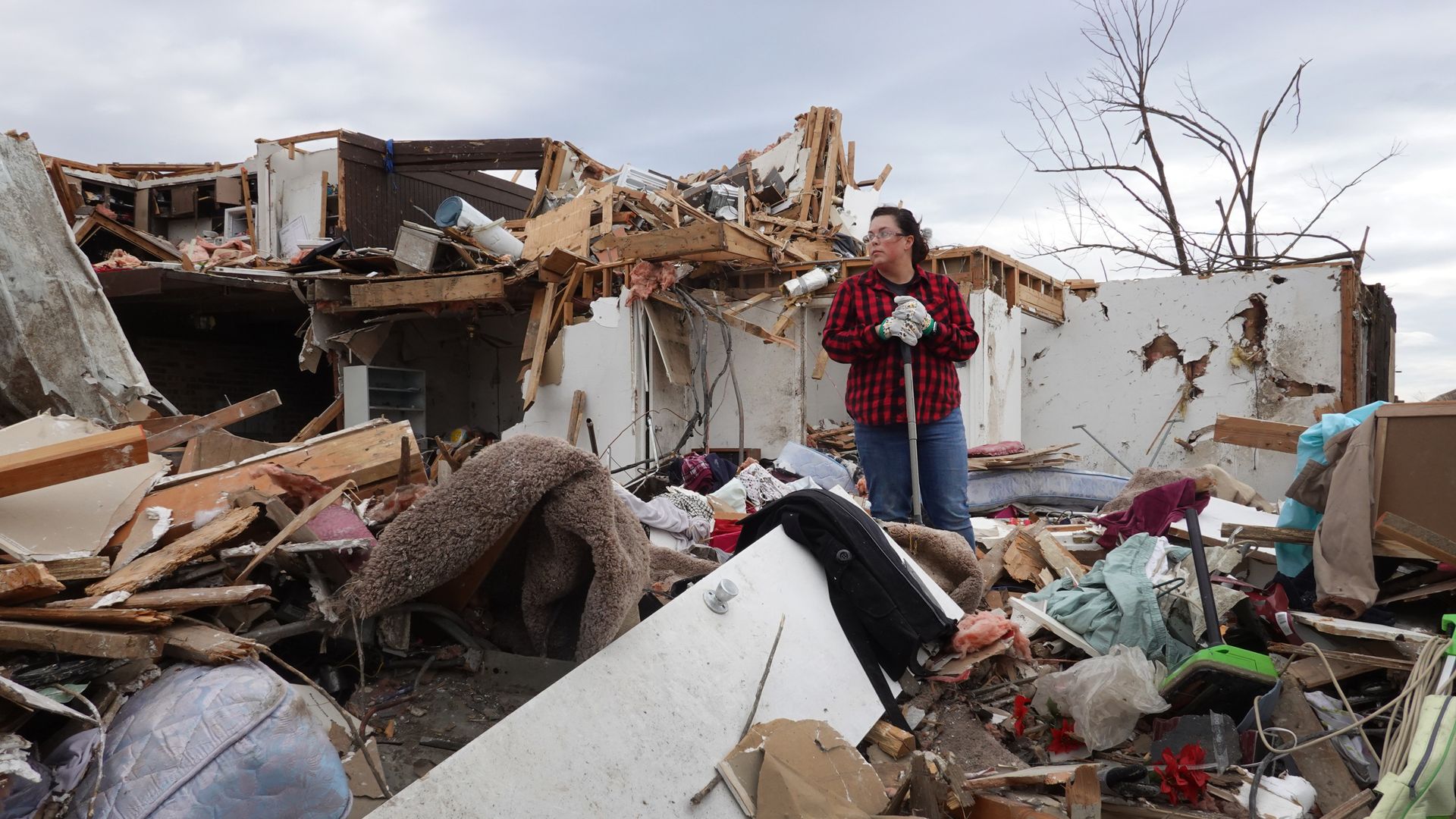
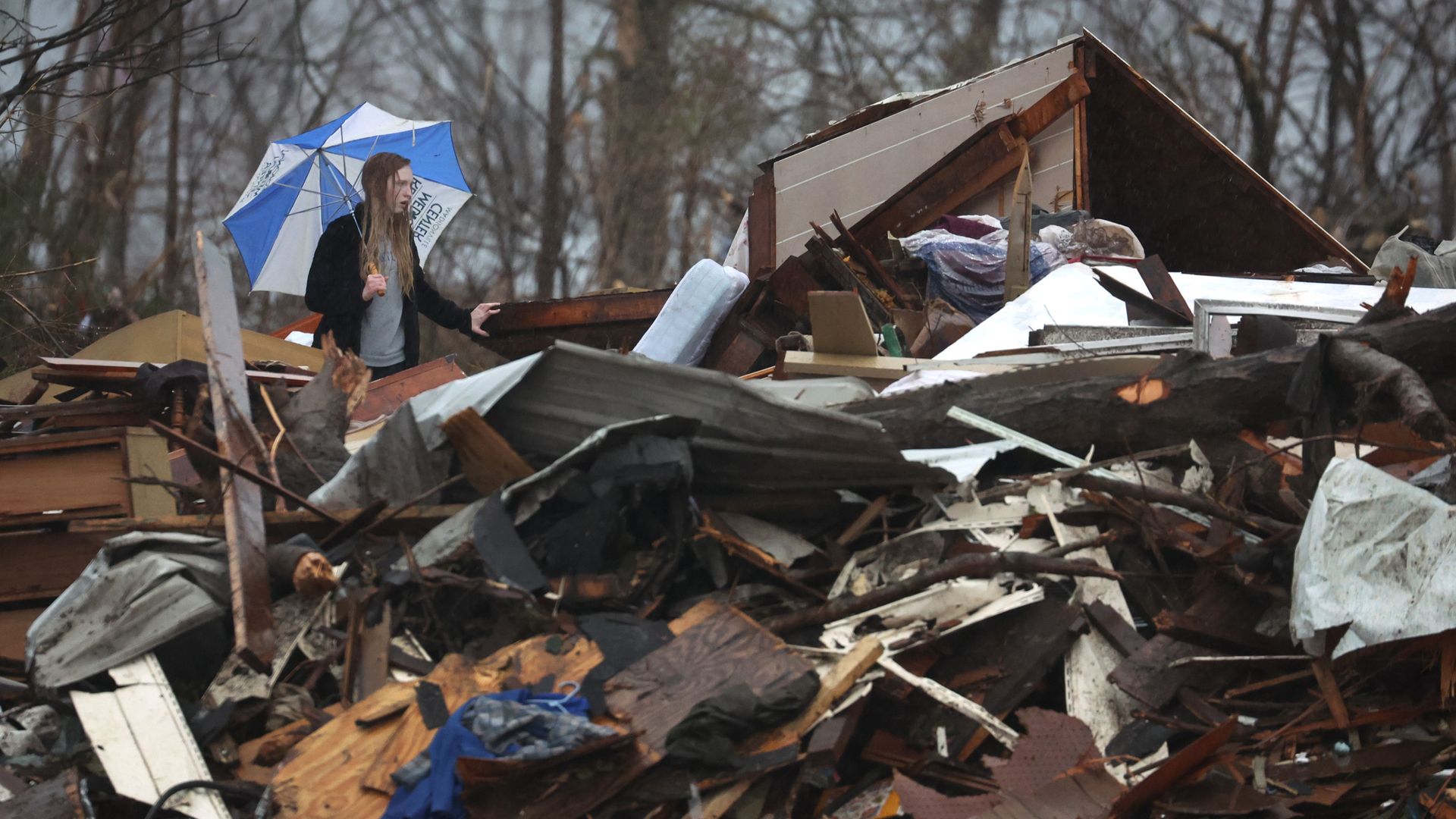
Nearly a week after deadly tornadoes ripped through western Kentucky, Gov. Andy Beshear (D) on Friday promised residents, "we will dig out."
The big picture: At least 77 people in Kentucky were killed when tornadoes hit last Friday into Saturday, Beshear said. The storm is the deadliest tornado event in modern state history, the National Weather Service in Louisville confirmed, pointing to official records that began in the 1950s.
A key financial regulator, calling climate change a risk to banks and the financial system, is out with draft guidelines for how large banks should address the topic.
Why it matters: The Office of the Comptroller of the Currency's guidance "marks the most significant step yet by regulators under President Joe Biden’s administration to push banks to address climate risks," Reuters reports.
The Europe-based vertical farming startup Infarm has reeled in $200 million to fuel its expansion and entry into new markets.
Driving the news: The Series D round includes investment from Qatar's sovereign wealth fund. The company plans to enter Middle East markets, in addition to expanding in Asia, the U.S., Japan and Europe.
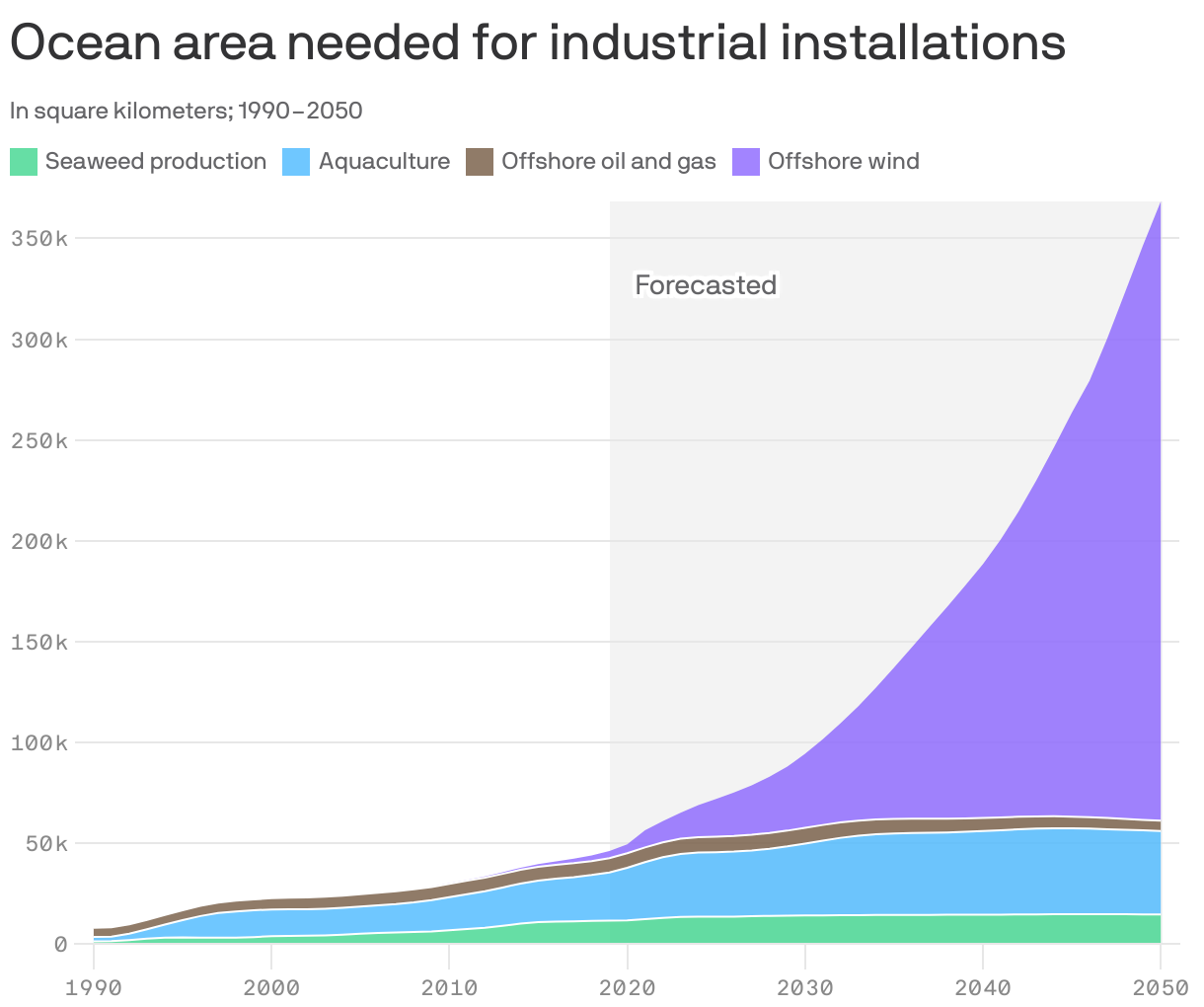
Recreated from DNV; Note: Estimates begin after 2018, the most recent year with complete data; Chart: Jacque Schrag/Axios
The evolution of ocean-based industries — the "blue economy" — will include a huge increase in demand for marine areas for wind turbines, a new report finds.
The big picture: The advisory and risk management firm DNV is out with detailed analyses of ocean industries in the coming decades.
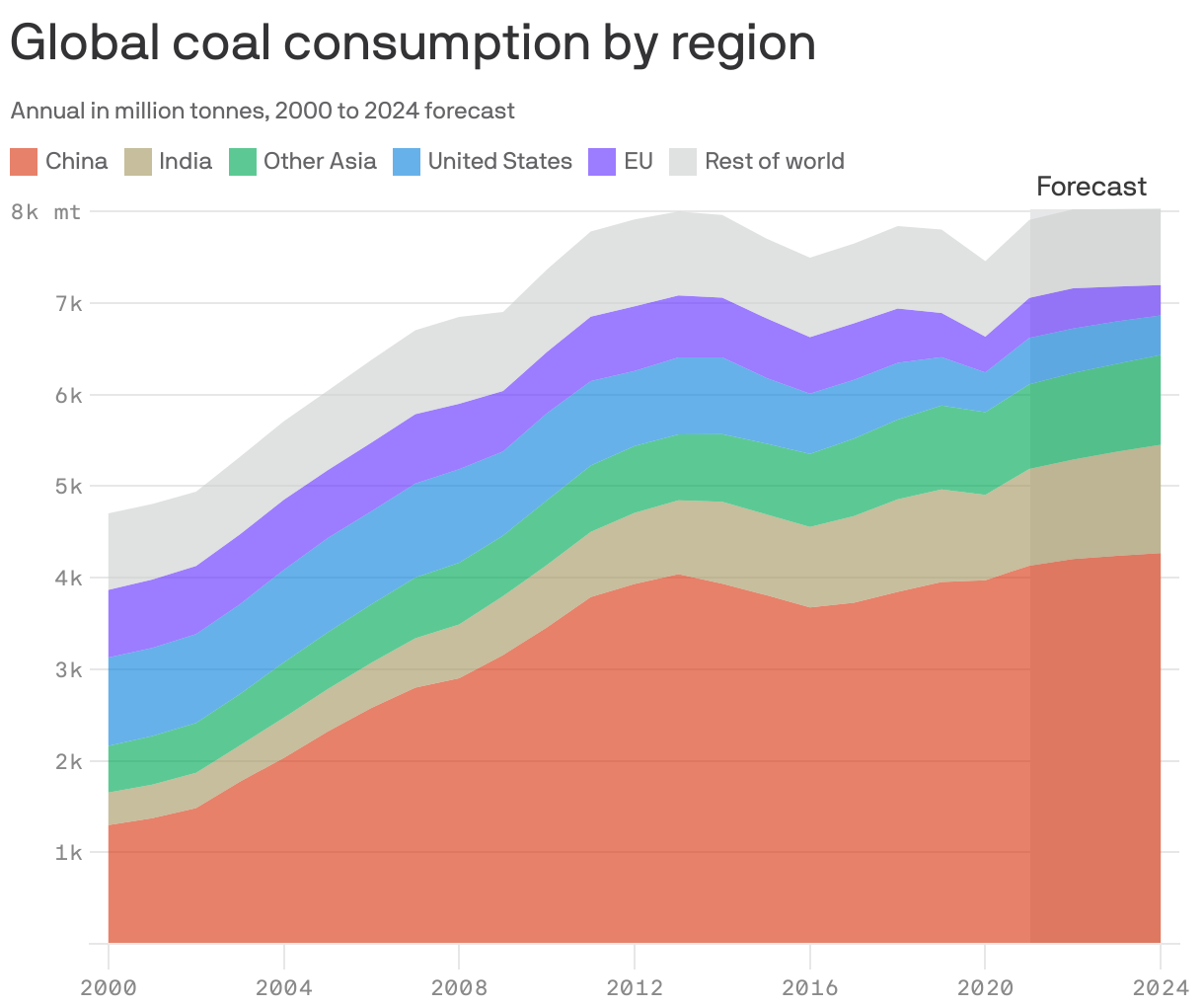
Data: International Energy Agency; Chart: Jared Whalen/Axios
Newly released data on global coal demand starkly highlights the chasm between climate pledges and today's trends.
Driving the news: Coal-fired power is at record levels in 2021 and overall worldwide coal demand is set to reach new highs in the coming years, per International Energy Agency analysis.
The risk of large heat waves happening simultaneously in at least two parts of the Northern Hemisphere is growing due to global warming and its effects on atmospheric circulation, a new study finds.
Why it matters: The study, accepted for publication in the Journal of Climate, adds to concerns about food supply disruptions and other major societal impacts, depending on the location of the concurrent extremes.
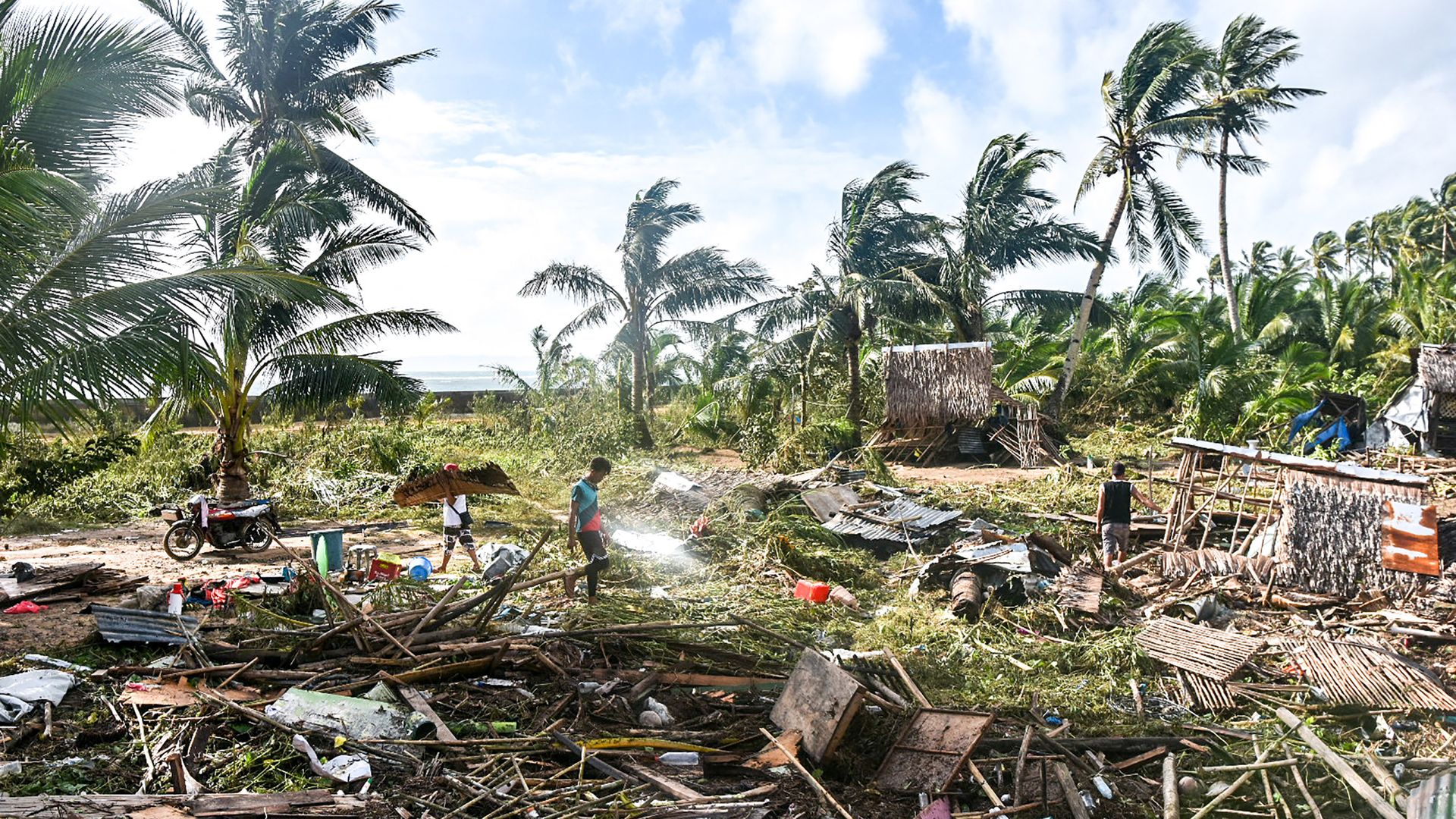
Super Typhoon Rai has killed at least three people after lashing the central and southern Philippines, officials said Friday, per AP.
Threat level: The storm that's equivalent to a Category 5 hurricane is the strongest typhoon to make landfall in the Philippines this year — causing over 300,000 people to evacuate coastal areas as it triggered flooding, communications and power outages and uprooted trees Thursday, AFP notes.
The body of a 13-year-old girl was found in a Kentucky neighborhood razed in last weekend's tornadoes and storms that lashed six U.S. states, raising the death toll in the state to 76 and 90 overall, per AP.
The big picture: Nyssa Brown was one of seven family members to die in the Bowling Green tornado. The National Weather Service has released preliminary findings showing that western Kentucky was hit by an EF-4 tornado on the Enhanced Fujita Scale — meaning the damage it caused was "devastating."
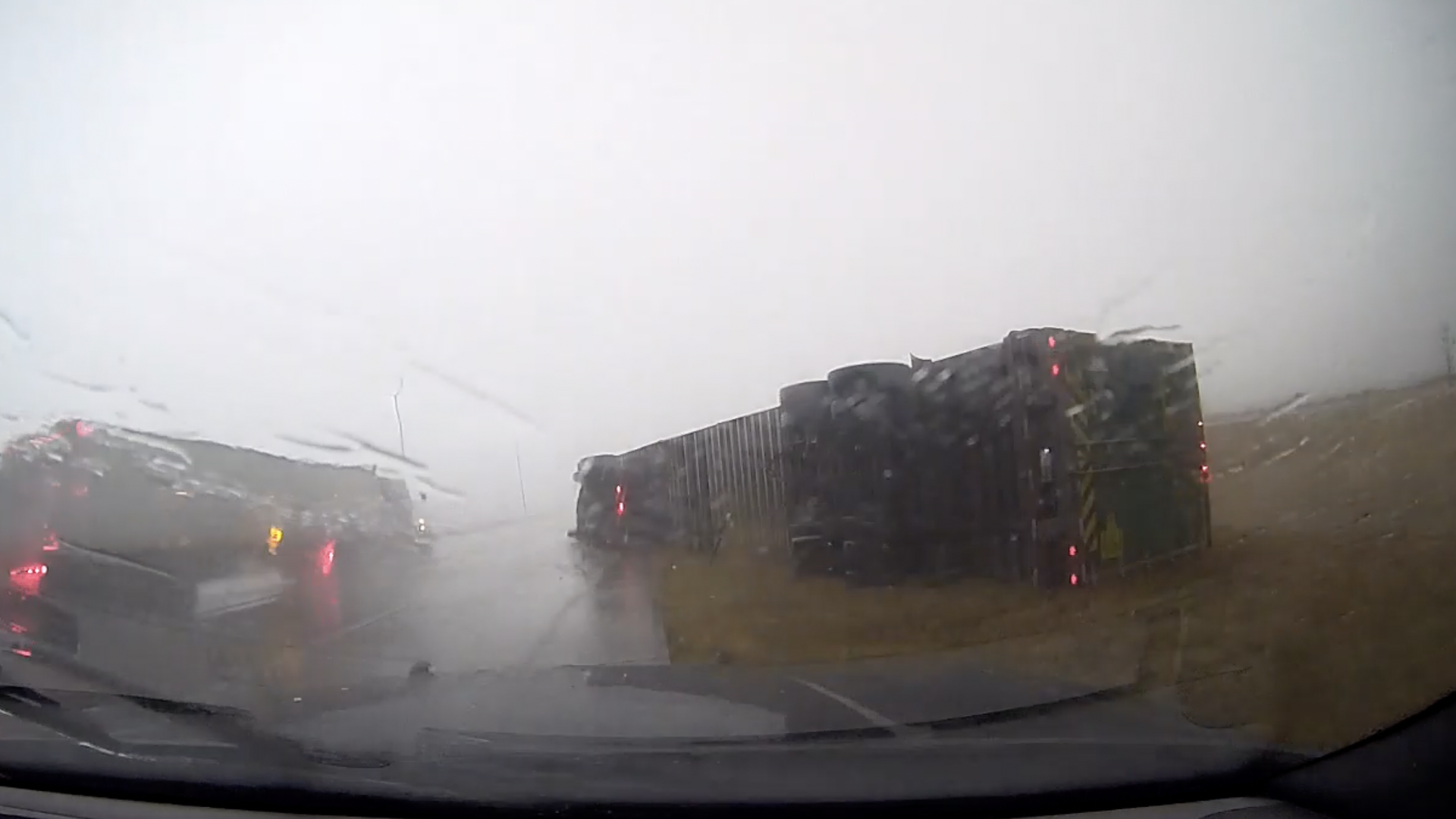
A massive, multi-hazard storm unprecedented for mid-December in the Plains and Upper Midwest affected nearly 100 million people from New Mexico to Wisconsin on Wednesday into Wednesday night.
Why it matters: The latest storm is yet another demonstration that the dial on the extreme weather meter has gone all the way to 11 during 2021. Many of the events this year, including this one, bear the hallmarks of climate change.
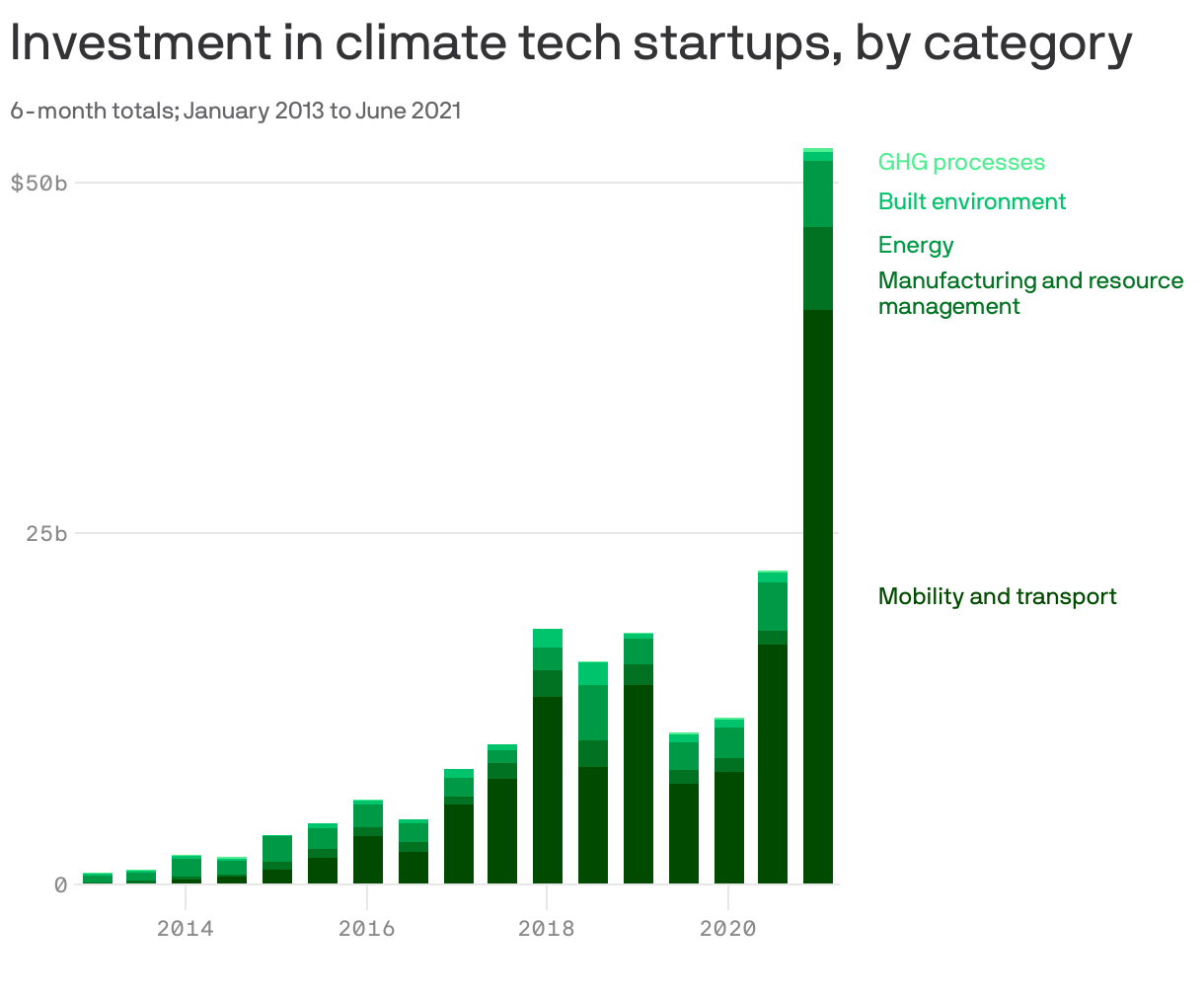
Private investment into climate technologies is surging, but there's misalignment between where the money is going and areas with the highest potential for slashing emissions, a new report finds.
Driving the news: PwC is out with a wide-ranging look at climate tech funding and deals. Venture capital and private equity investment surged in the second half of 2020 and the first half of 2021 (the end of the period studied), totaling $87.5 billion.
Prominent climate movement veterans have set up a major new foundation with a mission to steer big, near-term policy decisions in nations with large carbon emissions.
Driving the news: Climate Imperative is emerging publicly today and with a planned budget of $180 million annually over five years. The California-based foundation began making grants in the spring of 2020.
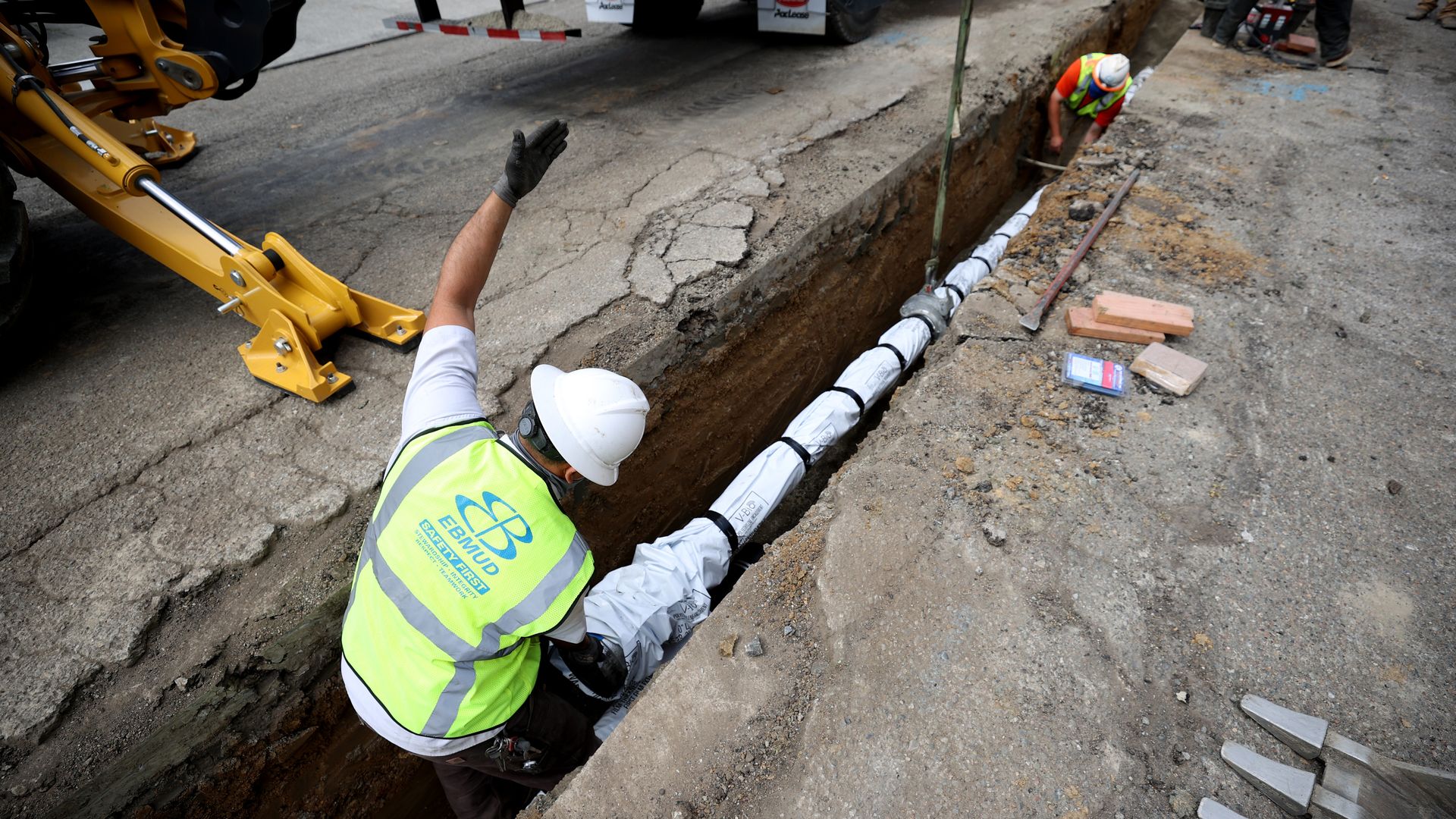
The Biden administration unveiled plans Thursday to replace all lead water pipelines over the next decade.
Why it matters: The White House estimated that up to 10 million households connect to water through lead pipes and service lines and 400,000 schools and child care centers are at risk of exposure to lead in their water. Exposure can cause multiple adverse health effects, including brain and nervous system damage.
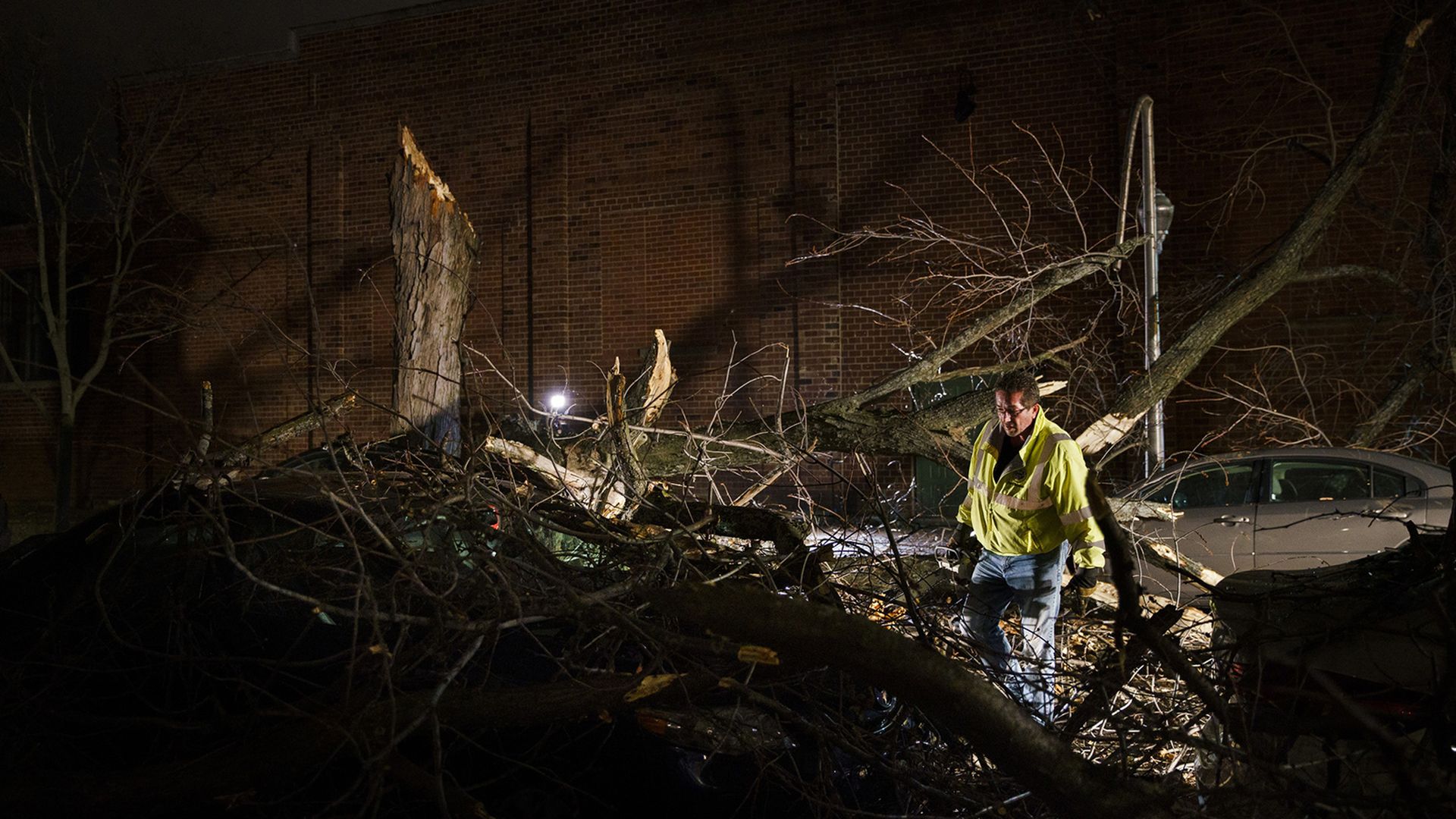
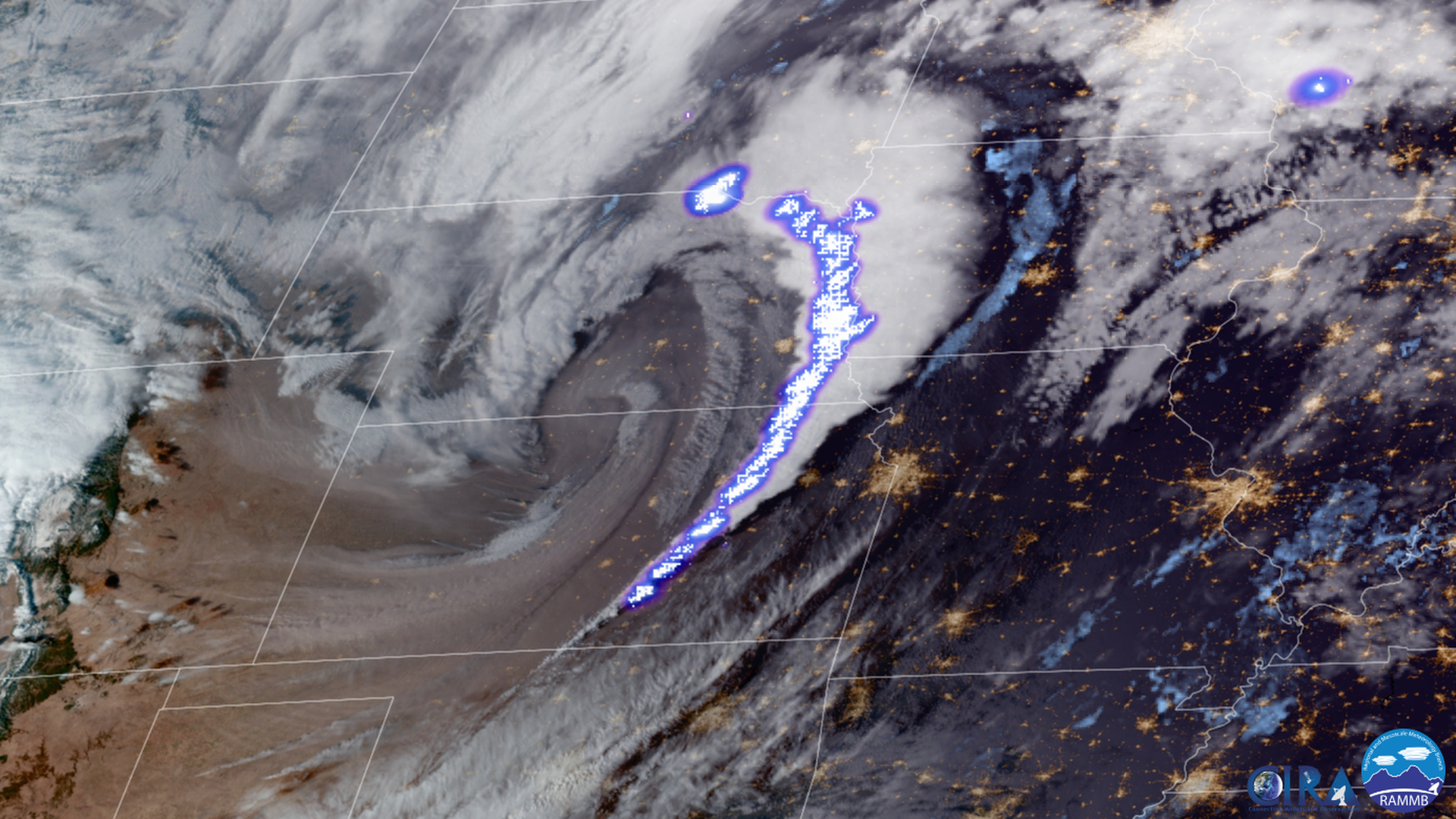
An expansive storm is unleashing an array of hazardous weather to a broad swath of the lower 48 states — with winds reaching 85 to 100 mph from Colorado to Iowa, along with record warmth that's fueled an ongoing derecho moving into Minnesota and Wisconsin.
Why it matters: The storm set all-time high temperatures for the month of December on Wednesday, as readings soared into the 70s all the way to the Iowa-Minnesota border. Its winds had knocked out power to some 500,000 customers in 10 states Thursday, with outages climbing in Iowa and Kansas, per poweroutage.us.