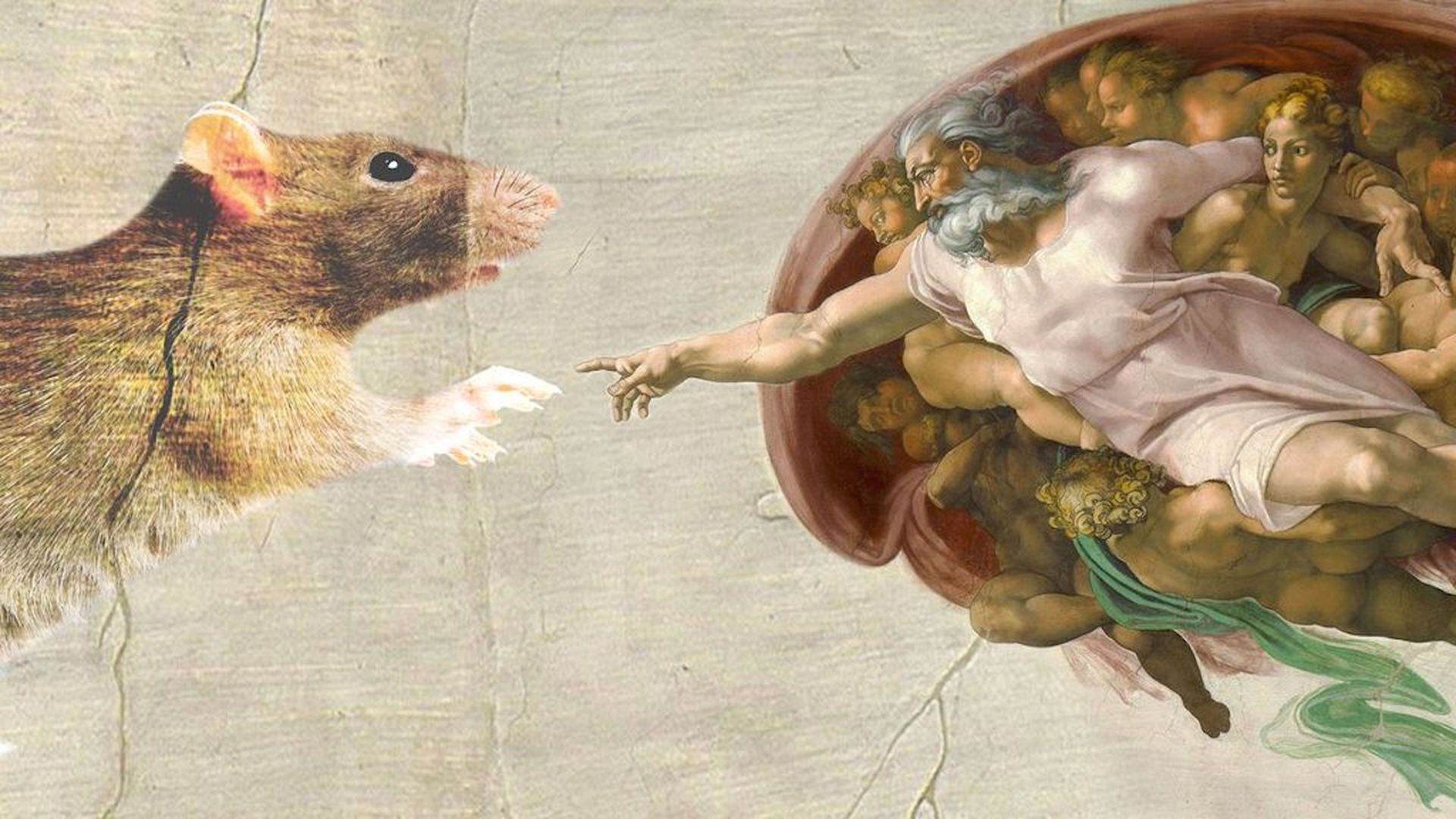
One not-fun consequence of booming cities is the scourge of rats, well fed by trash, warmed by climate change, and bringing new health threats and general grossness with them.
The big picture: “Everywhere I go, rat populations are up,” scientist Robert Corrigan tells the NYT.
New York's state legislature passed a bill on Wednesday permitting tax officials to turn over President Trump's state returns to any one of three congressional committees, the New York Times reports.
Why it matters: Trump has refused to comply with a congressional subpoena for his federal tax returns, which are likely to contain similar information to his state returns. If Gov. Andrew Cuomo signs the bill as expected, the move could ignite a heated battle between New York state and Trump's legal team.
Saudi Arabia's state oil giant announced plans Wednesday to purchase gas from Sempra Energy's planned Port Arthur LNG project in Texas and hopes to buy a 25% equity stake in the development's first phase.
Why it matters: It's a big step in Saudi Aramco's push to diversify its business lines beyond crude oil, and a sign of intense interest in the growing U.S. LNG sector.
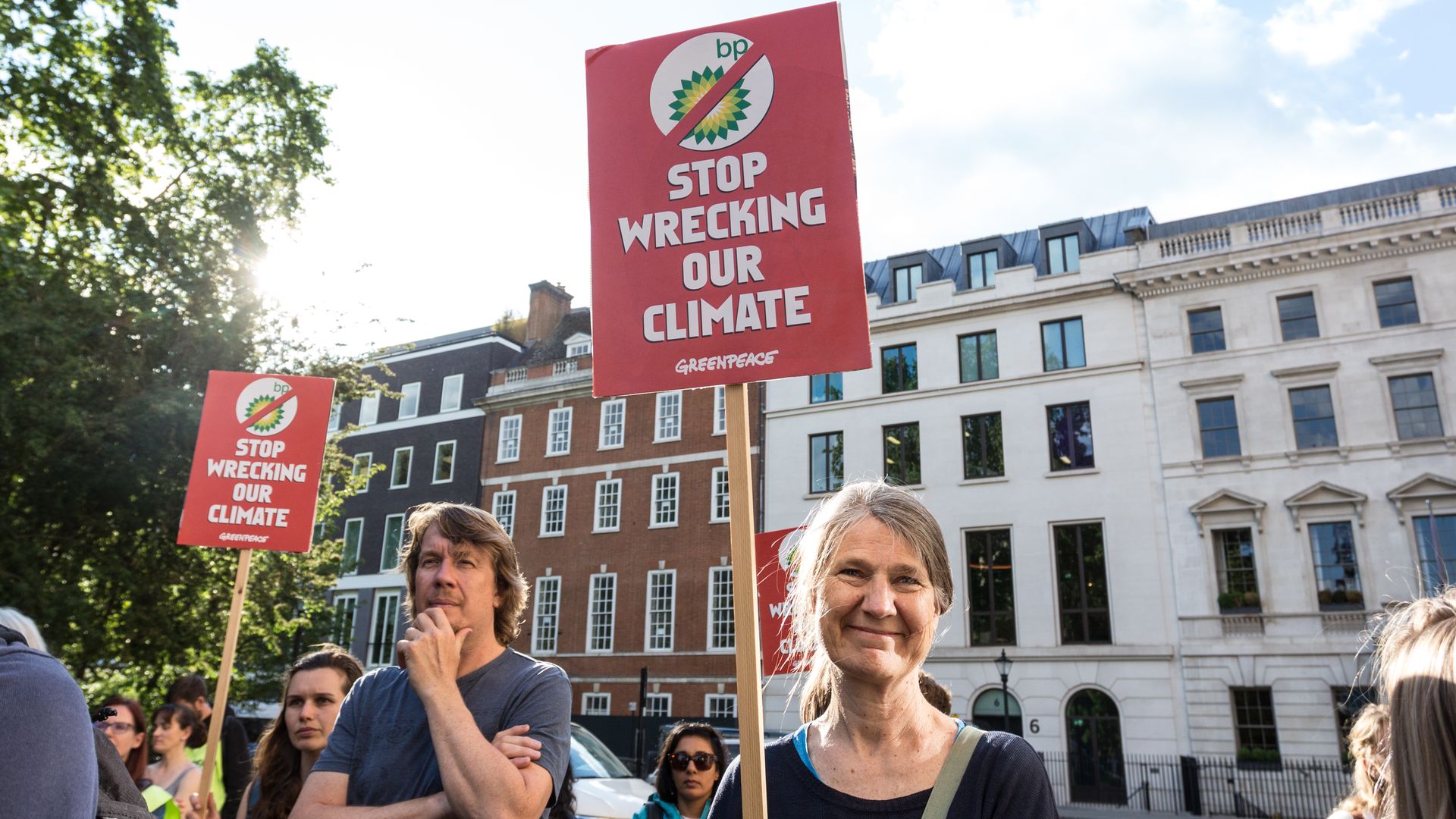
BP, under pressure over climate change, is the latest oil giant to agree to review its membership in trade associations.
Why it matters: Activist investors are increasingly pushing fossil fuel producers to abandon lobbying groups that oppose policies like mandatory emissions curbs and carbon pricing.
Two companies together have set their sights on Texas oil country for building the world's largest facility for sucking carbon dioxide out of the atmosphere, a project that would use the trapped CO2 for boosting oil production.
Driving the news: Carbon Engineering and Occidental Petroleum said Tuesday they're going ahead with engineering and design for a plant in the booming Permian Basin of Texas.
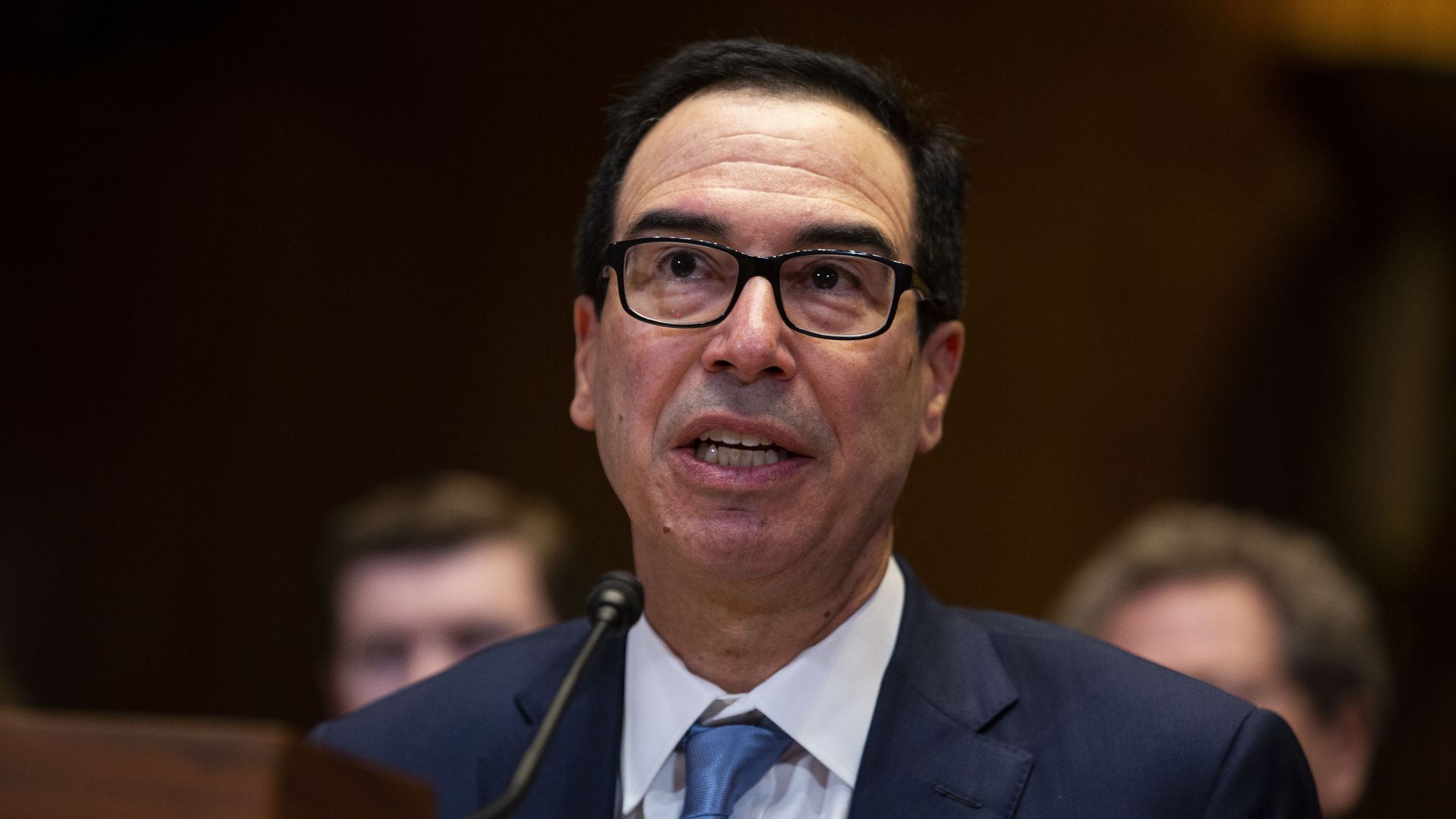
Treasury Secretary Steven Mnuchin claimed at a House Financial Services Committee hearing that he has never spoken with Trump "or anyone in the White House about delivering the president's tax returns to Congress."
Why it matters: Mnuchin rejected a House Ways and Means Committee subpoena to turn over Trump's personal and business tax returns last week, arguing that it lacked "a legitimate legislative purpose." Last night, the Washington Post reported that a "confidential draft IRS memo" contradicted the administration's opposition to releasing President Trump's tax returns. The memo says the president's tax returns "must be given to Congress" unless he invokes executive privilege, per the Post.
A top European official is cautioning against the United States imposing sanctions on a natural-gas pipeline being built now between Russia and Germany.
Why it matters: President Trump and Europe have shared interests in exporting American natural gas across the Atlantic, but interests diverge over this pipeline. U.S. officials say the pipeline unnecessarily allows Russia to continue its dominance over European natural gas. Some European leaders have been more supportive of it.
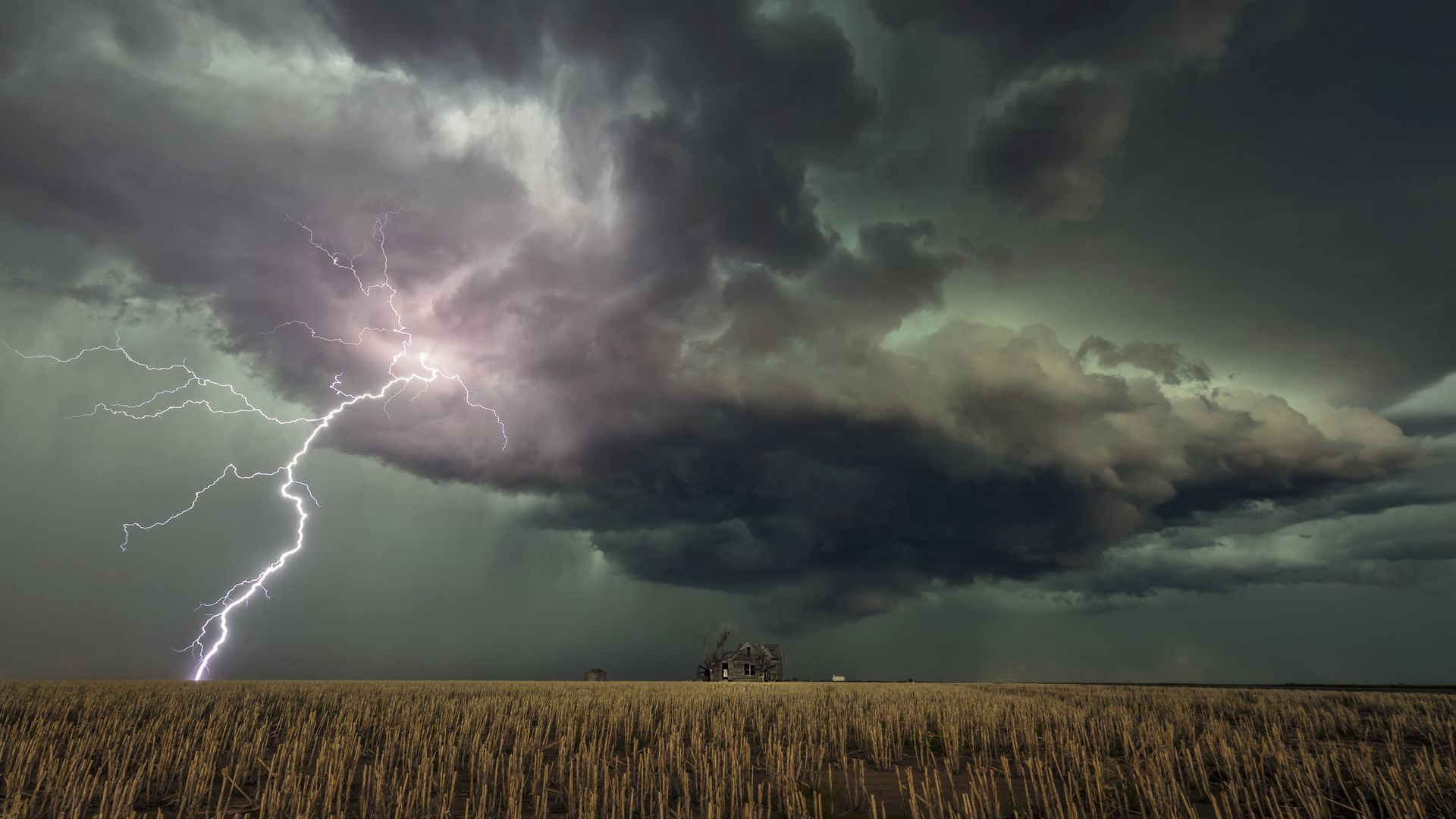
The forecast from the top tornado specialists in the world was dire: A "high risk" of severe thunderstorms, including numerous strong tornadoes, striking parts of Oklahoma. In the end, however, the tornado outbreak on Monday mercifully underperformed expectations in some areas.
Why it matters: The fact that there were no high-end tornadoes in populated areas during this tornado outbreak seems miraculous, considering the rare combination of ingredients that were present across southwest and central Oklahoma on Monday and Monday night. The atmosphere was essentially a powder keg, with abundant wind shear, instability and moisture.
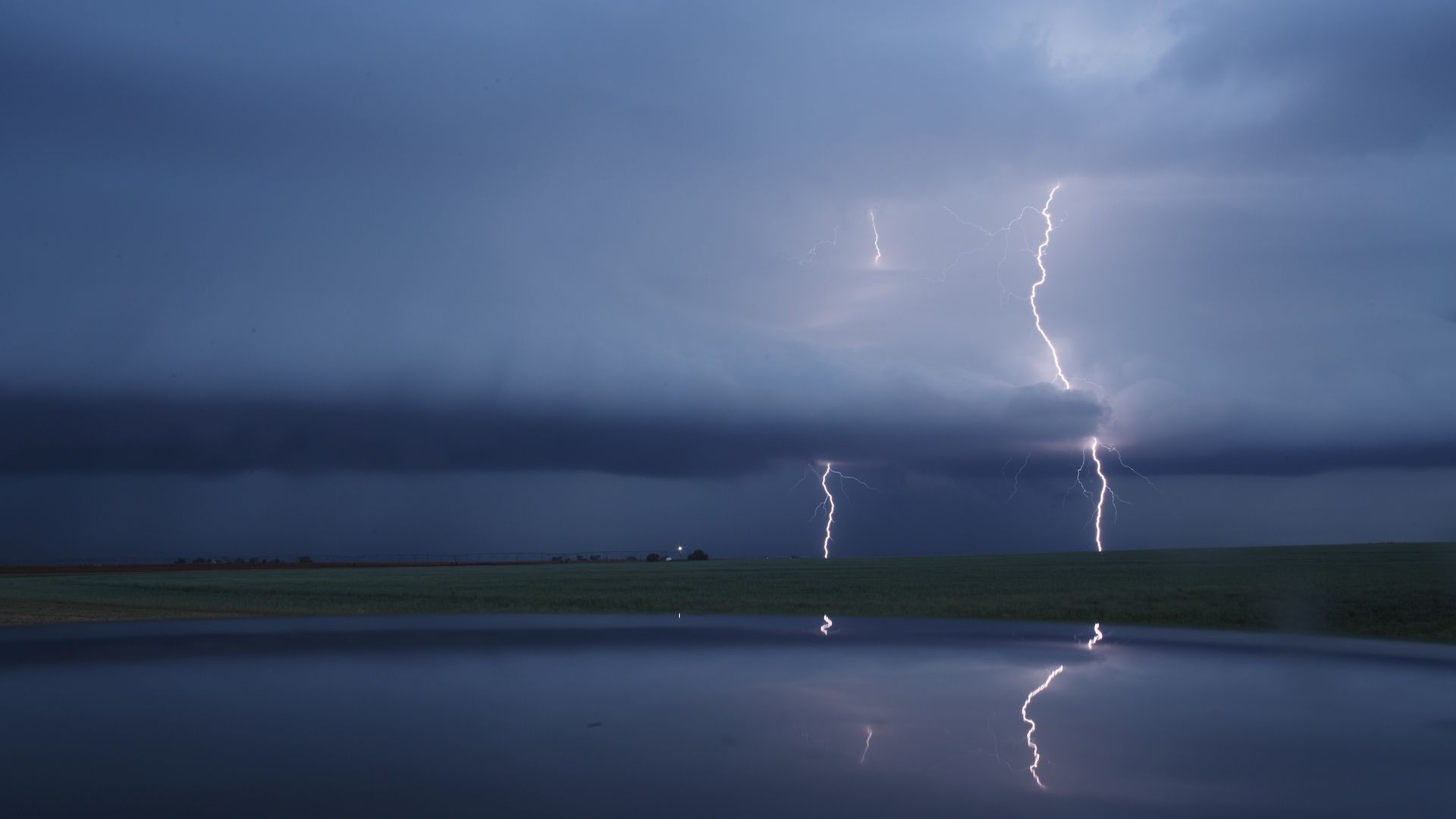
A dangerous and potentially deadly severe weather outbreak is underway across the southern Plains, particularly in northern Texas and across Oklahoma, as a rare and especially volatile mix of tornado and flash flood-producing ingredients combine.
The big picture: The intense storm system brought a series of tornadoes over Monday night. Some damage was reported, but the tornadoes did not cause as much destruction as forecasters feared, per AP. But it's not over yet.
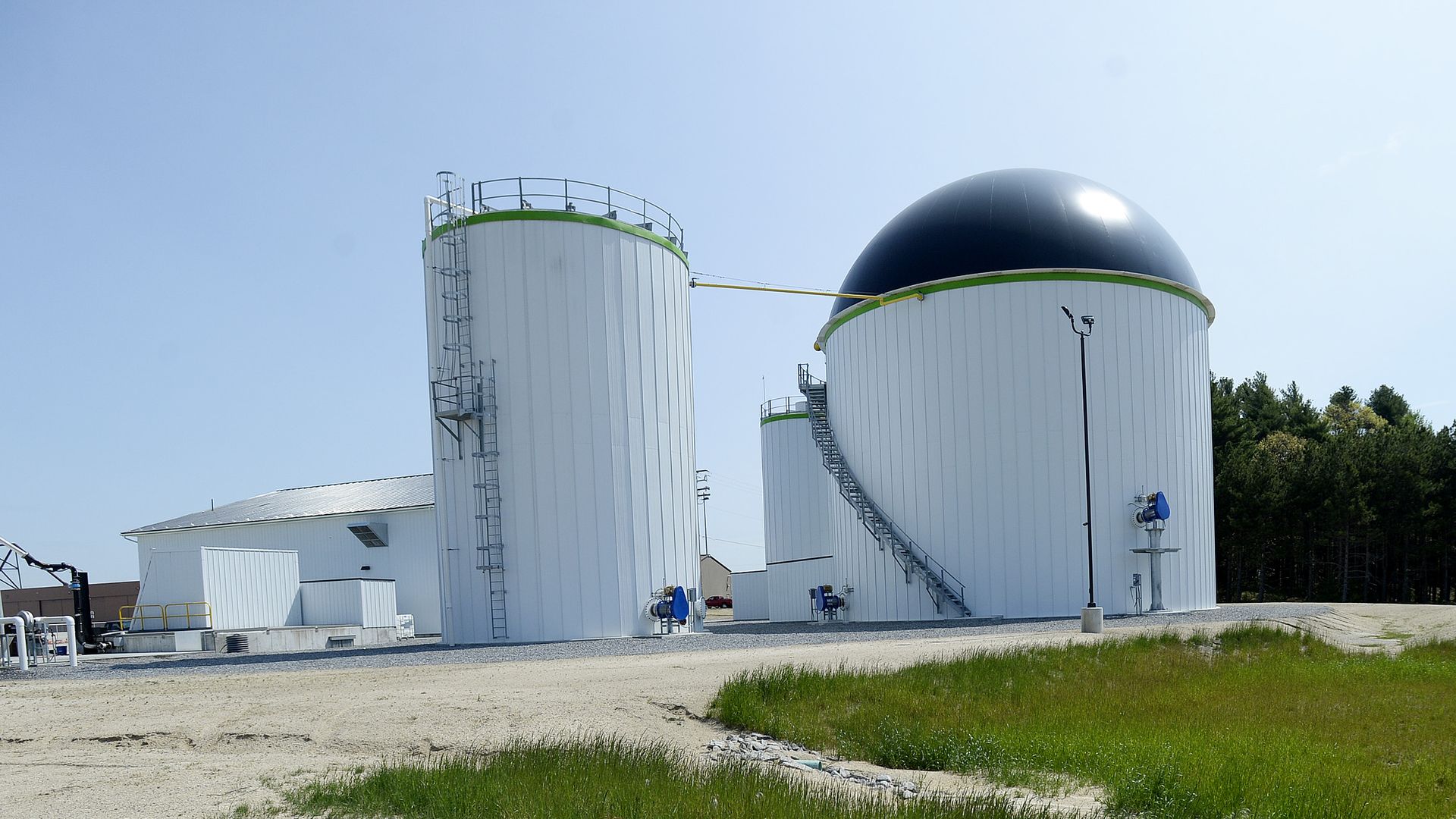
Emerging tech to suck CO2 from the air is getting lots of buzz and cash, but a new paper in the peer-reviewed journal Nature Sustainability proposes a method for atmospheric capture of methane to alleviate warming and buy more time to tackle the bigger CO2 problem.
Why it matters: Methane — a greenhouse gas originating from agriculture, natural gas production, and elsewhere — is emitted in smaller quantities than CO2 but is far more potent at trapping heat on a pound-for-pound basis in the near-term.
Generation Investment Management, a social impact private equity firm co-founded by Al Gore, has raised $1 billion for its third fund, broadening its mandate beyond green-tech to include areas like health care and financial inclusion.
The bigger picture: Social impact investing has taken some recent knocks, although market participant Kapor Capital recently published financial results to show it's on par with peer funds.
More people around the world say they’re worried about climate change — but that concern is not translating into a willingness to pay more for energy or vote for candidates supporting aggressive action on the issue.
Driving the news: At least 3 recent developments show this stark disconnect: In Australia, Washington state and France.
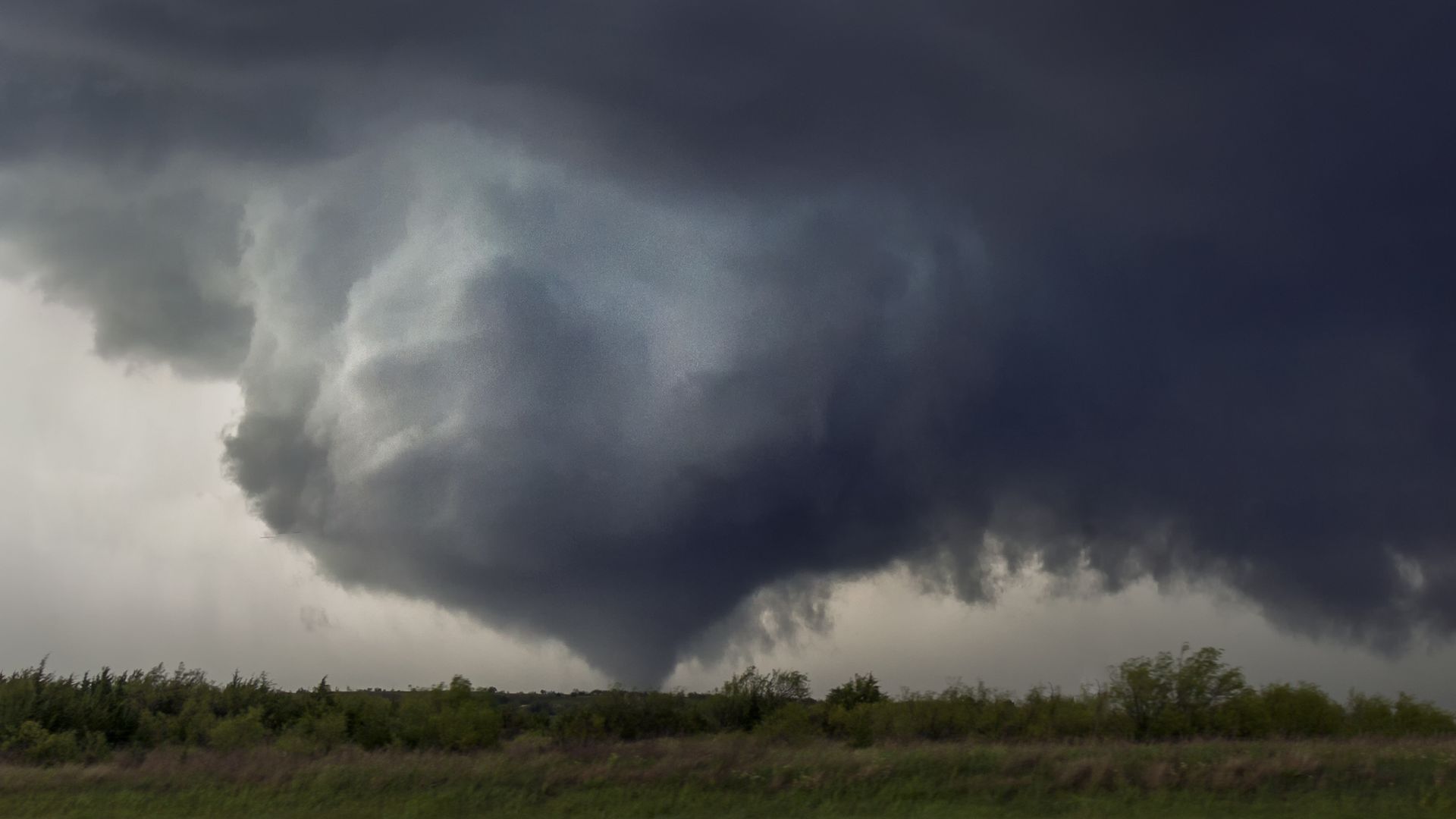
A tornado struck near Paducah, Texas, just after 3pm CST Monday, kickstarting a potentially deadly severe weather outbreak that's expected to continue to hit northern Texas and across Oklahoma through Tuesday.
Between the lines,per Axios' Andrew Freedman: An unusually powerful jet stream is roaring above the central and southern Plains, and there is plenty of wind shear (winds changing speed and/or direction with height) and powder-keg-like instability to trigger thunderstorms to erupt. Forecasters have warned of "significant threat to life and property" from this severe weather event, both from tornadoes and flash flooding.
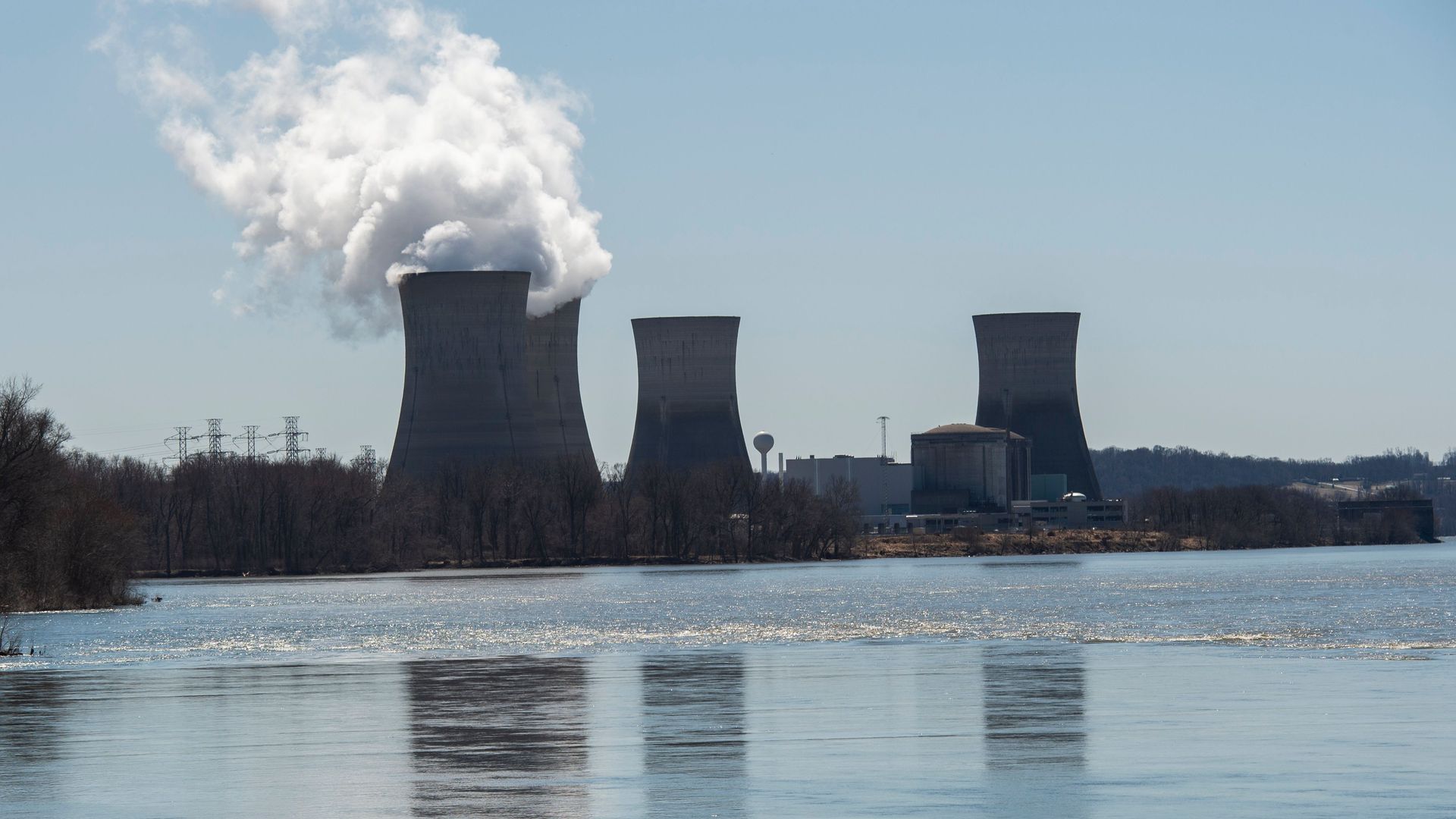
Due to atrophy at home and competition abroad, the U.S. nuclear industry is increasingly at risk of losing power plants, workforce talent and global business.
Why it matters: The civilian and military nuclear sectors depend on one another, and both are strategic assets vital to national security. Nuclear energy also eases the path to decarbonizing the U.S. electric grid.
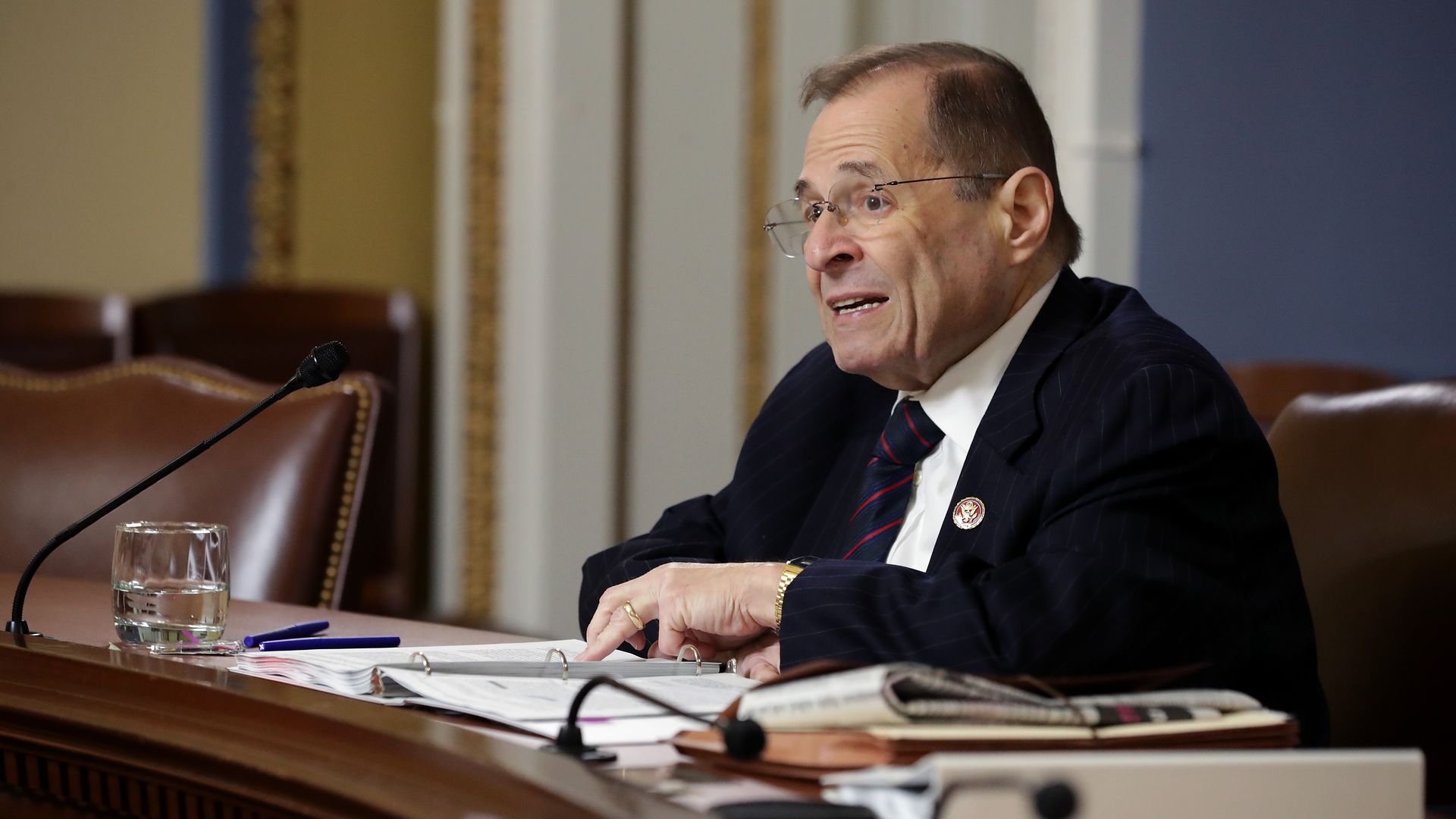
House Judiciary Chairman Jerry Nadler sent a letter to Don McGahn Monday warning he'd use "all enforcement mechanisms" to compel him to testify, after the former White House counsel informed Nadler that he'd defy a congressional subpoena.
Details: Nadler later told CNN's "Cuomo Prime Time" if McGahn didn't testify in Congress as scheduled Tuesday, "the first thing we're going to have to do is hold McGahn in contempt."