A little-known index is key to understanding how the Earth's climate continues to build up heat in the air and oceans, resulting in sweeping changes across the globe.
Adapted from a NOAA Earth System Research Laboratory report; Chart: Axios Visuals
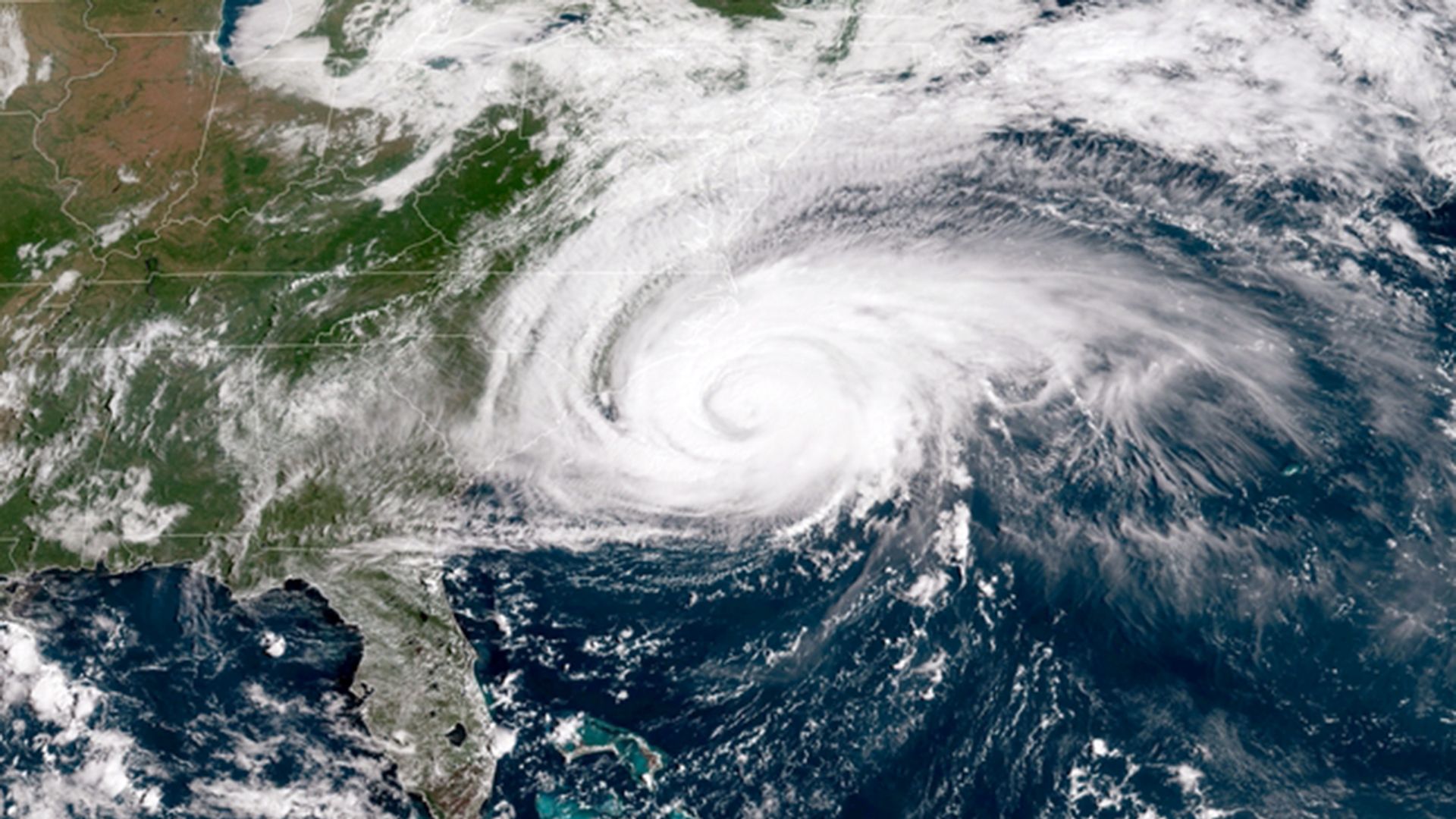
NOAA's Climate Prediction Center is forecasting a 40% chance for a near-normal Atlantic hurricane season — June 1 to November 30, 2019 — determining a 70% likelihood of 9-15 named storms, of which 4-8 could become hurricanes.
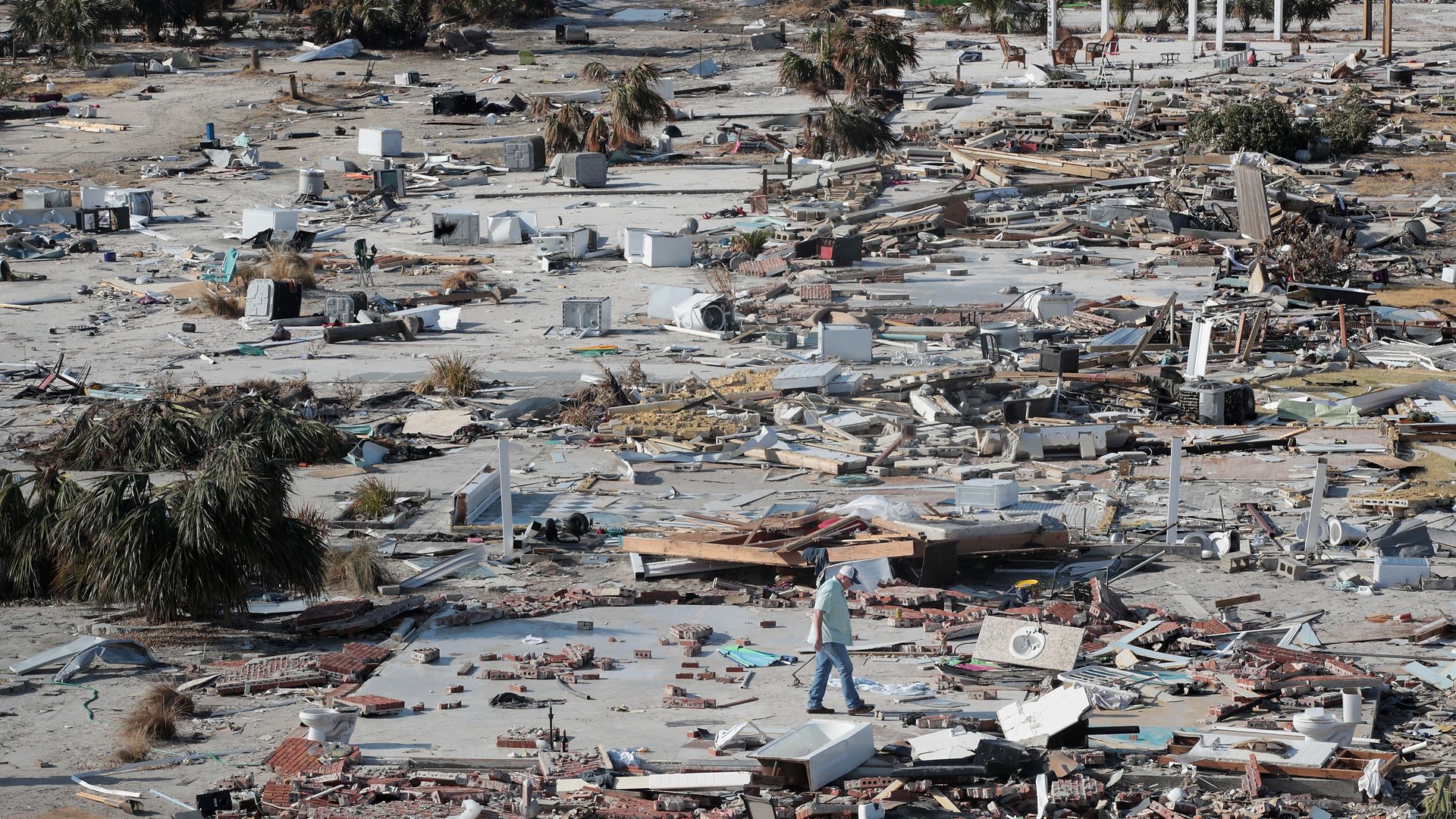
The backdrop: This year's outlook comes after 2018's devastating season, with Cat. 5 Hurricane Michael hitting the Florida Panhandle. The average hurricane season produces 12 named storms, of which 6 progress to hurricanes status and 3 turn into major hurricanes.
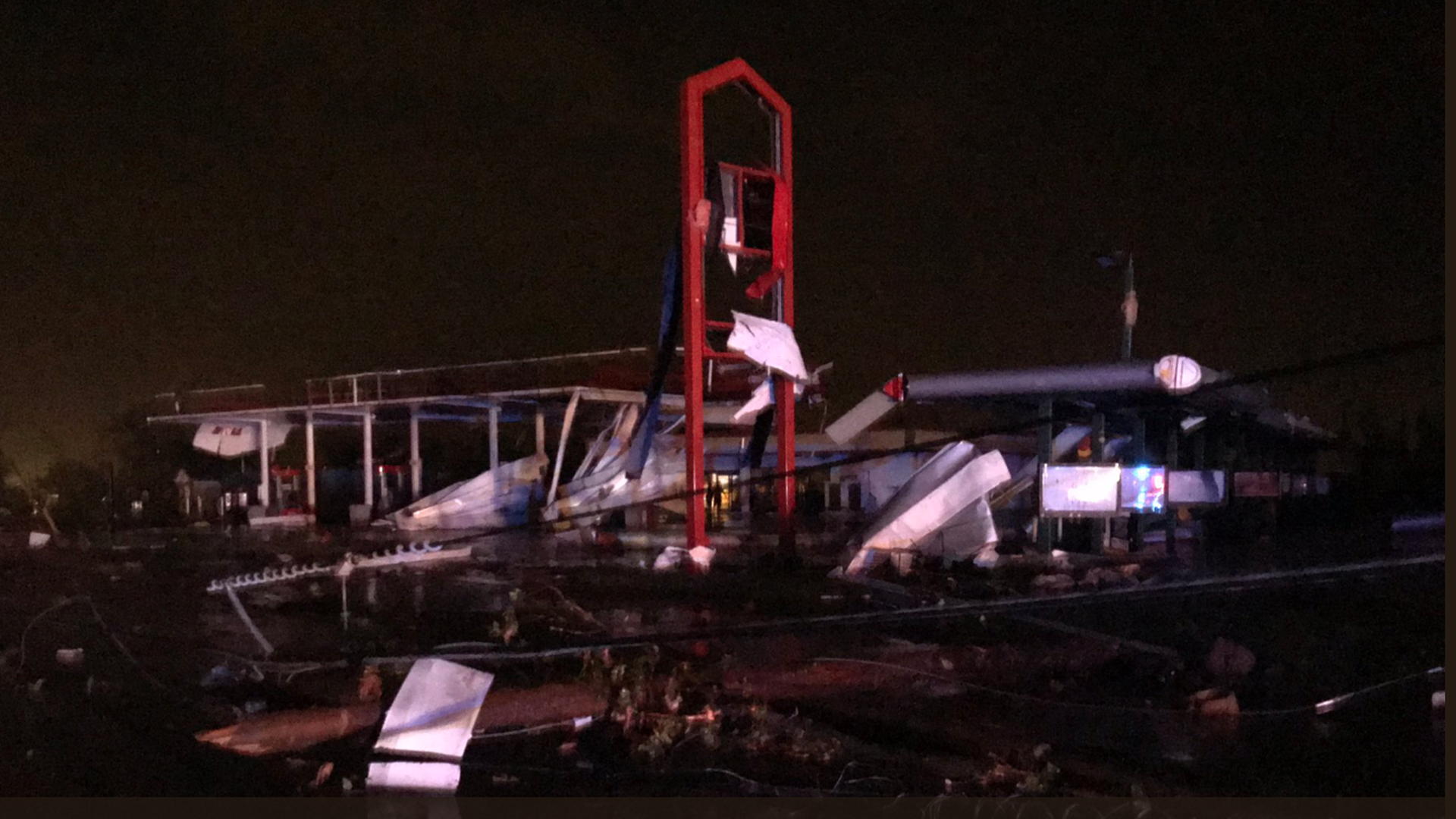
The Missouri Department of Public Safety said 3 people died in a storm that struck the southwest region of the state, and the National Weather Service confirmed a "violent tornado" struck Jefferson City late on Wednesday, as severe thunderstorms continued to hammer the Central U.S.
What's new: NOAA issued a severe thunderstorm outlook calling for an "enhanced" risk of severe storms again on Thursday in parts of Texas, Oklahoma and Kansas, as well as the Mid-Atlantic and Northeast. There is a continued threat for heavy rain in already flooded areas of the Central U.S.
Prior to the 1950s, there was no uniform way to name hurricanes. Some used saints' names, others used longitude and latitude. In 1953, that all changed when the U.S. started using female names to identify storms. By 1979, the use of female and male names was adopted for storms in the northern Pacific Ocean, Atlantic Ocean and Gulf of Mexico.
Why it matters: Naming hurricanes stemmed from the need to make communication about such destructive storms more salient and less confusing, especially if two storms were happening at the same time.
A newly released poll shows partisan differences over electric vehicles but nonetheless has bullish data for those excited about rapid expansion of what's still a niche market.
Data: Climate Nexus poll conducted April 16-17, 2019 among 1,939 registered U.S. voters; Chart: Naema Ahmed/Axios
The array of producers in the U.S. oil patch is pretty much the opposite of a cartel, but a new report distills a key reason why companies' individual decisions have together become such a powerful market force.
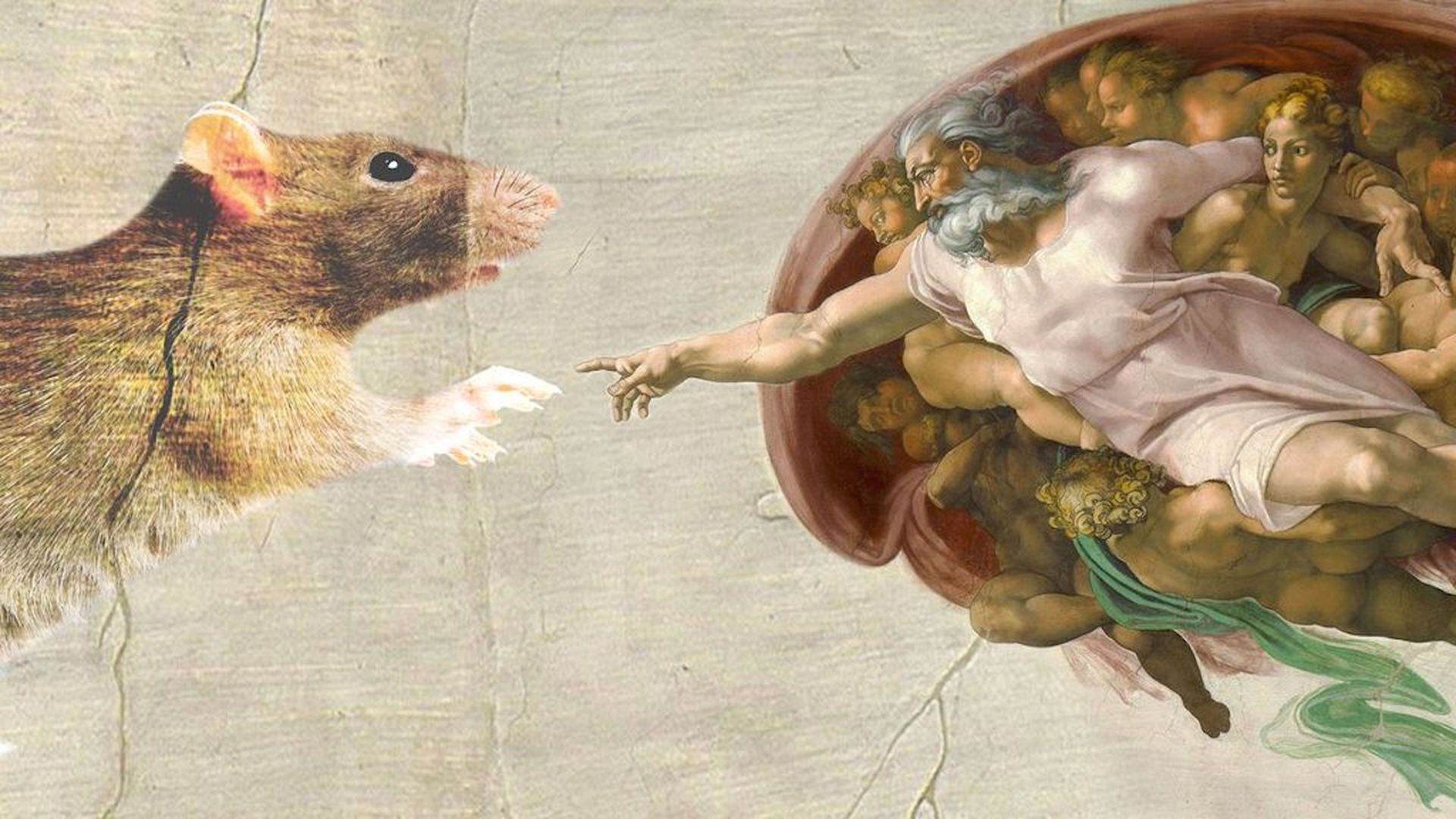
One not-fun consequence of booming cities is the scourge of rats, well fed by trash, warmed by climate change, and bringing new health threats and general grossness with them.
The big picture: “Everywhere I go, rat populations are up,” scientist Robert Corrigan tells the NYT.
New York's state legislature passed a bill on Wednesday permitting tax officials to turn over President Trump's state returns to any one of three congressional committees, the New York Times reports.
Why it matters: Trump has refused to comply with a congressional subpoena for his federal tax returns, which are likely to contain similar information to his state returns. If Gov. Andrew Cuomo signs the bill as expected, the move could ignite a heated battle between New York state and Trump's legal team.
Saudi Arabia's state oil giant announced plans Wednesday to purchase gas from Sempra Energy's planned Port Arthur LNG project in Texas and hopes to buy a 25% equity stake in the development's first phase.
Why it matters: It's a big step in Saudi Aramco's push to diversify its business lines beyond crude oil, and a sign of intense interest in the growing U.S. LNG sector.
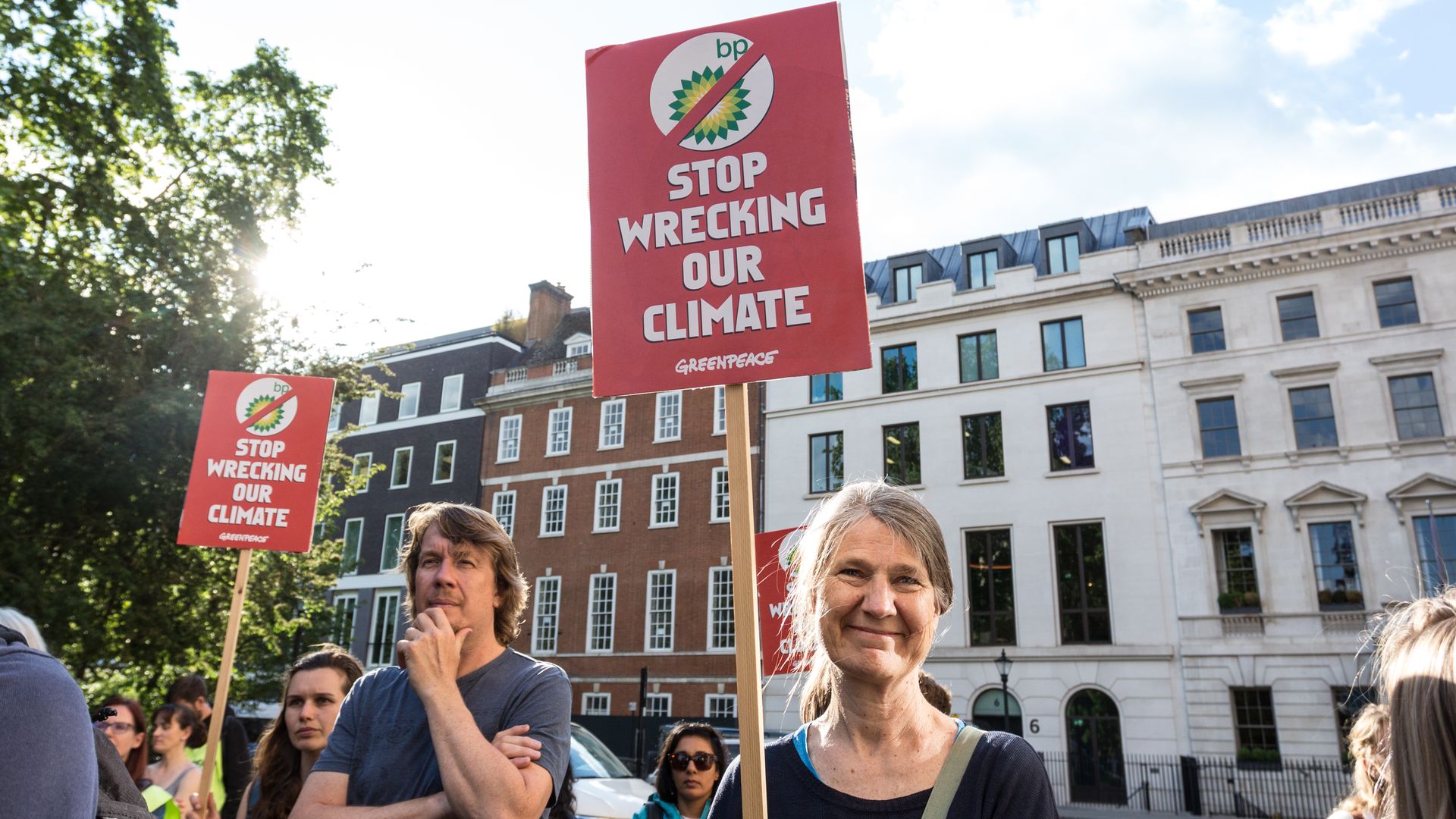
BP, under pressure over climate change, is the latest oil giant to agree to review its membership in trade associations.
Why it matters: Activist investors are increasingly pushing fossil fuel producers to abandon lobbying groups that oppose policies like mandatory emissions curbs and carbon pricing.
Two companies together have set their sights on Texas oil country for building the world's largest facility for sucking carbon dioxide out of the atmosphere, a project that would use the trapped CO2 for boosting oil production.
Driving the news: Carbon Engineering and Occidental Petroleum said Tuesday they're going ahead with engineering and design for a plant in the booming Permian Basin of Texas.
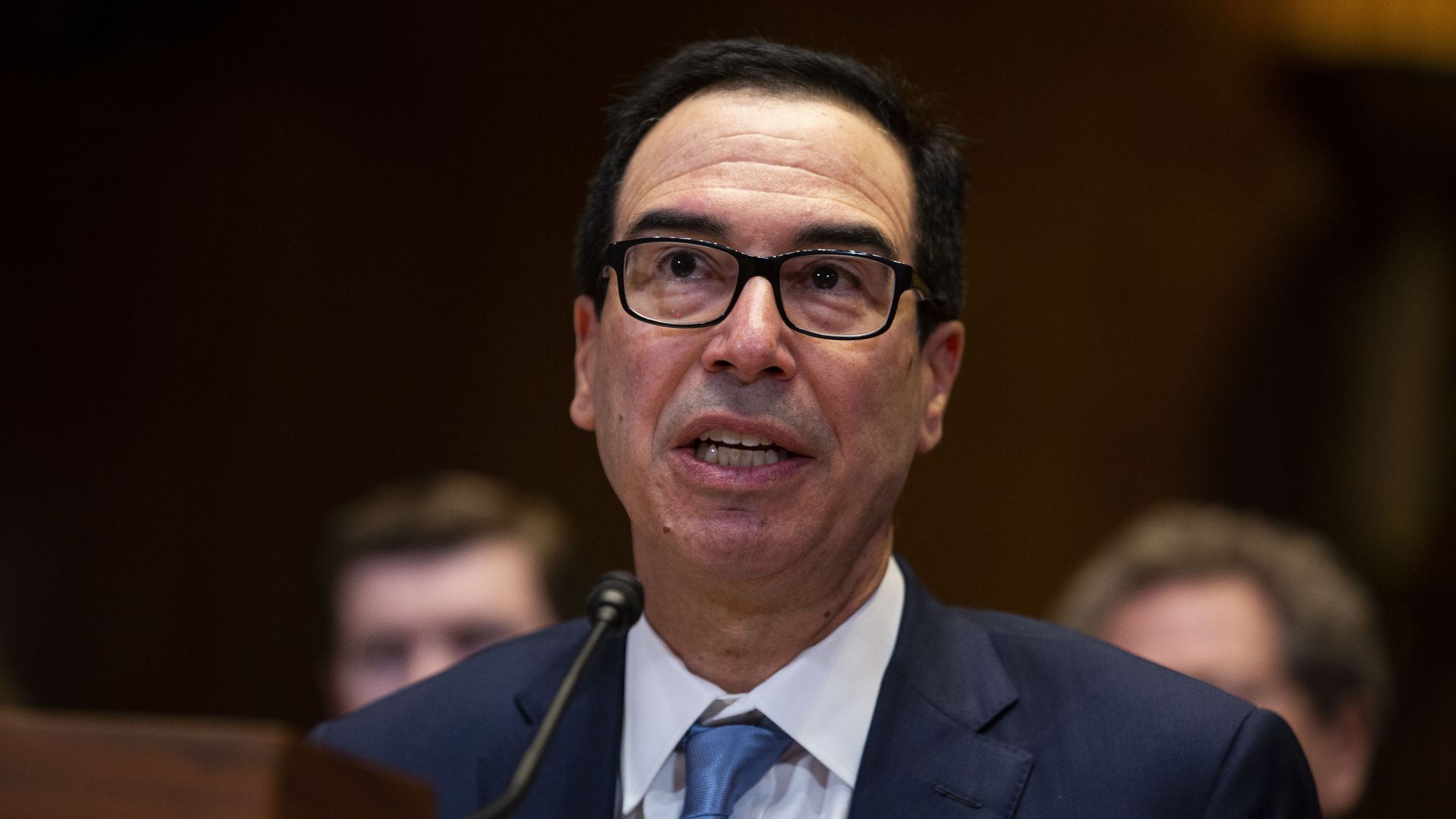
Treasury Secretary Steven Mnuchin claimed at a House Financial Services Committee hearing that he has never spoken with Trump "or anyone in the White House about delivering the president's tax returns to Congress."
Why it matters: Mnuchin rejected a House Ways and Means Committee subpoena to turn over Trump's personal and business tax returns last week, arguing that it lacked "a legitimate legislative purpose." Last night, the Washington Post reported that a "confidential draft IRS memo" contradicted the administration's opposition to releasing President Trump's tax returns. The memo says the president's tax returns "must be given to Congress" unless he invokes executive privilege, per the Post.
A top European official is cautioning against the United States imposing sanctions on a natural-gas pipeline being built now between Russia and Germany.
Why it matters: President Trump and Europe have shared interests in exporting American natural gas across the Atlantic, but interests diverge over this pipeline. U.S. officials say the pipeline unnecessarily allows Russia to continue its dominance over European natural gas. Some European leaders have been more supportive of it.