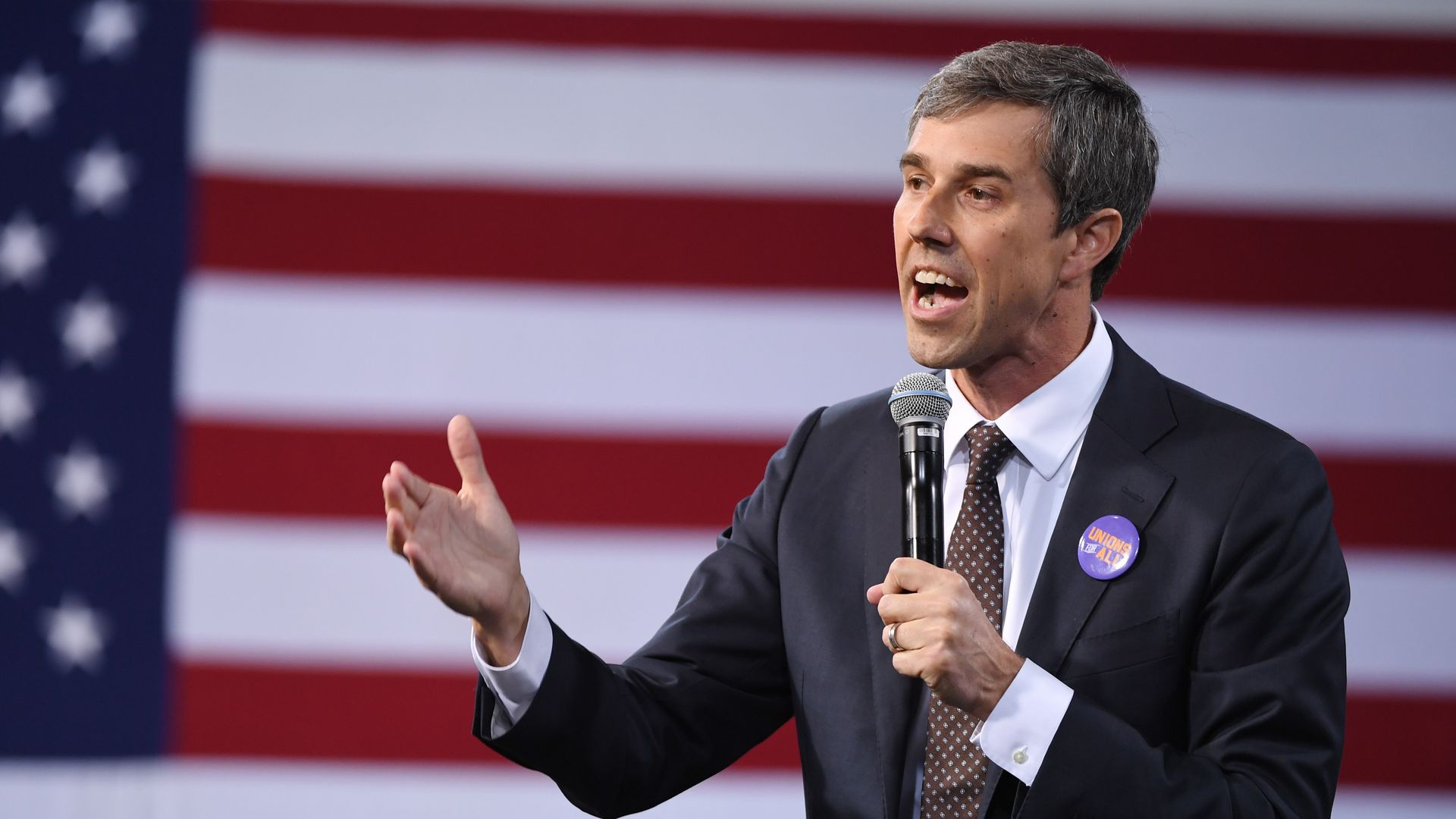
2020 presidential candidate Beto O'Rourke has outlined a highly detailed strategy for tackling climate change. At the crux of his $5 trillion proposal is the goal to achieve net-zero carbon emissions by 2050.
The big picture: This is O'Rourke's first major policy proposal. It takes an aggressive position on tackling global warming through executive action and legislation. His plan calls climate change the "greatest threat we face."
2018 was Earth's 4th-warmest year on record, coming in behind 2016, the planet's warmest recorded year, as well as 2015 and 2017, according to information released by NOAA, NASA and the U.K. Met Office.
Why it matters: The yearly rankings don't tell the whole story of long-term climate change, since natural variability can still push or pull an individual year up or down the rankings. However, the overall picture is growing starker with each passing year. Nine of the 10 warmest years on record since reliable data began in 1880 have occurred since 2005. At the same time, greenhouse gases from the burning of fossil fuels — as well as deforestation and intensive agriculture — have skyrocketed to levels not seen in more than 800,000 years.
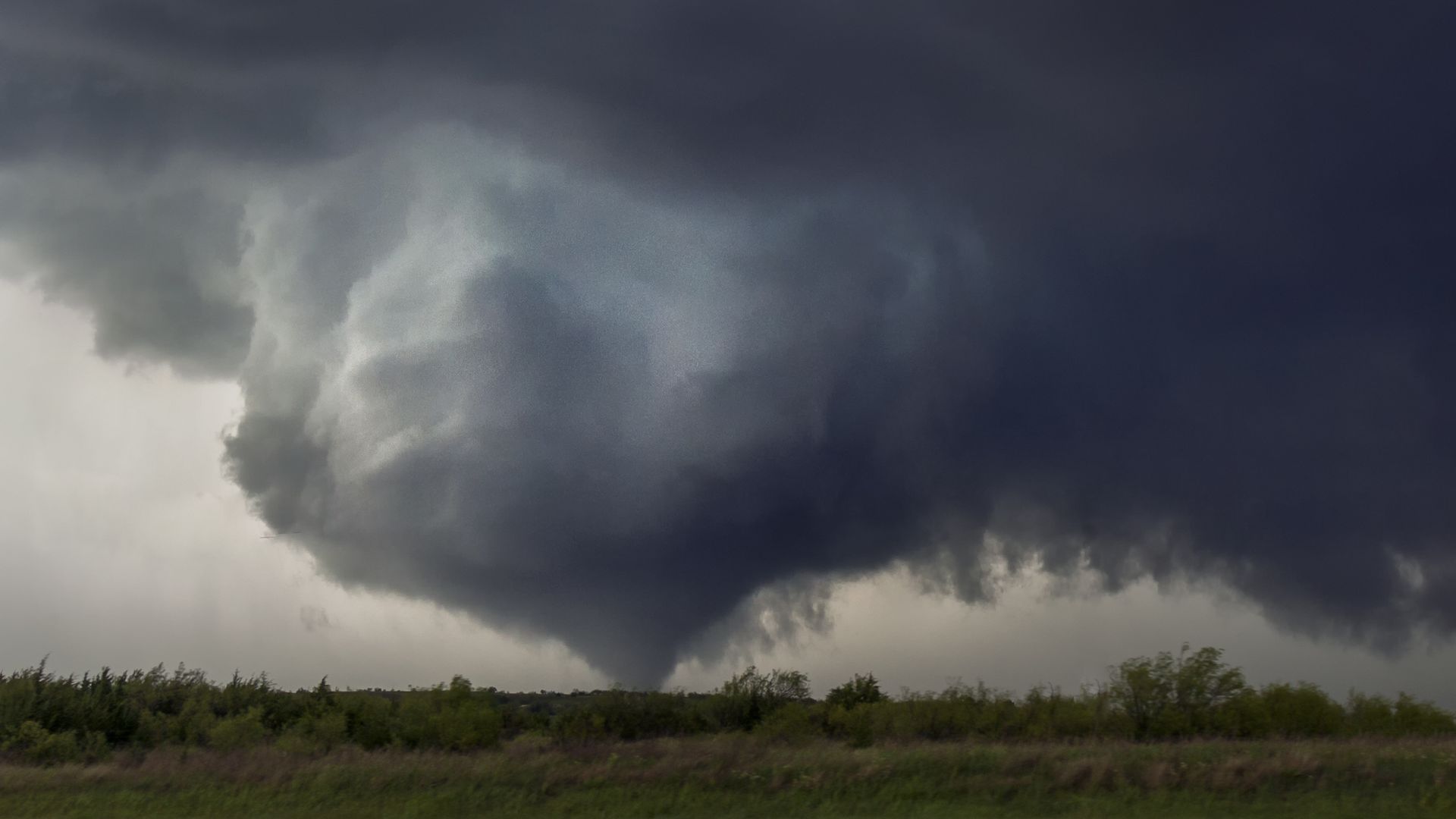
The single deadliest tornado to ever hit the United States, the "Tri-State Tornado," killed 695 people and injured 2,027 others in Southern Missouri, Illinois and Indiana in 1925. The tornado went on for 219 miles, making it the longest ever recorded.
Young students planned a total of 2,300 school strikes in 150 countries for Friday to protest inaction on climate change, Vox reports.
The big picture: This isn't the first student-led global climate change protest of this size as activists continue to demand their governments make changes to climate policy. The youth climate movement was sparked by Swedish 16-year-old Greta Thunberg who, in March, led the largest and most widespread demonstration on climate change since the run-up to the Paris climate summit in 2014 and 2015.
Already facing the uncertainty and increased costs of the trade war and a looming end of the business cycle, American companies are finding they now have a new foe to fight: prolonged, and in some cases unanticipated, extreme weather conditions.
Why it matters: The conditions have been awful for farmers, and the agriculture and commodities markets, and now companies ranging from retail to industrials are highlighting weather-related struggles weighing on sales and revenue.