The National Oceanic and Atmospheric Administration is about to roll out the new version of its main weather forecasting model next month — but it won't help the agency gain much ground against its international rivals for the title of having the world's most accurate weather model.
Why it matters: Weather forecasting today relies on numerical prediction models that simulate the current and future state of the atmosphere. If the most commonly used computer model is off target during high-impact weather events, it can affect the larger economy and possibly even cost lives.
2020 presidential candidate Beto O'Rourke has outlined a highly detailed strategy for tackling climate change. At the crux of his $5 trillion proposal is the goal to achieve net-zero carbon emissions by 2050.
The big picture: This is O'Rourke's first major policy proposal. It takes an aggressive position on tackling global warming through executive action and legislation. His plan calls climate change the "greatest threat we face."
2018 was Earth's 4th-warmest year on record, coming in behind 2016, the planet's warmest recorded year, as well as 2015 and 2017, according to information released by NOAA, NASA and the U.K. Met Office.
Why it matters: The yearly rankings don't tell the whole story of long-term climate change, since natural variability can still push or pull an individual year up or down the rankings. However, the overall picture is growing starker with each passing year. Nine of the 10 warmest years on record since reliable data began in 1880 have occurred since 2005. At the same time, greenhouse gases from the burning of fossil fuels — as well as deforestation and intensive agriculture — have skyrocketed to levels not seen in more than 800,000 years.
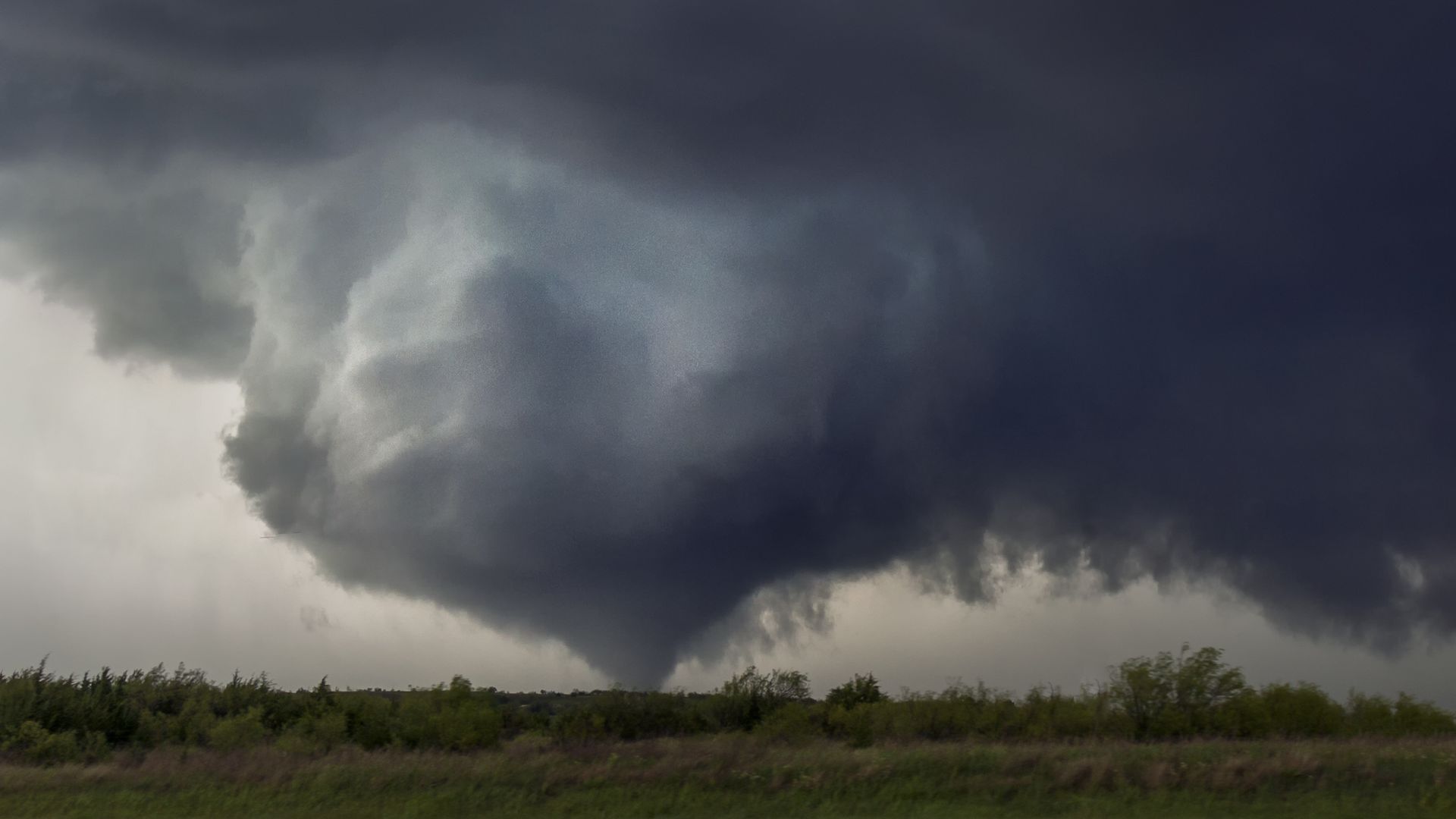
The single deadliest tornado to ever hit the United States, the "Tri-State Tornado," killed 695 people and injured 2,027 others in Southern Missouri, Illinois and Indiana in 1925. The tornado went on for 219 miles, making it the longest ever recorded.