Young students planned a total of 2,300 school strikes in 150 countries for Friday to protest inaction on climate change, Vox reports.
The big picture: This isn't the first student-led global climate change protest of this size as activists continue to demand their governments make changes to climate policy. The youth climate movement was sparked by Swedish 16-year-old Greta Thunberg who, in March, led the largest and most widespread demonstration on climate change since the run-up to the Paris climate summit in 2014 and 2015.
Already facing the uncertainty and increased costs of the trade war and a looming end of the business cycle, American companies are finding they now have a new foe to fight: prolonged, and in some cases unanticipated, extreme weather conditions.
Why it matters: The conditions have been awful for farmers, and the agriculture and commodities markets, and now companies ranging from retail to industrials are highlighting weather-related struggles weighing on sales and revenue.
A little-known index is key to understanding how the Earth's climate continues to build up heat in the air and oceans, resulting in sweeping changes across the globe.
Adapted from a NOAA Earth System Research Laboratory report; Chart: Axios Visuals
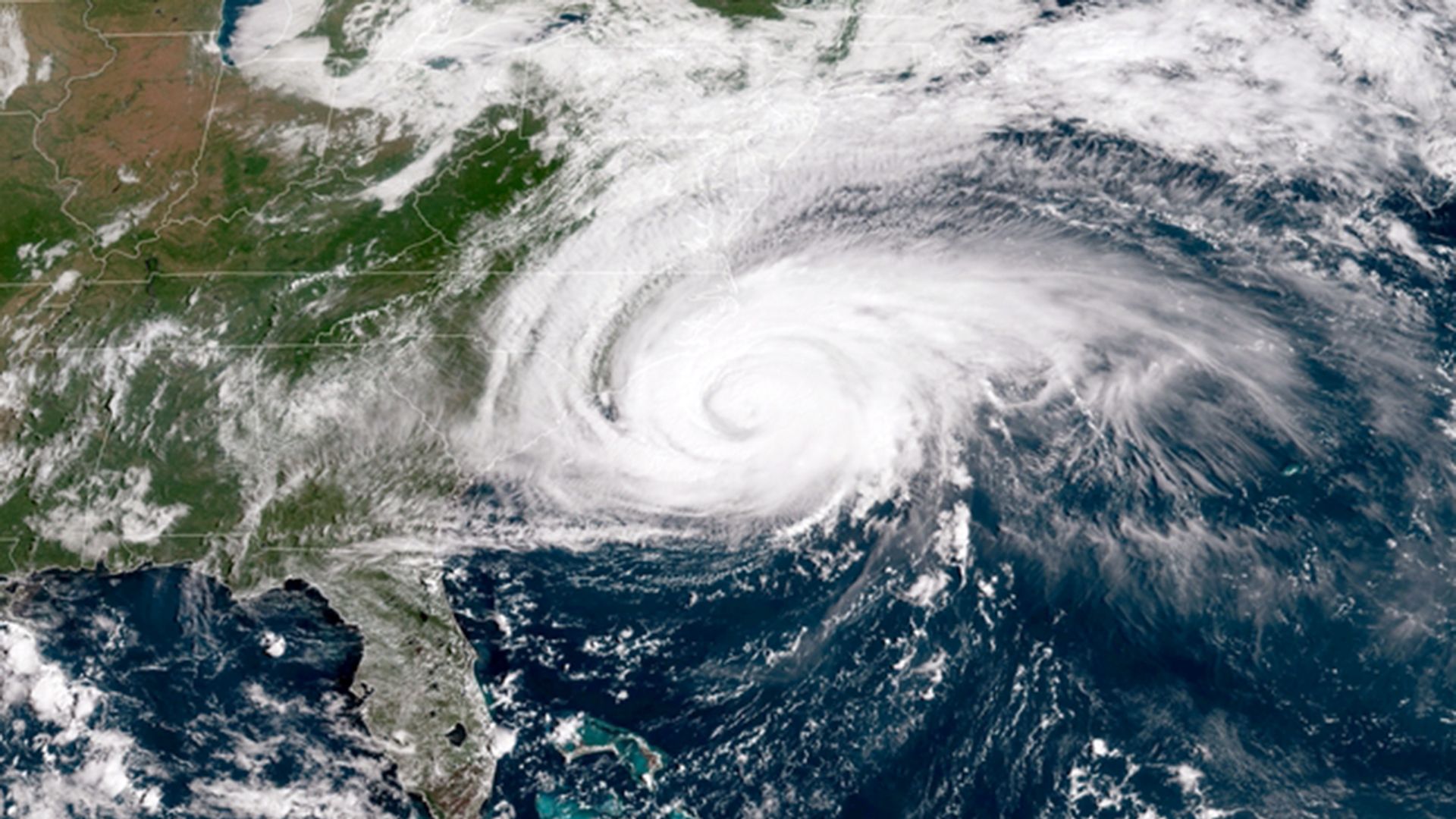
NOAA's Climate Prediction Center is forecasting a 40% chance for a near-normal Atlantic hurricane season — June 1 to November 30, 2019 — determining a 70% likelihood of 9-15 named storms, of which 4-8 could become hurricanes.
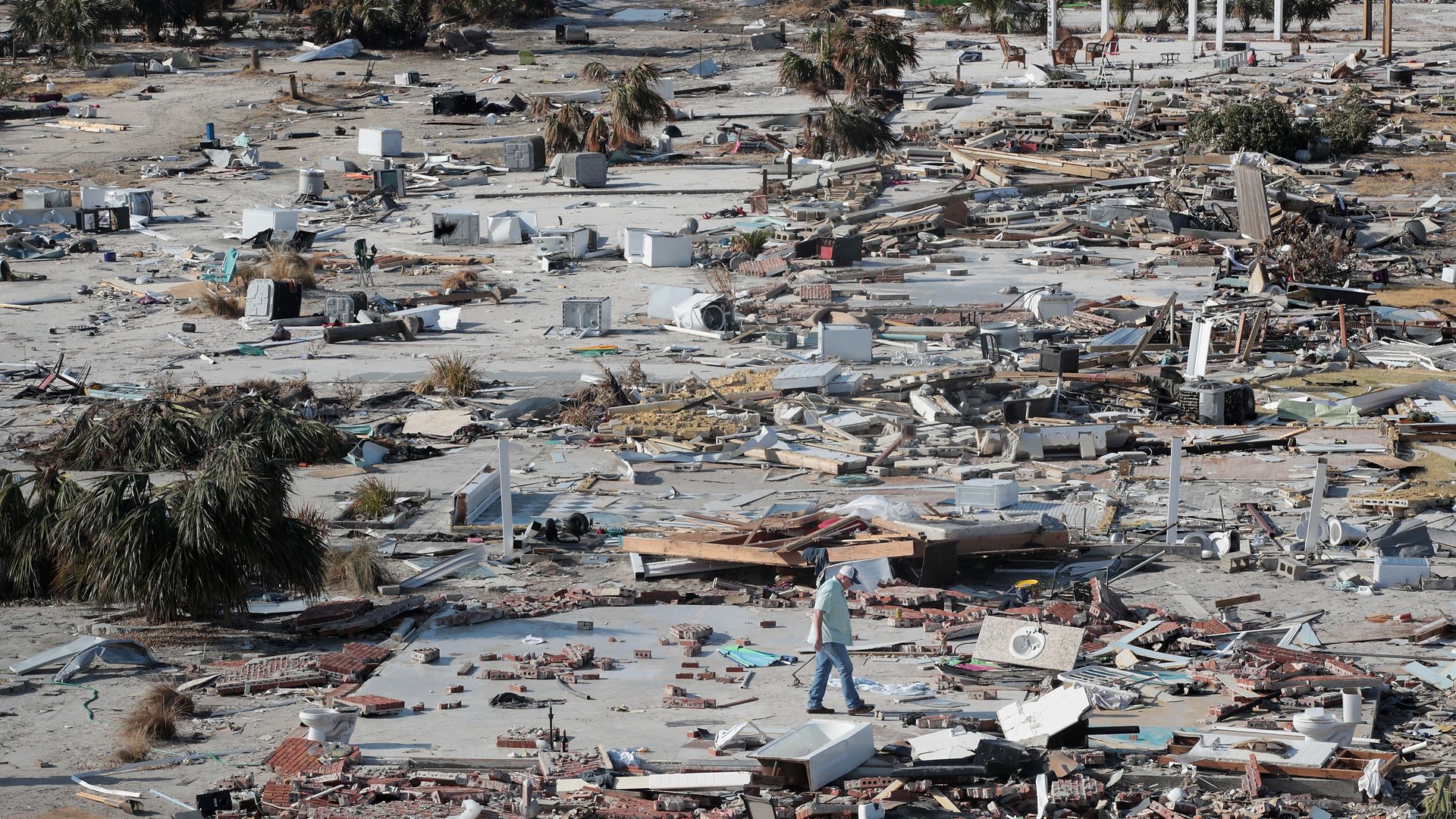
The backdrop: This year's outlook comes after 2018's devastating season, with Cat. 5 Hurricane Michael hitting the Florida Panhandle. The average hurricane season produces 12 named storms, of which 6 progress to hurricanes status and 3 turn into major hurricanes.
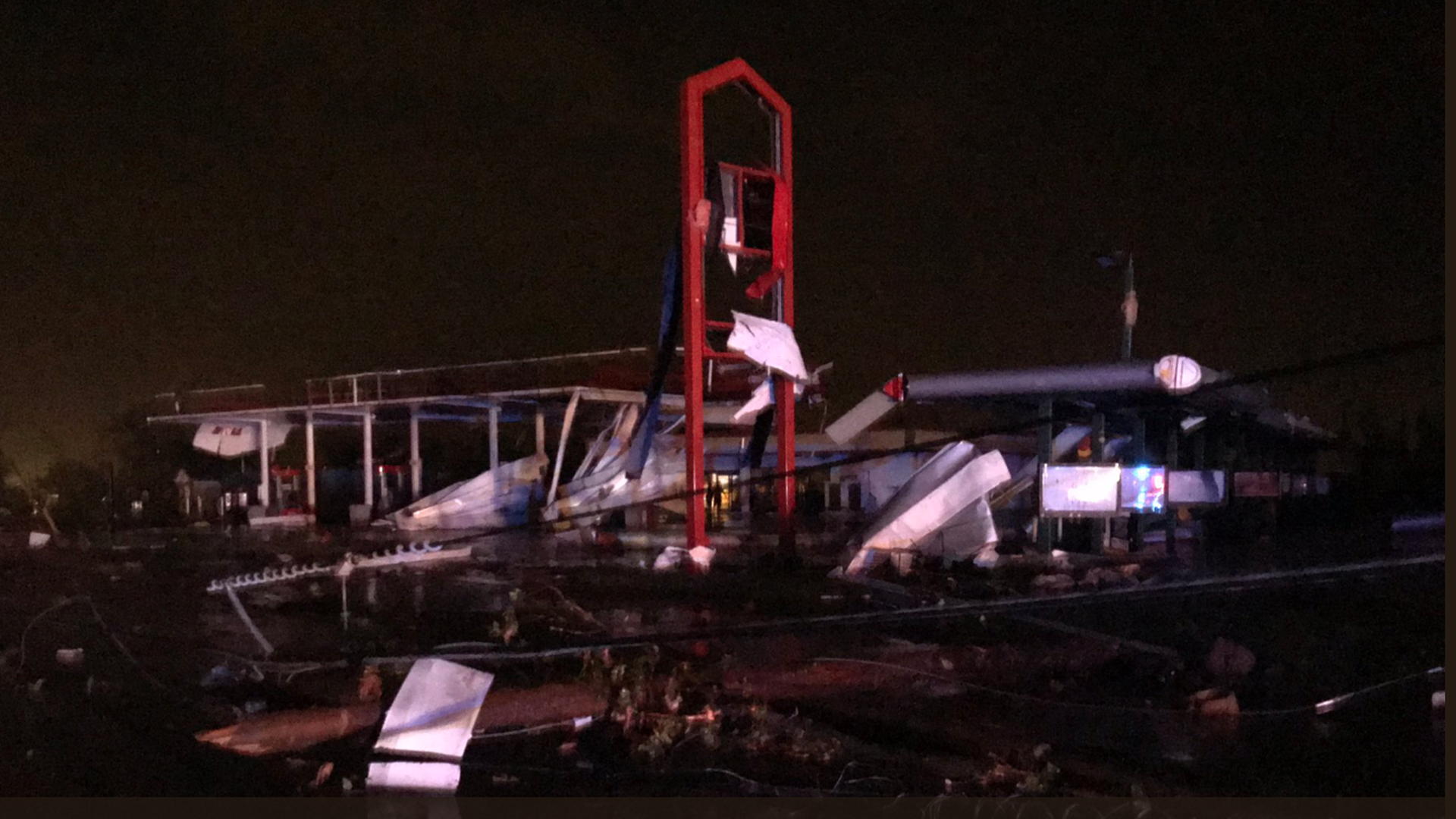
The Missouri Department of Public Safety said 3 people died in a storm that struck the southwest region of the state, and the National Weather Service confirmed a "violent tornado" struck Jefferson City late on Wednesday, as severe thunderstorms continued to hammer the Central U.S.
What's new: NOAA issued a severe thunderstorm outlook calling for an "enhanced" risk of severe storms again on Thursday in parts of Texas, Oklahoma and Kansas, as well as the Mid-Atlantic and Northeast. There is a continued threat for heavy rain in already flooded areas of the Central U.S.
Prior to the 1950s, there was no uniform way to name hurricanes. Some used saints' names, others used longitude and latitude. In 1953, that all changed when the U.S. started using female names to identify storms. By 1979, the use of female and male names was adopted for storms in the northern Pacific Ocean, Atlantic Ocean and Gulf of Mexico.
Why it matters: Naming hurricanes stemmed from the need to make communication about such destructive storms more salient and less confusing, especially if two storms were happening at the same time.
A newly released poll shows partisan differences over electric vehicles but nonetheless has bullish data for those excited about rapid expansion of what's still a niche market.
Data: Climate Nexus poll conducted April 16-17, 2019 among 1,939 registered U.S. voters; Chart: Naema Ahmed/Axios
The array of producers in the U.S. oil patch is pretty much the opposite of a cartel, but a new report distills a key reason why companies' individual decisions have together become such a powerful market force.