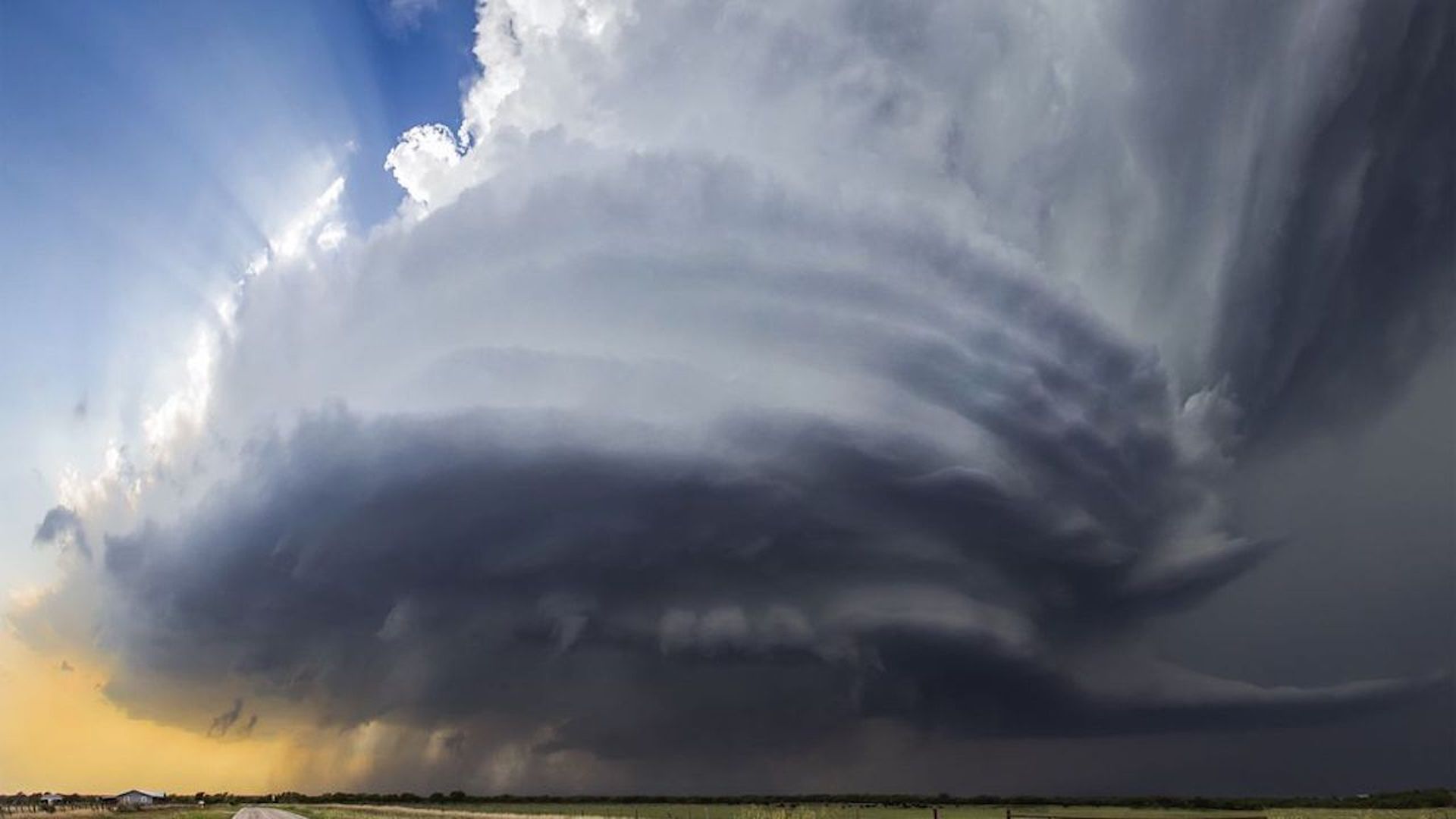
With a multiday severe weather outbreak poised to strike the central U.S., an armada of weather researchers is heading into the Plains. Their mission: to solve some of the elusive mysteries of tornado formation.
Why it matters: Scientists know what to look for on Doppler radar imagery to detect tornadoes, and the National Weather Service warns people with an average lead time of about 15 minutes. However, meteorologists have not overcome the hurdle of determining why one storm produces a tornado while another identical-looking storm does not, which is needed to improve the false alarm rate.
While scientists prowl the Plains in search of monster storms, others are looking at broader-scale trends that show tantalizing clues about how Tornado Alley may be shifting both geographically and temporally as the climate changes.
Why it matters: The U.S. has the greatest number of tornadoes of any nation on Earth, and where they occur affects emergency management preparations, insurance markets and individual decisions on whether to build a storm shelter. If, as global warming continues, Tornado Alley migrates, or outbreaks become more massive, this would shift the risk distribution.
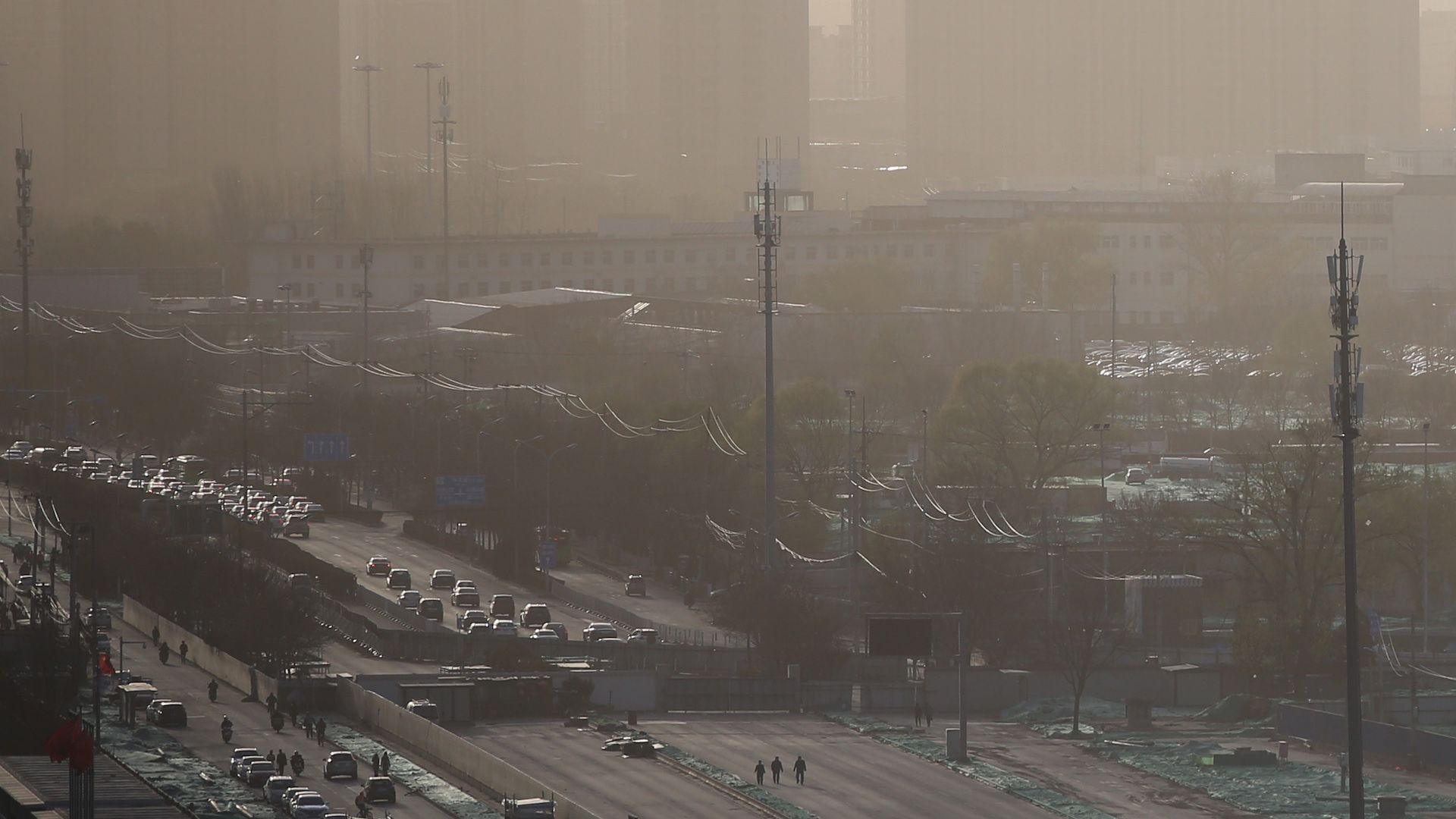
The Asian Monsoon, which brings rains that sustain billions of people in India, China, Pakistan, Thailand and other countries, is seeing a weakening trend that's unprecedented in at least the past 448 years, according to a new study based in part on tree ring records. The culprit, the study finds, is aerosol pollution from coal-fired power plants along with other sources.
Why it matters: The Asian Monsoon, comprised of several regional climate cycles, is the natural irrigation system for much of Asia, from southern India to northwest China. It's one of the most important climate cycles in the world, driven by the contrast in temperatures between the land and sea. If, as the new study shows, air pollution from coal-fired power plants and other sources is weakening the monsoon, it could imperil food security in a rapidly growing part of the world.
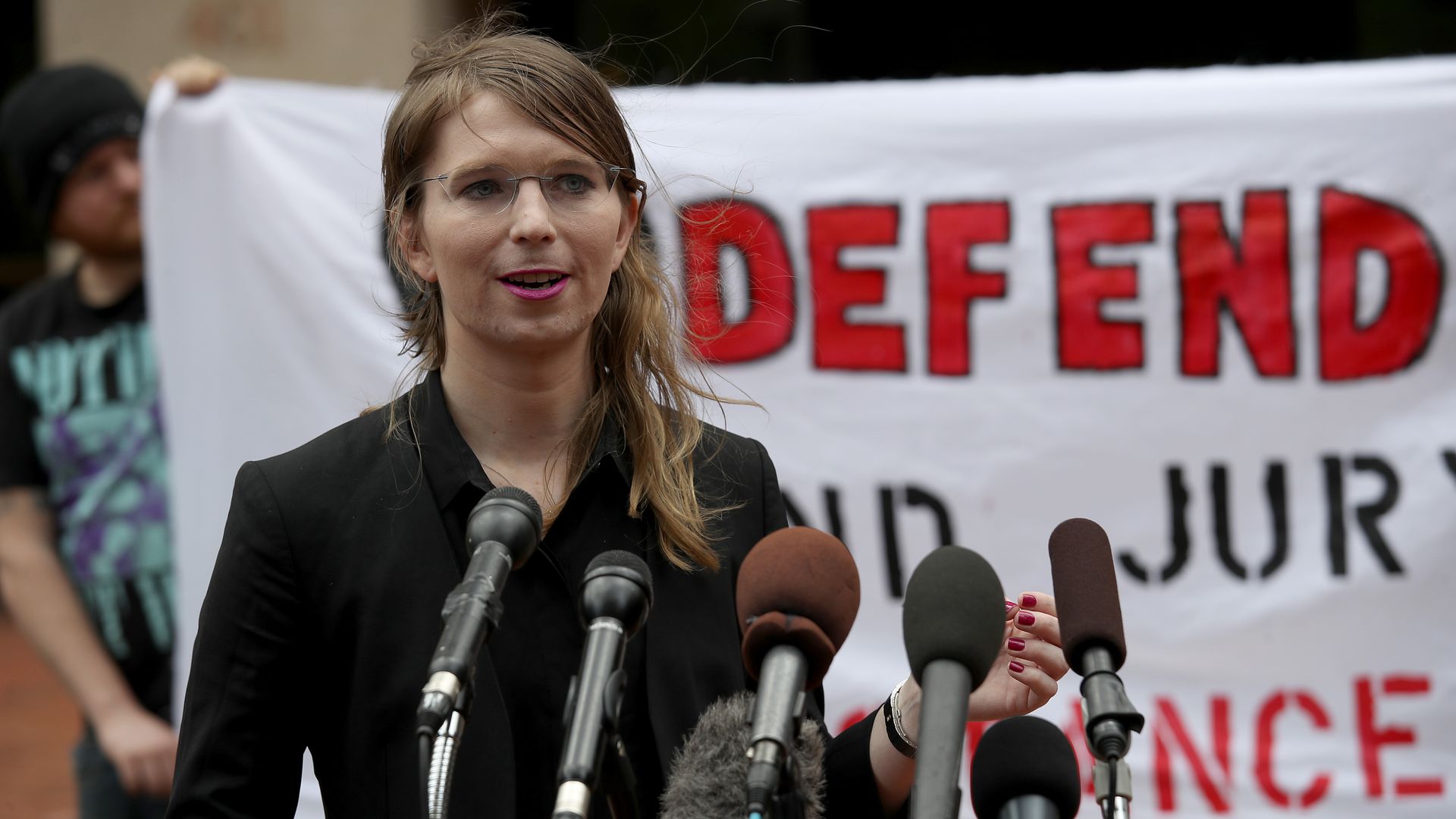
U.S. Army whistleblower Chelsea Manning has been jailed again on civil contempt charges for refusing to cooperate with a grand jury subpoena on Thursday.
Details: Manning told reporters earlier on Thursday from in front of the courthouse that she'd rather remain in jail "forever," than testify before a grand jury on the details of Wikileaks.
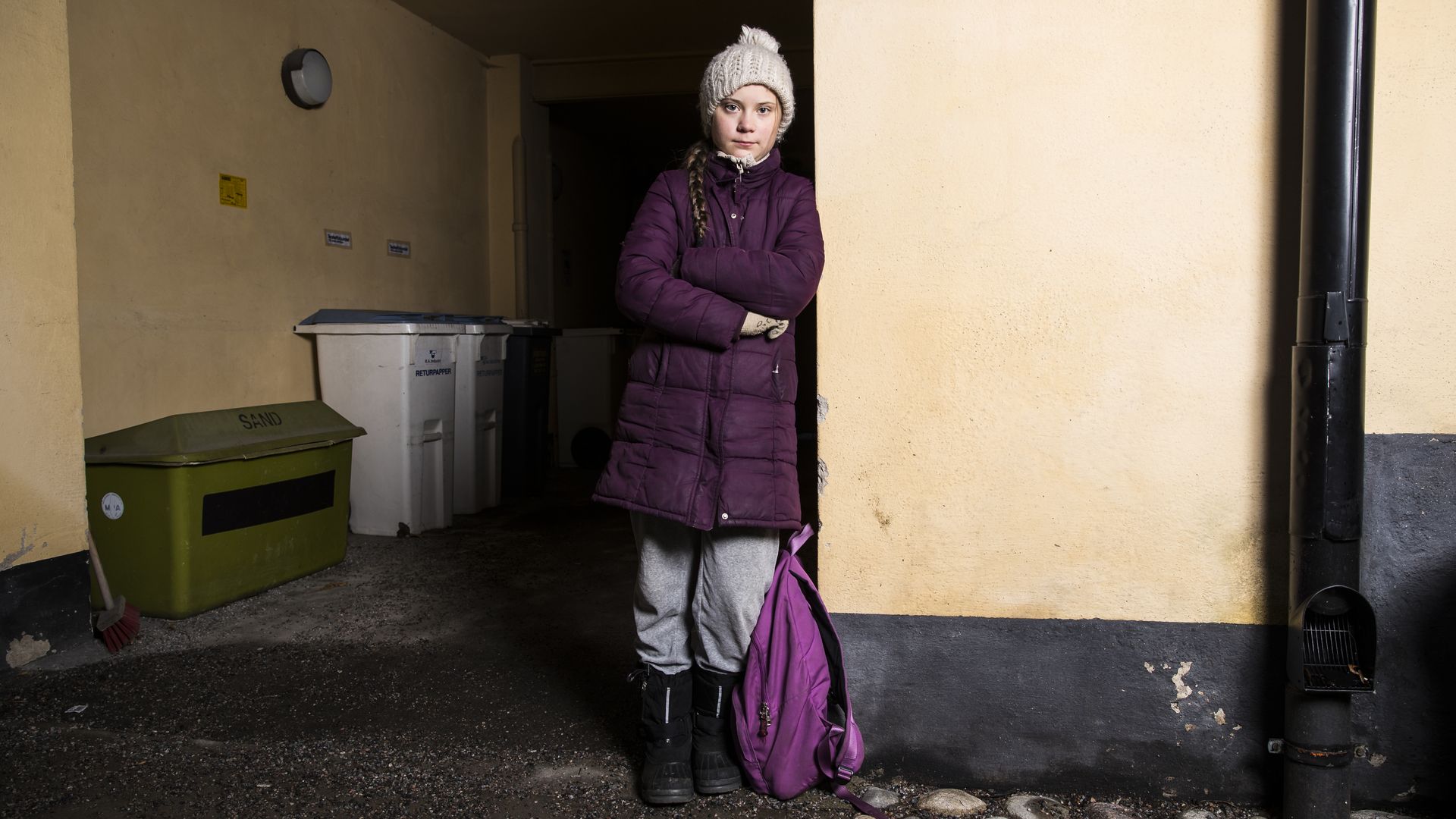
16-year-old Swedish climate activist Greta Thunberg was profiled in TIME's biannual list of "Next Generation Leaders," which will be publicly available on Friday.
The backdrop: In March, Thunberg led the largest and most widespread demonstration on climate change since the run-up to the Paris climate summit in 2014 and 2015. Organizers estimate that 1.6 million people — most of them students — in more than 100 countries participated.
While countries like the U.S. and EU member states have to backpedal their heavy carbon emissions, emerging markets could still leapfrog the most carbon-intensive approaches to urbanization.
Why it matters: 60% of the world’s cities have yet to be built. Since buildings and building construction account for 36% of final global energy consumption and nearly 40% of total CO2 emissions, opting for green buildings in these new and more dense urban spaces would help meet global climate goals while sustaining economic growth.
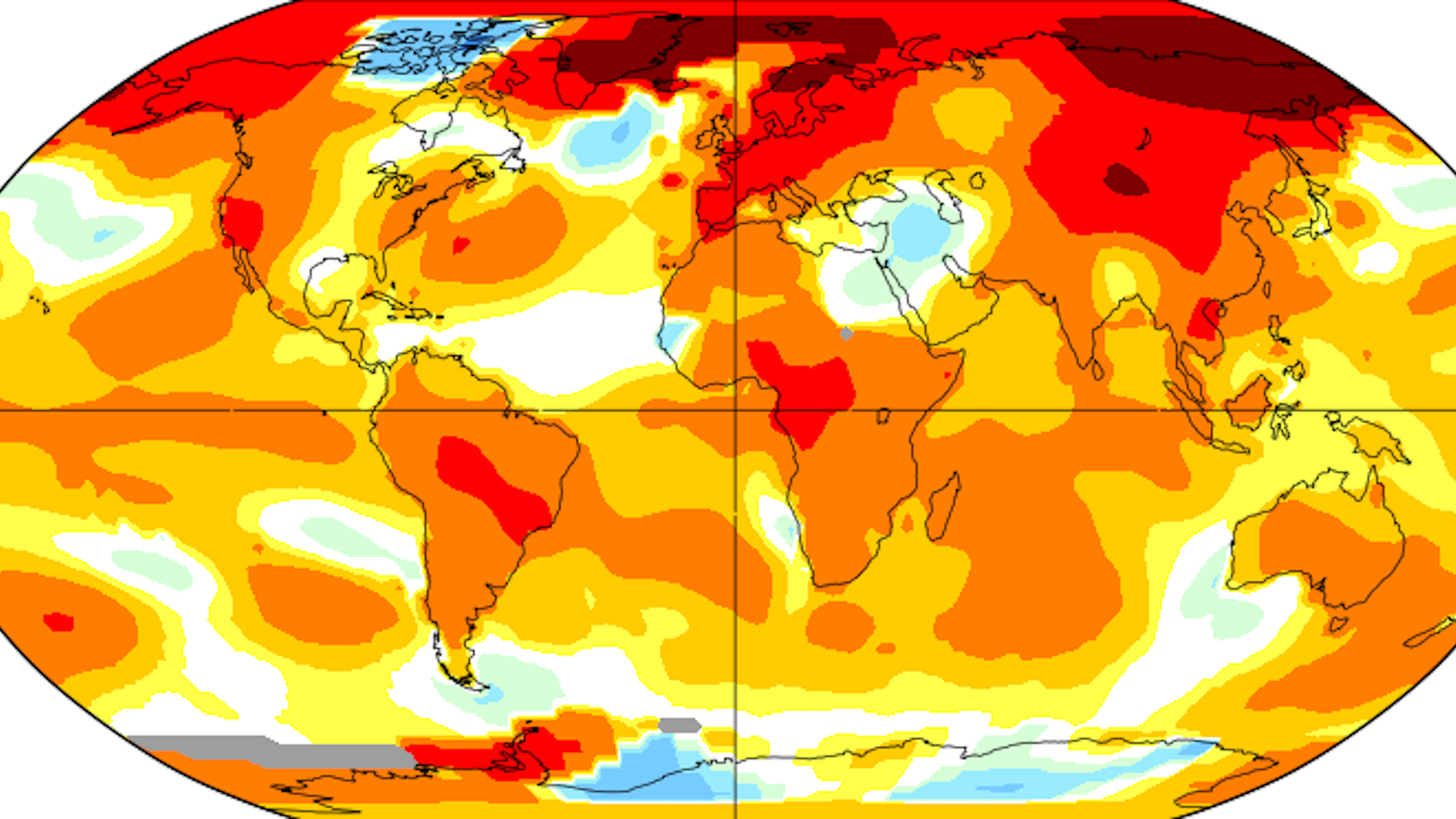
The globe just experienced its second-warmest April since reliable instrument data began in 1880, according to NASA, NOAA and the Japan Meteorological Agency.
Why it matters: The unusually warm April follows a top 3 hottest March, and indicates that the Earth is headed for yet another top 3 warmest year on record. In addition, Arctic sea ice extent reached a record low for April, NOAA reports. This follows recent news that carbon dioxide levels in the atmosphere edged past 415 parts per million for the first time in human history, likely becoming the highest level on record in at least 3 million years.
After years of anticipation, Europe is finally taking a big share of American exports of liquified natural gas as it seeks to lessen its reliance on Russian gas.
Data: EIA and the European Commission; Note: EU figures were converted from cubic meters to cubic feet and reflect approximate values. Chart: Naema Ahmed/Axios
Backers of the Green New Deal say climate change is the world’s most urgent threat, but supporters of that cause are not embracing the largest source of carbon-free power in America: nuclear energy.
Why it matters: Several nuclear power plants have or are set to shut down prematurely due to economic challenges. These plants are largely being replaced by natural gas or coal, increasing emissions at a time when climate activists say the world's energy mix needs to be going in the opposite direction.
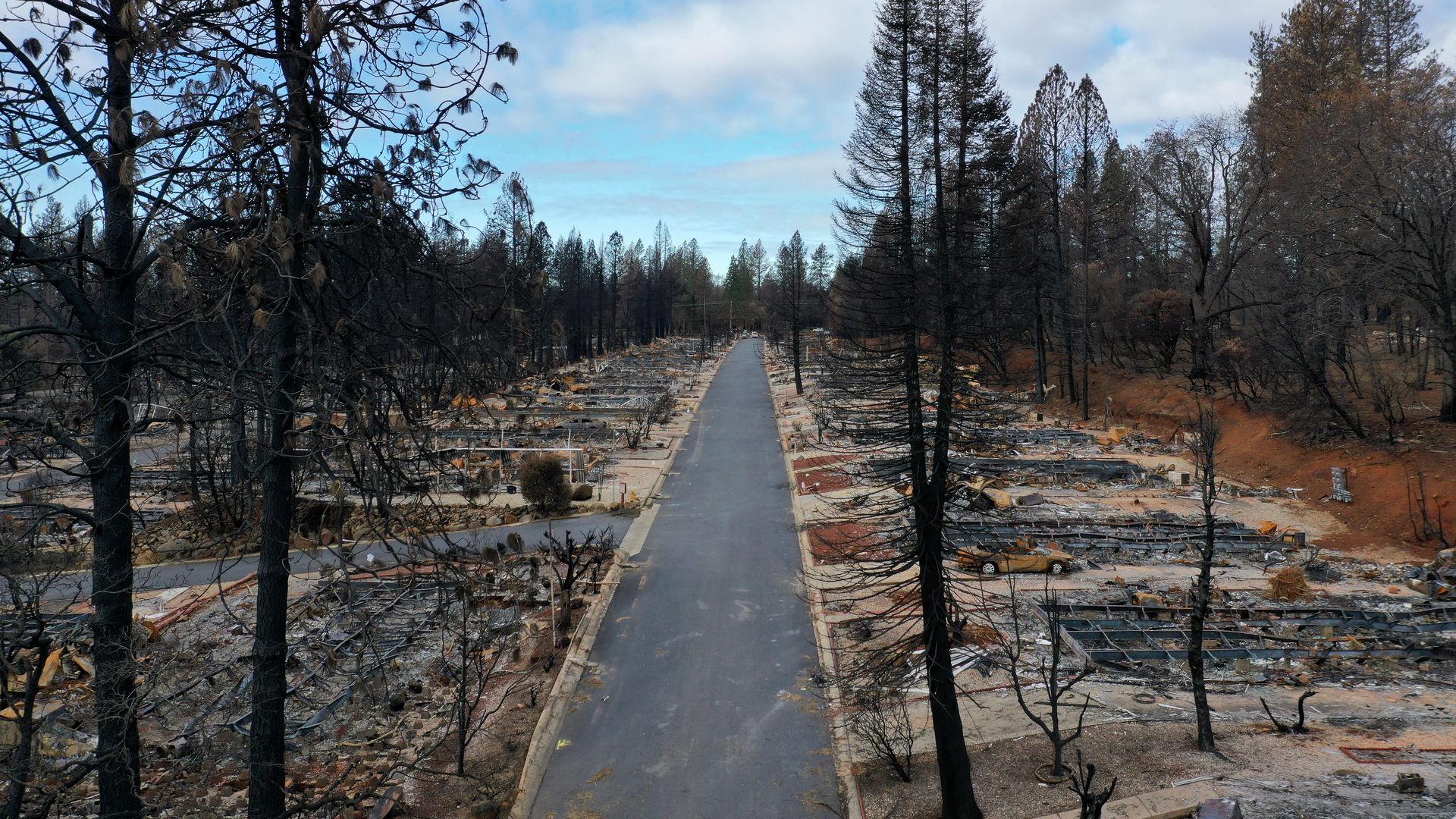
Pacific Gas & Electrical's equipment was responsible for causing California's deadliest and most destructive wildfire that killed 85 people and burned 150,000 acres in 2018, investigators said on Wednesday.
The big picture: PG&E — California's biggest utility company — filed for bankruptcy earlier this year in anticipation of facing hefty fines following its equipment being blamed for sparking the Camp Fire. California politicians and utility companies are battling to figure out whether utilities should be allowed to pass along liabilities from fire-related damage claims to taxpayers as wildfires become more frequent and deadly in California. State fire officials have sent the investigation to the Butte County district attorney who will have the authority to pursue a criminal case, per the Modesto Bee.
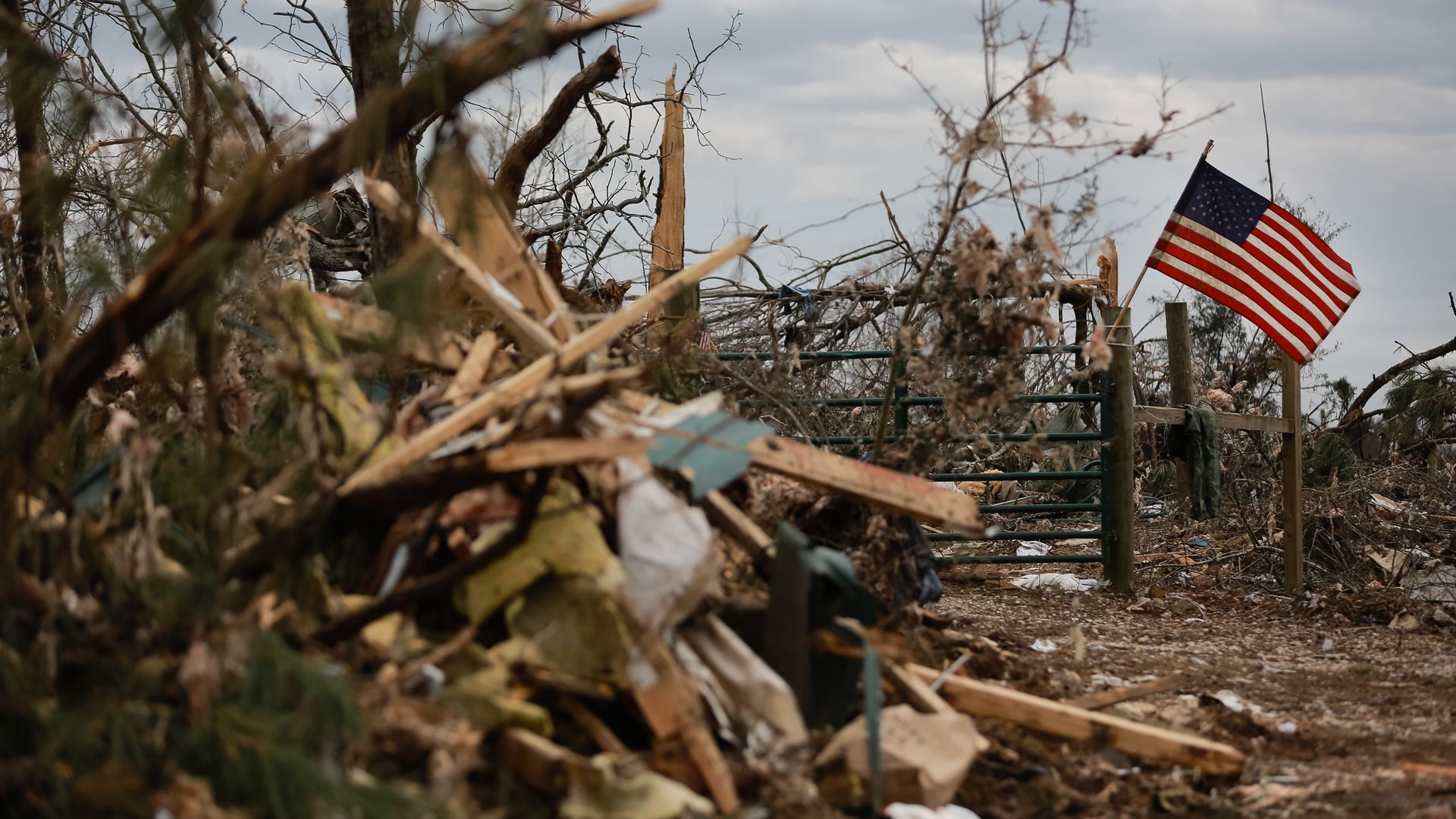
Violent storms are set to hit the Central U.S. starting on Friday and lasting into the following week, potentially bringing damaging winds, large hail, tornadoes and flooding, the Washington Post reports.
Our thought bubble from Axios’ Andrew Freedman: Meteorologists see warning signs flashing red during the next several days as a strong jet stream disturbance brings the ingredients necessary for round after round of severe weather to the Central U.S. In addition to tornadoes, there are major flash flooding concerns given the already water-logged ground in this region, and up to a foot of rain likely in some locations during the next 7 days.
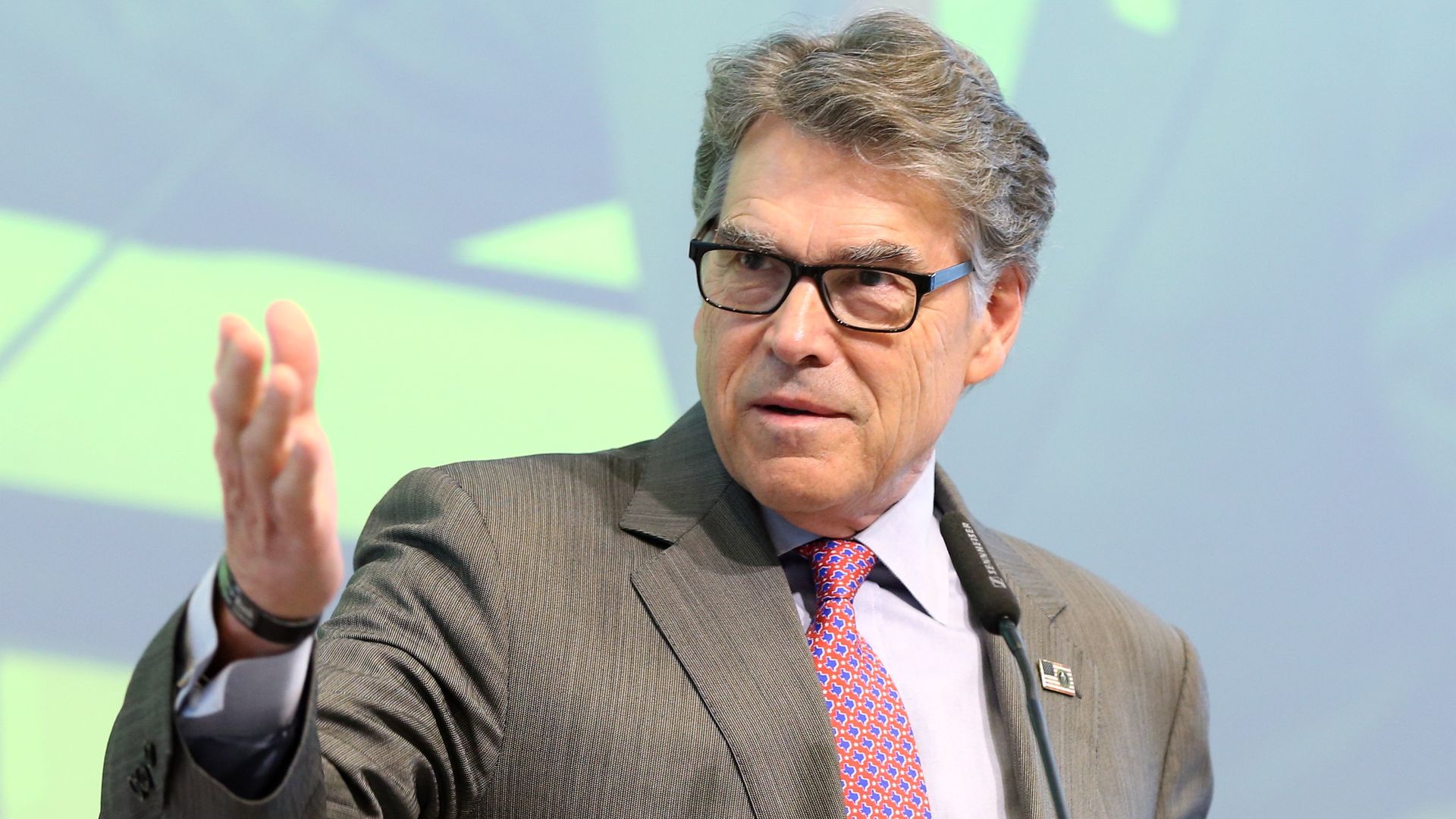
The Department of Energy's 2020 budget request reveals new initiatives for advanced energy storage technologies, which are critical to integrating more clean energy into every portion of the power grid.
Why it matters: In the DOE's assessment, deployment of these technologies has been slowed by a "scarcity of technical information on [their] economic performance." The proposed efforts are meant to lower technical barriers to their adoption, helping to meet high electric grid demand by saving energy during off-peak periods from intermittent renewable sources like wind and solar.
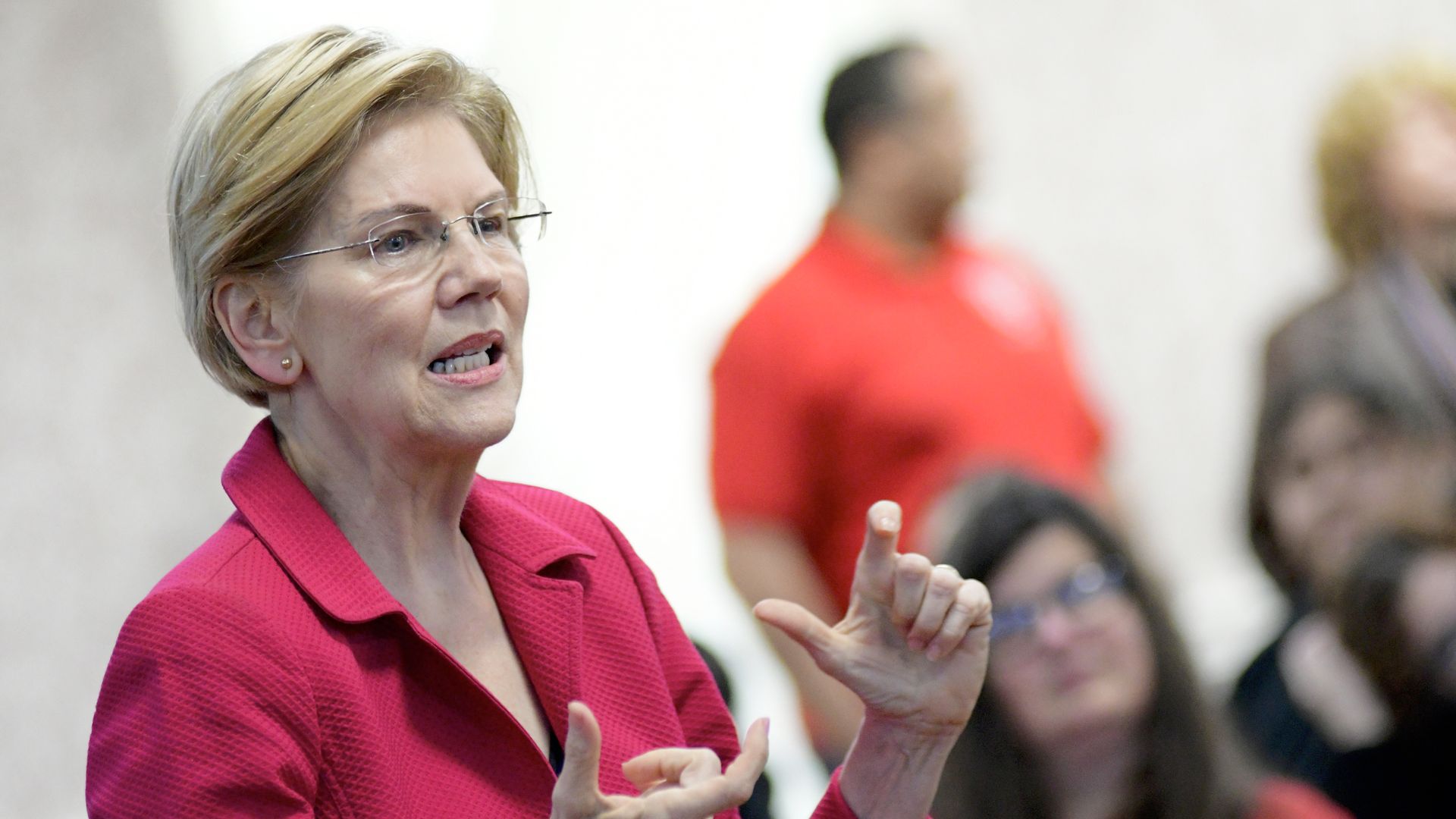
2020 Democratic presidential candidate Sen. Elizabeth Warren revealed a plan Wednesday designed to increase military readiness for climate change that would require the Pentagon to reach net-zero carbon emissions on non-combat bases by 2030.
The big picture: Instead of rolling out one comprehensive, one-size-fits-all climate plan, Warren is choosing to release multiple climate proposals. Last month, she proposed a ban on oil and gas drilling offshore and on public lands. She also proposed an executive order that would require that 10% of U.S. electricity generation must come from renewable sources located offshore or on public lands.
Roughly two-thirds of buses worldwide will be electrified by 2040, according to the latest research from BloombergNEF, while sales of electric cars and light-duty commercial vehicles are on track to be more than 50% by then too.
A new coalition of more than a dozen major corporations and environmental groups is launching on Wednesday to urge Congress to pass legislation addressing climate change.
Driving the news: The initiative, the CEO Climate Dialogue, features CEOs from oil giants BP and Royal Dutch Shell, as well as from companies across the economy including Citi, Dominion Energy and Ford Motor Company. The Environmental Defense Fund and The Nature Conservancy are among the environmental groups that helped convene the group.
In a recent speech, French President Emmanuel Macron raised a proposal for an EU–wide carbon “tariff” on goods coming into the bloc from countries without a price on carbon — a way to lead by example on climate while still leading through advantage for industry.
Why it matters: The plan could prompt other countries to adopt carbon pricing in part to avoid disadvantaging their goods and services. In the best case, it could lead to a rapid increase in the amount of global emissions exposed to a carbon price, without creating excessively harmful economic distortions.



















/2019/05/14/1557863206961.gif?w=3840)