Why it matters: The preliminary report from the National Transportation Safety Board came out amid a warning to employees from CEO Elon Musk that the $2 billion Tesla just raised would only last 10 months unless Tesla significantly reduces its spending.
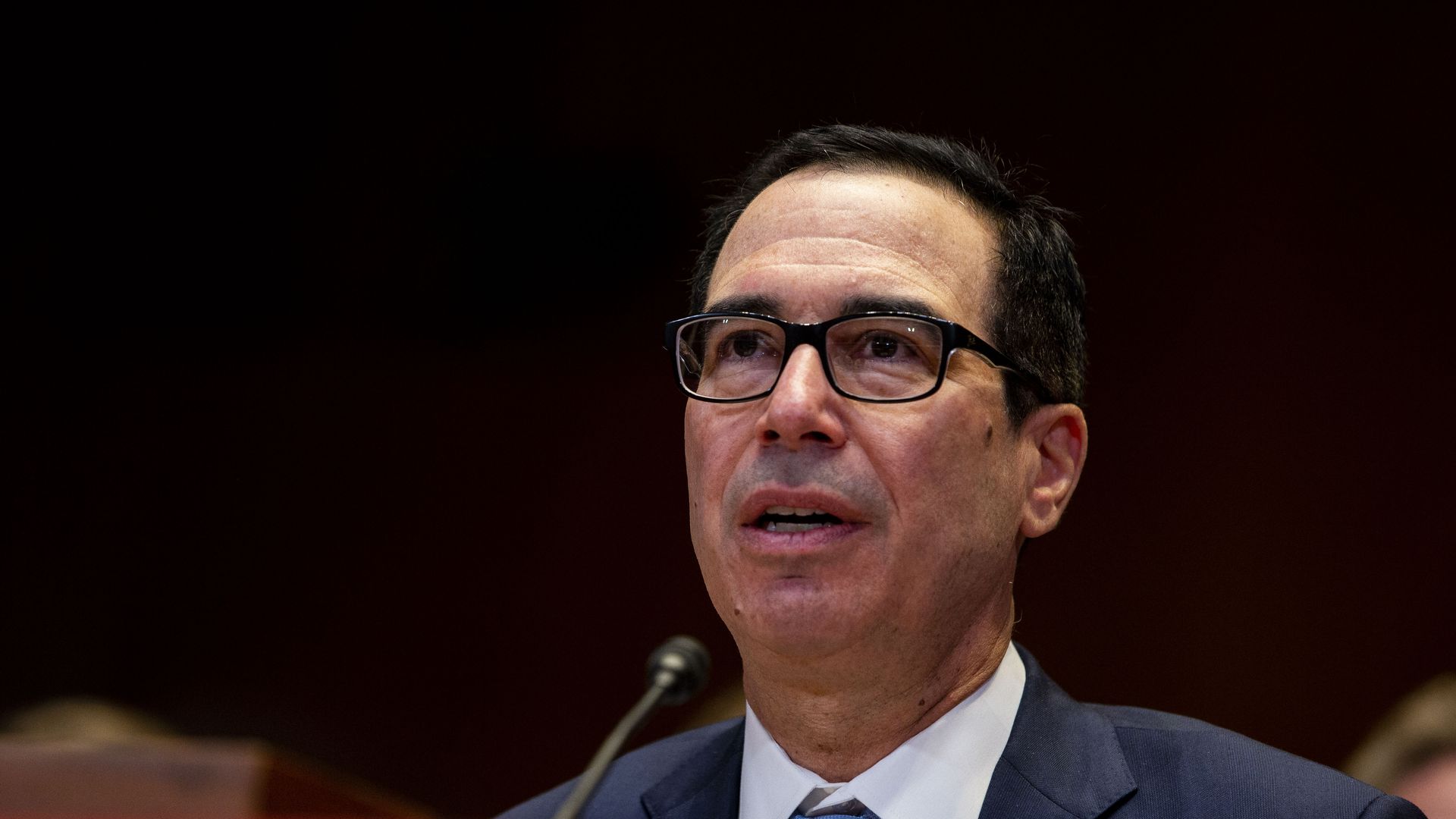
Treasury Secretary Steven Mnuchin rejected a subpoena on Friday from House Democrats demanding President Trump's personal and business tax returns from 2013 to 2018, action that will likely result in a federal court battle, the Washington Post reports.
Details: Mnuchin argued the House Ways and Means Committee’s demand “lacks a legitimate legislative purpose," claiming he did not have authorization to give up the returns. Rep. Bill Pascrell (D-N.J.), a member of the House Ways and Means Committee, indicated that Mnuchin could be subject to fines, a contempt vote or jail time, per the Post.
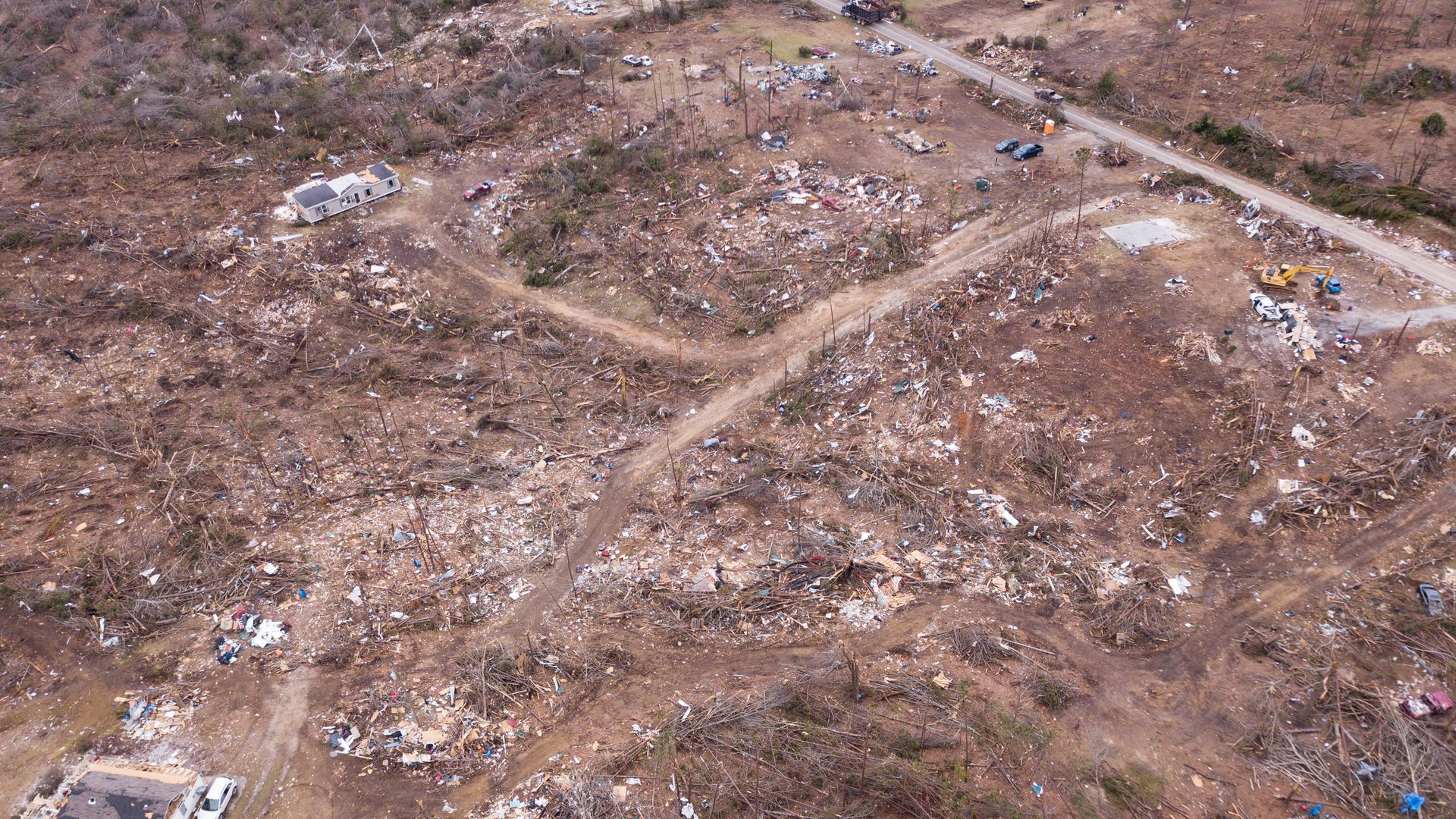
Since February 2007, the National Weather Service has used the Enhanced Fujita Scale to measure the intensity of tornadoes. After the tornado strikes, meteorologists survey the damage it caused and assign a "rating" based on estimated wind speeds corresponding with the damage.
The backdrop: The EF scale is an updated version of the Fujita Scale, which was first introduced in 1971. The enhanced scale takes into consideration how winds affect certain types of structures in the tornado's path. It looks at how those structures are designed and how the design might impact the destruction they face.
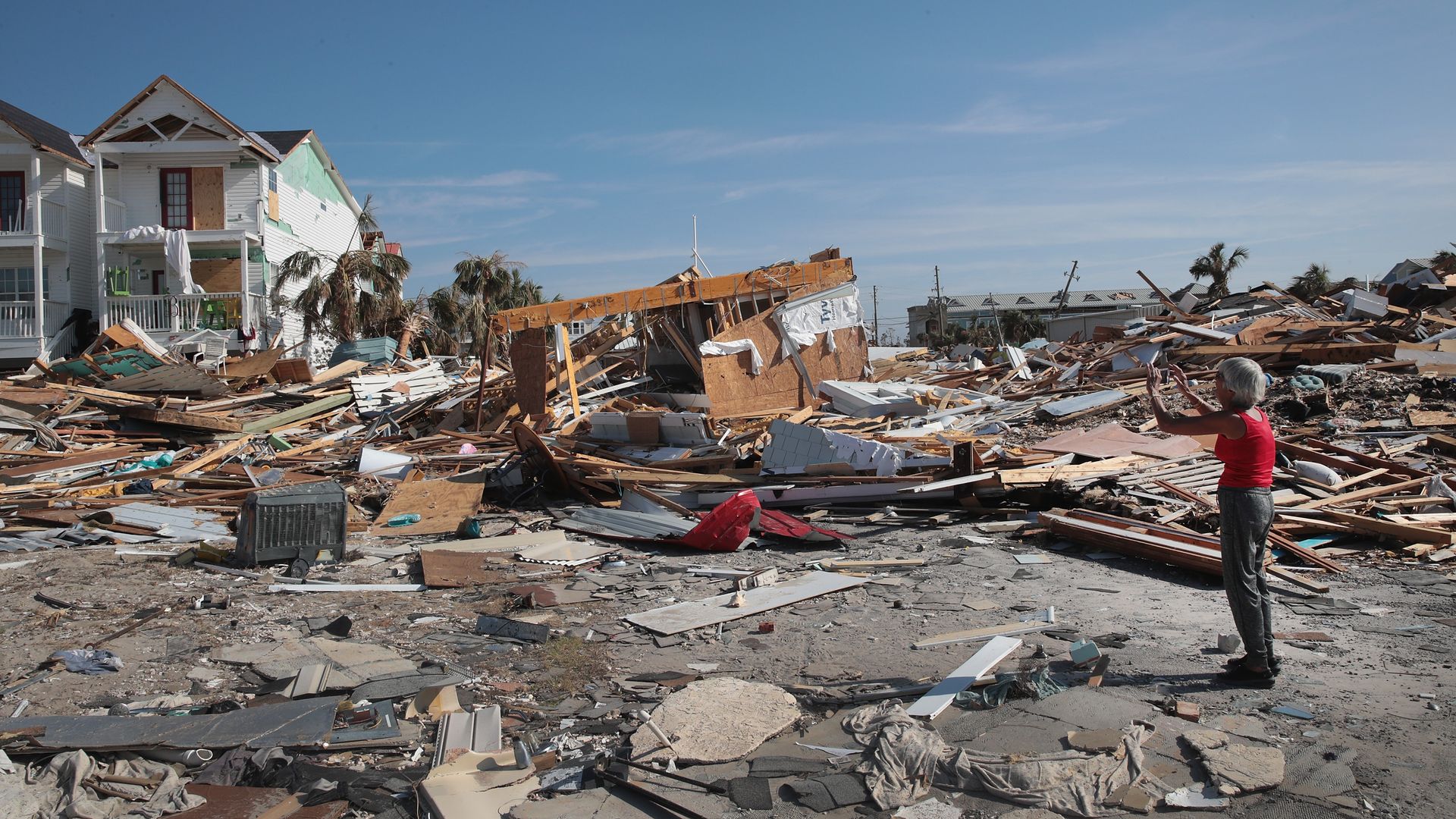
Hurricanes are classified using the Saffir-Simpson Hurricane Wind Scale — a 1 to 5 rating that's based on maximum sustained wind speed, according to the National Hurricane Center.
Background: The scale also assesses potential property damage from strong winds, with "Category 3" hurricanes and higher considered to be "major" hurricanes. The scale was created by Herbert Saffir and Robert Simpson in 1971 and introduced to the public in 1973. It was updated in 2010 to solely reflect wind speed and not storm surge or other factors.
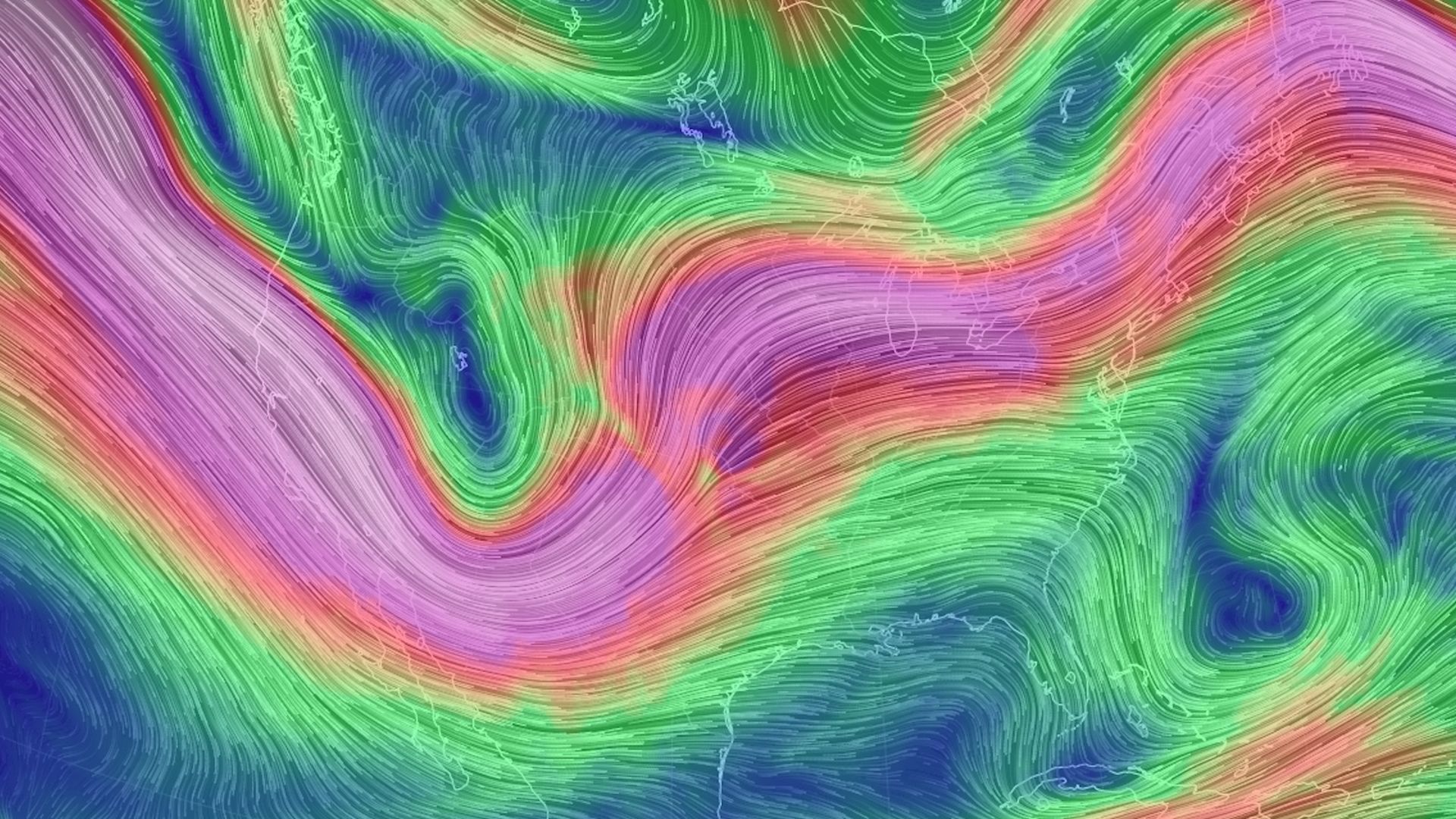
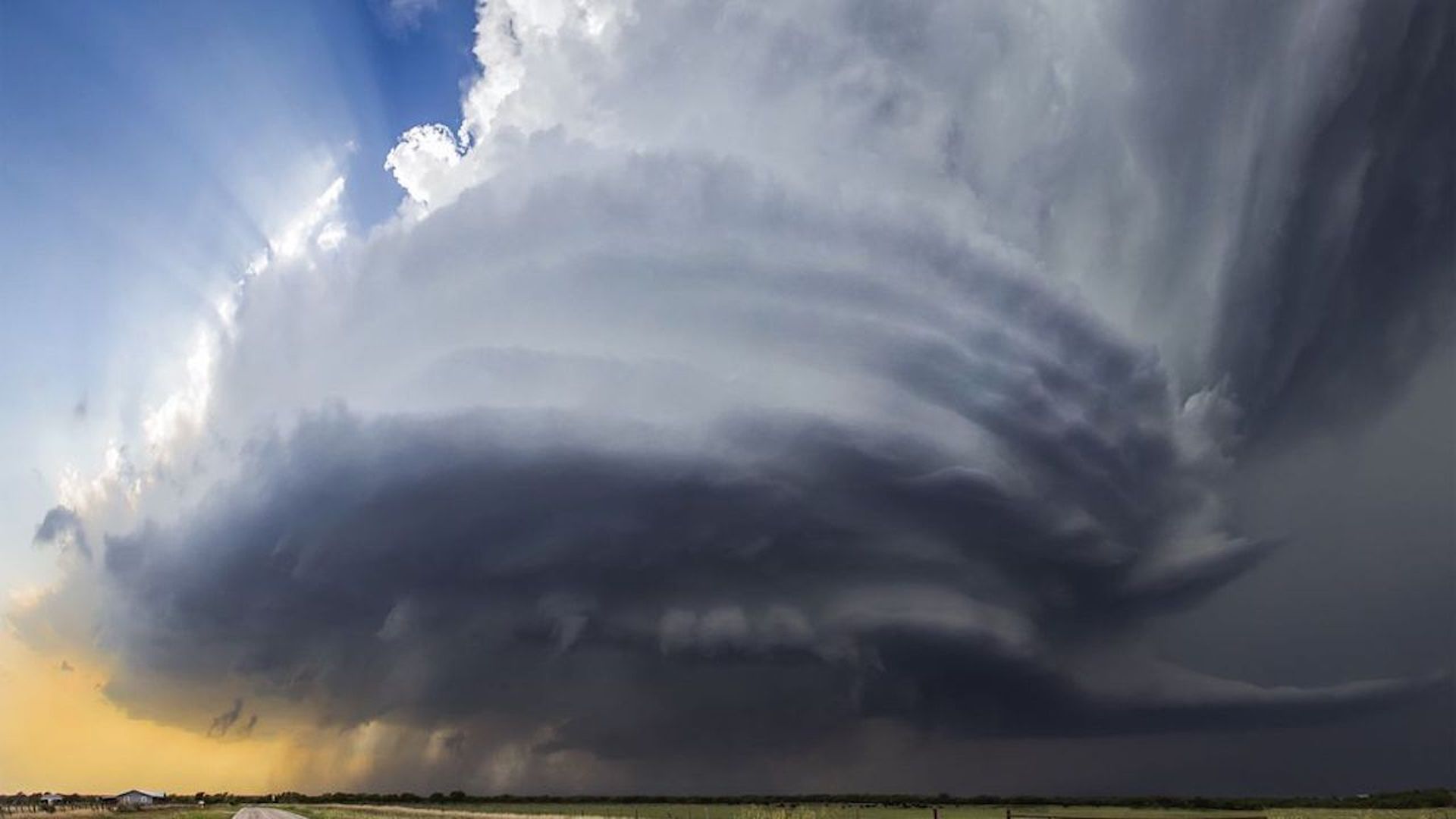
Depending where you live in the U.S., you might experience severe thunderstorms, flooding rains, sizzling heat, or unseasonable cold and snow during the next five days as an unusually divisive weather pattern develops across the Lower 48.
Why it matters: There is the potential for multiple rounds of severe thunderstorms in the nation's midsection, beginning on Friday, and continuing this weekend into next week. Because soils are so saturated in the central states, flooding will be a major concern with this weather pattern, which will feature a collision between late winter-like cold in the Rockies and Mountain West and sizzling mid-summer weather in the Southeast.
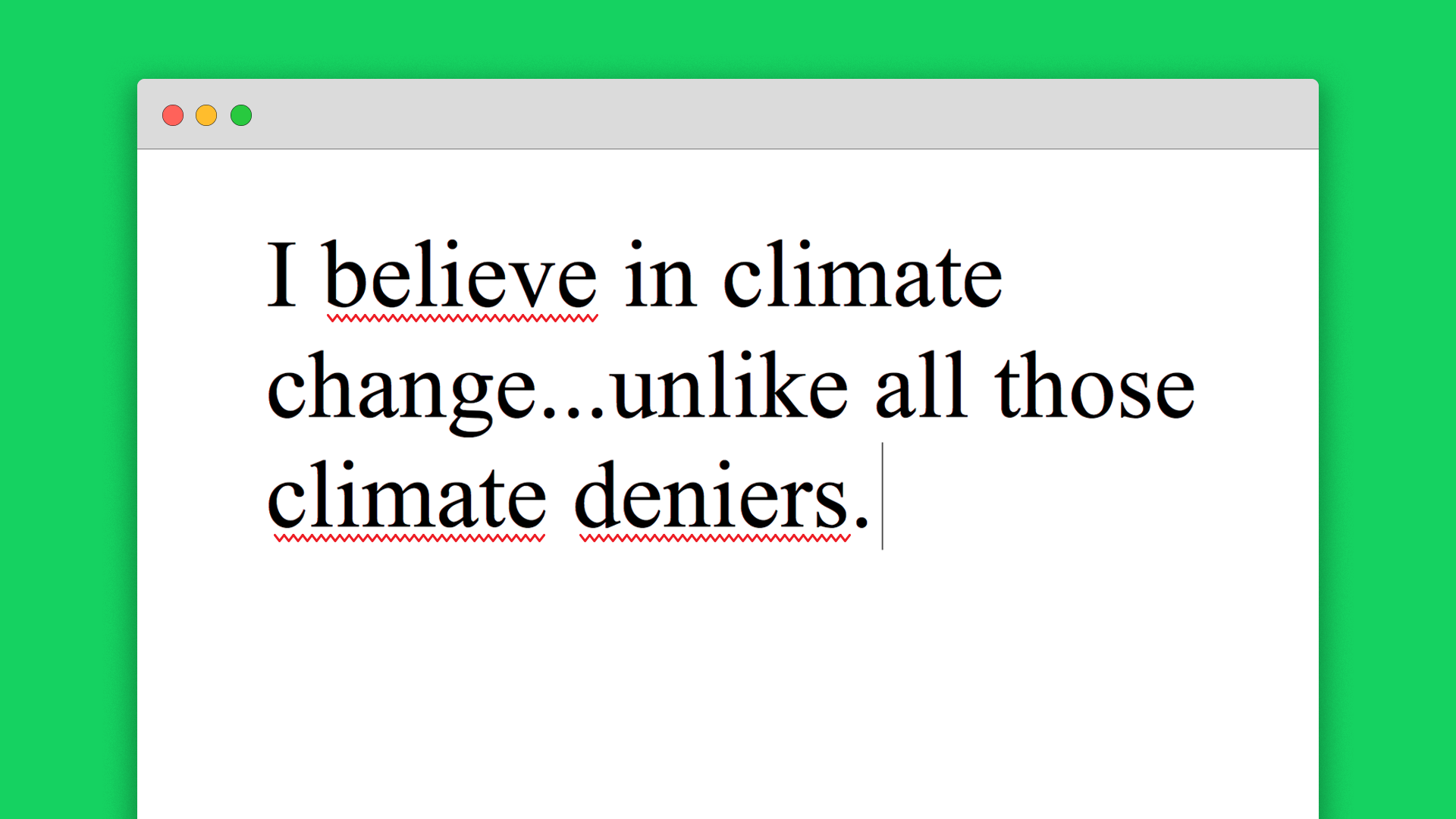
New research out this week on climate-change polling and an interview with a Republican lawmaker have underscored the importance of words when it comes to such a complicated and divisive topic.
What they found: Researchers at the Annenberg Public Policy Center say the proportion of Americans who think climate change is driven by human activity ranges from 50%–71%, all simply based on how you ask the question.
The average gas price sits at $2.86 per gallon, much lower than last year around this same time. That is good for American drivers, of course, and it will also likely keep at bay President Trump's semi-regular tweets blaming OPEC for high oil prices. Trump wants low gas prices going into his reelection campaign.
The backdrop: A big drop in gasoline demand has, somewhat ironically, pushed pump prices down, AAA said this week, citing just released government data. The drop in demand is likely due to recent bad weather in parts of the country, and AAA expects prices to rebound in the week leading up to Memorial Day.
With a multiday severe weather outbreak poised to strike the central U.S., an armada of weather researchers is heading into the Plains. Their mission: to solve some of the elusive mysteries of tornado formation.
Why it matters: Scientists know what to look for on Doppler radar imagery to detect tornadoes, and the National Weather Service warns people with an average lead time of about 15 minutes. However, meteorologists have not overcome the hurdle of determining why one storm produces a tornado while another identical-looking storm does not, which is needed to improve the false alarm rate.
While scientists prowl the Plains in search of monster storms, others are looking at broader-scale trends that show tantalizing clues about how Tornado Alley may be shifting both geographically and temporally as the climate changes.
Why it matters: The U.S. has the greatest number of tornadoes of any nation on Earth, and where they occur affects emergency management preparations, insurance markets and individual decisions on whether to build a storm shelter. If, as global warming continues, Tornado Alley migrates, or outbreaks become more massive, this would shift the risk distribution.
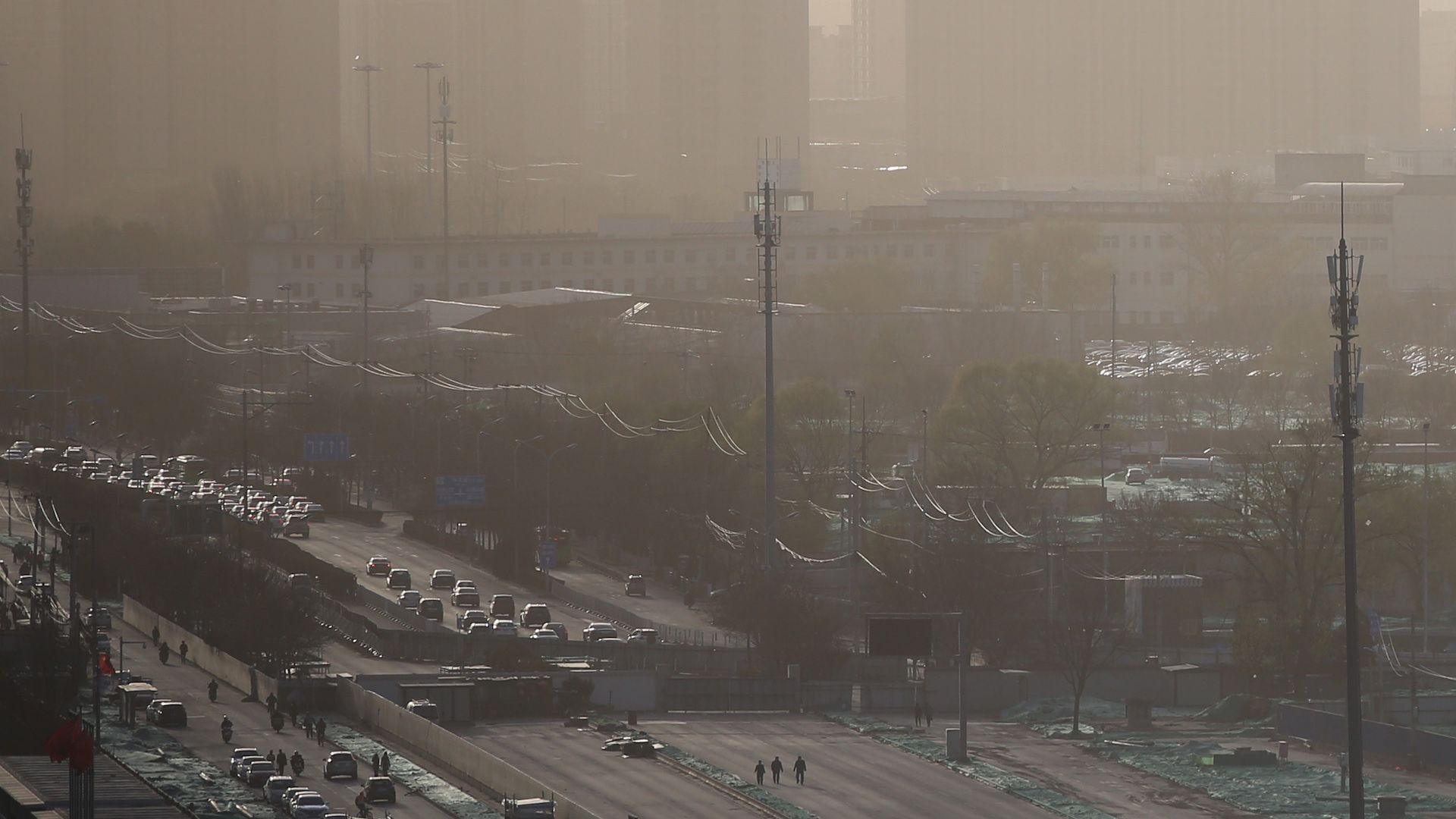
The Asian Monsoon, which brings rains that sustain billions of people in India, China, Pakistan, Thailand and other countries, is seeing a weakening trend that's unprecedented in at least the past 448 years, according to a new study based in part on tree ring records. The culprit, the study finds, is aerosol pollution from coal-fired power plants along with other sources.
Why it matters: The Asian Monsoon, comprised of several regional climate cycles, is the natural irrigation system for much of Asia, from southern India to northwest China. It's one of the most important climate cycles in the world, driven by the contrast in temperatures between the land and sea. If, as the new study shows, air pollution from coal-fired power plants and other sources is weakening the monsoon, it could imperil food security in a rapidly growing part of the world.
U.S. Army whistleblower Chelsea Manning has been jailed again on civil contempt charges for refusing to cooperate with a grand jury subpoena on Thursday.
Details: Manning told reporters earlier on Thursday from in front of the courthouse that she'd rather remain in jail "forever," than testify before a grand jury on the details of Wikileaks.
16-year-old Swedish climate activist Greta Thunberg was profiled in TIME's biannual list of "Next Generation Leaders," which will be publicly available on Friday.
The backdrop: In March, Thunberg led the largest and most widespread demonstration on climate change since the run-up to the Paris climate summit in 2014 and 2015. Organizers estimate that 1.6 million people — most of them students — in more than 100 countries participated.
While countries like the U.S. and EU member states have to backpedal their heavy carbon emissions, emerging markets could still leapfrog the most carbon-intensive approaches to urbanization.
Why it matters: 60% of the world’s cities have yet to be built. Since buildings and building construction account for 36% of final global energy consumption and nearly 40% of total CO2 emissions, opting for green buildings in these new and more dense urban spaces would help meet global climate goals while sustaining economic growth.
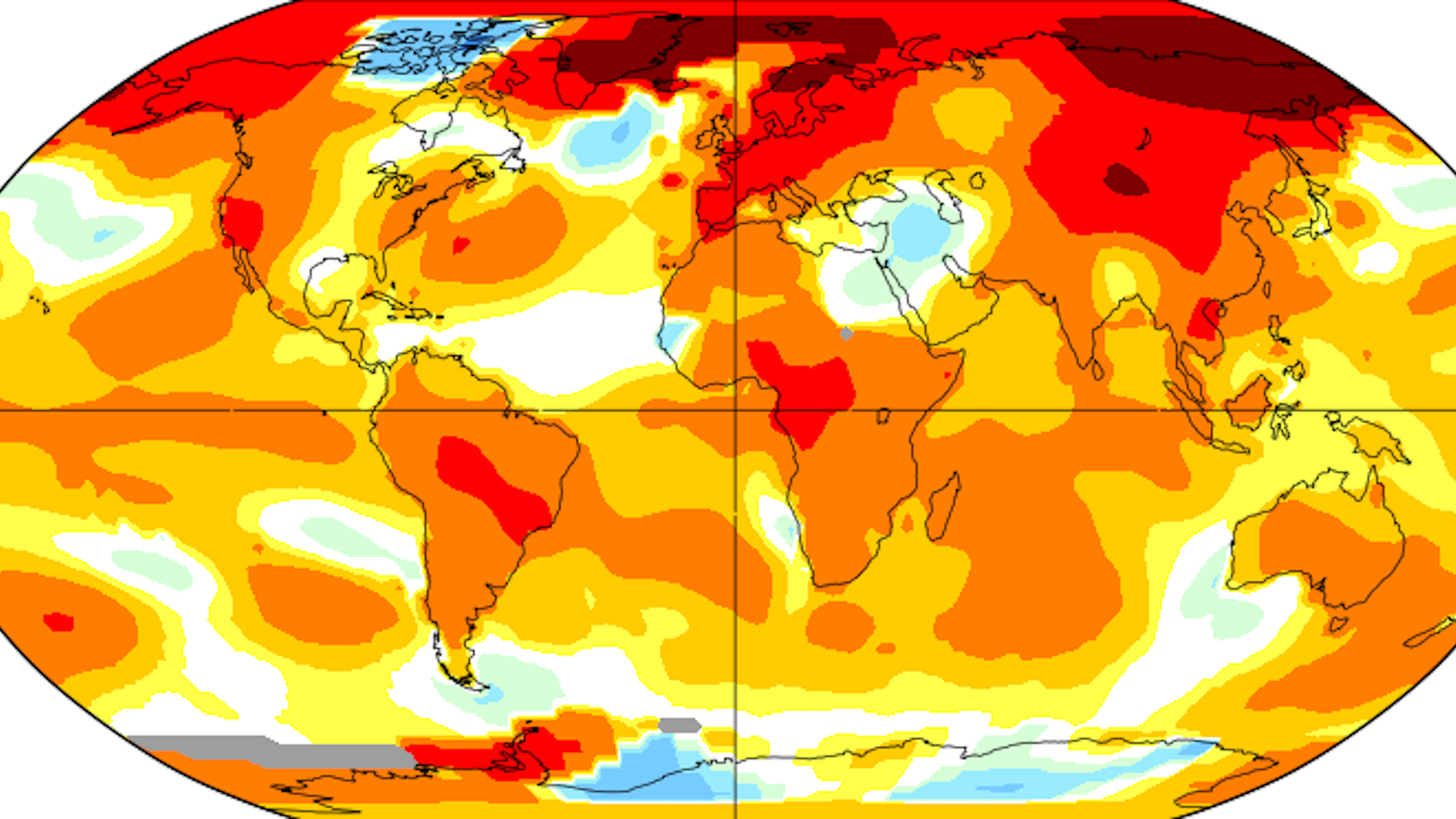
The globe just experienced its second-warmest April since reliable instrument data began in 1880, according to NASA, NOAA and the Japan Meteorological Agency.
Why it matters: The unusually warm April follows a top 3 hottest March, and indicates that the Earth is headed for yet another top 3 warmest year on record. In addition, Arctic sea ice extent reached a record low for April, NOAA reports. This follows recent news that carbon dioxide levels in the atmosphere edged past 415 parts per million for the first time in human history, likely becoming the highest level on record in at least 3 million years.
After years of anticipation, Europe is finally taking a big share of American exports of liquified natural gas as it seeks to lessen its reliance on Russian gas.
Data: EIA and the European Commission; Note: EU figures were converted from cubic meters to cubic feet and reflect approximate values. Chart: Naema Ahmed/Axios
Backers of the Green New Deal say climate change is the world’s most urgent threat, but supporters of that cause are not embracing the largest source of carbon-free power in America: nuclear energy.
Why it matters: Several nuclear power plants have or are set to shut down prematurely due to economic challenges. These plants are largely being replaced by natural gas or coal, increasing emissions at a time when climate activists say the world's energy mix needs to be going in the opposite direction.