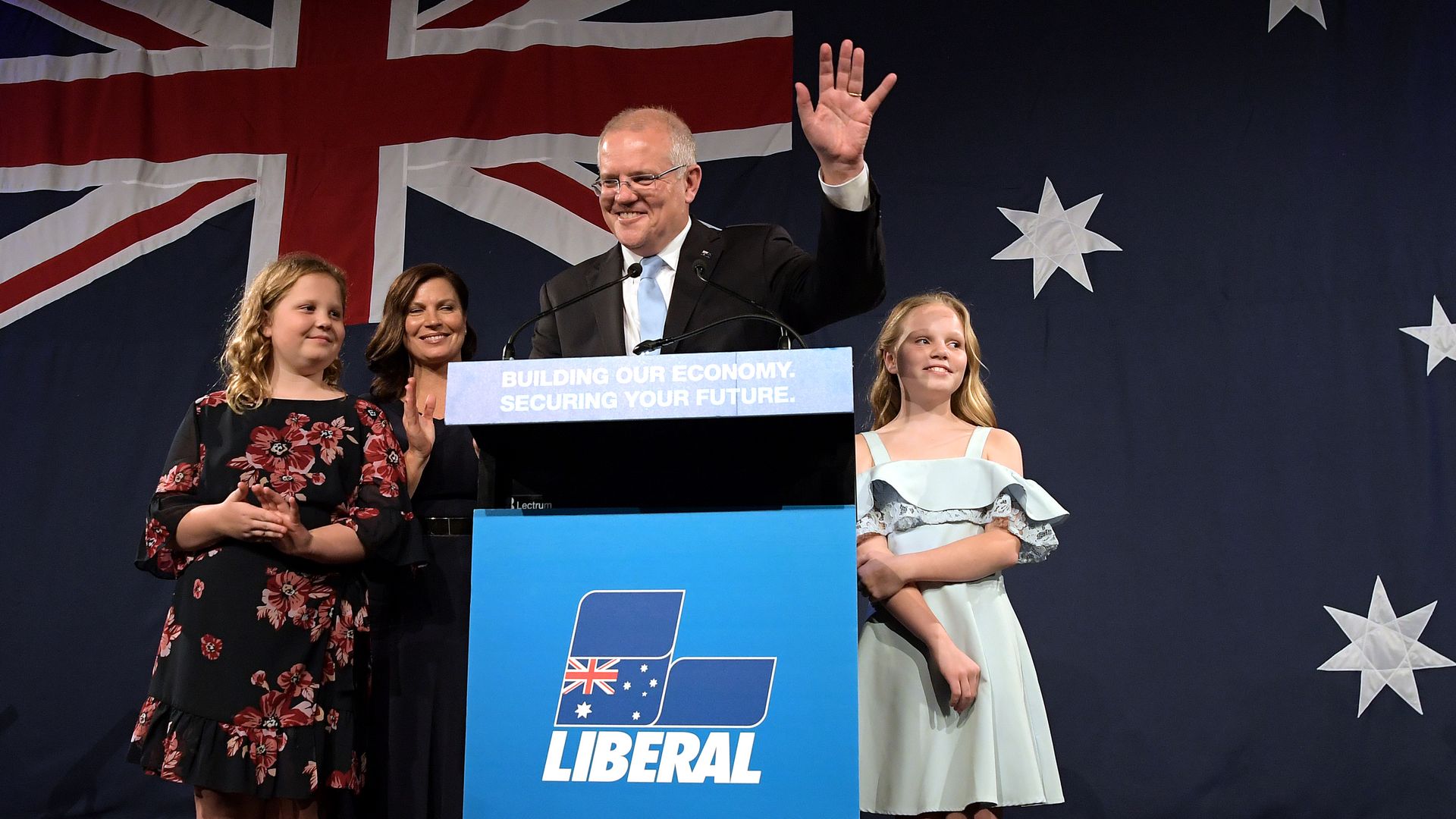
Australian voters turned against center-left opponents pushing aggressive strategies to combat climate change when they reelected Australia's conservative government in the country's national elections on Saturday, the Wall Street Journal reports.
Our thought bubble via Amy Harder: "The elections indicate that Australia will continue to closely resemble the Trump administration’s positioning on climate change. Climate advocates had said this election would be a referendum on the current leadership’s positions on climate change, the results suggest that either voters don’t care as much about the issue compared to others or they prefer less aggressive measures, as the current leadership is pursuing."
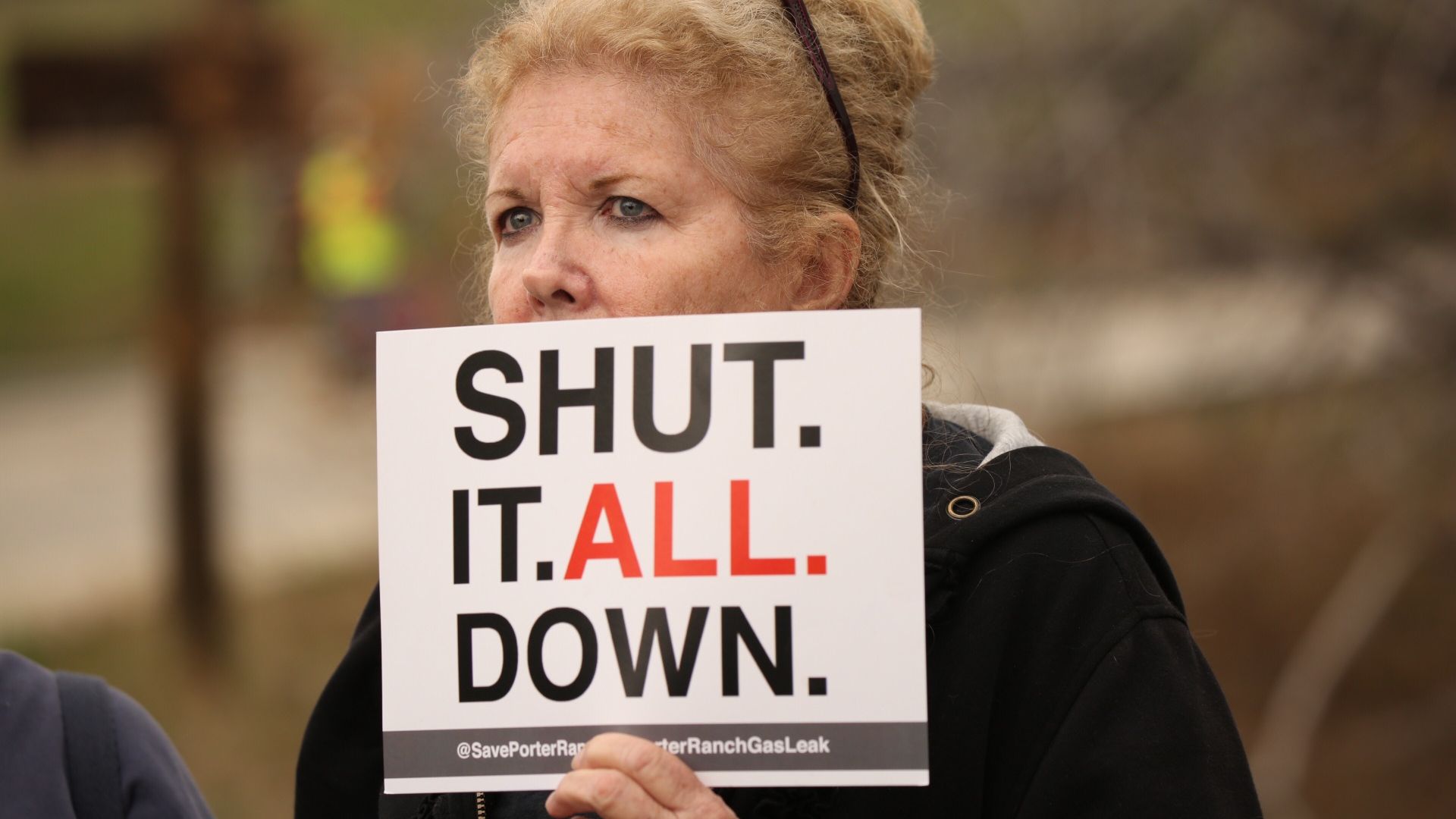
A report on the gas leak at a Southern California Gas Co. storage facility in October 2015 — the largest-known release of methane in U.S. history — was due to a corroded pipe casing, safety failures by a utility and inadequate regulations, the AP reports.
Why it matters: SoCalGas'sblowout in its Aliso Canyon storage facility was deemed preventable as the company failed to investigate previous well failures and didn't properly examine its aging wells. Stricter state regulations followed the disaster, the report found.
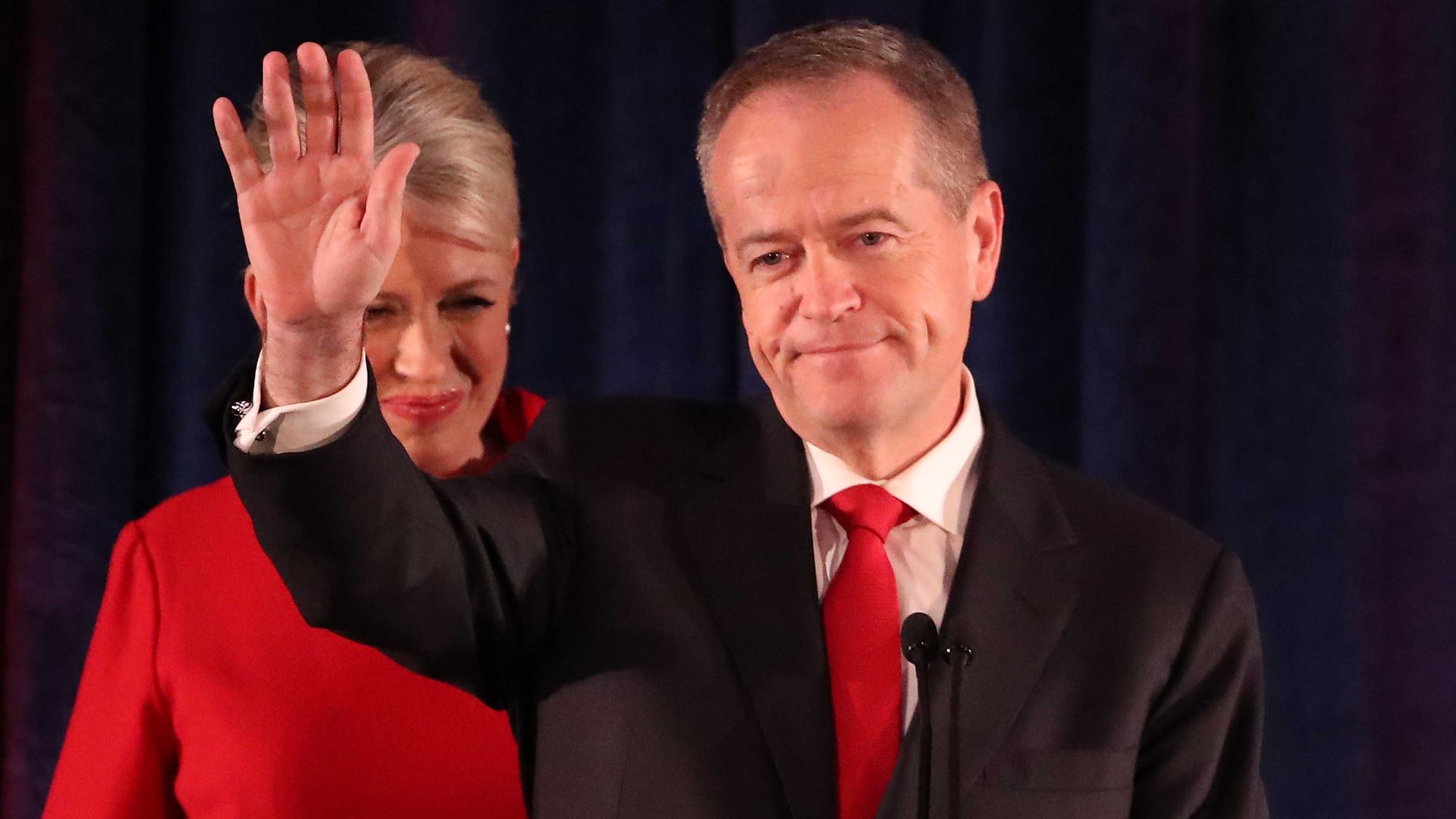
Australia's conservative government of Prime Minister Scott Morrison won the national election on Saturday as the Labor Party opponent, Bill Shorten, conceded, the Washington Post reports.
Our thought bubble from Axios' Dave Lawler: "Australia has shuffled through 5 prime ministers since 2013, and polls suggested there would be yet another change at the top this week. Instead, Morrison has pulled off an upset in an election where taxes, climate change and Australia’s approach to China were key issues."
Why it matters: The preliminary report from the National Transportation Safety Board came out amid a warning to employees from CEO Elon Musk that the $2 billion Tesla just raised would only last 10 months unless Tesla significantly reduces its spending.
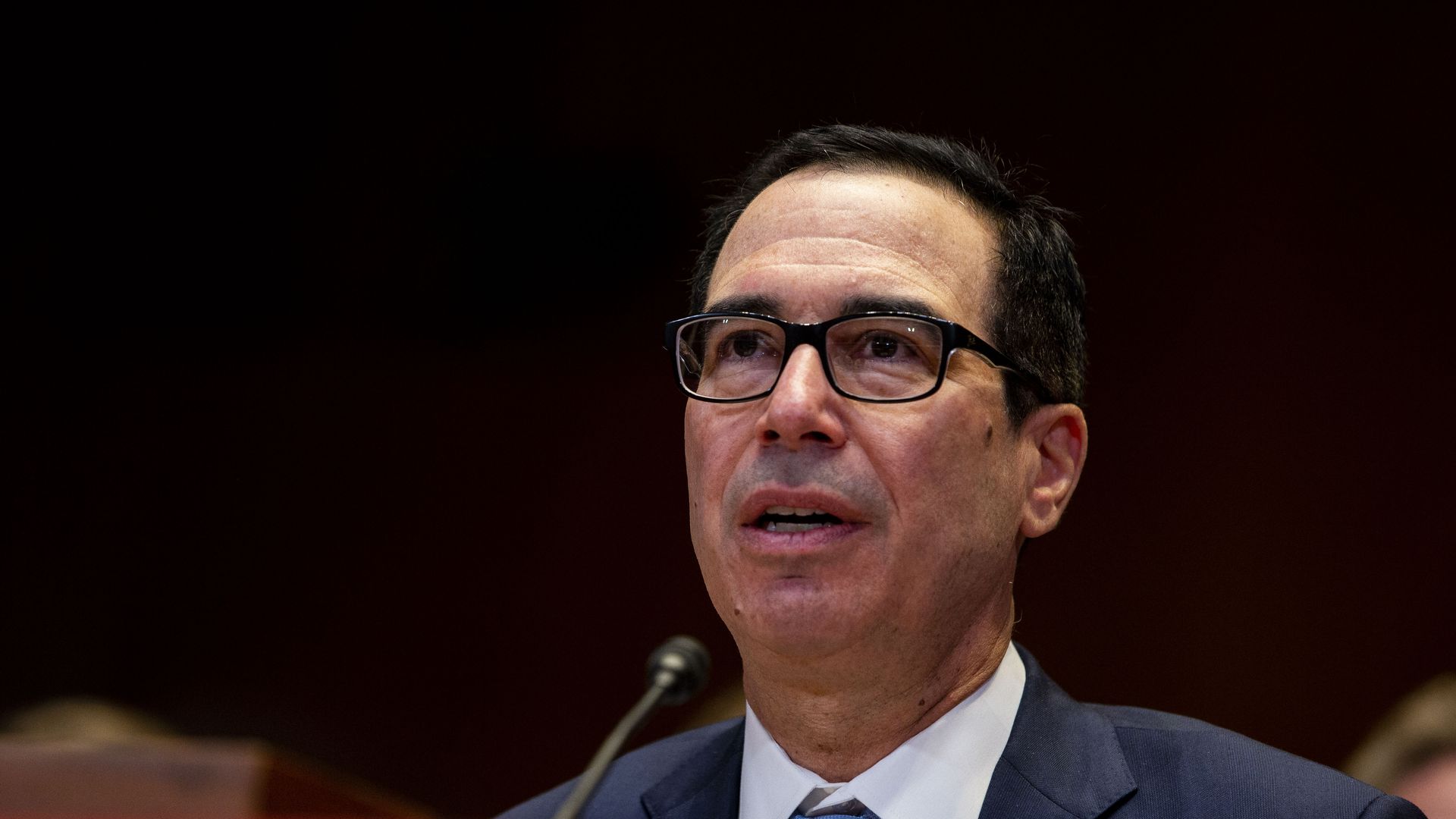
Treasury Secretary Steven Mnuchin rejected a subpoena on Friday from House Democrats demanding President Trump's personal and business tax returns from 2013 to 2018, action that will likely result in a federal court battle, the Washington Post reports.
Details: Mnuchin argued the House Ways and Means Committee’s demand “lacks a legitimate legislative purpose," claiming he did not have authorization to give up the returns. Rep. Bill Pascrell (D-N.J.), a member of the House Ways and Means Committee, indicated that Mnuchin could be subject to fines, a contempt vote or jail time, per the Post.
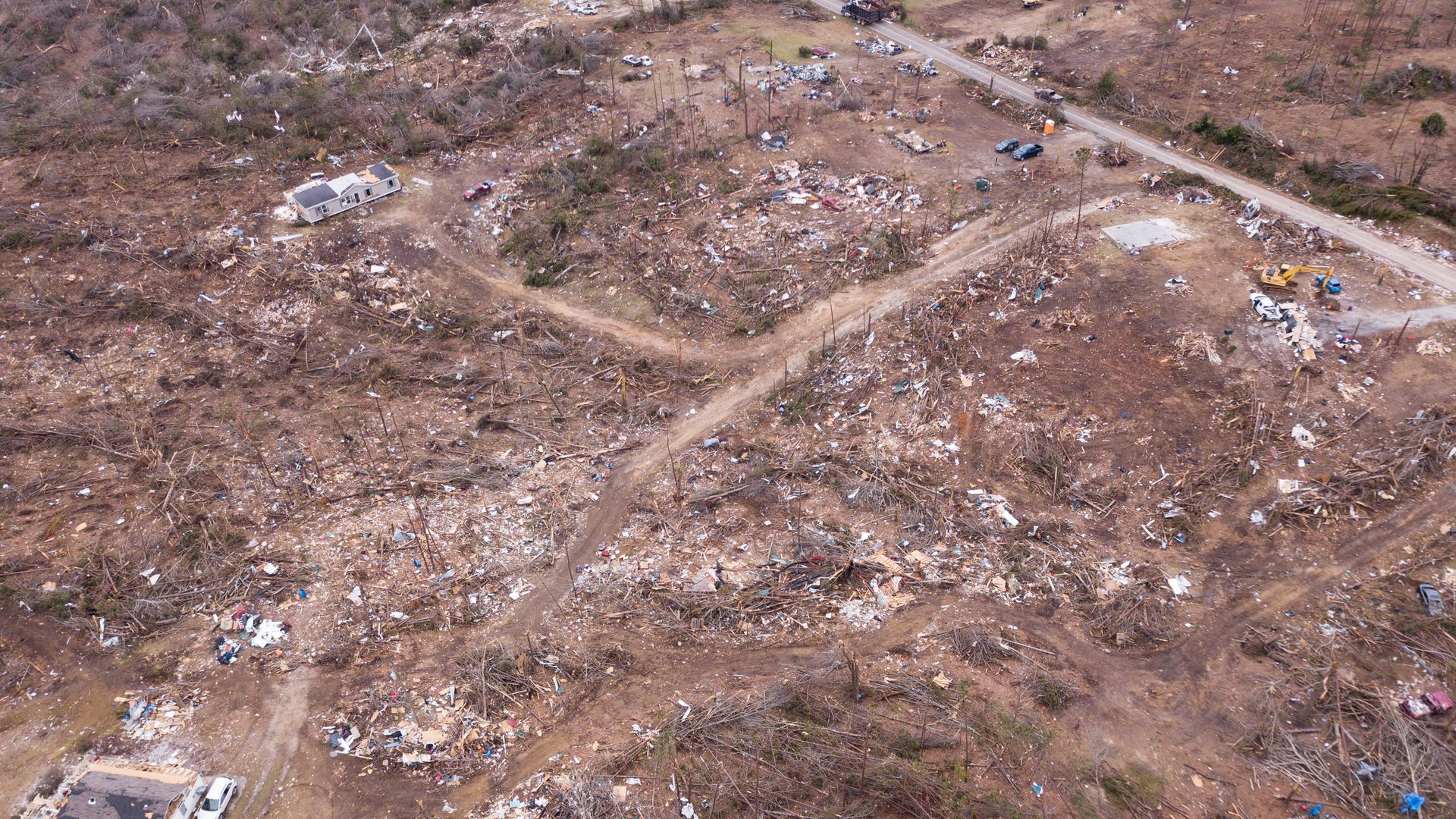
Since February 2007, the National Weather Service has used the Enhanced Fujita Scale to measure the intensity of tornadoes. After the tornado strikes, meteorologists survey the damage it caused and assign a "rating" based on estimated wind speeds corresponding with the damage.
The backdrop: The EF scale is an updated version of the Fujita Scale, which was first introduced in 1971. The enhanced scale takes into consideration how winds affect certain types of structures in the tornado's path. It looks at how those structures are designed and how the design might impact the destruction they face.
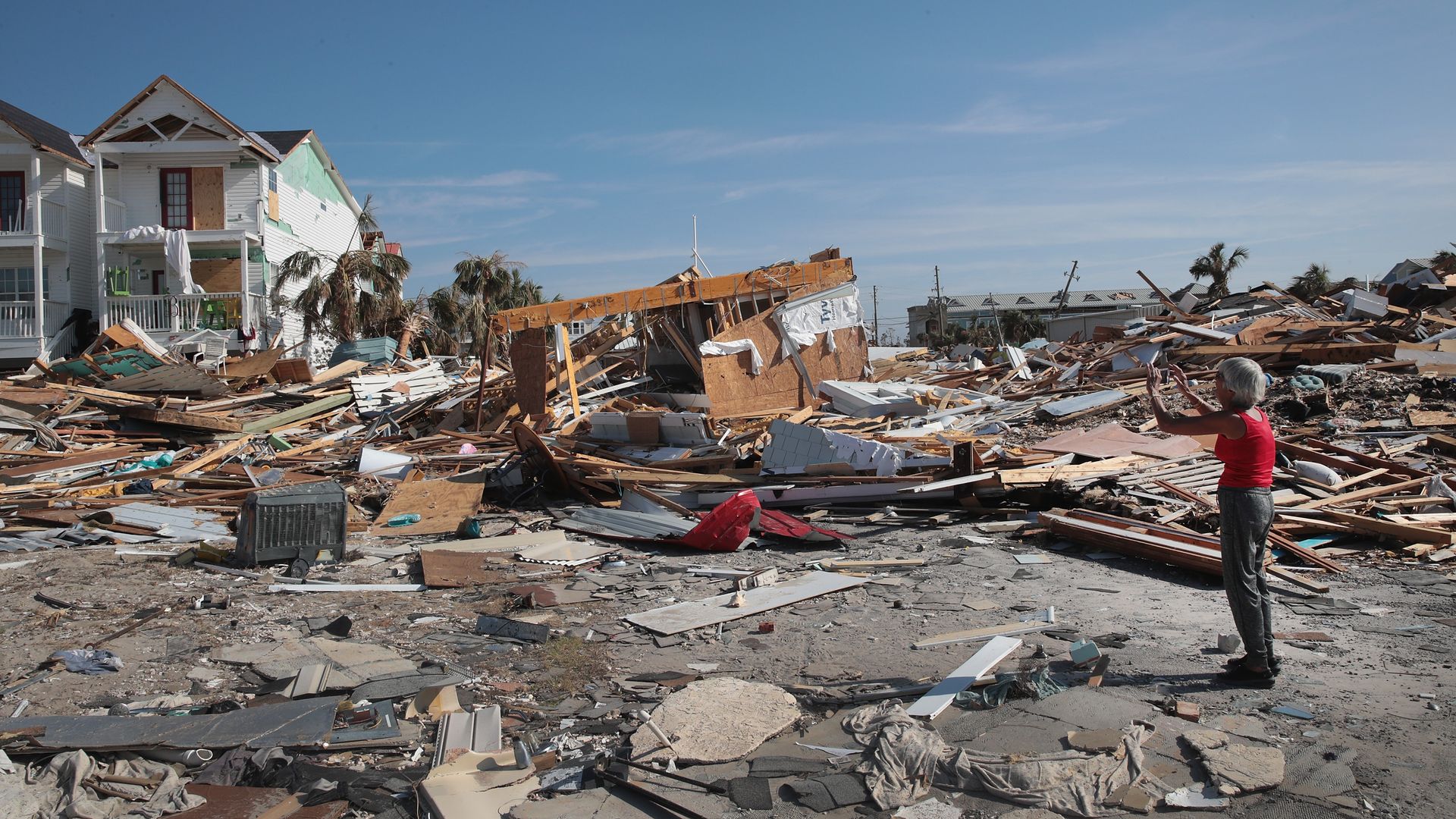
Hurricanes are classified using the Saffir-Simpson Hurricane Wind Scale — a 1 to 5 rating that's based on maximum sustained wind speed, according to the National Hurricane Center.
Background: The scale also assesses potential property damage from strong winds, with "Category 3" hurricanes and higher considered to be "major" hurricanes. The scale was created by Herbert Saffir and Robert Simpson in 1971 and introduced to the public in 1973. It was updated in 2010 to solely reflect wind speed and not storm surge or other factors.
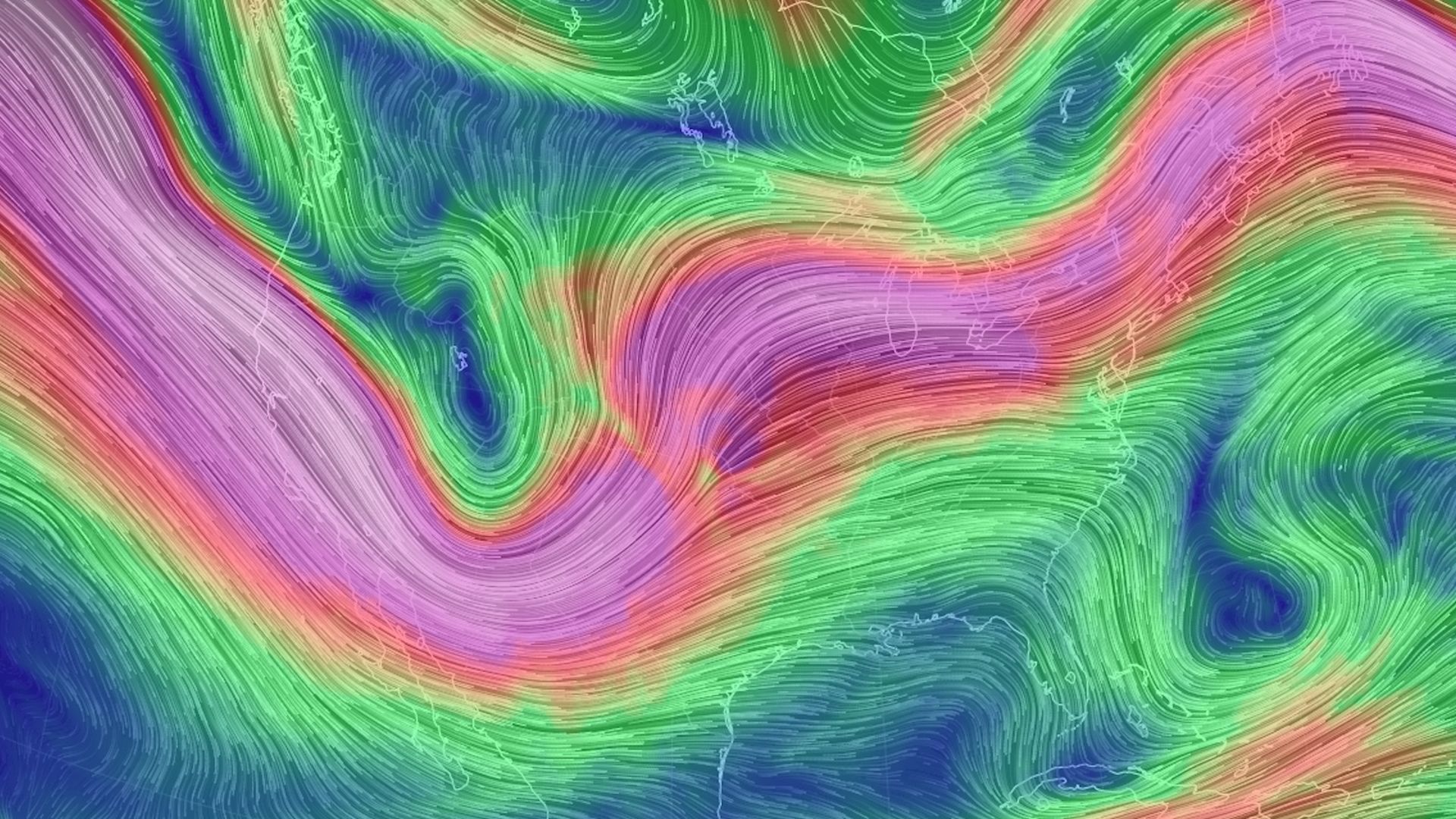
Depending where you live in the U.S., you might experience severe thunderstorms, flooding rains, sizzling heat, or unseasonable cold and snow during the next five days as an unusually divisive weather pattern develops across the Lower 48.
Why it matters: There is the potential for multiple rounds of severe thunderstorms in the nation's midsection, beginning on Friday, and continuing this weekend into next week. Because soils are so saturated in the central states, flooding will be a major concern with this weather pattern, which will feature a collision between late winter-like cold in the Rockies and Mountain West and sizzling mid-summer weather in the Southeast.
New research out this week on climate-change polling and an interview with a Republican lawmaker have underscored the importance of words when it comes to such a complicated and divisive topic.
What they found: Researchers at the Annenberg Public Policy Center say the proportion of Americans who think climate change is driven by human activity ranges from 50%–71%, all simply based on how you ask the question.
The average gas price sits at $2.86 per gallon, much lower than last year around this same time. That is good for American drivers, of course, and it will also likely keep at bay President Trump's semi-regular tweets blaming OPEC for high oil prices. Trump wants low gas prices going into his reelection campaign.
The backdrop: A big drop in gasoline demand has, somewhat ironically, pushed pump prices down, AAA said this week, citing just released government data. The drop in demand is likely due to recent bad weather in parts of the country, and AAA expects prices to rebound in the week leading up to Memorial Day.