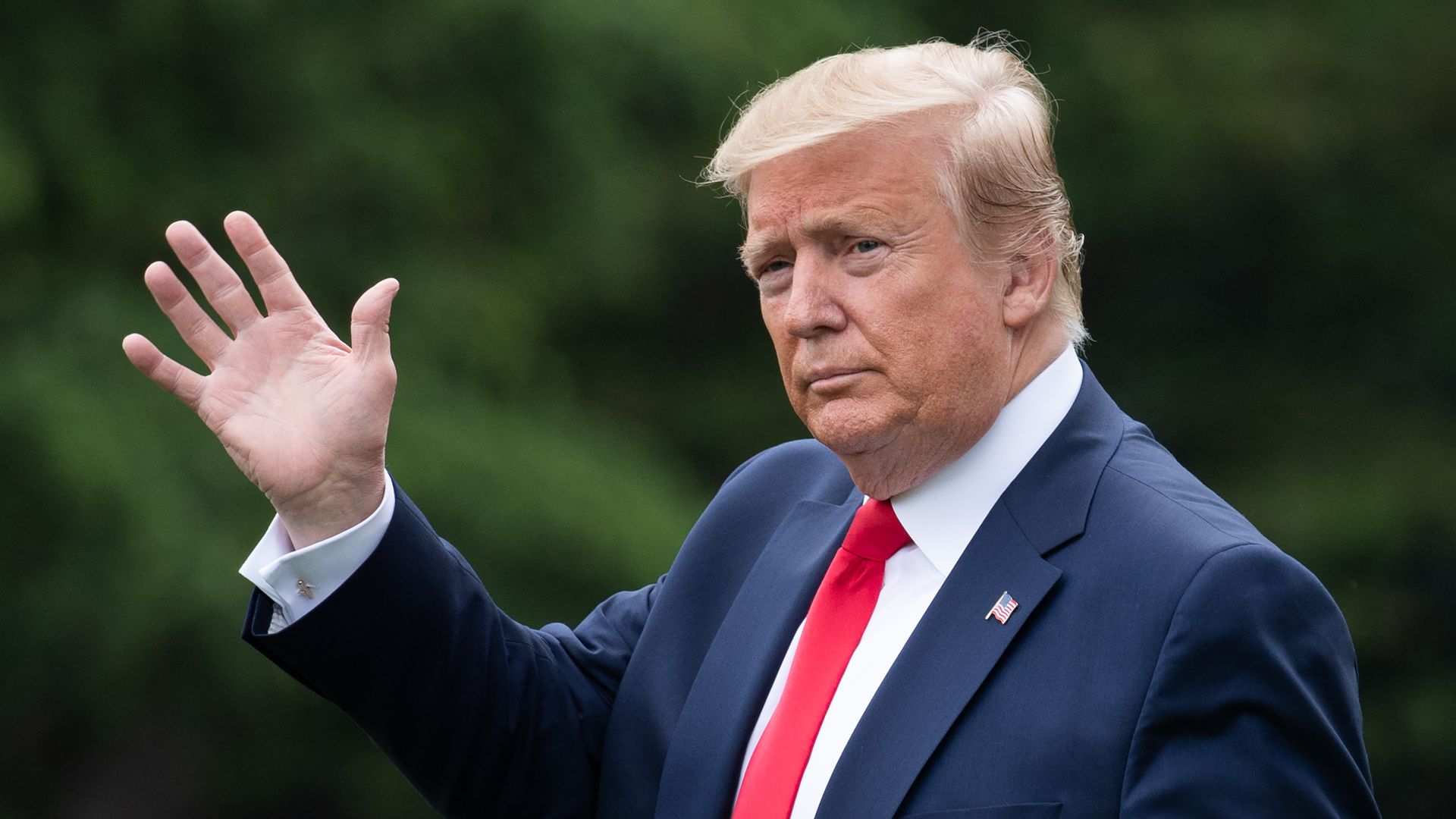
President Trump traveled to Florida on Wednesday to host a rally and visit those affected by Hurricane Michael, the Category 5 storm that hit the state in October 2018. But 7 months after the hurricane, disaster-relief funding remains at a standstill.
Catch up quick: Relief funds have stalled as a back-and-forth unfolds between Trump and Congress, as sources familiar with the negotiations say they're stuck on the specific amount of funding for Puerto Rico, Axios' Alayna Treene reports.
The Republican-led Senate Intelligence Committee has subpoenaed Donald Trump Jr. to answer questions about his previous testimony before Senate investigators in relation to the Russia investigation, sources with direct knowledge told Axios.
Why it matters: It's the first congressional subpoena — that we know about — of one of President Trump's children. The subpoena sets up a fight that's unprecedented in the Trump era: A Republican committee chair pit against the Republican president's eldest son.
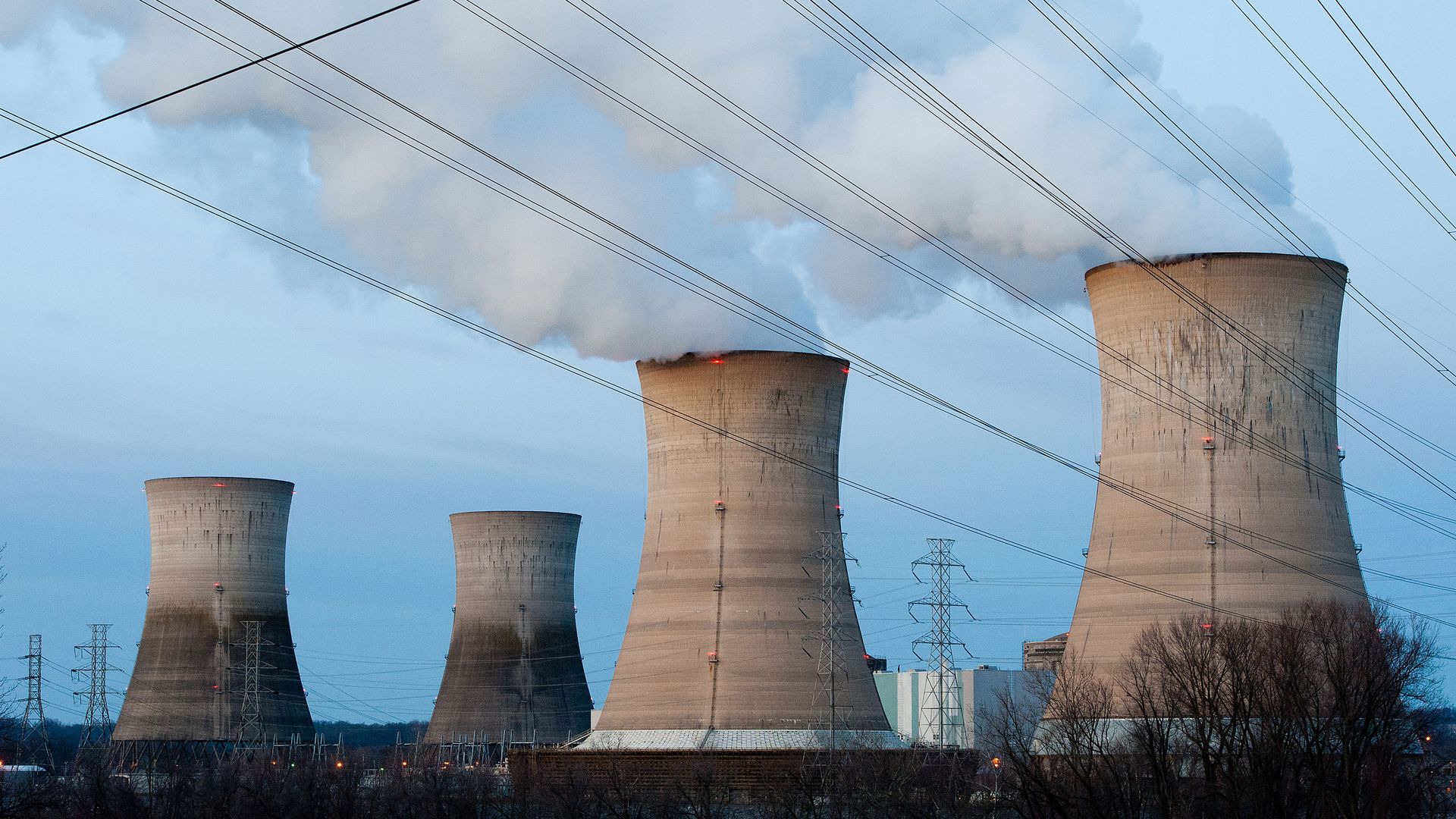
Three Mile Island nuclear power plant will begin a planned shutdown on June 1 now that owner Exelon confirmed it won't receive financial aid from Pennsylvania's government, AP reports.
The impact: Nuclear provides 94% of Pennsylvania's carbon-free electricity. Coal and natural gas plants — which burn fuel cheaper, but emit carbon dioxide — are expected to make up for the lost power. As for jobs, the plant employs nearly 700 people.
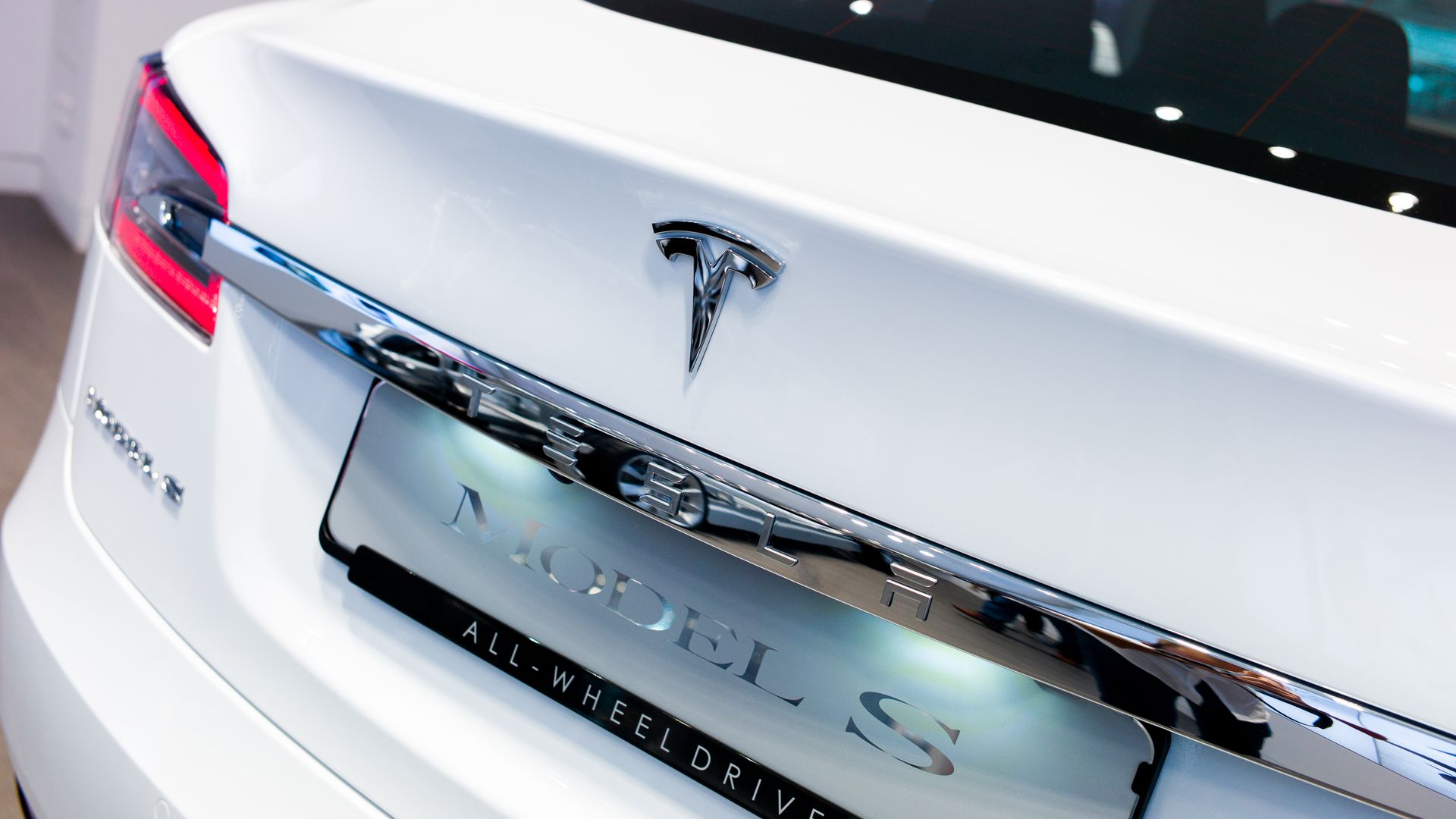
If it seems unlikely that wealthy Tesla owners would want to share their high-tech cars with the masses, think again. Teslas are already among the most popular cars rented on Turo, the original peer-to-peer car-sharing site.
Why it matters: There's an established market for occasional use of a Tesla, and owners can make good money renting out their car when they're not using it. Instead of a side hustle, Turo pitches car-sharing as a way to "car up" to a premium vehicle you might not otherwise afford.
House Judiciary Chairman Jerry Nadler (D-N.Y) told CNN Wednesday that President Trump's repeated flouting of the rule of law has thrust the U.S. into a constitutional crisis.
Oil demand could peak by 2025 and fall more than 30% by 2050 if countries take aggressive steps to hold the long-term global temperature rise to under 2°C, Barclays analysts say in a new report.
Data: Reproduced from Barclays; Chart: Axios Visuals
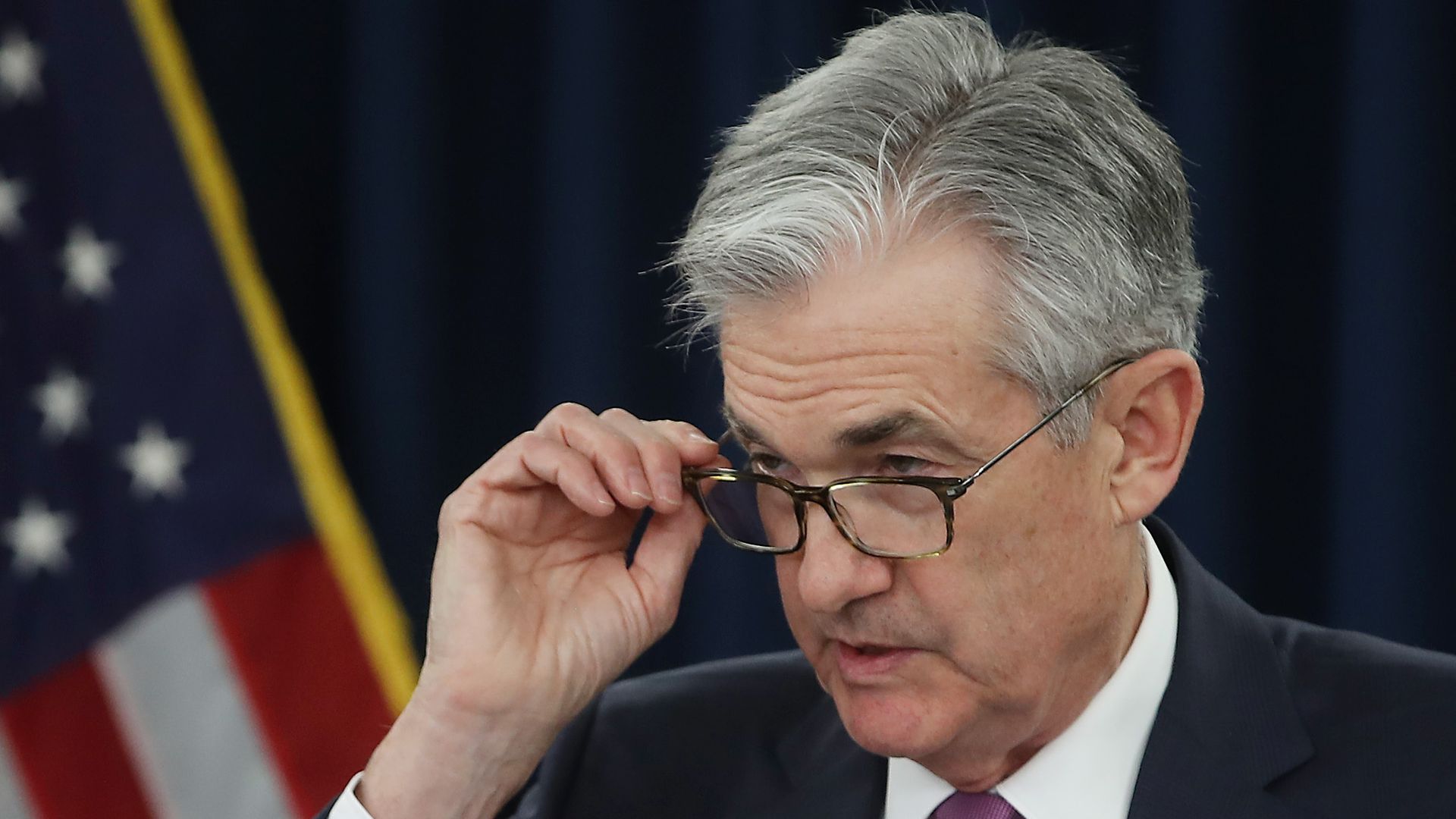
Federal Reserve Chair Jerome Powell told lawmakers the Fed is working to prepare financial institutions for severe weather events, even though climate is more broadly something "entrusted to other agencies."
Why it matters: Powell's April 18 letter, made public yesterday, provides a closer look than his previous public comments at how the Fed views the financial risks of extreme weather events that global warming is making more intense.
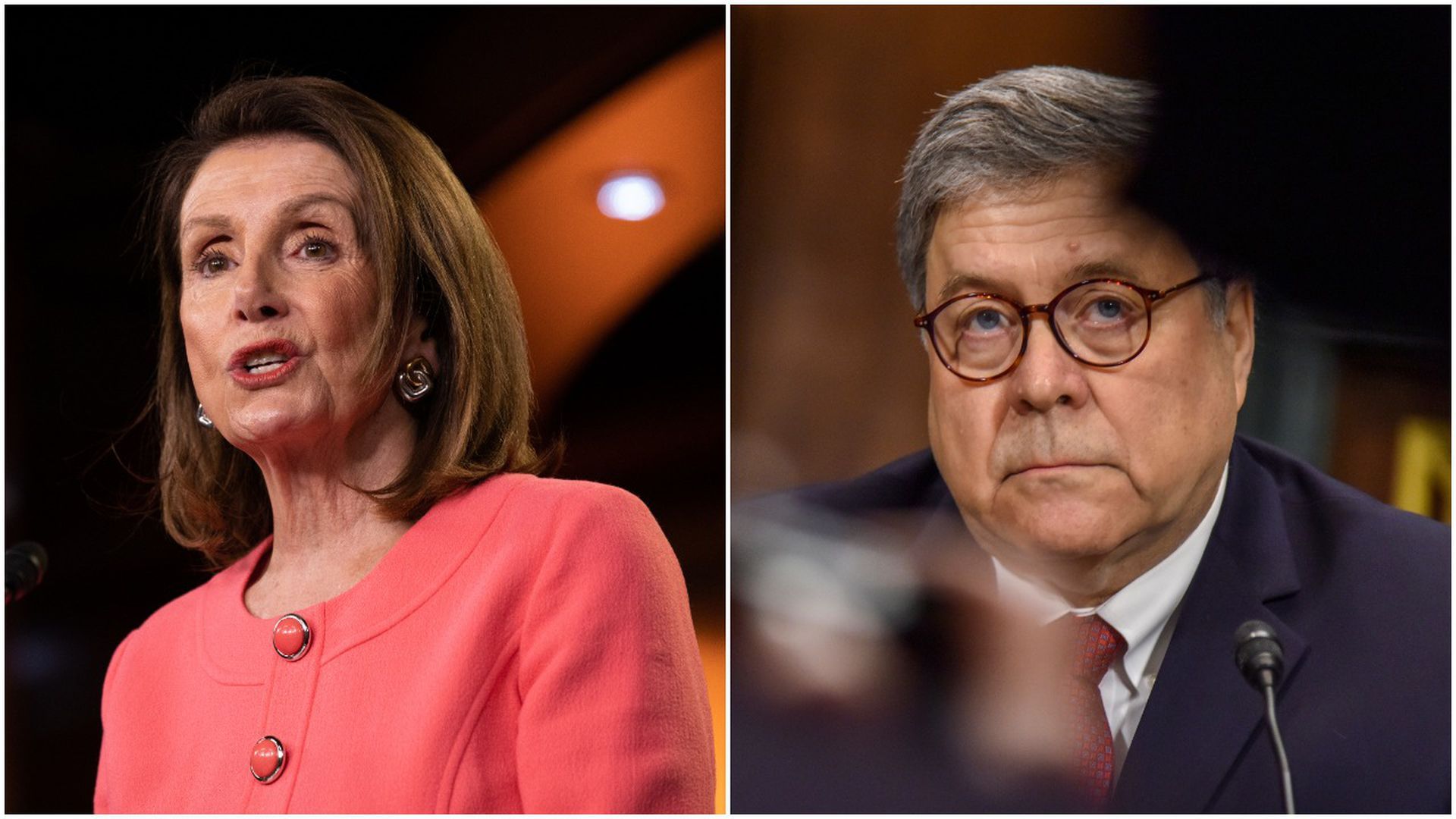
House Speaker Nancy Pelosi said Wednesday at a Washington Post event that she believes Attorney General Bill Barr should be held in contempt of Congress over his refusal to provide the House Judiciary Committee with an unredacted copy of the Mueller report.
The big picture: Pelosi specifically cited Barr's refusal to comply with a House Judiciary subpoena for the unredacted version of the report as the basis for these contempt proceedings, saying it was separate from other issues — like his refusal to testify before the committee last week as well as allegations that he lied during a Senate Judiciary Committee hearing, which Pelosi later called a crime.
Severe thunderstorms are erupting over parts of the southern Plains and Texas that could spawn strong tornadoes, damaging straight line winds and baseball-sized hail, according to NOAA's Storm Prediction Center.
Thought bubble from Axios Science editor Andrew Freedman: The risk for tornadoes, including several strong tornadoes, is elevated particularly over the Texas Panhandle and a slice of far western Oklahoma. It's unusual for NOAA's Storm Prediction Center to forecast a tornado risk quite this high, which indicates their confidence that the ingredients necessary for such phenomena are likely to come together.
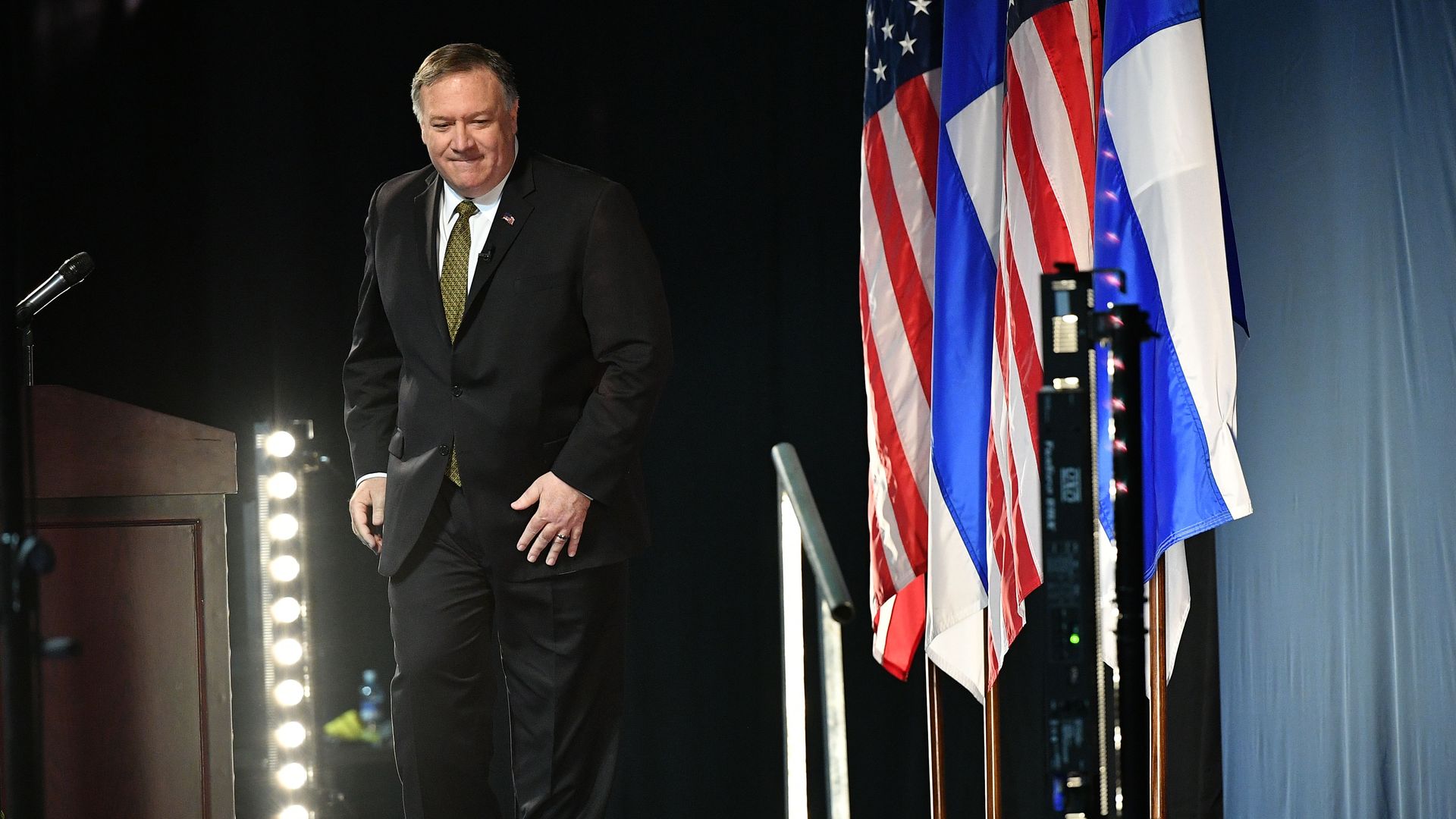
The Arctic Council ministerial in Rovaniemi, Finland, ended on Tuesday without a ministerial declaration, due to U.S. objections over referencing climate change and the Paris Climate Agreement. This was the first time since the council was created in 1996 that no declaration was reached.
Why it matters: Climate change is rapidly redefining the Arctic region, which is warming at more than twice the rate of the rest of the planet. Secretary of State Mike Pompeo focused his council statements at the edge of the Arctic Circle not on climate change, but security — which is not a typical concern for the consensus-based Arctic Council.
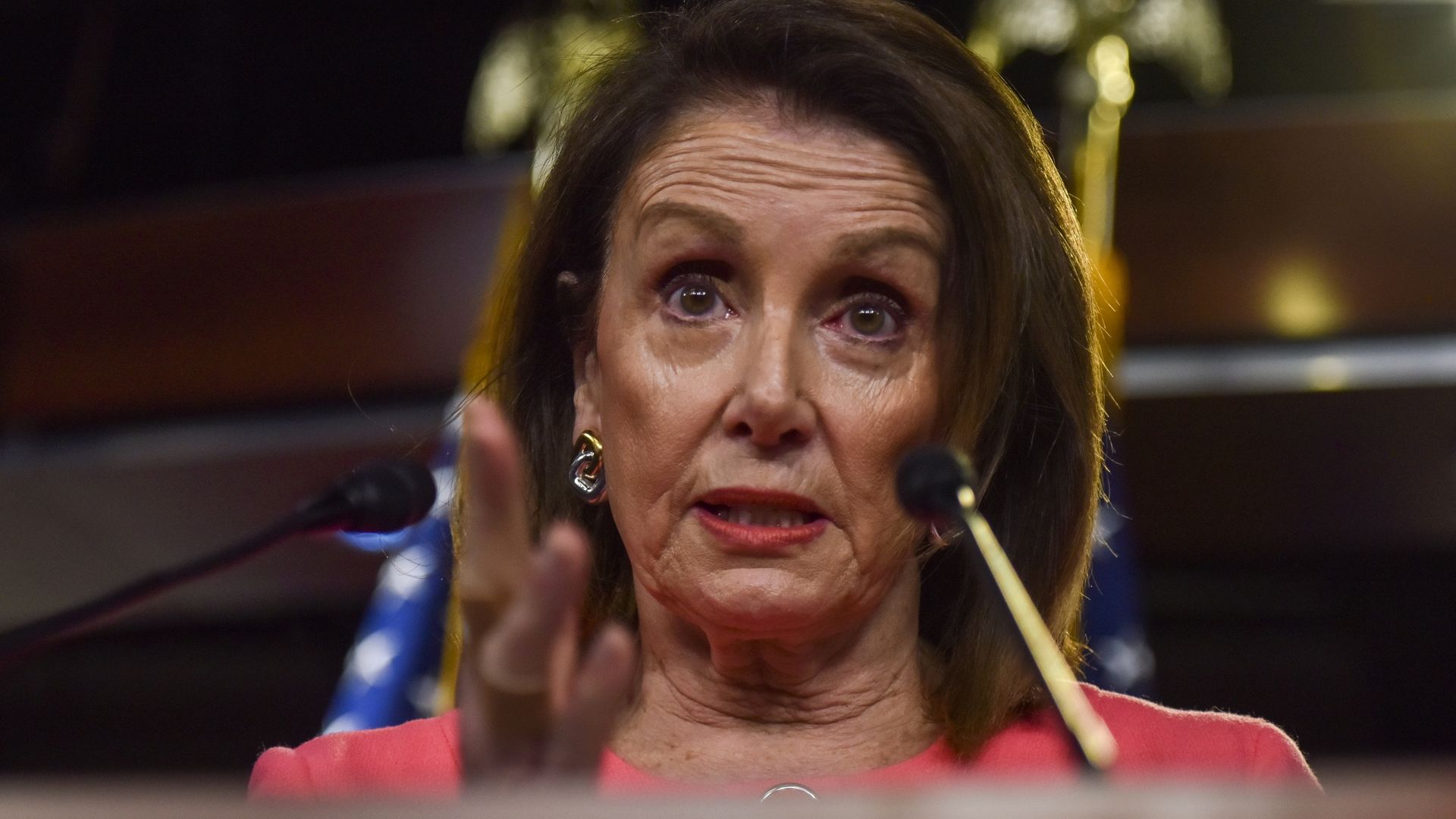
House Speaker Nancy Pelosi said on Tuesday that the Trump administration's provocation and refusal to follow the order of subpoenas could be an impeachable offense, Bloomberg reports.
Why it matters: Until now, Pelosi has held the line with other House Democratic leaders in opposition of kick-starting impeachment proceedings against Trump. In a letter to Democrats last month, she said there are other ways to hold the president accountable for his "highly unethical and unscrupulous behavior" besides initiating impeachment procedures.
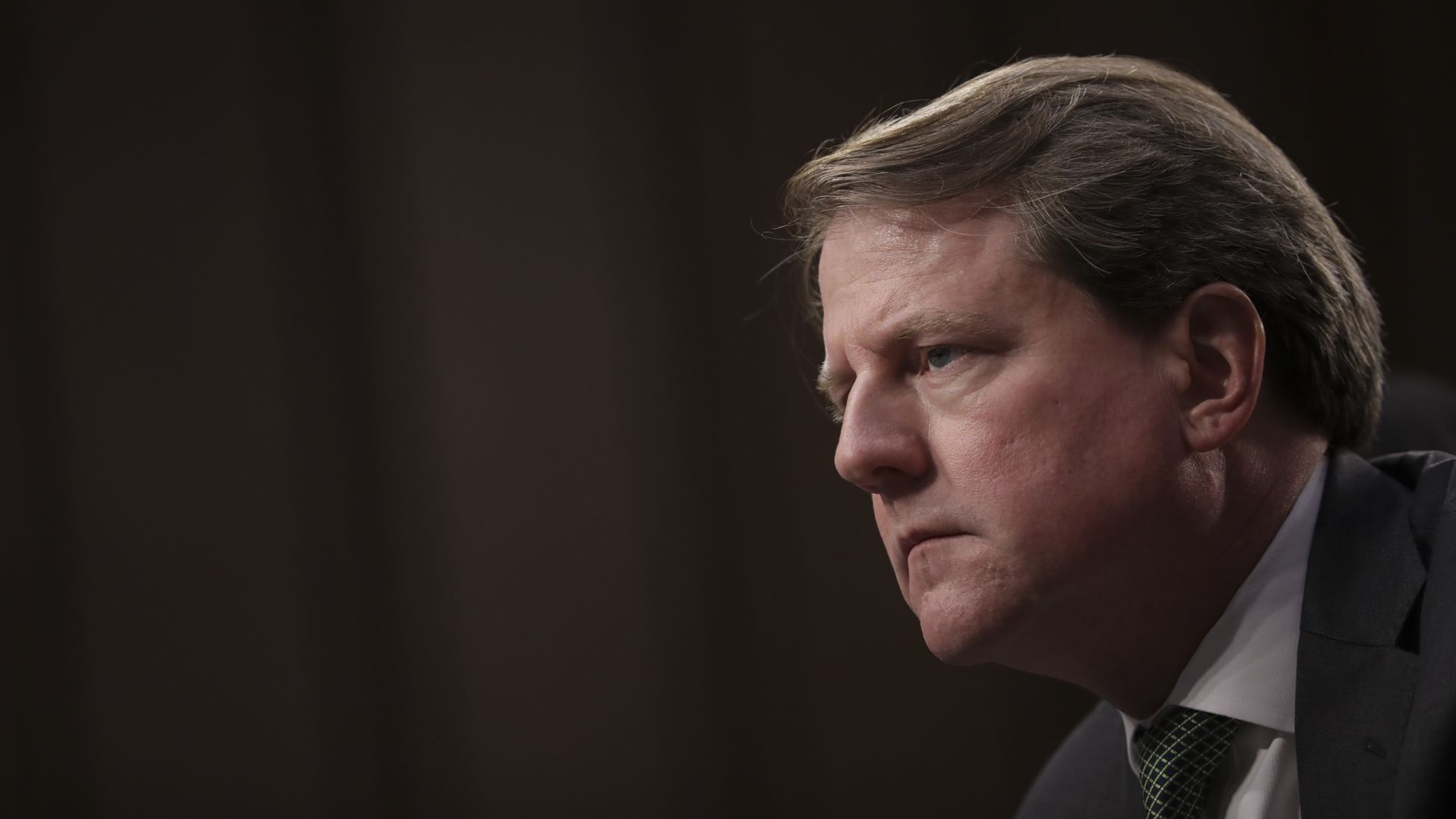
White House counsel Pat Cipollone has instructed former counsel Don McGahn to withhold subpoenaed documents from the House Judiciary Committee.
Driving the news: In a letter to McGahn's lawyer, Cipollone said that the White House provided documents to McGahn as part of special counsel Robert Mueller's investigation with the understanding that they would remain under control of the White House "for all purposes." As such, Cipollone argues that the committee must negotiate with the White House, and that President Trump has the right to invoke executive privilege and prevent the records from being disclosed.
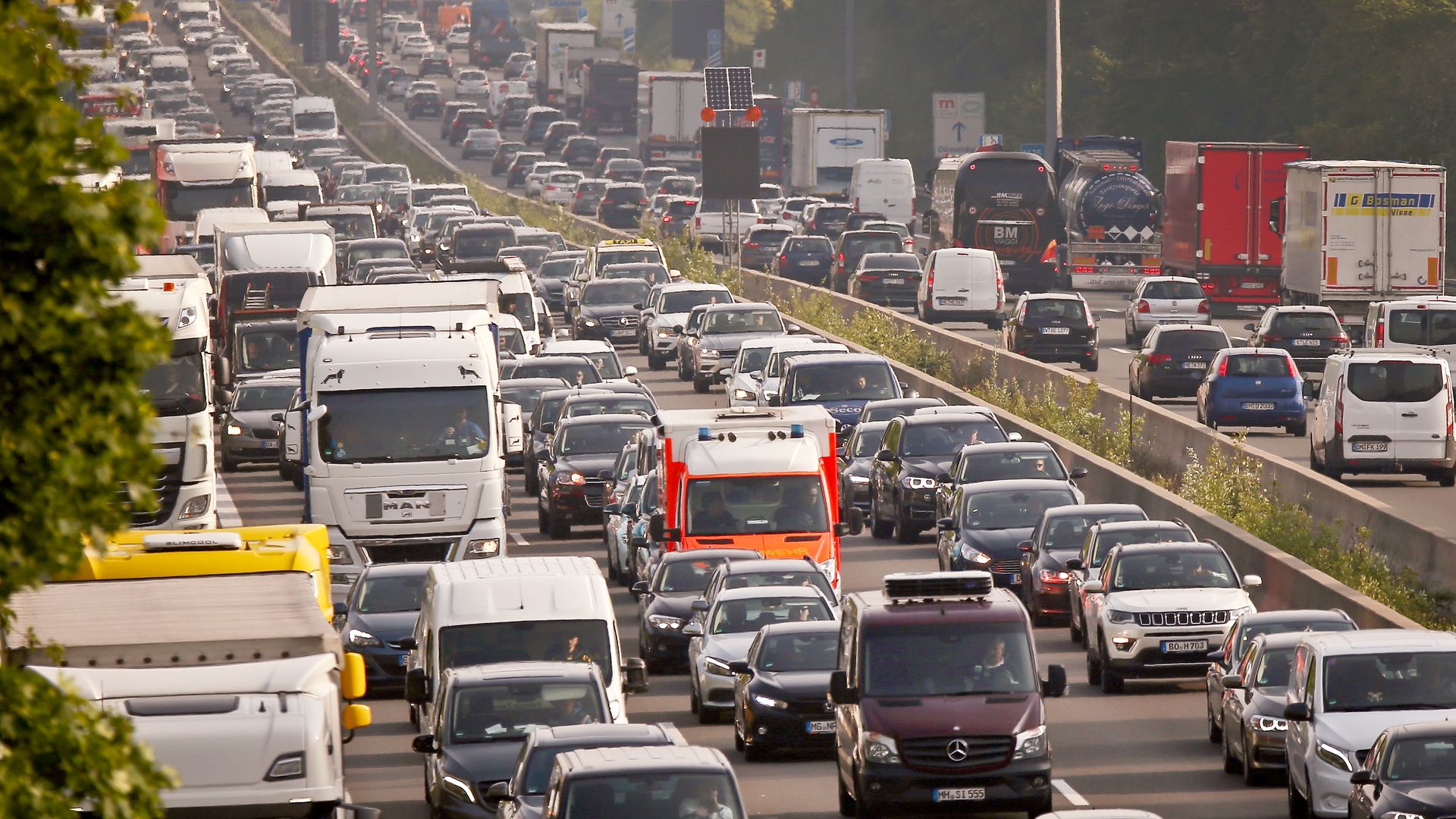
A new piece in The Conversation puts some eye-opening numbers behind why it will take so long to wring carbon emissions out of the country's car and truck fleet even though EVs are growing fast.
Why it matters: Transportation has surpassed electricity as the largest source of U.S. carbon emissions. A number of cities and states are promoting policies to boost adoption of zero-emissions vehicles, which are now a tiny fraction of new car sales.
Chipmaker AMD, long in Intel's shadow, will be at the heart of one of the world's most powerful new supercomputers, a new Cray machine being built for the U.S. Department of Energy.
Why it matters: Though such large-scale computers represent a tiny fraction of the market, they still power advanced basic research — and confer bragging rights on those institutions, companies and, increasingly, nations whose devices top the annual rankings.
The U.S. has reached the roughly half-year mark of a new phase in climate politics, which began when Democrats won House control and the party's 2020 primary campaign got rolling in earnest.
Why it matters: Democrats are beginning to shape the ideas that could become actual policy if the 2020 elections open a political window, while some Republicans are scrambling to come up with a response.
A slew of states and electricity companies are committing to aggressive targets to reduce greenhouse gas emissions in a trend underway since President Trump took office.











/2019/05/07/1557232770756.gif?w=3840)



