The controversial election of Felix Tshisekedi to the presidency of the Democratic Republic of the Congo (DRC) at the end of last year raises many new questions about the country’s future, especially with respect to the global cobalt market. Because the DRC holds half of all known, economically recoverable cobalt reserves — currently accounting for 60% of global production — the world’s cobalt supply is inextricably tied to the DRC’s political stability.
OPEC is seeking to formalize its market management partnership with Russia and other producers, a proposal slated for discussion later this month in Vienna, The Wall Street Journal reports.
Why it matters: Plans to transform their existing, roughly 2-year-old oil supply management effort into something more durable signals how the U.S. production surge has upended oil markets and geopolitics.
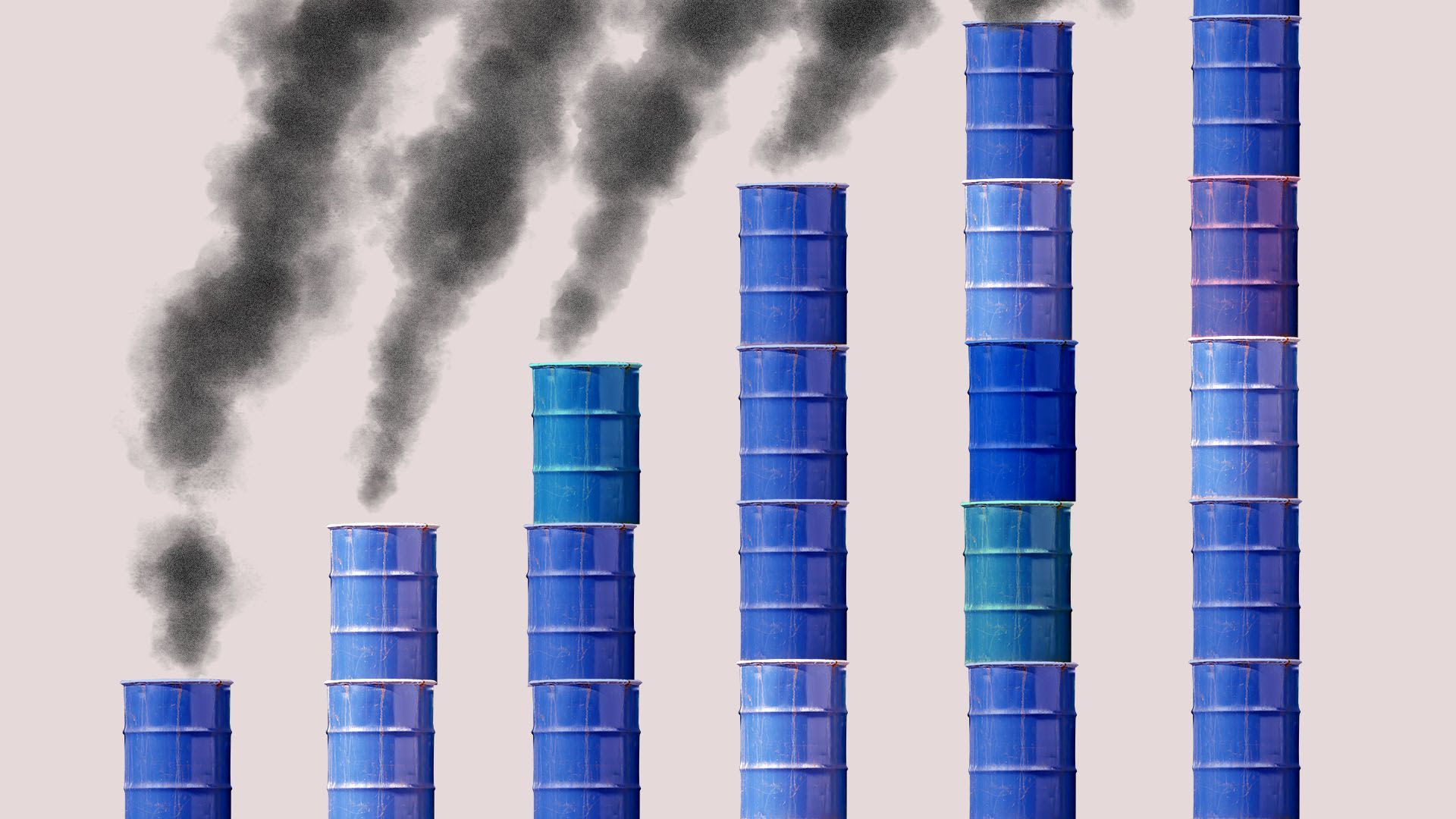
The U.S. oil-and-gas production surge could boost domestic and global greenhouse gas emissions in the future, a new study released via the nonpartisan think tank Resources for the Future shows.
Ahead of President Trump's State of the Union address tonight, we asked the Axios subject-matter experts the top trend they'll be watching this year.
The big picture: What's coming next has been foreshadowed by many of the themes that ran through the first two years of Trump's presidency — the consequences of divided government, the growing influence of Big Tech, and the rising sense of economic unfairness felt by many Americans across the country.
Forecasts of a grim future ahead from extreme weather have been at once so vague and frequent as to numb many people as to what's coming. But it turns out that this is the second incidence in history of climate change at least partly induced by humans.
Driving the news: In the first, a half-millennium ago, humans made the Earth cooler, which contributed to famine, disease, and popular uprisings in Europe, experts say. In much-discussed new research, U.K. scientists say the 16th century exploration of the Americas by Europeans led to a cascade of disaster.
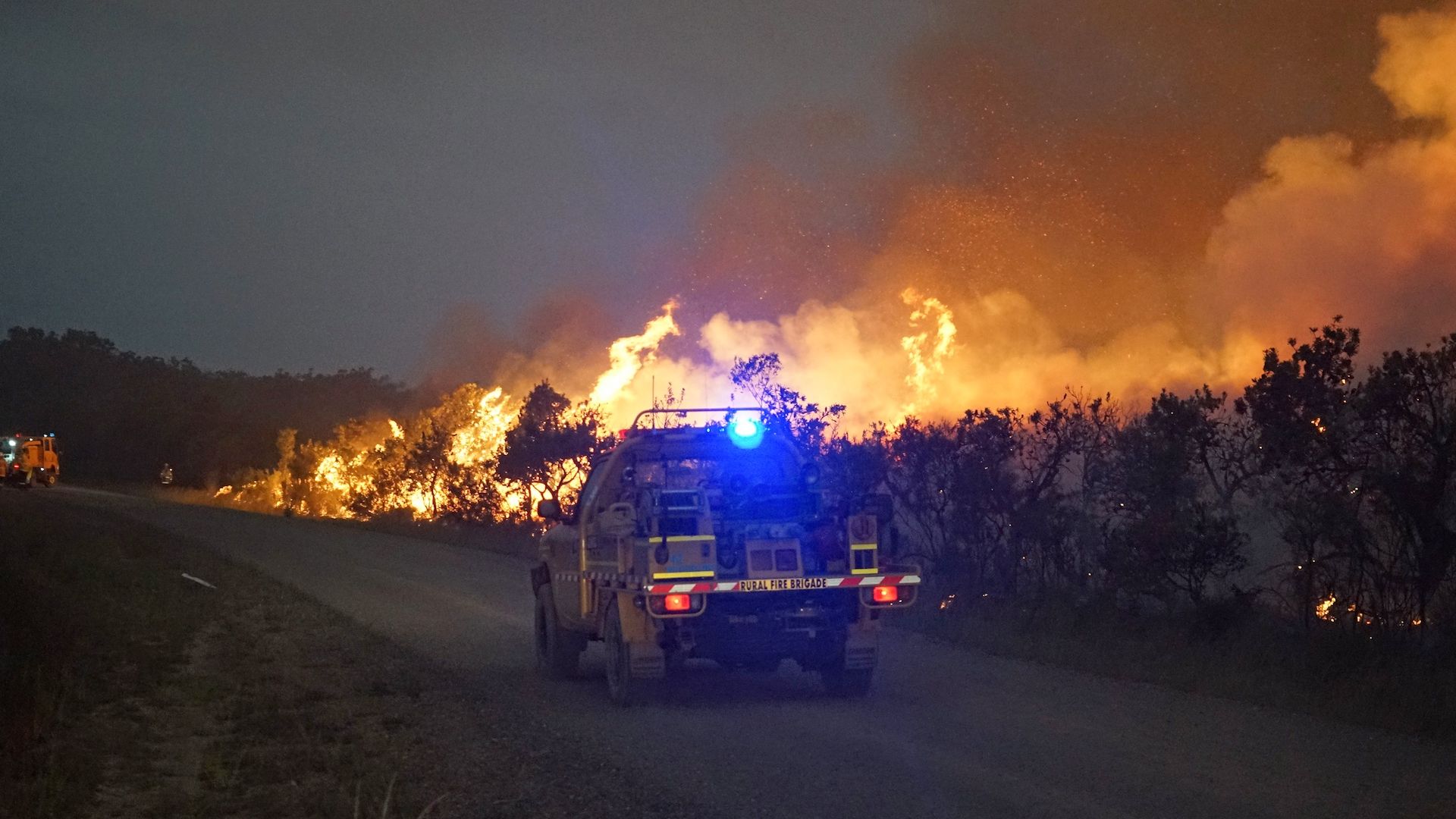
Australia has been stricken with long-lasting and widespread heat waves since November, and the record heat pushed the country's nationally averaged temperature for January to an all-time high since instrument records began there 110 years ago.
Why it matters: The heat waves, and ongoing severe flooding in northeastern Queensland, are the types of events climate scientists have tied to human-caused climate change. Heat waves and wildfires are projected to become more widespread and severe in Australia as the climate continues to warm.
Details: Bernhardt became the agency’s deputy secretary in summer 2017 and has been leading the department on an acting interim basis since Zinke resigned in December amid several ethics scandals, including one reportedly referred to the Justice Department. Bernhardt worked in the Interior Department under President George W. Bush and has since lobbied on behalf of several companies and organizations with business at his agency now.
The Sierra Club and Tom Steyer's NextGen America, as well as veteran Democrat Rep. Earl Blumenauer (Ore.), are among the first backers of Rep. Alexandria Ocasio-Cortez's (D-N.Y.) upcoming resolution calling for a Green New Deal.
Where it stands: Ocasio-Cortez's office is circulating a "dear colleague" memo seeking more initial co-sponsors for the resolution that will call for a "national, social, industrial and economic mobilization at a scale not seen since World War II." It's slated to be introduced as early as this week.
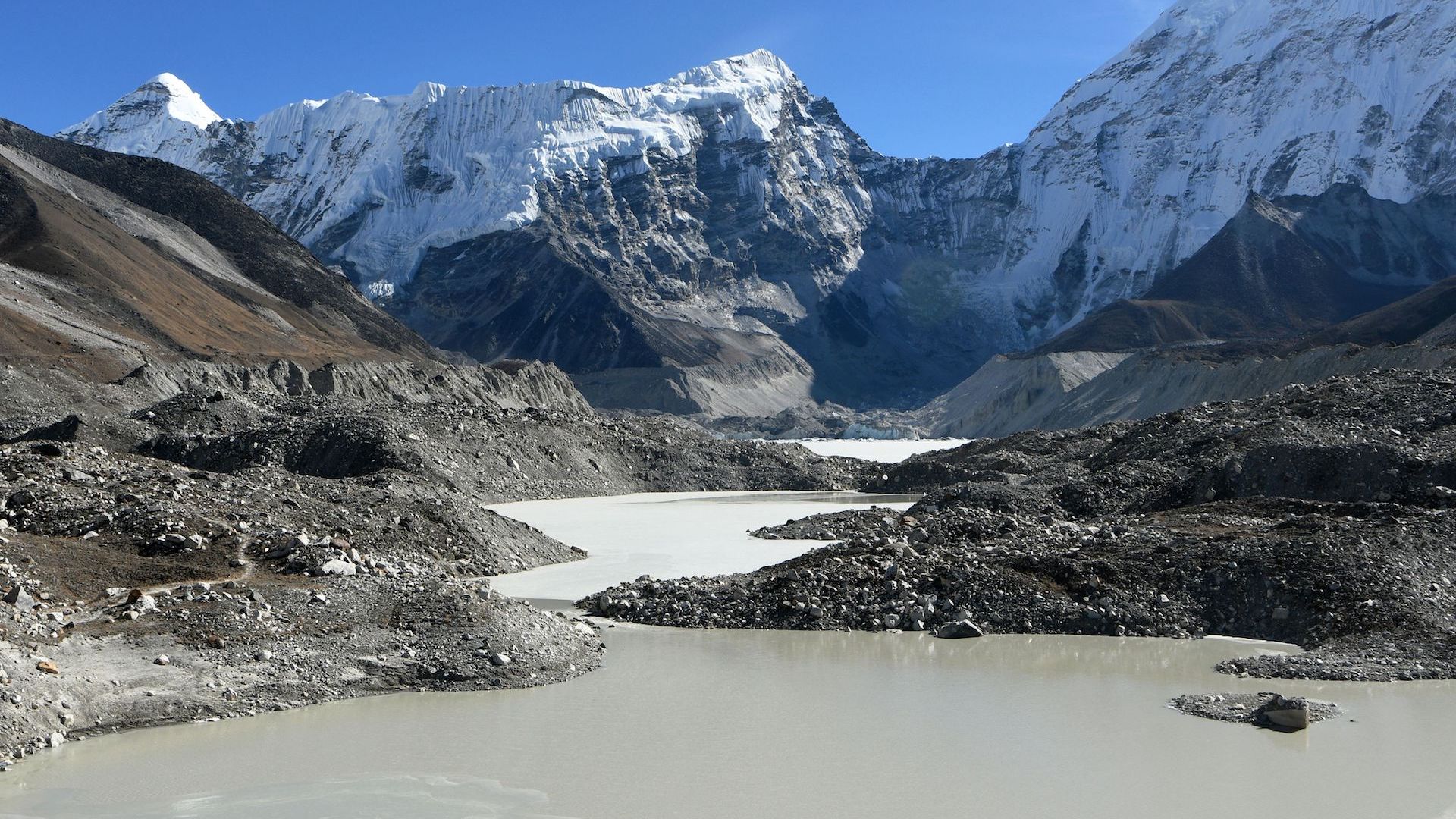
Climate change is likely to melt at least one-third of the glaciers located in the Hindu Kush Himalayan (HKH) region, where Mount Everest is located, imperiling the water supply of more than 1 billion people in the area.
Why it matters: The mountainous 2,000-mile region, known to climate scientists as the planet's vast "Third Pole," is a major water source for 10 of the world’s most important river systems, including the Ganges, Indus, Yellow, Mekong and Irrawaddy. The Hindu Kush Himalaya Assessment found that even if the world were to meet the Paris climate agreement's most stringent global warming target, one-third of the glaciers in the mountainous region would still melt by the end of the century.