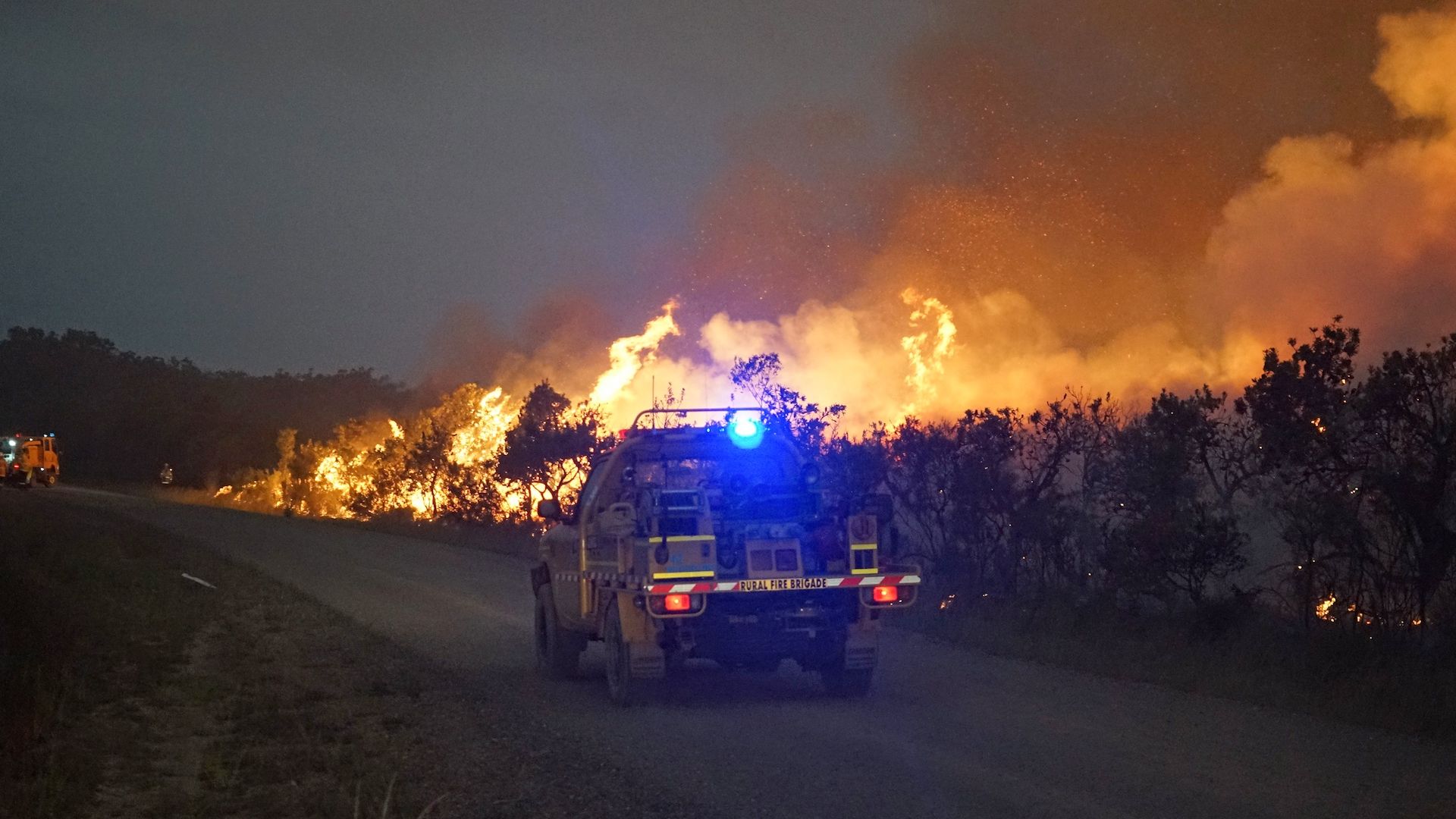
Australia has been stricken with long-lasting and widespread heat waves since November, and the record heat pushed the country's nationally averaged temperature for January to an all-time high since instrument records began there 110 years ago.
Why it matters: The heat waves, and ongoing severe flooding in northeastern Queensland, are the types of events climate scientists have tied to human-caused climate change. Heat waves and wildfires are projected to become more widespread and severe in Australia as the climate continues to warm.
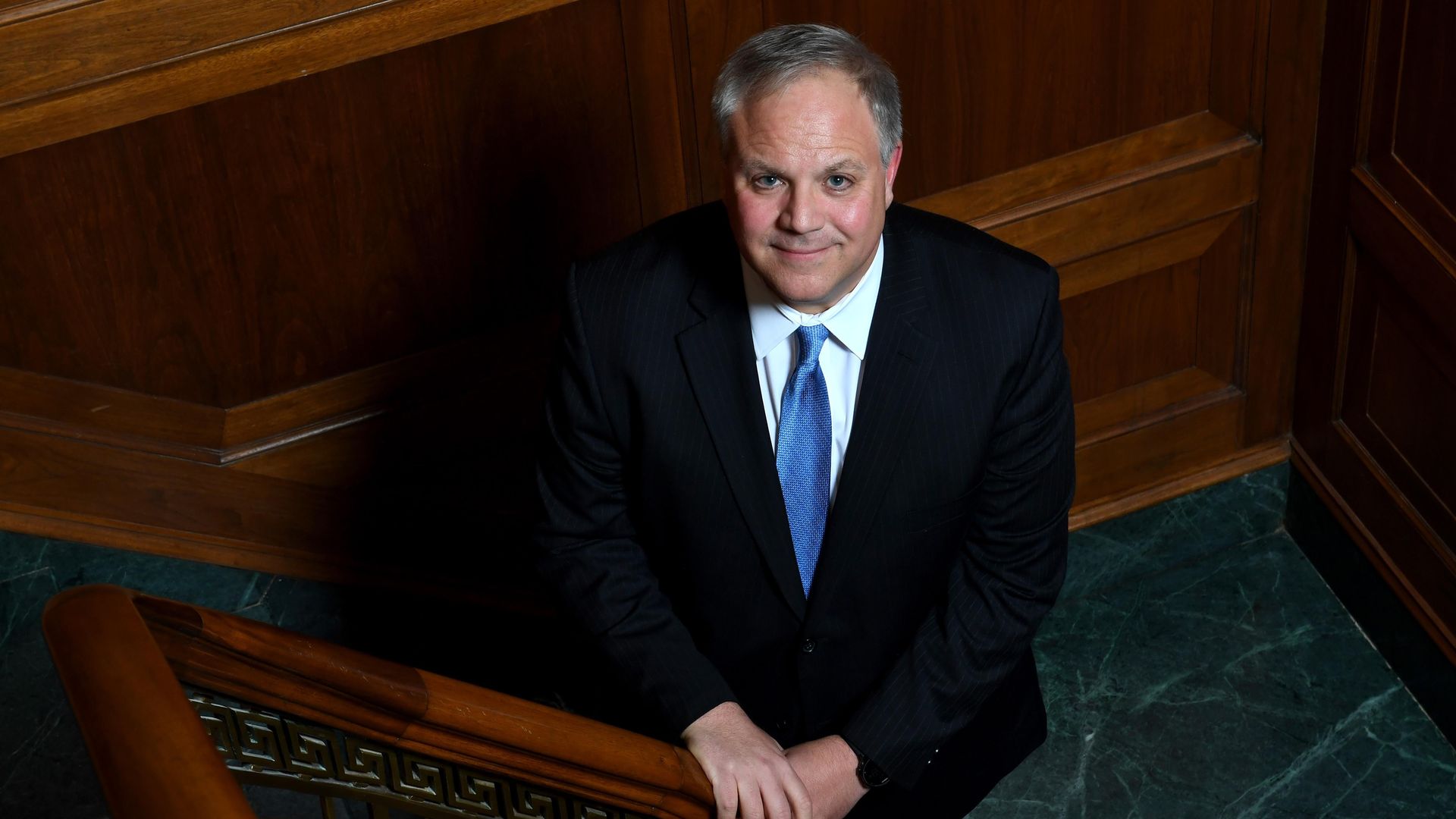
Details: Bernhardt became the agency’s deputy secretary in summer 2017 and has been leading the department on an acting interim basis since Zinke resigned in December amid several ethics scandals, including one reportedly referred to the Justice Department. Bernhardt worked in the Interior Department under President George W. Bush and has since lobbied on behalf of several companies and organizations with business at his agency now.
The Sierra Club and Tom Steyer's NextGen America, as well as veteran Democrat Rep. Earl Blumenauer (Ore.), are among the first backers of Rep. Alexandria Ocasio-Cortez's (D-N.Y.) upcoming resolution calling for a Green New Deal.
Where it stands: Ocasio-Cortez's office is circulating a "dear colleague" memo seeking more initial co-sponsors for the resolution that will call for a "national, social, industrial and economic mobilization at a scale not seen since World War II." It's slated to be introduced as early as this week.
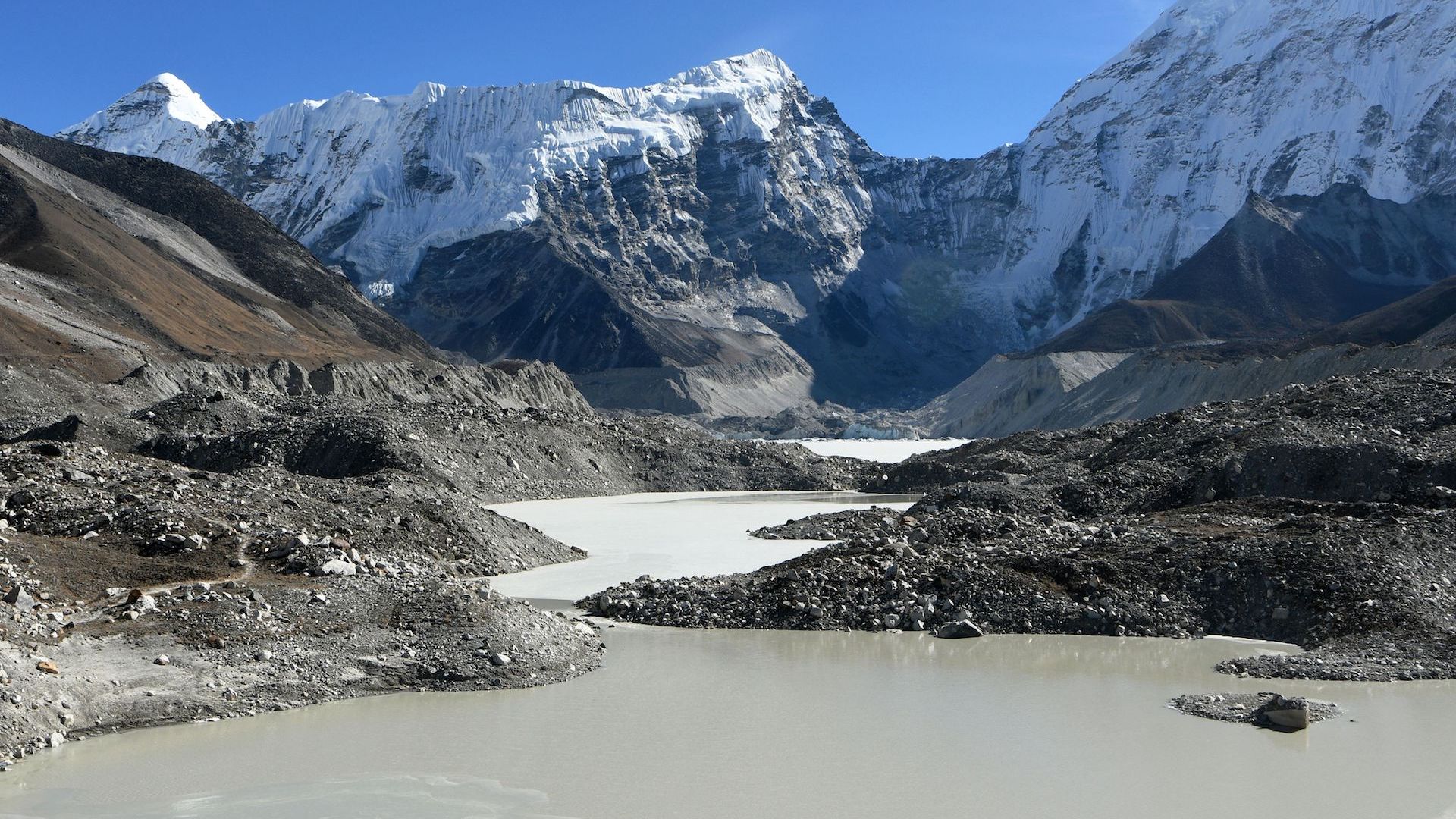
Climate change is likely to melt at least one-third of the glaciers located in the Hindu Kush Himalayan (HKH) region, where Mount Everest is located, imperiling the water supply of more than 1 billion people in the area.
Why it matters: The mountainous 2,000-mile region, known to climate scientists as the planet's vast "Third Pole," is a major water source for 10 of the world’s most important river systems, including the Ganges, Indus, Yellow, Mekong and Irrawaddy. The Hindu Kush Himalaya Assessment found that even if the world were to meet the Paris climate agreement's most stringent global warming target, one-third of the glaciers in the mountainous region would still melt by the end of the century.
As a carbon tax slowly emerges from political purgatory in Washington, the biggest sticking point looming over the policy is what to do with the money raised from the tax.
The big picture: I know, we're talking about a fantasy here because Republicans controlling most of Washington right now, including President Trump, categorically oppose carbon taxes. But the policy is slowly gaining support in pockets across the political spectrum, which could pick up momentum after the 2020 elections. So let's suspend our disbelief and look at this tussle over the cash, which is central to everything.
If you're an executive who doesn't feel like making tough decisions about corporate priorities — like PG&E's potential climate liabilities or Citgo's Venezuela ties — there's always an alternative: file for bankruptcy.
My thought bubble: These problems are not what America's bankruptcy regime was designed to solve. Bankruptcy is messy and expensive; what's more, judges don't tend to make great corporate executives. But it's easy to see why an executive holding a hot potato might be tempted to pass it on to someone — anyone — else.
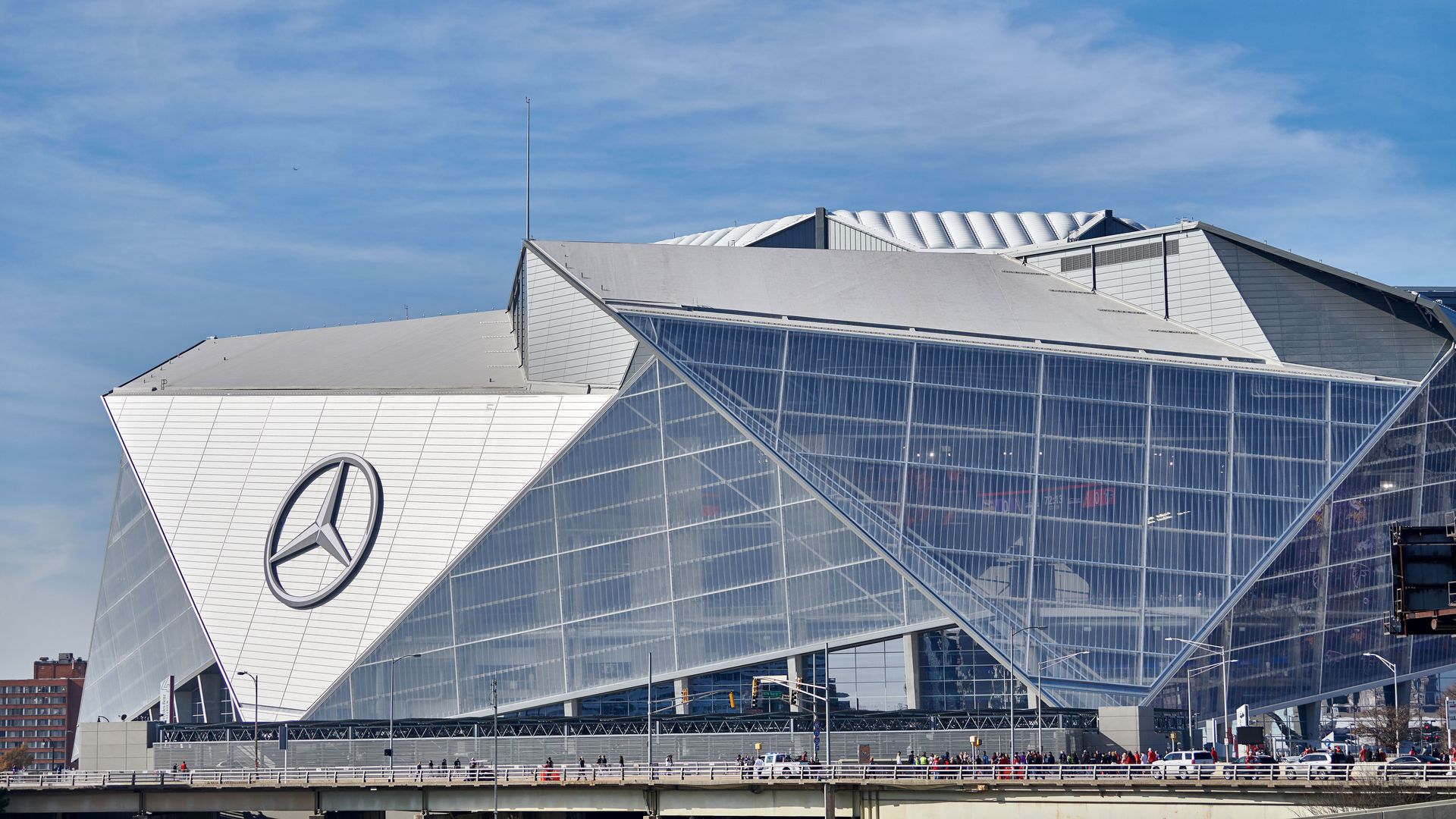
This year’s Super Bowl will be held in the most environmentally acclaimed sports stadium in the U.S., the Mercedes-Benz Stadium in Atlanta. The 2-million-square-foot arena, designed by HOK, opened to the public in August 2017 and was the first professional sports stadium in the U.S. to achieve Platinum LEED certification, the highest rating from the U.S. Green Building Council.
Why it matters: A typical NFL game may produce up to 35 tons of waste, or roughly 1.5 pounds per guest. Showcasing sustainability efforts at these highly watched and attended events will help educate fans, reduce operating costs for owners and ultimately lessen the environmental impact for surrounding neighborhoods.






/2019/02/01/1549050253189.gif?w=3840)

/2019/02/03/1549212708667.gif?w=3840)