Last year was Earth's 4th-warmest year on record, coming in behind 2016, the planet's warmest recorded year, as well as 2015 and 2017, according to information released Wednesday by NOAA, NASA and the U.K. Met Office.
Why it matters: The yearly rankings don't tell the whole story of long-term climate change, since natural variability can still push or pull an individual year up or down the rankings. However, the overall picture is growing starker with each passing year. Nine of the 10 warmest years on record since reliable data began in 1880 have occurred since 2005. At the same time, greenhouse gases from the burning of fossil fuels — as well as deforestation and intensive agriculture — have skyrocketed to levels not seen in more than 800,000 years.
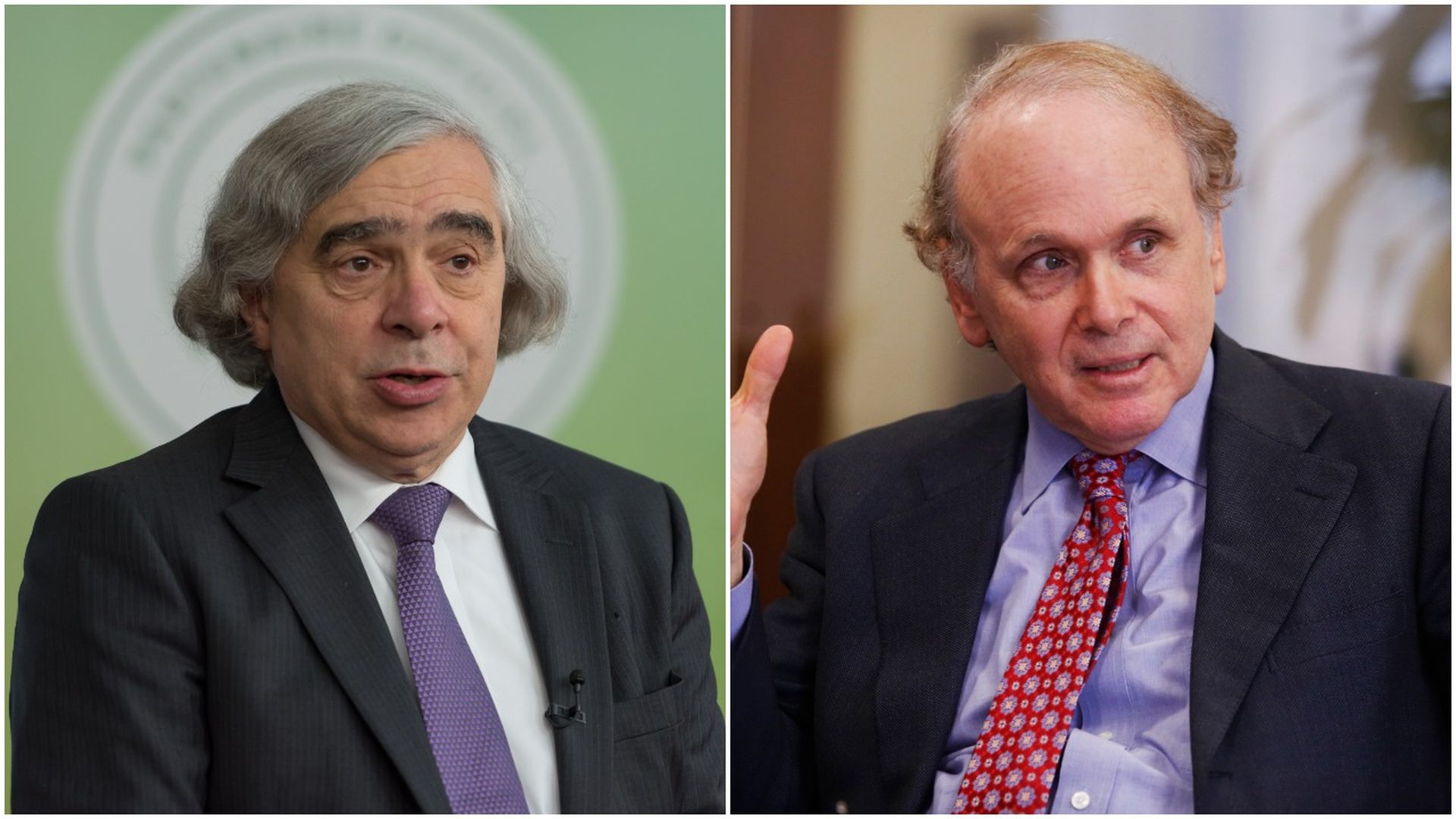
Former Energy Secretary Ernest Moniz and IHS Markit Vice Chairman Dan Yergin teamed up on new joint report on energy innovation out today.
Why it matters: Innovation is an overused buzzword, but when the groups behind these two experts put their collective minds together, it’s worth reading. Moniz was energy secretary under President Obama and now leads his own think tank, Energy Futures Initiative. Yergin is a Pulitzer-Prize winning author and leads the energy practice at global firm IHS.
The controversial election of Felix Tshisekedi to the presidency of the Democratic Republic of the Congo (DRC) at the end of last year raises many new questions about the country’s future, especially with respect to the global cobalt market. Because the DRC holds half of all known, economically recoverable cobalt reserves — currently accounting for 60% of global production — the world’s cobalt supply is inextricably tied to the DRC’s political stability.
OPEC is seeking to formalize its market management partnership with Russia and other producers, a proposal slated for discussion later this month in Vienna, The Wall Street Journal reports.
Why it matters: Plans to transform their existing, roughly 2-year-old oil supply management effort into something more durable signals how the U.S. production surge has upended oil markets and geopolitics.
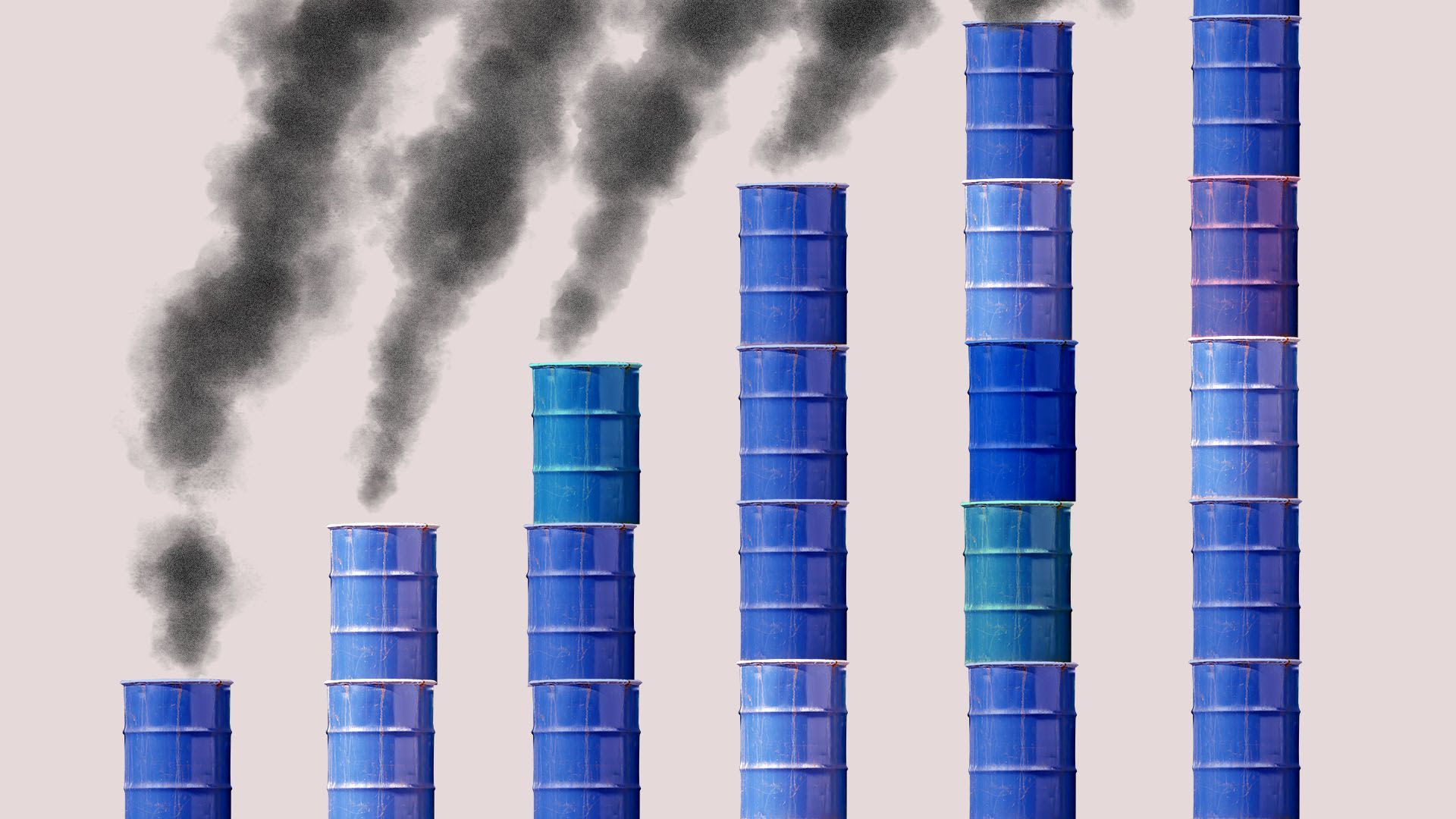
The U.S. oil-and-gas production surge could boost domestic and global greenhouse gas emissions in the future, a new study released via the nonpartisan think tank Resources for the Future shows.
Ahead of President Trump's State of the Union address tonight, we asked the Axios subject-matter experts the top trend they'll be watching this year.
The big picture: What's coming next has been foreshadowed by many of the themes that ran through the first two years of Trump's presidency — the consequences of divided government, the growing influence of Big Tech, and the rising sense of economic unfairness felt by many Americans across the country.
Forecasts of a grim future ahead from extreme weather have been at once so vague and frequent as to numb many people as to what's coming. But it turns out that this is the second incidence in history of climate change at least partly induced by humans.
Driving the news: In the first, a half-millennium ago, humans made the Earth cooler, which contributed to famine, disease, and popular uprisings in Europe, experts say. In much-discussed new research, U.K. scientists say the 16th century exploration of the Americas by Europeans led to a cascade of disaster.