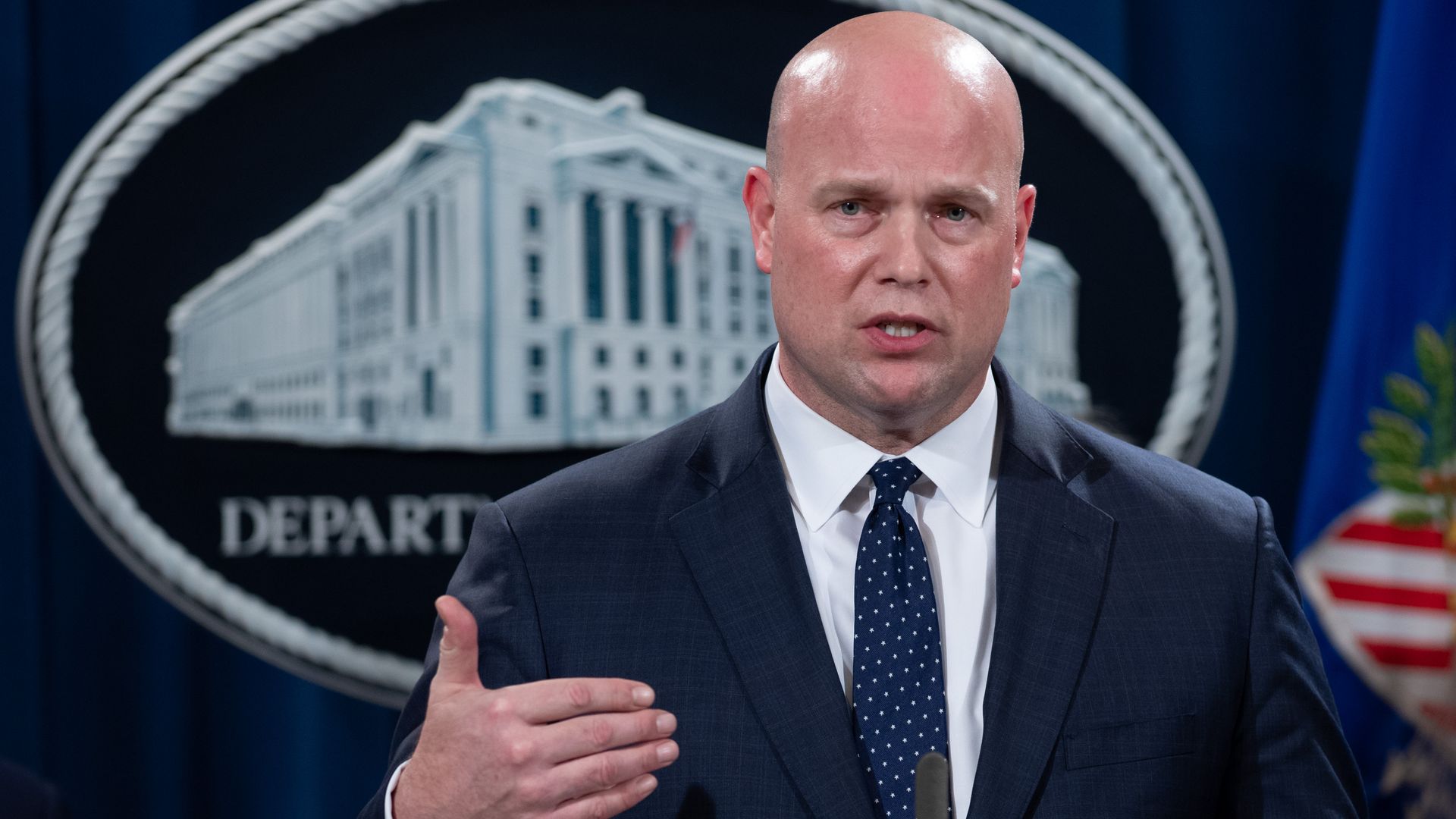
Acting Attorney General Matt Whitaker put on a performance today that's likely to leave plenty of top Trump officials even less excited about the prospect of their day on Capitol Hill.
In what the NYT called a "remarkable breach of decorum," Whitaker drew stunned laughs in the room with this response to a question from House Judiciary Chair Jerry Nadler, a Democrat: “Mr. Chairman, I see that your five minutes is up.” Democratic Rep. Sheila Jackson Lee later retorted: “Mr. Attorney General, we are not joking here ... And your humor is not acceptable.”
Given the recent the Al-Shabab terror attack in Kenya, the ongoing unrest in Zimbabwe, and upcoming elections in Africa’s two largest economies, investors are taking pause when looking at the region. But Angola is standing out as a bright spot, where, after years of economic downturn, a 2019 recovery has come into view.
Until yesterday, Sens. Kirsten Gillibrand (D-N.Y.), Cory Booker (D-N.J.), Elizabeth Warren (D-Mass.), Kamala Harris (D-Calif.) and Amy Klobuchar (D-Minn.) hadn't made climate change central to their political careers.
But now they comprise roughly half of the initial Senate cosponsors of what's by far the most sweeping and aggressive global warming template ever proposed on Capitol Hill.
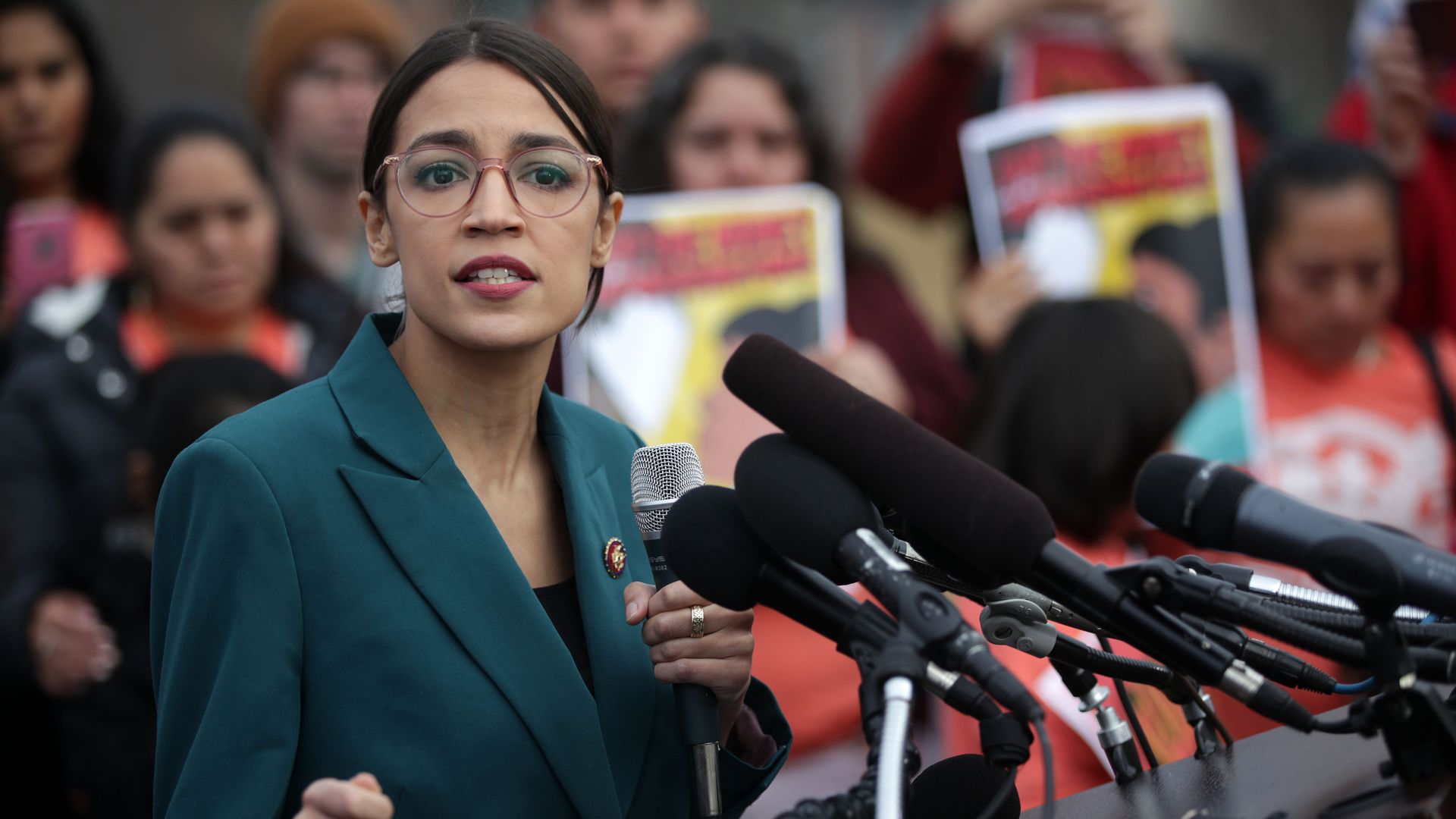
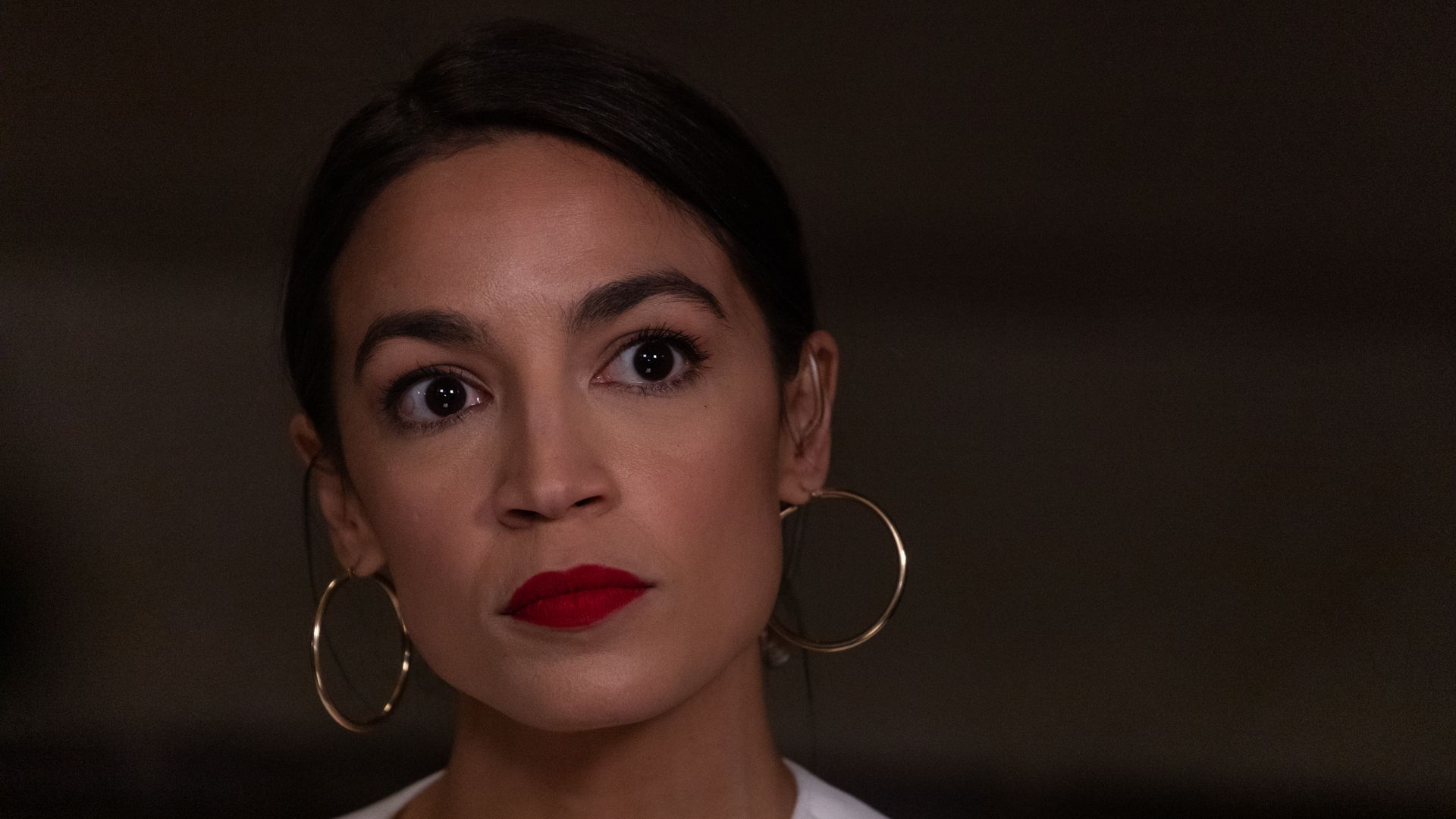
Why it matters: It's a testament to the meteoric rise of the Green New Deal concept. But there's also raw and delicate politics at play — Rep. Alexandrio Ocasio-Cortez (D-N.Y.) and her allies are a force in Democratic politics and they're already affecting the 2020 race.
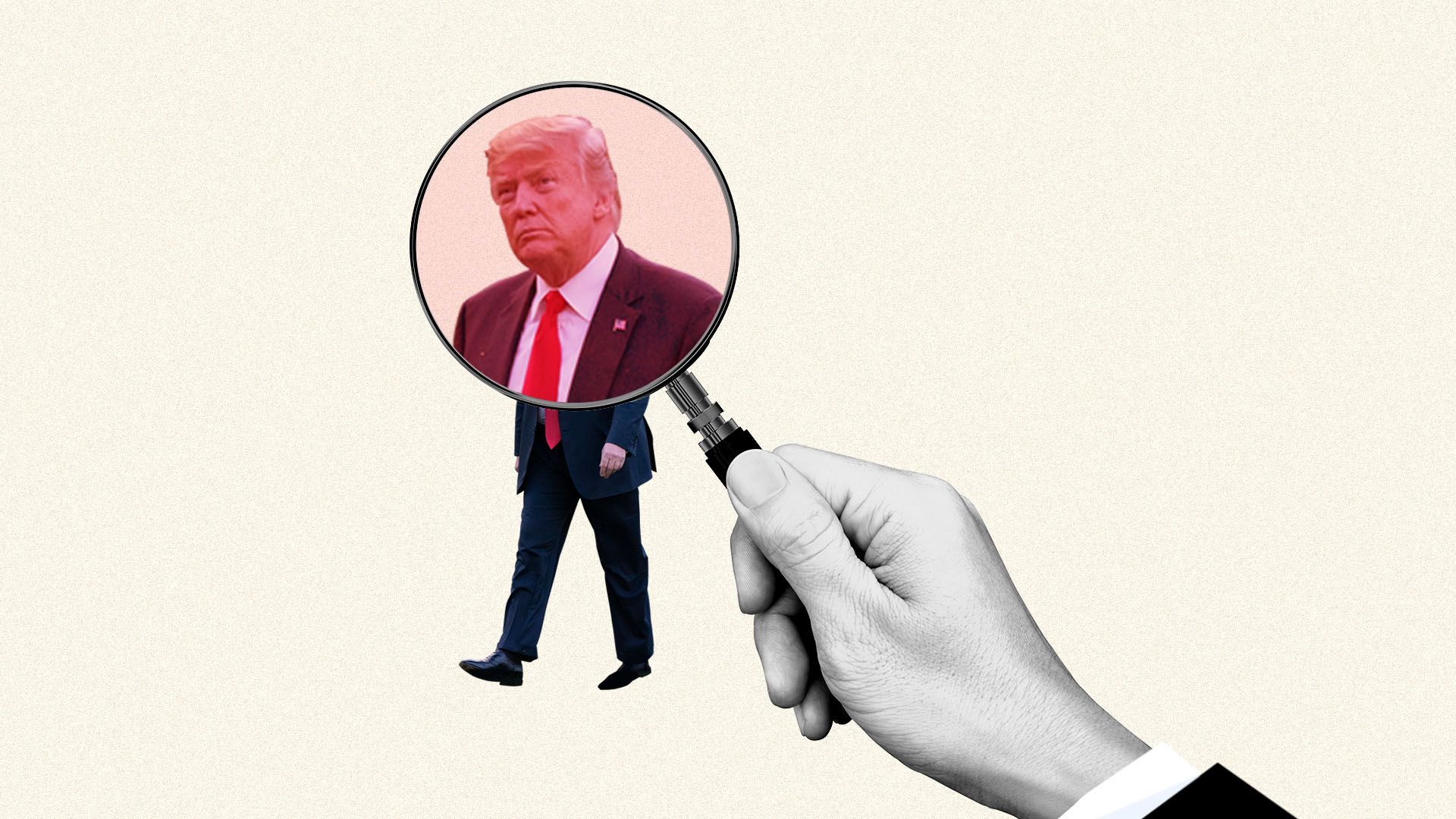
Democrats just gave President Trump the socialism fight he's been spoiling for with the Green New Deal — which calls for a mammoth expansion of federal investments and market interventions — and the political and planetary stakes couldn't be higher.
Driving the news: Six top-tier Democratic presidential 2020 candidates — Kamala Harris, Cory Booker, Kirsten Gillibrand, Elizabeth Warren, Amy Klobuchar and Bernie Sanders — are already co-sponsoring the non-binding resolution.
A small bipartisan group of lawmakers introduced legislation Thursday that would support the buildout of technology capturing carbon dioxide emissions.
Why it matters: Although it’s not nearly as high-profile or sweeping as the Green New Deal resolution, also unveiled Thursday, the bill takes a more direct, concrete aim at the root of climate change: emissions themselves.
On the coast of South America, just north of Brazil, lies the impoverished former British colony of Guyana, distantly remembered for a bizarre mass suicide four decades ago that begot the term "drinking the Kool-Aid."
Why it matters: The discovery of a massive trove of oil off its shores, including two finds just this week, puts Guyana on the cusp of becoming one of the world's wealthiest nations, in the league of petro-states like Qatar.
House Judiciary Committee Chairman Jerry Nadler said late Thursday that acting Attorney General Matt Whitaker will testify before the panel on Friday. This appears to end a standoff with Democrats, after Whitaker threatened not to appear unless he receives assurances that he will not be served with a subpoena for invoking executive privilege.
"The chairman has made the commitment that we requested, and agreed that, if Mr. Whitaker voluntarily appears at tomorrow's hearing, the Committee will not issue a subpoena on or before February 8. In light of that commitment, Acting Attorney General Whitaker looks forward to voluntarily appearing at tomorrow's hearing and discussing the great work of the Department of Justice."
— DOJ spokesperson Kerri Kupec said in a statement.
The big picture: The committee voted along party lines Thursday to preemptively subpoena Whitaker if he refuses to answer questions. The Justice Department's head of legislative affairs Stephen Boyd said that unless the committee promised by 6 p.m. on Thursday not to subpoena Whitaker, he would not attend the hearing, according to The Daily Beast.
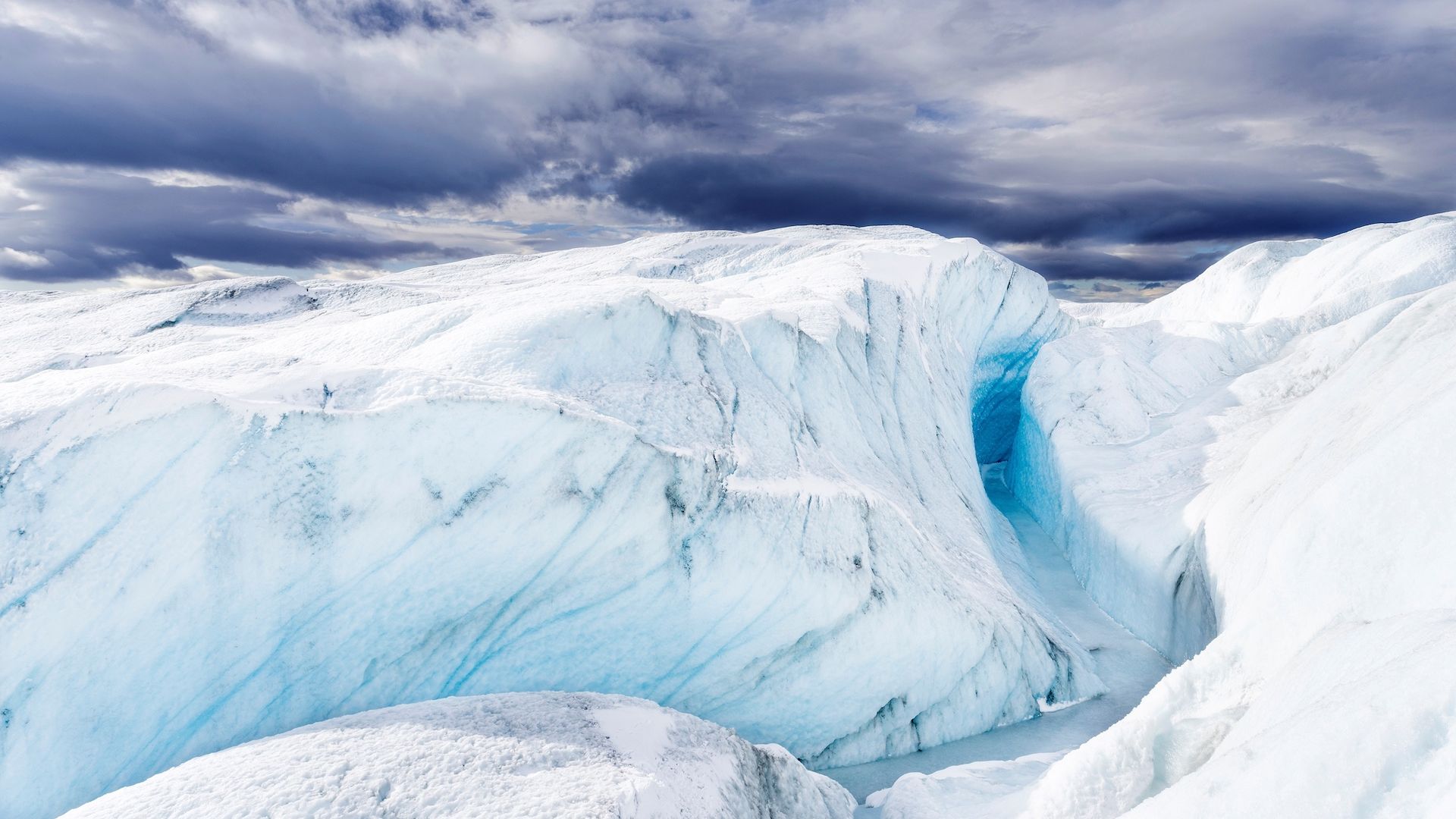
Sea level rise isn't the only thing we have to worry about as the Greenland and Antarctic ice sheets melt. A new modeling study finds that runoff from these ice sheets could significantly alter crucial ocean currents in ways that disrupt the Gulf Stream and accelerate ice loss in West Antarctica.
Why it matters: The study, published in the journal Nature on Wednesday, shows the potentially far-reaching ramifications of ice melt.
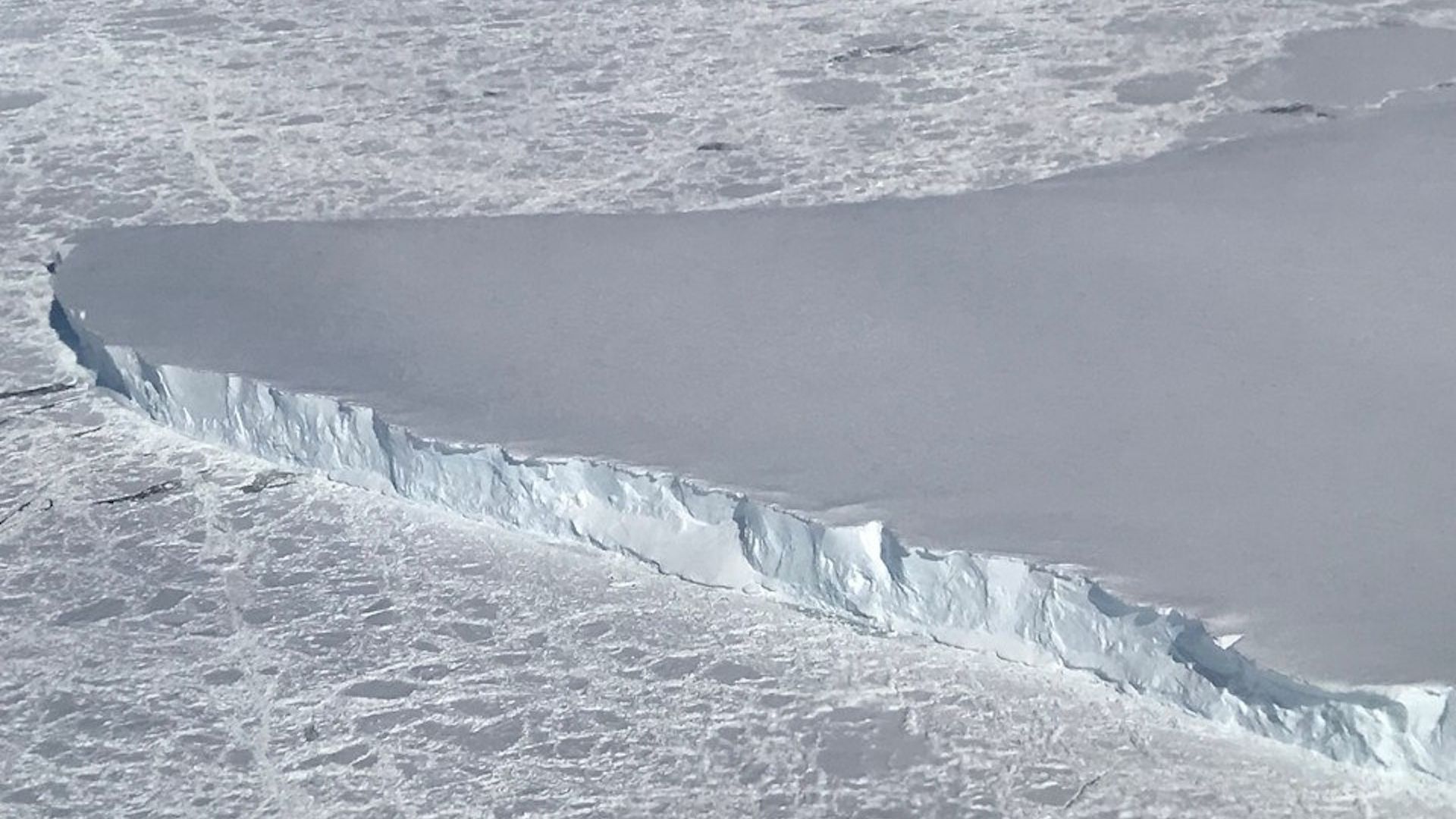
Two important studies on Antarctic ice shed light on how much progress scientists are making to predict the continent's future, and how little we really know.
The threat: The first study, published on Jan. 30 in Science Advances, used synthetic aperture radar from satellites and aircraft to determine the motion and structure of the rapidly melting Thwaites Glacier in West Antarctica.
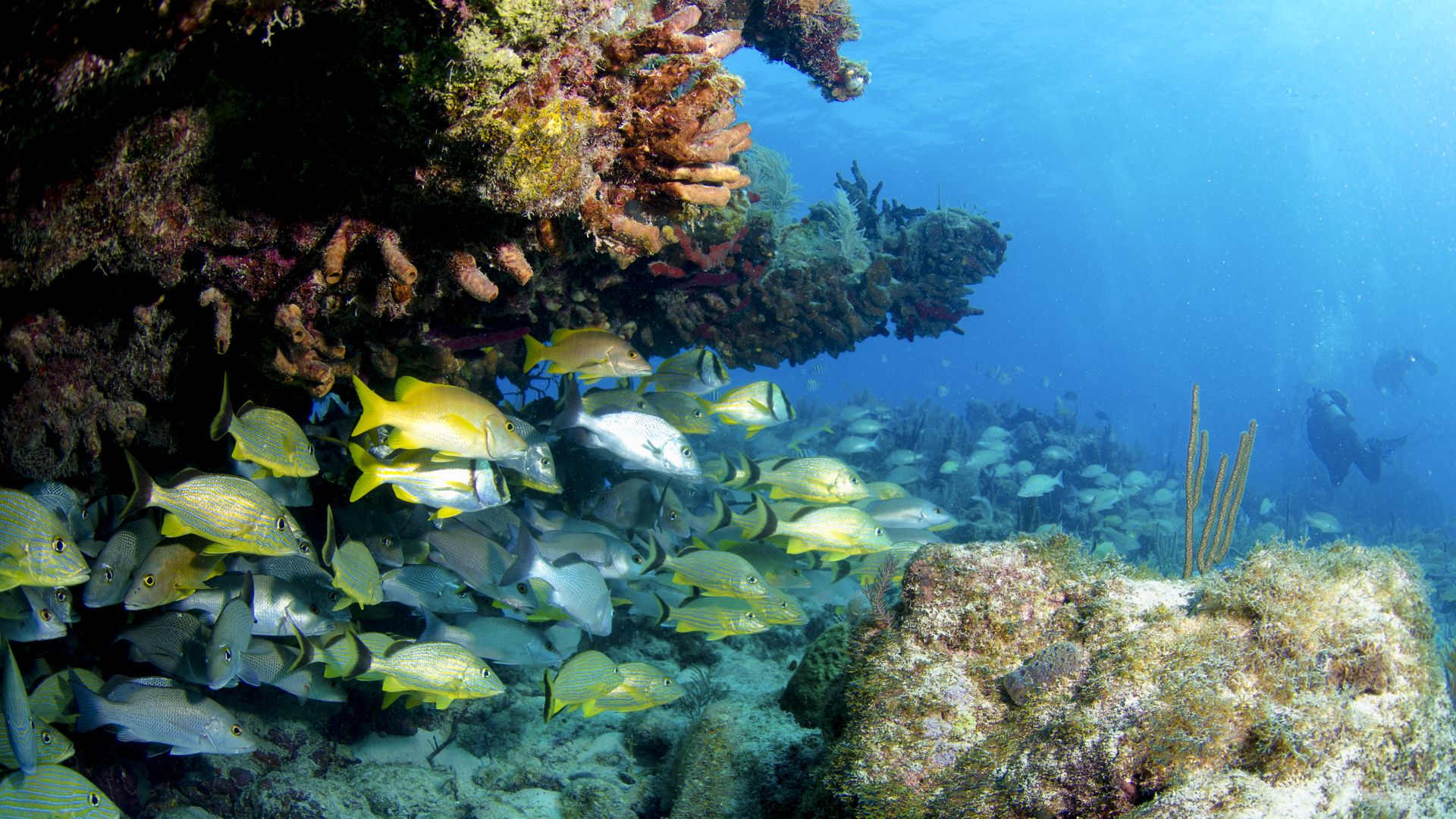
City officials in Key West voted this week to prohibit the sale of sunscreens that contain oxybenzone and octinoxate, two chemicals scientists say are harmful to the coral reef ecosystem, beginning on Jan. 2, 2021.
Why it matters: Supporters of the measure are calling it an important step to protect the Florida Keys, the largest and only living coral barrier reef in the continental U.S., and the third-largest barrier reef system in the world. However, opponents — including some dermatologists and trade groups — are calling for more research, arguing that banning the sale of some sunscreens could lead to a spike in skin cancer rates, the New York Times reports. Last year, Hawaii became the first state to ban the sale and distribution of similar sunscreens, also slated to take effect in 2021.
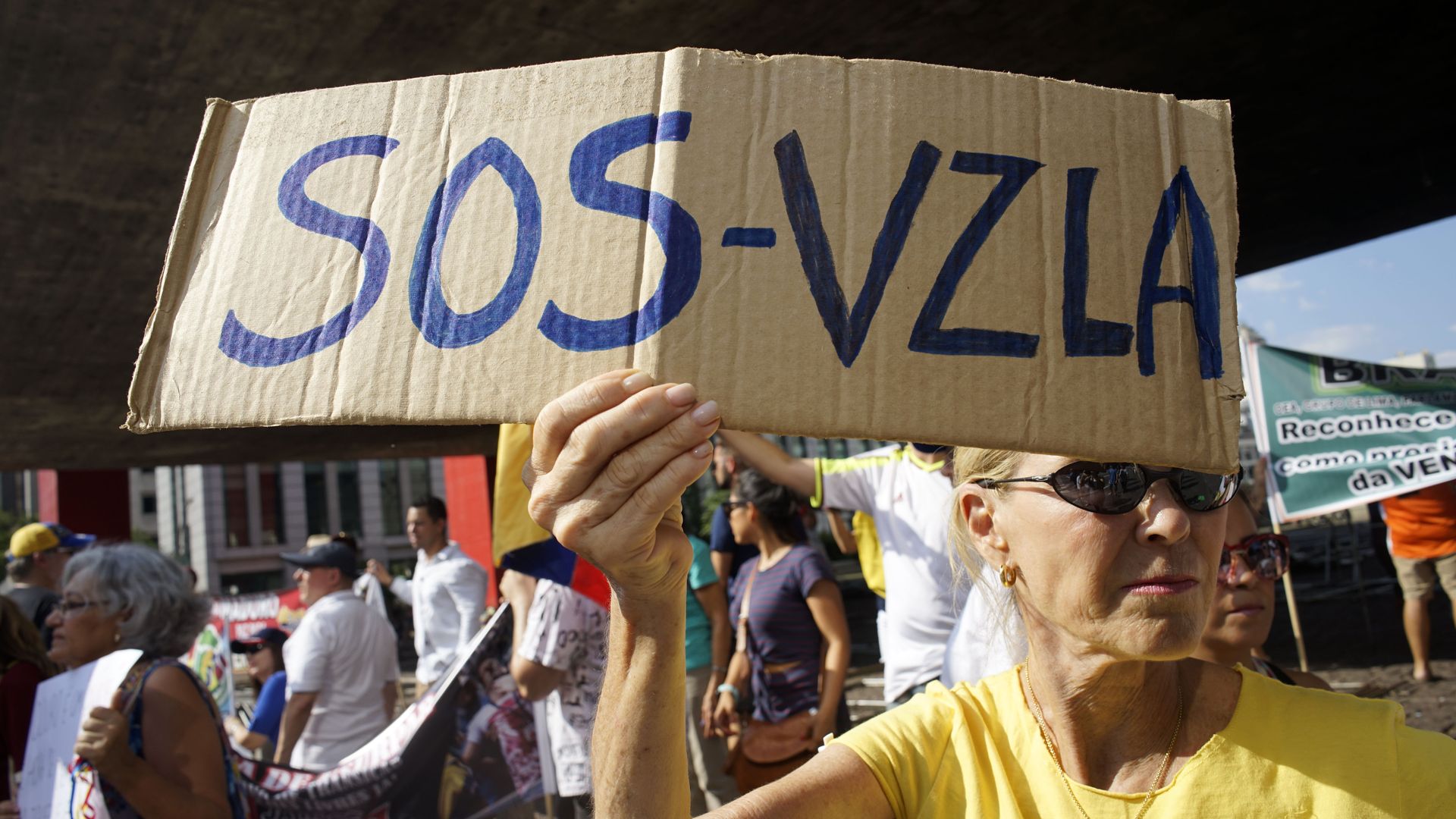
International ratings agency Fitch warned Wednesday that Venezuela's ongoing political and diplomatic crisis raises the risks of increased near-term economic pain as well as further oil market disruptions.
One big quote, per Fitch: "In the short term, new U.S. sanctions imposed on state-owned oil company PDVSA will deepen the country's economic crisis. Oil production will likely fall further and more quickly affecting economic output, exports and government revenues."
Rep. Alexandria Ocasio-Cortez (D-N.Y.) and Sen. Ed Markey (D-Mass.) have unveiled their Green New Deal resolution — a call to arms on climate and jobs that's long on ambition, but lacking in details and a political path to becoming policy.
Why it matters: It opens the next phase for a movement that has risen quickly to play an outsized role in the climate policy conversation and influence the Democratic 2020 White House contest.