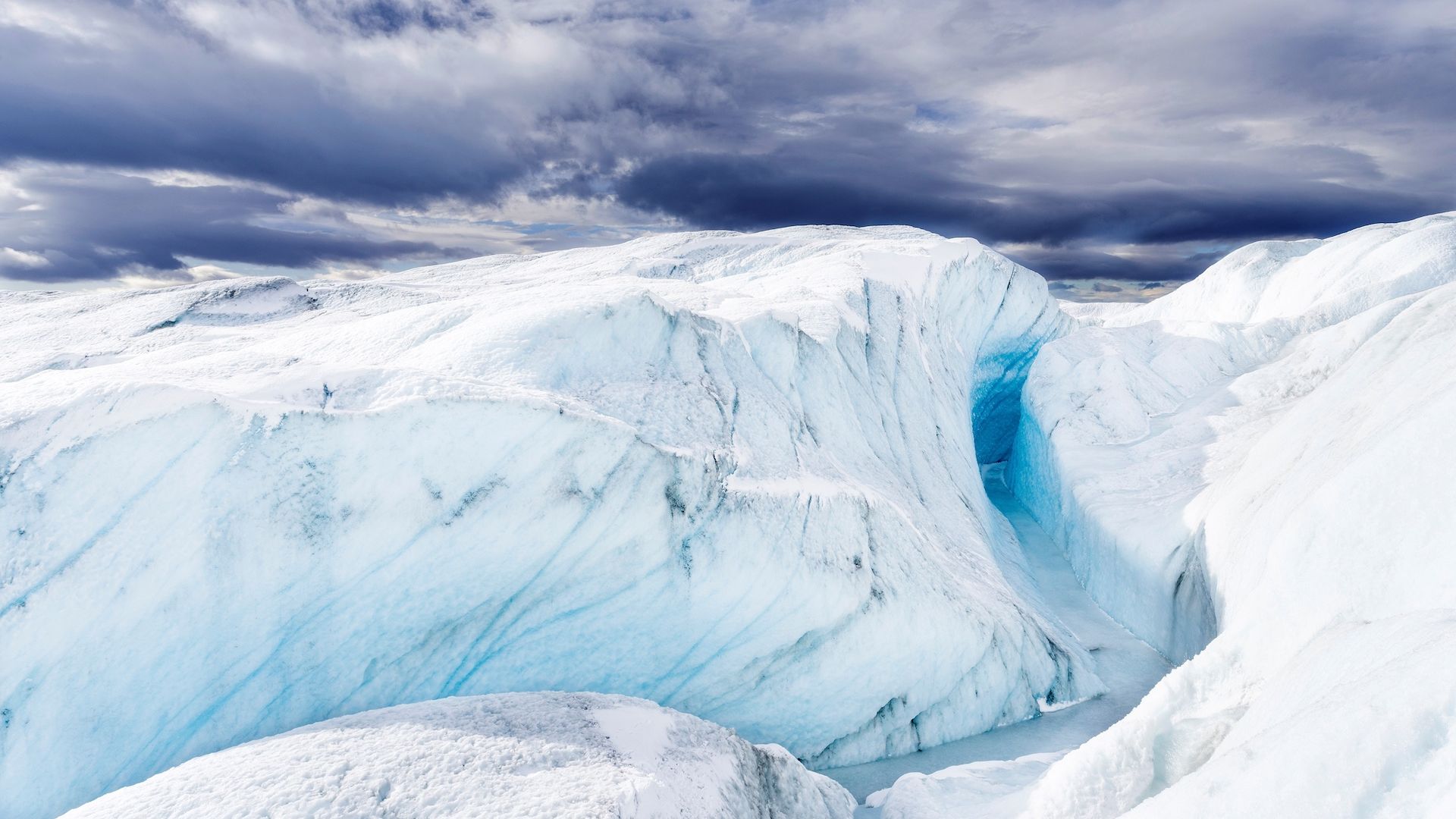
Sea level rise isn't the only thing we have to worry about as the Greenland and Antarctic ice sheets melt. A new modeling study finds that runoff from these ice sheets could significantly alter crucial ocean currents in ways that disrupt the Gulf Stream and accelerate ice loss in West Antarctica.
Why it matters: The study, published in the journal Nature on Wednesday, shows the potentially far-reaching ramifications of ice melt.
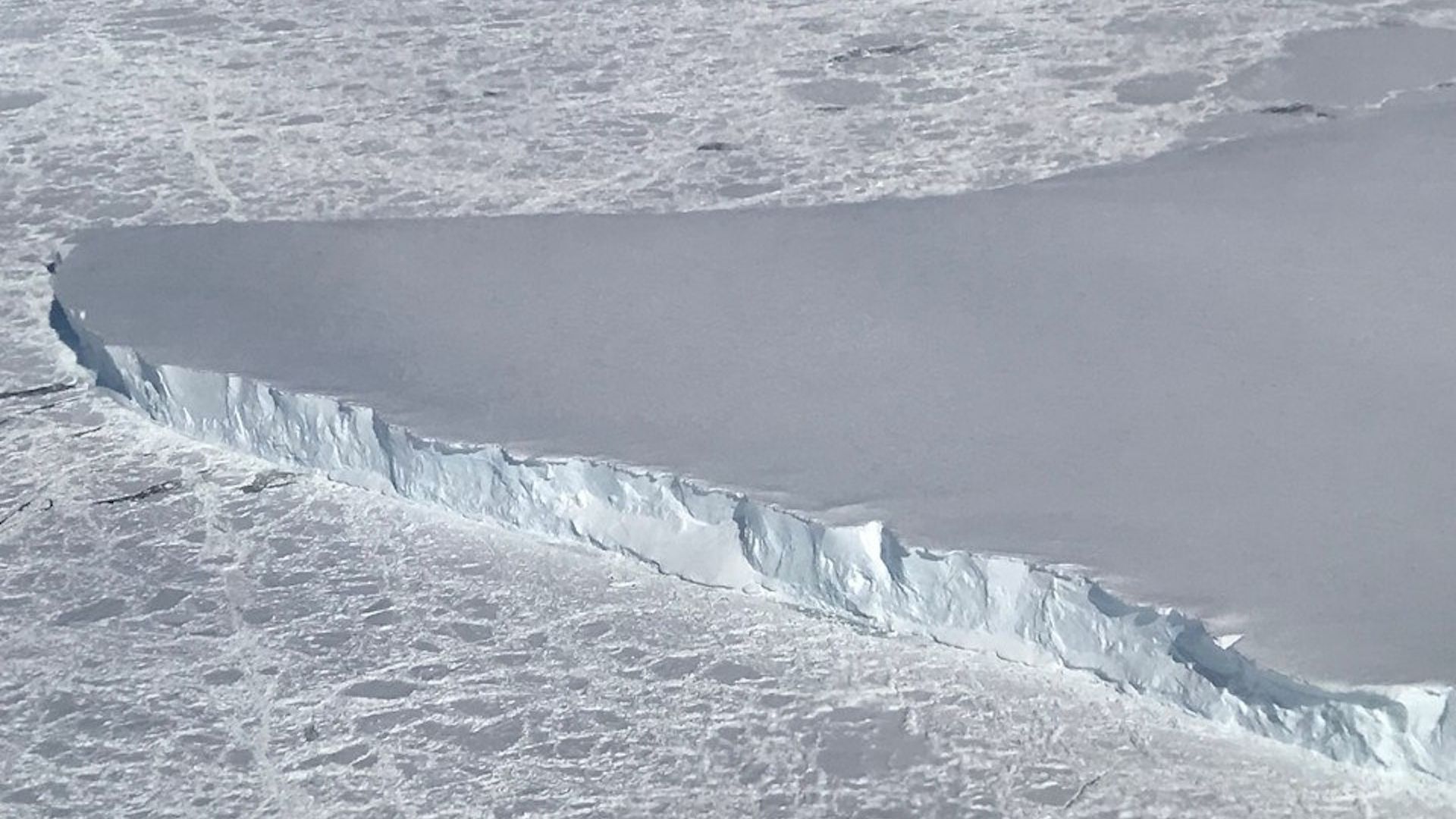
Two important studies on Antarctic ice shed light on how much progress scientists are making to predict the continent's future, and how little we really know.
The threat: The first study, published on Jan. 30 in Science Advances, used synthetic aperture radar from satellites and aircraft to determine the motion and structure of the rapidly melting Thwaites Glacier in West Antarctica.
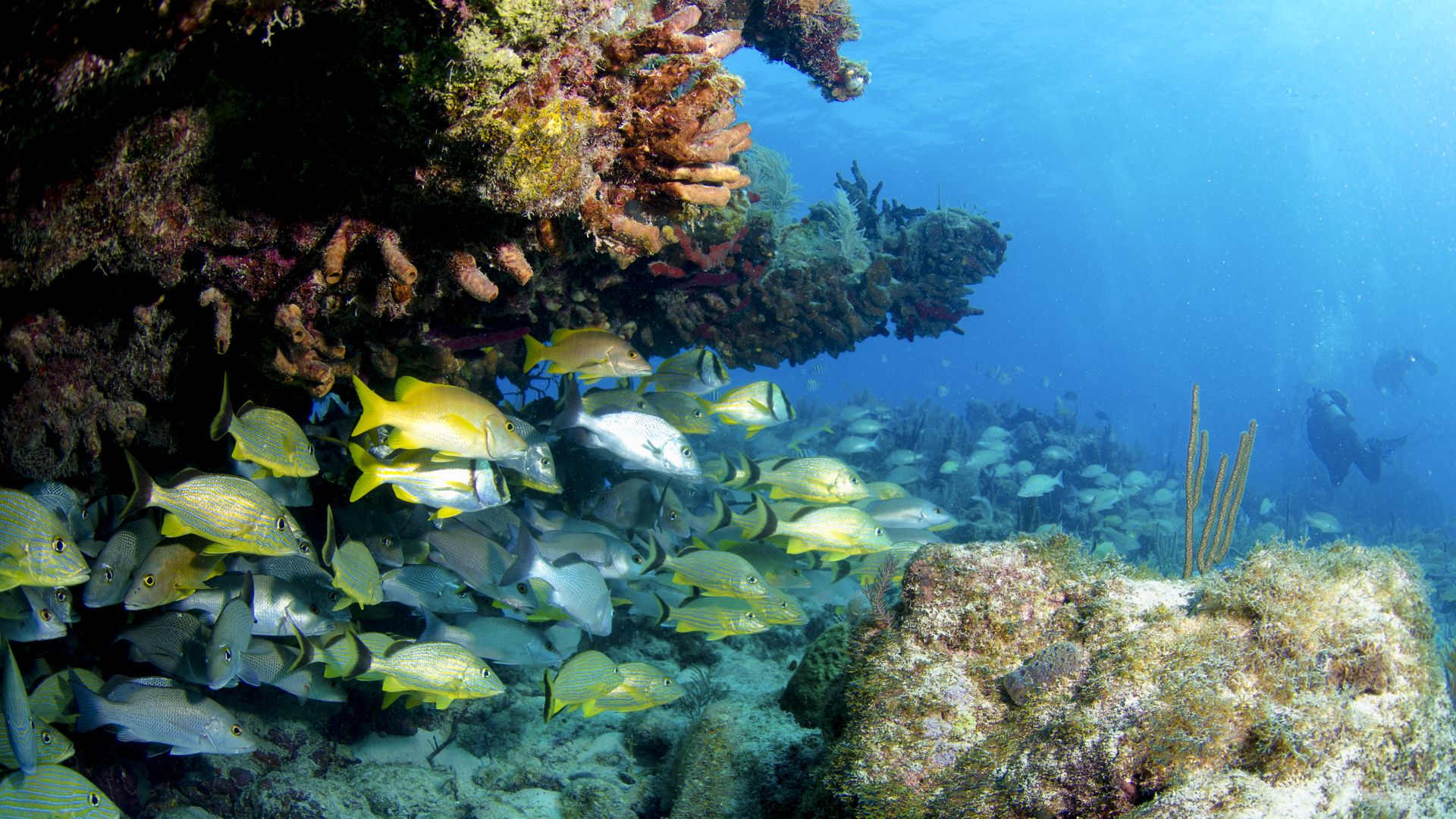
City officials in Key West voted this week to prohibit the sale of sunscreens that contain oxybenzone and octinoxate, two chemicals scientists say are harmful to the coral reef ecosystem, beginning on Jan. 2, 2021.
Why it matters: Supporters of the measure are calling it an important step to protect the Florida Keys, the largest and only living coral barrier reef in the continental U.S., and the third-largest barrier reef system in the world. However, opponents — including some dermatologists and trade groups — are calling for more research, arguing that banning the sale of some sunscreens could lead to a spike in skin cancer rates, the New York Times reports. Last year, Hawaii became the first state to ban the sale and distribution of similar sunscreens, also slated to take effect in 2021.
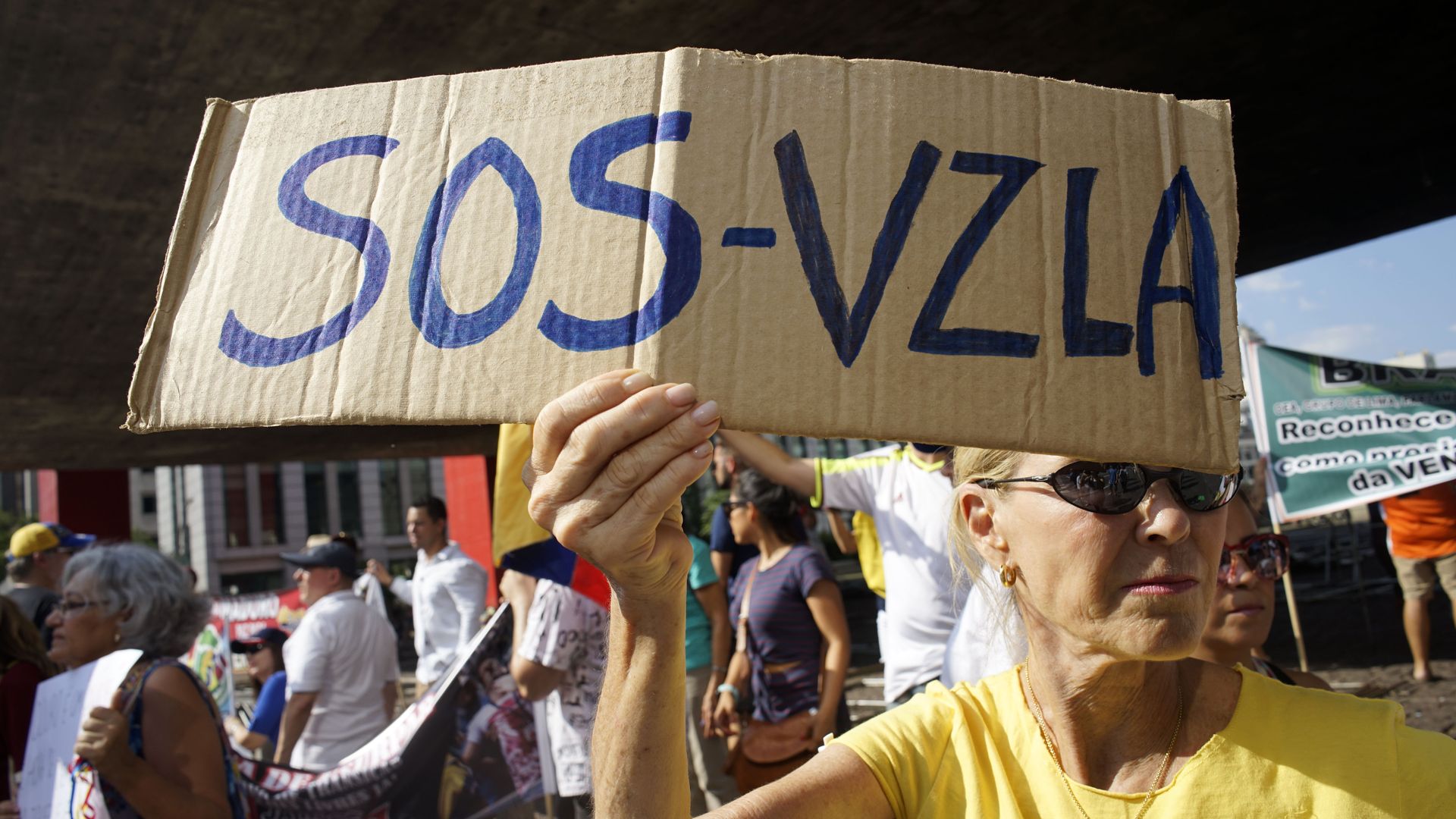
International ratings agency Fitch warned Wednesday that Venezuela's ongoing political and diplomatic crisis raises the risks of increased near-term economic pain as well as further oil market disruptions.
One big quote, per Fitch: "In the short term, new U.S. sanctions imposed on state-owned oil company PDVSA will deepen the country's economic crisis. Oil production will likely fall further and more quickly affecting economic output, exports and government revenues."
Rep. Alexandria Ocasio-Cortez (D-N.Y.) and Sen. Ed Markey (D-Mass.) have unveiled their Green New Deal resolution — a call to arms on climate and jobs that's long on ambition, but lacking in details and a political path to becoming policy.
Why it matters: It opens the next phase for a movement that has risen quickly to play an outsized role in the climate policy conversation and influence the Democratic 2020 White House contest.
Last year was Earth's 4th-warmest year on record, coming in behind 2016, the planet's warmest recorded year, as well as 2015 and 2017, according to information released Wednesday by NOAA, NASA and the U.K. Met Office.
Why it matters: The yearly rankings don't tell the whole story of long-term climate change, since natural variability can still push or pull an individual year up or down the rankings. However, the overall picture is growing starker with each passing year. Nine of the 10 warmest years on record since reliable data began in 1880 have occurred since 2005. At the same time, greenhouse gases from the burning of fossil fuels — as well as deforestation and intensive agriculture — have skyrocketed to levels not seen in more than 800,000 years.
Former Energy Secretary Ernest Moniz and IHS Markit Vice Chairman Dan Yergin teamed up on new joint report on energy innovation out today.
Why it matters: Innovation is an overused buzzword, but when the groups behind these two experts put their collective minds together, it’s worth reading. Moniz was energy secretary under President Obama and now leads his own think tank, Energy Futures Initiative. Yergin is a Pulitzer-Prize winning author and leads the energy practice at global firm IHS.