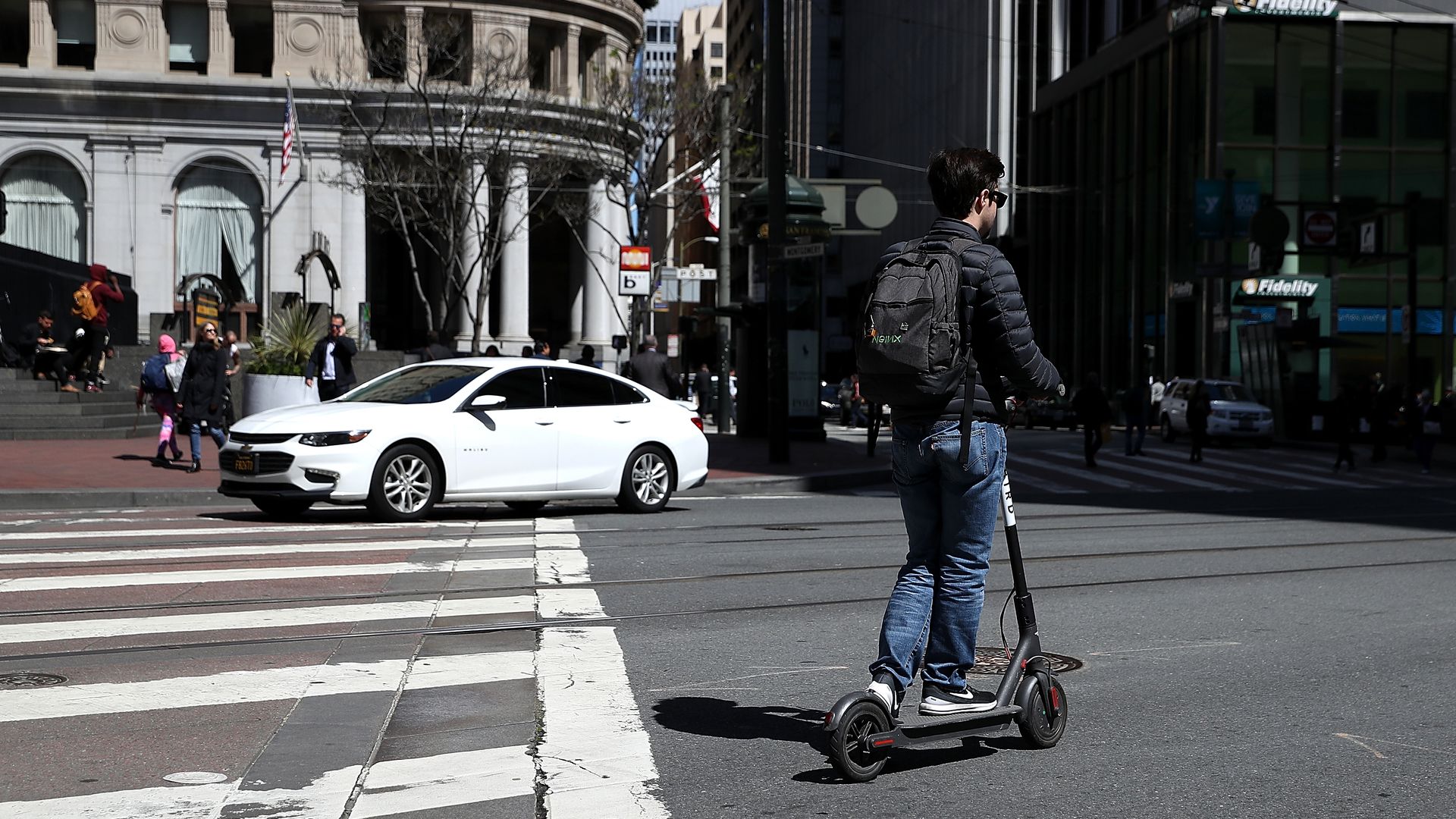
San Francisco is no longer the Wild West of electric scooters—on Thursday, the city's transportation agency announced its new regulations, which require that startups remove their scooters from the streets by June 4 and apply for permits by June 7.
Why it matters: In a process resembling ride-hailing's early days, the sudden boom in dockless electric scooters has forced cities to quickly come up with rules — both to keep a transportation option some residents enjoy and to keep streets and sidewalks safe.
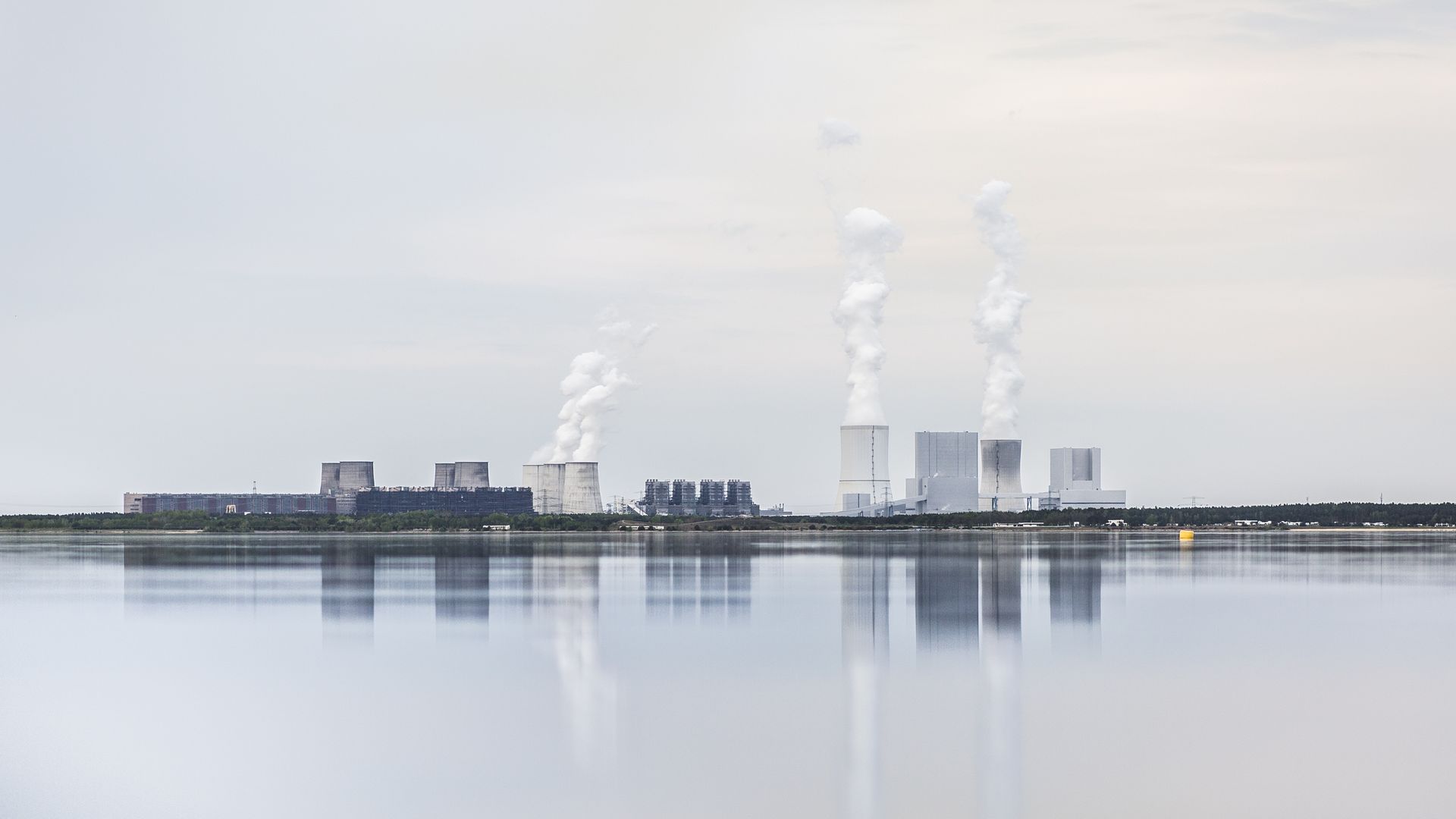
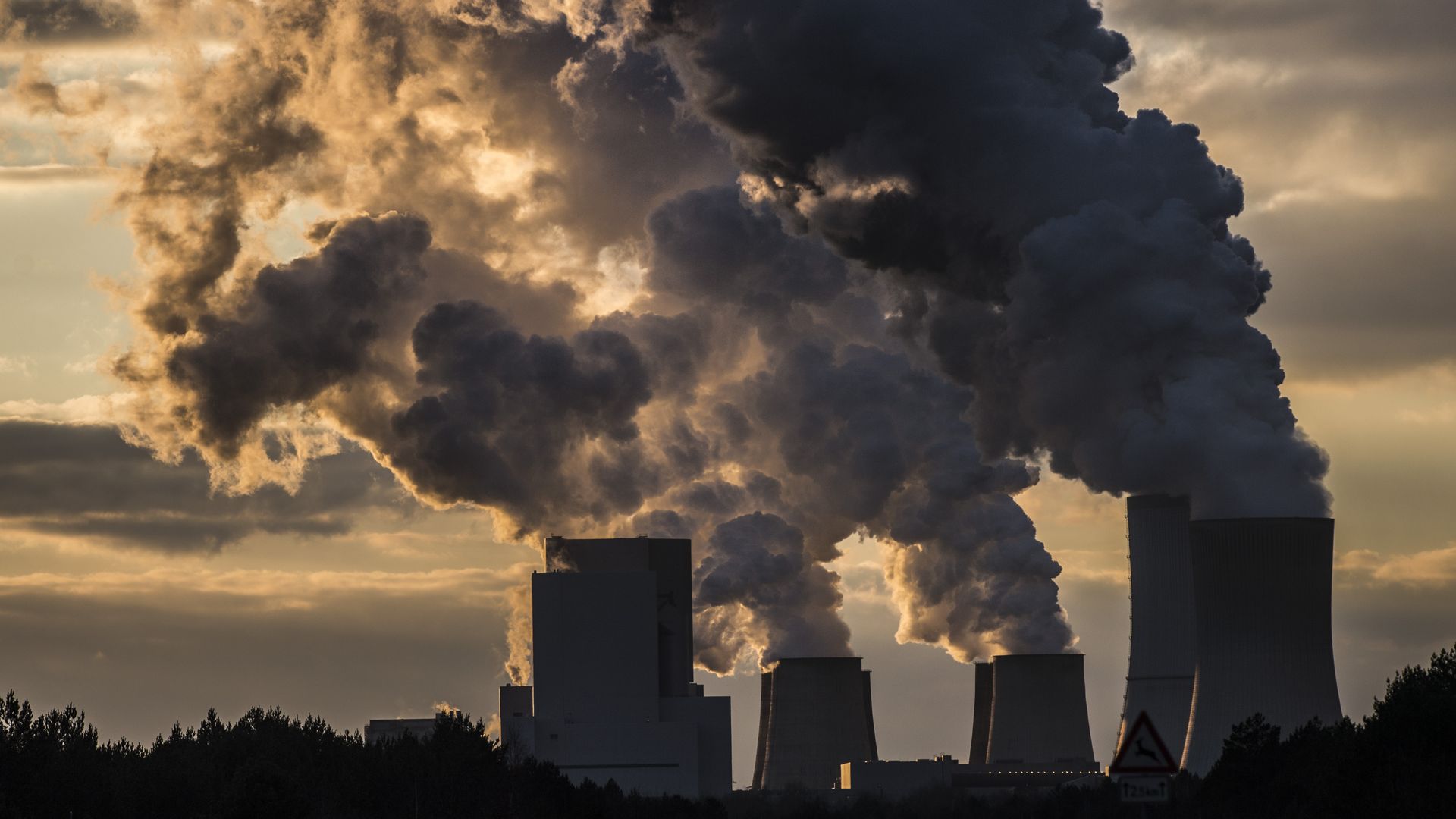
The economic rationale for deeply decarbonizing the global economy is getting stronger even as evidence mounts that the worldwide energy system is nowhere near on pace to make that happen. Axios' Andrew Freedman reports on a new, peer-reviewed paper, which shows that meeting the more stringent global temperature targets in the Paris climate deal would save countries trillions of dollars in economic output, outweighing the costs of reducing emissions.
But, but, but: The same day that paper came out, the International Energy Agency released its latest data on global growth of low-carbon energy technology deployment. While IEA sees progress, they said that just four of 38 energy technologies and sectors they track are on pace to create a pathway that achieves a temperature rise of well below 2°C.
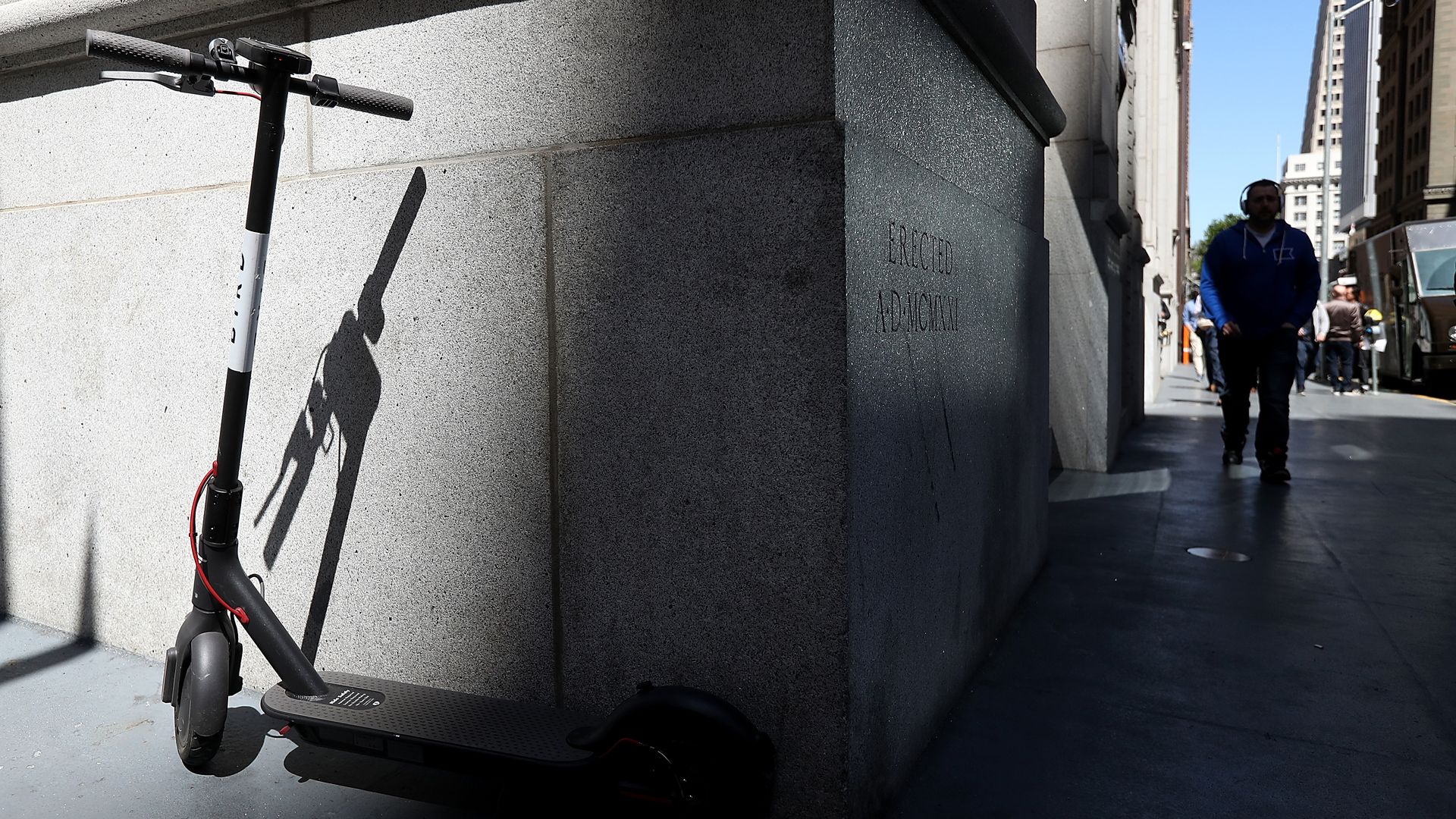
The electric scooter boom has been compared to early days of ride-hailing in terms of how it is revolutionizing urban transportation, but the two markets are fundamentally different.
The big difference: E-scooter companies own their scooters and charge rental fees, whereas ride-hail companies don't own their cars and take a minority cut from driver earnings.
ExxonMobil Corp., the world’s largest publicly traded oil producer, is setting a target of cutting its methane emissions 15% within two years, the company said Wednesday.
Why it matters: It’s the latest sign in how big oil and gas companies are cleaning up their operations under pressure from investors, lawsuits and the public on climate change.
Every second on Earth, 100 lightning bolts strike the planet. That's about 8 million strikes per day, and 3 billion a year, on average. But as this map of nearly 9 billion lightning strikes shows, lightning is not evenly distributed around the world.
The bottom line: Each continent, except for the frozen reaches of Antarctica, has lightning hotspots — usually the parts that have clashing air masses or mountains. Spin the map and see where you're at the greatest risk of getting zapped.
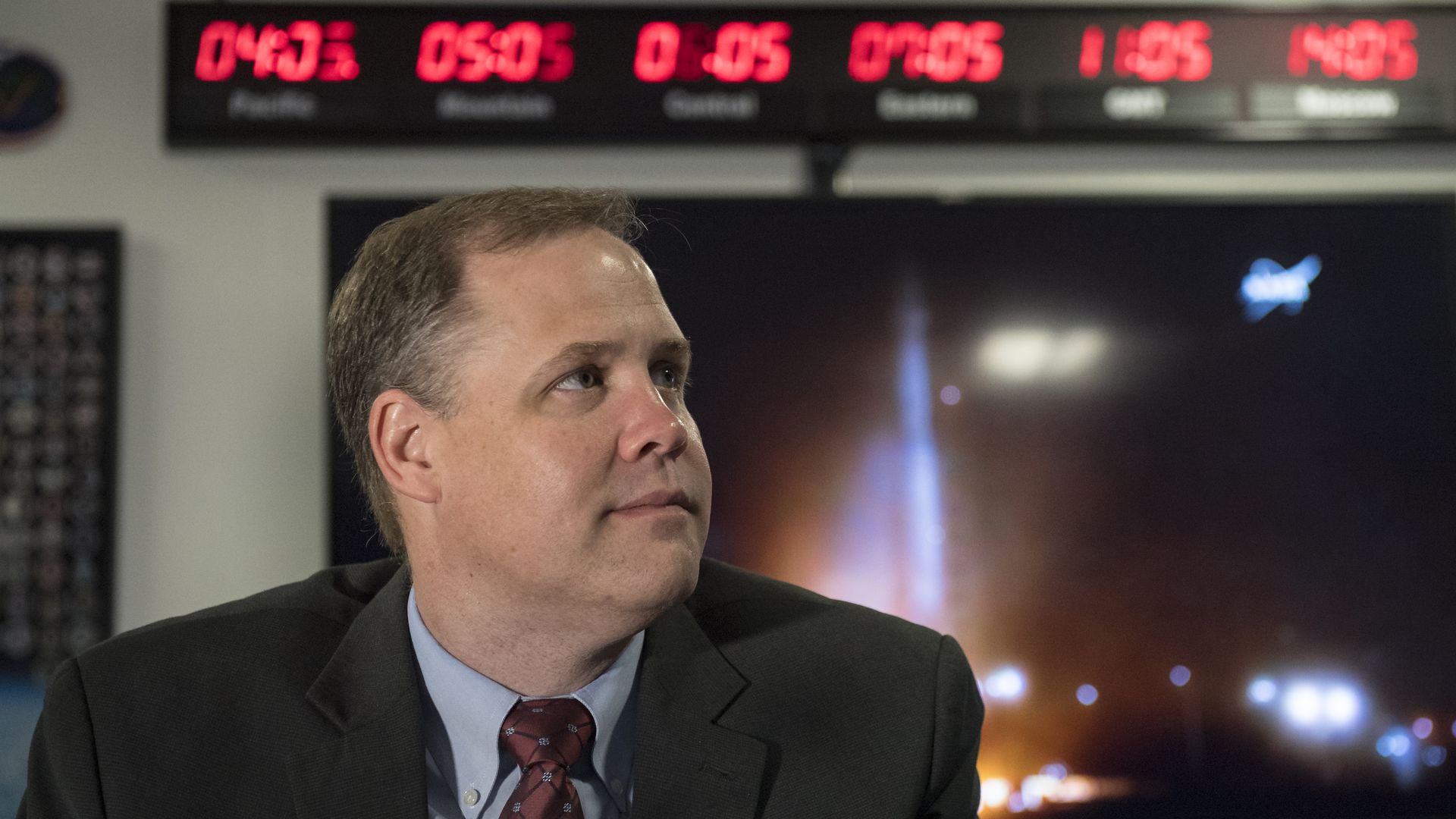
NASA Administrator Jim Bridenstine on Wednesday endorsed the findings of a major federal report — which reflects the wider scientific consensus — that human activities are the main driver of global warming.
Why it matters: Bridenstine's remarks before a Senate Appropriations panel make him the first top Trump administration official to publicly and fully agree that humans have been the dominant cause of warming.
After expressing frustration with the media (and incorrectly implying most journalism is influenced by advertisers,) Tesla CEO Elon Musk suggested he may create a website where people can rate reporters and outlets' credibility — and he might be serious, according to a business registration document from October 2017.
Why it matters: Executives in Silicon Valley — and beyond — have had a difficult relationship with the media's critical coverage of their ambitions, and comments like Musk's can be especially harmful as journalists face unprecedented hostility from government officials and others in power.
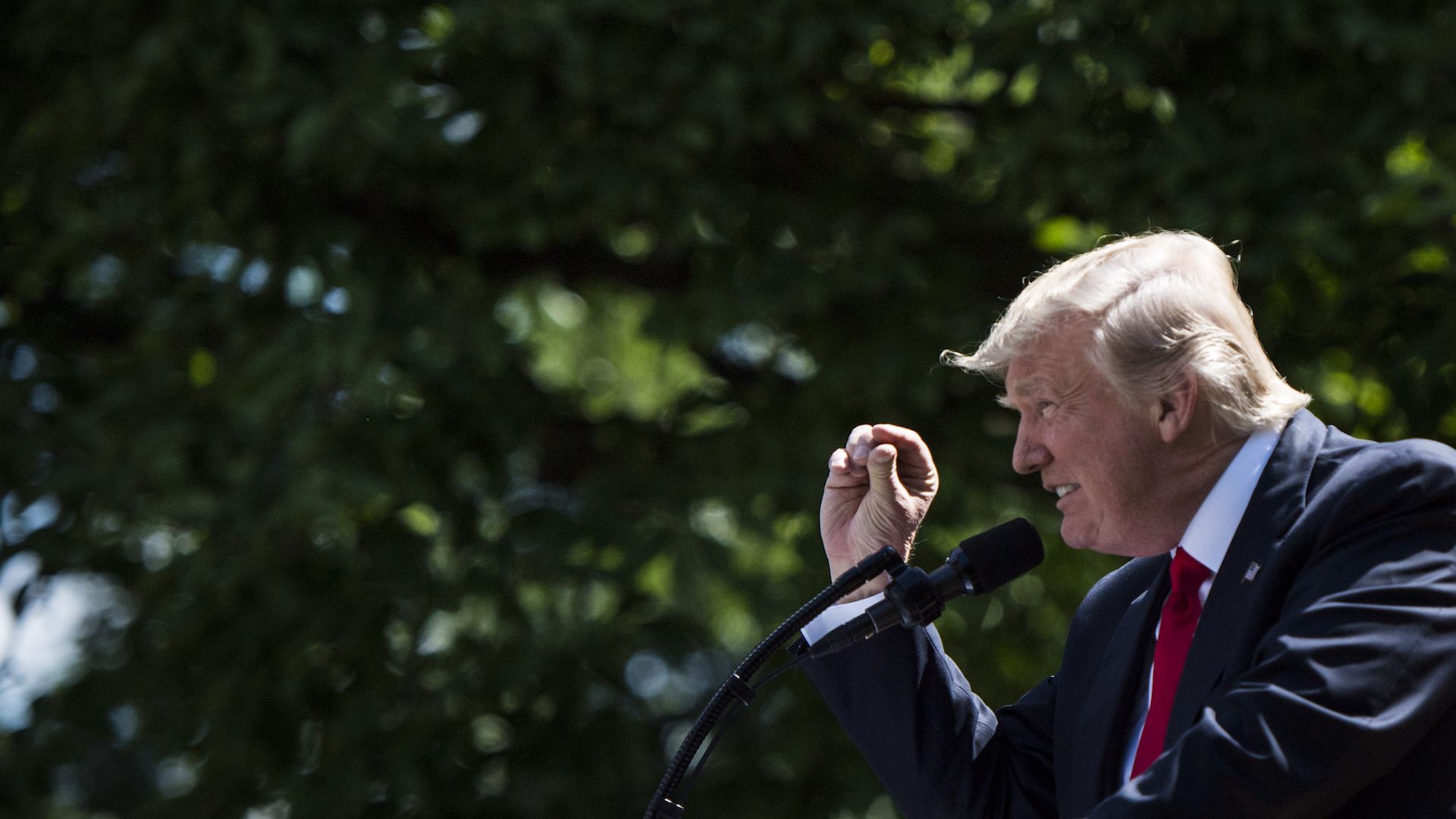
An internal memo, obtained by the Washington Post, shows that the White House considered ignoring climate change research conducted by government scientists.
Why it matters, per Axios' Amy Harder: The memo takes us behind the scenes of the Trump administration's mostly dismissive nature of climate change. It shows that there was consideration of how to deal with it, rather than just a haphazard handling of it.
Meeting the more stringent global temperature targets included in the Paris climate agreement would save countries trillions of dollars in economic output, outweighing the costs of reducing emissions, new research has found.
Why it matters: The study, published Wednesday in the journal Nature, is the first to look at how global economic output would be affected under different amounts of global warming, providing policymakers with the "benefits" side of a cost-benefit analysis.
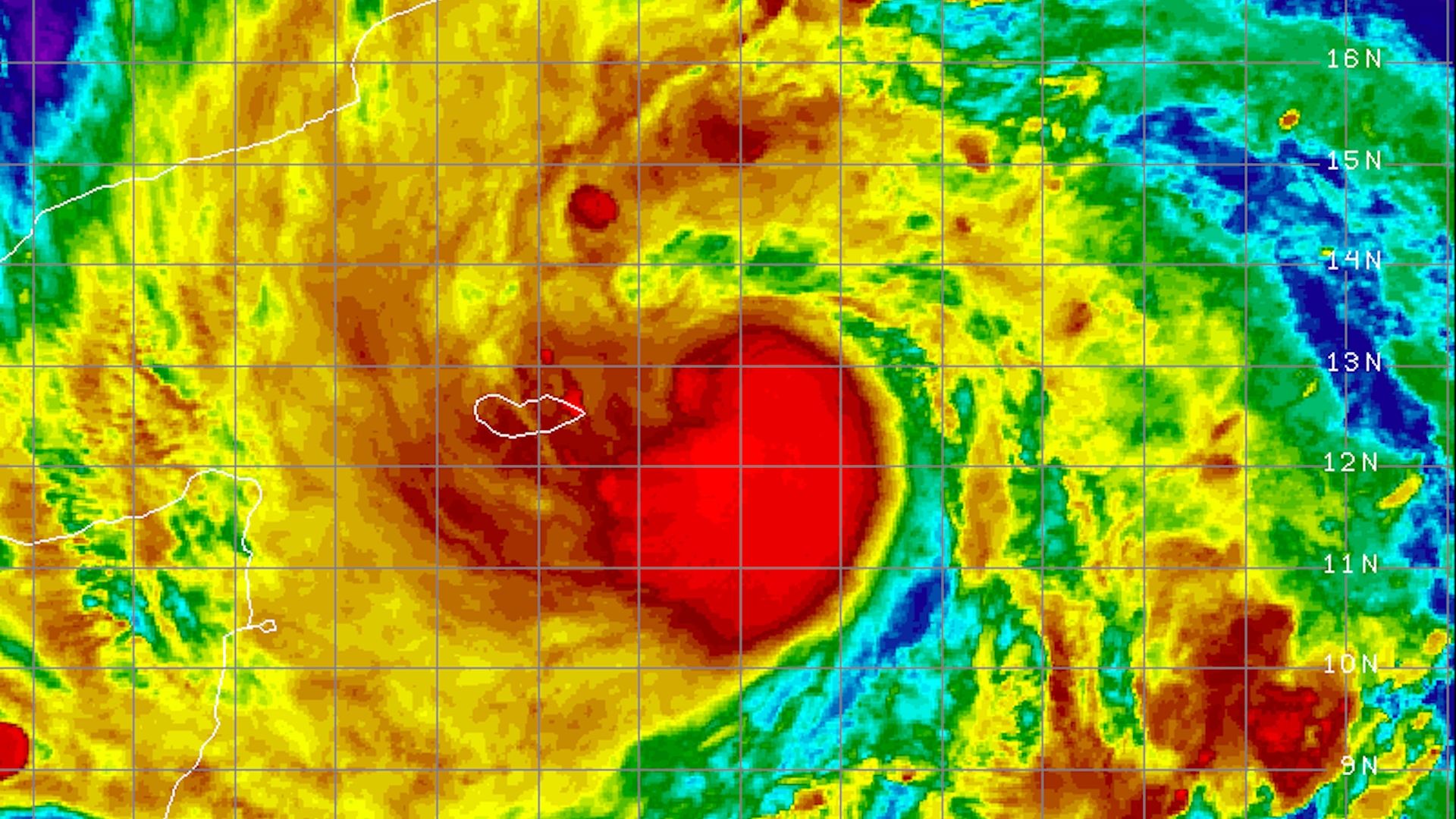
Tropical Cyclone Mekunu is gathering strength in the Arabian Sea, where it could become the equivalent of a Category 2 or even Category 3 storm prior to making landfall in an unusual place: Southwestern Oman.
Why it matters: The storm is projected to move to the north-northwest through Saturday, eventually making landfall near the port city of Salalah. The city has a population of about 360,000, and typically receives just 5 to 8 inches of rain in an entire year. This storm could bring that same amount in under a day, presenting the risk of life-threatening flash flooding, in addition to damage from high winds.
American and Chinese consumers are head over heels for SUVs — a mutual love affair that seems likely to expand in the coming years into growing demand for electric SUVs, according to a new report.
Quick take: By 2022, Chinese demand for electric cars will triple, and the largest bloc — 39% — will be SUVs and crossovers, according to Bloomberg New Energy Finance, a research firm. Americans will buy more than twice as many electrics as they currently do, and 52% of them will be SUVs and crossovers.
Embattled EPA Administrator Scott Pruitt has a low approval rating, but substantial swaths of the public don't have a strong opinion about Pruitt or know much about the ethics controversies surrounding him, according to a HarrisX Overnight Poll commissioned by Axios.
Yes, but: The poll also finds that 80 percent of Americans believe Pruitt should be fired if EPA's inspector general finds that he misused his position — even if President Trump thinks he's doing a good job. That signals that even some of Trump's backers will not stand by Pruitt if the ongoing investigations find there's fire to go along with the all the smoke at EPA.
Momentum keeps building for a bipartisan coalition supporting technology that captures carbon emissions from a range of industrial and power facilities.
Driving the news: A Senate committee passed a bill supporting the technology, a key think tank releasing a report looking for solutions and a new industry coalition fills out its agenda. Let’s run them down.