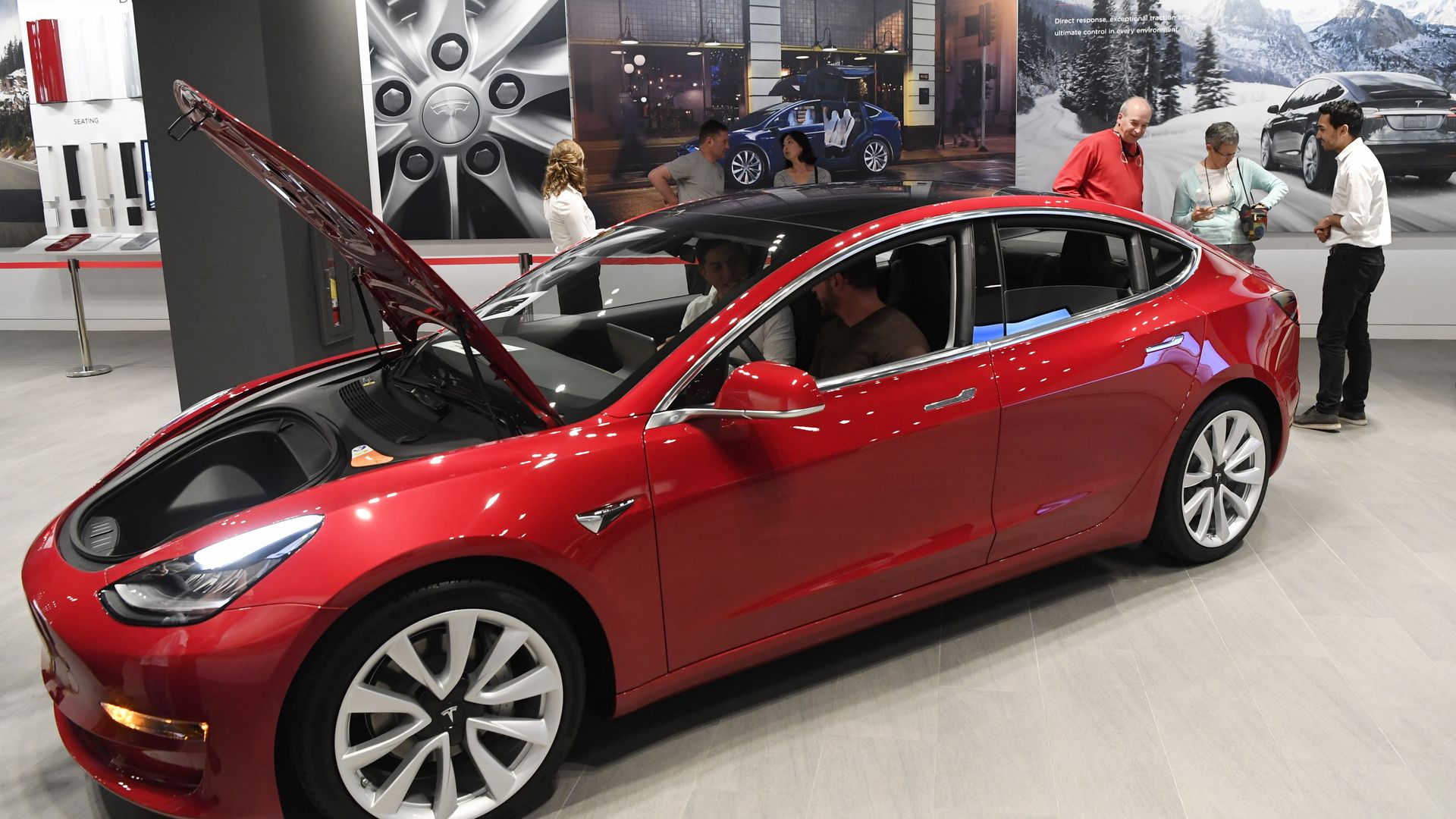
Electric carmaker Tesla on Tuesday picked up Snap’s Vice President of monetization engineering, Stuart Bowers, as its VP of engineering, Cheddar reports.
Why it matters: Bowers is the latest in a string of almost a dozen top executives who have left Snap after its initial public offering early last year. The 3,000-person company's 27-year-old CEO and founder Evan Spiegel had said that all managers would be assessing their team sizes and locations amid several rounds of layoffs at the social media company.
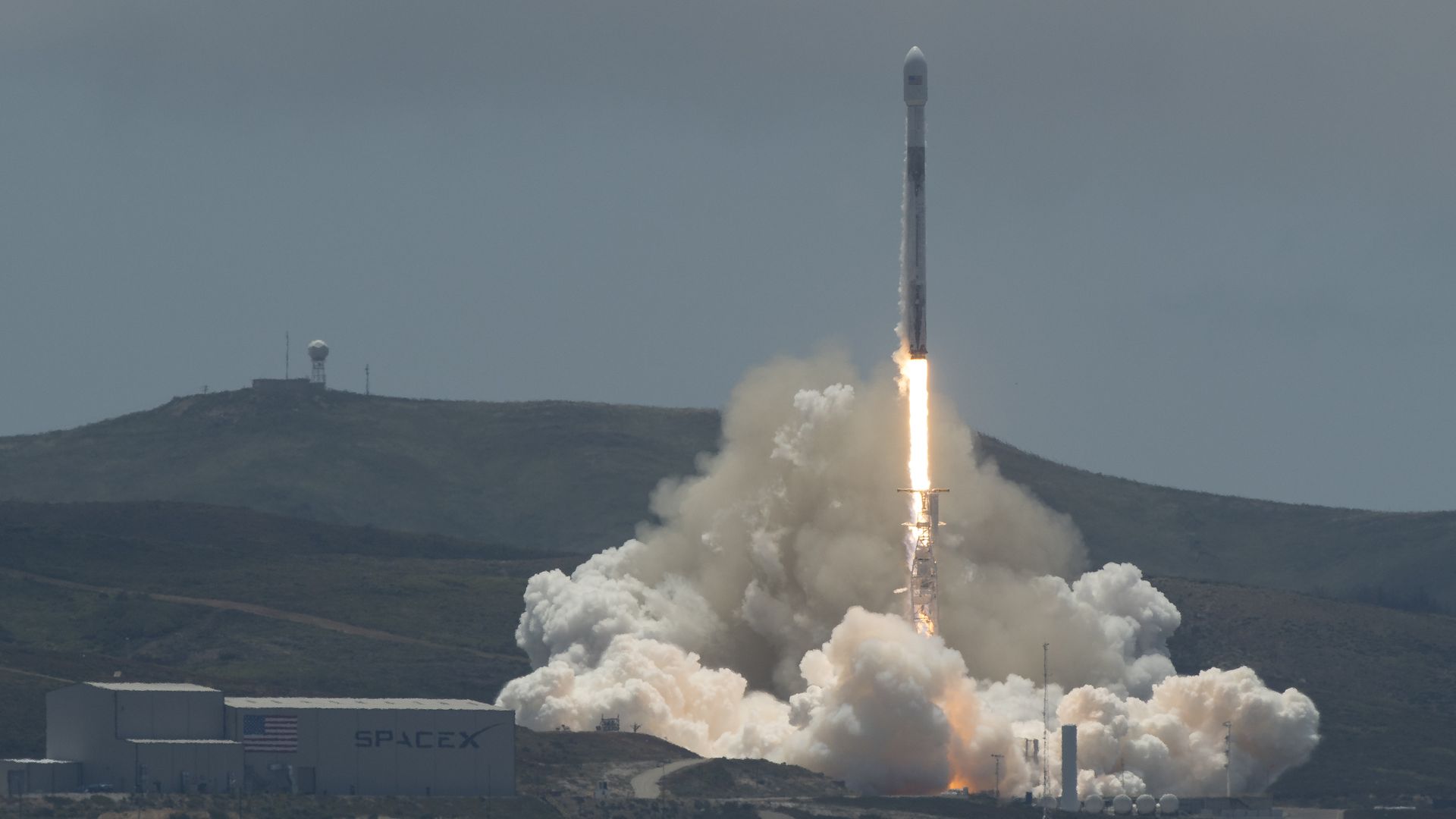
NASA has two new eyes in the sky after SpaceX successfully deployed a pair of sensitive spacecrafts that can detect tiny changes in the Earth's gravitational field.
Why it matters: Known as the GRACE-FO mission, for Gravity Recovery and Climate Experiment Follow-On, the satellites will provide scientists with crucial data for tracking climate change.
The Kremlin, buoyed by its success in helping the Assad regime stave off collapse, is trying to pull off a similar trick in a troubled part of America’s backyard: Venezuela. The Trump White House is having none of it, but a new stage is being set for U.S.–Russia confrontation.
The big picture: Putin is less interested in President Nicolás Maduro and his regime than in using him as a thorn in Washington’s side. Venezuela’s crisis provides Putin with a like-minded collaborator eager to denounce the U.S.
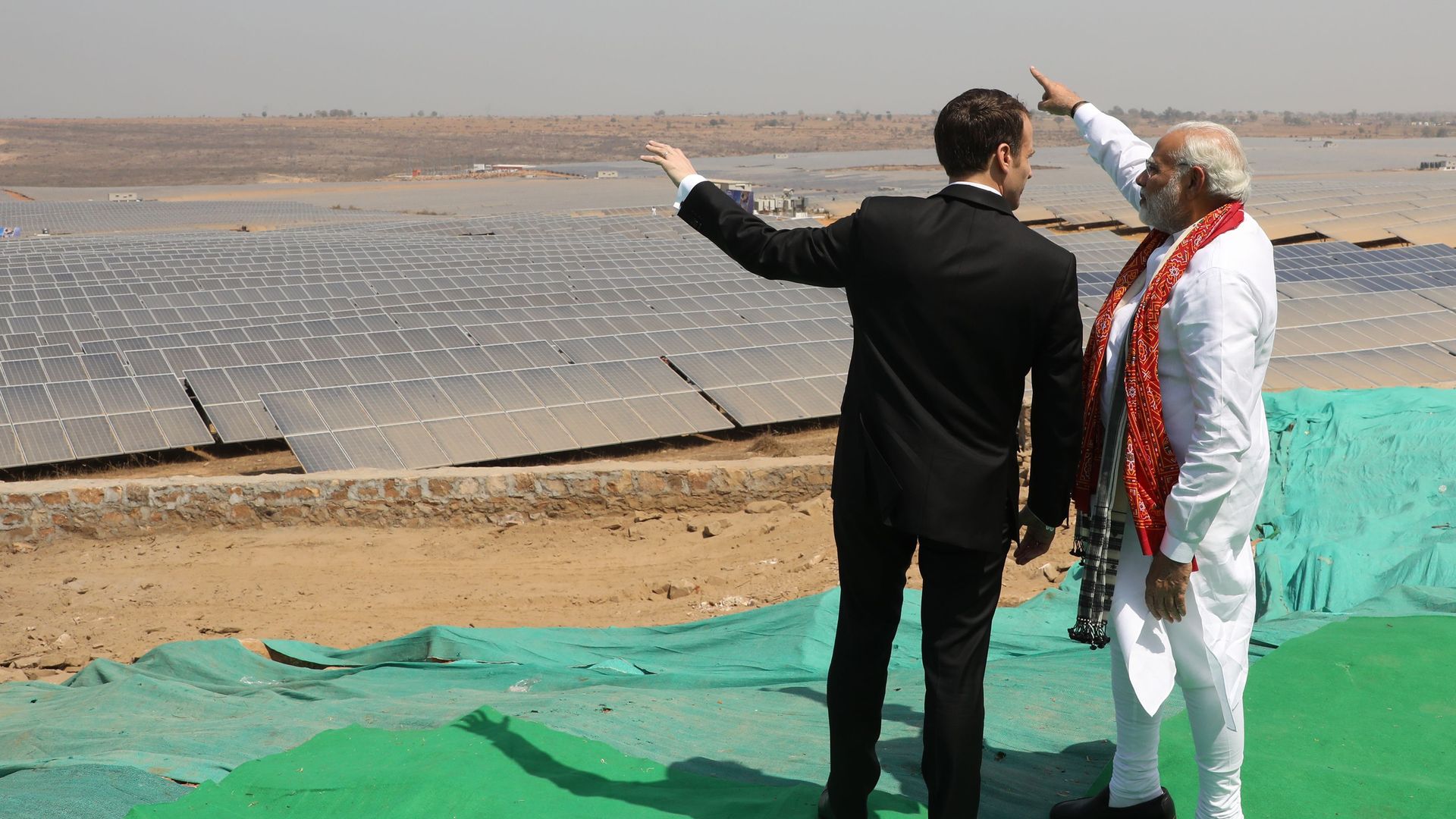
In 2014, well before the Paris Agreement, India’s newly elected central government dramatically raised its Renewable Energy (RE) targets to quadruple RE capacity by 2022, with almost all the gains to come from solar and wind. India aims to simultaneously green its energy supply, meet rising demand and tap into global capital for emerging technology.
Where it stands: A midway status update on the targets and achievements indicates India is behind schedule. Lack of finance is often cited as a bottleneck, but there are other structural challenges India will have to confront in scaling up its RE.
A new peer-reviewed analysis of hundreds of millions of dollars in climate and energy-related funding from a number of major philanthropies from 2011-2015 shows they devoted few resources to pushing carbon capture and none to nuclear power.
Adapted from Nisbet, 2018; Chart: Harry Stevens/Axios
Why it matters: Foundations play a major role in shaping and supporting environmental movement work on energy and climate change.
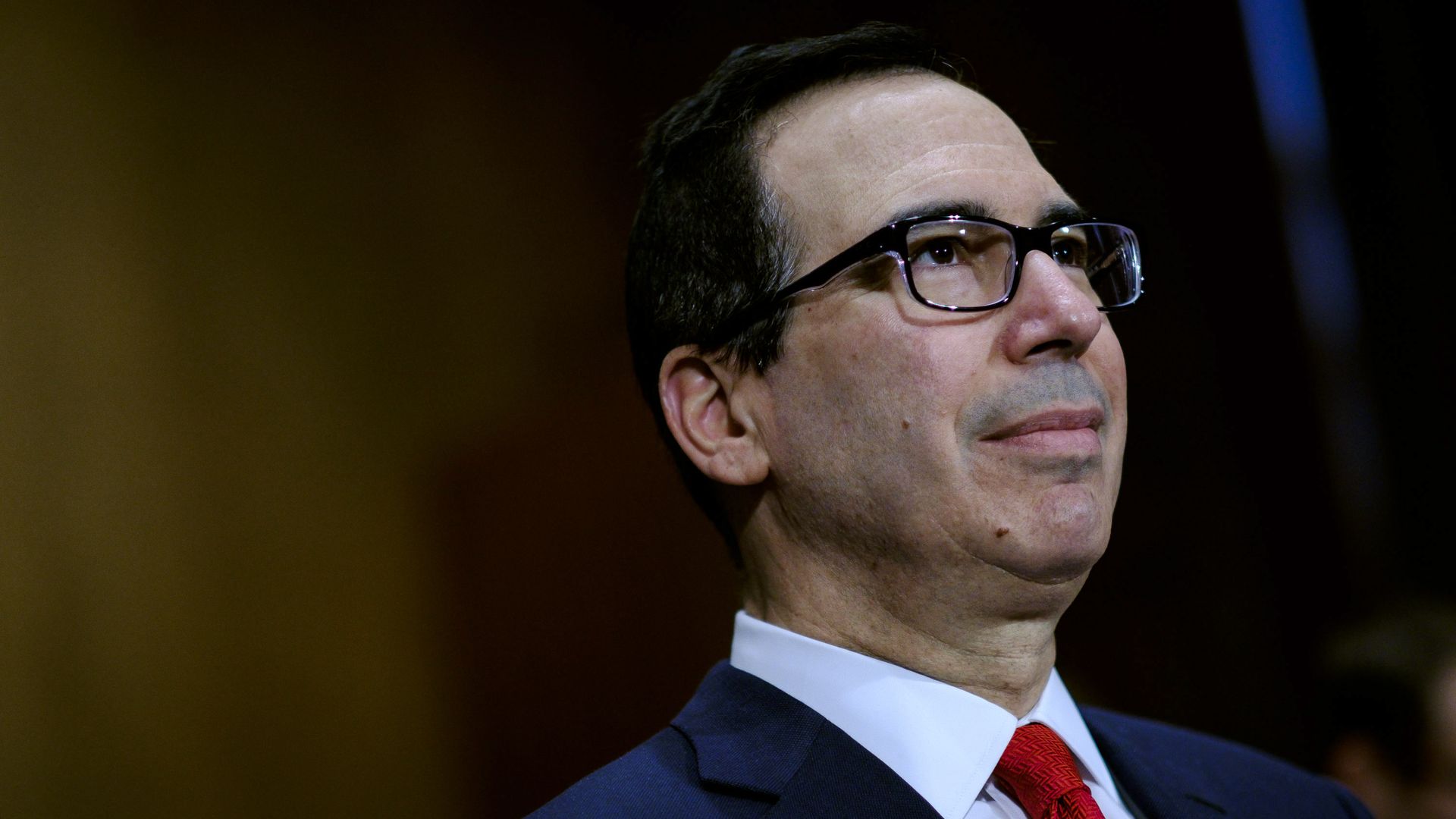
Treasury Secretary Steve Mnuchin has repeatedly said in recent days that the emerging trade compromise with China could pave the way for a $40 to $60 billion increase in annual U.S. energy exports.
Why it matters: It's a "whoa if true" comment. Those estimates suggest the Trump administration believes the U.S. oil-and-gas boom could lead to a massive expansion in supplies shipped to the world's most energy-thirsty nation.
A former top energy advisor to President Trump, George David Banks, will lead a new multi-million dollar campaign aimed at limiting the way large investment firms, like BlackRock, influence shareholder resolutions on hot-button issues like climate change.
Why it matters: As the Trump administration retreats on climate policy, investors of publicly traded companies are filling the void by pushing non-binding but symbolically important resolutions urging more disclosure around how climate policies could impact bottom lines. Climate change is among the most high-profile issues in this broader process known as “shareholder advocacy,” along with lobbying disclosure and gun control.
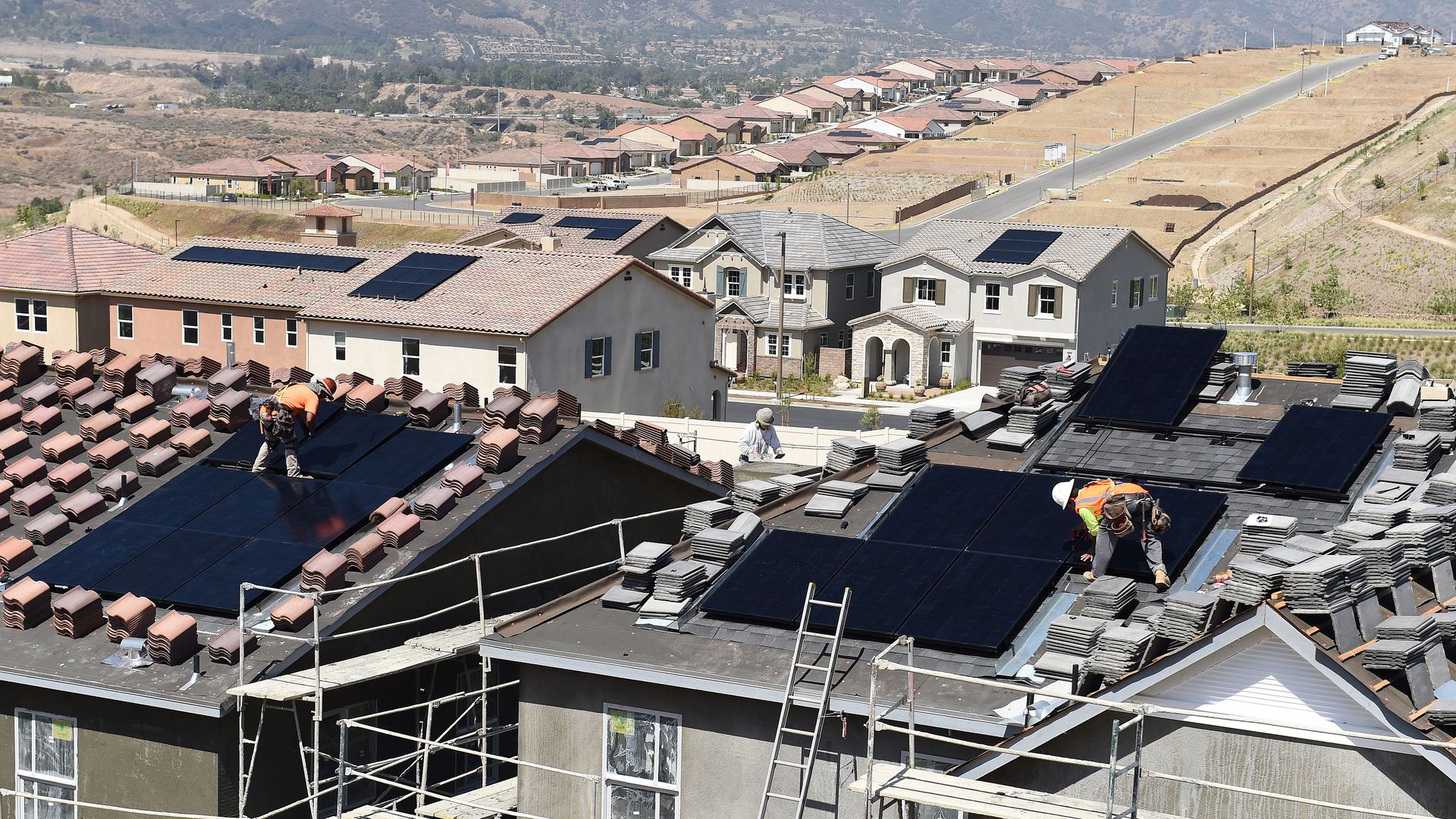
Earlier this month, the California Energy Commission mandated that all newly constructed low-rise residential buildings must include solar power.
Why it matters: While California prides itself on its leadership on climate change and innovative energy technology adoption, this decision is likely to misfire. Forcing people to install solar panels may actually exacerbate grid problems, creating negative secondary impacts without meaningfully greening the electricity system.
The Tesla Model 3 did not receive an endorsement from Consumer Reports due to flaws like a long stopping distance and its cumbersome touchscreen controls, reports CNBC.
Why it matters: Though Tesla disputes Consumer Reports' reported stopping distance — which the magazine says was longer than that of a Ford F-150 pickup — the failure to obtain a recommendation is another thorn in the side for Elon Musk's electric carmaker, which has faced issues meeting production goals for its mass-market vehicle.
President Nicolás Maduro was declared the winner of Venezuela’s presidential election on Sunday with 68% of the vote. Although the main opposition parties boycotted the election, the two opposition candidates who participated came in at 21% and 11%. Maduro will serve another 6-year term after an election characterized by low turnout — 46% compared to 80% in the previous race — and widespread allegations of fraud.
Why it matters: Although Sunday’s outcome is a far cry from the landslide victories of Maduro’s predecessor, Hugo Chávez, the country’s economic mismanagement and steady march toward authoritarianism are bound to continue.
By 2040, 80% of city buses worldwide will be electric, according to a just-released report by the consultancy Bloomberg New Energy Finance.
The big picture: China dominates the market right now and accounting for 99% of the market last year, according to BNEF. But EV bus adoption is expected to accelerate significantly in Europe and elsewhere by 2040.
Some of America’s biggest energy companies are lobbying Washington to change — critics say weaken — oversight of a federal tax credit going to facilities capturing carbon emissions.
Why it matters: The scramble shows the challenge of tackling climate change piecemeal through the nation’s tax laws in the absence of overarching policy.