As Tesla CEO Elon Musk is under "time pressure to fix problems," the company has flown in robots and equipment to help build batteries for the Model 3 sedan, according to a Reuters report.
Why it matters: Tesla temporarily halted production of the Model 3 last month, after pushing them out more slowly than originally planned. He pledged to be making 5,000 Model 3s a week by the middle of this year. Per Reuters, Musk says productivity will be dramatically increased by the new battery production, but it's not clear when the new production will be up-and-running. However,Tesla's "lack of consistency...has undercut Musk's production promises in the past." [Go deeper:Elon Musk's mean Twitter persona]
China has stayed out of regional conflicts in the Middle East for decades, but with its massive international infrastructure plan, Beijing is finally ramping up involvement — and it's determined to win influence.
Between the lines: If it's successful, a big reason will be that China hasn't taken sides or made enemies in the Middle East. The question is how long that can last.
Last week, the California Public Employees' Retirement System (CalPERS) announced its plan to invest directly in private companies, which could enable its members to capitalize on the transition to a low-carbon economy and protect assets against climate risk.
Why it matters: Global investment in renewable energy, energy efficiency and low-carbon generation must average $2.3 trillion between now and 2040 in order to keep warming below 2 degrees Celsius — the target established in the Paris Agreement. Accordingly, investors need to find pathways to profitably scale-up spending to three times current levels.
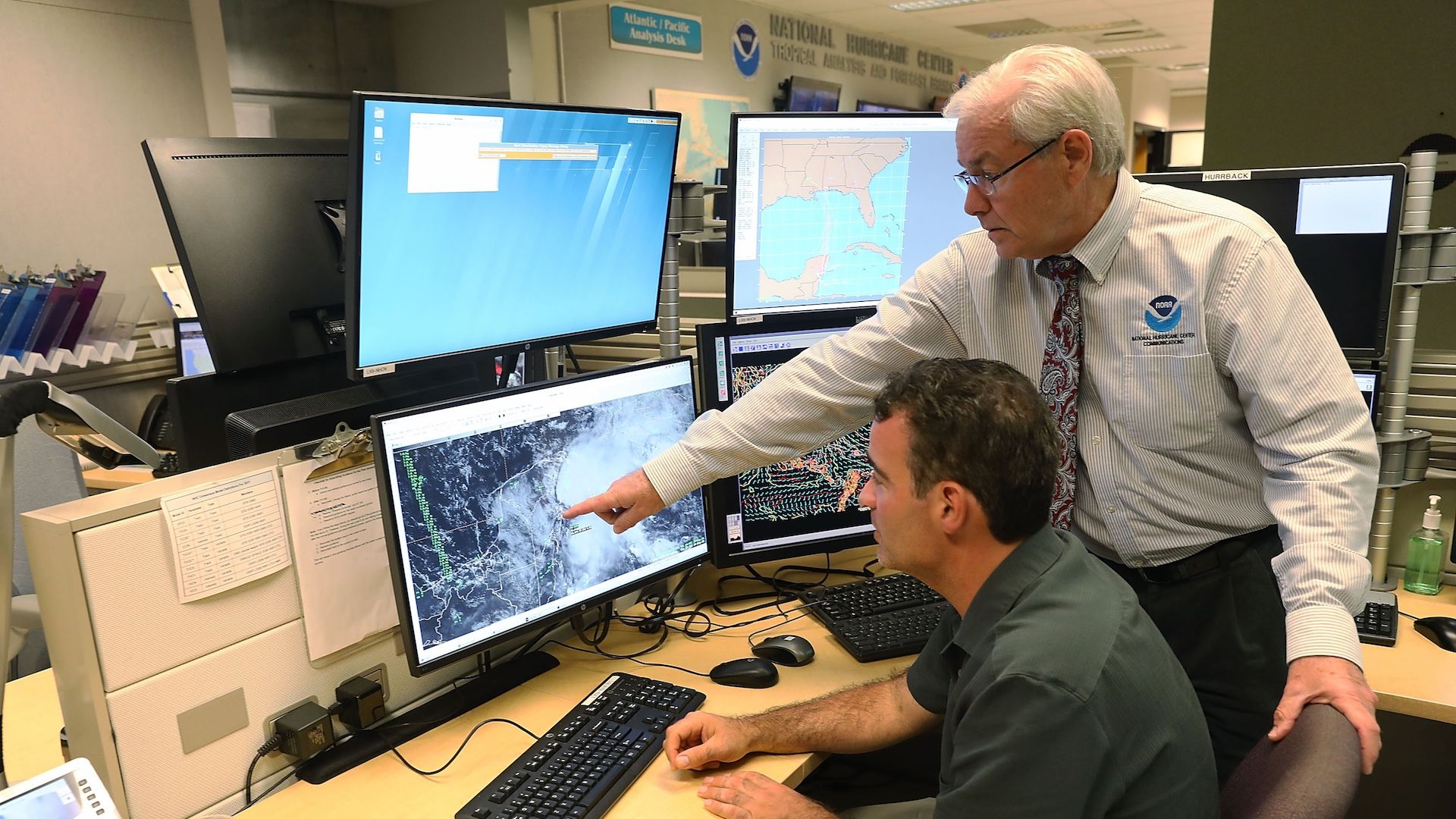
After watching an area of disturbed weather for several days, the National Hurricane Center has determined that Subtropical Storm Alberto has formed in the Gulf of Mexico. The storm, currently near the Yucatan Peninsula, is forecast to crawl northward throughout the holiday weekend.
The impact: The storm is eventually likely to come ashore somewhere between Louisiana and the Florida Panhandle early next week — possibly as soon as Memorial Day. The storm's biggest threat will not be its winds, but rather, its rains.
The full wrath of Tropical Cyclone Mekunu is moving across the coast of southwest Oman and northeastern Yemen on Friday.
The impact: No storm this strong has hit this area since reliable records began in the 1950s, and it's possible the damage from Mekunu will be billions of dollars. Due to a long-running civil war, Yemen does not have robust disaster response capabilities. Plus, the country is in the midst of one of the world's worst cholera outbreaks, which could be exacerbated by this year's rainy season. Oman, however, has more robust response capabilities, but still may be overwhelmed by this event.
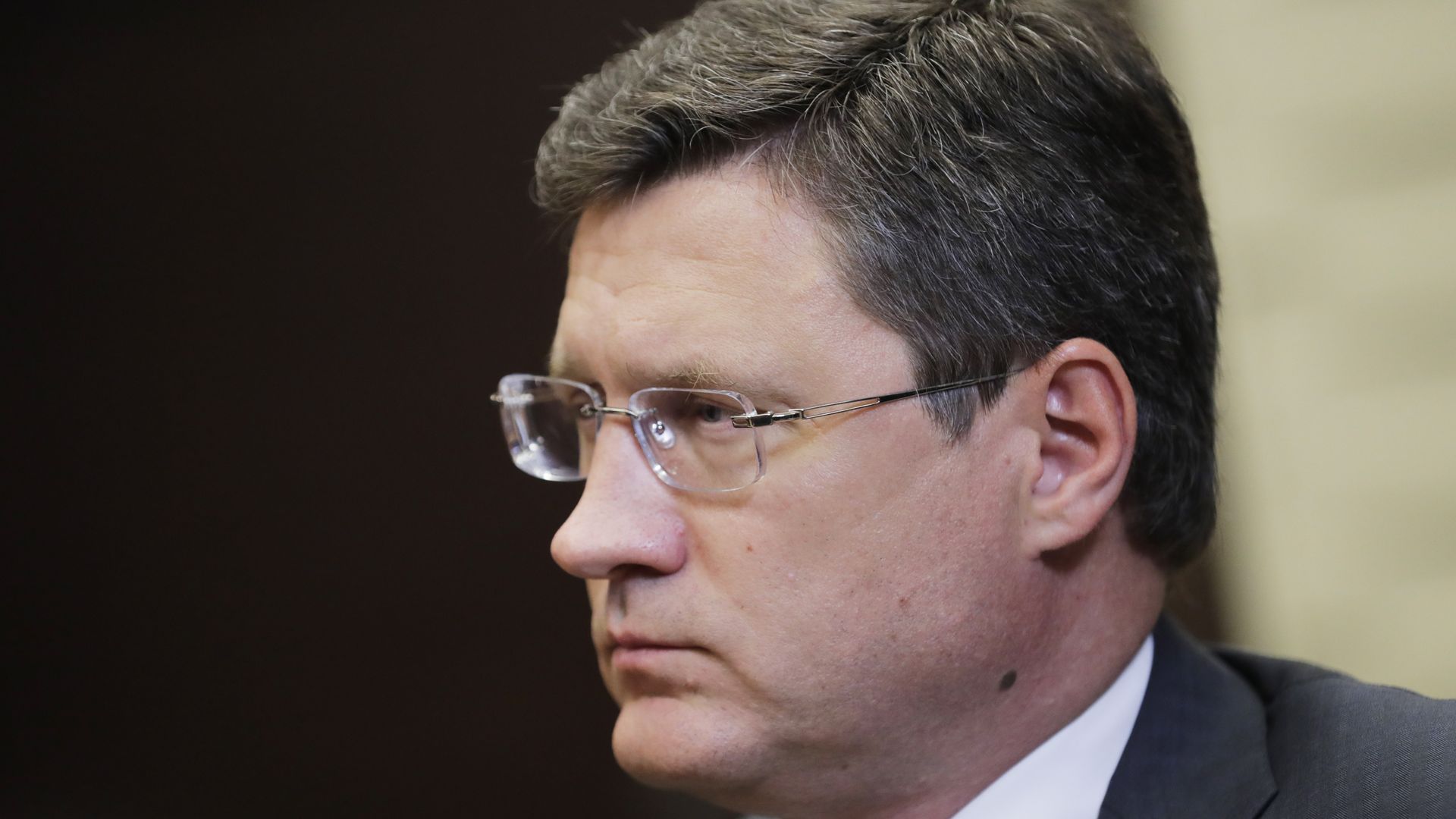
It's happening. Per Reuters, "Russian Energy Minister Alexander Novak has had talks with Saudi Energy Minister Khalid al-Falih on an easing of the terms of the global oil supply pact that has been in place for 17 months, Novak said on Friday."
Why it matters: The comments signal how a swirl of forces — notably Venezuela's collapsing production and the revived U.S. sanctions against Iran — are prompting Russia and OPEC to weigh changes in their output-limiting agreement.
Shareholders at nearly two dozen energy companies have pushed for resolutions urging more disclosure around climate change over the past two years, with most firms either releasing, or committing to release, reports on the matter.






/2018/05/25/1527258782981.gif?w=3840)