Consumers are feeling dour, but they're still expected to spend record sums this holiday season — with higher prices pulling much of the sled.
Why it matters: The National Retail Federation and Bain & Co. recently projected separately that Americans will spend more than $1 trillion during the holiday shopping season for the first time.
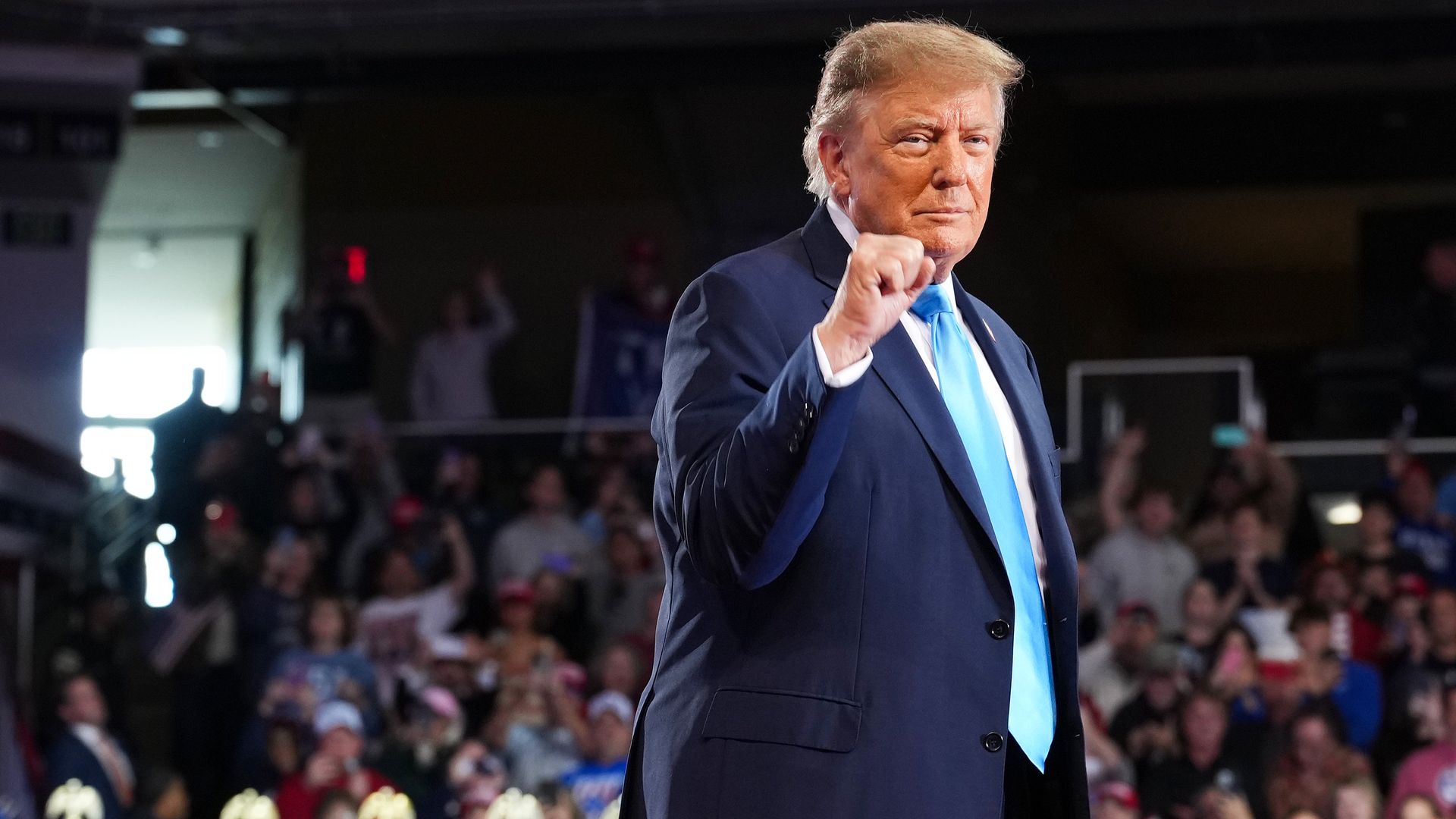
President Trump has been teasing thousands of dollars in potential payments and rewards for Americans ahead of the midterms, with some promises tied to Republicans retaining control of Congress.
Why it matters: Trump is putting financial relief at the center of his election pitch as voters grapple with high prices. But some payments are already underway, while others remain unfunded proposals or require congressional approval.
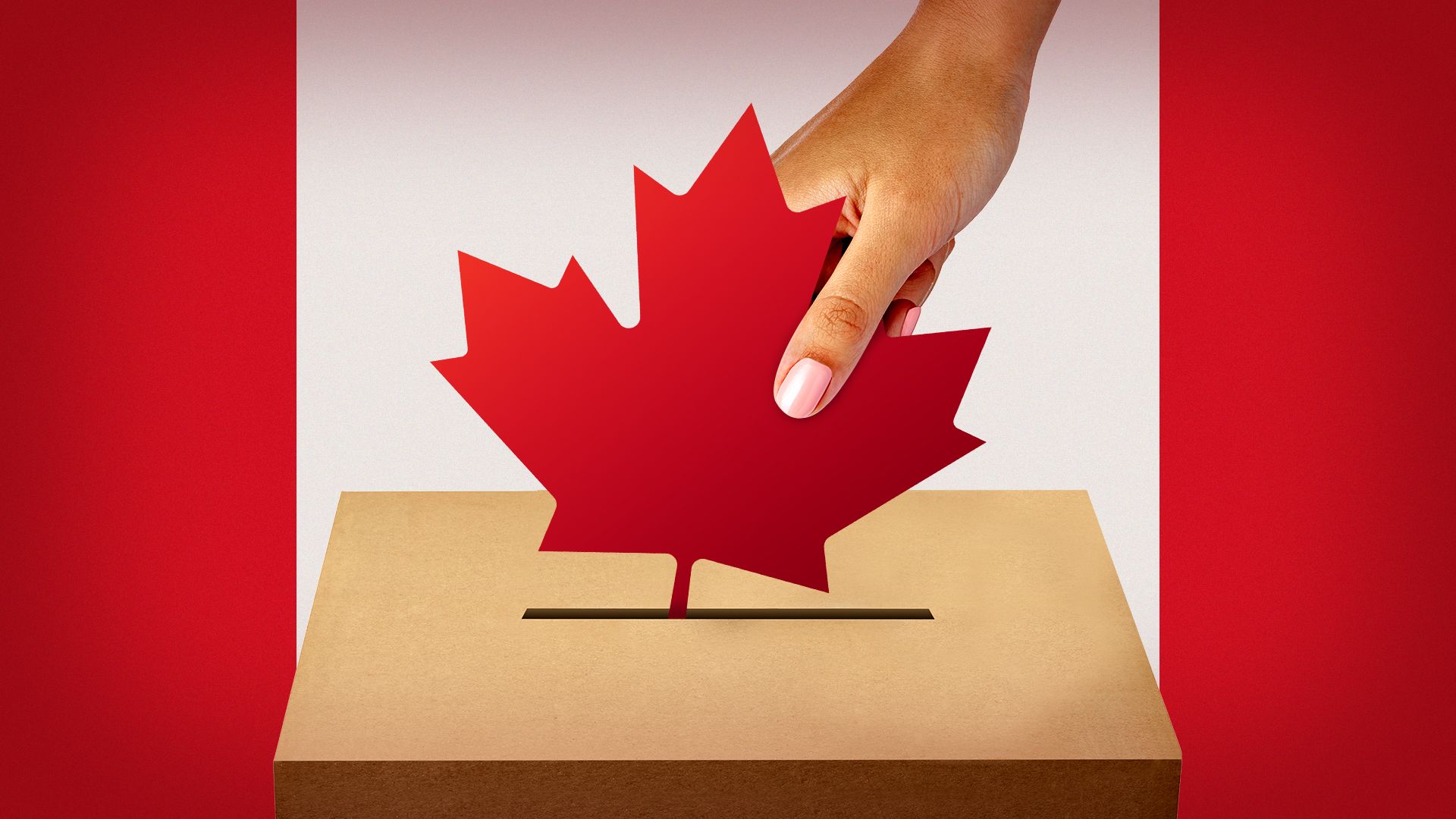
President Trump applauded Quebec's new separatist premier Tuesday, continuing to jab at Ottawa despite fragile trade talks that seemed to be gaining momentum.
The big picture: Even as Trump's top economic adviser suggested a deal to ease the ongoing trade war is possible, the president has continue to antagonize Canada.
Five more thoughts about the Anthropic S-1, after a day of digging in:
1. Cash crunch fallacy? Conventional wisdom has been that Anthropic is going public, in part, because it needs the money. Kind of like why OpenAI is seeking around $30 billion after pushing its own IPO into 2027.
Disruptive, a Dallas-based growth equity firm, has raised $10 billion for its first flagship fund.
Why it matters: This reflects startup ecosystem pushback against special purpose vehicles (SPVs), which is how Disruptive had invested since being founded in 2012.
U.S. businesses kept investing heavily in equipment in September, extending a stretch of strong demand for manufactured goods largely fueled by the AI infrastructure boom.
Zoom in: Demand for equipment associated with the AI boom has surged at a pace not seen in recent decades.
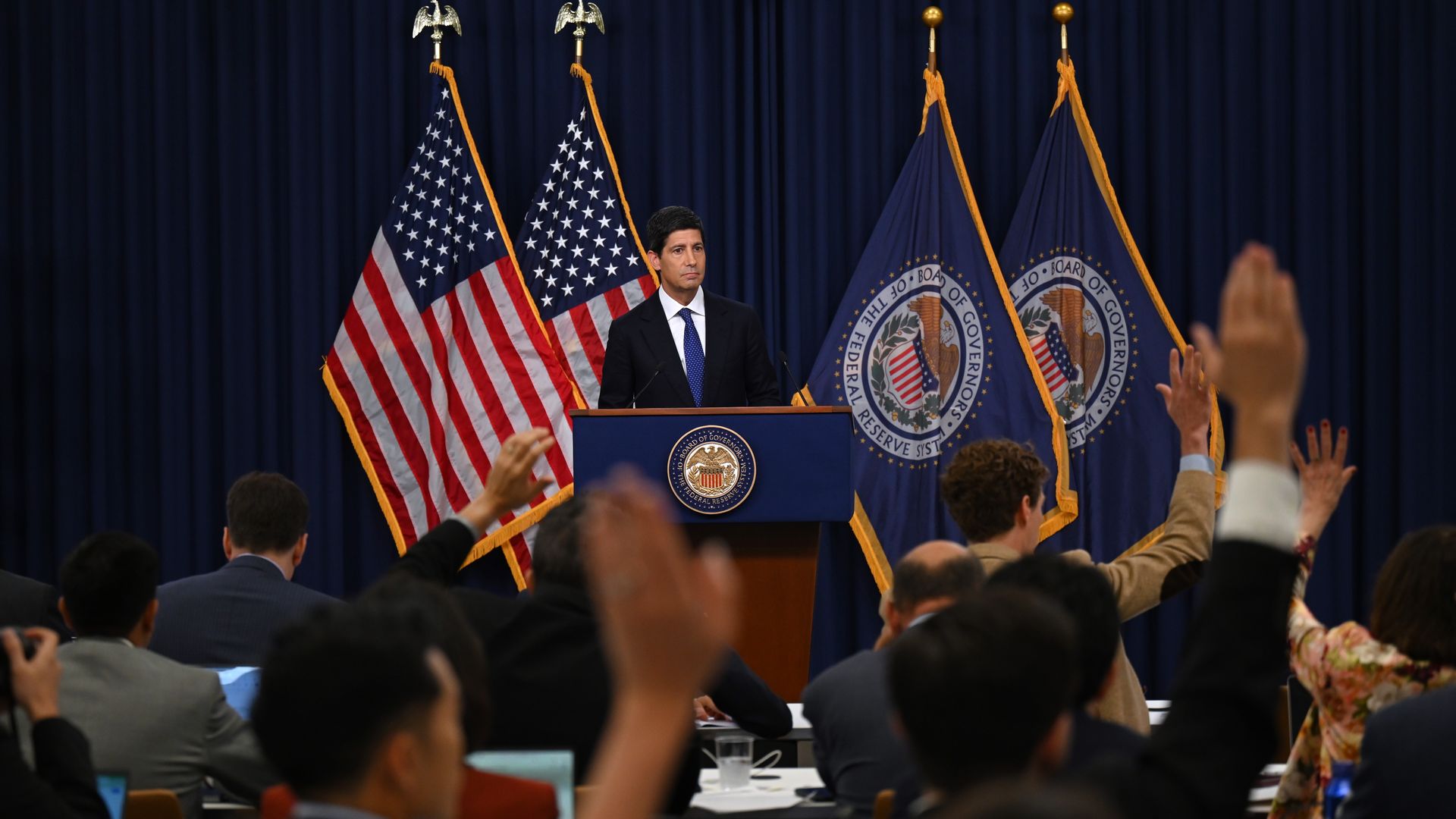
Federal Reserve chairman Kevin Warshpresents himself as a rock-ribbed central banker prepared to do what it takes to wrestle inflation to the ground.
If the Fed delivers on expectations Wednesday, at the conclusion of 2026's penultimate policy meeting, Warsh will face a tricky task in reconciling that with non-action in the face of broad price pressures.
The big picture: Since the Fed raised interest rates six weeks ago, incoming inflation data has been hot and energy price pressures have risen. Yet communication from the central bank's leadership has pointed to leaving rates unchanged at this meeting while penciling in another rate hike in December.
Five months after launching, the Greater Philadelphia Growth Partnership is putting the region's first shared, data-driven growth strategy into action.
Why it's important: Greater Philadelphia has world-class universities, health systems and research institutions. But its economy hasn't translated those assets into job growth at the same pace as its peers.
It owes almost $650 billion for computing, generates eye-popping revenue per employee and wants every investor to know that its product poses existential risks to humanity.
Why it matters: The future of the AI race, the market and the global economy rests within Anthropic's IPO prospectus, where some of Silicon Valley's most seasoned investors found new reasons to be bullish.
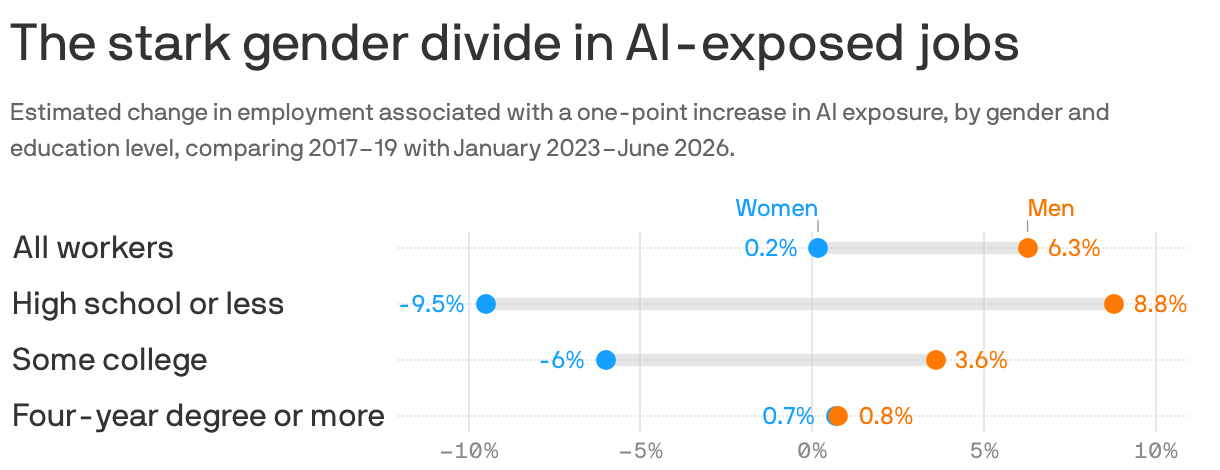
Data: Pew Research Center. Chart: David Adkins/Axios
Women without four-year degrees are losing ground in jobs with more exposure to AI, while men with similar education levels are seeing employment gains, according to a new Pew analysis.
Why it matters: Women could be exposed to greater economic disruption than men as AI reshapes the workplace.
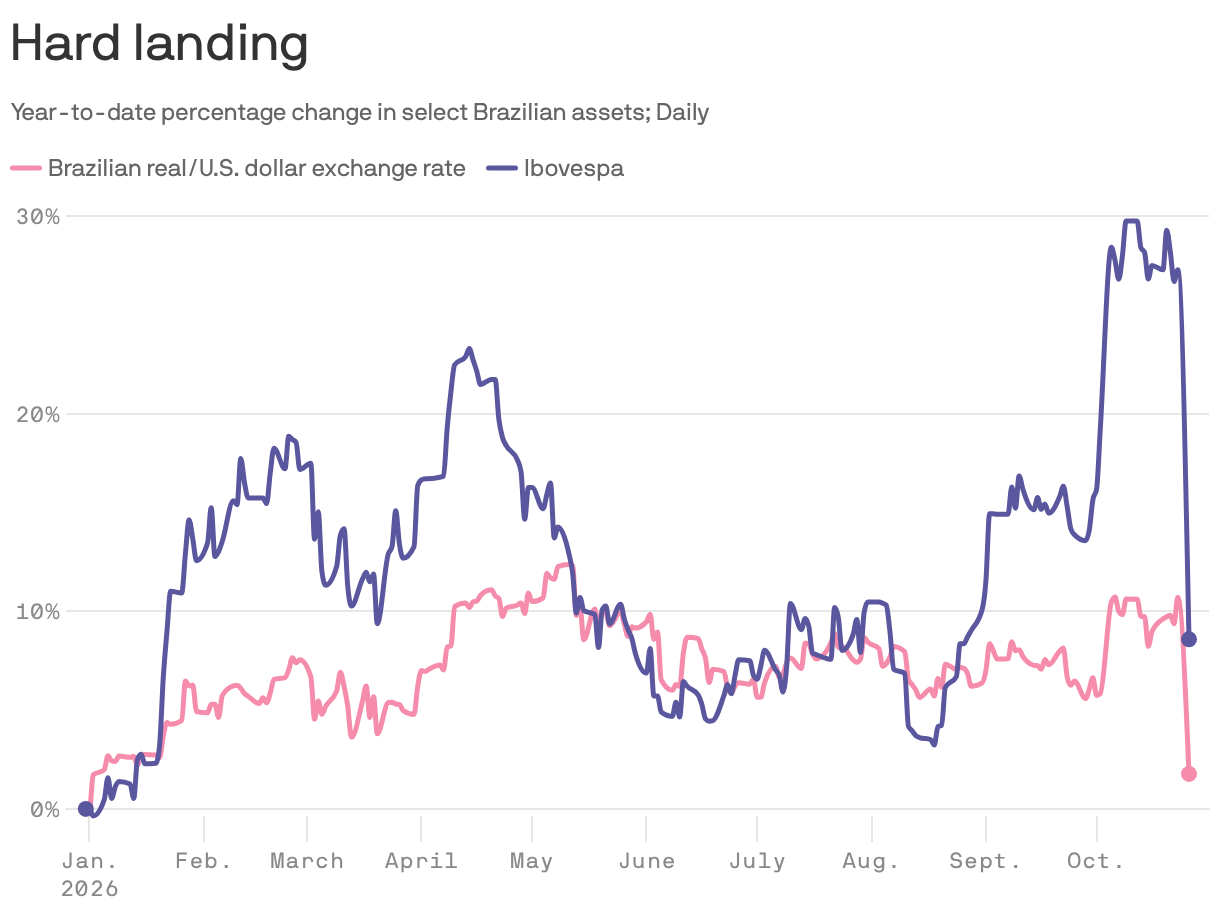
Brazilian assets tumbled Monday following the re-election of Brazil's left-leaning incumbent in a presidential runoff Sunday.
Why it matters: The re-election of Luiz Inácio Lula da Silva — known as Lula— underscores the economic challenges Brazil faces as the one-time union organizer heads toward his fourth non-consecutive presidential term.
President Trump faces an uncomfortable political dilemma ahead of the impending midterm elections: how to stand by the tariffs at the heart of his economic agenda when Republican voters are less convinced of their benefits.
Why it matters: Since returning to the White House, Trump has moved more aggressively than any modern president to remake the global trading system, with sweeping tariffs at the center of that effort.
But with Americans already frustrated by high prices — including a wartime surge in energy prices — his signature economic policy threatens to become a political liability for Republicans fighting to retain control of Congress.
Bon Secours Mercy Health on Monday said that it has agreed to acquire Surgery Partners for around $5.7 billion.
Why it matters: The nonprofit health system would greatly expand its outpatient services, thus helping patients avoid hospitals. Much like when Ascension paid $3.9 billion for Amsurg earlier this year.
Harvard economist Jason Furman told Axios that if he were to return to his old job as chairman of the White House Council of Economic Advisers today, he would rely on AI tools over staff economists for much of the council's day-to-day analytical work.
The big picture: Unsurprisingly, this made some waves in the online discourse, particularly the loose-knit community formerly known as Econ Twitter.
Many veterans of the economic policy trenches see real risks in future policymakers becoming overly reliant on AI — or at a minimum think that Furman is underestimating the importance of human economists in advising the nation's leaders.
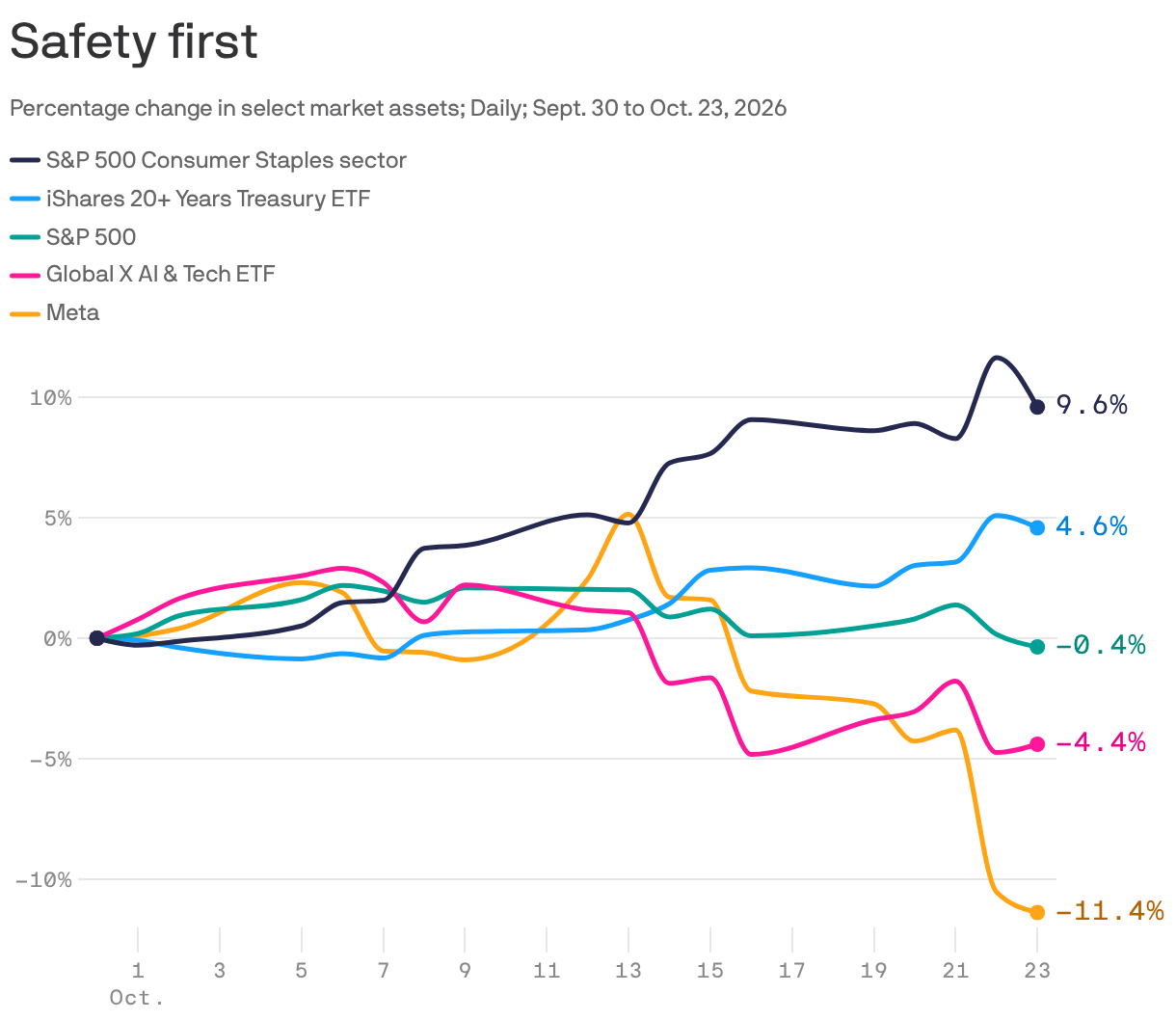
Investors rushed for cover last week in the face of economic, political and market turmoil.
Why it matters: The scramble for safety in both stock and bond markets suggests that investors see reducing risk as the simplest response to the crosscurrents — at least for now.
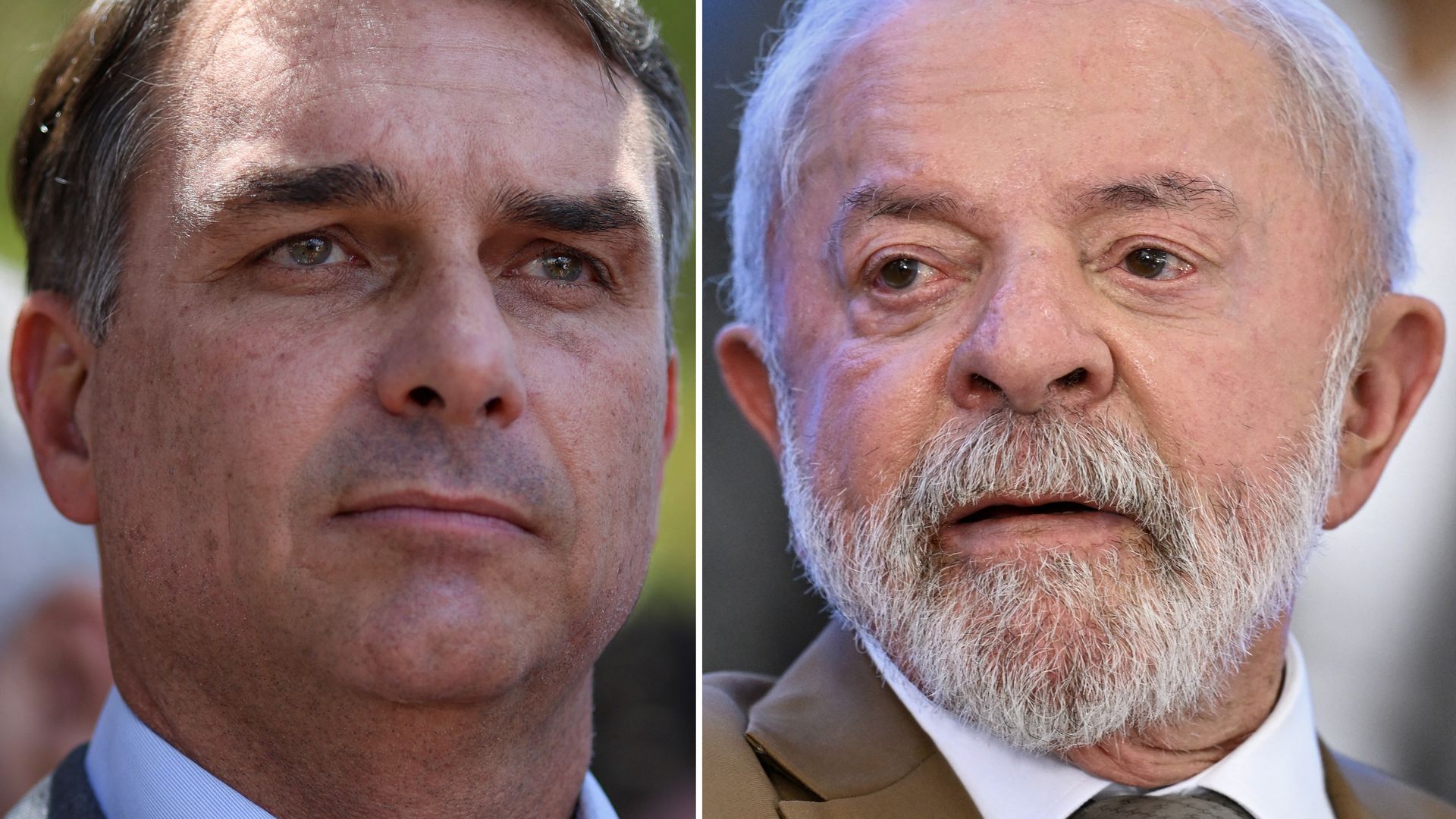
Brazil President Luiz Inácio Lula da Silva was elected to a fourth, nonconsecutive term in the nation's presidential election, according to early results released Sunday evening.
Why it matters: Lula's victory deals a setback to Brazil's right-wing populist movement and preserves a major counterweight to President Trump's influence in Latin America, with tensions over trade and tariffs threatening to persist.