Trump tariffs test Republicans ahead of midterms

Add Axios as your preferred source to
see more of our stories on Google.
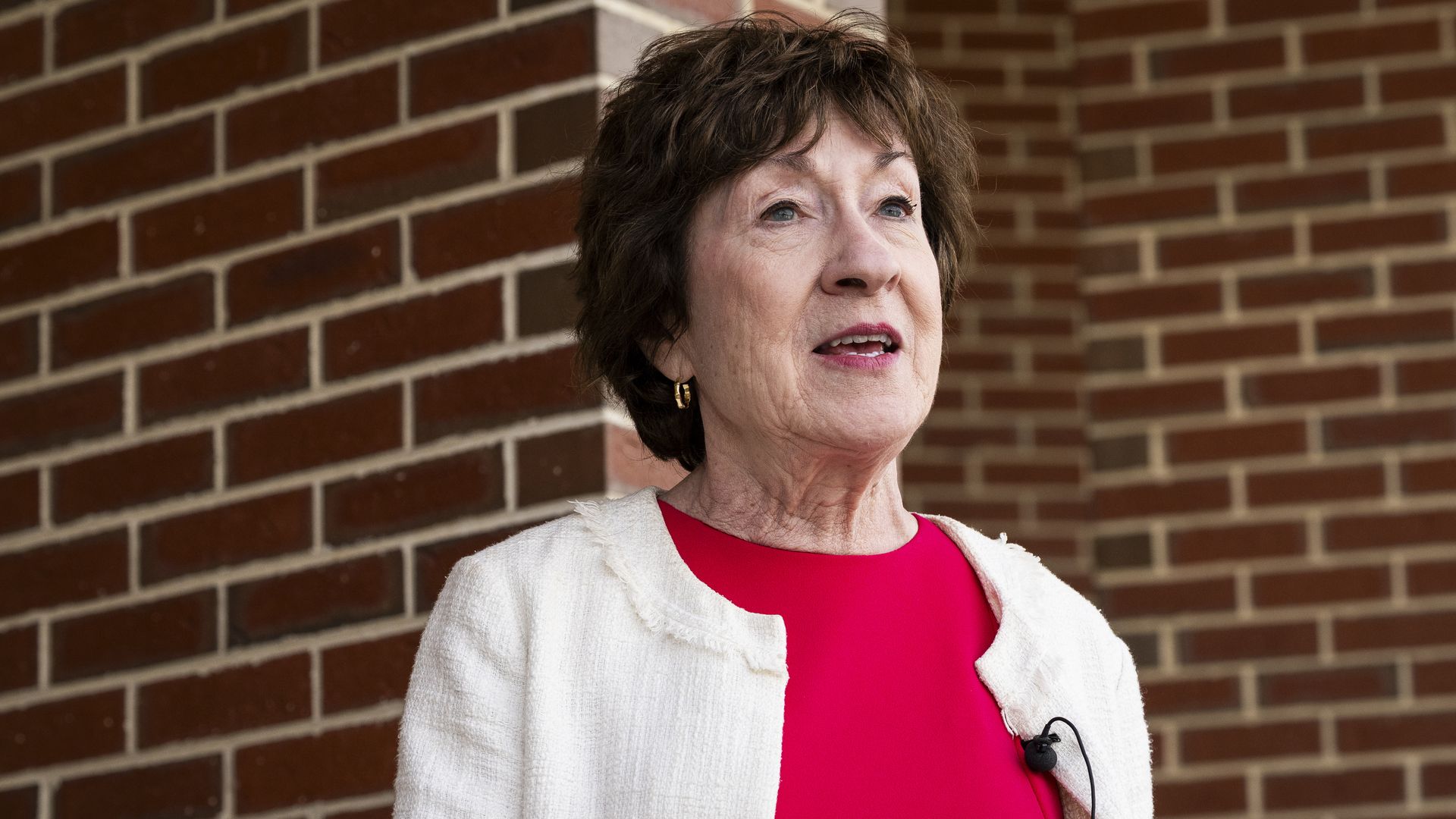
Sen. Susan Collins (R-Maine), speaking to the media in May. Photo: Graeme Sloan/Getty Images
President Trump faces an uncomfortable political dilemma ahead of the impending midterm elections: how to stand by the tariffs at the heart of his economic agenda when Republican voters are less convinced of their benefits.
Why it matters: Since returning to the White House, Trump has moved more aggressively than any modern president to remake the global trading system, with sweeping tariffs at the center of that effort.
- But with Americans already frustrated by high prices — including a wartime surge in energy prices — his signature economic policy threatens to become a political liability for Republicans fighting to retain control of Congress.
Driving the news: In what is the clearest example yet of how midterm politics are complicating Trump's tariff agenda, the White House exempted certain Canadian imports from 50% tariffs following pressure from Sen. Susan Collins (R-Maine), who faces a tough reelection race.
- The exemptions cover agricultural machinery, plywood and packaging materials — offering relief to Maine farmers and businesses.
- Collins touted her role in securing the exemptions, pledging to seek further tariff relief and a broader trade agreement with Canada.
Of note: The tariffs were not eliminated outright.
- The administration swapped them for 50% duties on other Canadian goods — including carpets, shampoo, paint, cocoa powder, wooden coffins and more — in a bid to keep pressure on the Canadians during the trade spat.
The big picture: Other Republican candidates across the country are walking a fine line — defending Trump's tariffs while distancing themselves from the parts of the trade agenda that are squeezing constituents.
- Iowa: The state's farmers union broke decades of neutrality in federal races to endorse the entire Democratic congressional slate — citing mounting frustration over Trump's trade policies and rising costs, as the New York Times reported.
- Michigan: Republican Senate candidate Mike Rogers told NBC's "Meet the Press" on Sunday that the Canadian auto tariffs "worry me a little bit" and pledged to seek relief.
- "There's some good and there's some things we have to work on," Rogers said.
Between the lines: Republicans are less optimistic about the benefits of the president's tariffs.
- Forty percent expected the policies to have a "mostly positive" effect on the country in October — down from 49% in January and 52% in August 2025, according to Pew Research.
- A separate AP-NORC poll earlier this month showed that 64% of Americans believe Trump has gone too far in imposing new tariffs on other countries.
The other side: "We're trying to create another American century here," Trump trade chief Jamieson Greer said in a Bloomberg profile published Monday.
- Greer noted that public discontent reflects "micro issues" unrelated to tariffs — including housing, health care, education and energy costs.
What to watch: The economic benefits Trump promises from new factories and manufacturing jobs could take longer to materialize, while businesses and consumers are already feeling the higher costs associated with tariffs.
- At a campaign rally in Georgia on Saturday, Trump announced a $4.2 billion Audi factory — the company's first in the U.S. — that is expected to create 4,500 jobs. "Without tariffs, they wouldn't be coming in," he said.
- Audi cited other business considerations in its factory announcement beyond reducing exposure to tariffs, including proximity to U.S. customers and a more competitive production base.
