That wince you just made while researching travel options? Get used to it.
Why it matters: Soaring jet fuel prices are accelerating changes across the airline industry, seen in higher fares, premium-heavy cabins and fewer flight options for travelers.
The unrelenting sell-off in French bonds continues. The latest move shows how that nation's precarious fiscal and political situation could spill over elsewhere — including offering relief for U.S. borrowing costs.
The big picture: U.S. Treasury yields have fallen in the last couple of weeks, while French borrowing costs have surged. Borrowing costs are also down in other traditional safe-haven nations.
This may partly reflect investors seeking alternatives to French bonds, alongside a broader safe-haven effect as there have been new wobbles in AI-related debt markets.
American manufacturing is showing signs of revival. But the recovery is being powered by industries at the forefront of the AI and energy boom while the traditional factory sector gets left behind.
Why it matters: The White House is touting a revival in American manufacturing as evidence that its economic agenda is working.
But a lopsided recovery raises questions about how much of the sector stands to benefit — especially as higher borrowing costs threaten to weigh on factories once again.
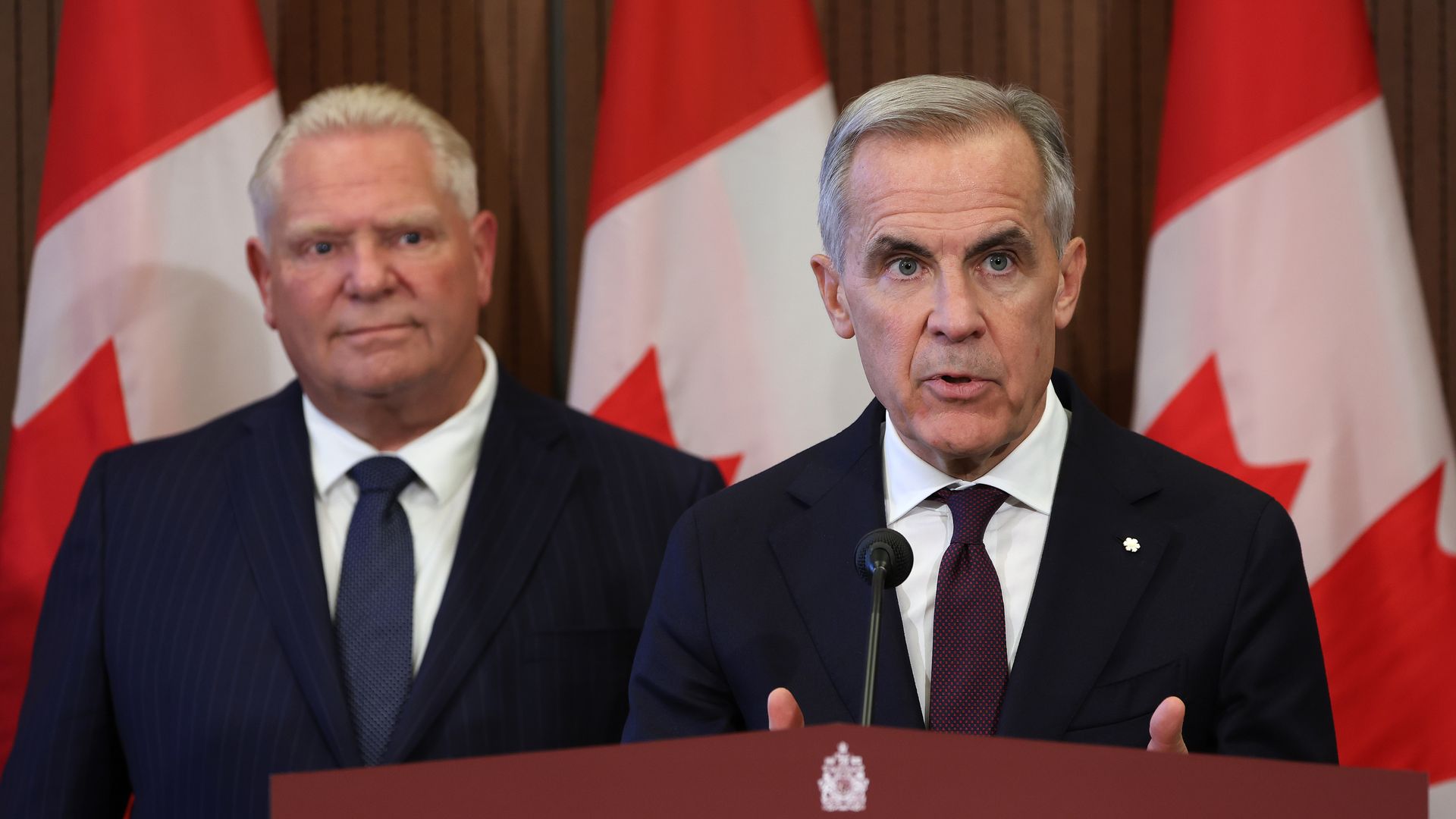
The U.S. Embassy in Canada accused Canadian leaders of "openly" describing plans to "influence American politics," doubling down on Ambassador Pete Hoekstra'sclaims of potential election interference.
Why it matters: The accusation further deteriorates Washington's relationship with its northern neighbor under President Trump's costly trade war that's put political pressure on Republicans.
Kalshi is asking federal regulators for permission to re-list compute derivatives, which would allow users to trade on the future cost of renting GPUs, the powerful chips used to run AI.
Why it matters: The prediction market was reportedly ordered by the Commerce Department to take down compute markets earlier this year over national security concerns. (Commerce denied that it did so.)
Driving the news: Sudhir Jain, Kalshi's chief compliance officer, said Wednesday on LinkedIn that Kalshi had submitted comments to the Commodity Futures Trading Commission asking it to allow the markets.
That would ensure that "price discovery" on GPUs happens in the U.S., not offshore, he argued.
"Compute already fits the definition of a commodity" and "both sides have a reason to hedge" on compute pricing, Jain wrote. "Buyers like AI labs can lock in costs. Providers like data center operators can protect the revenue behind their GPU investments."
What they're saying: The CFTC declined to comment.
Catch up quick: The agency sent a request for public comment on compute contracts in August.
"Just as American markets helped establish the gold standard for trading the commodities that powered the industrial economy, we will do the same for the commodity that will power the intelligence economy," CFTC chair Michael Selig said at the time.
Federal and Texas officials on Wednesday confirmed the first known case of the New World screwworm parasite in U.S. wildlife during the current outbreak.
Why it matters: The discovery raises new questions about whether the flesh-eating parasite is spreading beyond livestock.
Tesla's revenue flattened out in the third quarter, but the company launched robotaxi service and humanoid production while still managing to spend far less than expected.
General Motors wants to slash the time it takes to develop a new vehicle in half, betting that artificial intelligence can help it compete with China's much faster automakers.
Why it matters: Chinese carmakers have a formidable speed advantage, allowing them to introduce new models and technologies faster than their Western rivals can respond.
General Motors envisions a future where you can dispatch your car to pick up groceries, take your kids to soccer practice and handle other errands — all without you behind the wheel.
Why it matters: As software, AI and autonomous driving reshape the auto industry, GM is taking a big swing amid growing competition from Chinese rivals and leaders in the race toward self-driving cars.
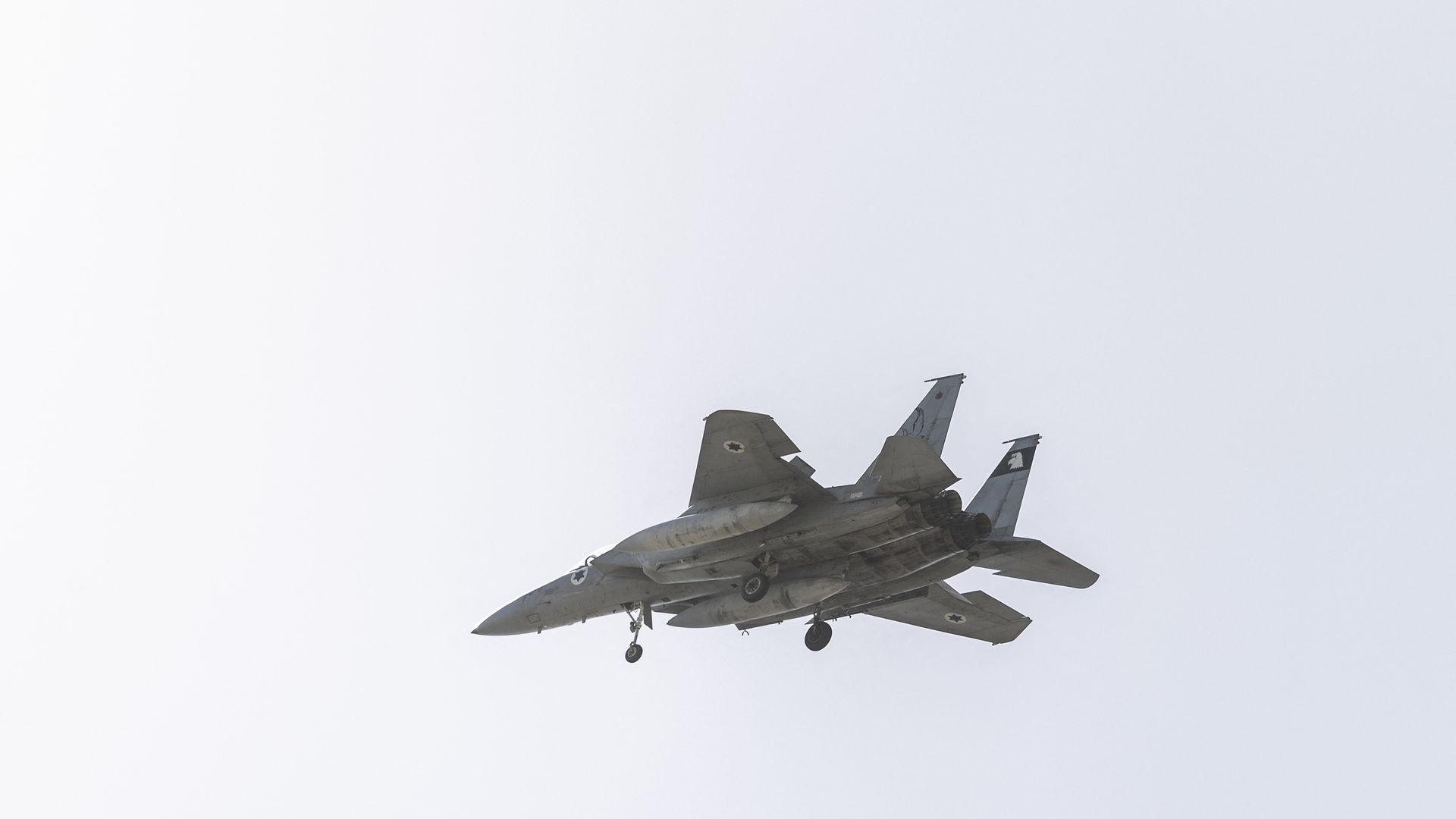
Dozens of Israeli Air Force fighter jets conducted a sortie on Monday, flying as far as the Iranian border, according to Israeli and U.S. officials.
Why it matters: The operation, more than 800 miles away from Israel, took place a week before the Israeli elections and on the same day Defense Secretary Pete Hegseth met with Prime Minister Benjamin Netanyahu at Israel's Ovda Air Base. The sortie wasn't connected to Hegseth's visit.
While some Israeli and U.S. officials said the sortie wasn't unusual and that it was meant to deter Iran, it could have led to a miscalculation, triggering an Iranian response andreigniting the war.
French borrowing costs are heading unrelentingly upward, making for a slow-moving fiscal debacle in Europe's second-largest economy.
Why it matters: It shows the risks for other advanced countries, including the U.S., as they face the combined pressure of large deficits, political resistance to austerity and a wary bond market.
Traders are betting that oil prices will remain elevated for longer than they anticipated just weeks ago, threatening to prolong the inflationary pressures that businesses and consumers have weathered for months.
Why it matters: Oil inventories have helped cushion the blow from disrupted Middle Eastern supplies, but much of that buffer has been depleted since the war began.
The possibility of sustained price pressures into next year throws into doubt the logic that central banks traditionally rely upon to look through energy price shifts — that they represent a one-time shift in relative prices, not an ongoing inflationary process.
The inevitable merger of SpaceX and Tesla took an orbital leap forward yesterday, with Elon Musk calling it "a good idea" and both companies forming special committees to discuss a deal.
Why it matters: This would be the largest corporate tie-up in history.
Private equity firm General Atlantic and 32 Equity, an investment vehicle of the National Football League, plan to raise a fund that will invest in sports-related companies.
Why it matters: For the NFL owners, this advances global expansion goals while also creating a new revenue stream (i.e., carried interest) that needn't be shared with players.
The AI boom is moving into its rational exuberance phase, to adapt a term from the last tech bubble: Investors are pulling back funding and demanding more evidence that their investments will actually pay off.
Why it matters: It's a delicate dance. The economy is running on the AI trade right now. Can investors take air out of the bubble without popping the whole damn thing?
Anthropic's impending IPO will test a jittery Wall Street, but investors say the timing isn't optional. The reason is simple math: The AI giant has grown too big for private fundraising.
Why it matters: Top AI companies like Anthropic and OpenAI are racking up 12-figure spending commitments, straining the financial system's ability to keep up with a buildout that rivals America's railroads or interstate highways.
With private borrowing costs spiking, tapping the massive liquidity of the public markets is the best way to fund the next phase of the AI arms race, investors say.