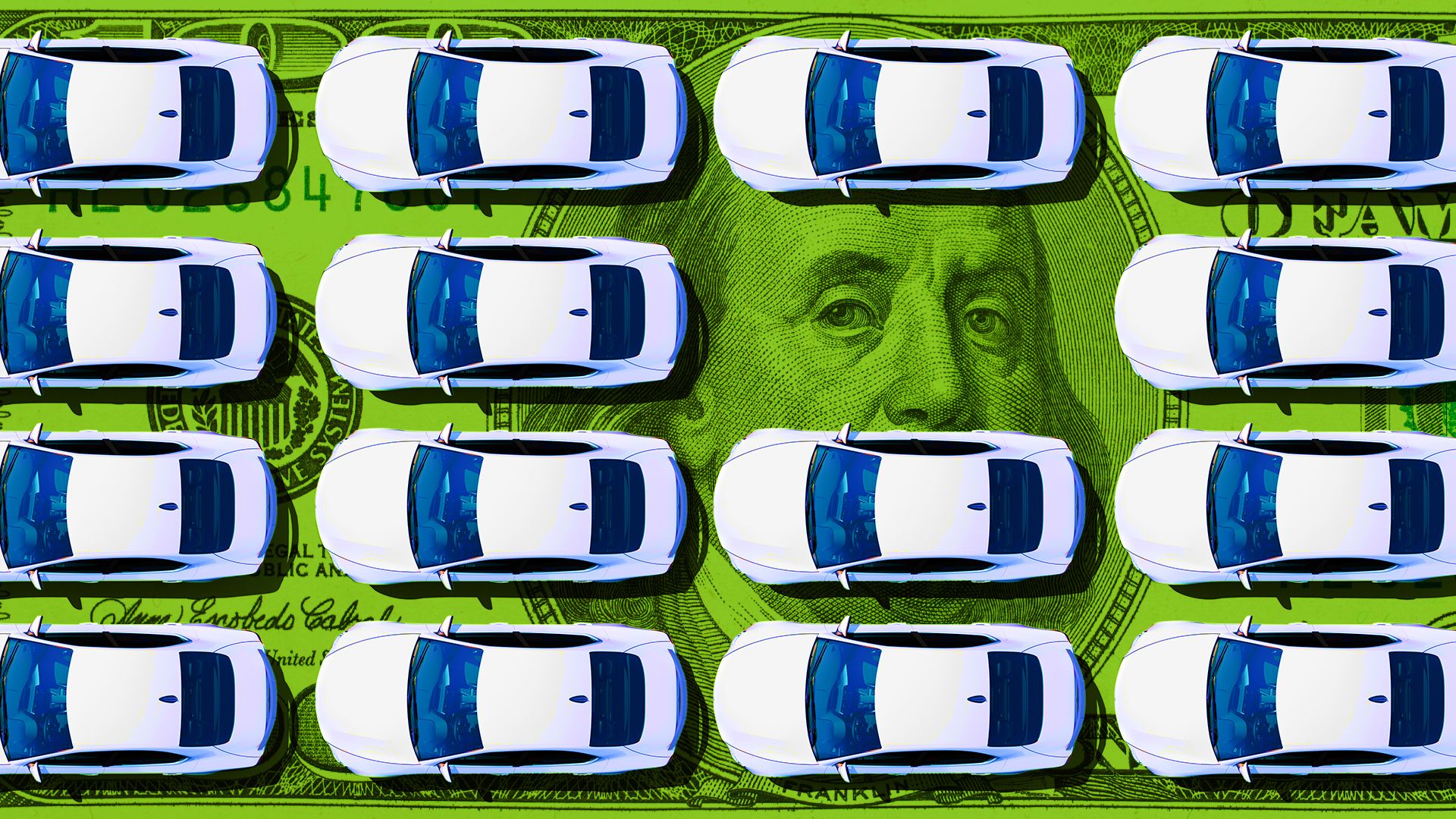
More premium car buyers are trading down to mainstream brands, where they've discovered they can get a lot of the same technology, comfort and features at a substantially lower price, according to new JD Power research.
Why it matters: It's more bad news for luxury car manufacturers that have been clobbered in recent years by Tesla and now Chinese competitors — and another reflection of how affordability issues are upending the U.S. car market.
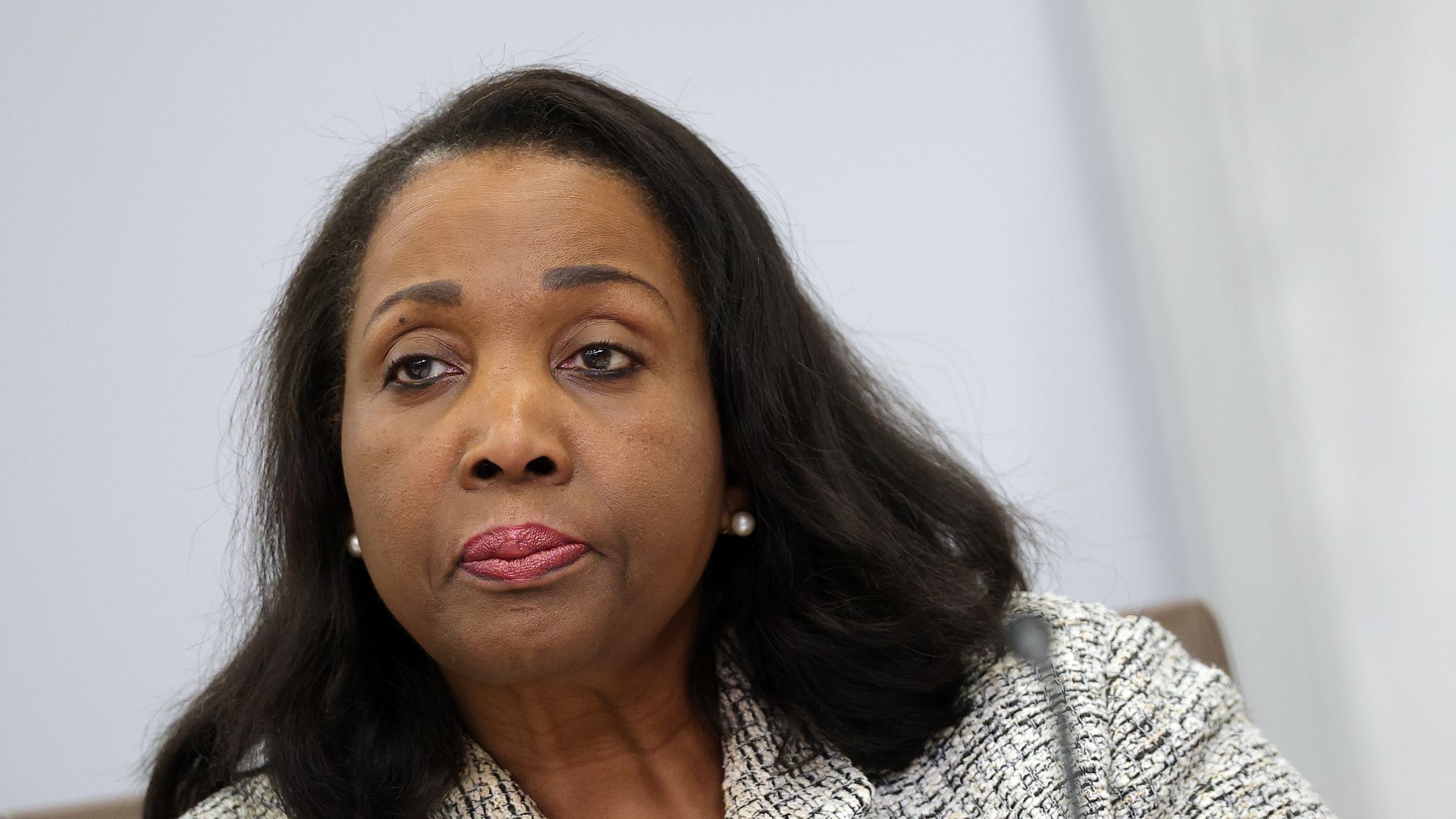
The Trump administration has launched a new effort to remove Federal Reserve Gov. Lisa Cook, notifying her that President Trump is considering her removal and giving her 21 days to respond to mortgage fraud allegations in a letter obtained by Axios.
Why it matters: The Supreme Court this year blocked Trump's first attempt to remove Cook, finding that the Fed official was not given notice or a chance to respond.
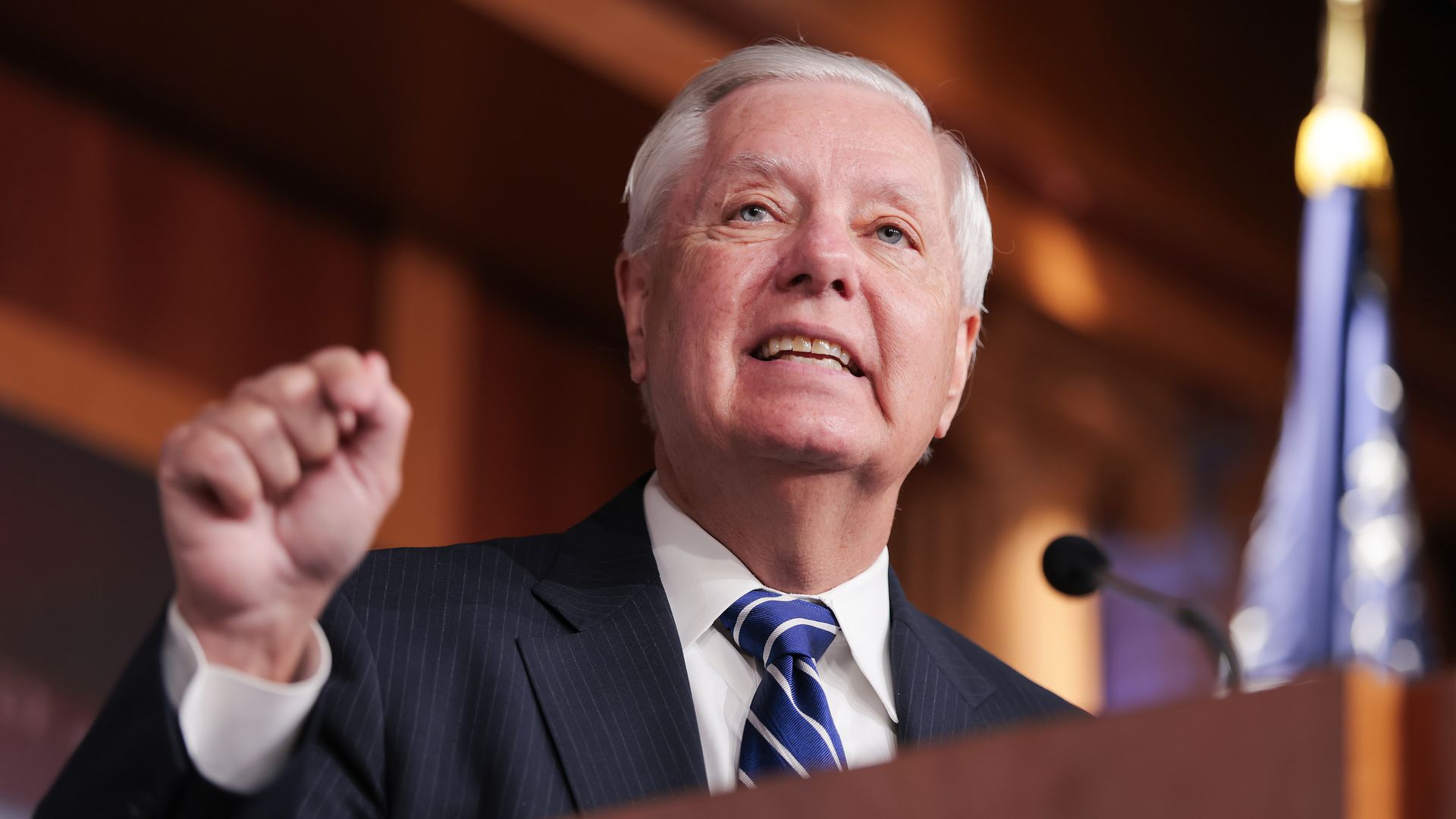
The Senate passed a sweeping Russia sanctions bill Friday in an 86-11 vote.
Why it matters: The legislation would impose new sanctions on Russia, renew Iran sanctions and hand President Trump fresh authority to slap tariffs on major buyers of Russian oil.
America's labor market appeared to be gaining momentum this spring. The latest data makes that rebound look much less convincing.
Why it matters: The report isn't as bad as the headline suggests, but the broader picture is still one of a labor market that is less robust than it seemed.
If the trend continues, U.S. workers might find themselves squeezed on two fronts — a weakening job market and high inflation from an uncertain geopolitical conflict cutting into paychecks and household budgets.
Nielsen has agreed to buy DoubleVerify, a digital media measurement firm, for around $2.15 billion, or $13.60 per share.
Why it matters: This highlights a recent trend of media measurement firms going (or staying) private, which could accelerate as AI continues to pressure software valuations.
America's employers unexpectedly shed 23,000 jobs in July, while the unemployment rate ticked down to 4.1%, the government said on Friday.
Why it matters: The report shows the first job decline since February alongside steep downward revisions to previous months' data — hinting at bigger cracks in the labor market than previously known.
Early warning signs are flashing in the private credit world.
Why it matters: The worries around private credit — loans made by non-banks typically to mid-size businesses — seem to have fallen off the front pages, but distress is building in this opaque market.
Read the polls, watch economic indicators and talk to President Trump's inner circle in private, and the verdict on his second term seems clear:
Even some longtime insiders fear he's trapped by a war he shouldn't have waged, tariffs he shouldn't have levied, monuments he shouldn't be obsessed with.
Why it matters: Thesethreetopics chew up much of Trump's time and attention. All three are widely unpopular in polls.
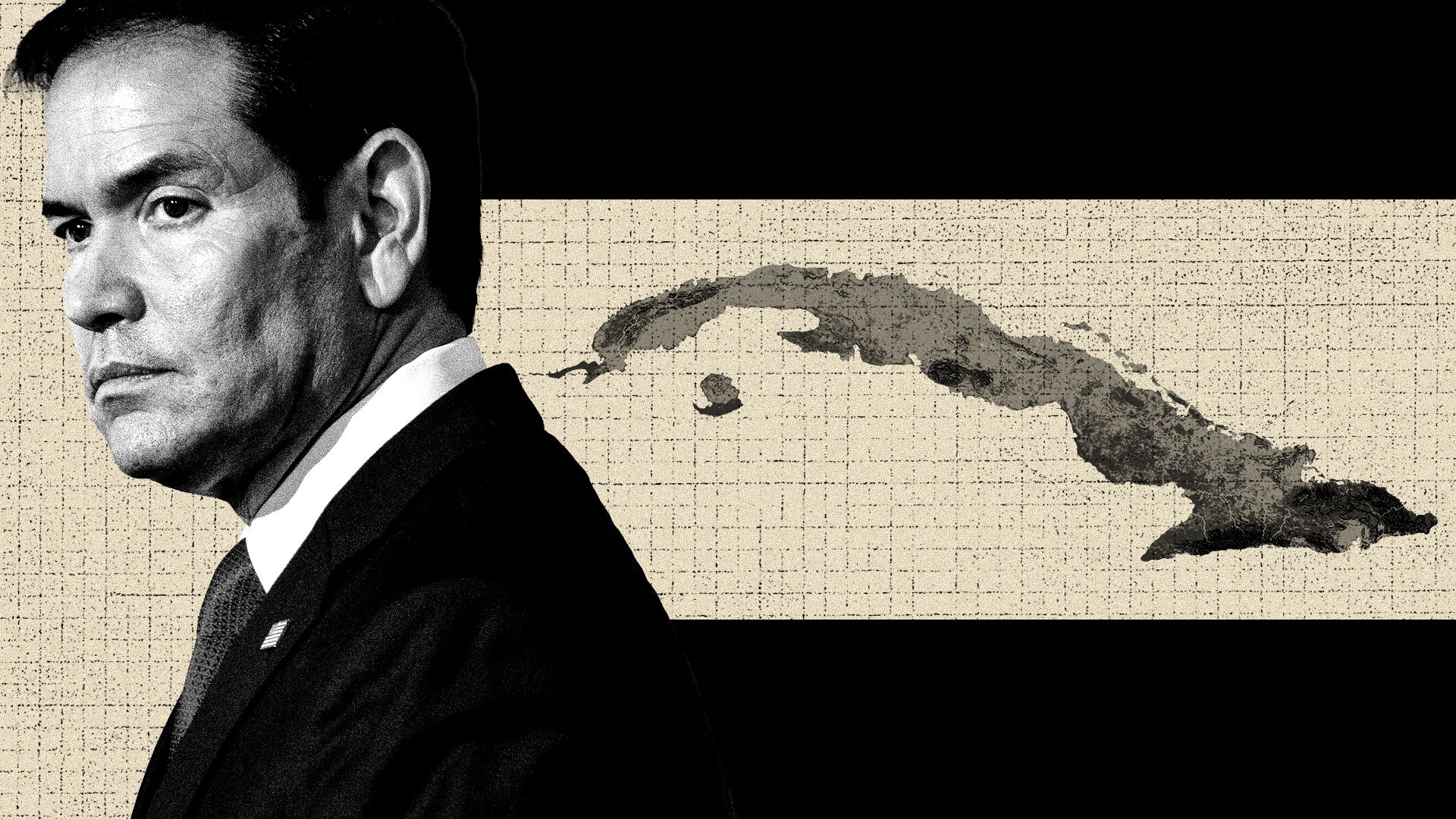
Secretary of State Marco Rubio is waging an unprecedented economic war on Cuba — and wants to make sure the island's communist leaders know it's going to get worse.
"What we're trying to teach them is there are no escape valves," Rubio told Axios.
Why it matters: Cuba's economy is in a state of slow-motion collapse because of crushing U.S. sanctions and communist mismanagement of the island, which prides itself as the hemisphere's chief foe of the superpower 90 miles to its north.
Suspected Iran-linked cyberattacks are exposing long-standing vulnerabilities in fragmented U.S. drinking water systems facing aging infrastructure and intensifying climate threats.
Why it matters: Drinking water systems disruptions can threaten public health and essential services, while many utilities—especially smaller ones—lack the staff and resources to strengthen their defenses..
Several major brands that target working-class and middle-income Americans are struggling to attract customers.
Why it matters: While much of the market's attention is focused on the booming AI economy, there's a street fight going on among some of the biggest brands for the wallets of value-conscious consumers.
A legal cat-and-mouse game has played out over whether the president can use various obscure, untested provisions to impose tariffs. Now, Congress appears on track to give him a big, new — and explicit — tariff authority.
Why it matters: A bill on Russia sanctions, named for the late Sen. Lindsey Graham, has received overwhelming bipartisan support in the Senate and would allow President Trump and future presidents to impose tariffs of up to 100% on major importers of Russian energy.
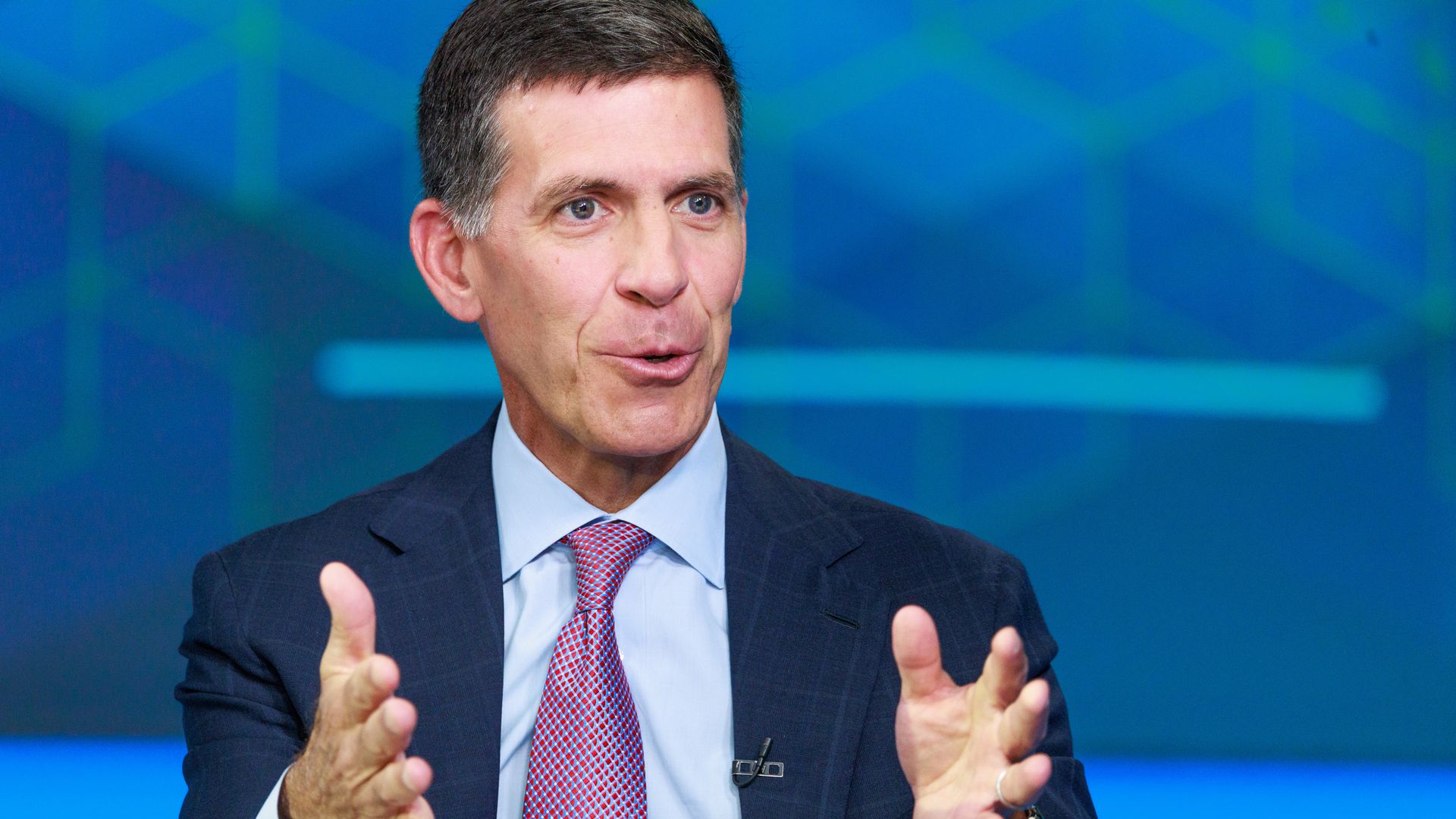
The response to Federal Reserve chairman Kevin Warsh's press conference last week was swift and negative, prompting a sell-off of long-term bonds. A top Goldman Sachs executive sees it as an overreaction.
What they're saying: "The market has been accustomed to getting a lot of Fed commentary all the time," Goldman president John Waldron tells Axios. "I think Kevin is right to take a step back and say 'Let's evaluate that, and think about a different approach.'"
"His challenge is that anytime you give the markets all this information, it's very hard to pull it back," Waldron adds.
The leaders of America's biggest companies are much less optimistic than they were before the start of the war earlier this year, according to a survey of Fortune 500 leaders out Thursday morning.
Why it matters: When leaders are feeling optimistic, they push for more hiring, capital investment and dealmaking, and that drives growth in the economy and markets.
And all of that is critically important right now — businesses' AI infrastructure spending is a key driver of GDP growth. Regular folks, meanwhile, are struggling in the face of rising prices.
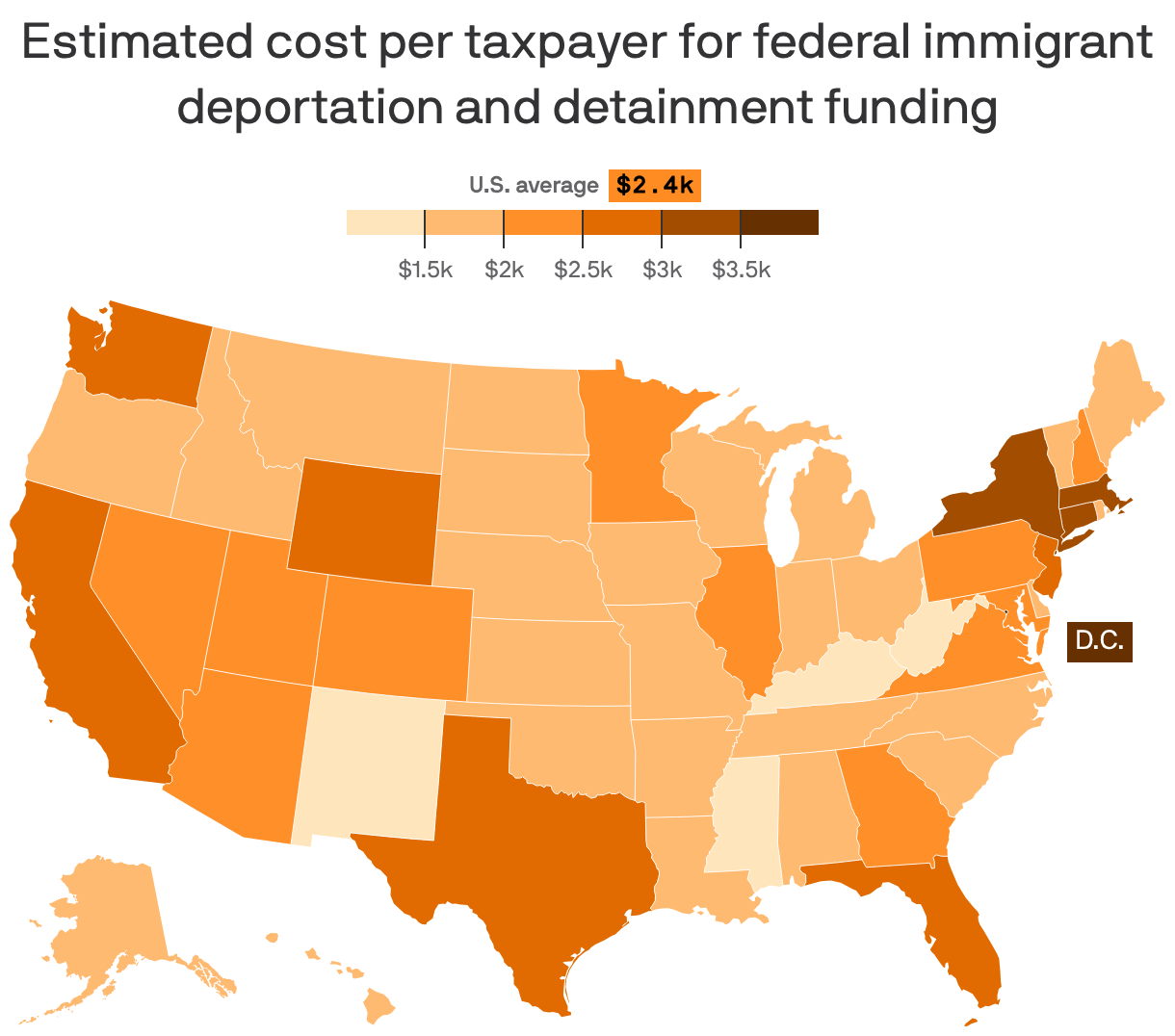
American taxpayers would pay about $2,358 each for President Trump's mass deportation push, according to a new calculator tool from the Economic Policy Institute.
Why it matters: The estimate fuels debate over whether billions of federal dollars devoted to deportations could instead fund other public priorities such as food assistance, health care or housing.