Suspected Iran-linked cyberattacks are exposing long-standing vulnerabilities in fragmented U.S. drinking water systems facing aging infrastructure and intensifying climate threats.
Why it matters: Drinking water systems disruptions can threaten public health and essential services, while many utilities—especially smaller ones—lack the staff and resources to strengthen their defenses..
Several major brands that target working-class and middle-income Americans are struggling to attract customers.
Why it matters: While much of the market's attention is focused on the booming AI economy, there's a street fight going on among some of the biggest brands for the wallets of value-conscious consumers.
A legal cat-and-mouse game has played out over whether the president can use various obscure, untested provisions to impose tariffs. Now, Congress appears on track to give him a big, new — and explicit — tariff authority.
Why it matters: A bill on Russia sanctions, named for the late Sen. Lindsey Graham, has received overwhelming bipartisan support in the Senate and would allow President Trump and future presidents to impose tariffs of up to 100% on major importers of Russian energy.
The response to Federal Reserve chairman Kevin Warsh's press conference last week was swift and negative, prompting a sell-off of long-term bonds. A top Goldman Sachs executive sees it as an overreaction.
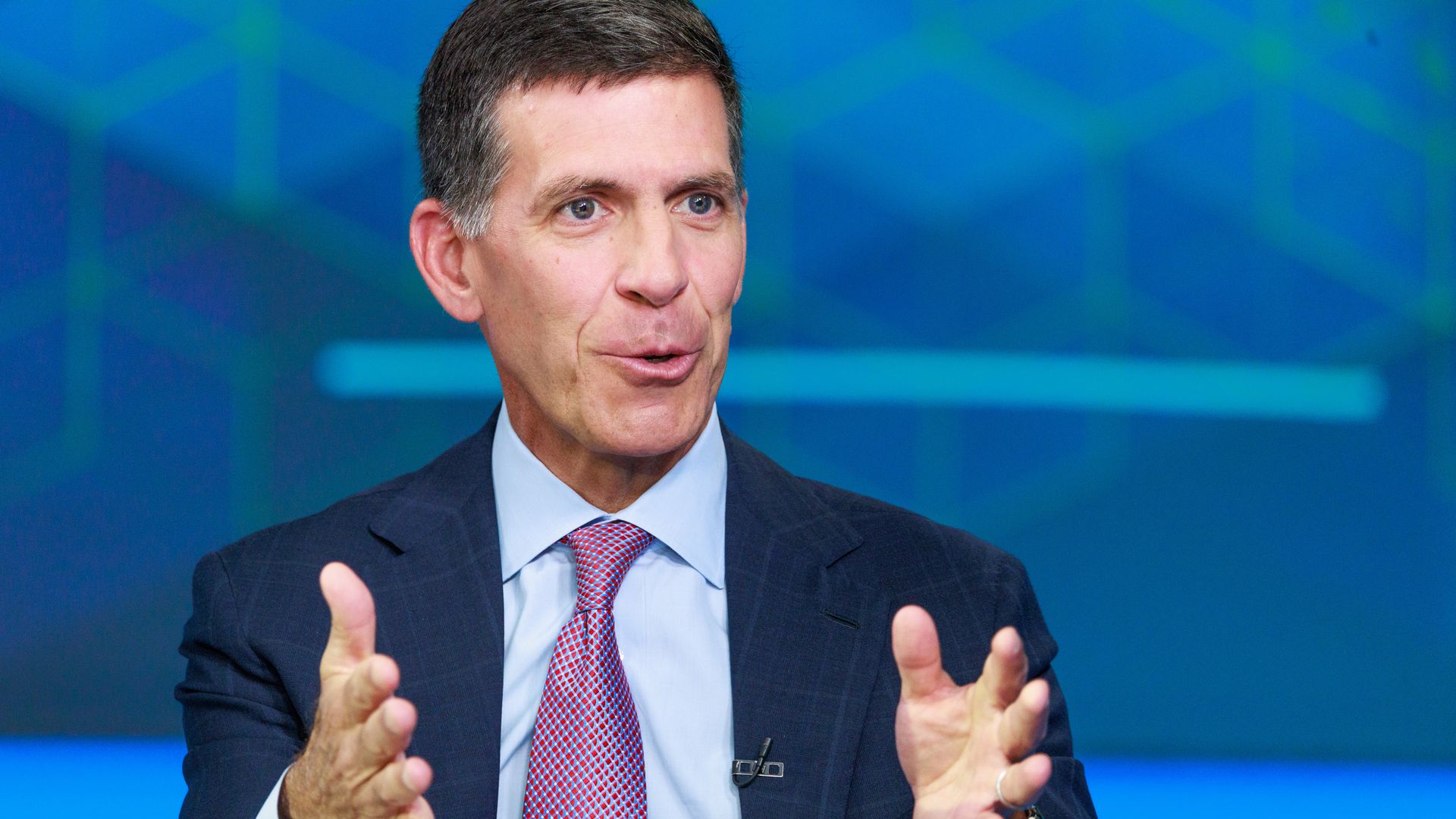
What they're saying: "The market has been accustomed to getting a lot of Fed commentary all the time," Goldman president John Waldron tells Axios. "I think Kevin is right to take a step back and say 'Let's evaluate that, and think about a different approach.'"
"His challenge is that anytime you give the markets all this information, it's very hard to pull it back," Waldron adds.
The leaders of America's biggest companies are much less optimistic than they were before the start of the war earlier this year, according to a survey of Fortune 500 leaders out Thursday morning.
Why it matters: When leaders are feeling optimistic, they push for more hiring, capital investment and dealmaking, and that drives growth in the economy and markets.
And all of that is critically important right now — businesses' AI infrastructure spending is a key driver of GDP growth. Regular folks, meanwhile, are struggling in the face of rising prices.
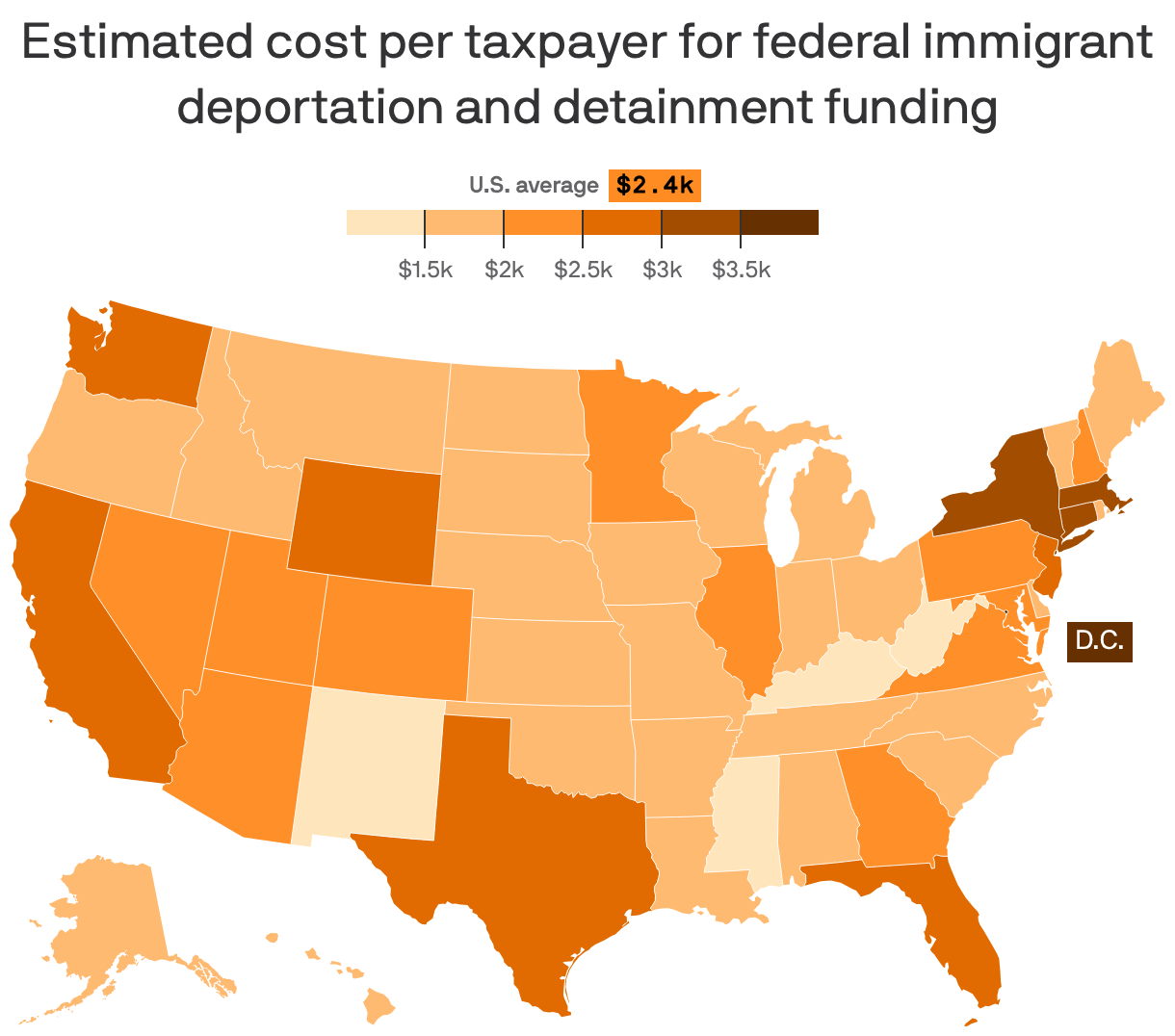
American taxpayers would pay about $2,358 each for President Trump's mass deportation push, according to a new calculator tool from the Economic Policy Institute.
Why it matters: The estimate fuels debate over whether billions of federal dollars devoted to deportations could instead fund other public priorities such as food assistance, health care or housing.
Investors are scrutinizing the AI trade amid concerns that companies may be throwing money into a bottomless pit.
Why it matters: Not all AI spending is created equal. Investors are drawing a harder line on companies that fail to show how today's AI investments will translate into profits.
Disney on Wednesday said it will move most of its consumer products business from its experiences segment to its entertainment division, bringing its expensive intellectual property closer to lucrative merchandise sales.
Why it matters: The change, which goes into effect this October at the start of Disney's fiscal year, supports the company's efforts to build higher-margin flywheels from its marquee franchises.
Private employment data suggests that the labor market might be tighter than the headline hiring numbers alone suggest, with worker pay accelerating alongside lackluster jobs growth.
Why it matters: Employers are pulling back on hiring as they navigate an uncertain economic outlook, but supply constraints continue to limit the pool of available workers in some industries.
Amazon-owned Zoox is about to start scaling its robotaxi service after federal regulators last week cleared it to charge for rides in its driverless vehicles with no steering wheel or other human controls.
Why it matters: Zoox and Amazon are playing the long game, betting a purpose-built vehicle and a self-sufficient business model can crack a market that's become almost synonymous with Waymo.
Driving the news: The average rate on a 30-year fixed-rate mortgage rose to 6.81% last week, the Mortgage Bankers Association said Wednesday morning, the highest in a year. Mortgage applications fell 2.9%.
Disney on Wednesday announced an agreement to sell its 50% stake in A+E Global Media for $1.2 billion in cash to Hearst, which would gain full ownership when the deal closes next month.
The big picture: Disney keeps cutting its legacy cable cords — mirroring its customers — even if that means losing a profitable business and deep content library.
Traders and bankers are set to see big bonus increases this year, significantly outpacing other sectors in finance, per a new report out Wednesday morning.
Why it matters: A booming stock market, the AI investment surge and a pickup in deal-making are turning 2026 into "the year of the bank," finds the analysis from compensation consulting firm Johnson Associates.
You can chalk it up to the resilience of the U.S. economy, the firm's president Alan Johnson tells Axios.
Who cares about war, oil prices, interest rates or an AI bubble? Investors apparently do not — for now at least — sending stocks back to record highs.
Why it matters: High stock prices are critical to keeping funds flowing to the AI buildout.
A significant erosion of investors' confidence in stocks would be a big risk to the AI flywheel of financial flows, capital expenditures and industrial activity driving the U.S. economy.
The Trump administration's rosy promises of a new "golden age" with 6% economic growth have fizzled on the realities of slower-than-anticipated growth and souring consumer sentiment.
Why it matters: President Trump's roller coaster economy has risen with consumer spending and AI investment but also tumbled on tariff uncertainty, stubborn inflation and his Iran war, muddling the economic picture.