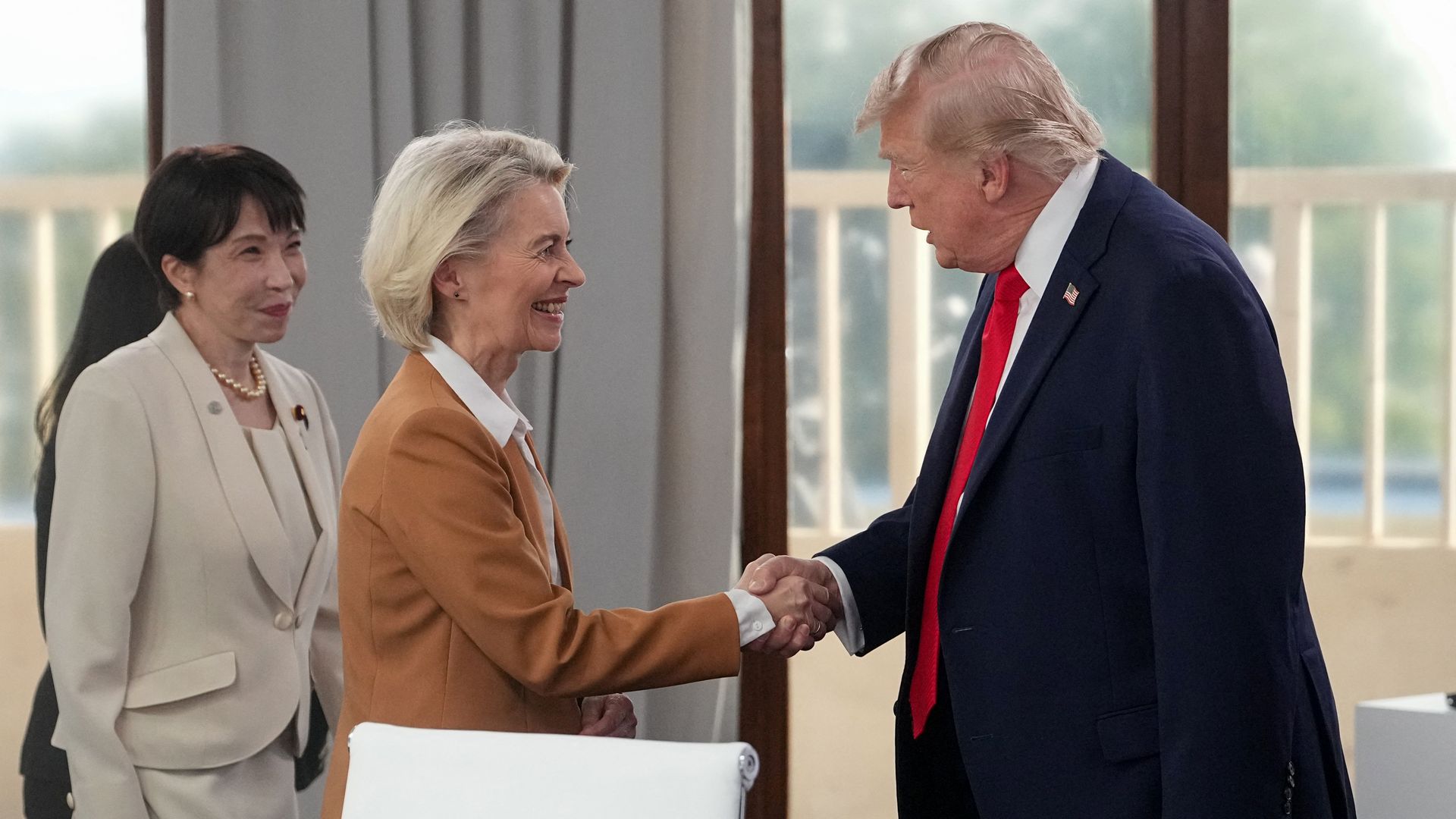
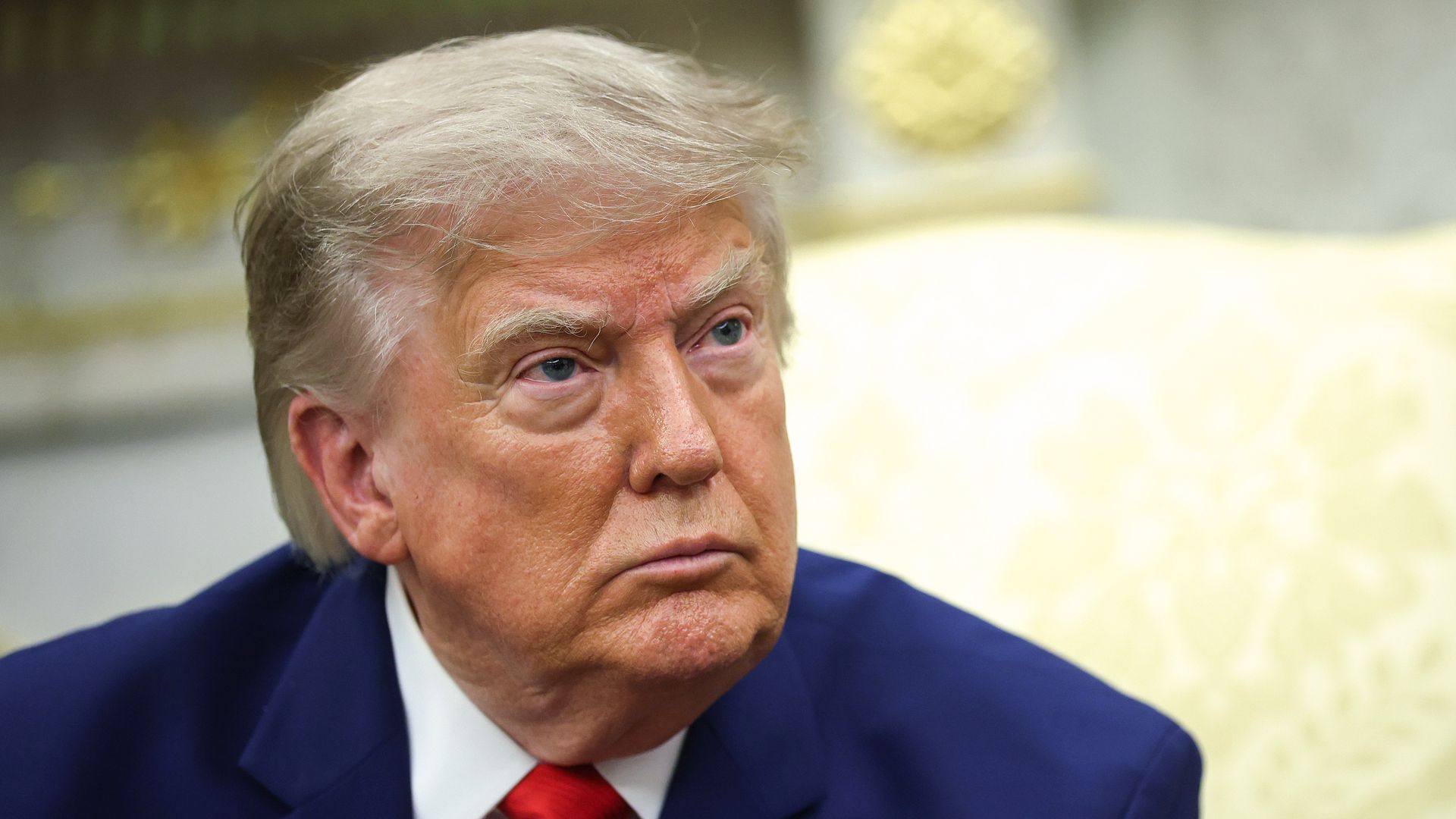
President Trump threatened Friday to impose "a substantial tariff" on the European Union over the bloc's penalties against U.S. technology companies.
Why it matters: It opens a new front in the transatlantic trade dispute, with Trump signaling he's willing to use tariffs to retaliate against European regulation of American tech giants.
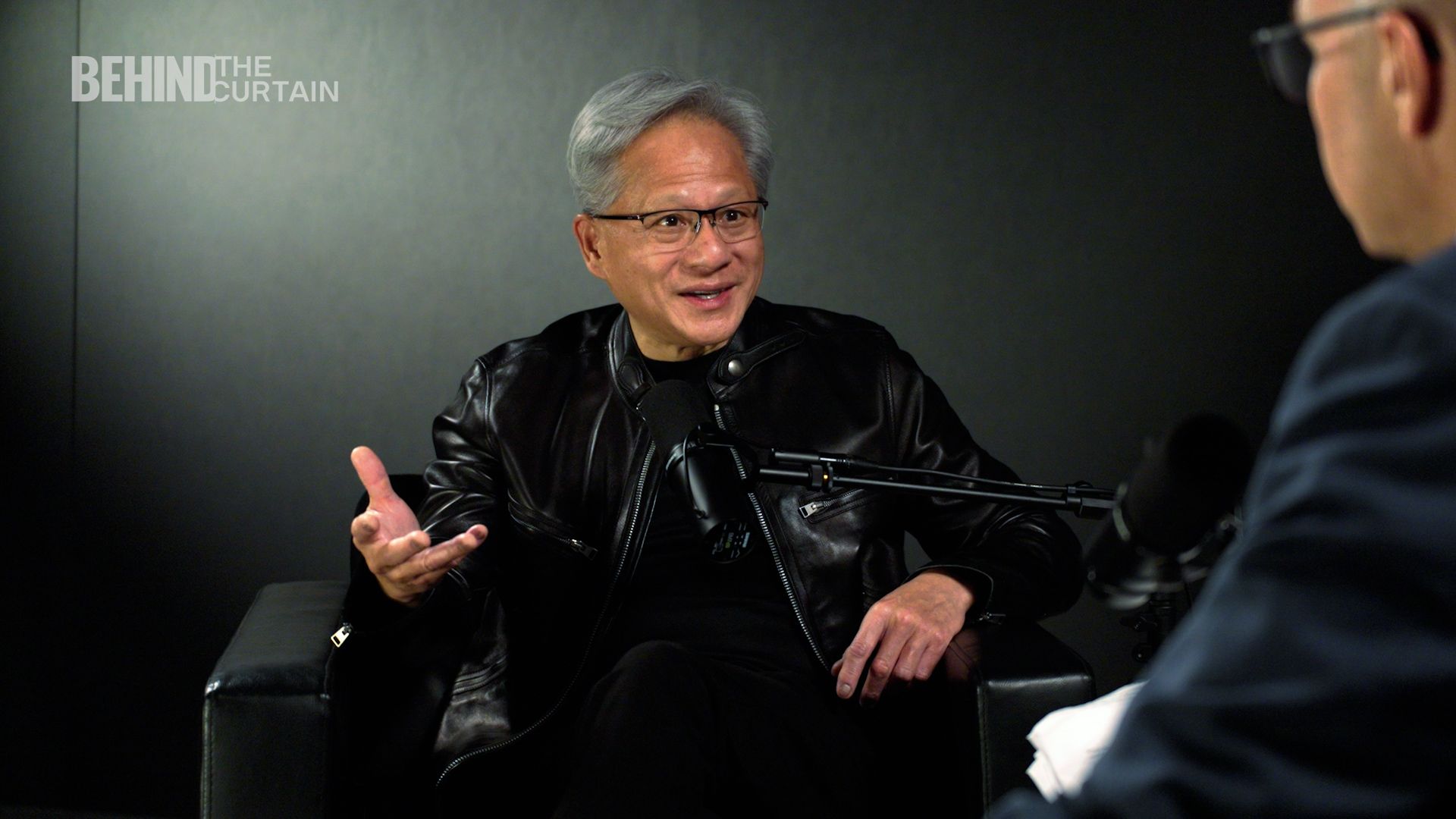
Nvidia CEO Jensen Huang thinks the artificial intelligence revolution is a wellspring of new jobs, rather than a labor market grim reaper set to bring on the employment apocalypse.
The big picture: Huang's optimism puts him at odds with the dire warnings of a white-collar bloodbath.
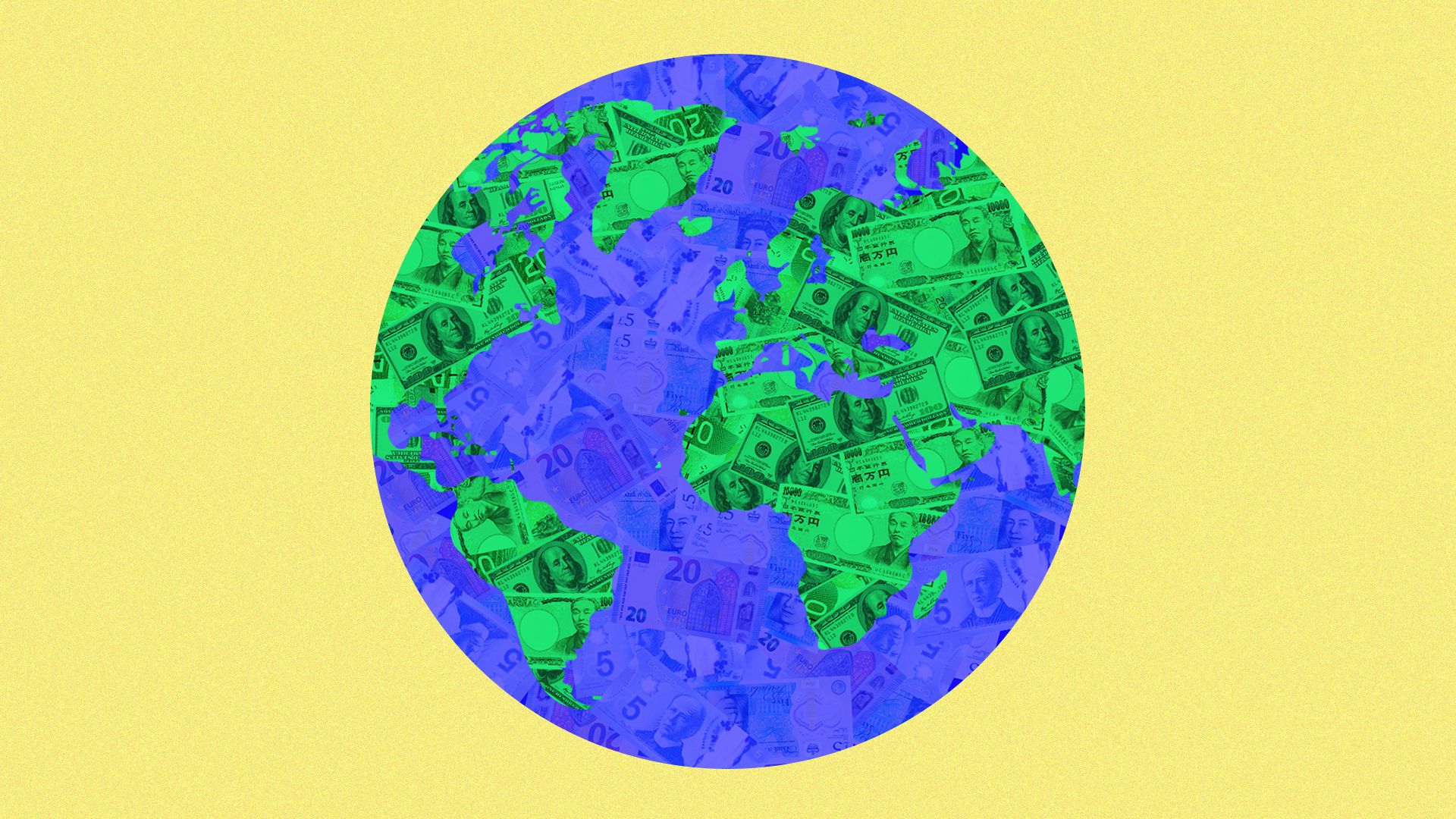
The world is wealthier than ever before. But it is built on ever-more stretched valuations of paper assets, rather than real output. How that wedge resolves itself will determine the future of the world's major economies.
The big picture: That's the implication of new research out this week from the consulting firm McKinsey, which lays out both the shocking numerical scale of global wealth accumulation — and the hazards created by its composition.
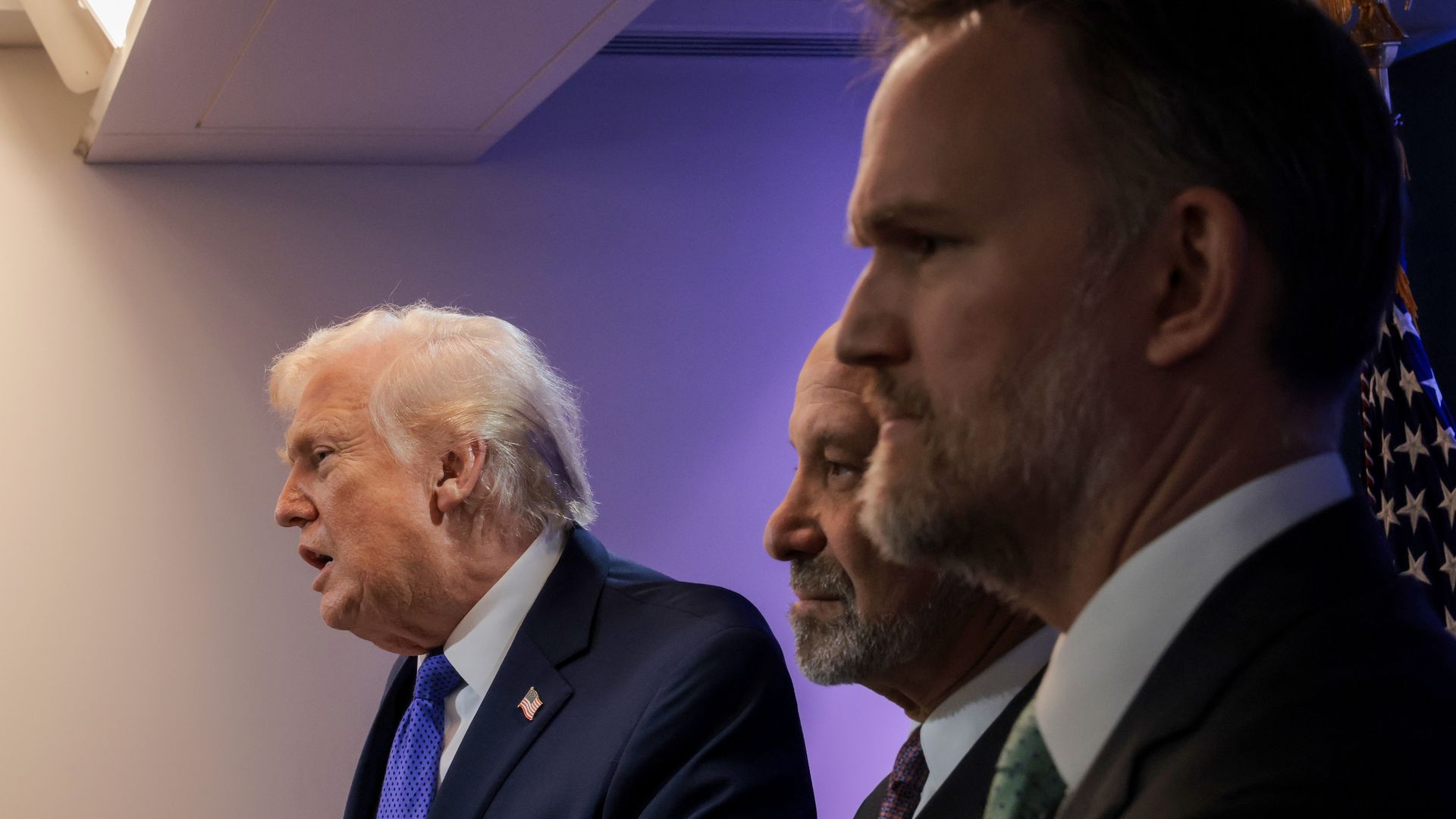
The White Househas found new legal ways to keep tariffs flowing. But it's not enough to fully replace the revenue from the import taxes the Supreme Court struck down.
The intrigue: The administration's replacement tariffs would raise about $105 billion a year — replacing about 60% of the revenue lost when the Supreme Court invalidated the administration's emergency tariff regime, according to the Committee for a Responsible Federal Budget.
Nvidia CEO Jensen Huang says that despite the chip industry's long history of boom-and-bust behavior, "this time is different."
Why it matters: As the leader of the world's most valuable public company and the most important maker of AI semiconductors, Huang's words carry weight when it comes to an industry that is increasingly driving the markets and the economy.
Why it matters: The term is an increasingly popular shorthand for the bottlenecks tying up the oil market and the AI buildout — and sometimes the entire economy — as the old global economic order gives way to intensifying competition and outright war.
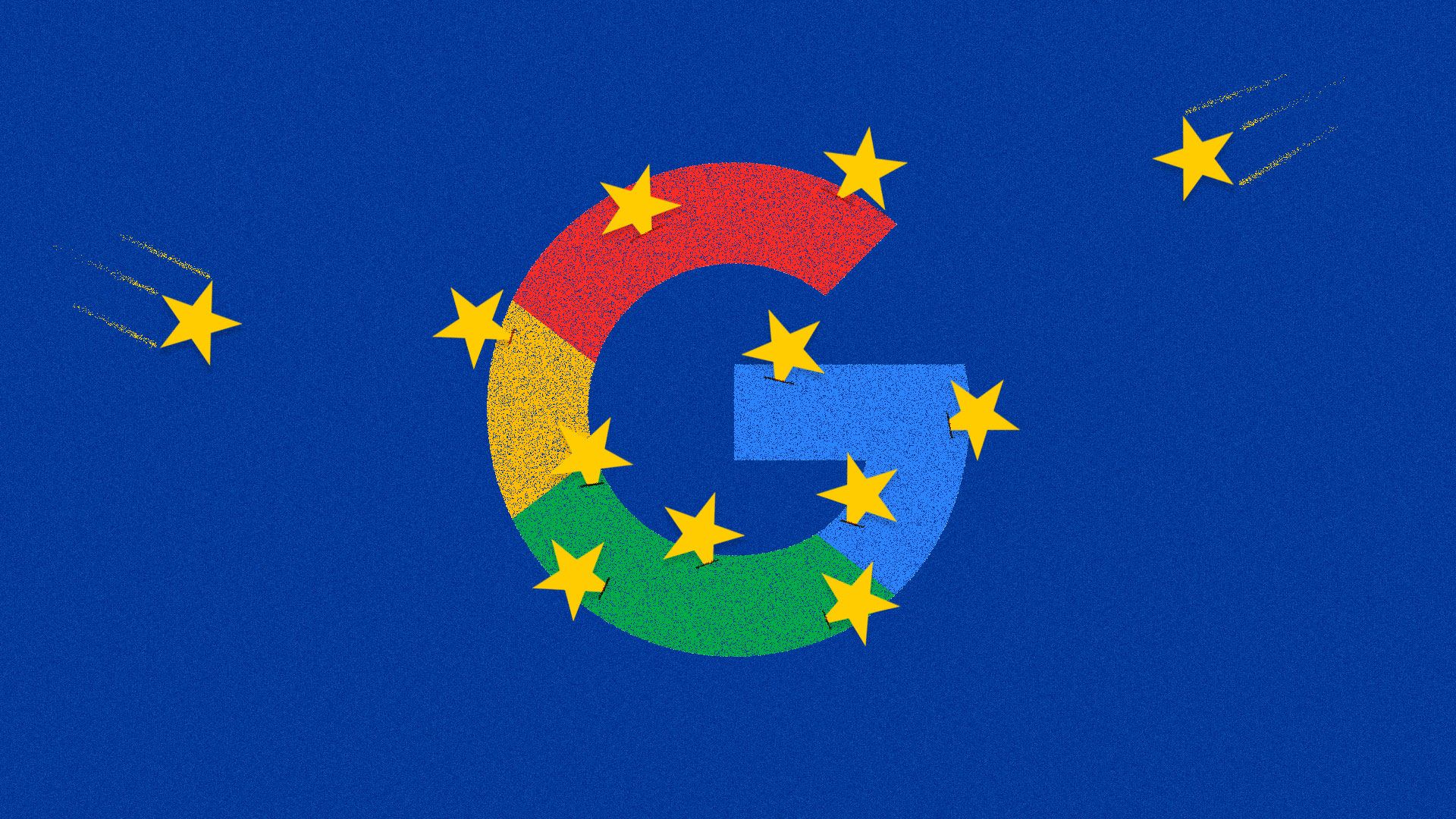
The European Commission fined Google the equivalent of about $1 billion Thursday for manipulating its search results to hurt competitors and blocking app developers from directing customers to cheaper deals outside its Play store.
Why it matters: The penalty lands a day before the White House is expected to impose a new round of tariffs and follows a warning to the EU from U.S. Trade Representative Jamieson Greer to stop imposing fees on U.S. tech companies.
The Trump administration announced a new round of tariffs up to 12.5% on 60 trading partners on Thursday, preventing a lapse in import taxes as a temporary tariff program nears expiration.
Why it matters: It shows the White House's determination to preserve its tariff agenda by turning to new trade laws as earlier authorities expire or face legal challenges.
The relentless run-up in Treasury yields reflects the globe's new economic reality: It takes a much richer reward to persuade investors to lend their money, especially for the longer run.
Why it matters: Unlike previous bond sell-offs driven by inflation fears, this one reflects a world in which governments and companies are scrambling for enormous amounts of capital to finance wide fiscal deficits, the AI infrastructure buildout and more.
The last timethis few Americans were filing for unemployment benefits, Creedence Clearwater Revival topped the music charts, while "Butch Cassidy and the Sundance Kid" was the star of the box office.
Driving the news: Only 187,000 people filed new claims for unemployment insurance benefits last week, pointing to an astoundingly low level of firings across the economy. It was the lowest since September 1969.
The labor force was much smaller then, too, so relative to the number of workers, this is easily the lowest number of jobless claims on record.
President Trump told Axios on Thursday that he's seriously considering restarting major combat operations in Iran — including strikes that would be bigger than the ones carried out during Operation Epic Fury.
Why it matters: In a brief interview, Trump acknowledged that such a decision would have consequences and stressed he hasn't made a determination yet.
AI use has spread across a broad range of occupations, but it has yet to become the job-automating force many workers fear, according to a new Google study of nearly 15 million interactions with Gemini.
Why it matters: The report offers a broad snapshot of real-world AI use, highlighting the gap between jobs that could be affected by AI, jobs where workers are using AI and tasks being automated.
A markets mystery has perplexed some analysts this year: Why are stocks sitting near all-time highs while the global economy is rocked by geopolitical conflict and inflation pressures?
Why it matters: The usual retort is that the stock market is not the economy, buta new report from Moody's offers a more nuanced explanation.
Markets have adjusted to the new economic world order — you just have to know where to look.