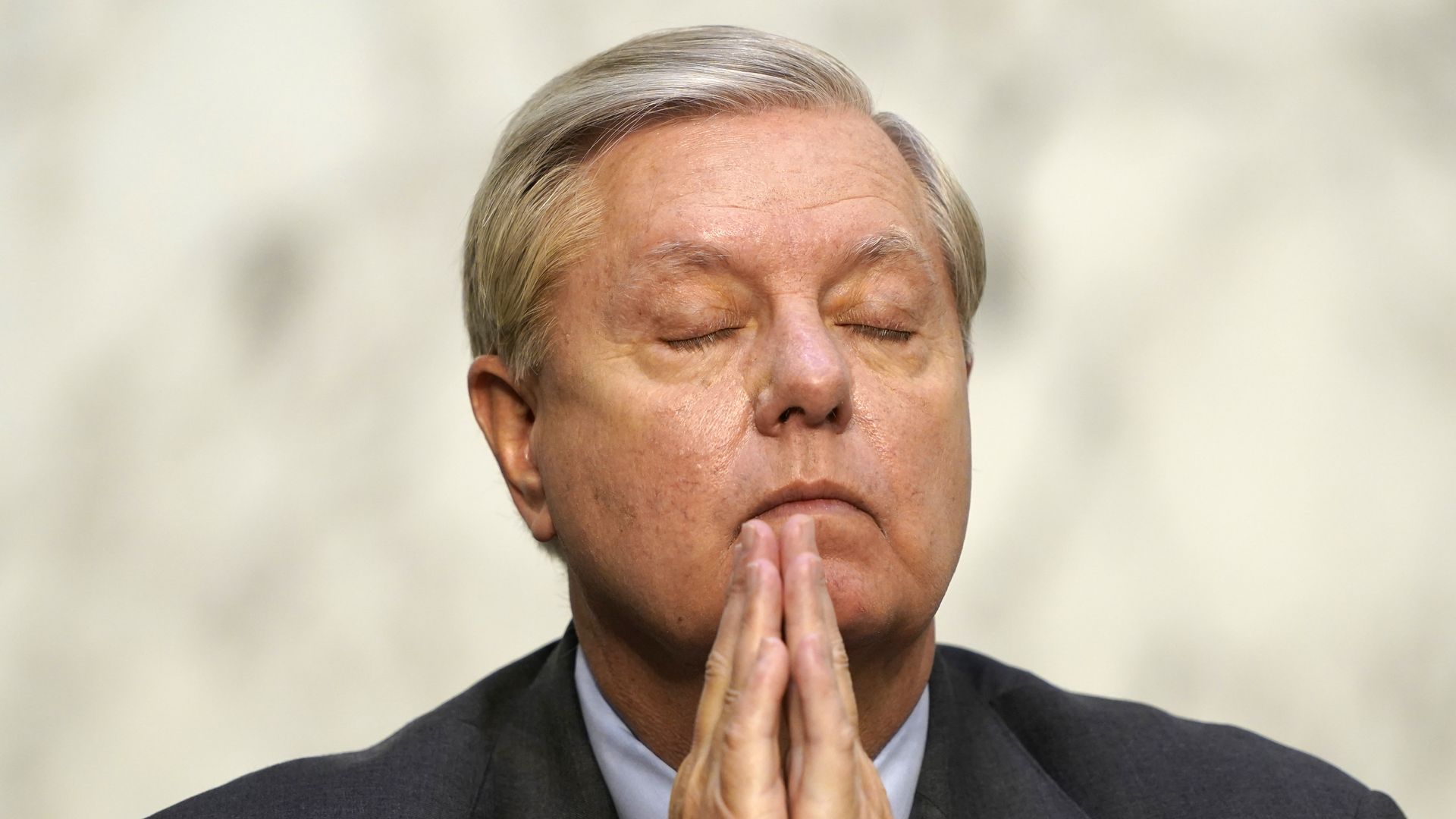
Why it matters: The legislation, which would impose 100% secondary tariffs on countries that continue buying Russian oil and gas, now appears to have the votes it needs to pass the Senate. The biggest remaining hurdle is getting floor time.
President Trump's deportation campaign has expanded far beyond ICE, turning federal agents, state troopers, local police and even wildlife officers into a massive 50,000-person internal enforcement force, a new ACLU report says.
Why it matters: The aggressive expansion is blurring the lines between local public safety and federal immigration enforcement, fundamentally changing U.S. law enforcement — and raising civil rights concerns, the report says.
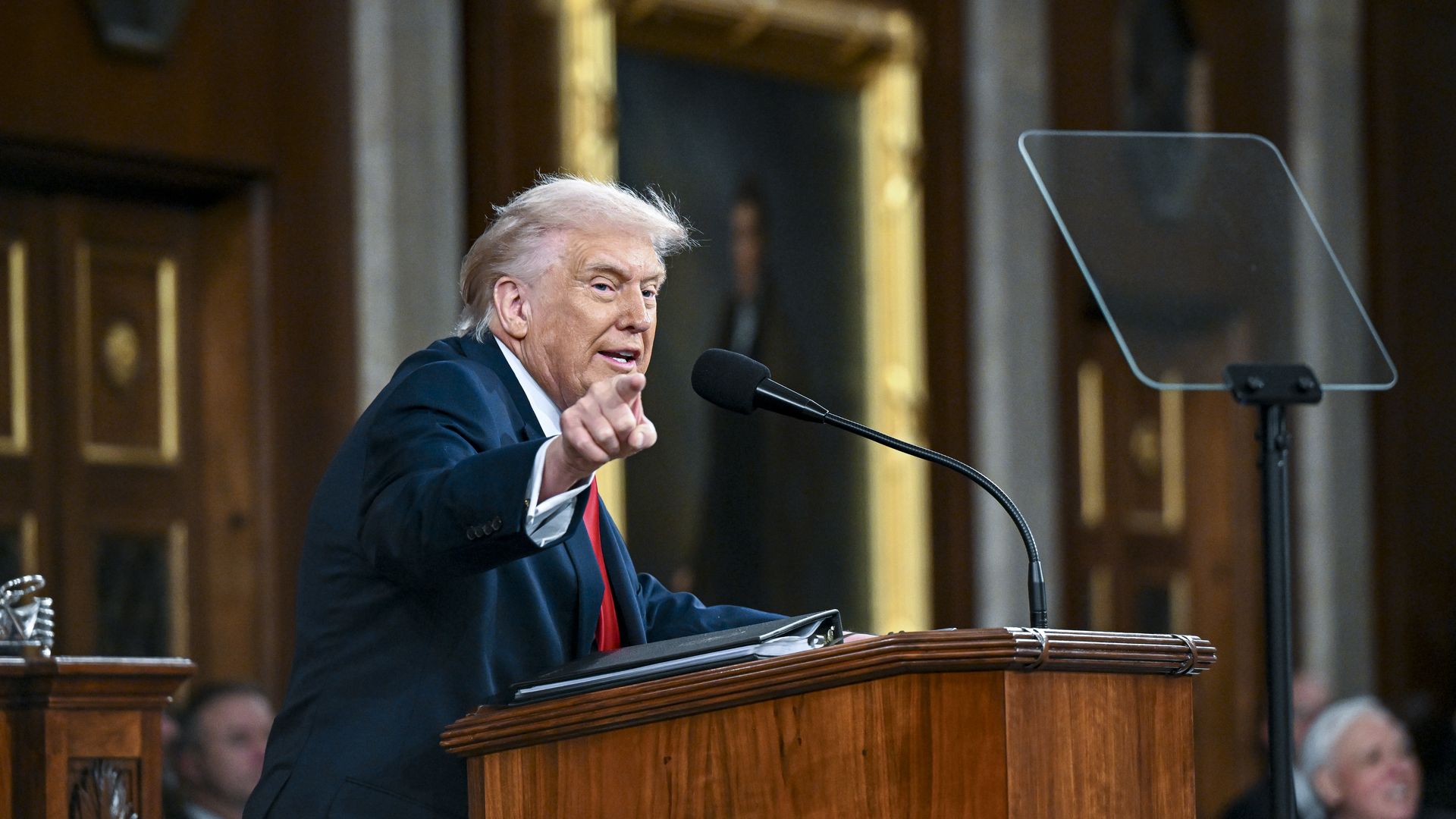
Federal regulators are investigating whether a White House teleprompter operator capitalized on his knowledge of President Trump's prepared speech text by making trades on the prediction market Kalshi, according to two sources familiar with the matter.
The speeches the person allegedly traded on included the State of the Union in February.
Why it matters: The rise of prediction markets has raised concerns about insider trading, which Kalshi and federal regulators say they're well positioned to combat.
The list of headwinds facing American consumers keeps getting longer. Yet their willingness to spend has not yet cracked.
Why it matters: Economists feared that the Middle East-driven jump in gasoline prices would dent consumer spending. Instead, a still-stable labor market and rising household wealth appear to have given consumers enough cushion to keep spending.
Businesses across America are telling similar stories about the effects of AI: The buildout is increasing the competition for certain kinds of workers, driving up the price of memory chips and reshaping how companies hire.
They are describing a scramble for workers and resources from electricians and skilled technicians to transformers and memory chips as companies race to build AI infrastructure.
The intrigue: This was one prominent theme in the Federal Reserve's latest Beige Book, whichcompiles on-the-ground observations from businesses across the Fed's 12 districts.
The U.S. moved closer to making daylight saving time permanent this week — but the potential side effects are prompting renewed debate.
Why it matters: Permanent daylight saving time would affect far more than clocks, possibly impacting sleep, commuting, school schedules and religious observance.
Rogo, an AI startup creating software for Wall Street, has hired former Grammarly chief technology officer Joe Xavier as its CTO, the company tells Axios.
Why it matters: Rogo is tapping a Silicon Valley tech expert for its next growth phase on Wall Street.
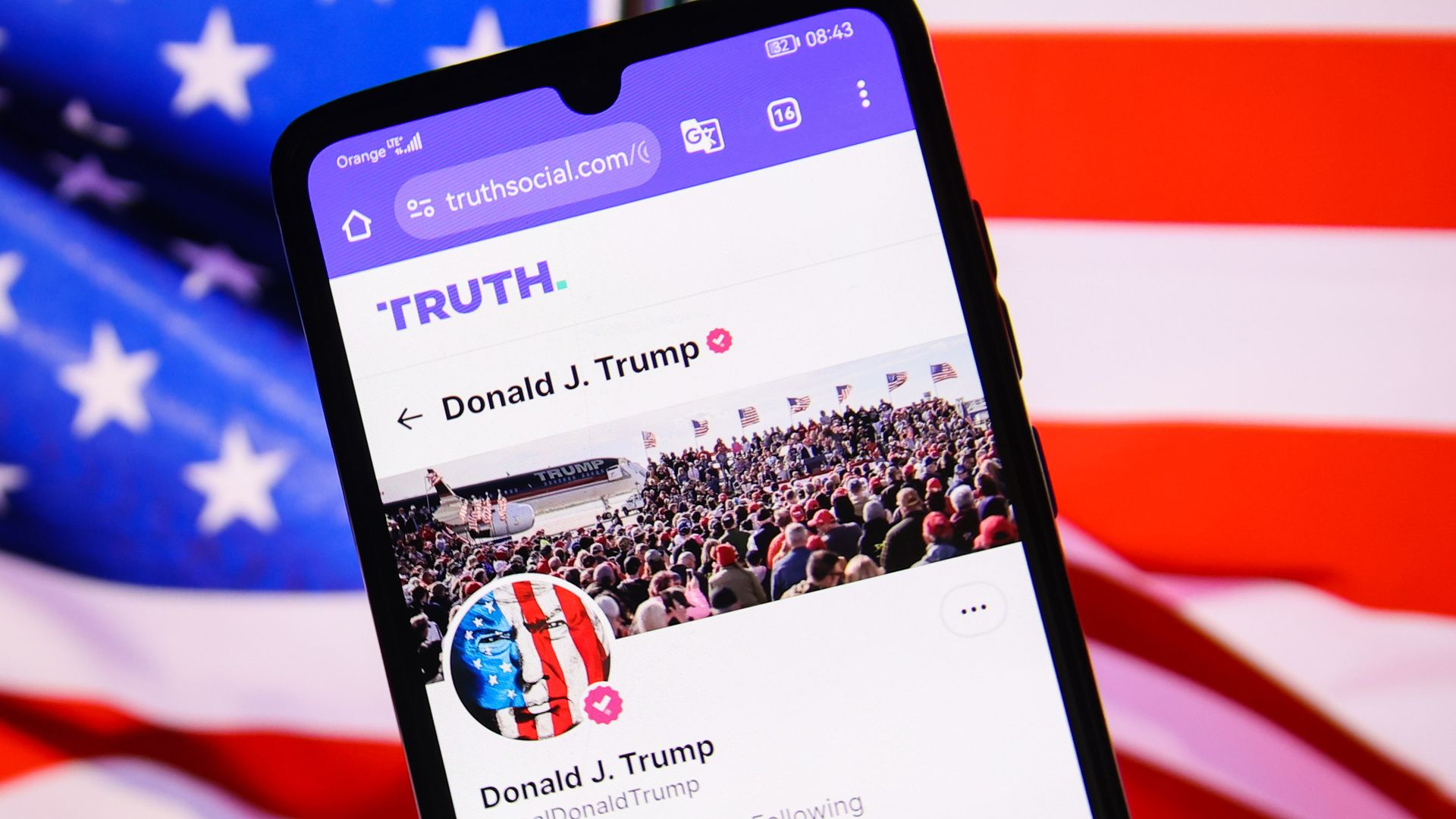
Trump Media & Technology Group is launching a backend interface that will allow financial services companies to access real-time Truth Social data for a fee, interim CEO Kevin McGurn tells Axios.
Why it matters: It's the company's first step toward expanding its media business into licensing, McGurn says.
Perhaps the most consequential piece of the new landmark housing legislation involves an astonishingly simple change to a 50-year-old federal law.
Manufactured houses, or mobile homes, no longer must have a permanent chassis, the steel under-frame used to transport the house and then left attached.
Why it matters: The U.S. desperately needs more affordable starter houses for low- and middle-income folks currently priced out of the market, and some builders and housing advocates say this little tweak could help do the trick.
AI-related demand within the largest U.S. power grid continues to keep pushing power bills higher for the 67 million Americans served by PJM Interconnection.
Why it matters: AI-related costs such as noise, pollution and higher prices have provoked a broad public pushback against data center building that's gaining traction among local and state officials.
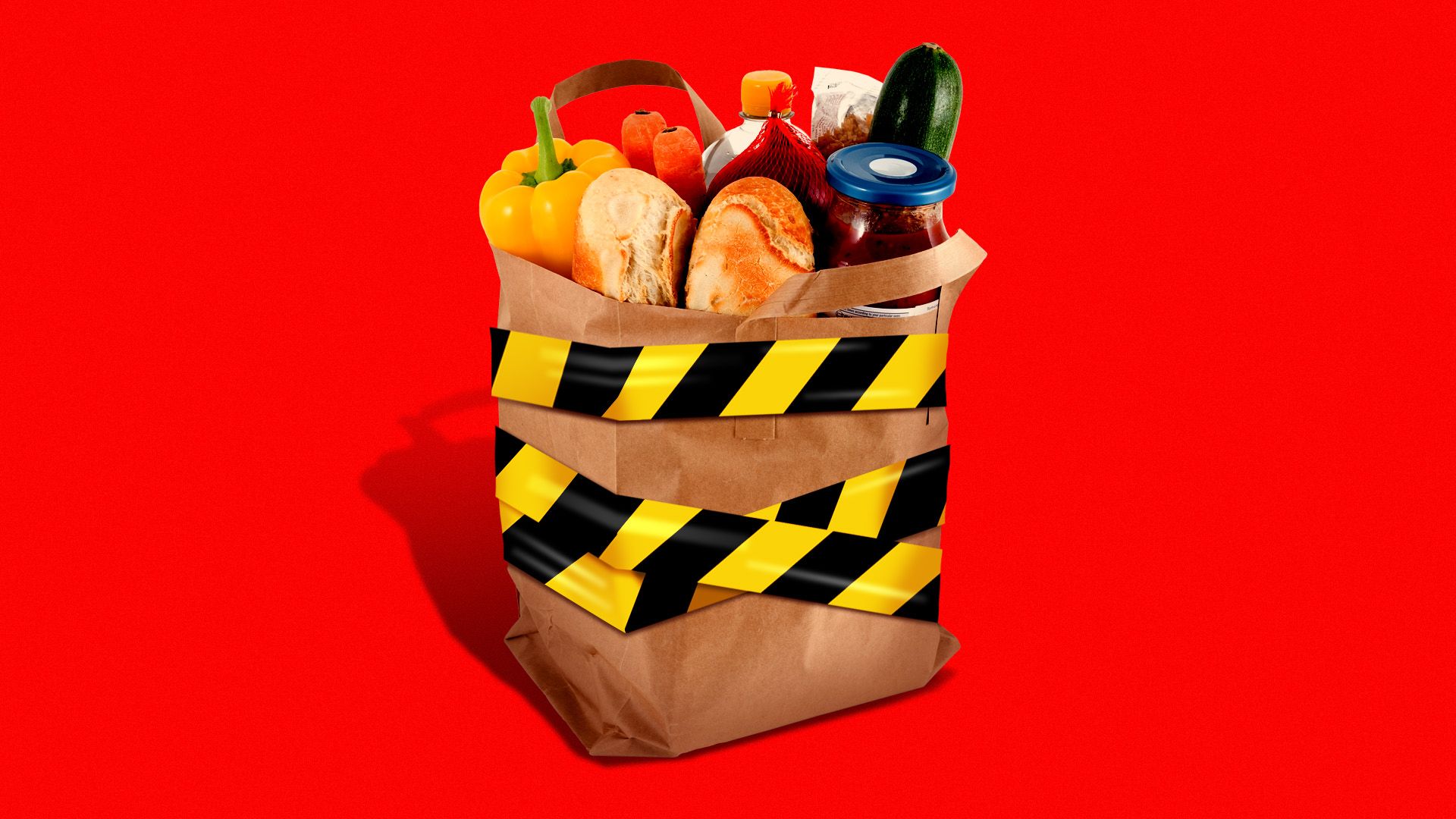
The Trump administration said Wednesday it will impose an additional 25% tariff on many Brazilian goods, escalating a trade fight it says is rooted in Brazil's treatment of U.S. companies.
Why it matters: The new policy includes exemptions for key consumer staples like coffee and beef, suggesting the White House is trying to minimize the inflationary impact on American shoppers even as it steps up pressure on Brazil over disputes involving U.S. tech firms, ethanol and more.
China is now viewed more favorably than the U.S. in most of the 36 countries surveyed by the Pew Research Center, according to a new report spanning six continents.
Why it matters: The findings suggest the global standing of the U.S. has slipped as President Trump advances his "America First" agenda, while China's international image has improved.