A new statement signed by hundreds of prominent economists shows how some leading thinkers see the opportunities and risks of artificial intelligence. The debate it has triggered sheds light on perhaps the most crucial economic question of our age.
The big picture: AI — and the positive and negative disruptions it will cause — is emerging as a seismic question for the economic future.
That part, everybody can agree on. Less settled is how society should grapple with that fact.
Federal Reserve chairman Kevin Warsh said on Wednesday that the AI investment boom will likely raise prices over the next year, but argued that those increases might not automatically be inflationary.
Why it matters: Warsh drew one of his clearest distinctions yet between the AI boom's immediate price effects and persistent inflation — a nuance that could shape policymakers' response as investment remains strong.
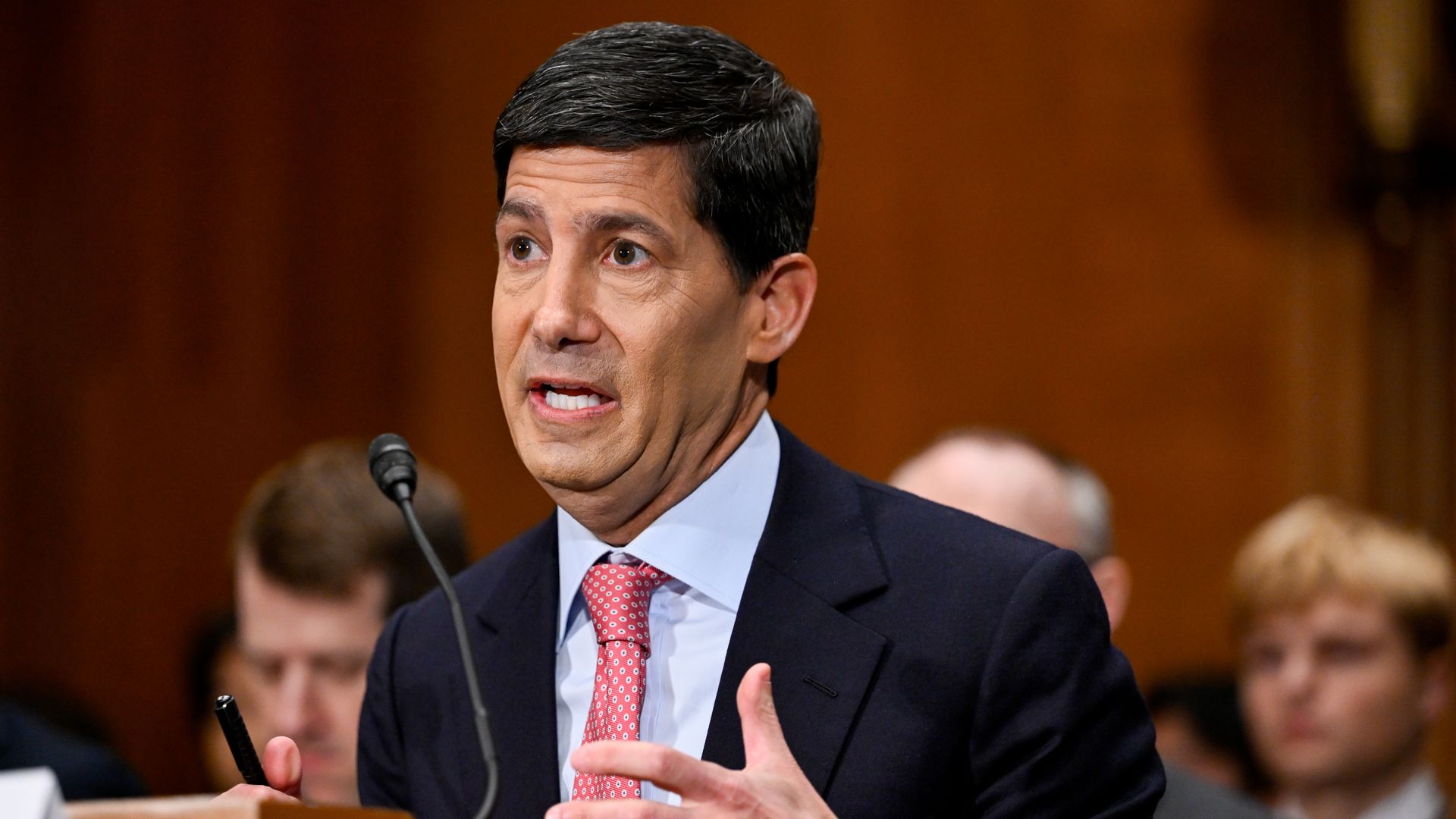
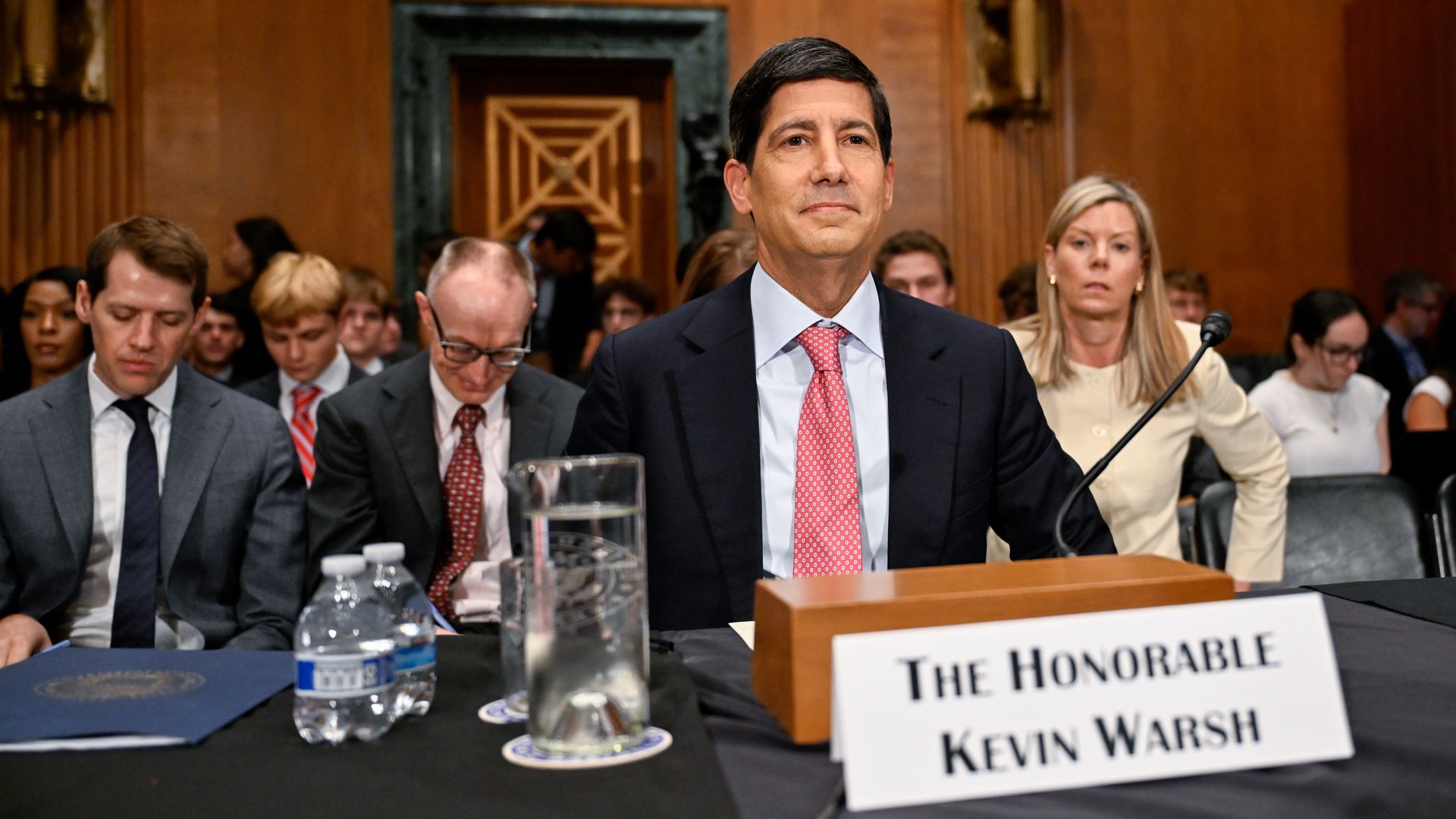
Federal Reserve chairman Kevin Warsh is testifying on Capitol Hill for the second day Wednesday, this time before the Senate Banking Committee.
The combination of a few comments he made in Tuesday's hearing before the House and good June inflation data now in hand suggests a rate increase is unlikely at the Fed's meeting in two weeks, while its policy stance the remainder of the year is quite uncertain.
Driving the news: The Labor Department on Wednesday morning released a favorable Producer Price Index reading, showing the overall index fell 0.3% in June, while a core index excluding food, energy and trade services was up a modest 0.1%.
State of play: The data has diminished the market odds of any interest rate increases this year, and made the market-priced odds of a rate hike at the Fed policy meeting concluding July 29 remote.
While Warsh has sought to avoid giving away much about the central bank's planned actions, a comment he made late in Tuesday's hearing supports the idea that no policy adjustment is imminent.
"Over the coming period, I'm going to ask our colleagues to have a good family fight about the extent and timing in which we would need to deploy those [policy tools] to deliver on the promise" of price stability.
Between the lines: That remark came late in a three-hour hearing, when Warsh was surely tired and more prone to diverge from his prepared talking point.
But it sure doesn't sound like a central banker who has made a decision on what he wants to do and is poised to pull the trigger anytime soon.
Of note: While Warsh welcomed the favorable June inflation data, he tamped down any suggestion it offers an all-clear on the price stability front.
Regarding the PPI data, he said Wednesday morning that "any central bank would be happy to have the data going in the right direction."
"My view is these are all imperfect measures of the state of underlying inflation," he said, and that a Fed task force will look at how economic data agencies "might think about how they could do a better job in an evolving economy."
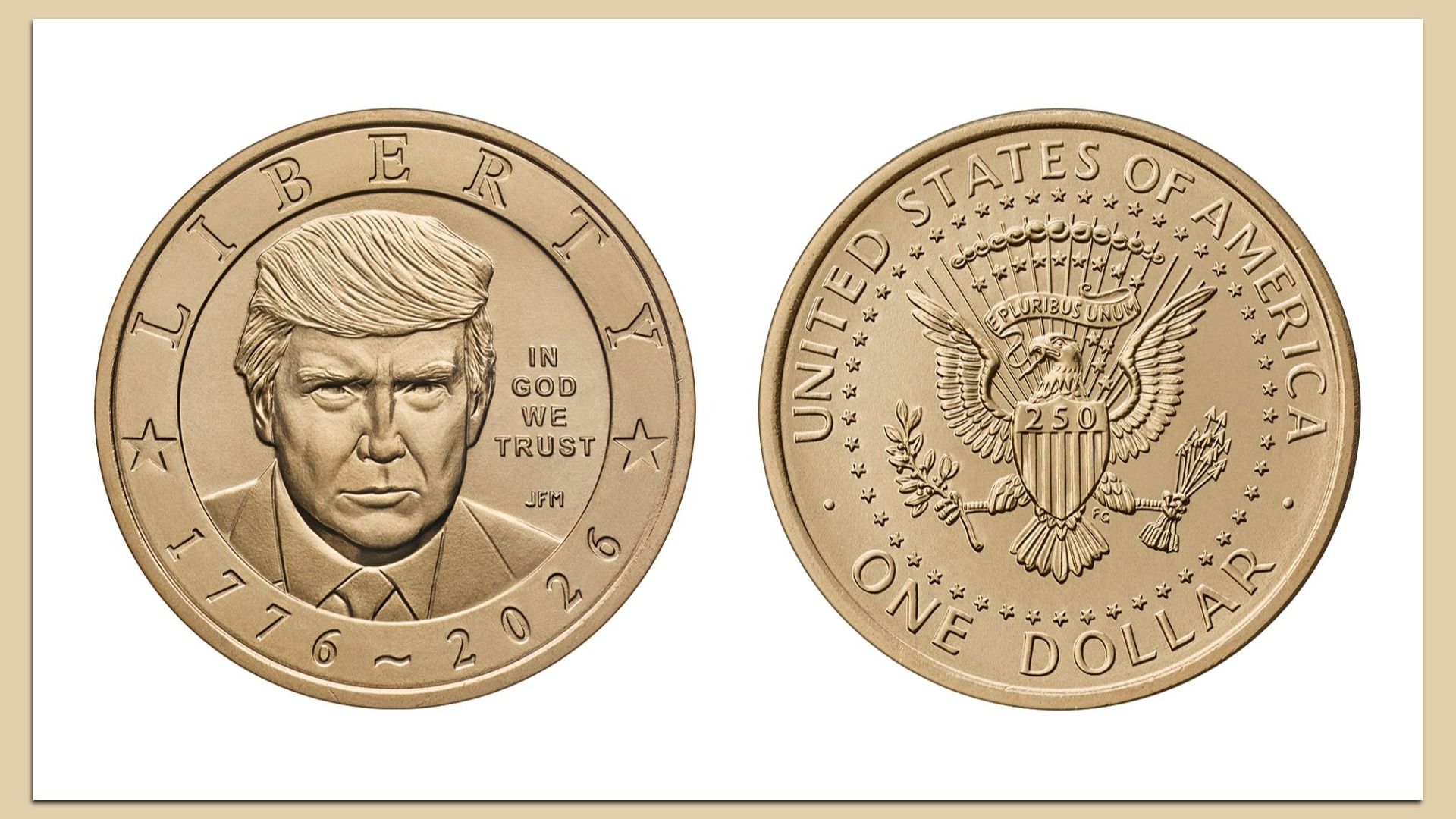
Treasury Secretary Scott Bessent on Wednesday unveiled new photos of a proposed $1 gold-colored coin featuring President Trump to commemorate America's 250th anniversary.
Why it matters: Trump's interest in reshaping U.S. currency reflects a broader effort by his administration to leave his imprint on federal symbols and institutions.
This article contains general information and is not intended to provide information that is specific to American Express, or its products and services. Similar products and services offered by different companies will have different features and you should always read about product details before acquiring any financial product.
As AI shifts from simple automation to agentic systems, the next phase of financial operations may lie in balancing AI-enabled speed and human expertise to maximize efficiency, visibility and control.
The powerful combination of high-tech and high-touch could help companies implement automation in ways that fit their unique needs, potentially enabling them to drive growth and scale with confidence.
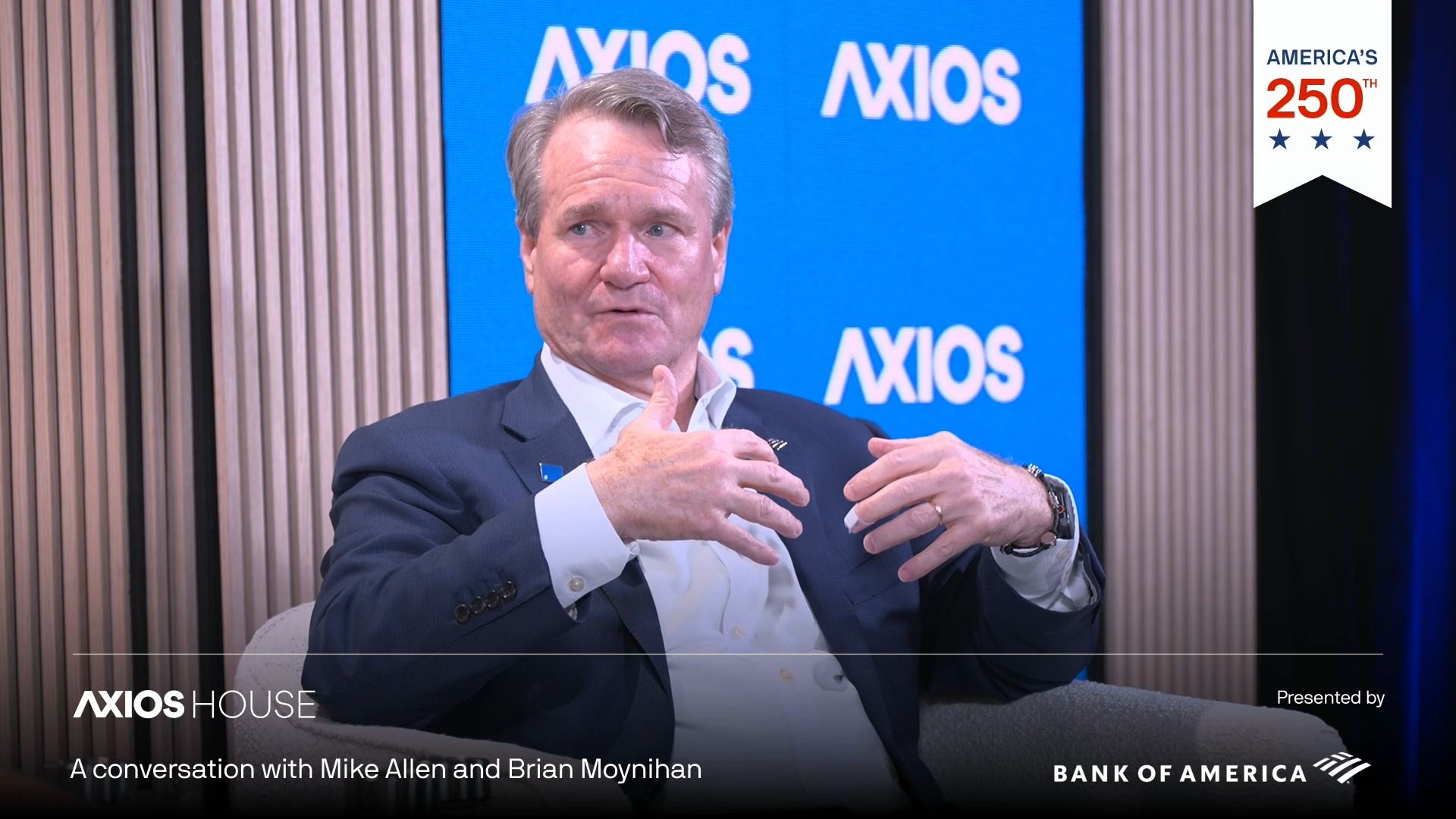
Affordability pain is real, but resilient consumers are still infusing money into the economy, Brian Moynihan, CEO of Bank of America, said at the Axios House News Shapers summit in Washington, D.C.
Why it matters: The U.S. economy sits on a remarkably durable foundation, supporting consumer spending even with hot inflation. But at the same time, Americans tell pollsters economic conditions is at rock bottom, fueling a political reckoning over affordability.
"There's a say-do paradox," Moynihan said. "The question is, what are people actually doing?"
The AI-driven dash to U.S. capital markets to sell stocks and bonds from companies like Alphabet, Nvidia and SpaceX is creating an echo boom on Wall Street.
Why it matters: While the boom is making it rain, at least in the short term, for investment bankers, the deluge of equity and debt issuance has emerged as a concern for investors.
The cost of living in Japan has gotten exceptionally cheap in dollar terms compared with other developed countries, while major U.S. cities have grown ever more pricey, a new report finds.
Why it matters: Inflation, a stronger dollar and a weaker yen, plus larger structural economic shifts, have scrambled the cost-of-living map around the world.
"The old assumptions about which places are expensive, which are cheap and where wages compensate for living costs no longer always hold," wrote the authors of the new paper from the Deutsche Bank Research Institute.
The latest: Coming into Tuesday's inflation report, the U.S. had the highest rate of inflation among G7 countries, as economist Justin Wolfers noted, citing the latest available readings from the OECD.
Consumer prices in the U.S. fell 0.4% in June from May, thanks mostly to a big drop in energy prices after the U.S. and Iran signed a ceasefire deal.
But that deal has since unraveled, and oil prices have since soared — a sign that the inflation reprieve may be short lived.
Catch up quick: Back in 2012, when Deutsche Bank started doing this global cost-of-living report, Tokyo was typically ranked one of the most expensive cities in the world.
Where it stands: Now, Japan is among the cheapest developed economies in the world, and cities in the U.S. like New York and San Francisco are among the priciest.
Since 2012, the yen has fallen 51% in value against the dollar, but prices in the country are up only about 20% — a bargain for anyone spending greenbacks.
Between the lines: In 2012, as the U.S. was still recovering from a bruising recession and the dollar was weak — there were doubts about the country's economic health. In hindsight, it was a good time for investors to increase their exposure to U.S. assets.
This year's report arguably makes a similar case for Japan.
"Today I look at how cheap Japan is, and it's not hard to argue that people should increase their exposure," Jim Reid, head of the Deutsche Bank Research Institute, tells Axios.
How it works: The bank looked at 69 cities across six continents and converted prices into dollars — it compared the costs of housing and dining out, as well as things like the price of a "cheap date" and an iPhone, using data from Numbeo, which maintains a global database of prices.
Tokyo ranks near the middle or bottom of the bank's tables for many expenses — 57th most expensive for a meal for two, 40th most expensive for renting a three-bedroom apartment.
A meal for two in New York, Zurich or Geneva now costs around three times as much as it would in Tokyo, in dollar terms, per the report.
Japan is now the cheapest place in the world to buy an iPhone, after accounting for taxes. A cappuccino in Tokyo is cheaper than in 44 of the 69 cities examined, including many emerging-market locales.
Stunning stat: The average monthly cost of renting a three-bedroom apartment in New York is $8,900 — more than $2,000 more than the next priciest city, Zurich.
In Tokyo, it's $2,400.
Yes, but: Averages can skew the numbers a bit, as super pricey rentals get thrown into the mix.
Reality check: More expensive doesn't reflexively mean "bad."
"Being expensive isn't necessarily an outright negative. It can be just because the economy runs well and attracts a lot of inflows," Reid says.
Shares of Lucid Group plummeted Tuesday after a report that the Saudi-backed electric vehicle maker is weighing a bankruptcy filing as part of a possible restructuring.
The company quickly denied the report, saying that "the rumors are completely false," after which its stock recovered some ground.
Why it matters: Lucid has earned rave reviews for its EVs and recently won a self-driving car deal with investor Uber — but the company has never recorded a quarterly profit.
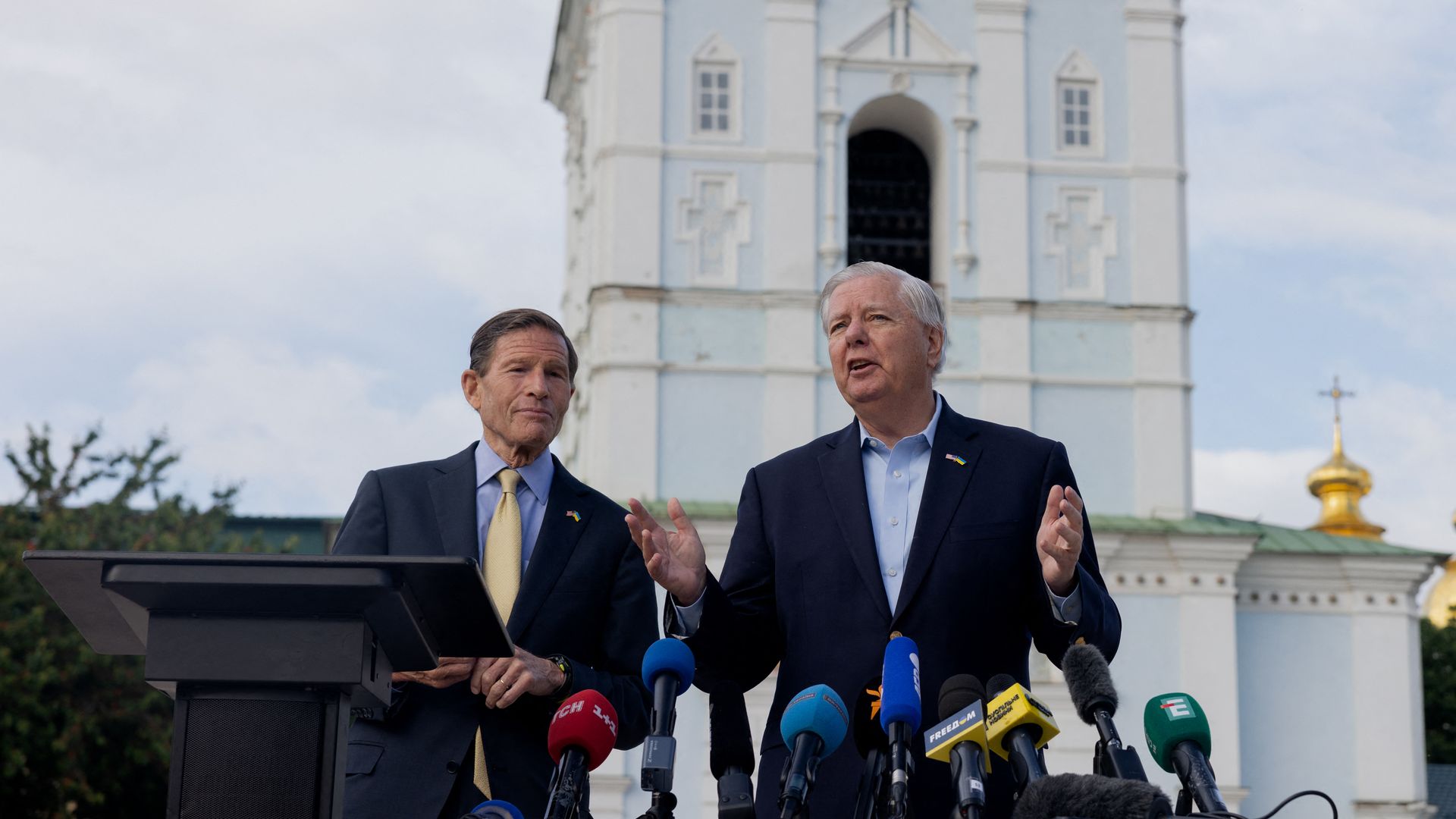
A bipartisan group of senators is unveiling a revised Russia sanctions bill that the late Sen. Lindsey Graham (R-S.C.) helped finalize in one of his last efforts to broker a compromise and end the war in Ukraine.
Why it matters: If enacted, the bill would ratchet up pressure on Vladimir Putin by imposing 100% tariffs on the five largest importers of Russian oil and gas — likely including China and India.
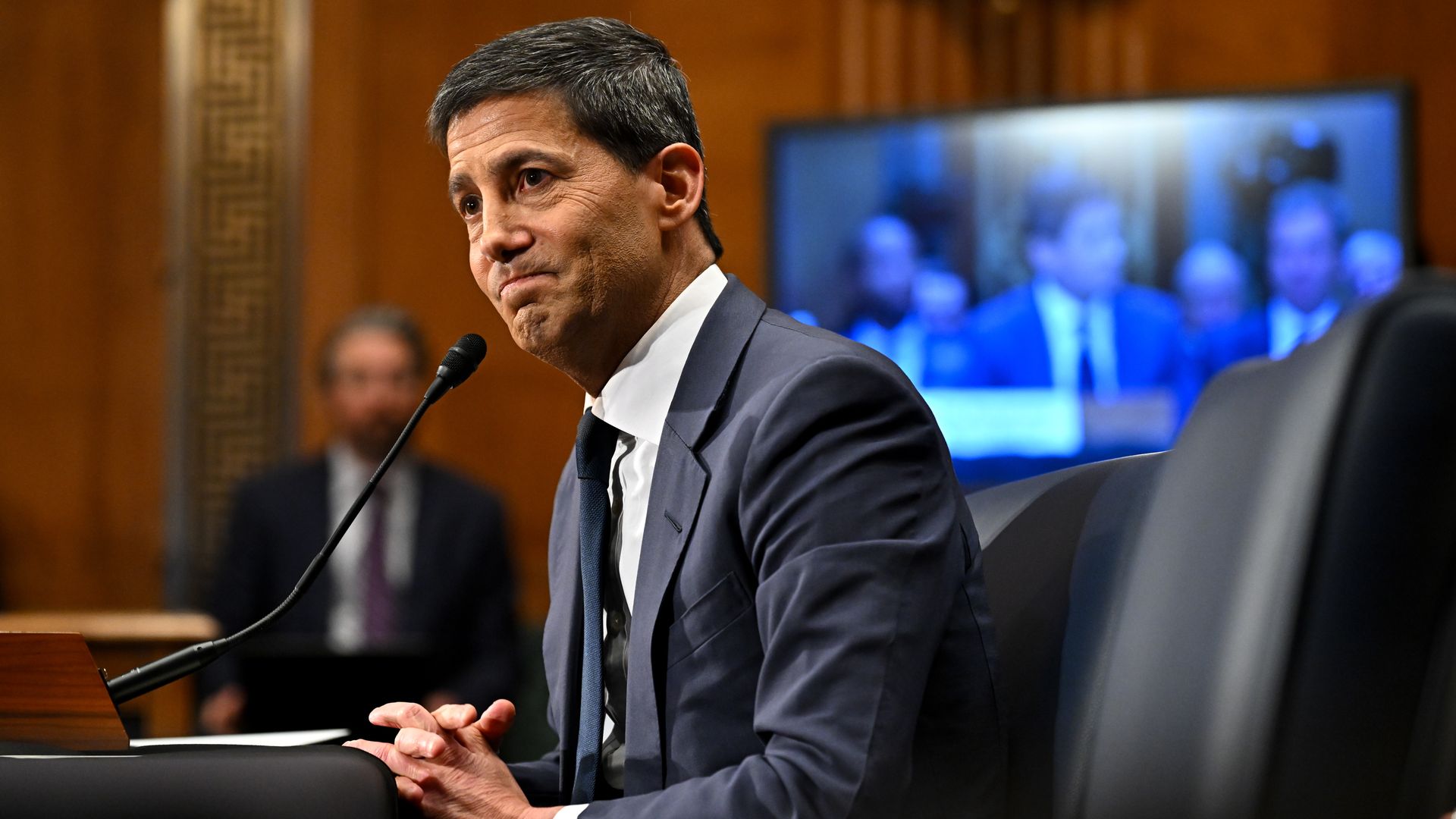
Federal Reserve chairman Kevin Warsh told Congress Tuesday that the central bank remains determined to bring inflation back to target, but declined to offer any hint about whether that could require higher interest rates.
Why it matters: Warsh is trying to break with the Fed's post-financial crisis habit of telegraphing its next move, leaving investors with fewer clues about where policy is headed.
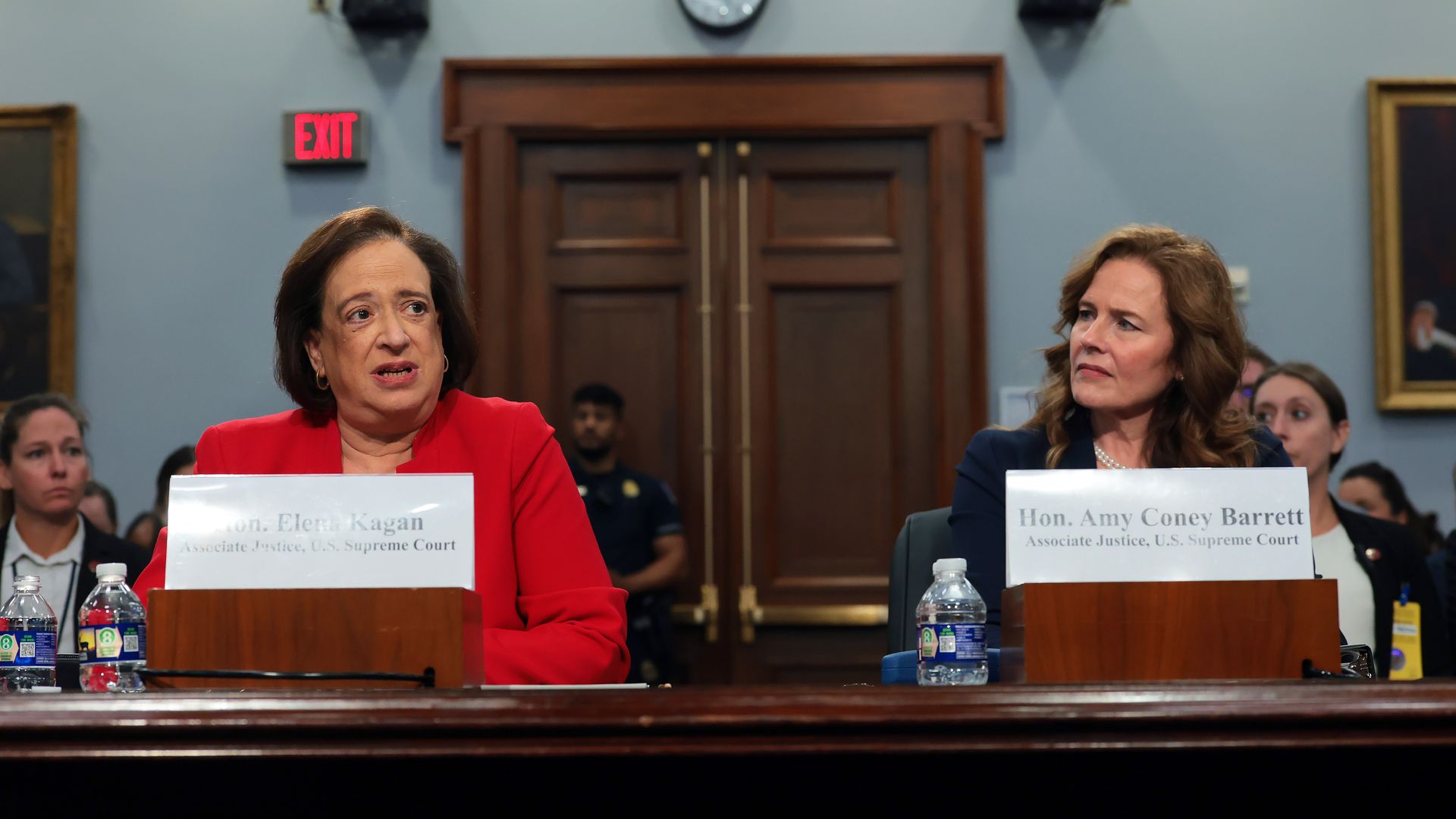
Justice Elena Kagan warned Congress on Tuesday that police expect threats against Supreme Court justices to rise nearly 40% this year.
Why it matters: As courts play a bigger role in deciding the nation's most contentious policy fights, anger from the losing side is turning into threats that risk undermining the court's independence.
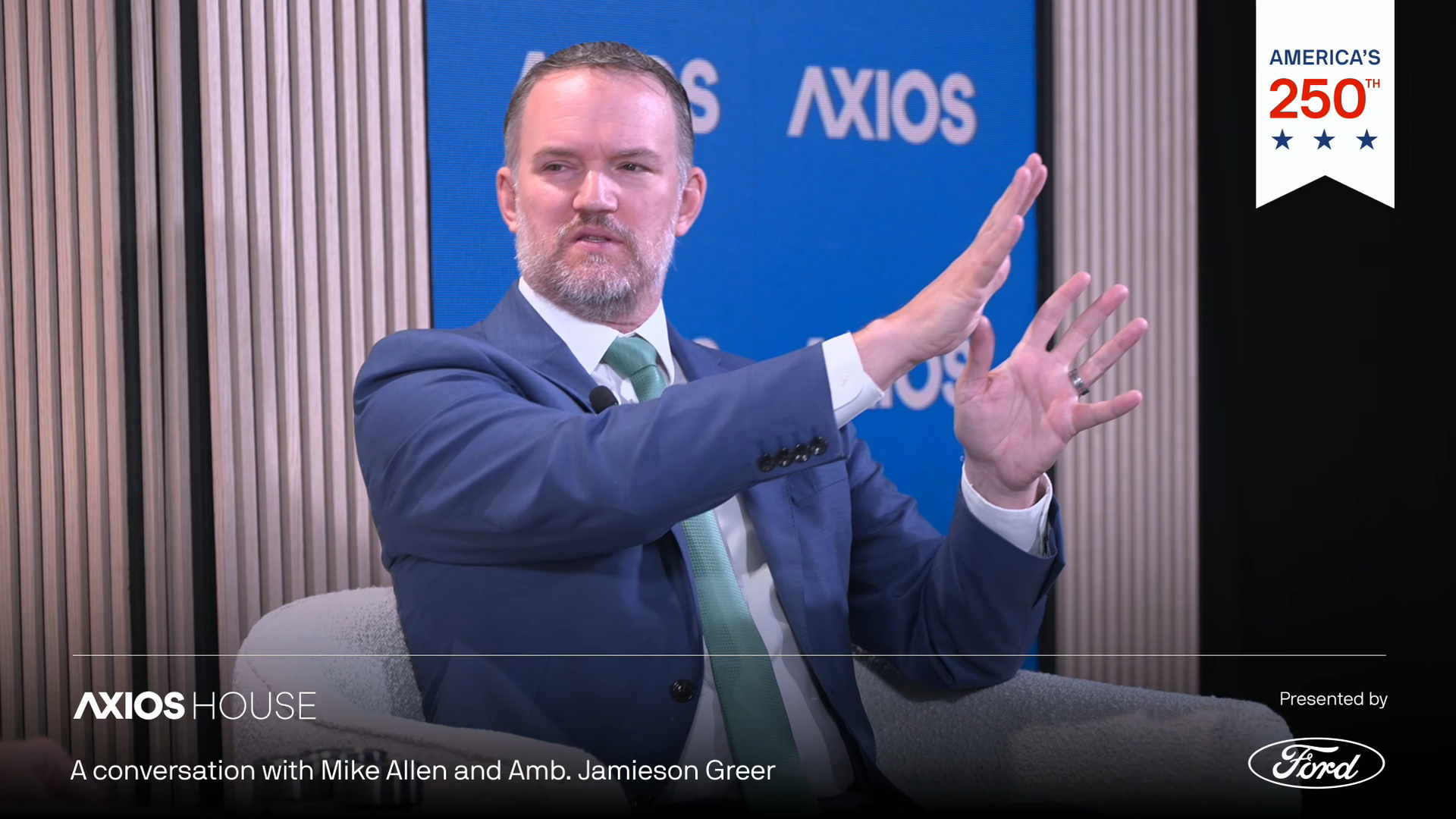
Europe must take "concrete actions" to rein in its enforcement of laws that disproportionately hit American tech companies, U.S. Trade Representative Jamieson Greer said at Axios House D.C. on Tuesday.
Why it matters: At stake is who gets to write the rules for the world's dominant tech companies — Washington or Brussels — and Greer wants America to lead the way on how its companies operate.
Inflation fell in June, on the back of lower energy prices, the government said Tuesday.
Why it matters: It's the largest one-month decrease since April 2020, but it may be a short-lived reprieve — the report doesn't account for the sharp increase in oil prices this month as the Iran war re-ignites.
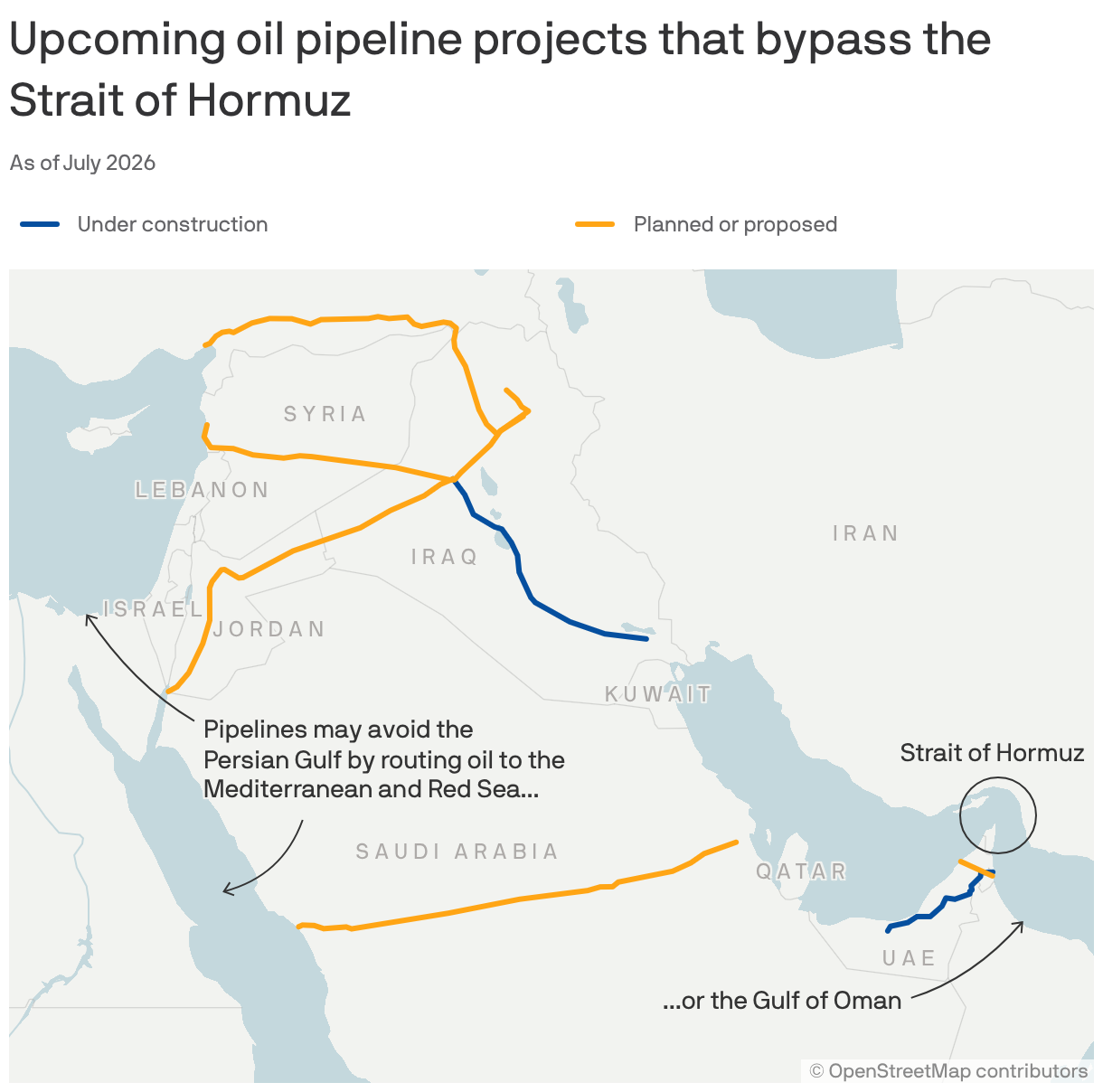
Data: Global Energy Monitor, Axios research; Map: Danielle Alberti/Axios
The oil market's top players aren't waiting around to see who winds up with control over the Strait of Hormuz — countries and companies are scrambling to bypass the waterway.
Why it matters: The Iran war threw a spotlight on the strait as the longtime center of the global energy trade, and the industry now has a huge incentive to reduce its dependence, regardless of the war's outcome.
"The 2026 U.S.-Iran war and Strait of Hormuz disruption may ultimately be remembered less for triggering an immediate oil crisis than for accelerating global efforts to reduce dependence on the world's most important energy chokepoint," Bloomberg Intelligence analysts wrote in a report.
Apple's shares hit an all-time high Monday, pushing the iPhone maker into pole position among the so-called Magnificent 7 year to date.
Why it matters: Apple's recent run — its stock is up more than 20% over the last three months, the best of the Mag 7 — reflects investors' growing appreciation for the iPhone maker's cautious approach to the AI boom, as doubts about the frenzy burble underneath the market's surface.
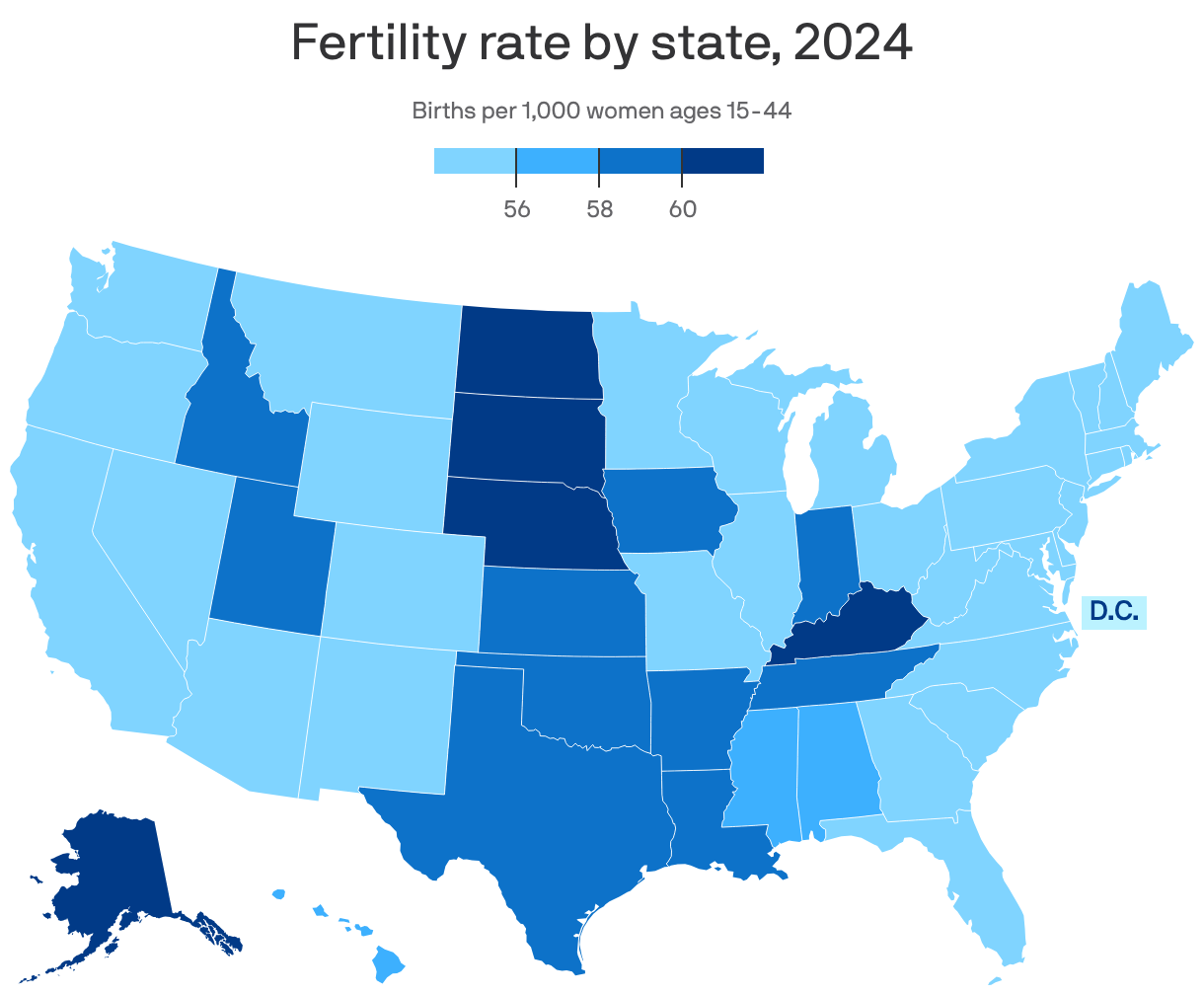
Despite a decades-long decline in U.S. fertility rates, a corridor of central Plains states — including North Dakota, South Dakota, Nebraska, Kansas, Oklahoma and Texas — continues to post higher rates than the rest of the country on average.
Why it matters: The national fertility decline isn't uniform, with a mix of demographic, economic and cultural factors at play.
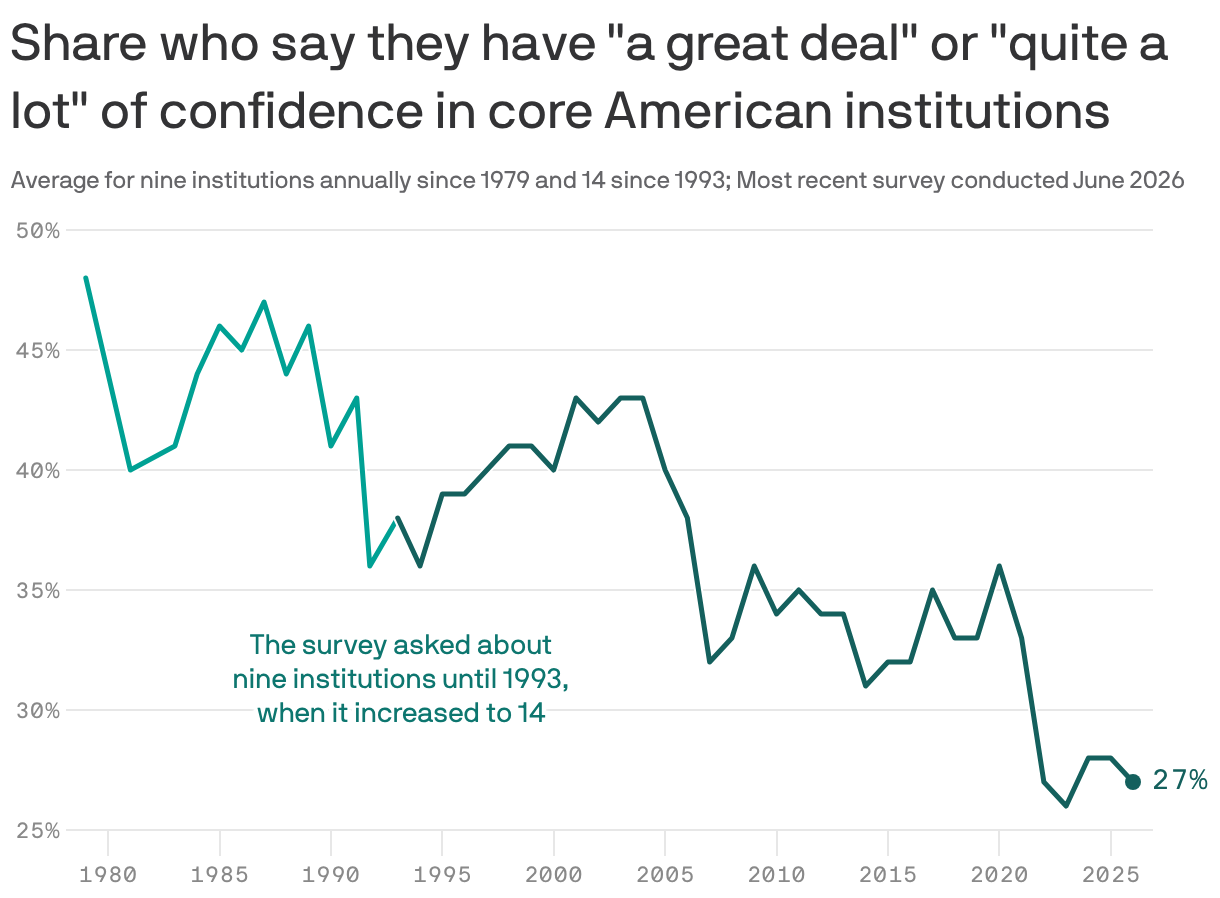
Data: Gallup; Note: Institutions rated annually since 1979 are church or organized religion, the military, the U.S. Supreme Court, banks, public schools, newspapers, Congress, organized labor, and big business. Additional institutions rated annually since 1993 are TV news, the presidency, police, the medical system, and the criminal justice system. Chart: Danielle Alberti/Axios
Americans' confidence in 14 of the nation's core institutions is at or near all-time lows, according to new Gallup polling.
Why it matters: Trust in America's institutions is being pulled apart by a widening partisan gap, with Republicans far more confident than Democrats in the Trump 2.0 era of mass societal disruption.