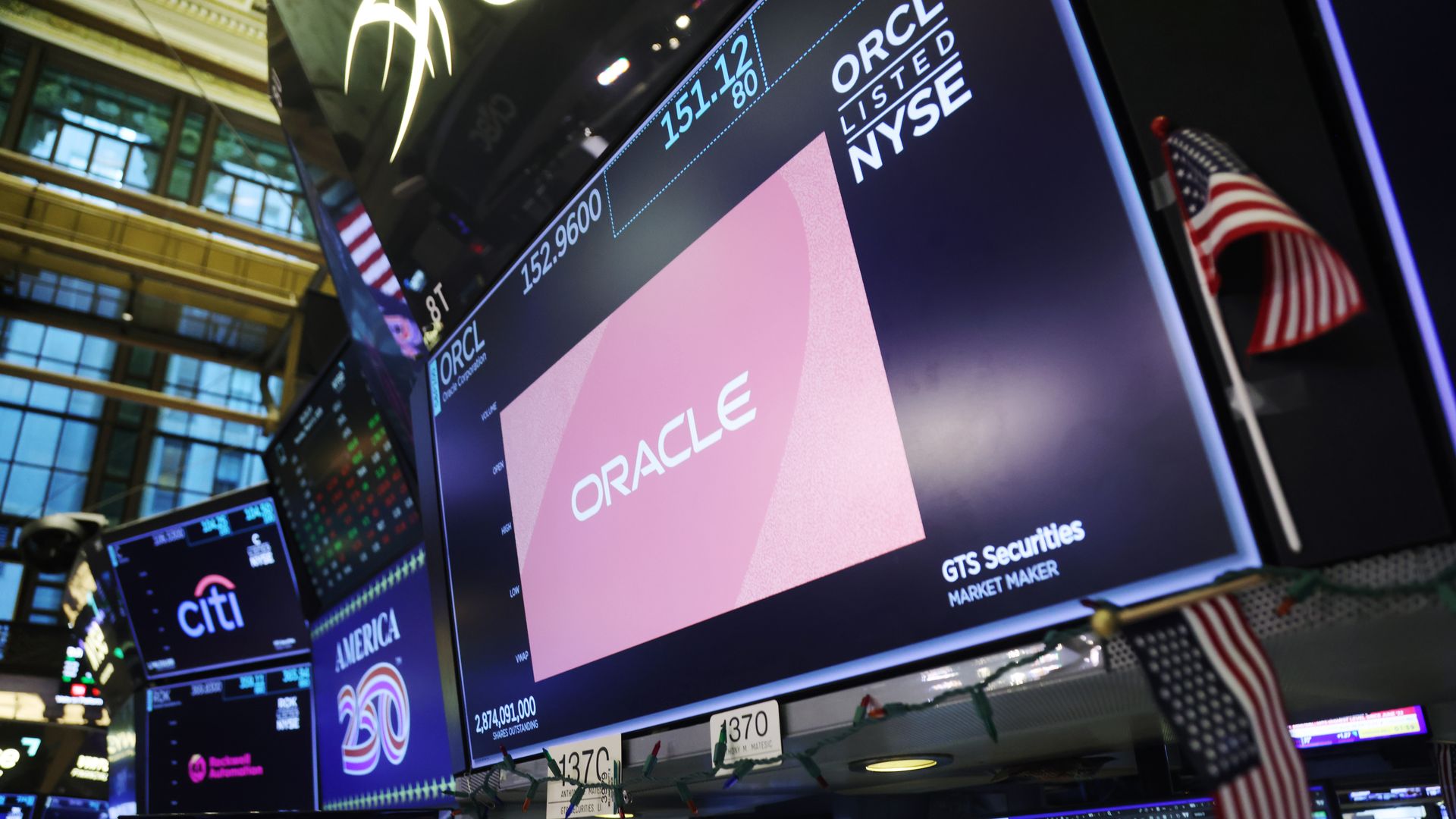
Oracle shares jumped Tuesday after the cloud computing giant said it expects to "comfortably meet and likely exceed" its previous revenue growth outlook for the next fiscal year "and beyond."
Why it matters: Oracle had been on the hot seat as investors questioned whether it could handle a deluge of business from AI tech giants.
President Trump soothed rattled global financial marketsMonday afternoon by suggesting that the conflict in Iran will be over "very soon." But the reality of a more fractured world may not dissipate quite so easily.
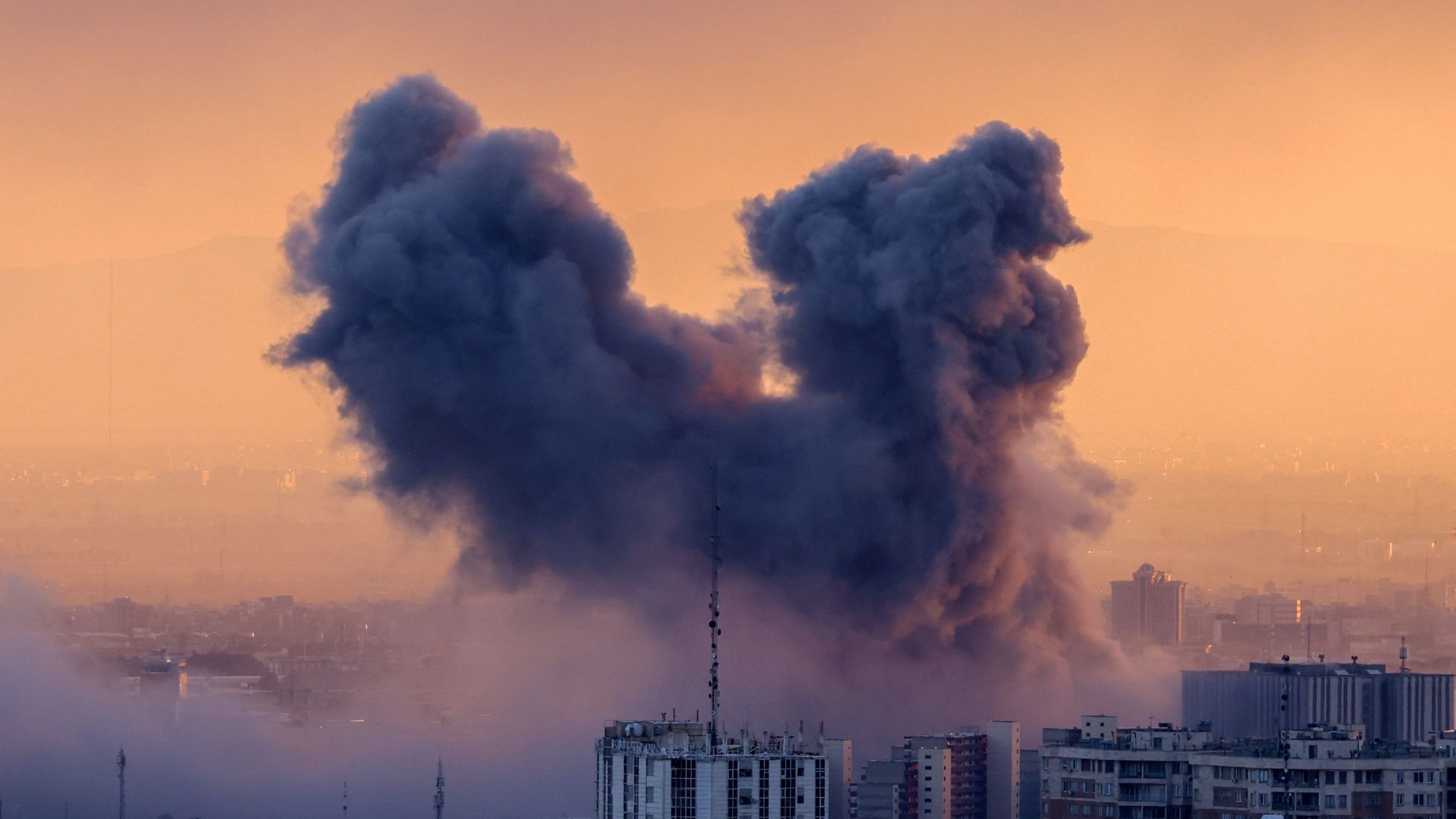
The big picture: The geopolitical strains unleashed by the U.S. and Israeli attacks on Iran 11 days ago point to an ongoing reset in the politics and economics of the Middle East — with downstream effects for global inflation, interest rates and more.
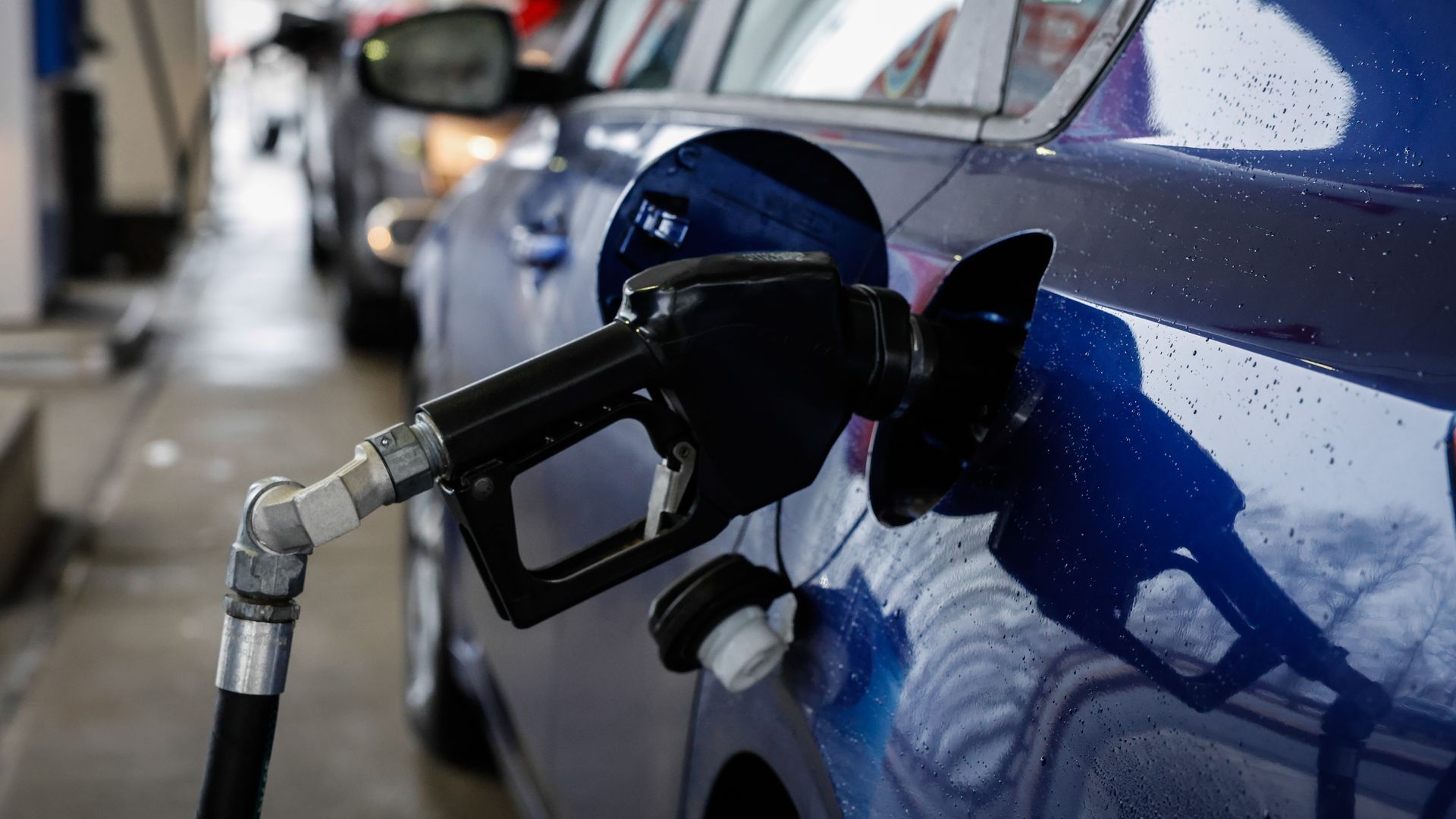
The Iran war's fuel-price shock is slamming states that could decide Senate control in November, a potential headache for Republicans defending their majority.
Flared jeans are in style, an oil crisis is driving pain at the pump, and unemployment is rising: It's not 1978, but it kinda feels that way.
The big picture: Talk of stagflation is rising on Wall Street, as investors fret the dreaded pairing of high inflation and high unemployment is making a comeback.
Oil prices would need to stay high for years — not weeks or months — to drive a lasting shift away from the fossil fuel.
The big picture: Every time oil spikes, the same question surfaces: Will this push more people into electric cars or install solar panels onto rooftops?
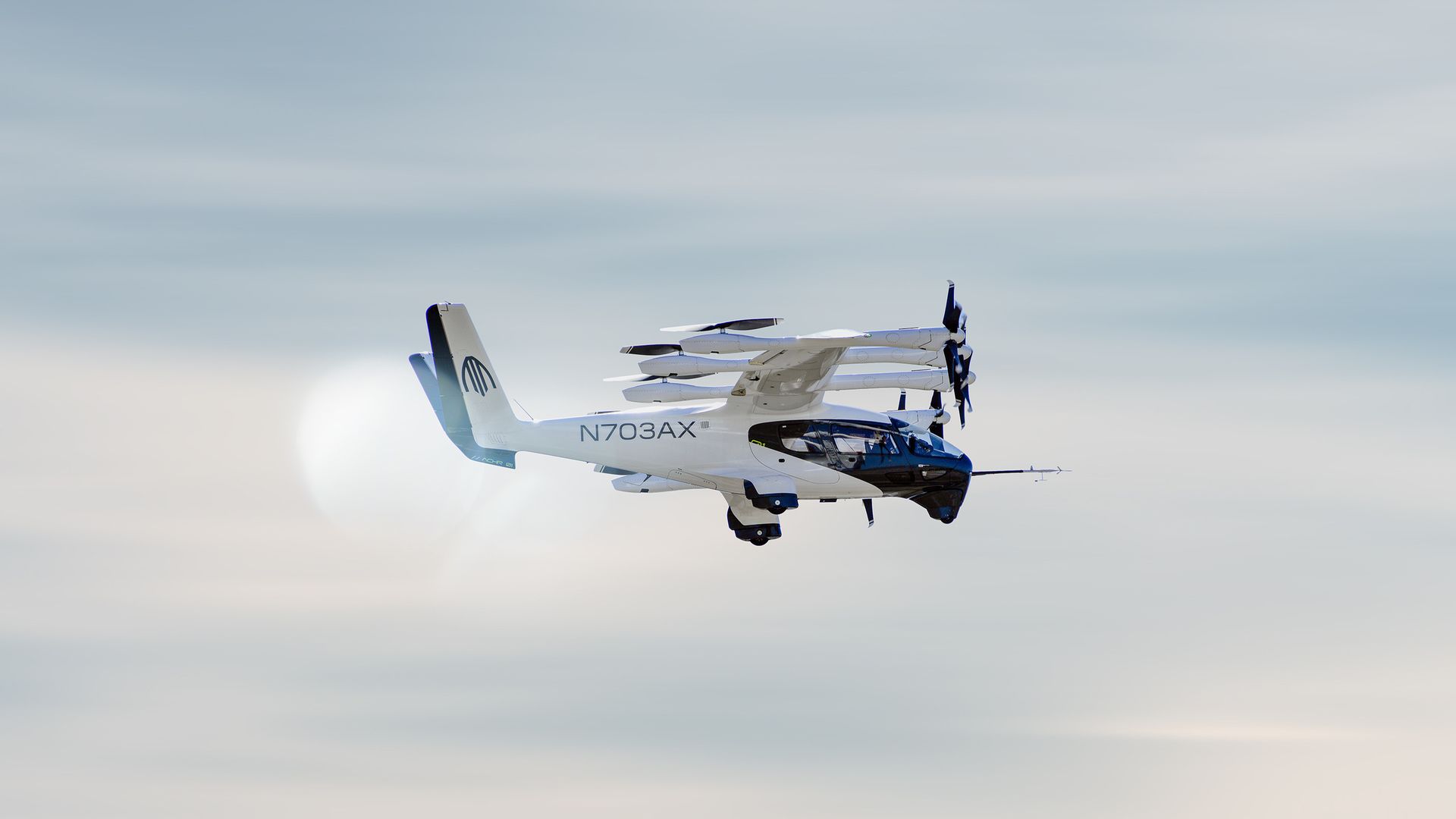
The U.S. aims to accelerate the next era of aviation with eight pilot projects to test innovative electric aircraft across 26 states, the Trump administration announced Monday.
Why it matters: Together, the projects will create one of the largest real-world testing environments for next-generation aircraft in existence, the Federal Aviation Administration said in a statement.
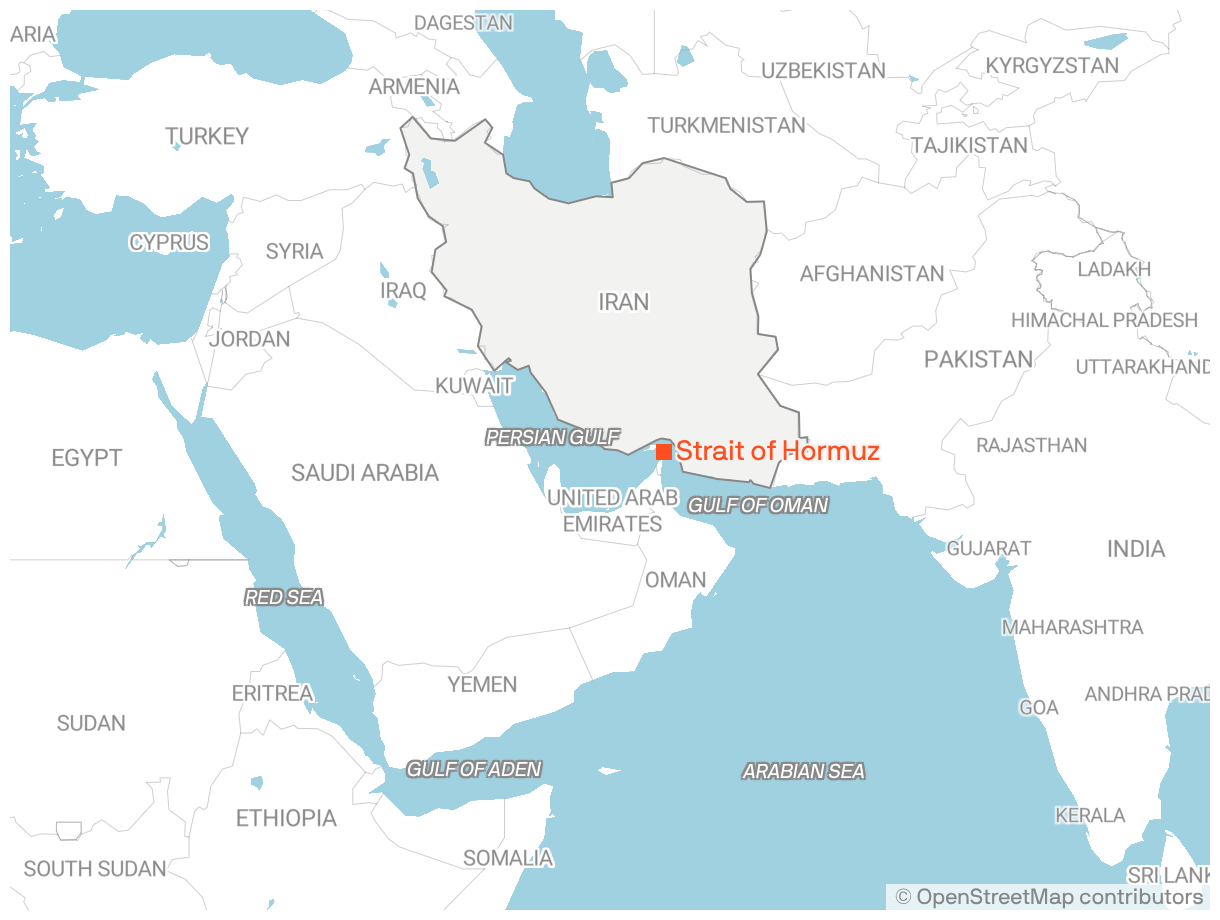
While President Trump has offered political risk insurance and Navy escorts for tankers navigating the Strait of Hormuz, it still remains one of the most difficult waterways in the world to defend.
The big picture: The Strait, which carries roughly 25% of the world's seaborne oil supply, is approximately 21 nautical miles wide at its narrowest point, but the designated shipping lanes are far smaller — concentrating traffic into predictable corridors for Iran to monitor and target adversaries.
The Iran conflicthas a new economic front: oil topping $100 a barrel, with a near-immediate impact for drivers, travelers and grocery shoppers — while the benefits will flow more slowly to a handful of oil patch states.
Why it matters: Americans were already fed up with high prices. The effects of a widening conflict will ripple across the economy, with uncertainty about how high prices will rise and how long the surge will last.
America's AI revolution may have a problem with its data centers. Not because of political pressure tied to electricity prices, but because of private credit freezing up.
Why it matters: The circular nature of AI dealmaking could become a vortex, without an obvious exit ramp.
The Iran war has cast a sharp spotlight on the global economy's reliance on the Strait of Hormuz.
Why it matters: The strait is a chokepoint for critical global commodities — and prices for oil, gas, plastics and fertilizers are already surging on fears of war-related disruptions.
The Department of Justice and Live Nation have settled their antitrust dispute, which had been focused on the 2010 merger of Live Nation and Ticketmaster.
Why it matters: The settlement means that Live Nation won't need to divest Ticketmaster, or any other assets, despite DOJ having argued that the tie-up had created an illegal monopoly that hurt both consumers and performers.
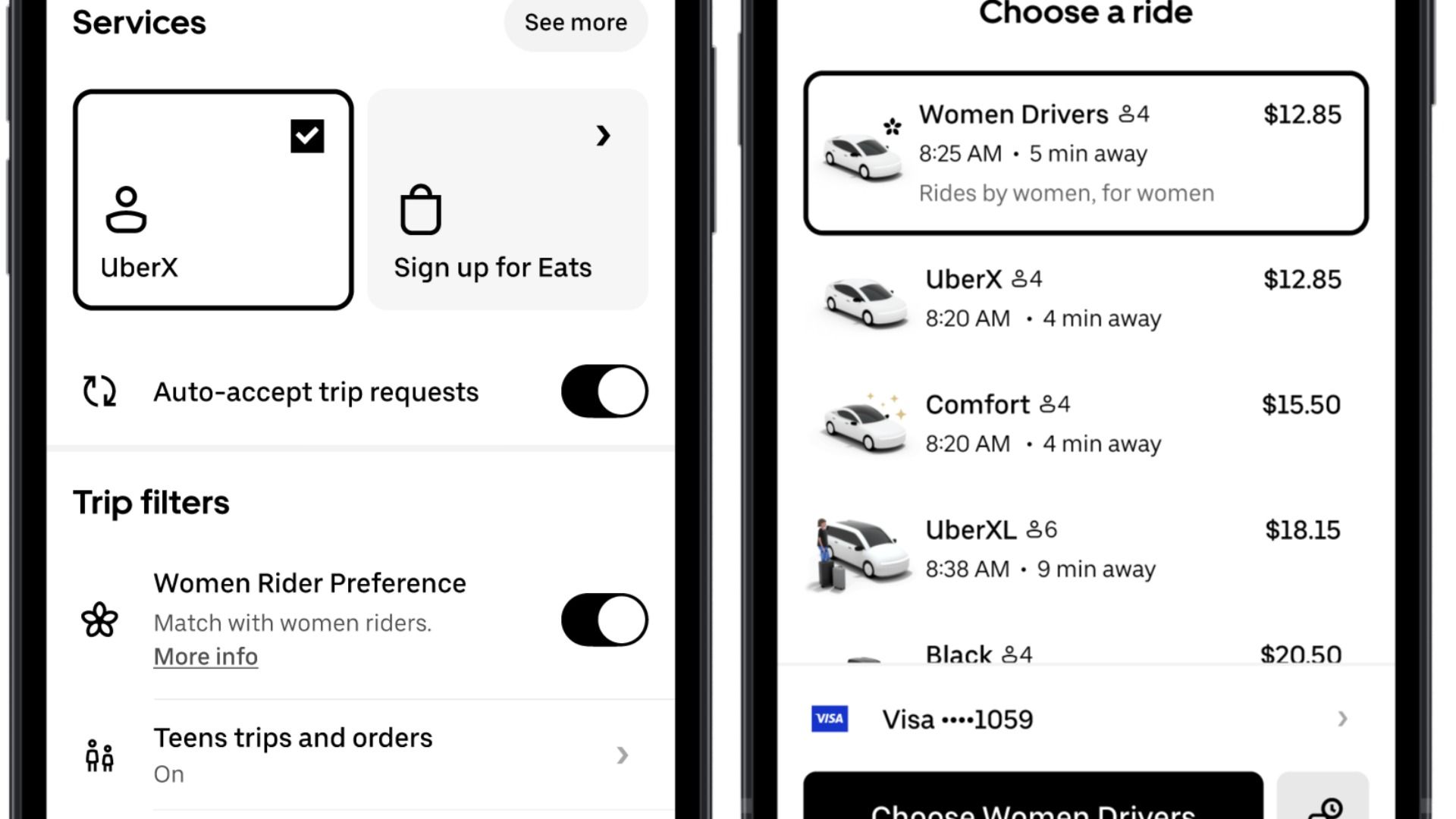
Uber will begin rolling out its women-only ride preference nationwide Monday, expanding a feature that lets women riders and drivers match with each other.
Why it matters: The rollout makes gender-based ride matching a mainstream U.S. feature — escalating a safety push that doubles as competitive strategy, and setting up a potential legal flashpoint.
Financial well-being is built over time. For many, improving financial literacy is the first step toward feeling more in control of their finances.
Financial Literacy Month, celebrated every April, is an opportunity to recognize the value of everyday money decisions, from budgeting and saving to credit and long-term planning.
In the first week of the American and Israeli attack on Iran, the economic ripples were looking pretty minimal. But as Week 2 begins, the risks to the global economy are growing much more serious.
The big picture: You can't decapitate the leadership of a country of 90 million people, with expansive military and intelligence capabilities, in the heart of some of the world's most economically important supply chains, without a huge cost.
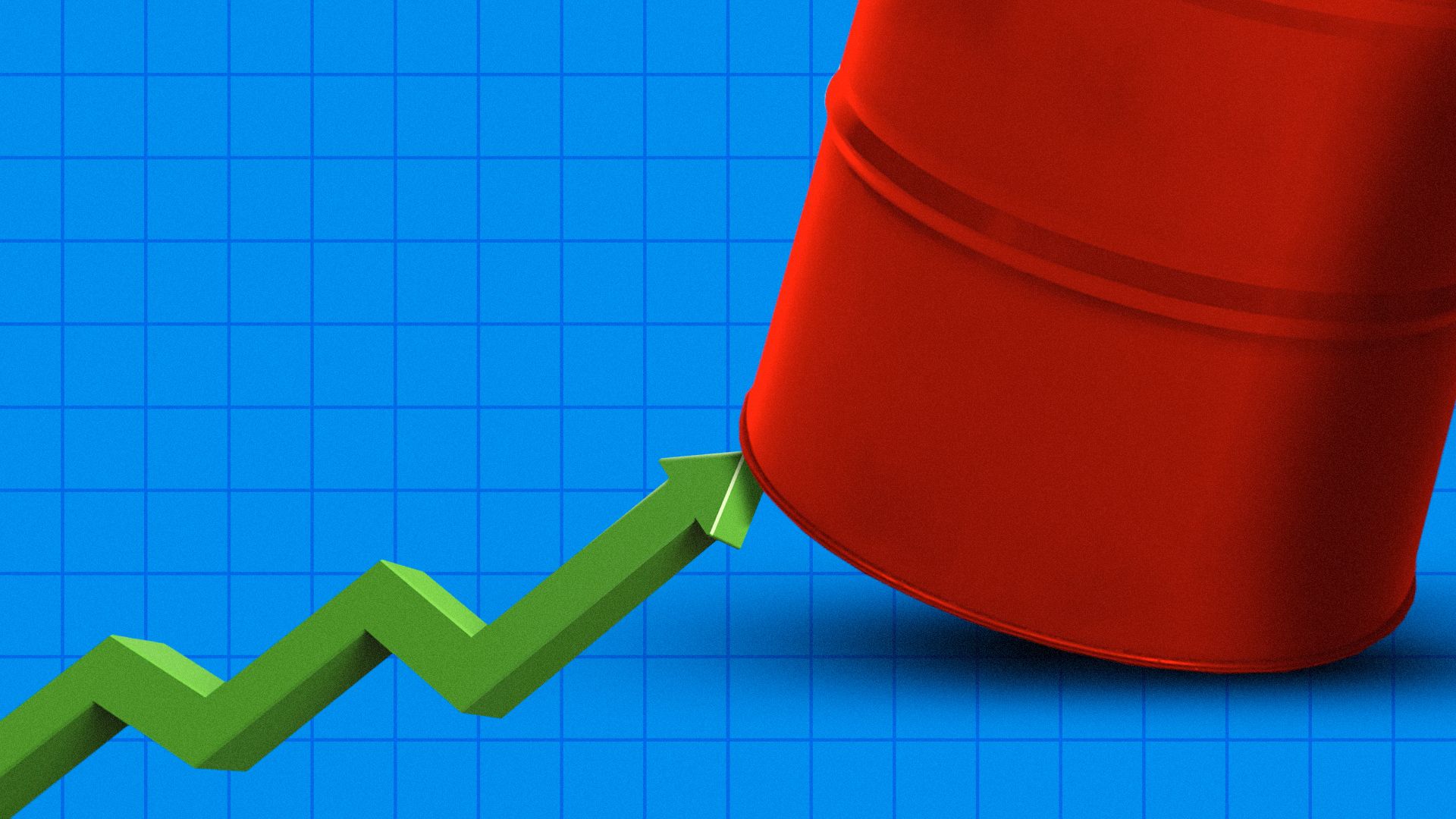
Oil prices on Sunday crossed into triple digits for the first time since 2022 — a stark sign of how the Iran war is throttling global supplies and raising consumers' costs.
Why it matters: The psychologically important $100-a-barrel mark is going to increase pain for consumers, many of whom don't support the war and didn't have any real warning that it was coming.