Why it matters: The technology may be ready — but the economics aren't. High costs are still preventing these new mobility platforms from reaching the scale needed to become durable, profitable businesses.
Data: International Monetary Fund via FRED; Chart: Alex Fitzpatrick/Axios
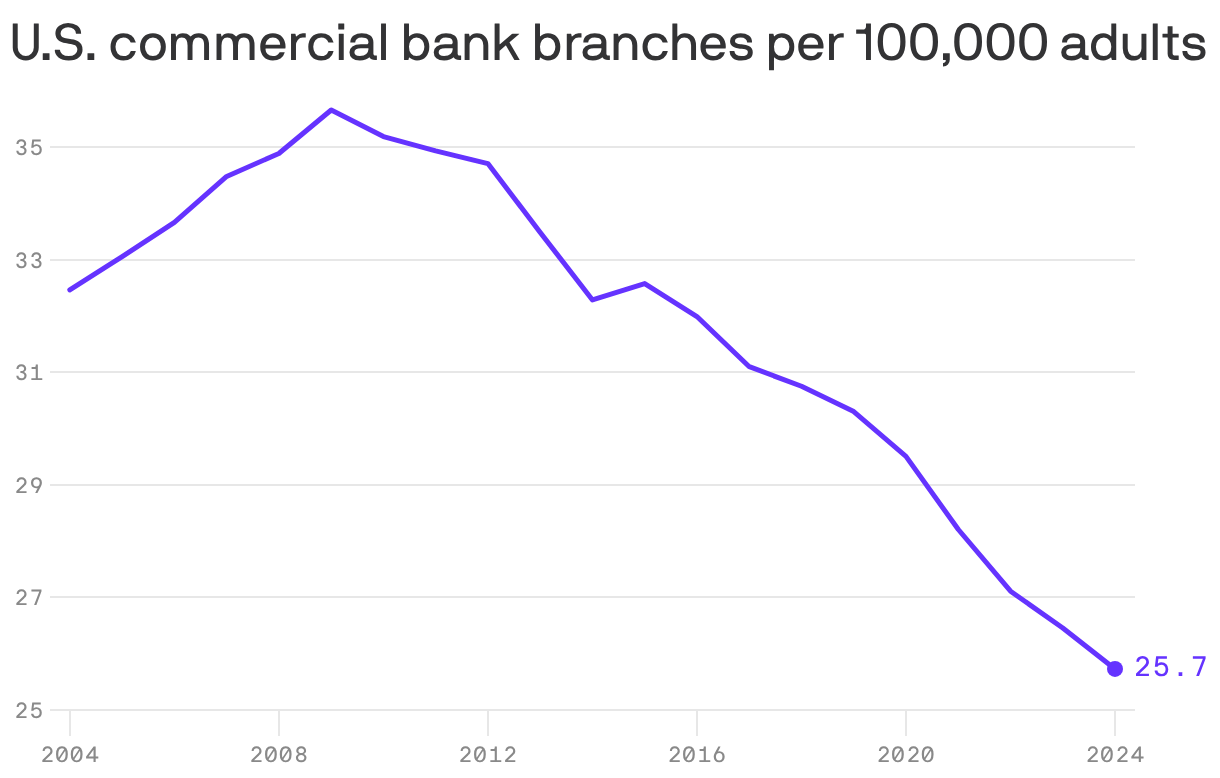
JPMorgan plans to open 160 new U.S. branches in 2026, even as the industry overall steadily shrinks its physical footprint.
Why it matters: While visiting a branch to get cash is increasingly unnecessary, brick-and-mortar branches still serve as a critical nexus between customers and their banks.
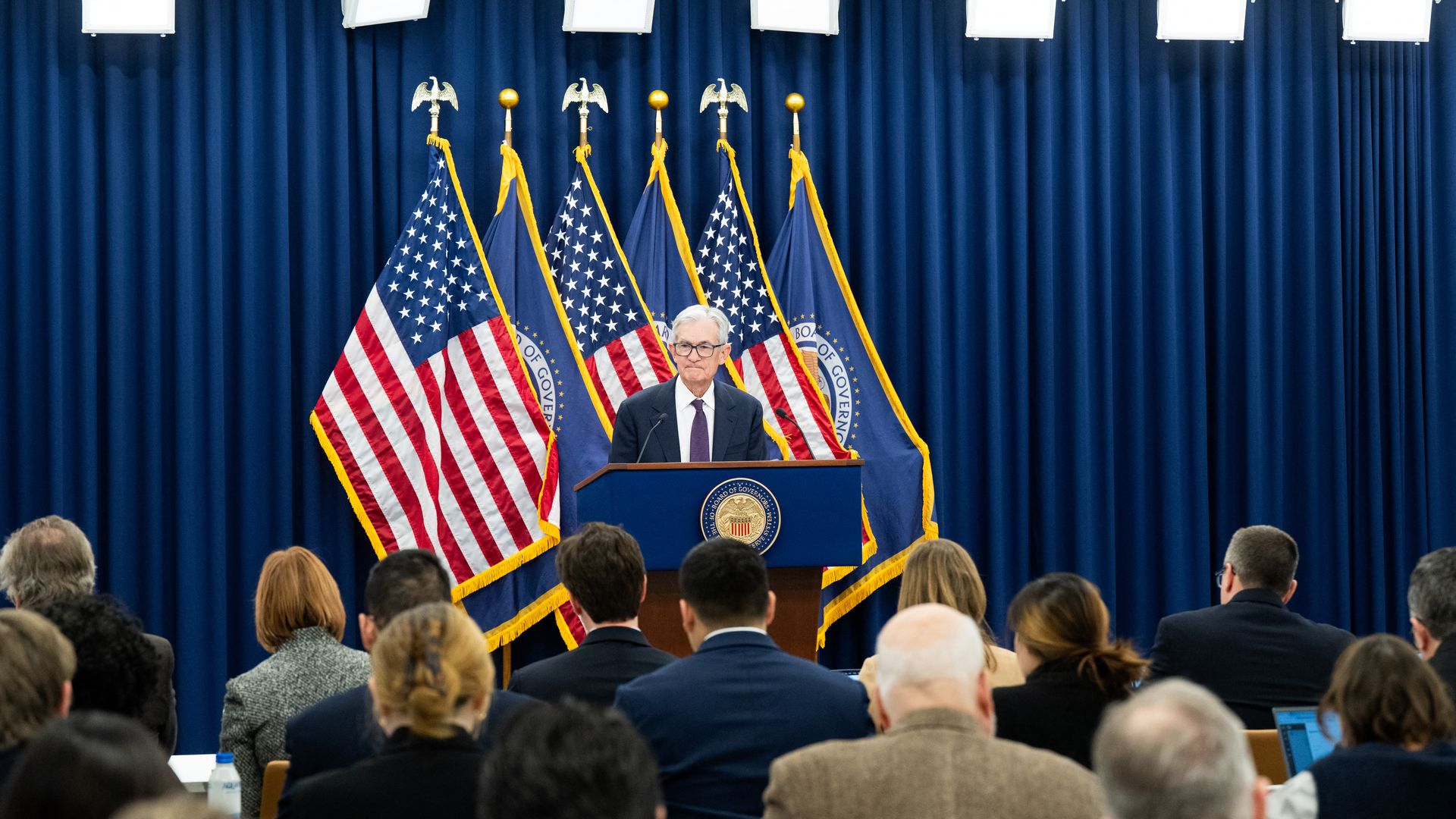
Federal Reserve officials appear deeply divided over interest rates, with several suggesting the possibility of higher borrowing costs if inflation remains stubborn, according to policy meeting minutes released on Wednesday.
Why it matters: Officials are split over how weak the labor market is and whether businesses will continue to pass along tariff-related costs to consumers.
Economic policymakersare bracing for a range of potential AI outcomes, from widespread adoption that causes job market wreckage to the technology's uptake completely stalling.
Why it matters: The path that unfolds will shape the future of employment, productivity and inflation trends. Each outcome comes with its own consequences — and challenges — for investment, the financial markets, and monetary policy.
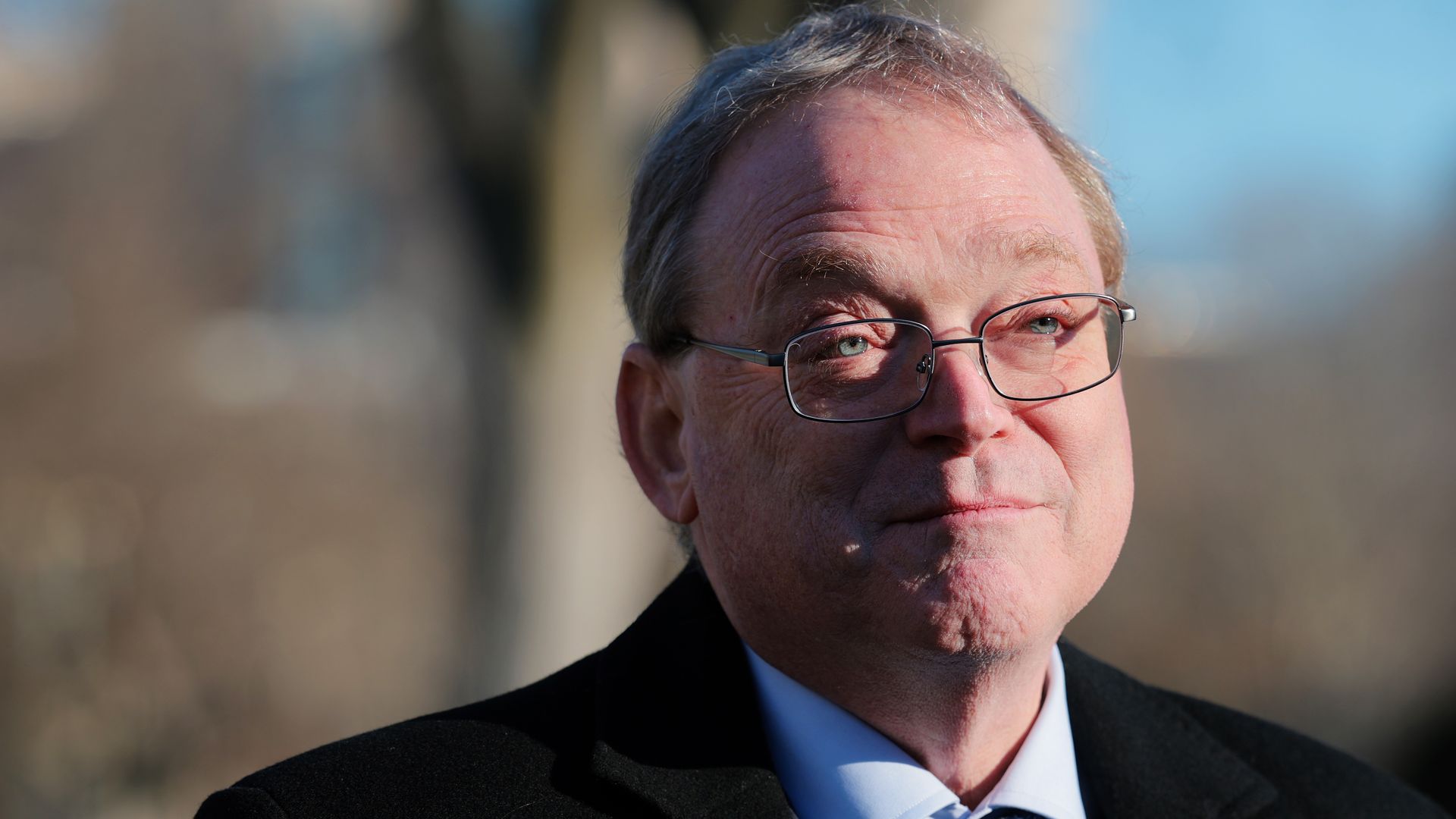
White House economic adviser Kevin Hassett said the authors of a New York Fed study that found that Americans pay for tariffs should be disciplined, in an interview with CNBC Wednesday morning.
Why it matters: The findings of the paper run counter to what President Trump has claimed about his tariffs, and the attention the research has received has created a political problem for the White House.
CFTC chairman Mike Selig came out swinging in the fight against state regulations of prediction markets, declaring they aren't gambling, and that his agency has "exclusive jurisdiction" to regulate the space.
The big question: Is the CFTC prepared or equipped to take on the full scope of prediction markets in the age of retail trading?
Job hoppers saw fat pay increases for a while, but not so much anymore.
The pay premium for switching jobs these days is at its narrowest since ADP began tracking in 2020.
Why it matters: In this low-hire, low-fire job market, employers don't have to work as hard to hire people. There's no need to lure workers with high wages if there's a surplus of folks hungry for new roles.
By the numbers: Median pay increased 4.5% from last year for those sticking with their employer, per an ADP analysis of private employers.
For job hoppers, the pay bump up was 6.4%.
The benefit for switching jobs appears to have peaked in April 2022, when switchers saw median raises of 16% during the so-called Great Resignation. (Good times!)
Zoom in: The pay premium varies by industry. Workers in construction, mining and finance had wider premiums, per ADP data.
The intrigue: The ADP data only looks at the private sector, and might be overstating the pay premium for job switching.
The premium has virtually vanished, per a separate measure from the Atlanta Fed, which tracks the three-month moving average of hourly median wage growth.
The raise for job stayers was 3.5% compared with 4% for switchers, per that wage growth tracker.
Even in the deepest of woods or bogs, ICEYE US CEO Eric Jensen stays caffeinated.
"I love to hike, hunt, explore the wilderness, camp. I would prefer always to do it with my single serve manual espresso maker," he told Axios in a recent interview.
"What's something I believe that no one else does? You can make a barista-quality shot of espresso on your own — off grid — without any steam or anything like that."
Why he matters: ICEYE is part of the remote-sensing boom, as it designs, builds and operates a fleet of satellites that collects information about the Earth.
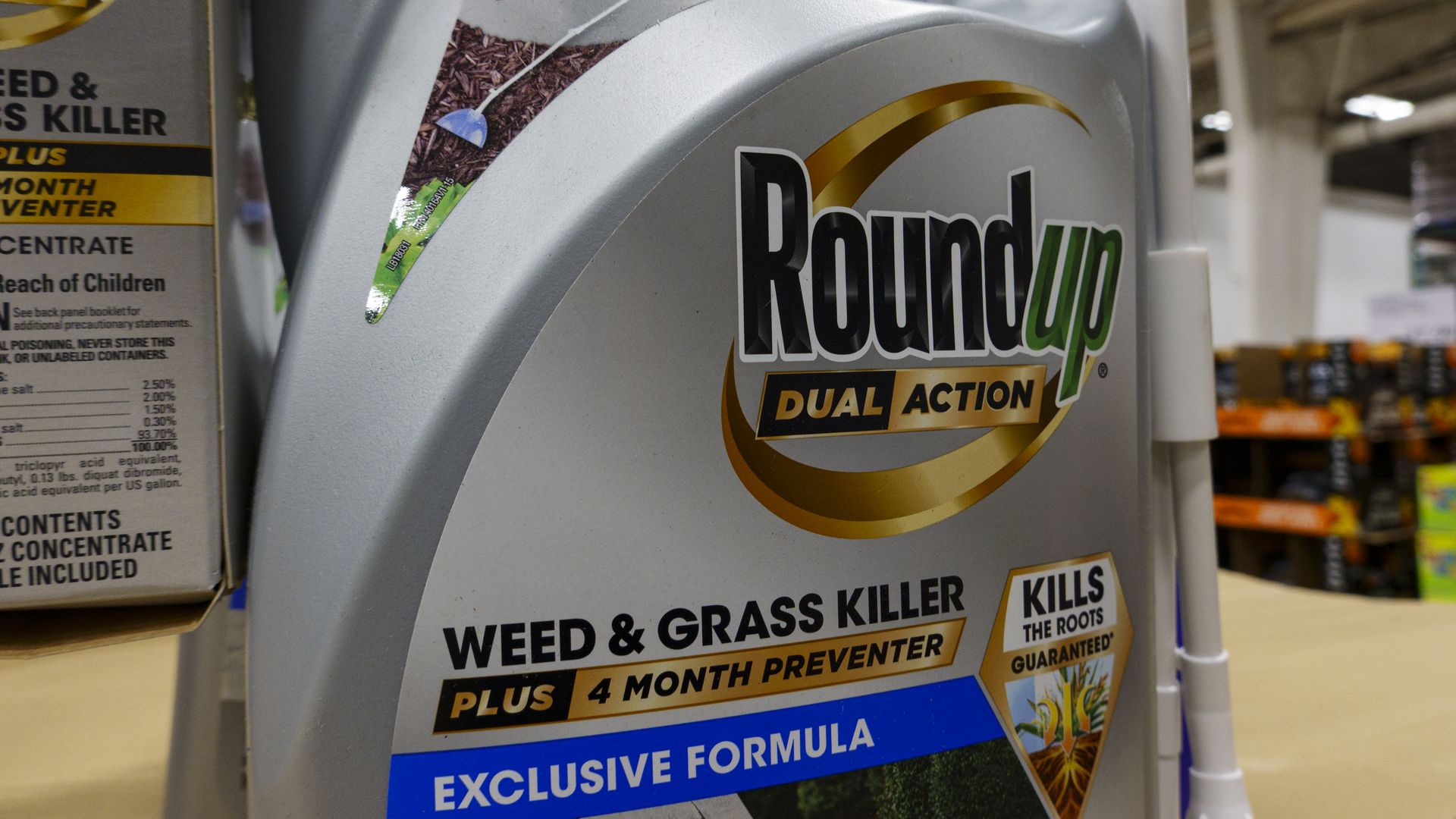
Bayer has agreed to a $7.25 billion deal to settle tens of thousands of lawsuits that its weedkiller Roundup caused cancer.
The big picture: Bayer — which acquired Roundup when it bought Monsanto in 2018 — announced Tuesday that it'll compensate people who allegedly suffered non-Hodgkin lymphoma due to exposure to Roundup.
A dizzying range of factors led to last year's deadly collision between an Army helicopter and a regional jet over the Potomac River, per the final National Transportation Safety Board report out Tuesday.
Why it matters: As is often the case with major aviation disasters, many smaller issues — each perhaps benign on their own — added up to a tragedy of the grandest scale, leaving 67 people dead.
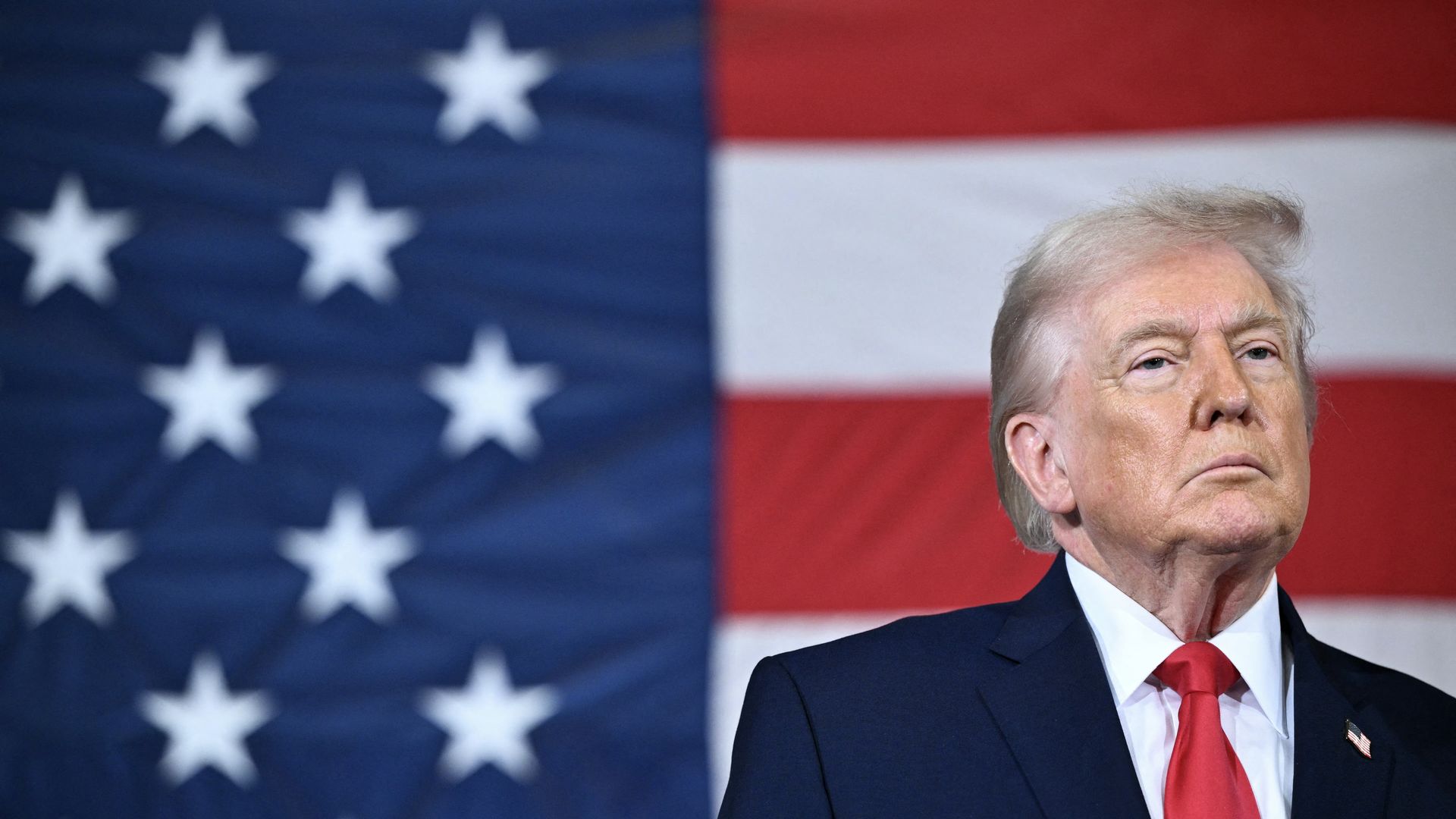
Nearly half of Americans would describe President Trump as "corrupt," "racist" and "cruel" in new polling full of midterm warning signs for Republicans.
Why it matters: Trump's approval numbers are falling across the board.
The euro —its future in disarray barely a dozen years ago — is back.
Why it matters: European leaders are trying to carve out a bigger global role for their currency in a Trump-shaped world order. If they are successful, it could chip away at America's biggest economic advantage: the outsize demand for dollars and U.S. debt.
The Commodity Futures Trading Commission is launching a legal campaign to defend its regulatory turf on prediction markets, setting up a clash with states that have sought to block them.
Why it matters: Prediction markets like Kalshi and Polymarket have been surging in popularity, raising questions about the legality of sports event contracts and other trading opportunities in a growing gambling culture.
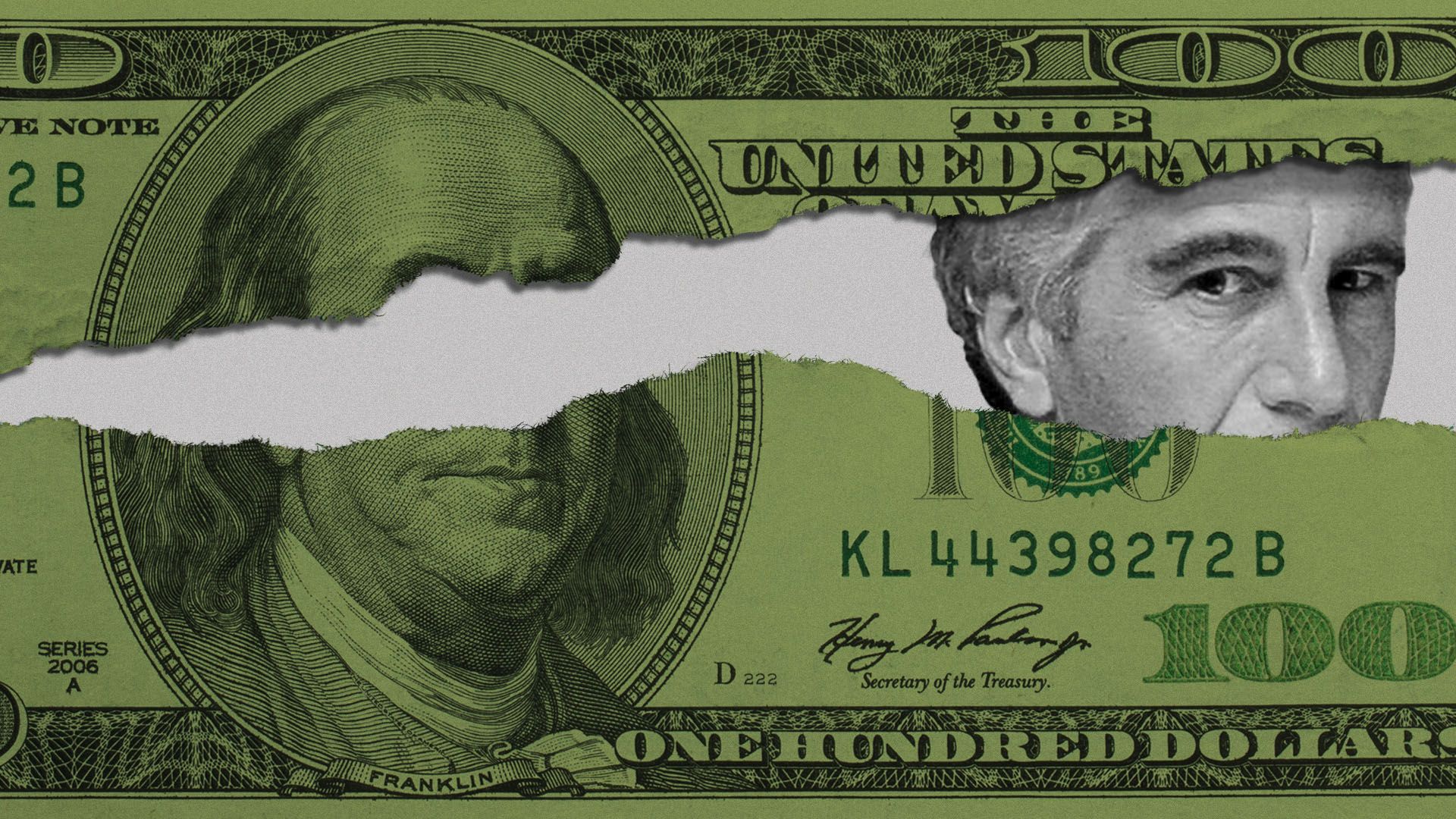
Two teachers unions this morning sent a letter to the U.S. Securities & Exchange Commission, requesting that it investigate what they believe were "misleading" statements made by Apollo Global Management to its investors, regarding the firm's relationship to Jeffrey Epstein.
Why it matters: Apollo hasn't put this to bed, five years after severing ties with firm founder and former Epstein pal Leon Black.
Tide is introducing one of the biggest changes to laundry detergent in more than a decade with the national rollout of Tide evo, a dry, tile-based alternative to liquids and pods.
Why it matters: The U.S. laundry care market is worth nearly $25 billion, and even small shifts in format can move billions in retail sales.
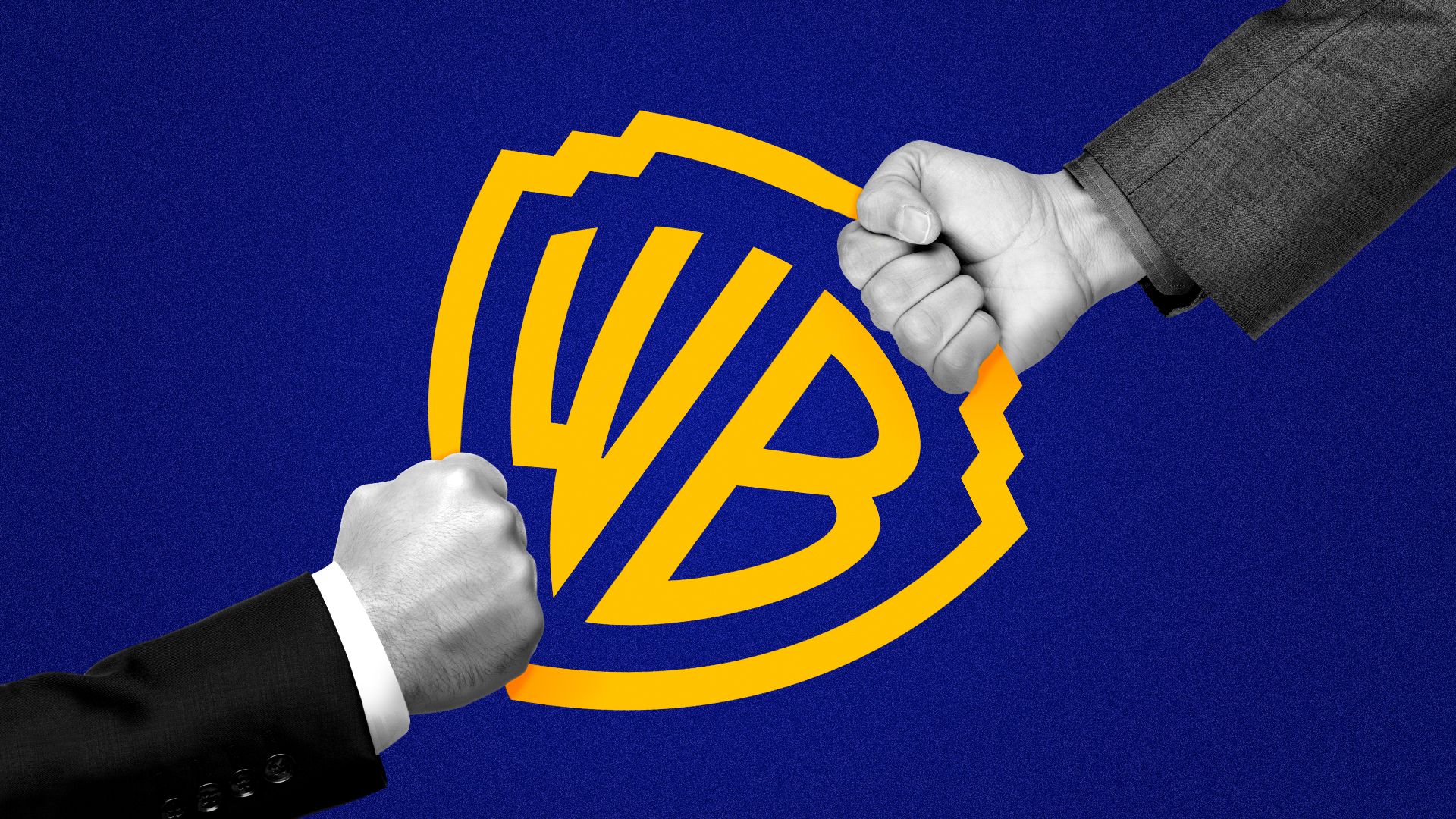
Warner Bros. Discovery on Tuesday said it will reopen deal talks with Paramount Skydance, possibly reigniting a bidding war with Netflix.
Why it matters: Paramount has made numerous revisions in an attempt to get WBD's board to take its offer seriously. By holding out for a "best and final offer," it looks like WBD may be able to get Paramount to lift its price to at least $31 per share.
AI is concentrating stocks, bonds, private credit — and even the broader economy — around a single bet.
Why it matters: Tech companies are projected to issue over $1 trillion in debt to fund their AI goals this year. Yet there's little evidence the technology can be monetized at a scale that justifies the bet.
President Trump said he is going to be "involved indirectly" in the second round of nuclear talks between the U.S. and Iran that will take place in Geneva on Tuesday.
Why it matters: The meeting tomorrow between Trump's envoys Jared Kushner and Steve Witkoff and Iranian Foreign Minister Abbas Araghchi could be a make or break moment that will signal whether the two countries are moving towards an new nuclear deal or towards a war.