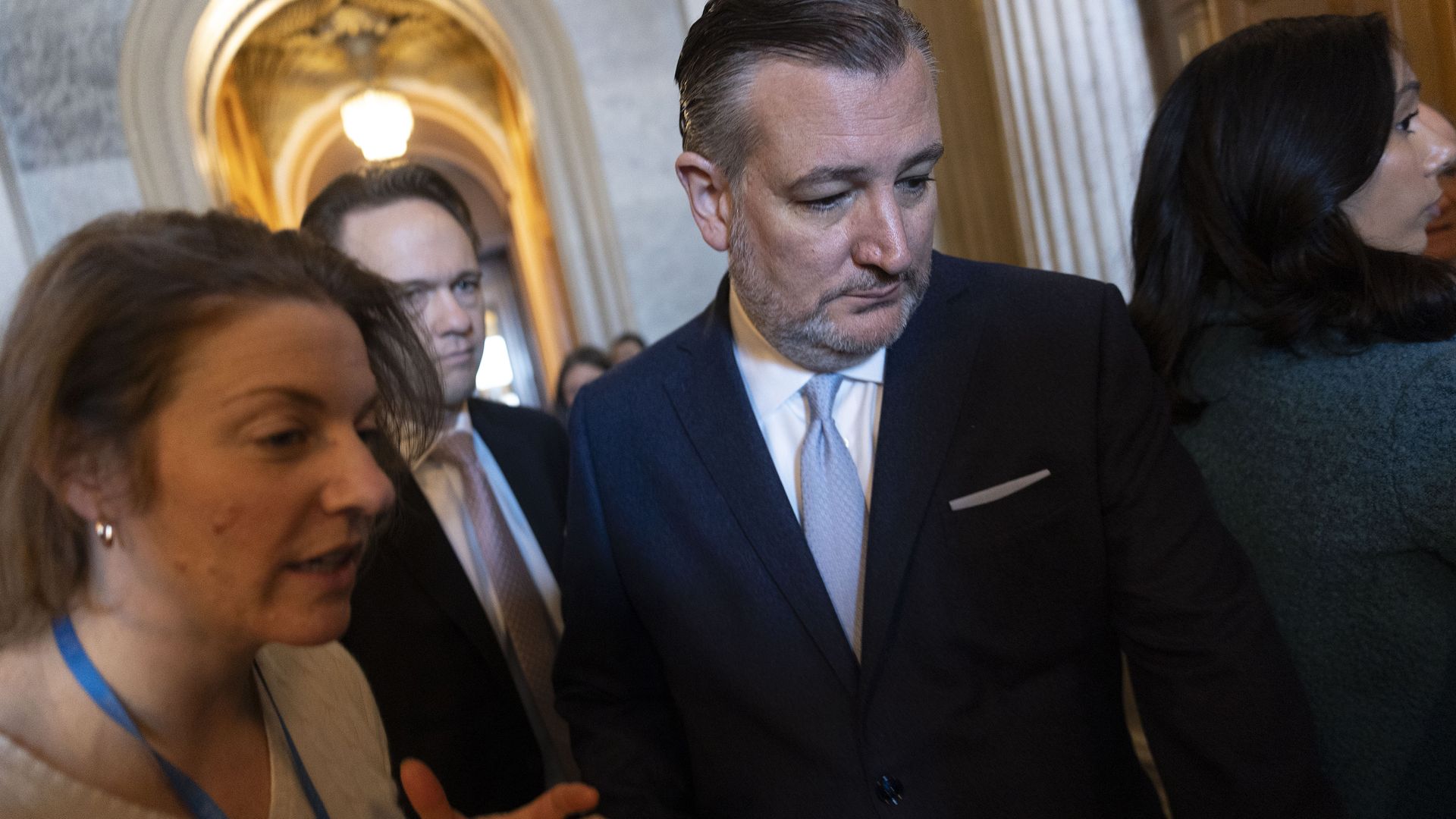
Senators emerged from a Wednesday evening briefing from FAA administrator Bryan Bedford demanding more information — and a classified briefing — on what led to the airspace closure in El Paso, Texas.
Why it matters: The closure stemmed from a dispute between the FAA and the Pentagon on the safety of testing anti-drone technology, a source told Axios.
McDonald's extended its U.S. sales streak to three quarters — turning in broad-based growth as its value push resonates with price-conscious diners.
Why it matters: The earnings reported Wednesday suggest the fast-food giant is sustaining traffic while navigating the industry's core tension: keeping prices competitive without sacrificing margins.
Winter storms have disrupted USPS mail delivery in several cities, causing days-long delays — and in some neighborhoods, weeklong gaps — even after roads have cleared.
Why it matters: The disruptions have left residents waiting on medications, tax documents and checks — highlighting the challenges of restoring full service after major storms.
The Trump administration is blaming a "cartel drone incursion" for the sudden closure of the airspace around El Paso, Texas on Wednesday, though sources also pointed to miscommunication between the military and Federal Aviation Administration as a factor in the decision.
Why it matters: Residents of El Paso woke up to the news that local airspace would be closed for 10 days, a duration unprecedented in any U.S. city since 9/11. No explanation was offered until the order was reversed eight hours later, an information vacuum that was filled by frenzied speculation.
Uber's CEO says the introduction of robotaxis will be good for its business, not the death knell that some investors fear.
Why it matters: Fifteen years ago, Uber was transportation's Great Disruptor. Now the ride-hailing company itself is in danger of losing ground to competitors like Waymo and Tesla as robotaxis expand across America.
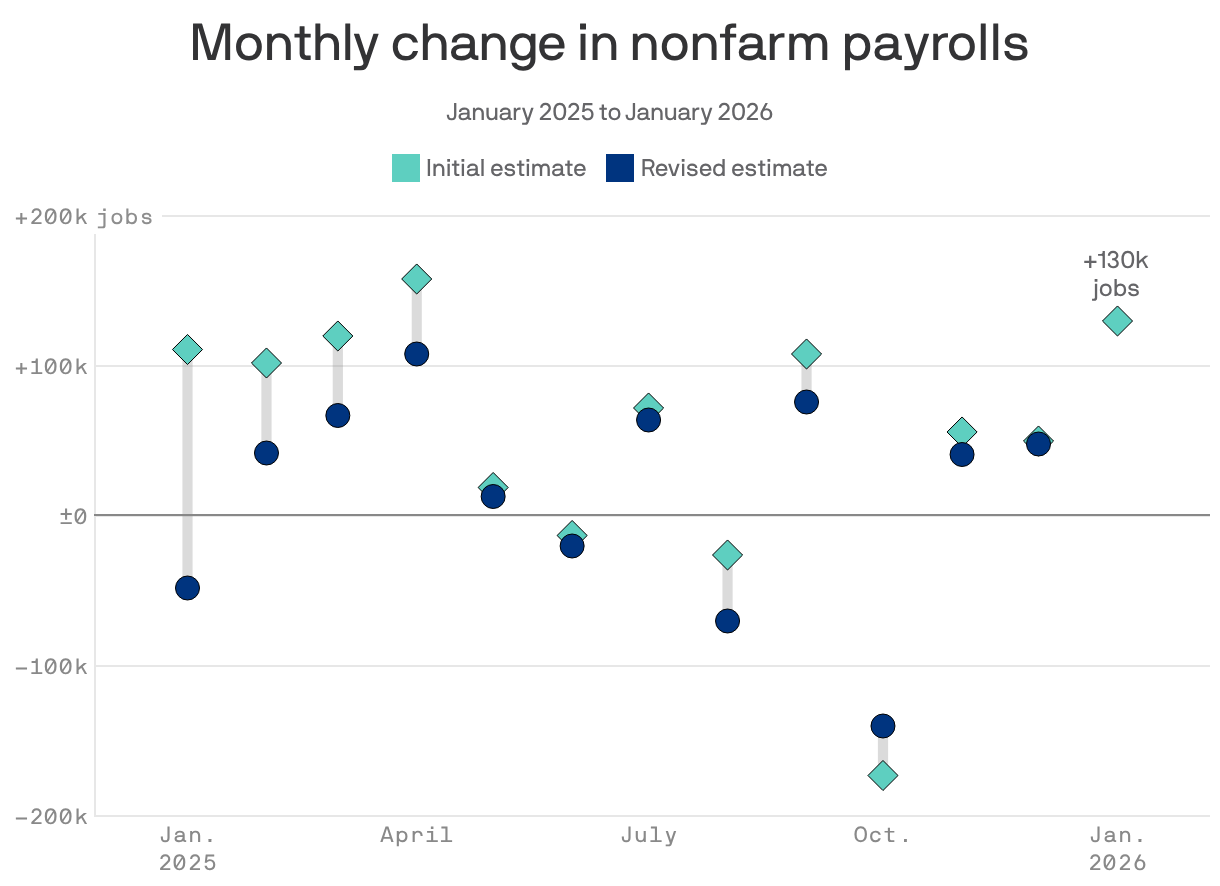
Data: Bureau of Labor Statistics; Chart: Kavya Beheraj/Axios
The labor market kicked off 2026 with a bang: Job creation surged, and joblessness ticked down. But 2025 was slower than we thought.
Why it matters: It points to the possibility that 2025 was the low point for job creation and that a more stable environment in January could signal stabilization or even a hiring pickup in the months ahead.
The Federal Aviation Administration's abrupt announcement it was closing El Paso's airspace for 10 days sent its airport into chaos and diverted medical emergency flights, Mayor Renard Johnson said Wednesday.
Why it matters: The roughly 8-hour closure sparked alarm among El Paso residents and left political leaders fuming about the lack of communication from the feds.
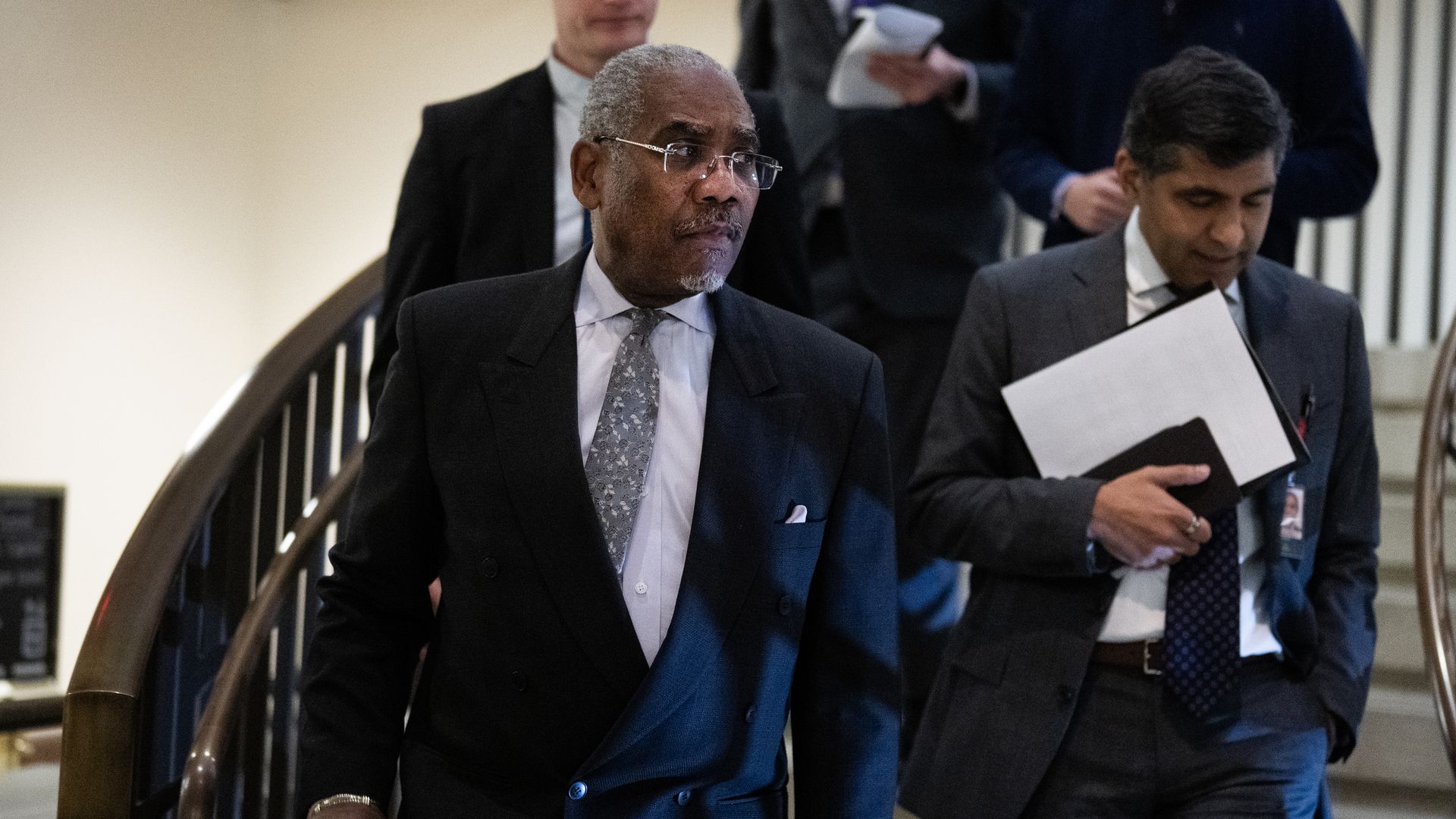
House Democrats are already planning to force votes overturning at least two of President Trump's tariffs, with more likely to follow, senior lawmakers tell Axios.
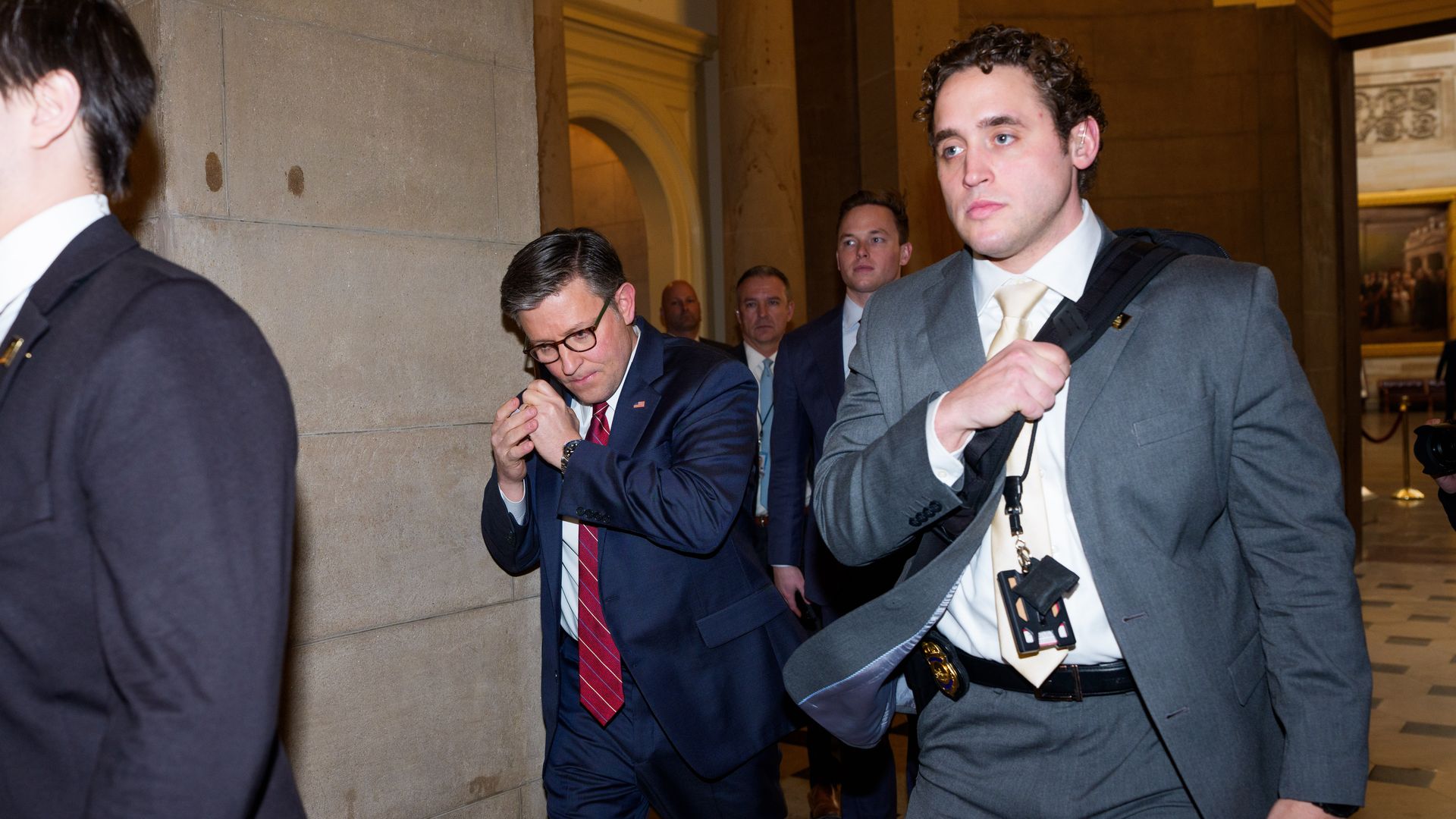
Why it matters: House Speaker Mike Johnson (R-La.) has repeatedly blocked these votes over the past year, but his attempt to do so on Tuesday was thwarted by a trio of Republican defectors in a late-night vote.
U.S. budget deficits are set to remain high in the coming decade, the Congressional Budget Office said Wednesday, as a surge in tariff revenue only partly offsets lost revenue from last year's tax legislation.
Why it matters: The U.S. government is spending much more than it raises, with annual deficits on track to remain near $2 trillion, or 6% of GDP, in the years ahead — even in the absence of a recession, war or other crisis.
Warner Bros. Discovery is under new pressure this morning to switch horses from Netflix to Paramount, although it still appears to be waiting for a price sweetener.
Driving the news: Activist investor Ancora Partners disclosed around a $200 million stake and argued that the Paramount bid provides more price and regulatory certainty.
Three more Coupang investors on Wednesday joined the lawsuit against South Korea's government, arguing that it acted unlawfully against the e-commerce firm.
Why it matters: This is becoming a flashpoint in U.S.-South Korea relations, and could impact U.S. investment in South Korean companies.
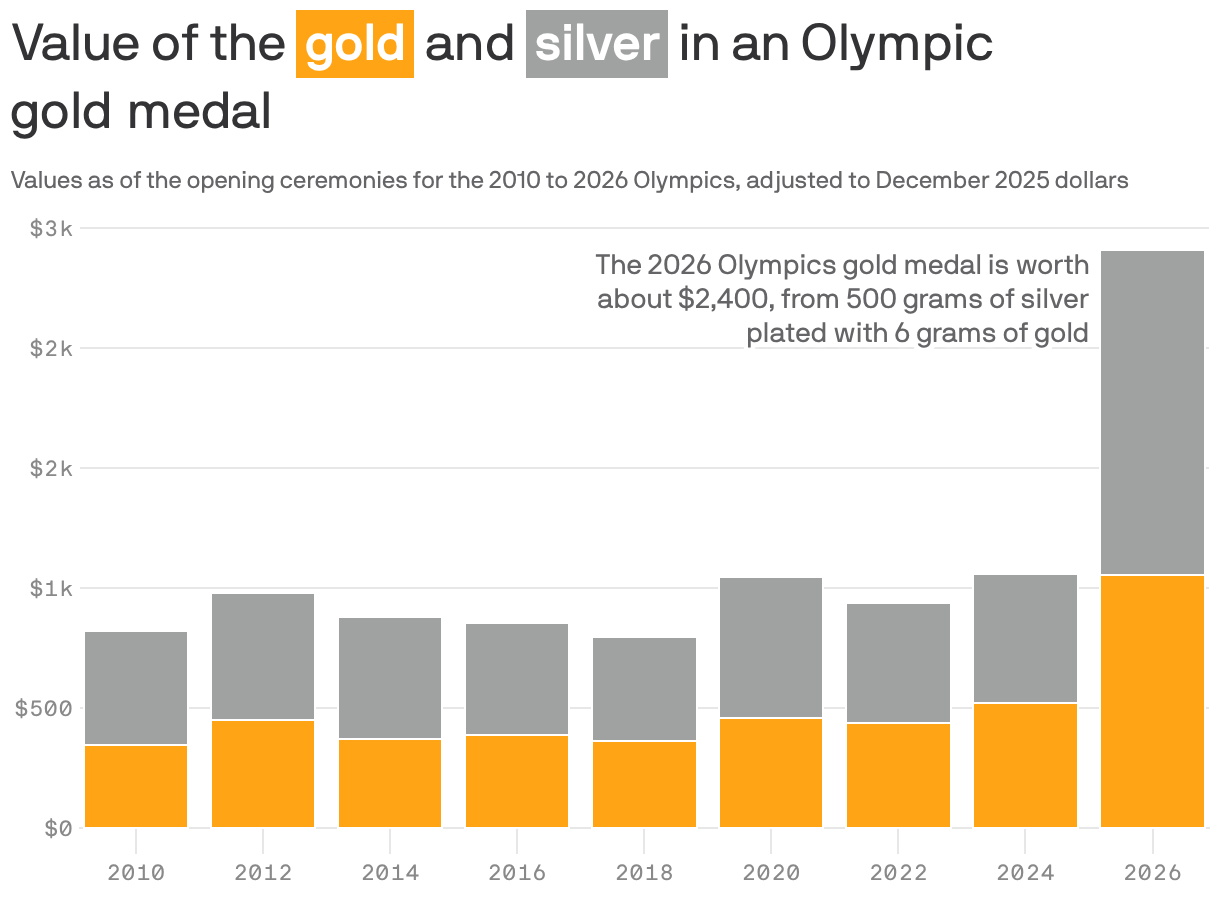
The Milan Cortina games are handing out the priciest Olympic medals in over a century — and athletes are already breaking them.
Why it matters: Athletes typically value medals for prestige, not price, but soaring precious-metal costs have made the sometimes-faulty 2026 medals especially costly.
The reelection of Japan's popular prime minister, Sanae Takaichi, earlier this week pushed the country's long-languishing stock market to new heights.
Why it matters: The Nikkei is just one of the foreign stock indexes beating the major U.S. benchmarks this year — as investors "Sell America" and look to buy elsewhere in the world.
Uber is rolling out a new AI-powered assistant in Uber Eats that builds grocery carts from text or image prompts — automating a traditionally time-consuming task.
A 10-mile ring of airspace centered on El Paso, Texas, is effectively closed to aircraft for the next 10 days after the Federal Aviation Administration issued a surprise restriction late Tuesday night for "special security reasons."
Why it matters: The temporary flight restriction, or TFR, includes the airspace over El Paso International Airport, effectively shutting down the city's main aviation link.
Valentine's Day shoppers, take note:Champagne and cream-colored diamonds are having a moment.
Why it matters: As lab-grown diamonds make large, bright white stones more accessible, consumers are finding appeal in stones once considered imperfect.
Data: U.S. Commerce Department; Chart: Jacque Schrag/Axios
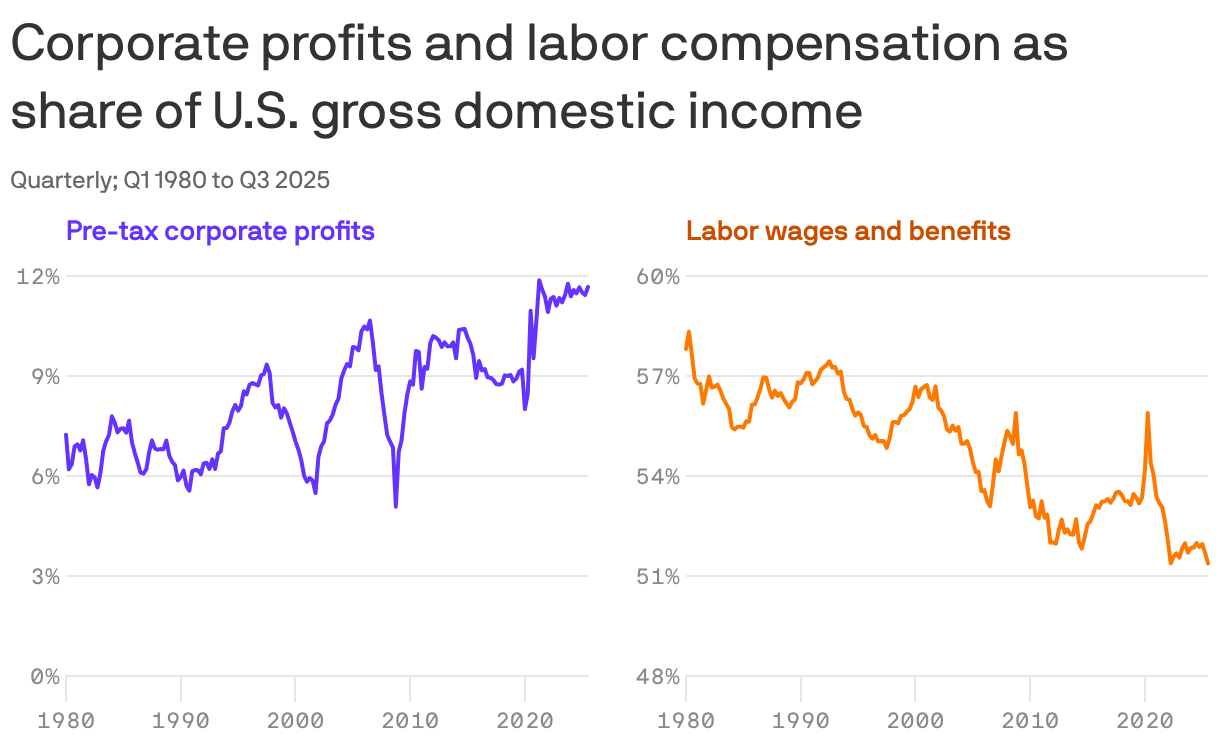
The United States is experiencing an investment boom from AI and the infrastructure that makes it possible — but much of those economic gains aren't reaching workers.
Why it matters: Job openings have become scarce and workers' wages are no longer rising that rapidly.
A group of Republicans staged a rebellion on the House floor Tuesday night over leadership's move to block members from challenging President Trump's tariffs, defeating a measure that would have reinstated the ban.
Why it matters: With the election nine months away and economic issues looming large, some House Republicans are becoming increasingly uneasy about defending Trump's tariffs — and continuing to cede their constitutional authority over trade.