Thursday's economy stories









The office job decline may solve a mystery of the 2020s economy





Older Americans power a gray-shaped economy
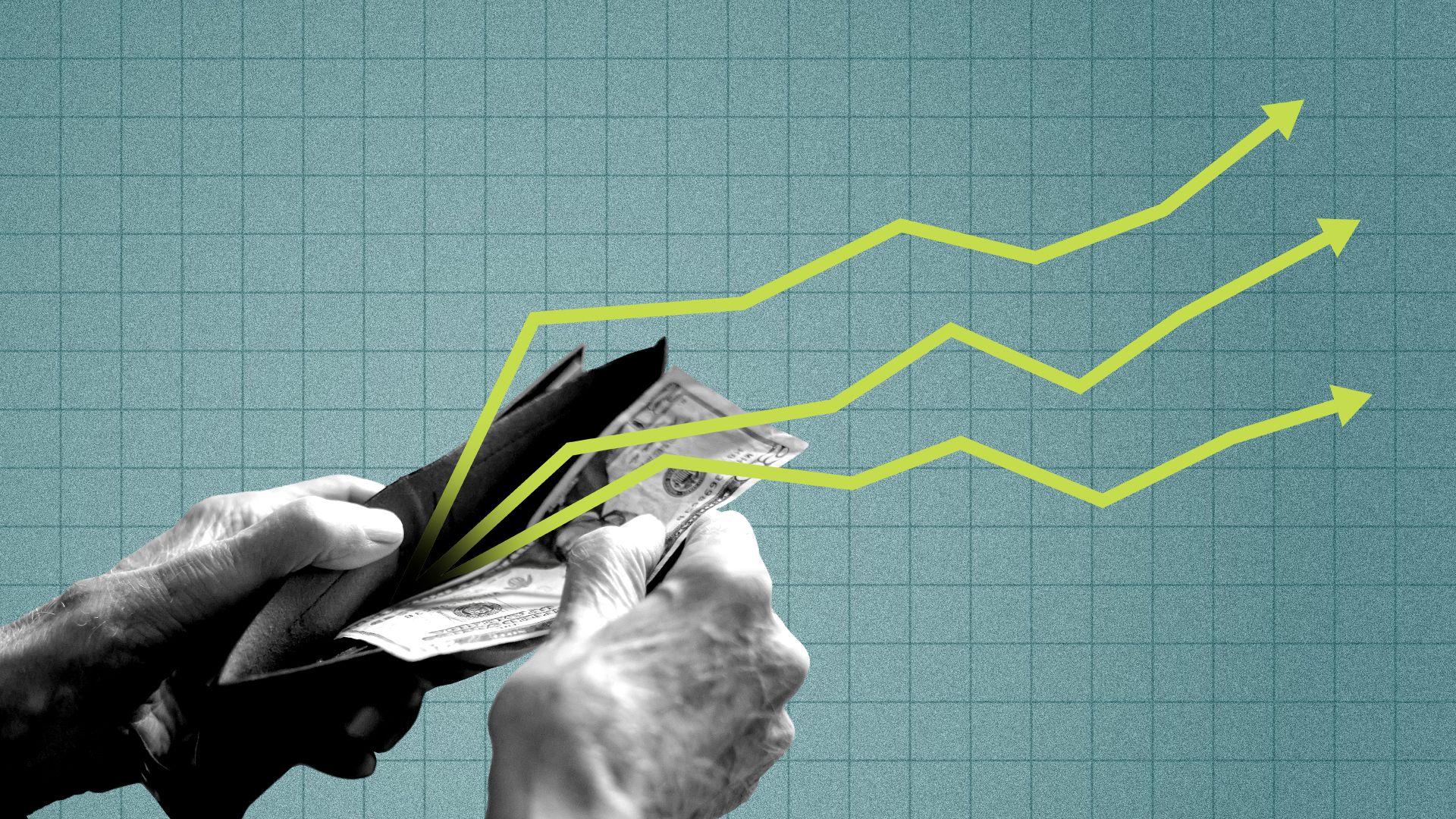
Forget K-shaped, try gray-shaped: Older Americans are powering the economy.
Why it matters: The changing demographics in the U.S. — more old people, fewer young ones — are reshaping jobs and spending in all kinds of ways.
The latest: Nearly all of the job growth in January came from the health care and social assistance sectors, per the BLS data out Wednesday. Health care employment also drove much of the labor market growth last year.
How it works: "As the population ages, you need more doctors and nurses, but you also need more health aides. You need more nursing home staff," says Daniel Zhao, chief economist at Glassdoor.
- As people have fewer children, there are also fewer younger Americans available to do free care work for their elders.
The intrigue: Health-care hiring appeared to be slowing last year, says Neale Mahoney, an economist at Stanford. The rapid growth in January calls that assumption into question — though it's just one data point.
The big picture: The senior population is getting bigger as a share of the overall population. They're also getting richer.
- "From higher home prices and, more recently, surging stock prices [older Americans] are driving the train, there's no doubt about it," says Mark Zandi, chief economist at Moody's Analytics.
By the numbers: About 30% of Americans were age 55 and older in 2024 — two decades ago, they made up less than one-quarter of the population.
- More than 70% of all the wealth in the country is held by those over 55, per Federal Reserve data.
- They're spending a lot of money. More than 45% of consumer spending now comes from those age 55 and older — up from less than 40% in 2020, per federal data crunched by Moody's Analytics.


Between the lines: The changing demographics help explain all kinds of new businesses and marketing trends: longevity startups, the boom in menopause companies, among them.
- You can see this not only in health-care employment, but also in travel and the financial services sectors, Zandi says.
💬 Emily's thought bubble: It's why you saw 53-year-old actress Sofia Vergara advertise Skechers Hands Free Slip-ins during the Super Bowl.
- (You can put them on without bending down — a feature coveted by those with aching backs.)
Yes, but: An aging population also creates all kinds of economic headaches: labor shortages, housing and small-business woes.
- In Japan, it has meant a surge in abandoned homes and a succession crisis for small businesses.
The bottom line: Perhaps an AARP card is the hot new ticket to economic prosperity.